Table of Contents
Everyone Talks About Savings But Nobody Mentions the Problems
My friend installed solar panels three years ago. His electricity bill dropped, sure. But he’s complained about issues that nobody warned him about. Roof leaks appeared. The system needed repairs. The aesthetics bothered him. He regrets not asking tough questions before installation. That’s when I decided to research the actual downsides of solar. Not the sales pitch version. The real problems people face after installation. Here’s what I found.
The Upfront Cost Is Brutal
Solar panels cost money. Lots of it. A typical residential system runs 15,000 to 30,000 dollars. In Pakistan rupees, that’s 1,600,000 to 3,200,000 rupees. That’s substantial money for most families.
Yes, you save money long term. But long term means ten to fifteen years. Most people don’t have that kind of cash sitting around. You need financing. A loan costs extra through interest payments. You might pay 40 percent more total with interest factored in.
Banks have different terms. Some require 20 percent down payment. Others demand perfect credit scores. If your credit isn’t great, approval is harder. Financing costs become a real monthly expense alongside electricity savings. The math still works, but monthly payments strain your budget initially.
Roof Problems Are More Common Than Anyone Admits
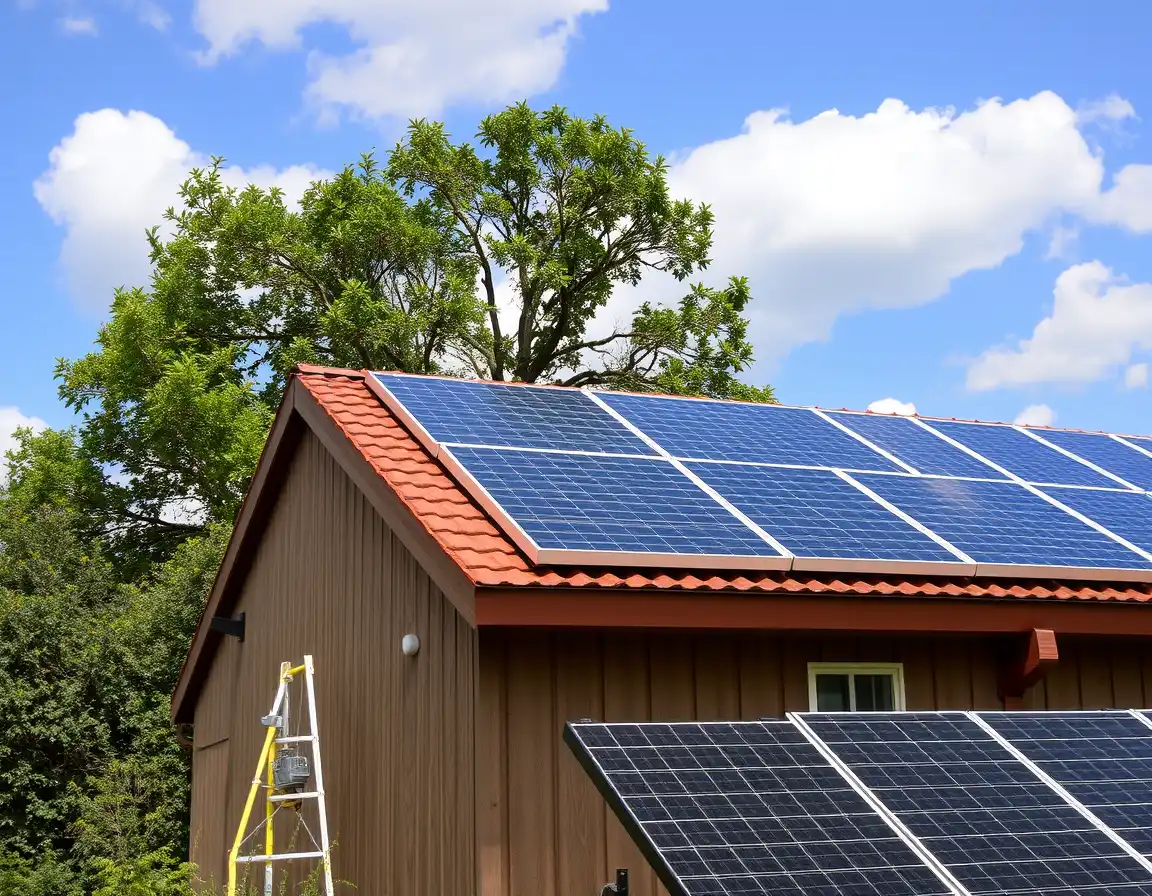
Your roof needs to be in good condition before panels go on. If your roof needs replacement in five years, you have a problem. You’ll need to remove panels, fix the roof, then reinstall panels. That’s expensive and time consuming.
I spoke with a solar installer who said he deals with roof damage from installation regularly. Heavy panels stress old roofs. Weak spots develop leaks. Water seeps into your home. Fixing roof damage means removing the solar system temporarily. That costs money you didn’t budget for.
Older roofs sometimes can’t handle panel weight. An inspector examines your roof before installation. If the roof is weak, you have two choices. Strengthen the roof first or install fewer panels. Either option costs extra money before you even get solar benefits.
Roof leaks appeared at my friend’s house two years after installation. The installer bore some responsibility but disputes dragged on. He paid out of pocket to fix the leak. The repair cost 8,000 rupees. That’s money that would have gone to solar bill reduction.
Weather Damage Happens More Often Than You’d Think
Hail storms damage panels. I found accounts from people in hail prone areas with cracked panels. Replacement panels cost 500 to 2,000 dollars depending on damage severity. Your homeowner’s insurance might cover it. Or it might not. Insurance policies vary widely.
Heavy winds bend mounting brackets. Fallen tree branches crack panel glass. Severe weather takes a toll on systems. Most panels last through normal weather. Extreme weather causes problems. Your system is outside on your roof. It’s exposed to the environment.
Lightning strikes nearby sometimes damage electrical systems. Solar systems can attract lightning in rare cases. If lightning damages your inverter or wiring, repair costs run 3,000 to 8,000 dollars. Insurance might cover this. Might not.
Snow accumulation in cold climates blocks panels from generating power. You need to clear snow manually. That’s dangerous on steep roofs. You risk falling. Some people hire professionals to clear snow. That’s an ongoing expense in snowy areas.
Maintenance Isn’t Free and Takes Time
Solar panels need cleaning. Dust, bird droppings, tree sap, and pollution build up on panels. Dirty panels produce less electricity. A professional cleaning costs 150 to 300 dollars per cleaning. You’ll need cleaning once or twice yearly depending on your area.
You can clean panels yourself. But climbing on your roof is dangerous. Falls from roofs kill people. One fall ends badly. Is saving 200 dollars on cleaning costs worth a broken leg? For many people, professional cleaning is necessary.
Inverters fail eventually. These convert DC power from panels to AC power for your home. Inverter replacement costs 3,000 to 8,000 dollars. Most fail after ten to fifteen years. That’s right when your payback period ends. You’re breaking even financially and suddenly need a major repair.
Wiring and connections degrade over time. Corrosion develops. Loose connections happen. Annual inspection by a professional costs 150 to 300 dollars. You should do this yearly to catch problems early. That’s ongoing maintenance expense.
Your Home Becomes Harder to Sell
Some people want solar homes. Other people don’t. When you sell, the buyer assumes the solar loan if financing remains. Not all buyers want that responsibility. Solar systems complicate home sales.
A prospective buyer might negotiate lower price because solar is installed. They’ll claim panels reduce home value. Or they’ll demand price reduction for future repair costs. Your advantage becomes a liability in some situations.
If panels are leased rather than owned, the sale becomes complicated. The buyer needs to assume the lease. Some lease companies charge transfer fees. The buyer might reject your offer because of lease complications.
Selling in slow real estate markets gets worse with solar. Buyers become more selective. They demand discounts. Your negotiating power weakens. In some neighborhoods, solar doesn’t add value at all.
Your Home’s Appearance Changes Permanently
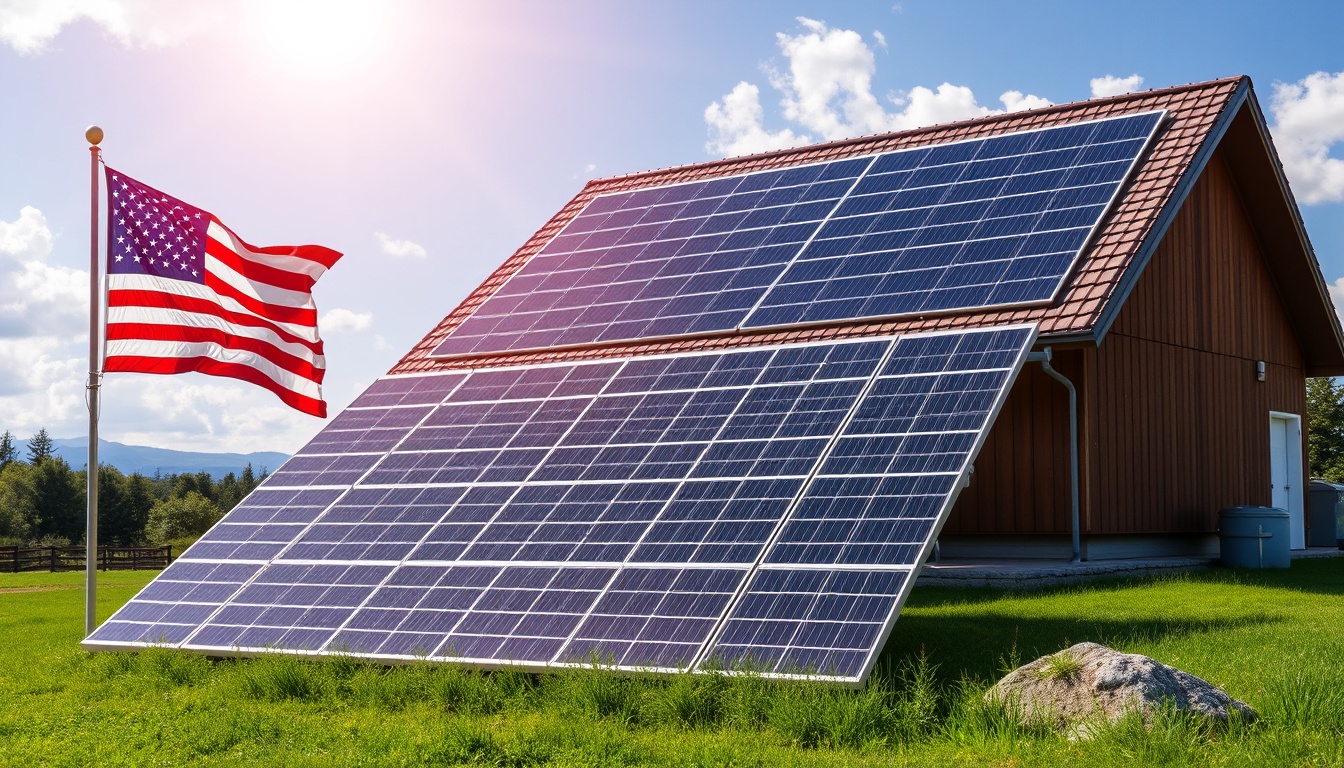
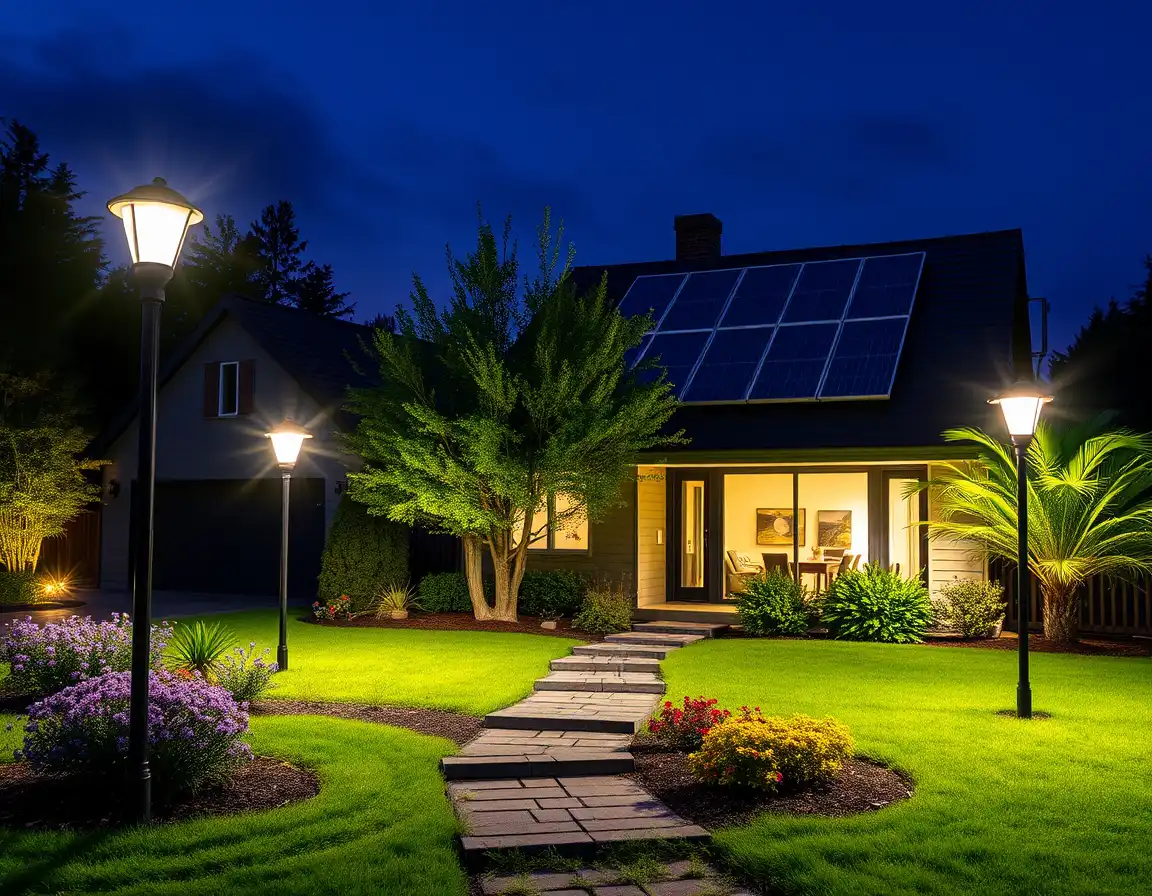
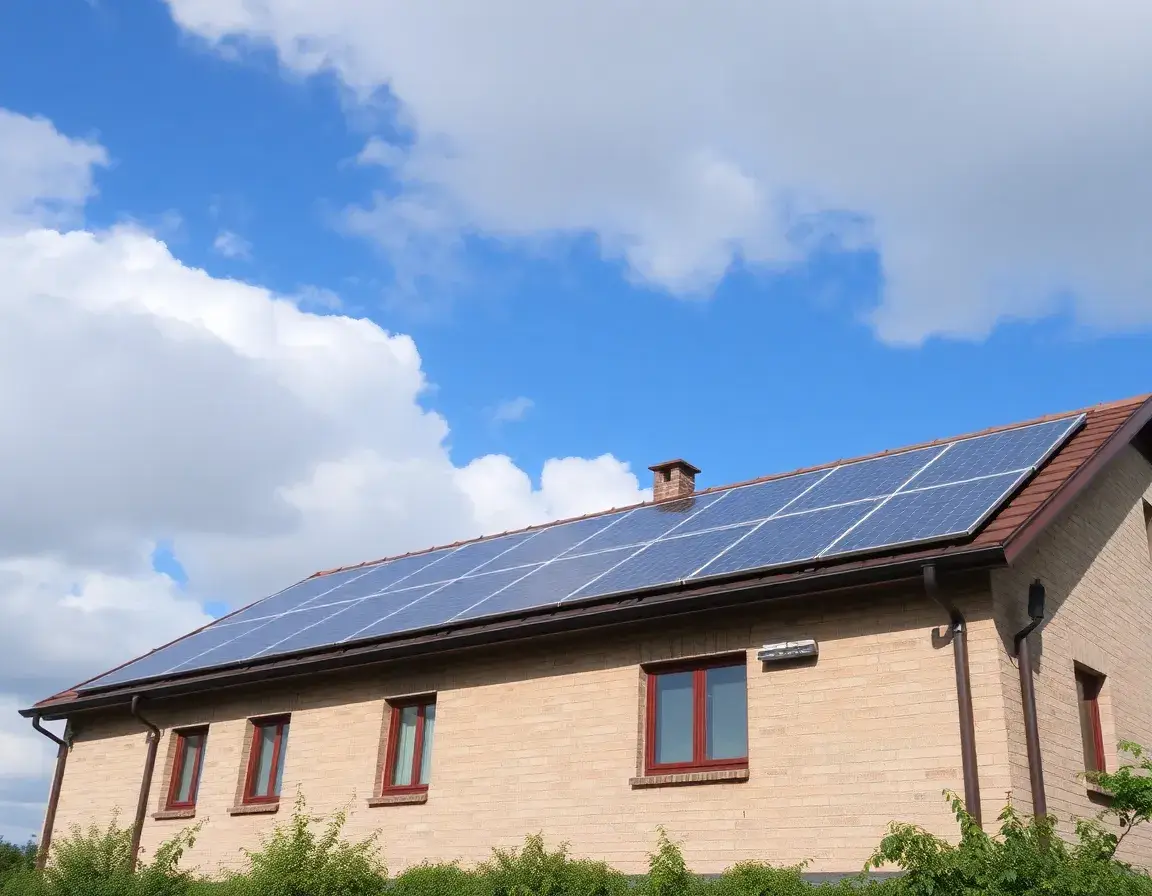
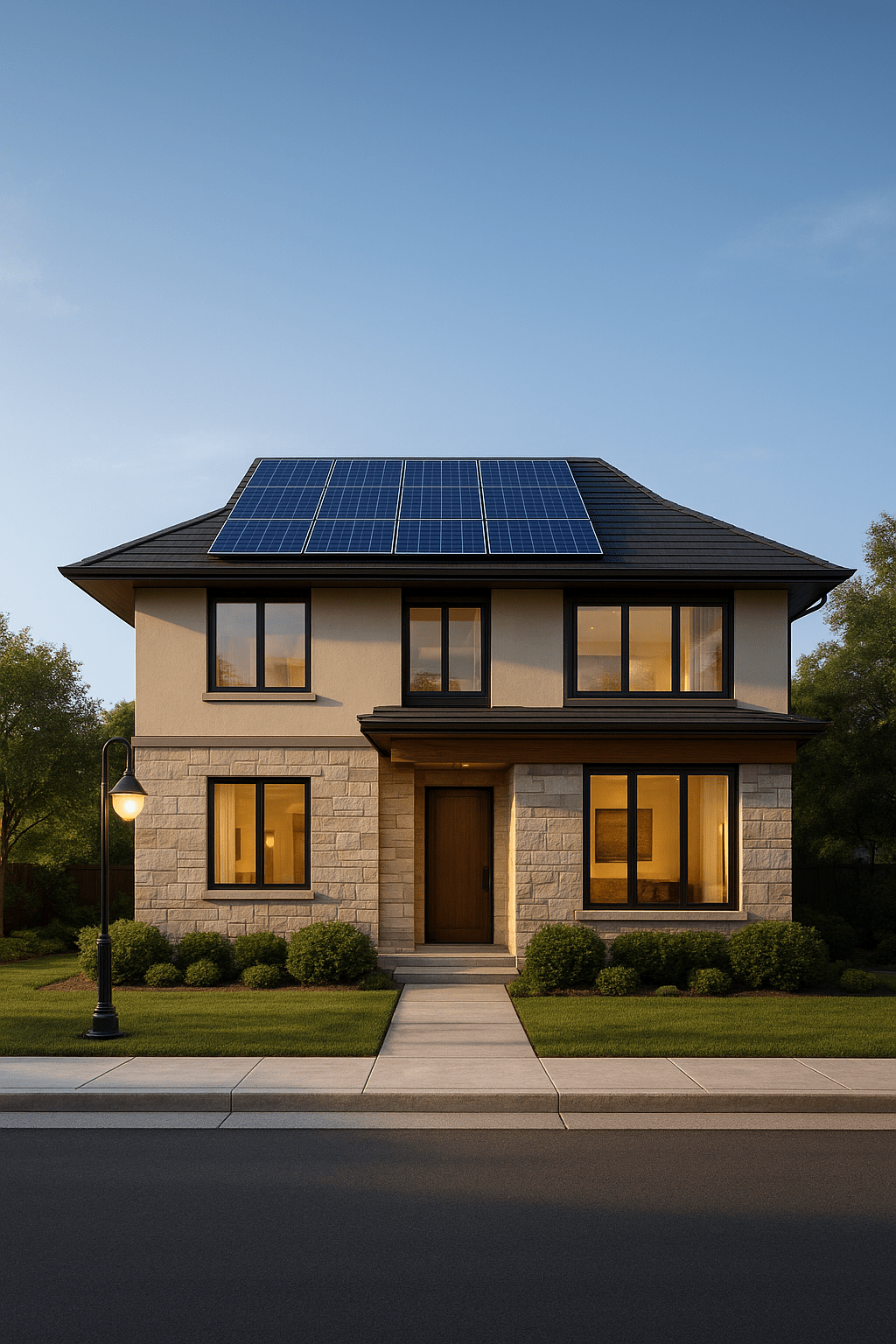
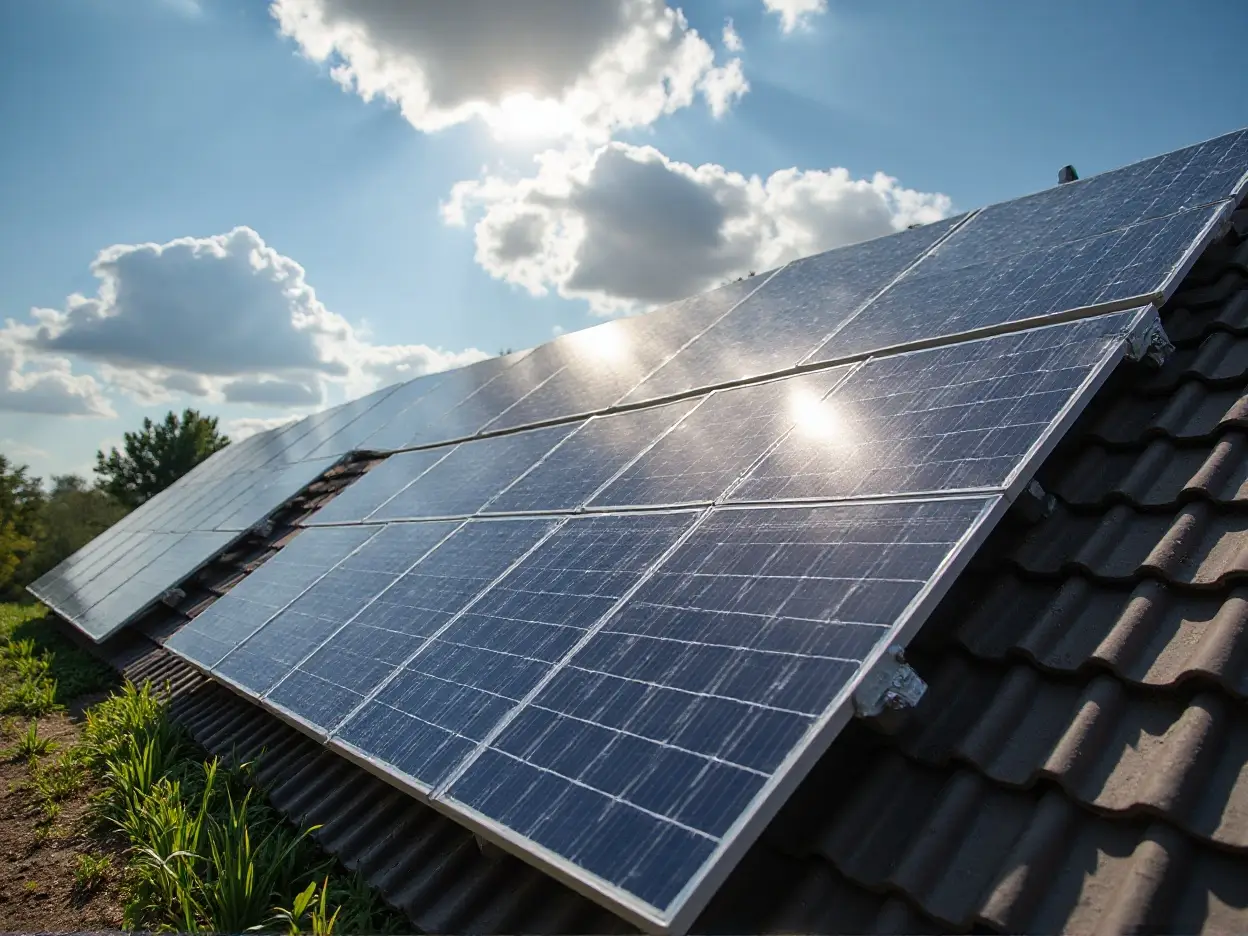
Solar panels cover your roof. They’re visible from the street. Some people love the look. Others hate it. Your home’s aesthetic changes. That’s permanent until panels are removed.
If you care about your home’s appearance, this matters. Panels are dark rectangles on your roof. They’re functional but not beautiful. You’re essentially accepting industrial equipment on your home’s most visible structure.
Neighborhood HOAs sometimes restrict solar panels. Covenants prohibit visible installations. If you live in an HOA community, check rules before installation. You might not be allowed to install panels. That restriction limits your options.
Roof colors change expectations. Dark panels look odd on light colored roofs. Installers sometimes recommend roof repainting before installation. That’s extra cost most people don’t anticipate.
Weather Reduces Generation Unpredictably
Cloudy days mean less generation. Rainy seasons cut output significantly. Your bill doesn’t disappear on cloudy days. You still need electricity. You buy from the grid. Your savings shrink during bad weather months.
I looked at data from people with solar in areas with monsoon seasons. Their winter and rainy season bills stay high. Summer months show huge savings. The annual average saves money but monthly variation is dramatic. Some months you pay nearly full bills despite having solar.
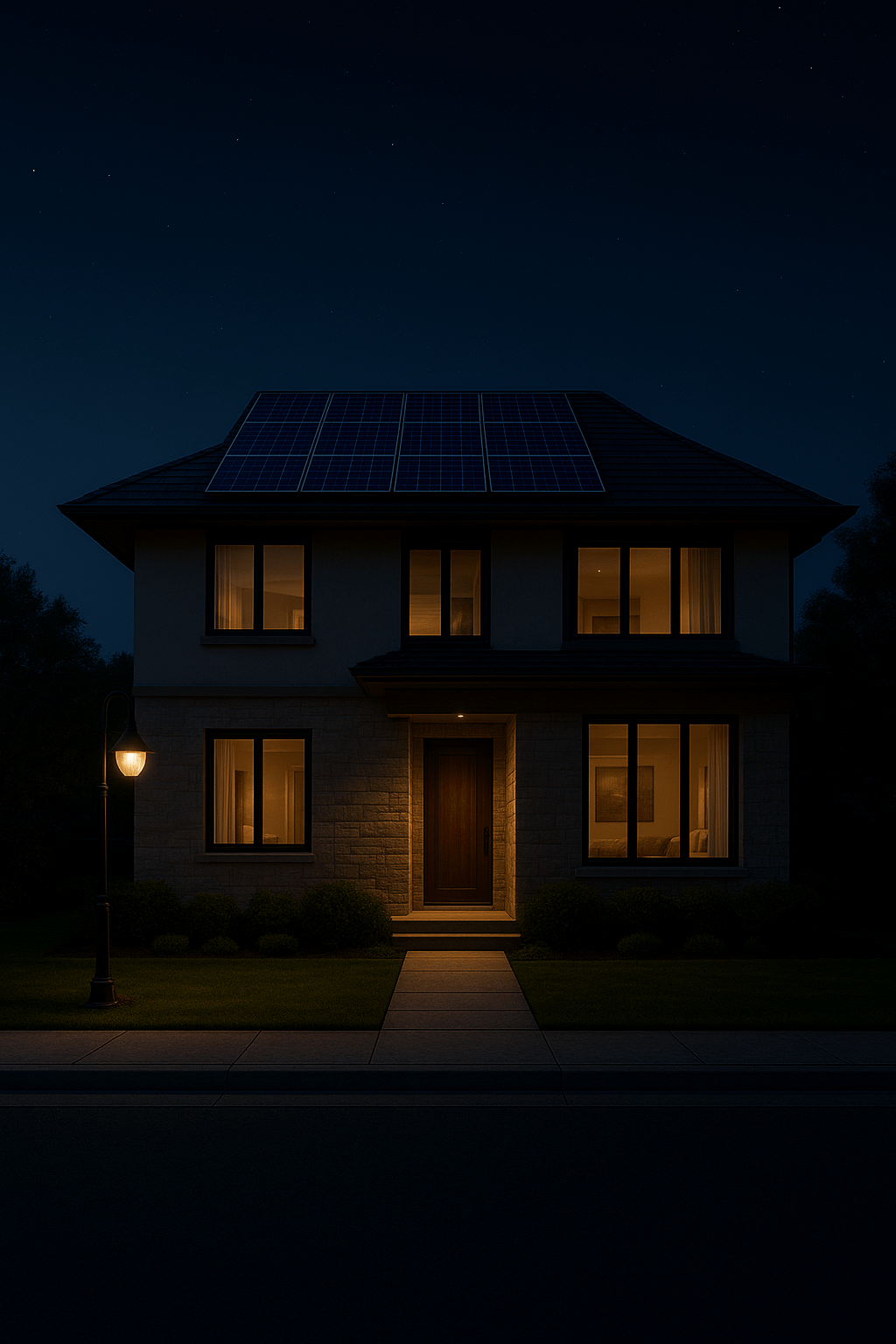
Nighttime electricity needs come from the grid. If you don’t have battery storage, nighttime electricity costs normal rates. Solar only works during daylight hours. That’s roughly eight to ten hours daily. Nighttime electricity is 14 to 16 hours. You’re dependent on the grid for half your power needs.
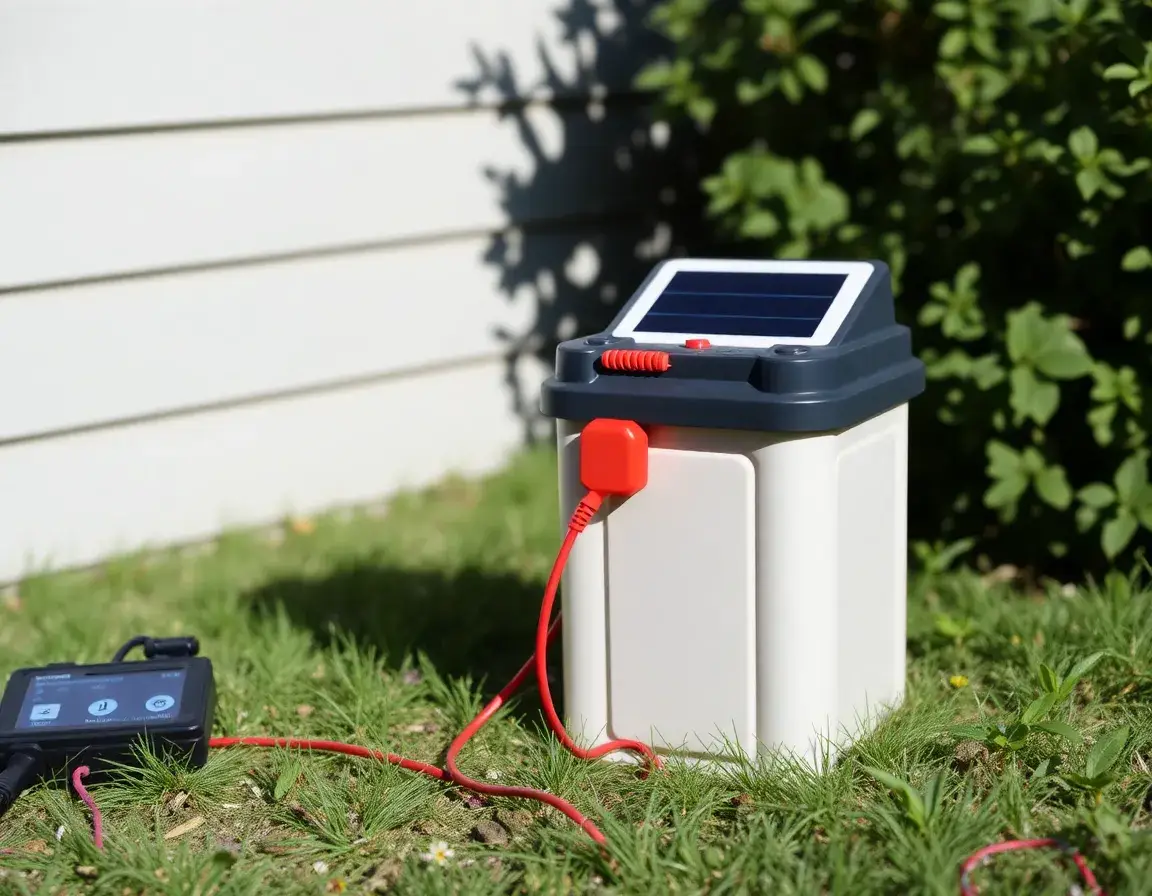
Battery storage solves nighttime issues but adds 10,000 to 15,000 dollars to your installation cost. That extends payback period significantly. Most people skip batteries because of cost.
System Monitoring Becomes a Headache
Your solar system needs monitoring. The company sends alerts when performance drops. That’s helpful information but requires attention. Low generation alerts mean something’s wrong. You investigate problems. Tree shade appeared. Panel needs cleaning. Inverter failed.
Troubleshooting takes time. You contact the installer. They schedule service. You wait for repairs. This isn’t instant resolution. It’s frustrating when your system stops working.
App based monitoring from your phone sounds convenient. In reality, you’re checking performance regularly. Unexpected drops stress you out. You obsess over daily generation numbers. It becomes another thing to manage.
Technical Support Can Be Frustrating
When problems arise, you need help. Not all solar companies provide good support. Some disappear after installation. You struggle to reach someone. Response times drag on. Problems take weeks to resolve.
Warranty issues create disputes. What does the warranty cover? What doesn’t it cover? Reading fine print reveals limitations. The company might argue that damage isn’t covered. You argue it is. These disputes are exhausting.
Parts availability sometimes becomes difficult. If your inverter fails, getting replacement might take two weeks. You’re without power during that time if you lack battery storage. That two weeks without solar becomes frustrating.
Insurance Complications Emerge
Your homeowner’s insurance needs updating. The system installation adds value to your property. Insurance premiums increase. That’s ongoing extra cost annually. You’re paying more for insurance to protect equipment that’s generating savings.
Insurance companies sometimes deny claims related to solar systems. Damage caused by installation becomes a dispute. The solar company blames the homeowner. The homeowner blames the solar company. Insurance company denies coverage. You’re left paying out of pocket.
Some insurance companies won’t cover solar systems at all. They drop your coverage if you install solar. You need to find new insurance. New companies charge more for homes with solar. Insurance costs climb unexpectedly.
The Real Downsides Summary
Solar panels save money. That’s true. But the path to savings includes real problems. Upfront costs are brutal. Roof issues appear. Weather damage happens. Maintenance costs accumulate. Your home becomes harder to sell. Appearance changes. Generation varies with weather. System monitoring creates stress. Technical support frustrates you. Insurance complications emerge.
None of these problems make solar a bad choice. They’re just real costs and hassles that sales pitches ignore. When you understand actual downsides, you make smarter decisions. You budget for problems. You understand what you’re signing up for.
Your situation determines whether downsides matter. If you have cash for upfront cost, good roof condition, patient attitude about maintenance, and plan to stay long term, downsides become manageable. If any of those conditions don’t apply, reconsider carefully.
Summary
Solar panels offer electricity savings but come with significant drawbacks that sales pitches downplay. Upfront costs of 15,000 to 30,000 dollars require financing that increases total expense through interest payments. Roof damage from installation is common, and repairs cost thousands of dollars. Weather damage from hail, lightning, and storms damages panels and requires expensive repairs. Regular maintenance including professional panel cleaning runs 150 to 300 dollars yearly. Inverter replacement after ten to fifteen years costs 3,000 to 8,000 dollars. Selling your home becomes complicated because buyers hesitate over solar systems. System aesthetics change your home’s appearance permanently. Generation drops significantly during cloudy and rainy seasons. Nighttime electricity still comes from the grid unless you add expensive battery storage. System monitoring requires attention and troubleshooting. Technical support from solar companies often frustrates customers with slow response times. Insurance premiums increase and coverage disputes arise. Understanding these real downsides helps you decide if solar makes sense for your specific situation. Solar works best for people with sufficient upfront capital, good roof conditions, long term residence plans, and patience for ongoing maintenance and monitoring.