Table of Contents
WHAT SOLAR LIGHTS ACTUALLY ARE
Solar lights are basically outdoor lights that run on sun power instead of wires from your house. You stick them in the ground or mount them on a wall. During the day the sun charges them. At night they turn on automatically and glow until morning. That’s it. No electricity bill. No monthly charges. Nothing to plug in.
I got my first solar lights five years ago because my driveway was pitch black at night. My wife was nervous coming home after dark. I didn’t want to pay an electrician thousands of dollars to run wiring and install regular lights. So I bought a set of solar pathway lights for about thirty bucks. Honestly I was skeptical. Solar tech seemed like a gimmick to me.
They’ve been running every single night since I bought them. Never failed. Never needed anything from me except occasional cleaning. The batteries finally died last year after five years of continuous use. Cost me eight dollars to replace them. Now they’re good for another few years probably.
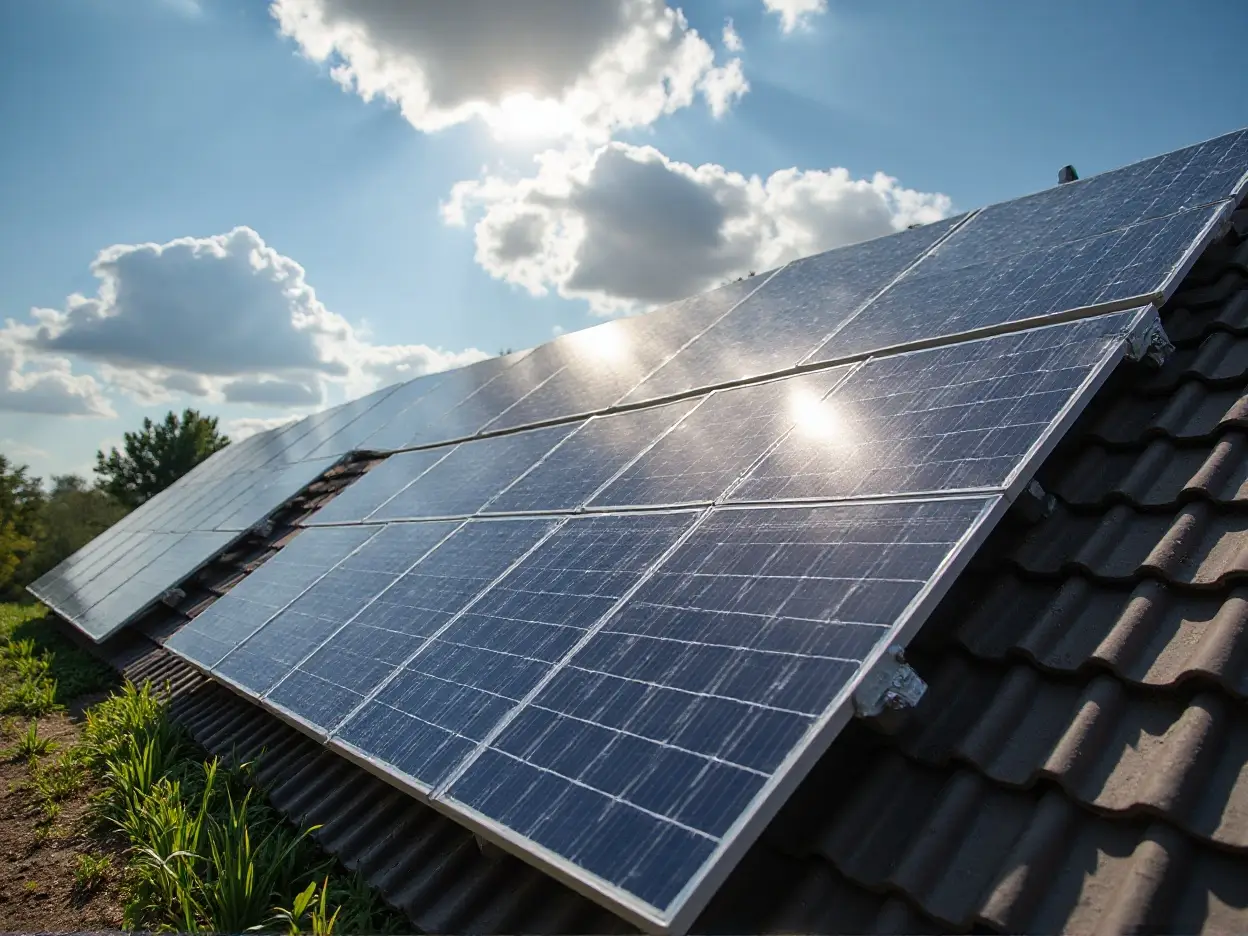
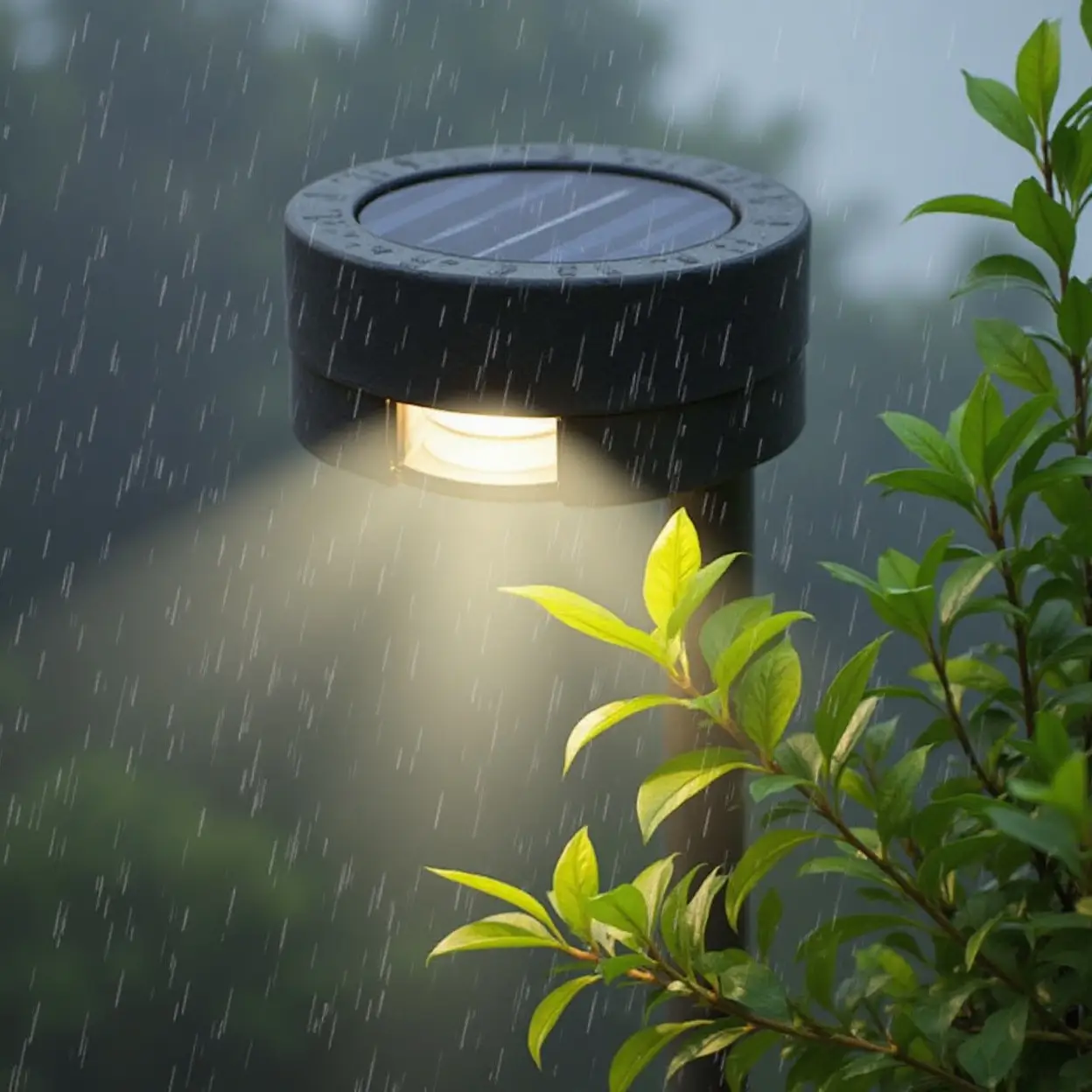
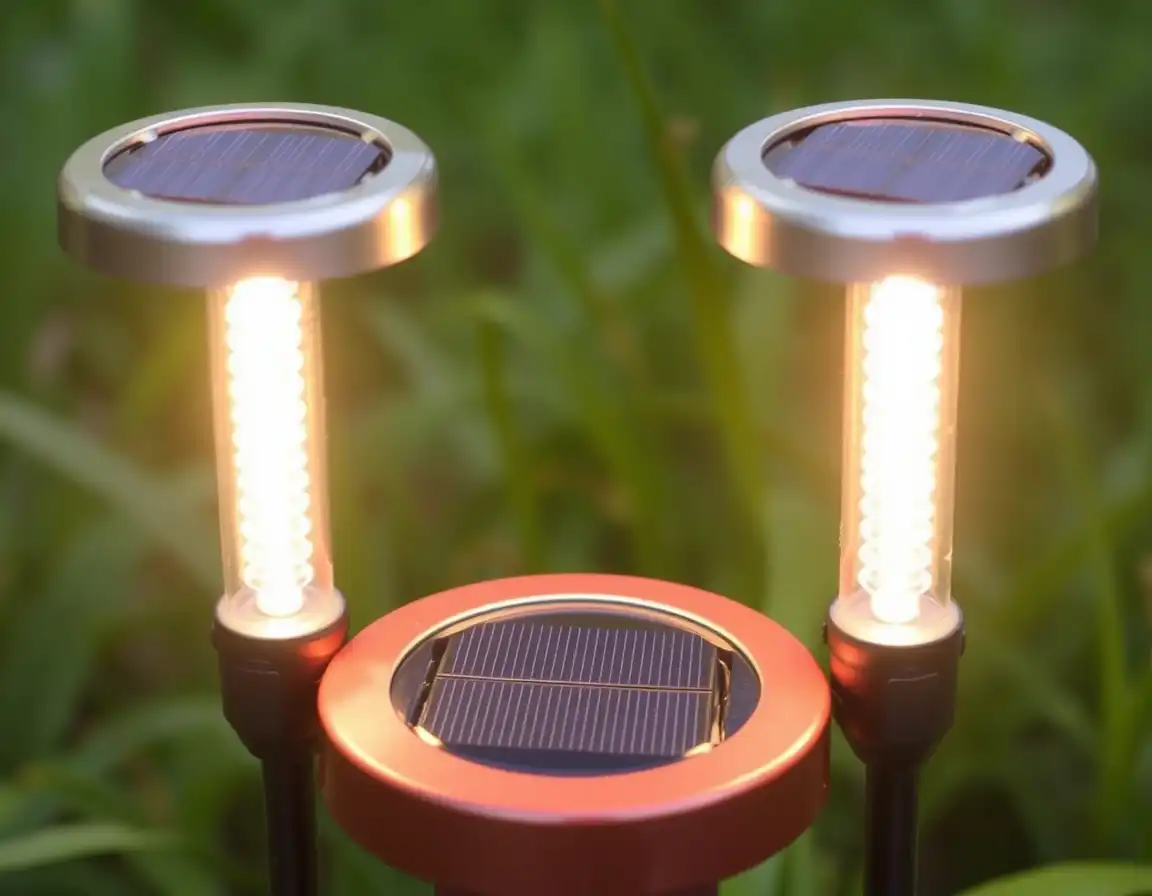
Inside the light is a solar panel that absorbs sunlight. Below that sits a rechargeable battery. When the sun hits the panel, it charges the battery. A little sensor detects when it gets dark and automatically turns on the LED bulb using the stored power. When morning comes the sensor switches it off and the battery charges again.
The whole thing is sealed so rain and snow can’t damage anything inside. It just sits there working without any input from you. No switch to flip. No timer to set. No remembering to turn it off.
WHY I SWITCHED TO SOLAR
Money was the first reason. Traditional outdoor lights would cost me maybe fifteen to twenty dollars per month in electricity depending on how many lights I ran. That’s a hundred eighty to two hundred forty dollars a year. Over ten years that’s eighteen hundred to twenty four hundred dollars just for electricity. My solar lights cost nothing to run.
Safety mattered too. After my wife mentioned she felt unsafe in the dark I realized I needed to fix that. Good outdoor lighting prevents accidents. People don’t trip over things they can see. Guests can walk confidently. Kids can actually play outside after school instead of being stuck inside. The darkness was a real problem I was ignoring.
Installation was stupid simple compared to what I expected. I literally pushed eight lights into the ground along my driveway. Took maybe fifteen minutes total. No digging deep holes. No hiring someone. No running cable. No setting up outlets. Just push them in and done. Compare that to the hassle and cost of getting an electrician out to quote wiring and conduit and all that nonsense.
I also cared about not burning fossil fuels for everything. My solar lights use renewable energy. Zero emissions. Every night they work is one night I’m not drawing power from the electrical grid burning coal or natural gas somewhere. I know one person with a few lights doesn’t change the world but it matters to me.
The maintenance thing sealed it for me. Traditional lights need bulbs replaced. Wiring degrades. Fixtures corrode. Solar lights have no bulbs to replace because of LED technology that lasts forever. The battery died in mine after five years and that was honestly expected. Everything else still works perfectly.
DIFFERENT TYPES YOU CAN BUY
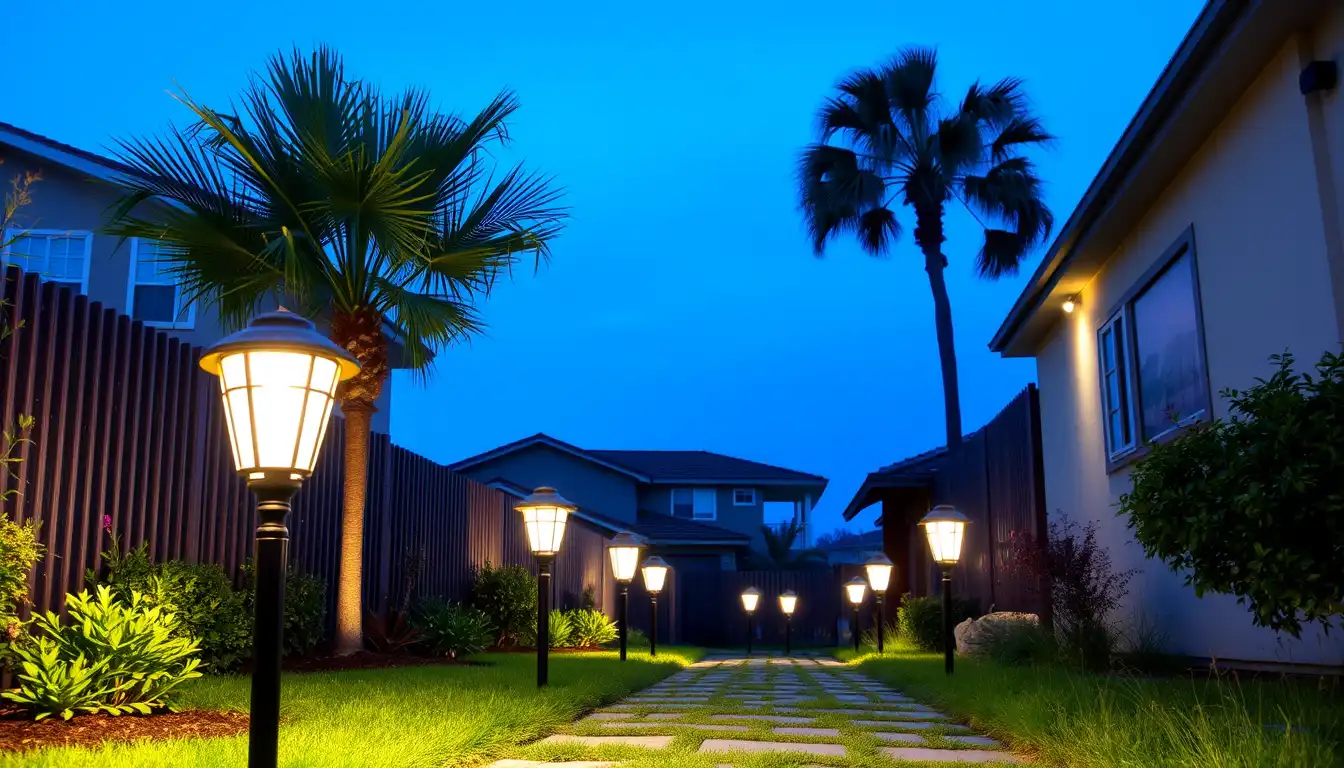
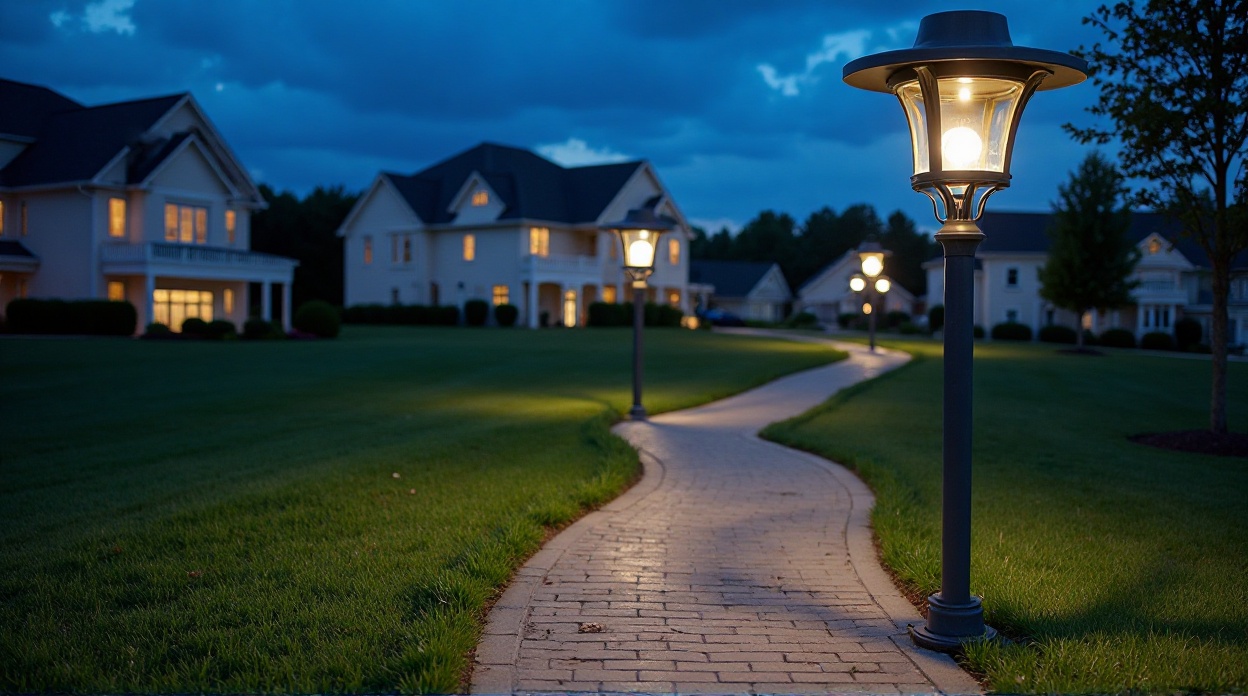
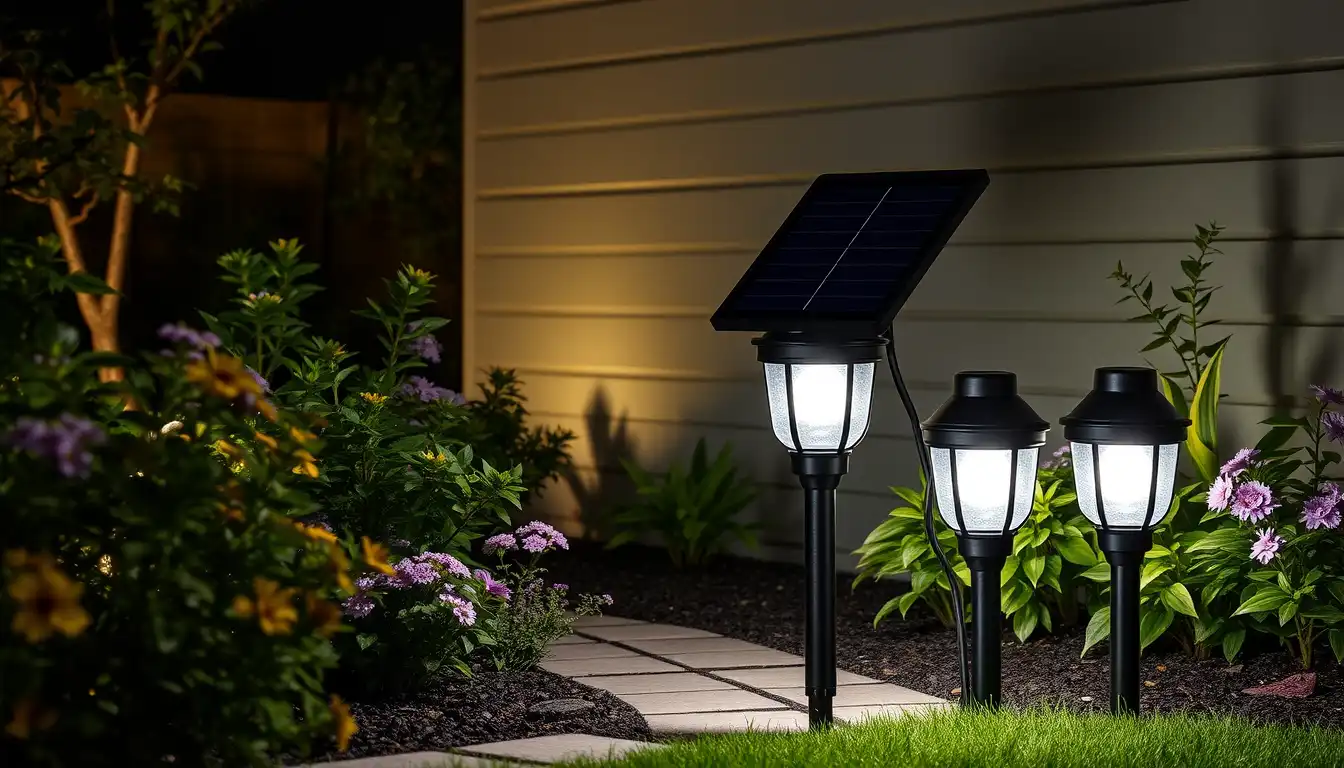
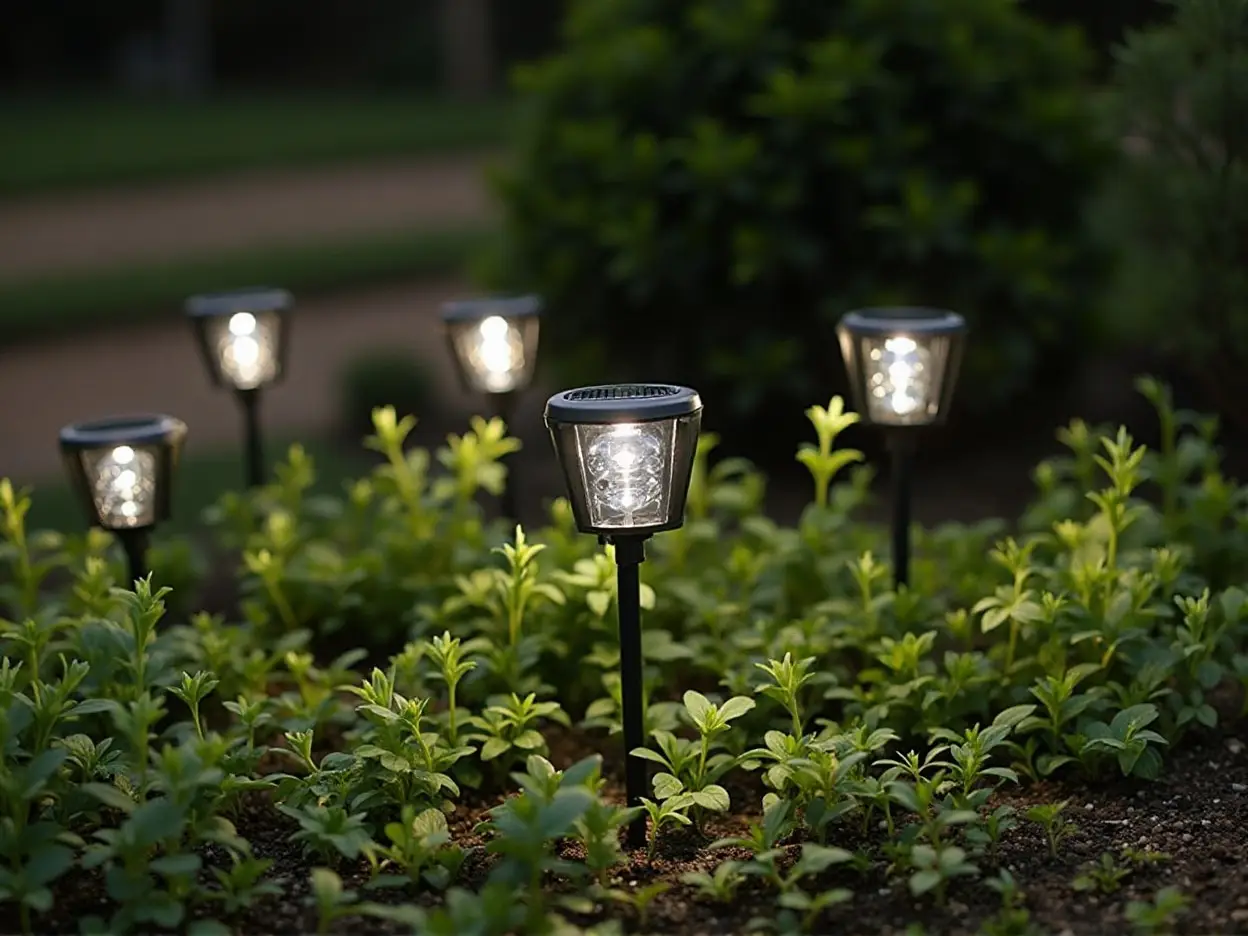
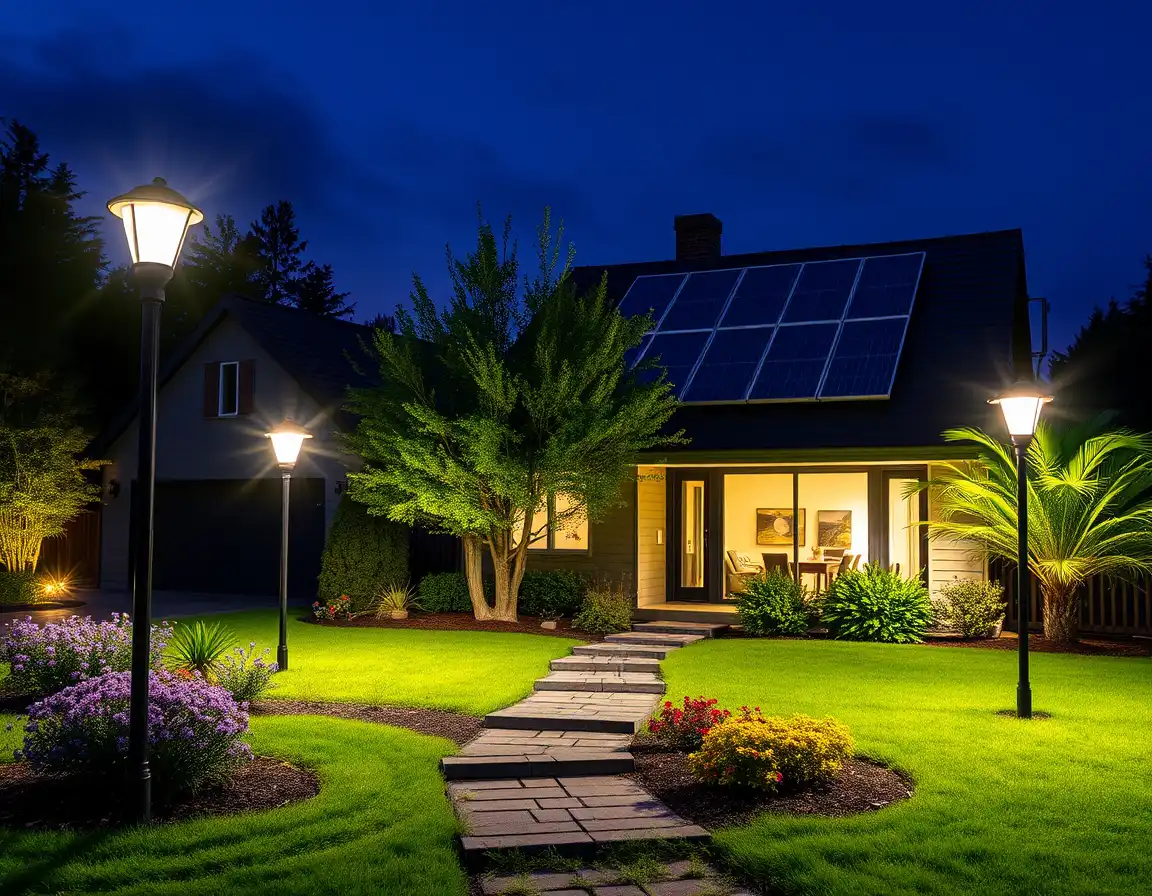
Pathway lights are small and sit low to the ground. I use these along my driveway and walkways. They’re bright enough to see where you’re walking but not blinding. You line them up about two to three feet apart and they mark a safe path. They look nice too. Not industrial or ugly like I expected.
Spotlights throw bright light at a specific spot. I use one to highlight a tree in my front yard because it looks good at night. You can aim them at landscaping features or architectural details on your house. They’re brighter than pathway lights and more directional.
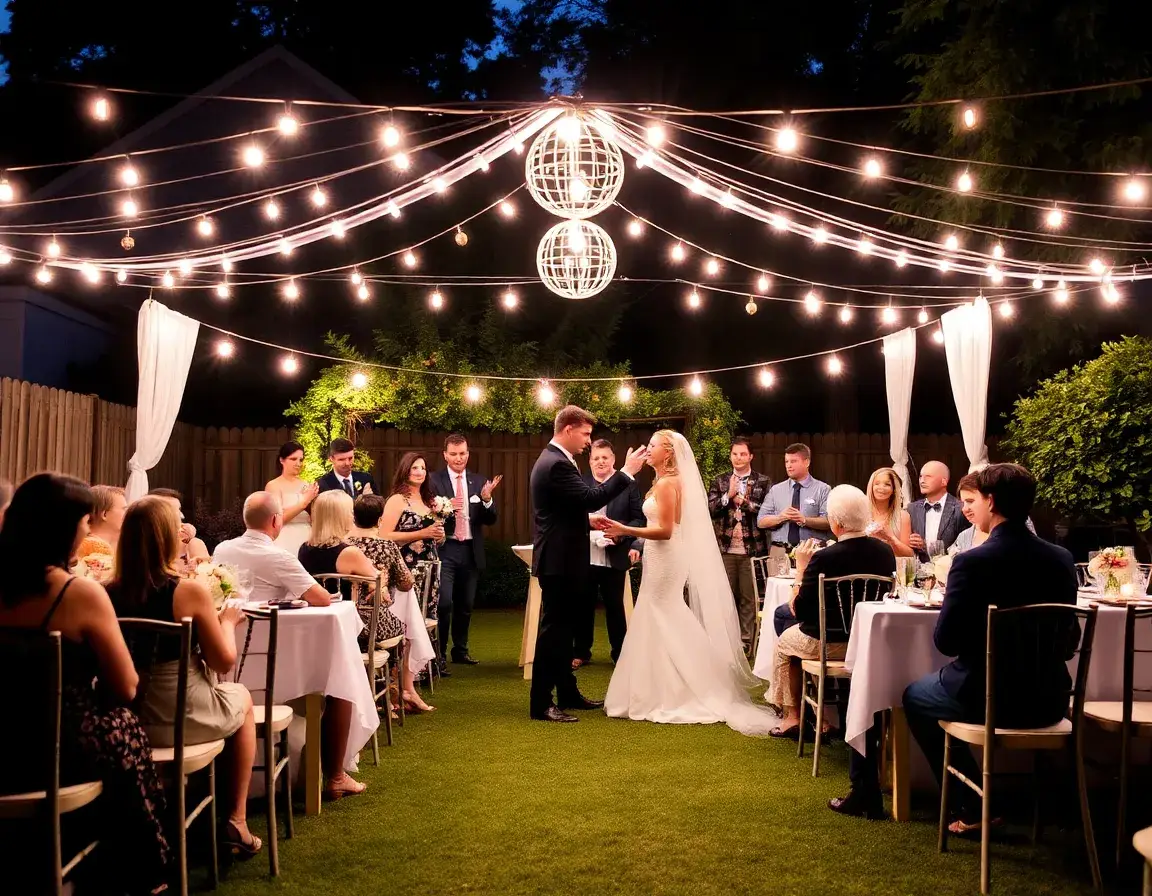
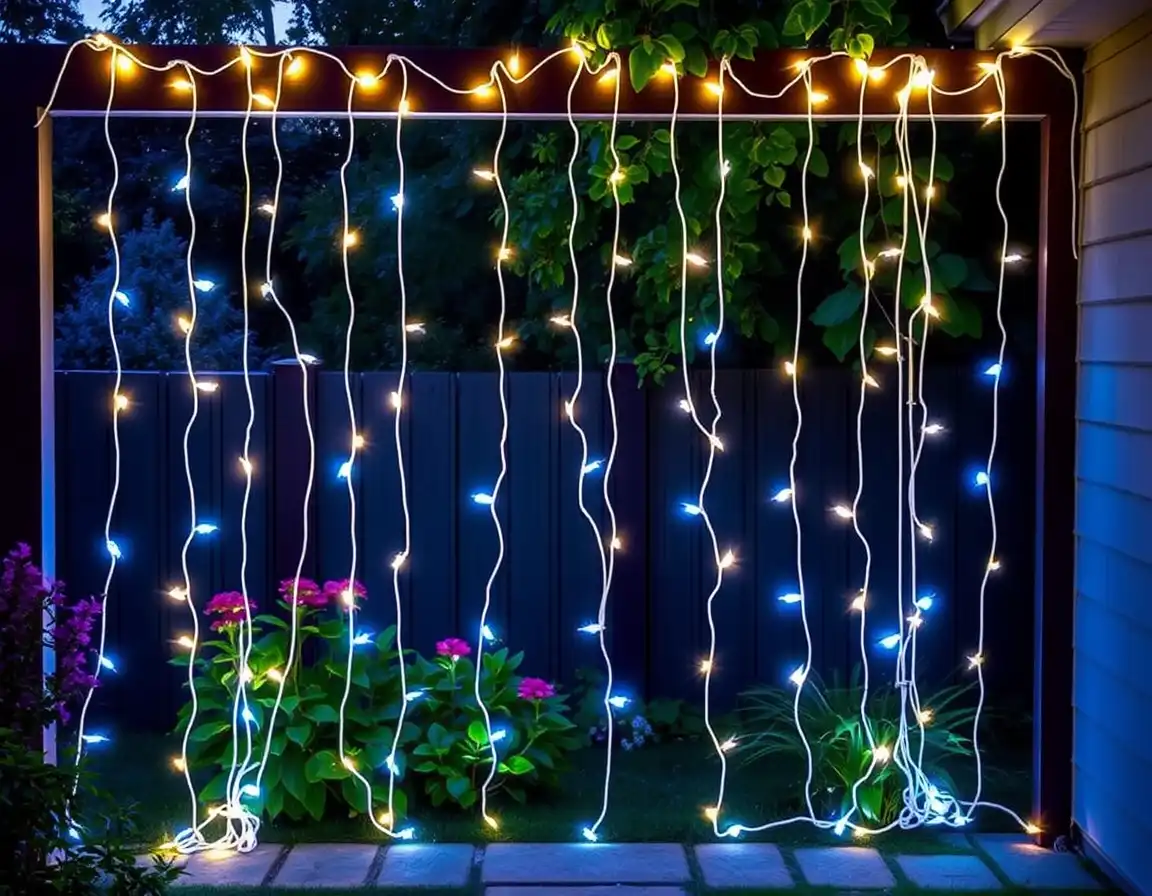
String lights hang between posts or trees and add ambience to patios. These look like old fashioned lanterns or modern geometric designs depending which ones you buy. People use them for entertaining or just making a space feel nice at night. Some have color options for holidays.
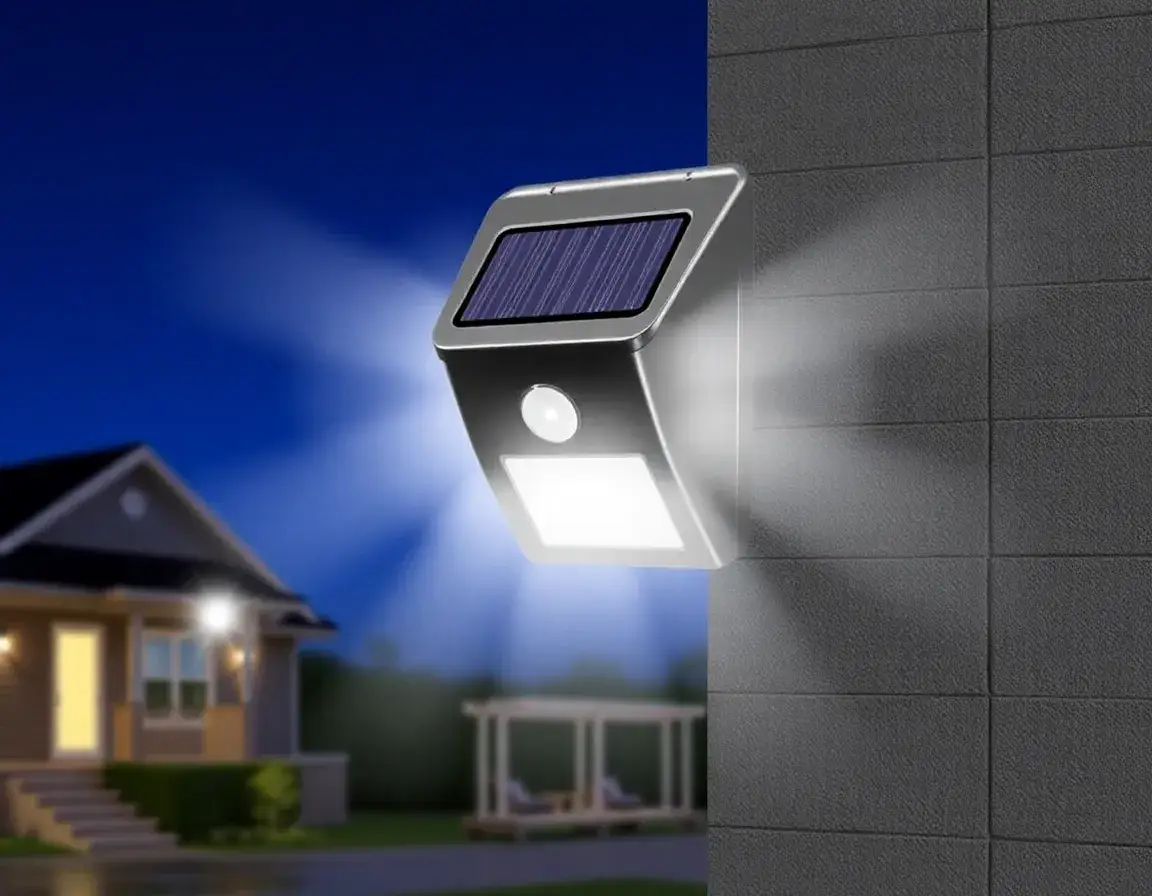
Wall mounted lights stick directly on your house or garage. Perfect for lighting an entryway or the side of your garage. No ground installation needed. They look cleaner and more professional than stake lights in my opinion.
Bollard lights stand taller, like one to three feet high. These mark driveways or boundaries. Sturdier than pathway lights. Better for defining edges of your property.
All these come in waterproof versions rated for rain and snow. Look for IP65 or IP67 ratings. That tells you they’ll handle moisture and weather without dying on you.
PICKING THE RIGHT ONES FOR YOUR SITUATION
Start with sunlight. Solar lights need at least six hours of direct sun every day to charge fully. Check your yard. Where does sun actually hit without shade from trees or your house. South facing is better than north facing. My driveway gets afternoon sun which is perfect.
If you live somewhere cloudy all winter you’ll see performance drop when clouds stick around for weeks. But even then they usually produce some light. Just maybe not twelve hours worth. This is something nobody talks about honestly.
Think about brightness. Pathway lights don’t need to be super bright. They just need to mark where you’re walking. Accent lighting can be subtle. But if you want your driveway lit for security, look at lumen ratings. Higher lumens means brighter. Modern ones are way brighter than old solar lights used to be.
Pick a style that doesn’t look ridiculous on your house. Some people like modern sleek designs. Others prefer traditional lantern styles. Don’t buy cheap looking garbage that will look worse than having no lights. Your home deserves lighting that actually looks good.
Climate matters. If you get blizzards or constant heavy rain, buy the highest waterproof rating you can find. IP67 is better than IP65. I’m in a moderate climate so standard waterproof works fine for me.
Battery capacity determines how long they stay lit. Some run all night. Others shut off after eight hours to stretch battery life. I prefer all night light for security. Check the specs on whatever you’re buying.
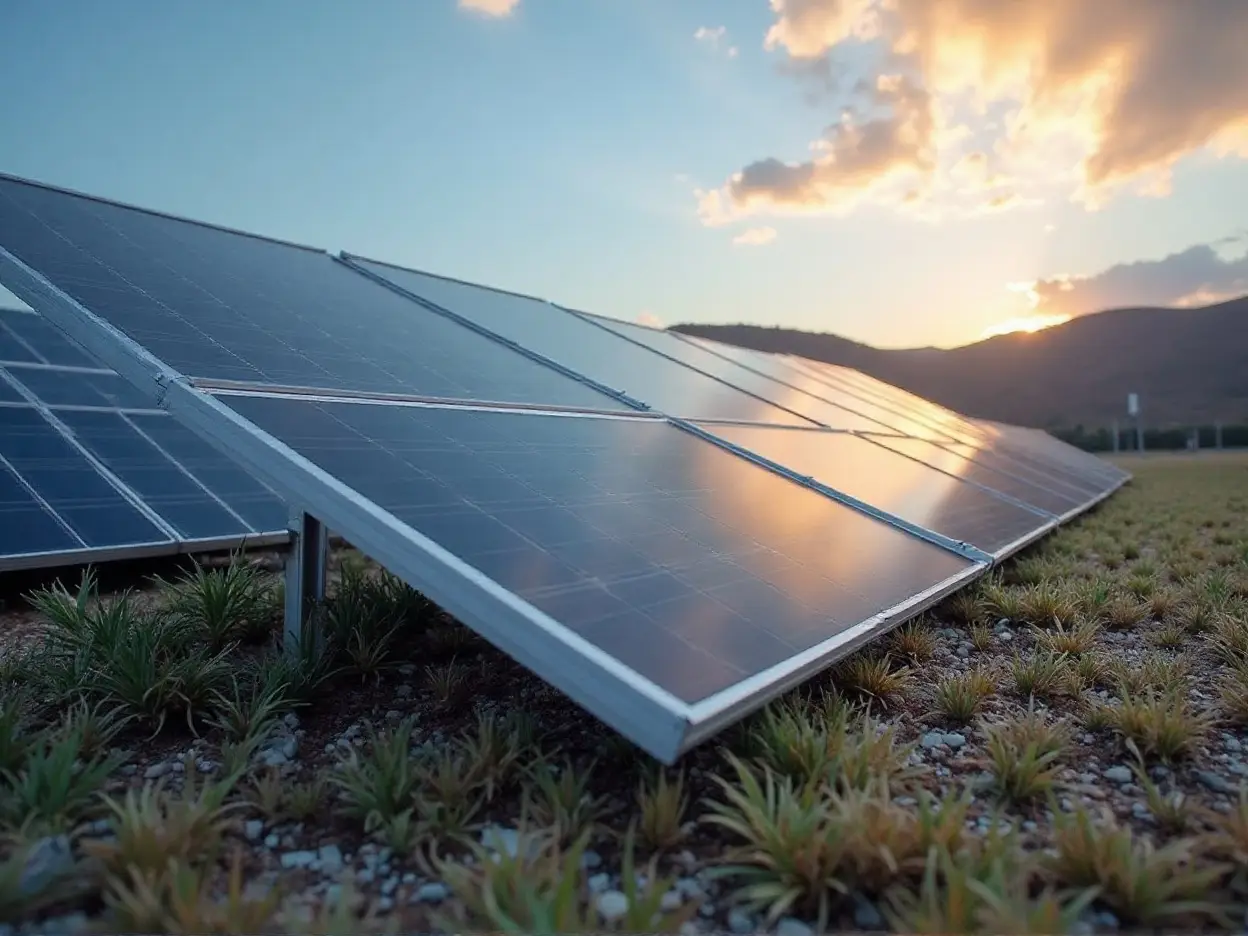
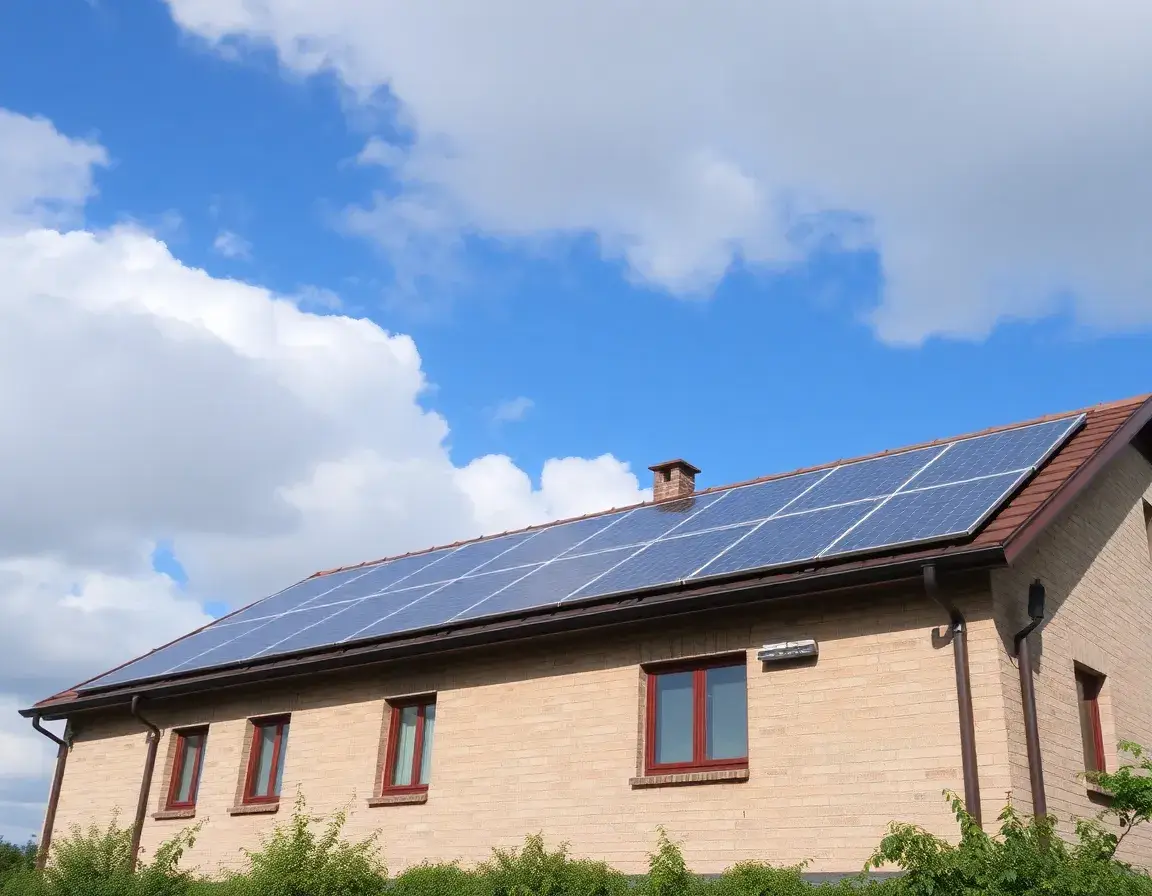
Solar panel size matters more than most people realize. Bigger panels charge faster and more completely. This helps on cloudy days. Monocrystalline panels are better quality than polycrystalline. Spend a few extra dollars on decent panels.
HOW TO ACTUALLY INSTALL THEM
Installation is genuinely the best part. Pathway lights. Pick where you want them. Push them into dirt. Done. Seriously that’s the whole process. Took me fifteen minutes for eight lights.
Wall mounted ones take slightly longer. Find where you want them. Mark the holes. Drill if needed. Bolt or screw them on. Takes maybe ten minutes per light if you have basic tools.
Before using them, leave them in bright sun for a full day. This charges the battery completely. Then put them in your yard. They’ll turn on at dusk automatically.
Space them right. Along paths I space mine about two feet apart. At the driveway entry I cluster more lights for brighter coverage. Stagger them on both sides instead of lining one side. This looks better and lights the area more evenly.
Keep panels where the sun actually hits. Obvious right? But people put lights under trees or on north sides of their house and then wonder why they don’t work. Your shade kills solar charging.
Don’t point lights into your windows or neighbors’ windows. Position them to light your space. It’s common sense but worth mentioning.
Charge them in the sun before putting them out. Takes one full day. Worth doing.
KEEPING THEM WORKING
These things basically maintain themselves. Wipe the solar panel with a dry cloth maybe once a month. Dirt and dust block sun. That’s your main maintenance.
- In winter if snow piles on the panels, brush it off. Snow completely blocks charging. Clear it and they work again.
- Check for cracks or water inside once a year. If water gets in, the light is done. Replace it. Most lights last three to five years in normal conditions.
- Batteries die after a few years. Mine lasted five years which is decent. Replacement batteries cost about five to ten dollars. Get them from any hardware store. Takes two minutes to swap.
- LED bulbs last forever. Like fifty thousand hours. By the time the bulb dies, the light is probably old anyway.
- If rust appears on metal parts, replacement time. Prevention through decent placement keeps them working longer.
Seriously this is minimal maintenance. I probably spend thirty minutes per year on all eight of my lights.
COMPARING TO TRADITIONAL LIGHTS
Regular outdoor lighting costs a fortune to install. Electrician visits cost hundreds of dollars just for a quote. Running cable and conduit and installing outlets costs thousands. Getting permits takes time. It’s a major project.
Operational costs kill you too. Every night your lights run, you’re paying electricity. Maybe fifteen to twenty dollars per month. That adds up fast over years.
When bulbs burn out or fixtures break, you call the electrician again. More money. More waiting around.
Solar eliminates all that. No installation costs worth mentioning. No electricity charges. No repair calls needed.
Trade off is brightness and consistency. Regular lights stay bright no matter the weather. Solar depends on sun. During cloudy periods, performance drops. In full darkness after a cloudy week, you might not get twelve hours of light. Maybe eight. That’s real.
For most people and most uses though, solar provides enough light. The cost savings make up for slight performance differences.
SAFETY AND SECURITY ACTUALLY MATTERS
Lit spaces are safer spaces. My wife doesn’t worry about the dark anymore. That’s worth money right there. Trip hazards vanish when you can see where you’re walking. Guests move confidently. Elderly people feel secure.
Security improves a lot with good lighting. Burglars prefer dark properties where nobody can see them. My lit driveway makes my house less appealing as a target. Dark corners are gone. Shadows are gone. Someone can’t hide in my yard.
Coming home to an illuminated driveway and entryway feels nice. It’s welcoming. It makes the house feel cared for. Friends notice immediately.
Crime statistics show lit properties get hit less often. Criminals are lazy. They go where it’s dark and easy. Eliminate the darkness and you eliminate a lot of the risk.
ENVIRONMENTAL SIDE
Using solar energy means not burning fossil fuels. Zero emissions from my lights. My electricity doesn’t come from coal power plants. It’s a small thing but it matters to me.
Over the lifetime of solar lights, they offset their manufacturing impact. Most break even environmentally in less than a year. After that every night is pure benefit.
More people using solar grows the industry. Prices drop. Technology improves. Manufacturing gets better. Your choice influences what gets made.
Teaching kids about solar power is easier when they see it working. My kids understand renewable energy better because they see lights working every night powered by sun. That education sticks.
Financial benefits are measurable. Zero electricity costs. Zero maintenance costs. Lower upfront than traditional wiring. The math is obvious.
MY ACTUAL RECOMMENDATION
Start small if you’ve never done this. Buy a set of pathway lights. Try them for one full season. See how they actually perform. Don’t go all in until you understand how they work in your specific yard and climate.
Most people get better results than they expect. Performance is solid. Durability is solid. The convenience makes traditional lights seem outdated.
After you see they work, expand gradually. Add more pathway lights. Install spotlights. Put wall mounted lights on entryways. Build a complete system over time.
Your yard transforms. It becomes safer. It looks better. It’s actually usable at night. Your family will enjoy it more. Your home looks better maintained.
This is one of the easiest home improvements you can make. Costs less than alternatives. Works better than people expect. Helps the environment. Start today with one set of lights and see for yourself.
SUMMARY
Solar lights sit in your yard and charge during the day so they glow at night without electricity bills. They come in different types for pathways, gardens, and security. Most homeowners find them worth buying because they save money, need almost zero maintenance, and don’t require hiring electricians. This guide tells you what actually works and what doesn’t when choosing solar outdoor lighting.