Table of Contents
My Off-Grid Home Finally Got Quiet When I Went Solar
Silence Changed Everything
I bought a cabin in the mountains five years ago thinking I’d rough it with a generator. The thing was a nightmare. Loud. Broke constantly. Burned through fuel. My only neighbor three miles away could hear it rumbling at night. I felt guilty. Then I installed proper solar lights and something magical happened. Quiet. Complete quiet. Just the sound of wind and animals at night. That peace changed how I live out here.
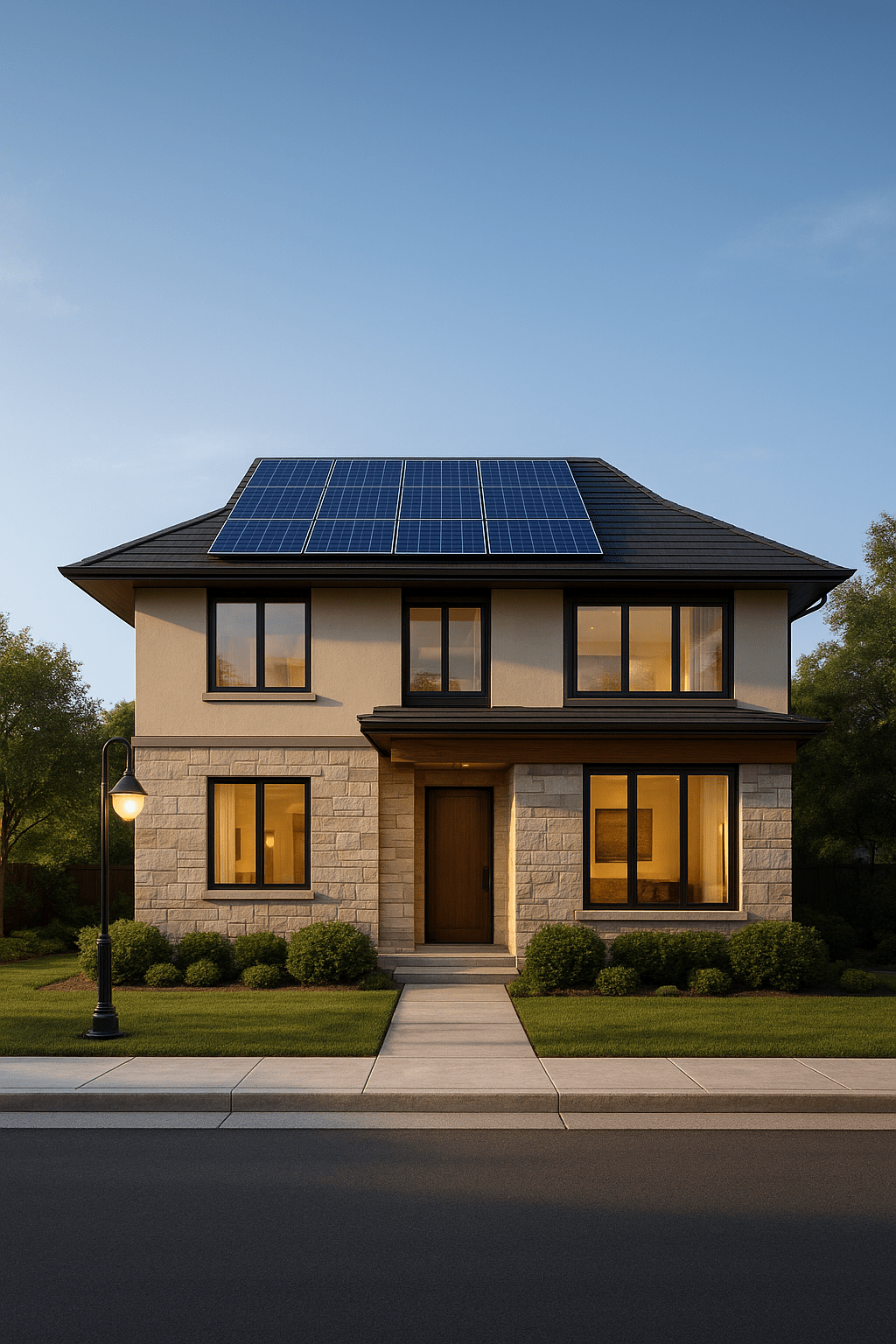
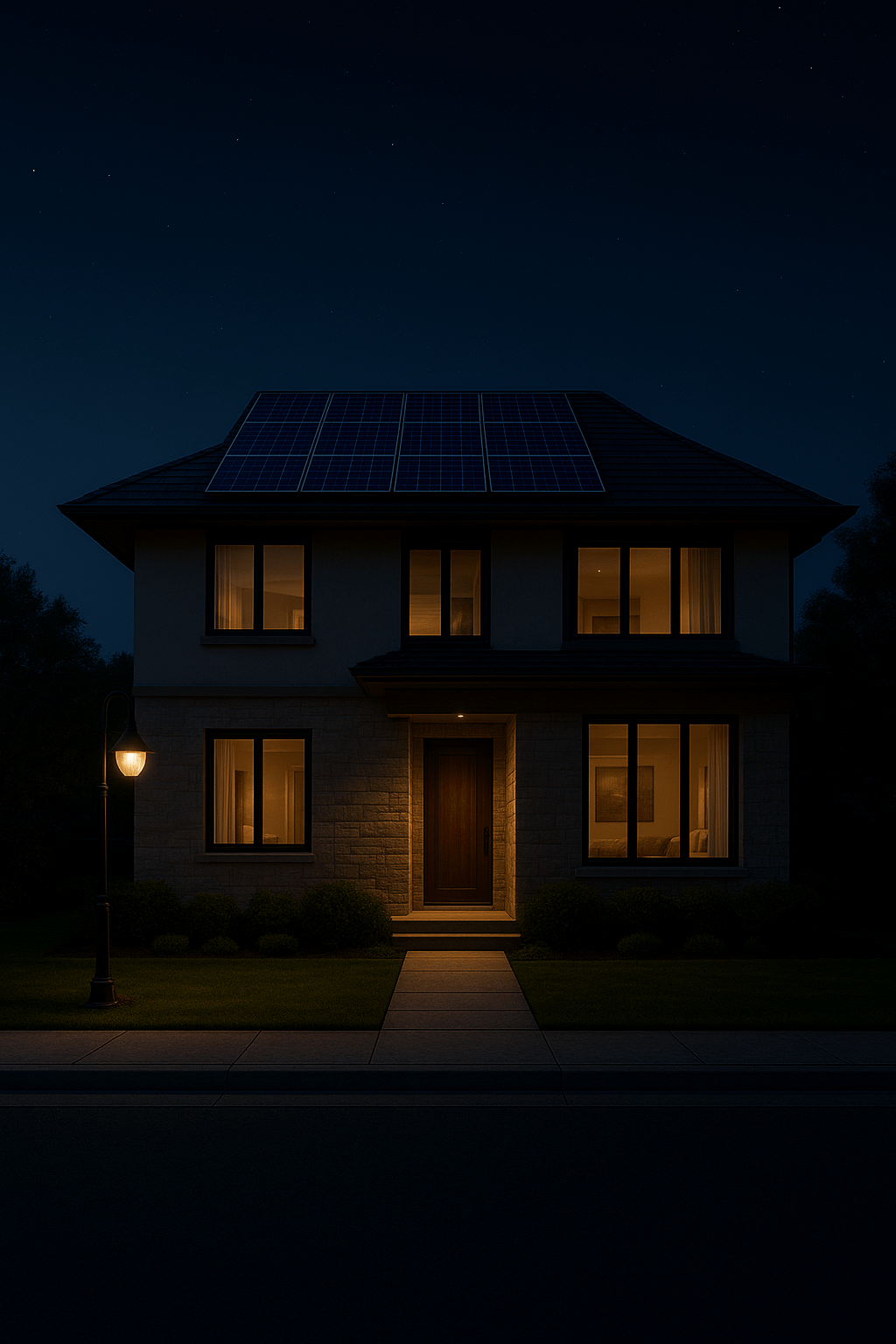
The first night with solar lights, I sat outside at dusk watching the sun go down. Then the lights came on automatically. No switch. No sound. No smell. Just warm light from energy the sun provided free all day. I realized I’d been accepting suffering unnecessarily. Solar wasn’t a rough-it solution. It was the civilized choice.
Why Off-Grid Living Needs Solar Lights
Off-grid homes have no power company connection. That sounds romantic until you’re trying to navigate your property at night in complete darkness. You understand then why light matters. It’s not optional. It’s essential for safety and sanity.
Solar lights solve a fundamental off-grid problem. You generate excess solar power during summer daylight but need light at night. Solar lights capture that excess energy during day and store it for evening use. It’s brilliant because nothing goes to waste. You’re using what nature provides freely.
Safety is obvious. Dark properties are dangerous. You trip. You can’t see animals. You can’t see obstacles. Proper lighting prevents accidents. It also deters visitors with bad intentions from targeting your remote home. Visibility matters whether you’re running a homestead or a cabin.
The psychological part matters too. Darkness in remote areas triggers real anxiety. Not from anything specific necessarily. But darkness feels unsafe. A well-lit property feels secure. You relax. You sit outside at night without tension.
What Actually Works For Off-Grid Properties
The BioLite SolarHome 625 Plus is designed specifically for off-grid structures. This complete system includes solar panel, battery, and multiple lights packed into a shoebox-sized case. It runs for months between charges. Millions of families use it worldwide. That’s real data, not marketing.
String lights create ambiance for off-grid cabins. Warm glow. Welcoming atmosphere. The newer models charge quickly even on cloudy days and run all night. Perfect if you want your space to feel like home instead of a bunker.
Motion-sensor lights work great for pathways and work areas. They conserve battery by only turning on when movement happens. You approach your workspace and light appears. Approach your cabin and lights brighten. Efficient and convenient.
Portable solar lanterns provide backup lighting. Takes two minutes to charge in sunlight. Powers all night. Lets you move around if your main system fails. Off-gridders need backups for peace of mind.
Real Homesteaders Doing This Now
A remote cabin owner in Montana uses solar lights for main structures and pathways. She says electricity bills disappeared. Generator maintenance ended. Monthly upkeep takes maybe five minutes. Cleaning panels occasionally. That’s the entire routine. The system simply works.
A farmer in West Virginia operates entirely on solar including all lighting. He illuminates barns, pathways, and work areas with motion sensors. When animals approach at night, lights brighten. He sees predators before they cause problems. His livestock feels safer too.
A tiny home owner in the mountains installed complete solar systems. Lights work all night. Charges devices too. Been off-grid for three years now. Says the investment paid back in year one from eliminating power company bills.
An RV person with permanent off-grid parking installed solar lights there. Travels eight months yearly but has backup lighting always available. Knows lights work whether she’s there or not. Peace of mind matters.
Why Solar Beats Every Alternative
Generators are loud, expensive, smell terrible, break constantly, and need fuel. Solar lights are silent, cost nothing to operate monthly, rarely fail, and work for decades. The comparison isn’t even close.
Wired lighting requires trenching, expensive electrician work, and ongoing utility bills. Solar lights mount anywhere and cost nothing to operate. For remote properties where wiring costs thousands of dollars, solar saves enormous money.
Kerosene lamps create dangerous smoke and smell awful. They’re better than darkness but worse than modern solar lights. Off-gridders abandoned them years ago.
Batteries alone without solar charging get exhausted fast. Solar lights charge automatically from sunlight. No thinking required.
2026 Technology Standards
Lithium batteries dominate now. They charge faster, last longer, and survive cold better than older battery types. LiFePO4 specifically is standard because it’s both safe and reliable.
WiFi monitoring is standard. You check battery status and light performance from your phone. Remote monitoring prevents problems before they appear.
Motion sensors with extended range are affordable now. They detect movement up to thirty feet reliably. False activations are rare. Battery drain is minimal.
Weatherproof ratings are excellent. IP65 and IP67 ratings mean your lights survive rain, snow, and extreme weather. Off-gridders don’t worry about storms damaging lights anymore.
LED efficiency is remarkable. Four hanging lights from one system now illuminate a structure adequately. Previous generations needed far more power.
Real Advantages For Off-Grid Living
- No electricity bills. Ever. The initial cost disappears in year one or two. Then free light forever afterward.
- Complete silence. You hear crickets at night. You hear owls. You hear wind. You hear nature. No machines.
- Total independence. Storms knock out grids. Solar lights keep working. No vulnerability to utility problems.
- Minimal maintenance required. Clean panels once or twice yearly. Check batteries once yearly. That’s the entire maintenance list.
- Scalable expansion. Start small. Add lights as budget allows. You control the growth.
- Environmentally clean. No emissions. No fuel burning. Pure solar power.
Real Disadvantages Of Solar Lights
- Upfront cost is significant. A BioLite SolarHome system costs around four hundred dollars. Full systems for major structures cost more. Budget matters.
- Cloudy regions produce less power. Northern areas during winter generate minimal electricity. You need either larger systems or backup batteries.
- Installation requires basic knowledge. Understanding your wiring prevents mistakes. Many hire professionals which adds to cost.
- Battery replacement every five to ten years costs money. LiFePO4 batteries are expensive. Plan for this future cost.
- Weather damage happens occasionally. Extreme storms break components. Insurance or replacement funds help.
- Shading reduces charging efficiency. Trees or structures blocking sun reduce system performance. Proper placement matters significantly.
How Successful Off-Gridders Operate
- They plan for their specific location. Understanding sun hours during winter matters. If you live where winter clouds dominate, you adjust system size accordingly.
- They install panels correctly. Proper angle, proper direction, no shading. Placement determines performance more than anything else.
- They maintain batteries annually. Checking connections prevents problems. Battery terminals need occasional cleaning.
- They have backup systems. A backup lantern or extra light. Off-gridders learn redundancy prevents stress.
- They understand their usage. They list devices needing power. They prioritize essentials over nice-to-haves. Realistic planning prevents disappointment.
- They accept seasonal variation. Summer brings abundance. Winter brings limitations. Good off-gridders adjust expectations seasonally.
- They use hybrid approaches. Solar lights for main areas. Headlamps for personal use. Candles for backup. Multiple systems ensure reliability.
Summary
Solar lights transform off-grid homes by eliminating generator noise, fuel costs, and utility bills while providing safe lighting. The author’s cabin experience proves solar offers peace and independence for remote property owners. BioLite SolarHome systems, motion sensors, and string lights work reliably in various off-grid scenarios. Real homesteaders in Montana, West Virginia, and mountain regions operate completely grid-free using solar lighting. Modern 2026 systems feature LiFePO4 batteries, WiFi monitoring, and weatherproof ratings. Advantages include zero bills, silent operation, and minimal maintenance. Disadvantages include upfront costs and reduced winter charging. Successful off-gridders plan for location, install correctly, maintain annually, and use backup systems for reliability.