Table of Contents
The Best Solar Powered Lighthouse Rotating Beacon 2026 is not one single product category with one fixed design. It covers everything from small garden lighthouse ornaments with a turning LED lantern to larger solar beacons used for wayfinding, marina edges, coastal displays, and replica lighthouse builds. For readers in the USA, UK, Canada, and Australia, the appeal is clear. These systems offer visible nighttime light, low running cost, and no trenching for power cables.
A good guide to the Best Solar Powered Lighthouse Rotating Beacon 2026 starts with function, not hype. Some models exist for decoration. Others support safety, orientation, or public display. The useful difference lies in how the panel charges, how the battery stores energy, how the motor turns the lamp, and how long the beacon can keep shining after sunset.
What Is a Solar-Powered Rotating Beacon Lighthouse?
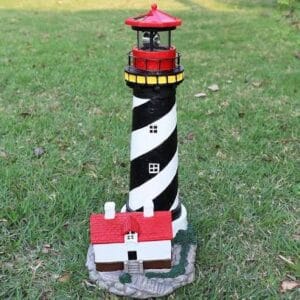
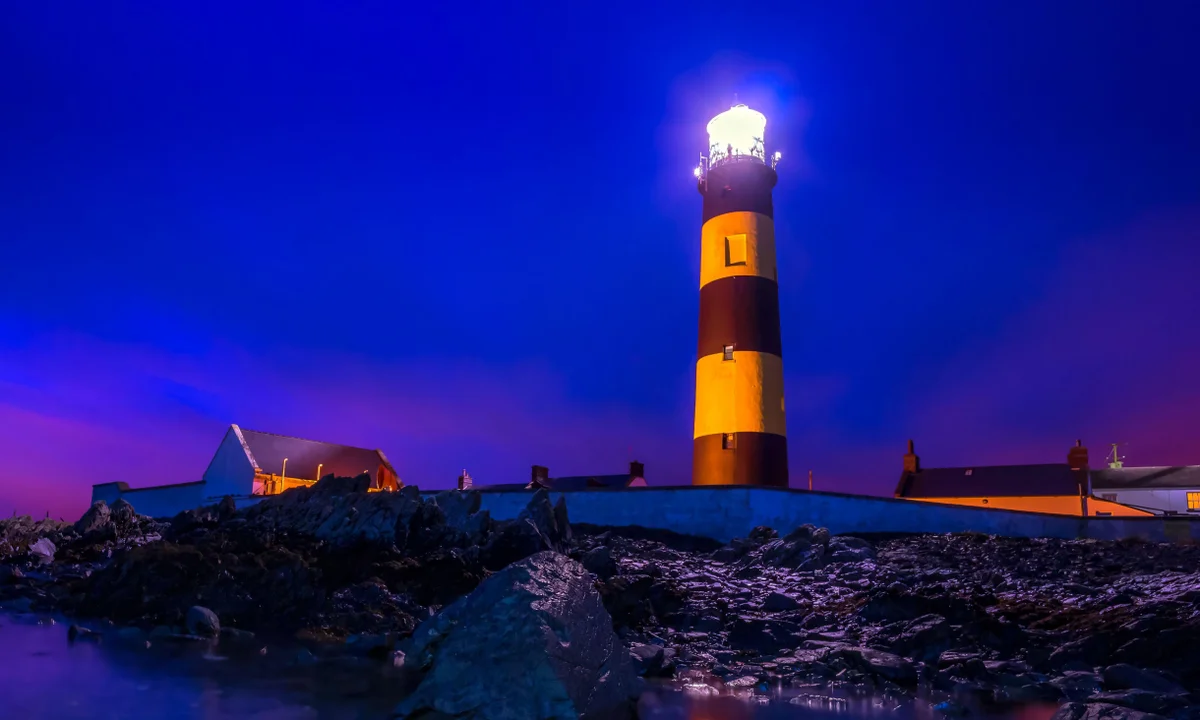
A solar-powered rotating beacon lighthouse is a beacon system that uses a photovoltaic panel to collect sunlight during the day and store that energy in a rechargeable battery. After dusk, the stored power runs a light source and, in many units, a small motor or geared mechanism that creates the rotating beacon effect. The result imitates the sweeping beam people associate with classic lighthouses.
In the decorative market, this format often appears in resin, polywood, cedar, or metal garden lighthouse structures. In marine or architectural settings, it appears as a lantern assembly mounted on a tower, post, or roofline. The term Best Solar Powered Lighthouse Rotating Beacon 2026 often shows up in search, but the right interpretation depends on whether the beacon is ornamental or practical.
Traditional Lighthouse Beacons vs Solar Rotating Beacons
Traditional lighthouse systems relied on grid electricity, diesel backup, optics, and large mechanical assemblies. They were built for long-range visibility and strict navigation use. They also needed skilled upkeep, scheduled servicing, and a stronger infrastructure base.
Solar rotating beacons work on a smaller and more self-contained scale. They suit private property, tourism features, marinas, pathway edges, replica towers, and some low-power navigation roles. They do not replace full-scale coastal lighthouse systems in most regulated settings, but they make lighting simpler in places where running wires would cost more than the beacon itself.
Key Components: Solar Panel, Battery, Motor, and Light Source
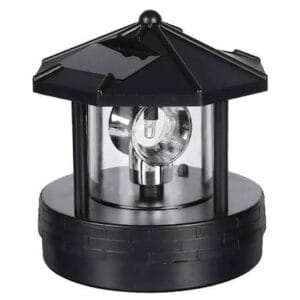
Every system in the Best Solar Powered Lighthouse Rotating Beacon 2026 category relies on four main parts. The solar panel captures daylight. The battery stores charge for evening operation. The motor or rotating assembly creates movement. The lamp, often LED, provides the visible signal.
Higher-end units usually gain longer run time from better lithium battery packs and more efficient LED output. Some decorative lighthouse models sold by brands such as The Lighthouse Man and Dutchtown Garden include integrated solar tops and rotating lamps, while marine beacon suppliers often focus on sealed lantern housings and programmable flash control rather than decorative bodies.
How Solar-Powered Rotating Beacons Work
A solar rotating beacon follows a simple energy cycle. Daylight hits the panel and creates direct current electricity. A charge controller sends that power into the battery while protecting it from overcharge. At dusk, a sensor or timer activates the light system.
The Best Solar Powered Lighthouse Rotating Beacon 2026 designs use energy sparingly. Instead of a power-hungry incandescent bulb, most run LEDs. Instead of a large motor, many use compact drive systems or mirrored optics that create the look of rotation with less power draw. That balance between light output and stored energy decides how reliable the beacon feels through the night.
Solar Charging and Energy Storage
Charging depends on sunlight quality, panel angle, shade, and season. A south-facing placement in the northern hemisphere usually gives the best annual production. In the UK and parts of Canada, short winter days reduce charging time, so battery reserve matters more than in sunny parts of Australia or the US Southwest.
Battery chemistry also shapes performance. Nickel-metal hydride batteries still appear in low-cost garden units, but lithium iron phosphate and lithium-ion options offer better cycle life in many modern systems. If you compare examples in the market, a small decorative solar lighthouse may cost about $120 to $350, while a more robust standalone beacon light from marine brands such as Sealite or Carmanah can run from a few hundred dollars into the low thousands depending on range, optics, and compliance needs.
The Rotation Mechanism Explained
Rotation comes from one of two common approaches. The first uses a small electric motor that turns the light head or lens assembly. The second creates a rotating appearance through flashing optics or moving reflector elements. True mechanical rotation looks authentic, but it adds wear points over time.
For garden and replica lighthouse use, a compact motor is often enough. For exposed marine conditions, designers try to reduce moving parts because salt, moisture, and grit shorten service life. That is one reason many professional solar marine lights use flash signatures instead of a continuously turning beam.
Light Modes and Flash Patterns (Steady, Rotating, Dusk-to-Dawn)
The light pattern affects both energy use and visibility. A steady lamp gives a constant glow and suits decorative display. A rotating beam creates motion and stronger visual interest. Dusk-to-dawn automation turns the beacon on when ambient light drops, which saves effort and makes operation consistent.
Some systems also support programmed flash patterns. In marine contexts, those patterns can help mark location or hazard type. In decorative settings, they mostly shape ambiance. The Best Solar Powered Lighthouse Rotating Beacon 2026 for home use usually needs a simple dusk sensor, a stable battery, and an LED lamp that stays bright through most of the night.
Types of Solar Rotating Beacon Lighthouses
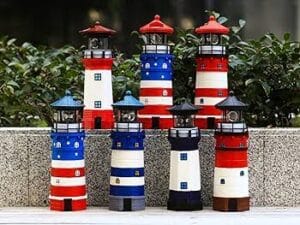
Not all lighthouse beacons serve the same job. Buyers and builders often group them by setting rather than by electronics alone. That helps explain why one unit looks like coastal decor and another looks like a navigation tool.
Decorative Garden Lighthouses
These are the most common consumer models. They stand in flower beds, along driveways, near decks, or beside ponds. Many use molded construction, compact solar caps, and warm white or cool white LEDs. Their rotating feature adds charm more than functional signaling.
Popular handcrafted garden lighthouse sellers in North America often price mid-size models from roughly $150 to $500 depending on material and height. Cedar and poly versions tend to cost more than small resin pieces. In this group, the Best Solar Powered Lighthouse Rotating Beacon 2026 means weather tolerance, realistic light movement, and a battery that does not fade after one season.
Coastal and Marine Navigation Beacons
Marine beacons focus on visibility, autonomy, and durability. These units may mark docks, harbor entries, breakwaters, work sites, or private waterfront structures where local rules allow. Brands like Sealite and Carmanah are known in solar marine lighting, and their products often emphasize flash range, lens quality, and sealed housings over decorative looks.
Prices in this segment vary fast with range and compliance. Entry solar marker lights may start in the low hundreds, while larger self-contained beacons can move well above $1,000. Here, the Best Solar Powered Lighthouse Rotating Beacon 2026 needs dependable charge management and clear optical performance in poor weather.
Architectural and Replica Lighthouses
Architectural beacons sit between decor and function. They appear on coastal-themed businesses, museums, parks, mini golf venues, and large private properties. Their main value lies in atmosphere, identity, and nighttime presence. They often use a custom lantern room, hidden wiring, or an oversized solar module mounted out of sight.
This category rewards thoughtful design. A replica lighthouse can look impressive in daylight and still disappoint at night if the beacon is dim or the rotation is uneven. That is why installers often oversize the panel and battery rather than chase the lowest upfront cost.
Benefits of Solar-Powered Rotating Beacons
Solar beacons solve a practical problem. They put light where people want it without forcing trenching, conduit, or monthly electricity use. They also fit remote sites, waterfront edges, and display areas that lack a nearby power source.
Energy Efficiency and Sustainability
The strongest case for the Best Solar Powered Lighthouse Rotating Beacon 2026 is energy independence at small scale. The panel charges from free daylight, and efficient LEDs keep draw low. Over time, that reduces operating cost and avoids unnecessary cable runs.
For a solar-focused audience, that matters beyond the electric bill. A self-contained beacon shows how modest solar hardware can support reliable night use when the load is matched to local sunlight and battery capacity.
Safety and Visibility Advantages
A rotating or flashing beacon catches attention better than a static lamp in many outdoor settings. Motion helps the human eye detect location, edge lines, and points of interest. On a dock approach, pathway bend, or dark garden border, that can improve orientation after sunset.
The benefit depends on proper scale. A tiny decorative lighthouse will not guide marine traffic, and a navigation beacon may look out of place in a small patio bed. Performance must match the setting.
Low Maintenance Compared to Wired Systems
Wired lighting needs trenching, connectors, switching hardware, and more installation time. Solar units skip most of that. They still need care, but the workload stays lighter.
Routine upkeep usually includes:
- cleaning the panel surface
- checking battery health
- inspecting seals and fasteners
- confirming the dusk sensor remains unobstructed
Factors That Affect Performance
Marketing photos make every beacon look bright and effortless. Field performance tells a different story. Light duration, rotation quality, and winter reliability depend on a few physical limits that no brochure can avoid.
Solar Panel Efficiency and Placement
Panel placement decides how much energy the system collects. Partial shade from trees, fences, chimneys, or railings can cut output enough to shorten nightly run time. Even decorative models improve when the panel sees open sky for most of the day.
For the Best Solar Powered Lighthouse Rotating Beacon 2026, location matters as much as product quality. A modest unit in full sun often beats an expensive one stuck in afternoon shade.
Battery Capacity and Battery Life
Battery capacity controls endurance. If the beacon must run from dusk to dawn in winter, the battery needs enough reserve to cover weak solar days. Battery life also declines with age, heat, cold, and repeated deep discharge.
In Canada and the northern UK, winter stress can expose weak battery packs fast. In hot parts of Australia and the southern US, heat can become the main factor. A replaceable battery system often adds long-term value.
Weather Resistance and Durability
Outdoor beacons face rain, salt spray, freeze-thaw cycles, UV exposure, and wind. Marine environments are the harshest because salt works its way into seals, contacts, and moving parts. Decorative units that look sturdy indoors can fail early by the coast.
Check housing material, gasket quality, corrosion resistance, and motor protection. Those details often separate a short-lived novelty from the Best Solar Powered Lighthouse Rotating Beacon 2026 for exposed outdoor use.
Size, Scale, and Visibility Range
A taller lighthouse structure does not always mean a brighter or more visible beacon. Lens design, LED intensity, beam pattern, and mounting height matter more. Decorative garden units usually create local charm, while marine lights are engineered for distance.
That distinction helps set realistic expectations. A replica lighthouse can produce a beautiful sweep across a backyard without acting like a true long-range beacon.
Case Study: Coastal-Themed Installation
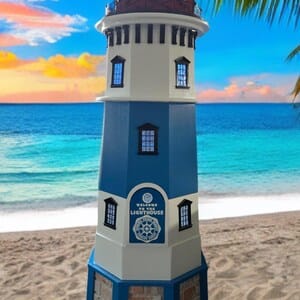
A coastal-themed installation shows how these systems work in real life. The project below reflects a common small-site setup rather than a regulated navigation job.
Background
A waterfront café wanted a signature feature at the edge of its patio. The owners liked the look of a New England-style lighthouse and wanted nighttime visibility without cutting into the paving for power lines.
Project Overview
The team selected a replica lighthouse structure with a separate solar module mounted on a nearby south-facing post. Instead of a small integrated cap, the installer used a larger panel and battery box to support longer operation and steadier rotation through cloudy spells.
Implementation
The installer raised the panel to avoid shade from railings and placed the beacon where guests could see the rotating light from the parking area and shoreline path. The system used an LED lantern with dusk activation and a slow motorized sweep. Battery access stayed simple so seasonal replacement would not require dismantling the tower.
Results
The café gained a strong visual landmark and a safer patio edge after dark. Nightly run time stayed consistent through spring and summer, with shorter operation during stormy winter weeks. The owners reported that the larger external panel cost more upfront but saved them from the weak charging issues common in all-in-one decorative models.
Expert Insights From Solar Panel Installers
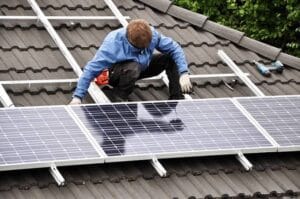
Installers tend to agree on one point. Most solar beacon failures start with poor siting, not bad lighting hardware. If the panel loses sun, the rest of the system struggles no matter how attractive the lighthouse looks.
They also warn against underpowered battery packs in colder climates. A decorative buyer may focus on body style, but the Best Solar Powered Lighthouse Rotating Beacon 2026 depends on hidden electrical choices more than paint color or trim. Good installers size the energy system first and the lighthouse shell second.
FAQs
How long do solar rotating beacons stay lit each night?
Most decorative units run between 6 and 10 hours after a full sunny day. Better systems with larger batteries can last from dusk to dawn in favorable conditions.
Do they work in cloudy weather?
Yes, but output drops. A quality beacon can still charge under cloud cover, though nightly run time may shorten after several low-sun days in a row.
Can they be used year-round in all climates?
They can, but winter performance varies by daylight hours, snow cover, battery chemistry, and temperature. Year-round use is easier when the panel stays clear and the battery is sized with margin.
What’s the difference between rotating and static beacon lighthouses?
A rotating beacon creates a sweeping or moving signal, either mechanically or through optics. A static beacon gives a fixed glow and usually uses less power.
Do solar rotating beacons need maintenance?
Yes. They need panel cleaning, battery checks, and inspection of seals and moving parts. Maintenance stays modest, but no outdoor beacon is fully hands-off.
Conclusion
The Best Solar Powered Lighthouse Rotating Beacon 2026 is the one that fits its site, sunlight, and purpose. Decorative models bring charm to gardens and patios. Marine-grade units focus on visibility and resilience. Replica installations sit in the middle and benefit from careful panel placement and battery sizing.
If you judge the category by energy balance, weather tolerance, and realistic night performance, solar rotating beacons make a lot of sense. They pair visual appeal with simple off-grid lighting in a way that still feels practical in 2026.