The Author
Table of Contents
The Fastest Fix for Right Now
Power went out? Grab whichever solar lantern you own and switch it to low. Low mode stretches runtime the furthest, and most rooms don’t need bright light at 11 PM anyway.
No solar lantern in the house yet? Your phone flashlight covers the gap for now. It works well for ten minutes and poorly for six hours, since flashlight mode drains a phone fast, and you still need battery left over for weather alerts.
A lantern like the BioLite Luci Pro Outdoor 2.0 sits at 150 lumens and runs up to 50 hours on low, with no plug and no trip to the battery aisle. One light, charged by a windowsill, ready every time the grid drops. This is the whole argument for solar over disposable batteries during a blackout.
Below is the full setup for covering your whole house, not only the next ten minutes.
Solar Light vs. Battery Flashlight: Which Wins in a Blackout
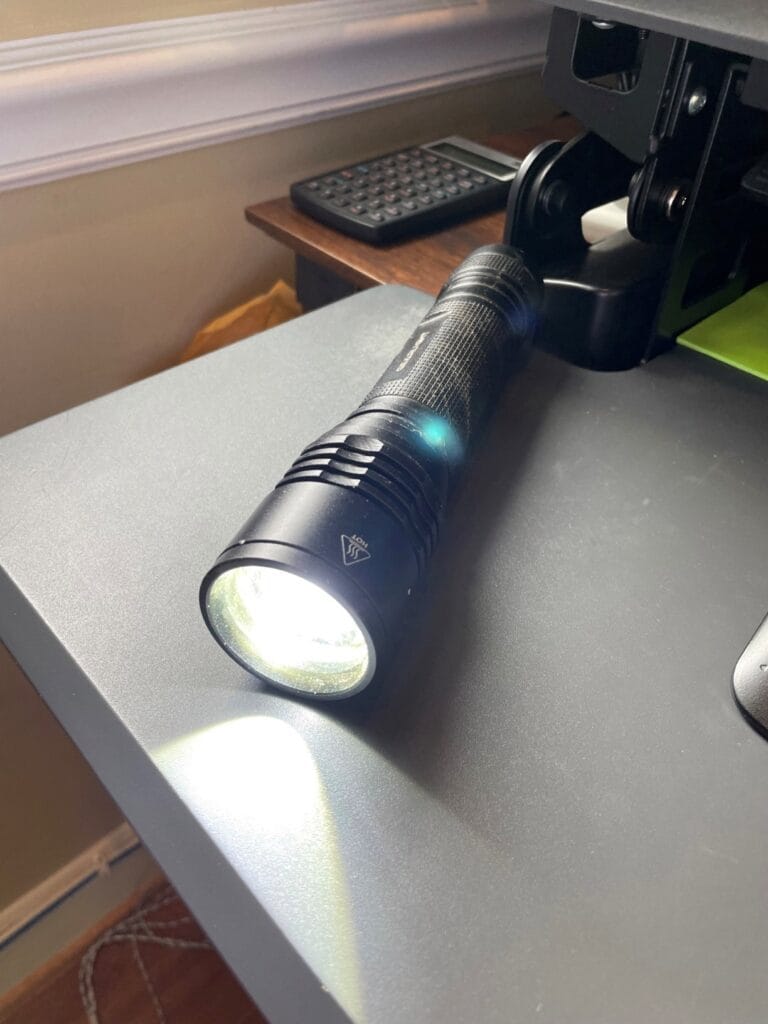
Battery flashlights sit in a drawer for years, then fail the moment you need them: corroded AAs, a dead bulb, a switch nobody tested since last winter. It isn’t bad luck. It’s what happens to anything powered by cells nobody swaps on schedule. Alkaline batteries lose roughly 2 to 3 percent of their charge every year sitting unused, so a flashlight loaded up during last hurricane season already carries less power today, storm or no storm.
A solar light skips this failure point entirely. It recharges on a windowsill during the outage itself, no fresh batteries required. U.S. electricity customers experience real, measurable interruption time every year. The Energy Information Administration put the 2022 average at 5.5 hours per customer, and this number rose sharply in 2024 after a heavy hurricane season. This stretch of hours is exactly when a solar light quietly tops itself back up.
The flashlight still earns a spot in the kit. It’s fast, familiar, and it doesn’t ask you to think about sun exposure. Keep one on hand. Don’t make it your only plan for a grid outage running past bedtime, though.
Match the Light to Your Outage
Not every outage calls for the same setup. A tripped breaker during a storm needs a lot less than a week without power after a hurricane rolls through.
Short Outage (Under 6 Hours): What You Need
Most U.S. outages fall in this range. Grab whichever light is already charged: a lantern on low, a phone flashlight as backup. Nothing here requires rationing power or planning around sun exposure. It’ll be over before the battery indicator even drops a bar.
Multi-Day Grid Failure: What Changes
This is where solar earns its keep. Winter Storm Fern knocked out power to over a million customers at peak in January 2026, and parts of Tennessee went six days or more without restoration, according to PowerOutage.us tracking data. Battery-only lights don’t survive stretches like this. Solar lighting backup power does, since it recharges every daylight hour the grid stays down. Switch every lantern to low or medium the moment a multi-day outage looks likely. It stretches one charge across the whole event instead of one night.
Evacuation or Grab-and-Go Setup
Hurricane Helene left 4.79 million customers without power at its September 2024 peak, and plenty of those households evacuated before the lights came back on. Keep one light already packed near the door: a compact solar-and-USB unit under a foot long, ready to grab without hunting for it in the dark. Emergency portable solar lights earn their keep here more than anywhere else in the house.
Solar Lantern vs. Solar Flashlight vs. Solar Emergency Bulb
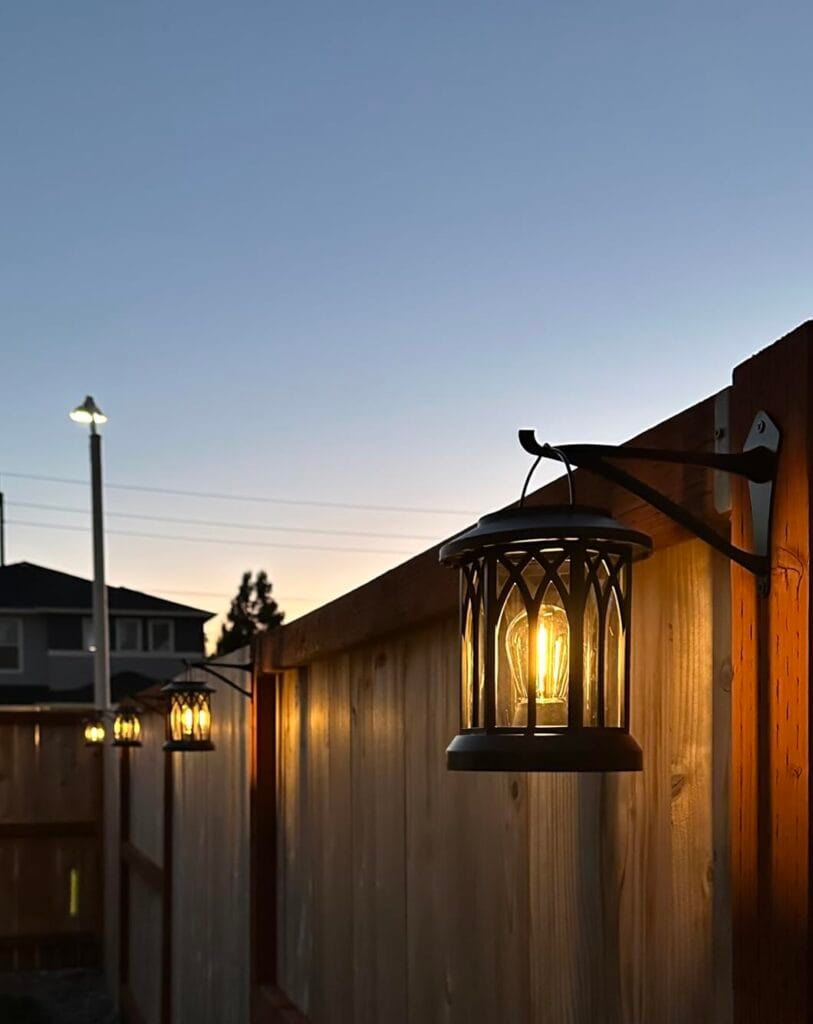
Three shapes cover most blackout needs, and each does a different job.
An inflatable solar lantern lights a whole room evenly. A solar flashlight throws light in one direction, useful outdoors or for moving room to room. A solar emergency bulb screws into an existing fixture and switches on the moment power cuts, so there’s nothing to reach for in the dark.
Here’s how three widely available models compare, with numbers pulled from each brand’s own published specs:
| Type | Example | Runtime (low) | Max Lumens | Best For |
|---|---|---|---|---|
| Inflatable solar lantern | BioLite Luci Pro Outdoor 2.0 | Up to 50 hrs | 150 | Bedroom or tabletop light |
| Solar power-bank lantern | LuminAID PackLite Titan 2-in-1 | Up to 100 hrs | 300 | Multi-day outages, phone charging |
| Solar flashlight/floodlight | Goal Zero Torch 500 | Up to 50 hrs | 500 | Directional light, outdoor use |
Worth knowing: BioLite bought MPOWERD in 2024, so the Luci lantern line older review sites still list under the MPOWERD name now ships under the BioLite label. Same lantern, new logo.
Pick the lantern for general room light, the flashlight for anything directional, and a solar bulb if you’d rather the light handle itself without you flipping a switch.
How Much Runtime You Get
Charge Time vs. Runtime: The Real Tradeoff
Every solar light trades brightness for hours. The LuminAID Titan runs 3 to 5 hours on its brightest 300-lumen setting, then stretches to 72-100 hours on its dimmest 10-lumen setting, same battery, wildly different runtime, depending only on the mode selected.
Charging follows its own math. The Titan needs 16-20 hours of direct sun for a full charge, or 2-4 hours over USB. The BioLite Luci Pro needs 14 hours of sun or 2-3 hours via USB. None of these charge fast in cloudy weather, so top them off on a sunny day before a storm arrives, not during it.
Winter and Cloudy-Day Performance: What to Expect
Solar panels still pull in power through cloud cover, though less of it. The shift toward larger lithium batteries in 2026 solar lighting exists for this reason: enough stored capacity to cover several sunless days, not one. If winter light runs thin where you live, charge indoors near your brightest window and keep a USB cable on hand as backup. Solar tops off the battery. USB rescues it when the sun doesn’t show up.
How Many Lumens You Need
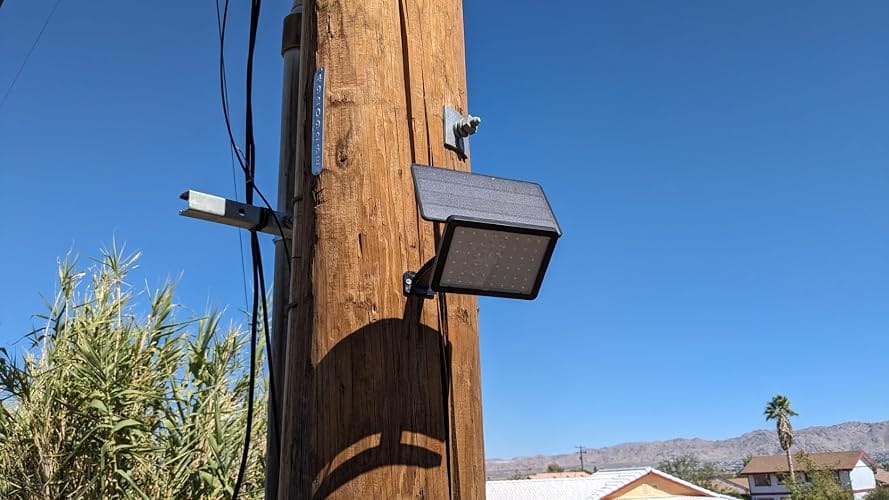
Lighting design guides put hallway needs at roughly 5-10 foot-candles, working out to around 500-1,000 lumens per 100 square feet. Living rooms and bedrooms sit higher, at 10-20 foot-candles, or 1,000-2,000 lumens per 100 square feet.
In real terms: a 150-lumen lantern on medium handles a bedroom fine. A 300-lumen unit covers a larger living room without strain. A hallway needs neither at full brightness. Low mode on nearly any solar lantern already clears this bar.
Skip the pull toward buying the highest lumen count on the shelf. A 500-lumen floodlight aimed at a hallway wall doesn’t improve anything there, unless the goal is lighthouse duty.
Off-Grid Solar Lights for Every Day, Not Only for Emergencies
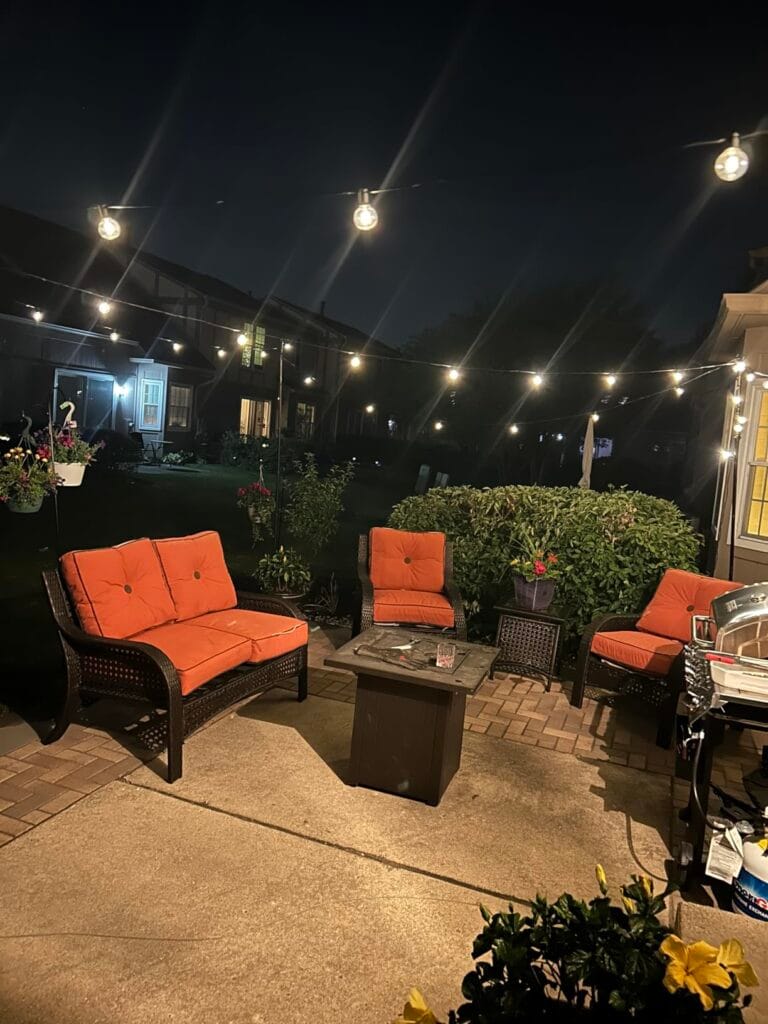
The best off-grid lights for home and emergencies pull double duty long before any outage happens. A solar lantern lights a patio dinner in July and a blackout in December: same unit, zero extra cost.
Keep one charging on a windowsill year-round instead of storing it in a drawer between emergencies. RV trips, backyard evenings, camping weekends, and workshop blackouts all draw from the identical setup. The light earns its shelf space on ordinary nights, not only the bad ones.
How Many Lights Your Home Needs
One main lantern for the living area. One smaller light per bedroom. One compact, grab-and-go unit by the exit for an evacuation. FEMA’s ready.gov emergency kit checklist lists a flashlight as a baseline item for every household, and a solar setup covers this requirement while adding hours of runtime a battery flashlight doesn’t match.
Three or four lights spread through the house beat one bright lantern in a single room every time the power drops.
FAQS
What is the best solar light for a power outage?
An inflatable solar lantern like the BioLite Luci Pro Outdoor 2.0 or LuminAID PackLite Titan covers most households well. Pick a lantern for general room light and a solar flashlight for directional or outdoor use. The right pick depends more on how long the outage runs than on any single “best” option.
Do solar lights work during a blackout on a sunless day?
Yes, as long as the light was charged before the outage started. A fully charged BioLite Luci Pro runs up to 50 hours on low with zero sun during the outage itself. USB charging also works as backup whenever direct sunlight isn’t available.
How long do solar emergency lights last on a full charge?
It depends on the brightness setting. The LuminAID PackLite Titan runs 72-100 hours on its lowest 10-lumen setting, but only 3-5 hours on its brightest 300-lumen setting. Lower brightness stretches runtime further every time.
Are solar emergency lights better than battery flashlights?
For anything past a short outage, yes. Solar lights recharge during the outage itself, while battery flashlights only drain until the cells die. Keep a flashlight as a fast backup, and lean on solar for anything running longer than a few hours.
How many lumens do you need for emergency home lighting?
A hallway needs roughly 500-1,000 lumens per 100 square feet, while a living room or bedroom needs closer to 1,000-2,000. Most solar lanterns on medium or low mode already clear those numbers without draining the battery fast.
Does a solar light charge fast enough for a surprise outage?
Yes. Most solar lanterns fully recharge from empty in a matter of hours over USB, no direct sun required. The BioLite Luci Pro reaches full charge in 2-3 hours via USB, fast enough to prep tonight, not next week.
What’s the difference between a solar lantern and a solar emergency light?
“Solar lantern” usually means a 360-degree room light like the Luci Pro or PackLite Titan. “Solar emergency light” is a broader term, covering lanterns, flashlights, and auto-on bulbs alike. Both run on the same solar-plus-battery setup underneath.
Do solar emergency lights still work in winter or on cloudy days?
Yes, though charging slows down. Cloud cover cuts solar input rather than blocking it entirely, and larger batteries in newer models cover several sunless days on a single charge. USB charging fills the gap on the cloudiest stretches.
Summary
When the power goes out, a solar lantern beats a battery flashlight for anything past a few hours, since it recharges on its own during the outage instead of running down disposable cells. This guide breaks down which solar light fits a short outage versus a multi-day grid failure, compares real runtime and lumen specs across three widely available models, and covers how many lumens an average room actually needs. It closes with a simple room-by-room setup so every part of the house stays lit until the grid comes back.