Table of Contents
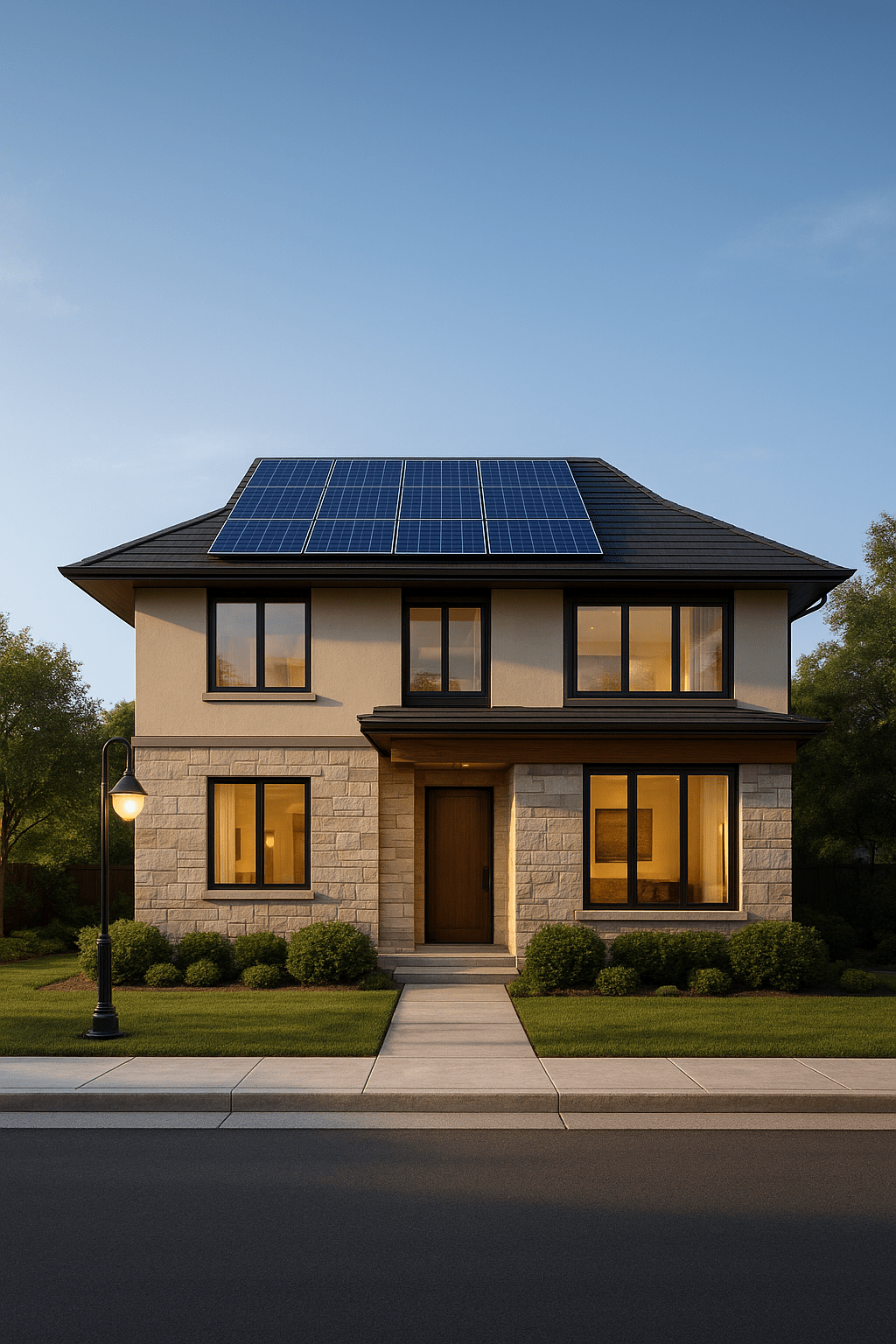
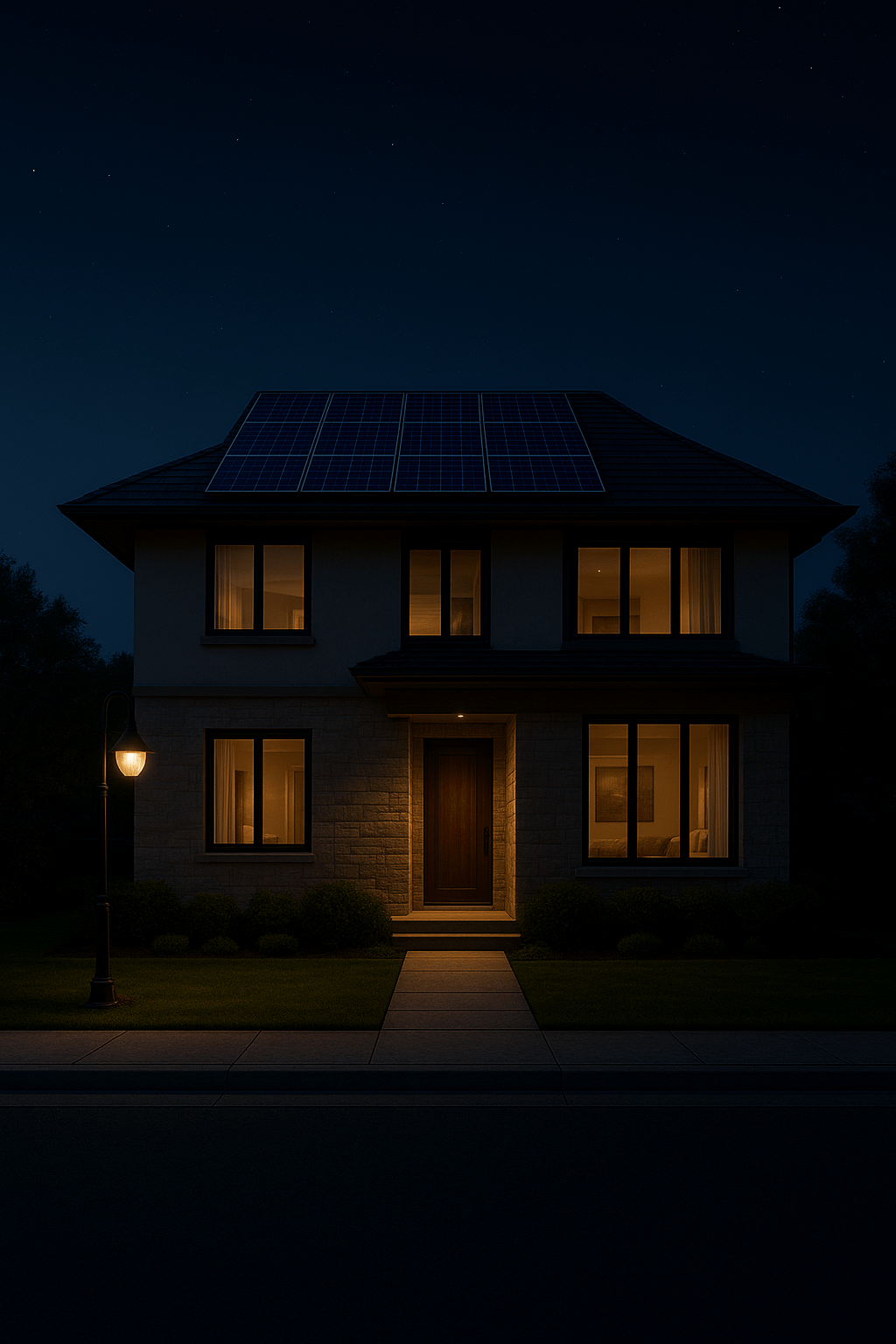
Yes. You can run a 1.5 ton AC on solar without batteries. But there is a catch, and it is a big one. The AC will only run during daylight hours when your panels are producing power. The moment the sun goes down, without batteries storing energy, your AC switches back to the grid or simply stops working.
That said, for a lot of households, especially in countries like Pakistan and India where daytime heat is the real problem and electricity bills are crushing, this setup makes complete practical sense. You do not always need 24-hour solar cooling. You need daytime solar cooling. And that is entirely doable without a single battery in the system.
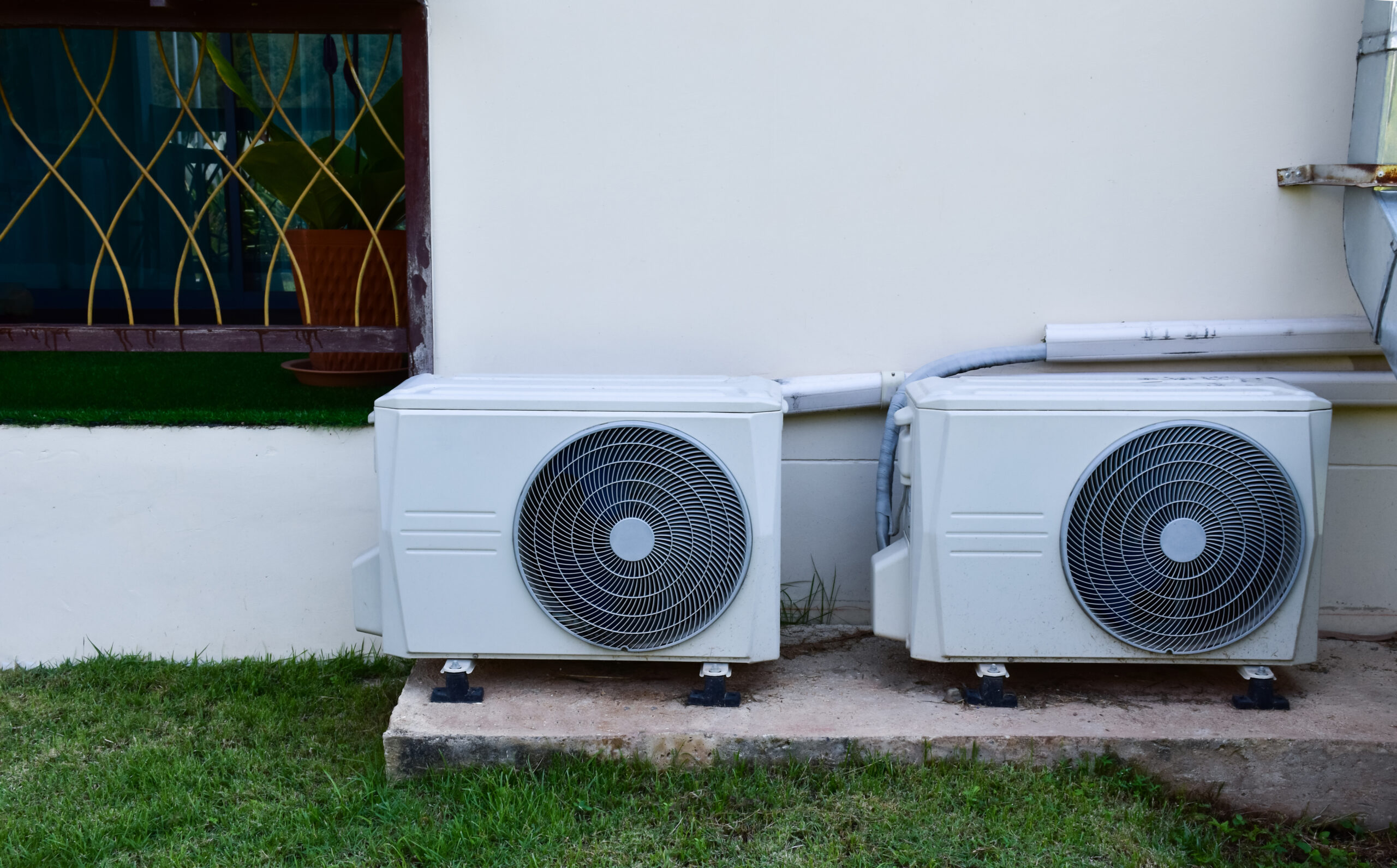
What a 1.5 Ton AC Actually Consumes
Before anything else, you need to understand what you are actually trying to power. A 1.5 ton AC does not consume 1.5 tons of electricity. The tonnage refers to cooling capacity, not power draw.
The actual electricity consumption of a 1.5 ton AC depends heavily on its star rating and whether it is an inverter or non-inverter model.
- A basic non-inverter 1.5 ton AC draws roughly 1,500 to 1,800 watts per hour during operation.
- A 5-star inverter 1.5 ton AC draws around 900 to 1,200 watts per hour on average, and significantly less at lower loads.
The inverter AC also has a much gentler startup surge. Non-inverter models spike to 3 to 4 times their running wattage for a second or two when they start. That startup spike is what trips up a lot of solar setups. If your inverter cannot handle that surge, the system trips every time the compressor kicks in.
For solar purposes, always choose a 5-star inverter AC if you have the choice. It uses 30 to 40 percent less power than a non-inverter model, and it plays far more nicely with solar systems.
The Three Ways to Run AC on Solar Without Batteries
There are three setups that let you run a 1.5 ton AC using solar power without a battery bank. Each one works differently and suits a different situation.
On-Grid Solar System
This is the most practical and affordable option for most people. Your solar panels connect to a grid-tied inverter, which feeds power into your home’s electrical system. During the day, the AC runs on solar power. If your panels produce more than the AC needs, the surplus goes to your other appliances or back to the grid through net metering. If solar production dips, like during a cloud passing over, the grid automatically makes up the difference without any interruption to the AC.
The big limitation is that an on-grid system shuts down completely during a power outage. This is a safety requirement, not a design flaw. Grid-tied systems must shut down when the grid goes down to protect workers repairing the lines. So if your area has frequent load shedding, an on-grid batteryless setup will leave you without AC exactly when you need it most.
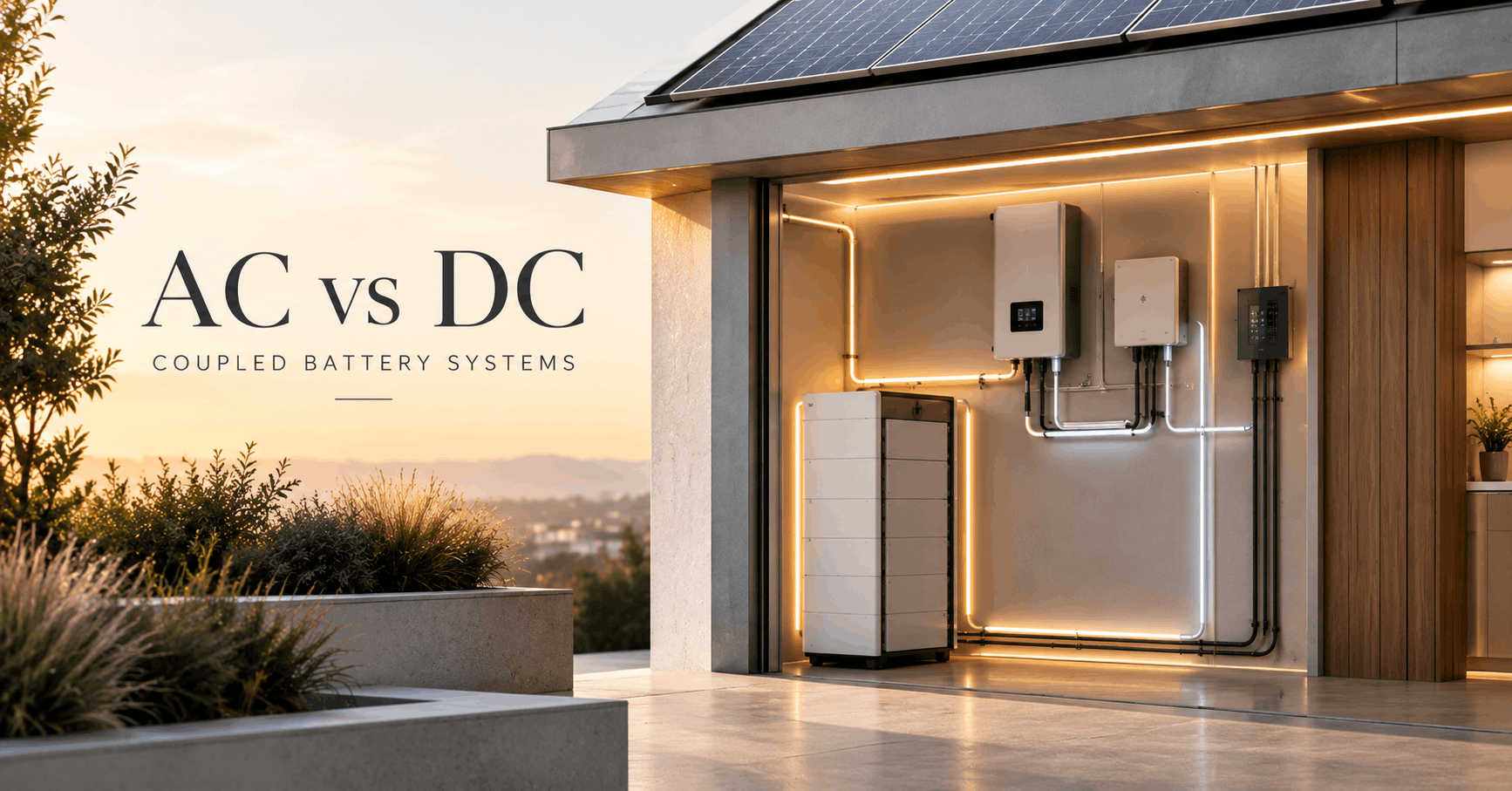
Hybrid Inverter Without Batteries
A hybrid inverter is a smarter version of the grid-tied setup. It is designed to work with batteries but functions perfectly fine without them installed. During the day it runs the AC on solar. It also has the ability to prioritize solar over grid automatically.
The advantage here is that you can add batteries later when your budget allows. You buy the hybrid inverter now, run it batteryless, and plug in a battery bank when you are ready. This is a popular approach in Pakistan right now because it gives you a clear upgrade path without starting over from scratch.
Direct DC Solar AC Systems
Some AC units are built specifically to run directly on DC power from solar panels without needing an inverter at all. These are called DC inverter solar ACs or solar-ready ACs. They are more expensive than standard units but remove the conversion losses that come with an inverter.
These systems are mostly relevant for off-grid situations or remote locations with no grid access. For a typical home with grid access, the added cost of a DC solar AC rarely makes financial sense compared to a standard inverter AC with a grid-tied solar system.
How Many Solar Panels Do You Actually Need
This is where people often undersize the system and then blame solar for not working.
A 5-star 1.5 ton inverter AC averages around 1,000 to 1,200 watts per hour under real conditions. Your solar system needs to cover this load plus your other daytime appliances running at the same time.
For the AC alone, a 2kW to 2.5kW solar system covers it under good sunlight conditions. But your home does not run the AC in isolation. You have fans running, lights on, a fridge cycling, maybe a television. Realistically, a 3kW to 4kW solar system gives you the headroom to run a 1.5 ton AC plus typical household loads during peak sunlight hours without straining the system.
In terms of panels, using 400-watt monocrystalline panels, a 3kW system needs around 7 to 8 panels. A 4kW system needs 10 panels. These are manageable numbers for a standard rooftop installation.
The panels need direct sun. Not filtered light through a dusty sky or partial shade from a water tank. Real, unobstructed sunlight for 5 to 6 hours daily gives you enough energy production to run the AC reliably through the hottest part of the day.
What Happens During Load Shedding
This is the real question for anyone in Pakistan or similar markets. And the honest answer is not what most solar salespeople tell you.
A standard on-grid batteryless system goes completely dead during load shedding. The inverter detects grid absence and shuts itself down. Your panels are sitting on the roof generating power and none of it reaches your AC. This is the most common complaint from people who buy basic on-grid systems expecting load shedding protection and get none.
If load shedding is your primary concern alongside solar savings, you need either a hybrid inverter with a battery bank, or at minimum a hybrid inverter with a small UPS-style battery just to keep things running through short outages.
A full battery bank sized for overnight AC use is expensive and not necessary for most people. A smaller battery bank that covers 2 to 3 hours of outage during peak load shedding periods is a far more cost-effective middle ground.
The Honest Pros and Cons of Going Batteryless
Going batteryless for solar AC is not a compromise. For the right household it is genuinely the smartest financial decision.
The pros are real. No battery cost, which saves a significant amount upfront. No battery maintenance. No battery replacement every 3 to 5 years. Lower system complexity. Faster return on investment because you spend less getting started.
The cons are equally real. No protection during power outages. No nighttime solar cooling. If your grid is unreliable, a batteryless system delivers less value because the AC keeps cutting out every time the grid drops.
If your grid is stable and your main AC usage is during daylight hours, batteryless solar is genuinely excellent. If your grid is unstable and you need AC through outages, batteries are not optional, they are necessary.
Quick Setup Summary
Here is what you actually need to run a 1.5 ton AC on solar without batteries:
- A 5-star inverter AC, not a non-inverter model
- A 3kW to 4kW solar panel array using monocrystalline 400-watt panels
- A grid-tied or hybrid inverter sized for the system with surge capacity to handle compressor startup
- A net metering connection if your utility provider supports it
- Clean, unshaded roof space for panel installation
- A qualified installer who sizes the system to your actual load, not just the AC alone
That is the whole list. No batteries required for daytime operation on a stable grid.
Summary
Running a 1.5 ton AC on solar without batteries is possible, but most people set it up wrong and then wonder why it fails. The answer depends entirely on which type of solar system you use, how much sun your panels get, and whether your area has a reliable grid connection. This guide breaks all of it down in plain language so you can make the right call for your home.