Table of Contents
SOLAR LIGHTS WORK GREAT IN COLORADO
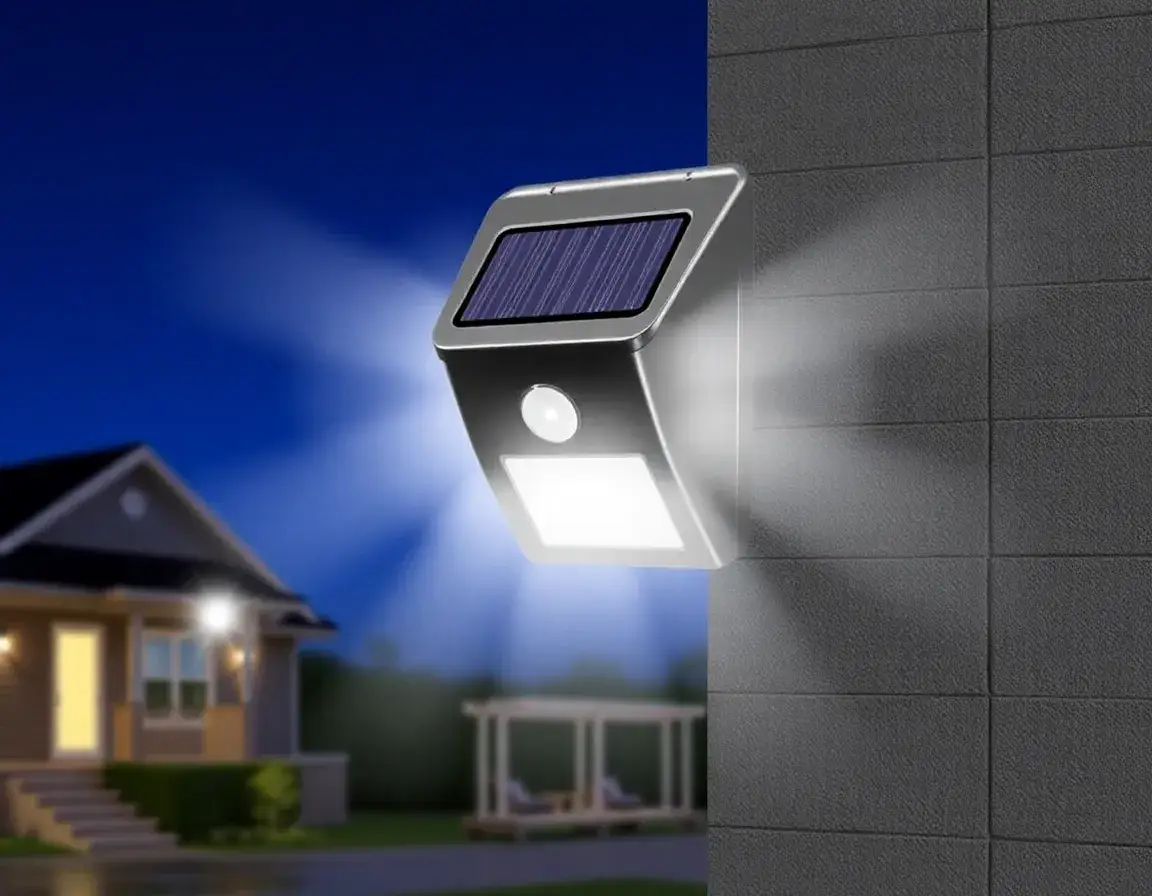
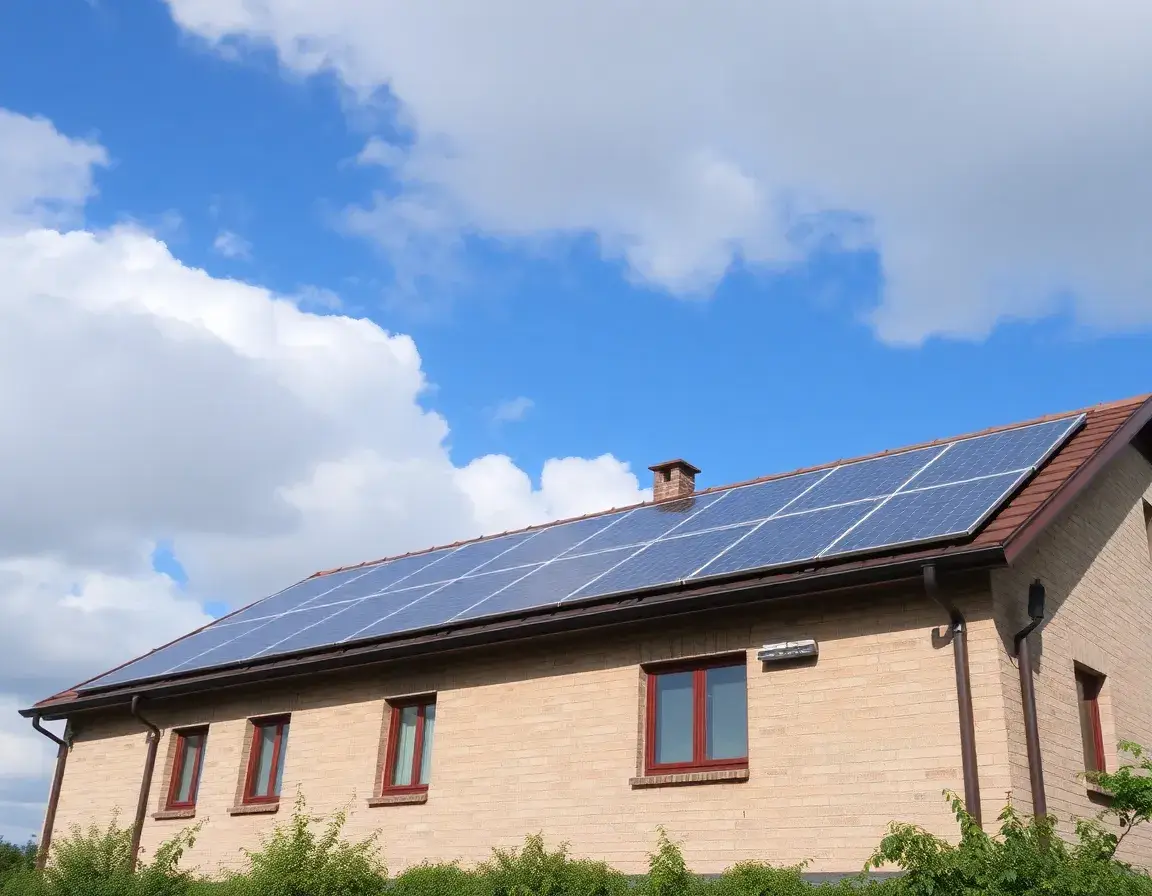
I live in Boulder and have been running solar lights for six years. Colorado is honestly one of the best places in America for solar technology. We get incredible sun exposure most of the year. More days of sunshine than nearly any other state.
When I first moved here I thought solar lights would be marginal. I was completely wrong. They charge better here than they would in most places because of our elevation and clear skies. The mountains create dramatic light patterns and our atmosphere is thinner so more direct sunlight reaches the ground.
People assume high altitude means cold which kills solar performance. That’s backwards. Cold actually helps solar panels charge better. Heat reduces efficiency. So Colorado’s cold nights are a feature, not a bug. The panels charge hard during the day and the cold helps batteries maintain charge.
Neighbors told me to wait until winter and I’d regret it. Summer is easy, they said. Winter will be brutal. I’ve now been through six Colorado winters and the solar lights work fine October through April. Not perfect, but fine.
The real difference is understanding Colorado conditions specifically. Standard solar lights from Amazon or Home Depot might not account for high altitude charging or Colorado’s unique weather patterns. You need to understand what matters and what doesn’t.
I’m not going to tell you Colorado is some kind of solar paradise where everything works perfectly all the time. That’s false. Winter is real. Long cloudy stretches happen. But claiming solar lights don’t work in Colorado is equally false. They work. You just need realistic expectations.
COLORADO WEATHER AND SOLAR CHARGING
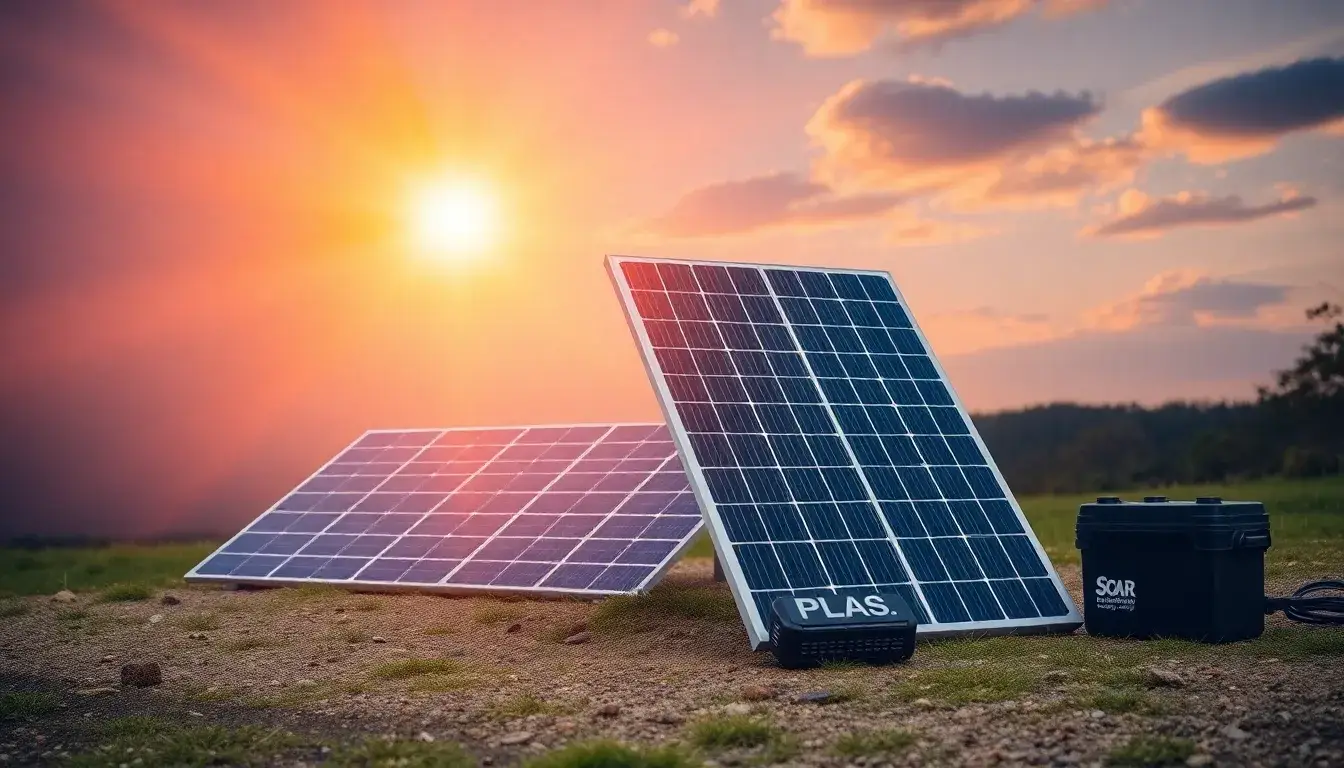
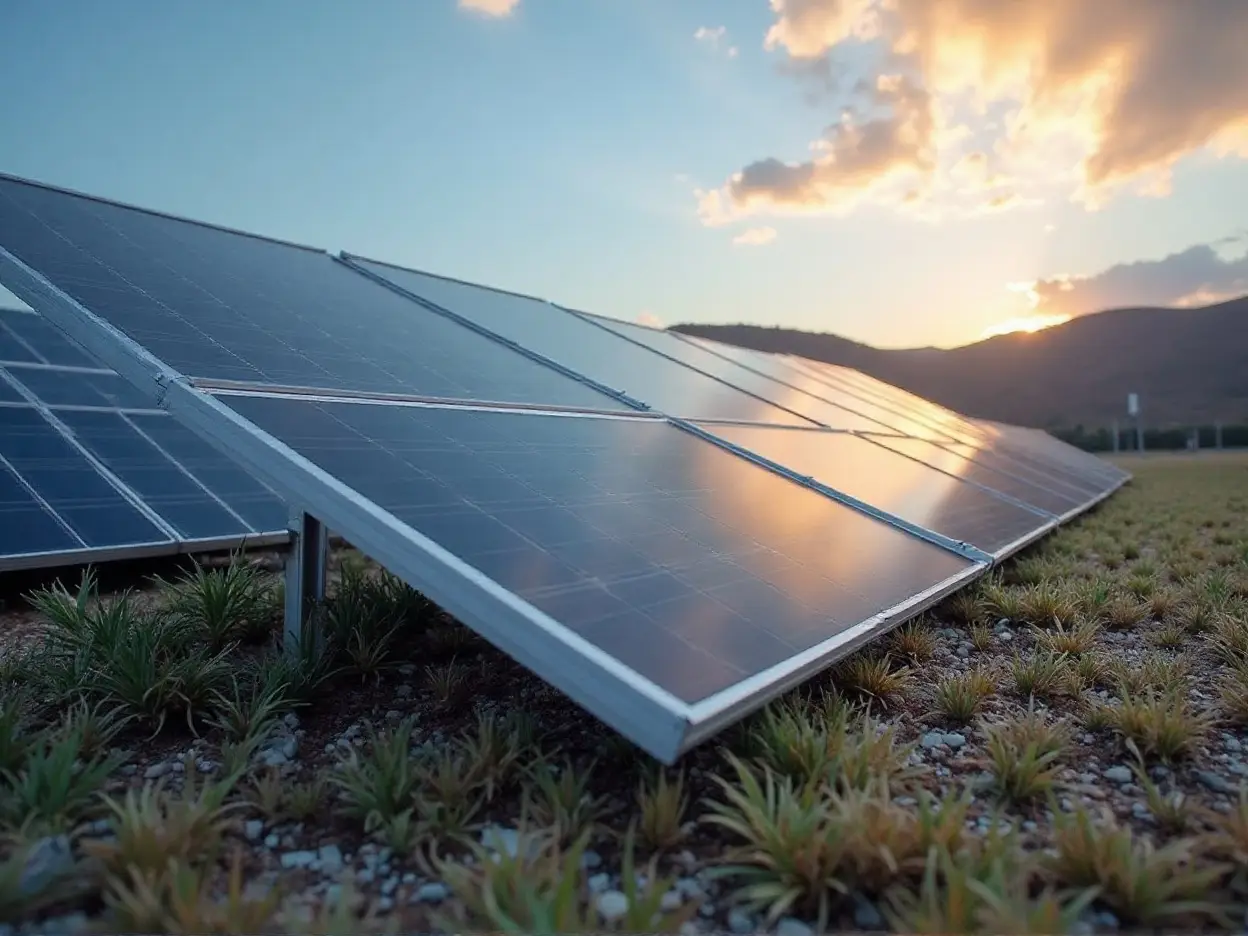
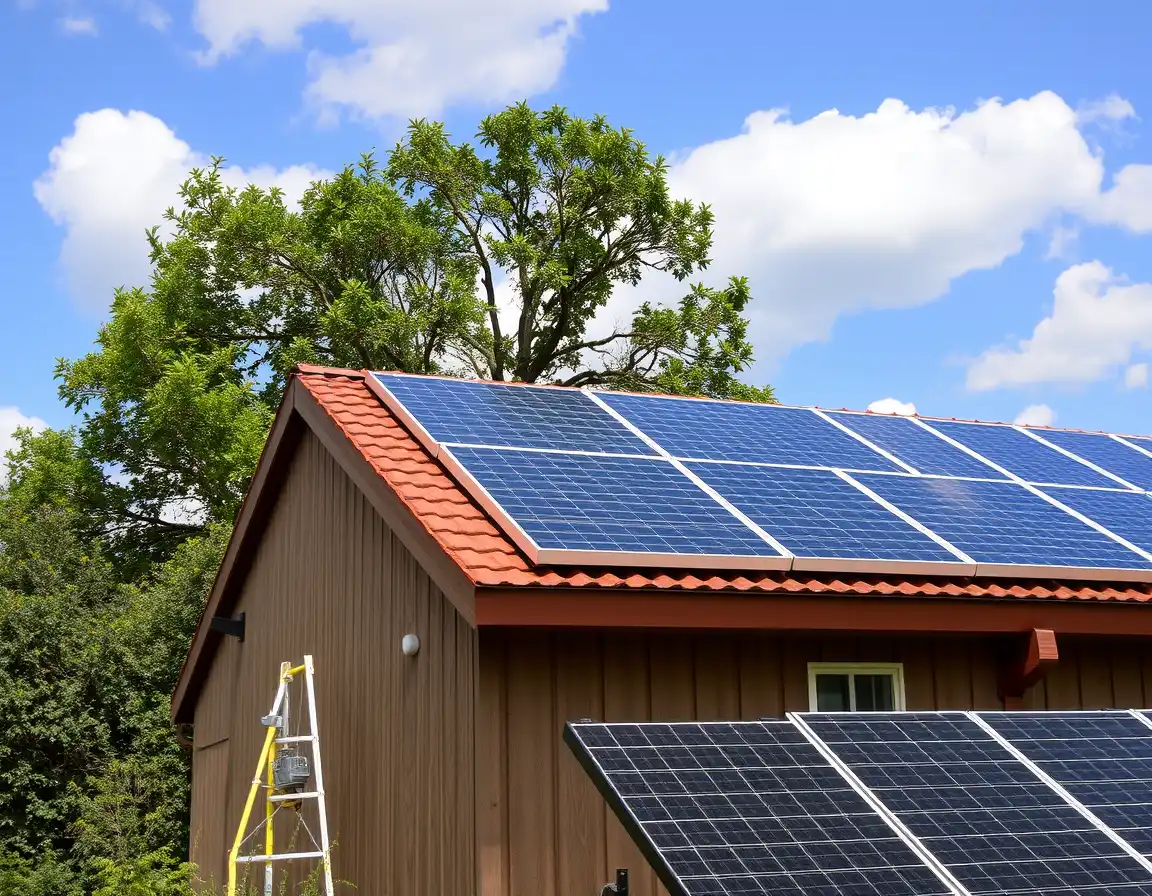
Colorado gets about 300 days of sunshine per year. That’s astronomical compared to other places. New York gets maybe 200. Seattle gets maybe 150. We have massive advantage in raw sunlight exposure. Our elevation in Denver is 5,280 feet. Other Colorado cities are higher. This matters because there’s less atmosphere between the sun and your solar panels. Less atmosphere means more direct radiation reaches the ground. Your solar panels charge more efficiently at elevation than at sea level.
The thin air creates another benefit nobody talks about. It gets cold fast after sunset. Solar panels actually charge better when ambient temperature is lower. So our quick temperature drop from day to night helps batteries charge fully and maintain charge longer. Summer is stupidly good for solar lights. June through August the sun is relentless. Panels charge completely by mid morning and stay charged all day. You get twelve to fourteen hours of light at night easily. This is when solar lights truly shine in Colorado. Fall performance stays good through October. Maybe slightly less light at night than summer but still solid. Eight to ten hours of illumination is normal. No complaints. Winter is where people get surprised. November through February, performance drops noticeably. You might get six to eight hours of light if it’s been sunny. During cloudy stretches you get maybe three to four hours. This is real and you need to accept it. Spring is variable. March and April get increasingly sunny as we approach summer. Performance improves progressively through spring.
The wildcard is snow. When snow covers your solar panels, they charge zero. Completely blocked. You get no light that night. This happens maybe five to ten times per winter depending on the year. Clear the snow off and they work fine again. Most Colorado winters aren’t constant snow like places back East experience. We get snow then sun then snow then sun. Our winters are relatively dry compared to areas getting lake effect snow or Atlantic storm systems. This is actually a benefit for solar lights.
WHY COLORADO CONDITIONS HELP SOLAR LIGHTS
Low humidity in Colorado means less haze and fewer clouds overall. The air is dry and clear most of the time. Solar panels get maximum sun exposure because there’s nothing in the way.
Clear nights are standard here. You rarely get the overcast gray skies that plague other regions for weeks. When we have clouds they usually move through in hours, not days.
High altitude means UV radiation is more intense. This charges solar panels faster than at sea level. Physics works in our favor.
Temperature swings are dramatic. Hot sunny days charging panels to maximum, then cold nights keeping batteries efficient. This cycle repeats constantly and helps overall performance.
Colorado’s weather is generally less harsh than reputation suggests. We don’t get the humidity damage that corrodes coastal lights. We don’t get the extreme freeze thaw cycles of really cold climates. Snow falls but usually melts within days.
Wind is the real weather challenge in Colorado. Not for charging but for light durability. Wind knocked over one of my lights once. Most are built solid enough to handle it but cheap models might struggle.
CHOOSING SOLAR LIGHTS FOR COLORADO
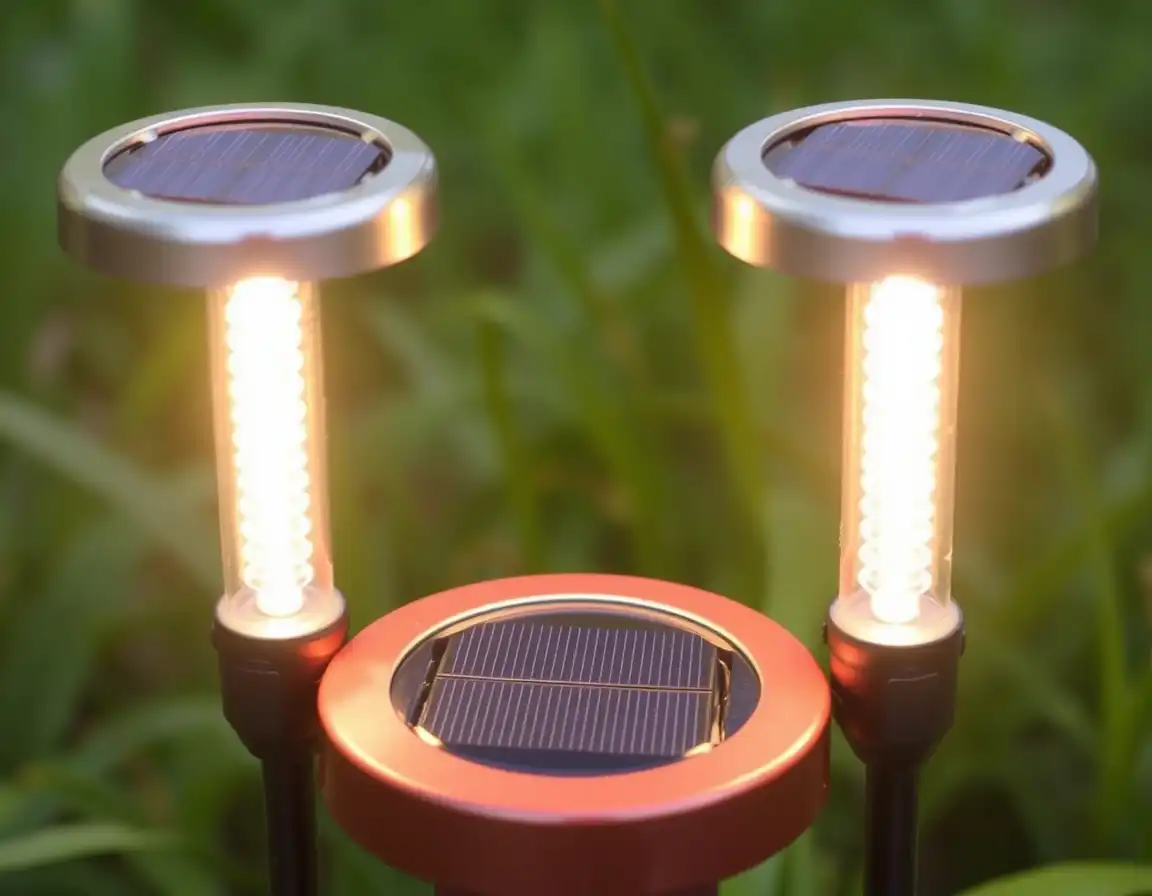
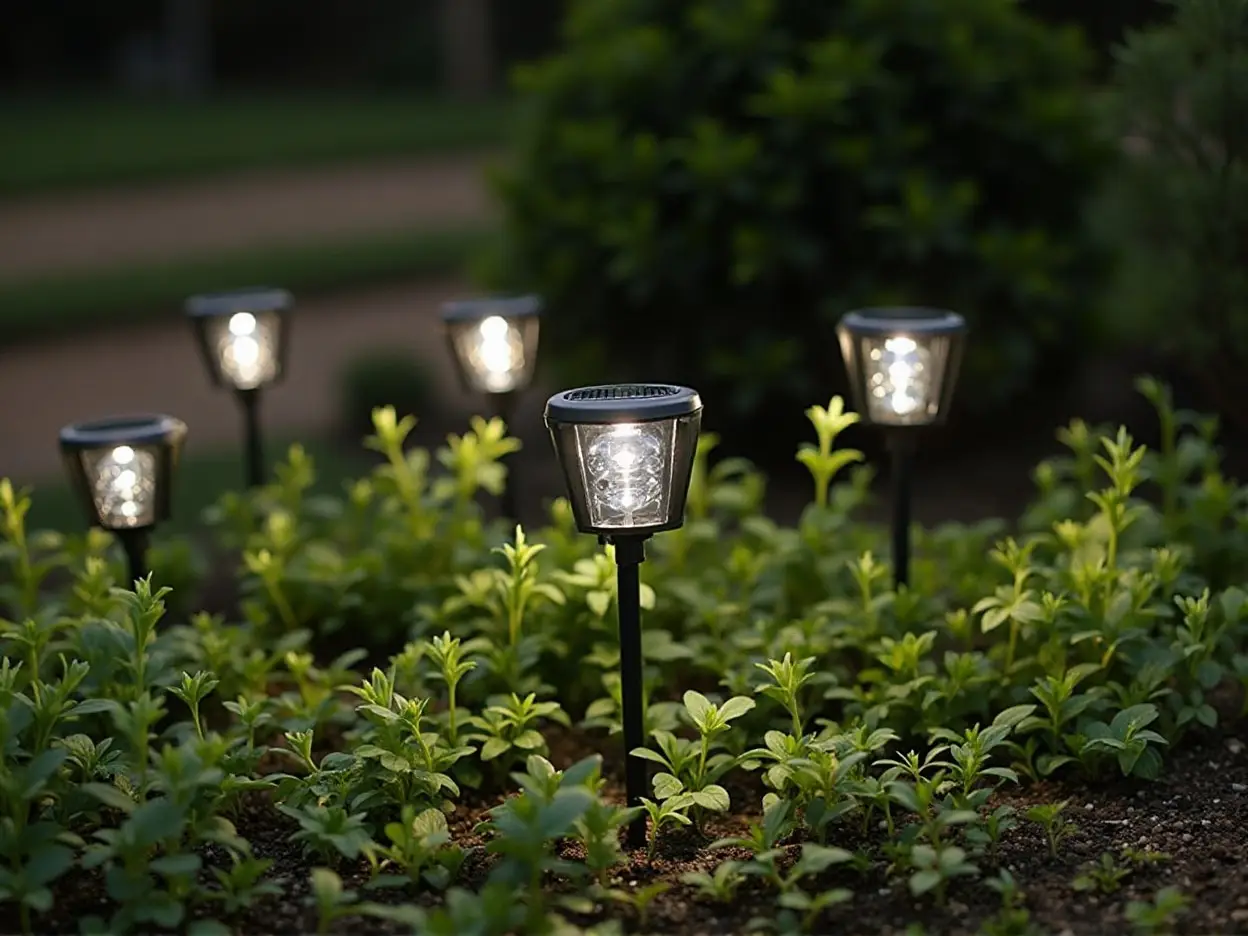
- Bigger solar panels matter more in Colorado than elsewhere because our intensity is higher but our winter days are short. A large panel charges more quickly during available sun hours.
- Battery capacity should be sized for your expectations. If you want twelve hours of light every night in winter, buy lights with larger batteries. If you’re okay with five to six hours in winter, standard batteries work fine.
- High lumen ratings help offset winter performance drop. A light rated for 100 lumens in summer might produce 40 lumens in winter. Start with higher lumen ratings if you care about winter brightness.
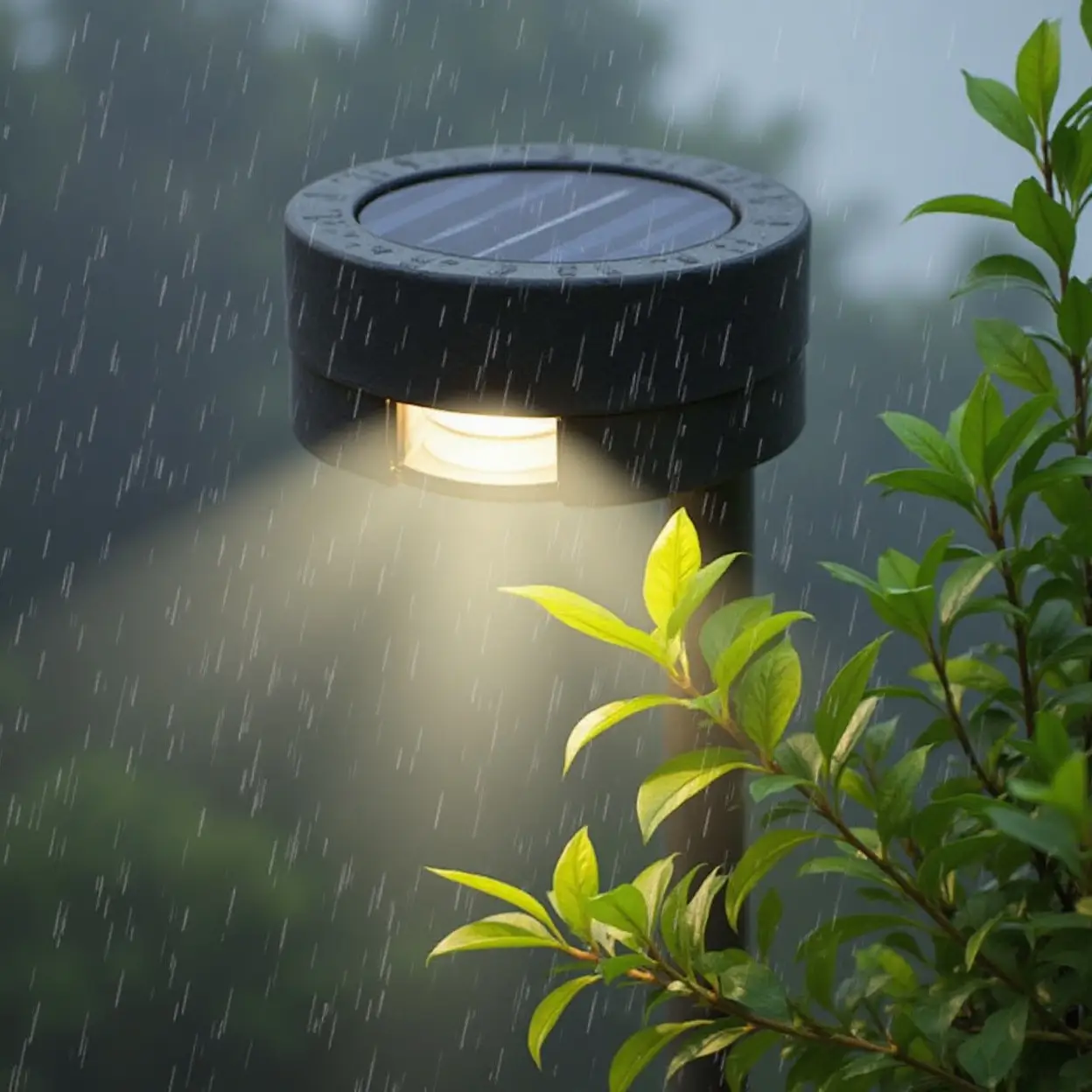
- Waterproof ratings matter. Look for IP65 minimum, IP67 better. Colorado weather gets wet. Snow melts and refreezes. You need genuine waterproofing, not cheap sealed cases.
- Color choice affects visibility during our intense sun. White or brass lights wash out in harsh Colorado sunlight. Black or dark colors are more visible and look better. This is purely aesthetic but worth considering.
- Mount or stake choices matter. Colorado wind can be intense. Stake mounted lights need good solid ground contact. Wall mounted lights need solid fastening. Don’t cheap out on installation hardware.
- Material quality matters more in Colorado. The intense sun degrades cheap plastic faster. UV breaks down low quality finishes. Invest in better materials that handle Colorado’s intensity.
- Brands designed for high altitude perform better than generic models. Some manufacturers understand Colorado conditions and build accordingly. Worth researching before buying.
INSTALLATION IN COLORADO
Ground conditions matter. Colorado soil varies wildly. Some areas are rocky and hard to drive stakes into. Others are soft and stakes sink easily. Check your yard conditions before buying.
Clay soil in Colorado can be problematic. It’s dense and hard to penetrate. Rocky areas are worse. You might need to dig proper holes rather than just pushing stakes. This isn’t a huge deal but budget extra time.
South facing locations charge best. In Colorado we get strong south sun even in winter. North facing spots get shadowed by mountains in afternoon. East and west facing is okay but not ideal.
Higher elevation properties charge even better. If you’re in the mountains above 7,000 feet, solar lights work exceptionally well because of reduced atmosphere and intense sun.
Install during spring or early fall when ground is workable. Summer ground can be rock hard. Winter is obvious. Spring and fall are ideal installation times.
Charge lights fully in Colorado sun before first use. Our intensity means they charge fast. One good sunny day is usually sufficient instead of the 24 hours sometimes needed elsewhere.
Space lights closer together in winter to compensate for lower battery capacity in cold months. If you want the same brightness in January as July, cluster lights tighter during winter.
COLORADO WINTER REALITY
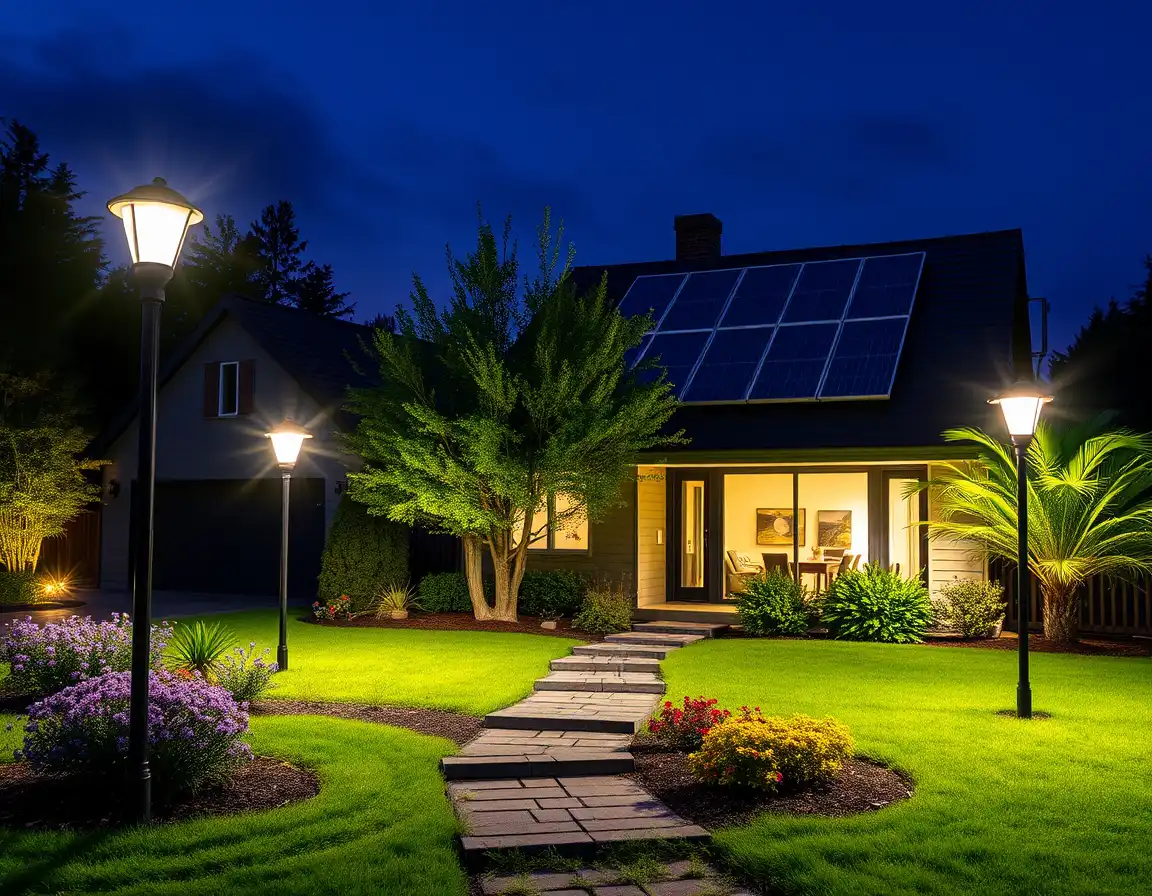
Winter is genuinely darker here at night. The altitude and clear skies mean really dark nights without light pollution. Your solar lights become more important, not less.
Cloudy stretches during winter are the real challenge. Sometimes we get three or four days of clouds in a row. Solar panels get minimal charge. Light output drops significantly. This is when people regret solar lights if they weren’t prepared.
Snow events knock out lights completely while snow covers panels. This happens maybe five to ten times per winter. Clear it and they work again. Takes five minutes per light to brush snow off.
Extreme cold affects battery performance. Below negative 10 degrees, batteries don’t hold charge well. Most Colorado winters don’t reach this. When they do, it’s temporary. Spring comes and performance returns to normal.
Salt used on roads in mountain towns can corrode metal parts. This is real and worth considering if you’re near treated roads. High quality powder coating resists corrosion better.
Wind during winter storms can knock lights over or damage them. A light that survived all summer might get knocked sideways by March wind. This is rare but possible.
My honest take after six Colorado winters is that solar lights work fine here. Not perfectly, but fine. You lose maybe 30% of winter light compared to summer. That’s acceptable to most people.
MAINTENANCE IN COLORADO
- Clean solar panels monthly. Colorado dust is different than coastal dust. It’s finer and accumulates quickly. Monthly cleaning maintains charging efficiency.
- Snow on panels blocks charging completely. When it snows, brush panels clear within hours if possible. Don’t leave snow overnight if you can help it. One good clearing usually handles snow event impacts.
- Check stake connections after wind events. Colorado wind can loosen ground stakes. A few seconds of wiggling the light tells you if it needs resetting. Reset when needed.
- Replace batteries annually in Colorado if you want maximum winter performance. Old batteries lose capacity faster in cold. Fresh batteries in fall before winter is smart maintenance.
- Check for UV damage to plastic or paint. Colorado sun is intense. Quality materials hold up but cheap lights degrade noticeably after two to three years.
- Inspect after major storms. High wind, heavy snow, hail events sometimes damage lights. Most survive fine but checking prevents surprises.
Overall maintenance is similar to anywhere else. Our dry climate makes it easier actually. Moisture is the main enemy and we don’t have much of it.
COST EFFECTIVENESS IN COLORADO
Colorado electricity is relatively cheap compared to national average. This makes the cost savings from solar lights smaller than in expensive power areas. You still save money but it’s not thousands of dollars annually.
Your cost per light to install is same as anywhere. Ground conditions might require more effort but not dramatically different.
Lifespan in Colorado is probably longer than many places because of dry climate. Corrosion, rust, and moisture damage is minimal. Lights often last five to seven years before replacement.
Payback period is slower than in expensive power states. But factoring in zero electricity costs forever plus minimal maintenance, solar still wins financially over traditional wiring.
The real value in Colorado isn’t pure cost savings. It’s that solar lights work really well here because of our conditions. The environmental benefit of using renewable energy in the sunniest state is meaningful.
MY RECOMMENDATION FOR COLORADO
Buy quality solar lights rated for high altitude if possible. They’re slightly more expensive but designed for our conditions.
Oversize battery capacity slightly. Better to have more light than planned than less. Colorado’s winter justifies this choice.
Install in spring when ground is workable. Fall works too. Avoid summer hardness and winter weather challenges.
Expect eight to twelve hours of summer light, four to eight hours of winter light. Plan accordingly for what you’re lighting.
Clean panels monthly. Brush snow when it falls. Replace batteries before winter if they’re getting old.
Don’t expect perfection during cloudy winter stretches. That’s reality. Accept it and solar lights become sensible choice.
Colorado is genuinely good for solar lights despite what people assume. The 300 days of sunshine trump winter challenges. You’ll be satisfied with the choice.
SUMMARY
Colorado’s high altitude, intense sun, and harsh winters create unique conditions for solar lights. They actually work exceptionally well here most of the year because of Colorado’s 300 days of sunshine. However, winter performance drops when snow covers panels and cloudy stretches arrive. This guide covers what Colorado homeowners need to know about choosing, installing, and maintaining solar lights at elevation.