Table of Contents
Yes, They Work, Just Differently
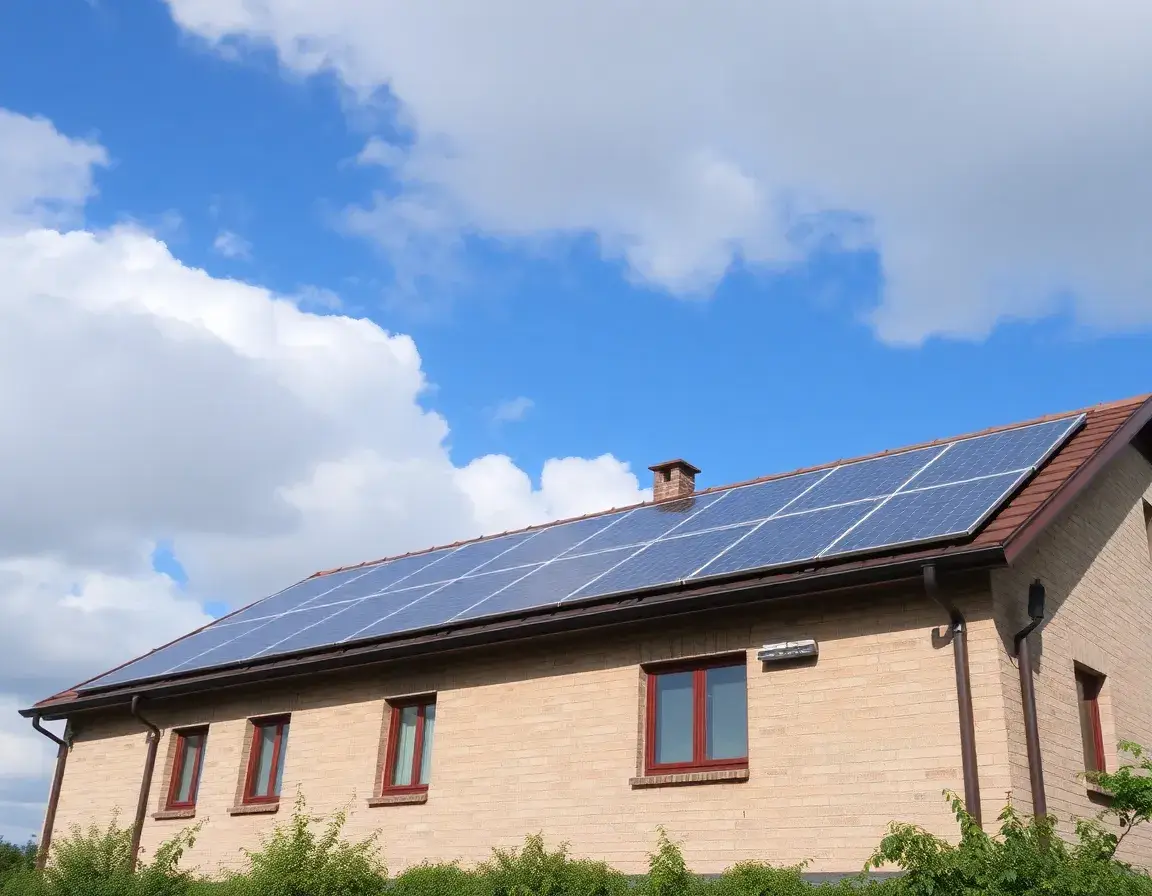
Solar panels work on cloudy days. This surprises a lot of people. They think panels need bright sunshine to function. That’s not how it works. Clouds don’t stop panels from producing electricity. They just reduce the amount.
Think of it like a light switch. Cloudy days don’t turn the switch off. They turn it down to a dimmer setting. Your panels still generate power. You just get less of it than on sunny days.
How Much Power Do You Actually Get
On a cloudy day, your panels produce 10 to 25 percent of their rated capacity. If you have a 400 watt panel, expect 40 to 100 watts on a heavily overcast day. That sounds low, but it’s still useful electricity.
Different cloud types produce different results. Thin, wispy clouds let more light through. Heavy, dark storm clouds block almost everything. Most cloudy days fall somewhere in between.
Morning and evening clouds are thinner. You get more production during those times. Afternoon clouds during a storm might reduce output to 5 percent. The variation depends on what’s happening in your sky right now.
Why Panels Still Work In Clouds
Sunlight reaches Earth even when clouds hide the sun. Light scatters through clouds and still hits your panels. It’s not direct sunlight anymore. It’s diffuse light coming from all directions. Panels capture this scattered light and convert it to electricity.
This is why you get a sunburn on cloudy beach days. The UV rays still reach you through the clouds. Same thing happens with solar panels. They’re sensitive to light energy, not just direct sun beams.
Modern solar panels are better at capturing diffuse light than older models. Better cell technology squeezes more power from cloudy conditions. This is one reason new panels beat old ones.
Cloudy Days Still Add To Your Total
Most people think cloudy days produce zero power. This wrong assumption stops them from going solar. In reality, cloudy days contribute to your yearly production total.
If you live somewhere with 150 cloudy days yearly, those days still generate electricity. At 10 to 25 percent capacity, you’re getting something. Multiply that across months and years, and the production adds up.
A cloudy region still saves money on electricity bills. You produce less than sunny regions, but you still produce. The payback period is longer, but the investment still works.
Cloudy Days Are Less Reliable
The downside is inconsistency. You cannot predict exactly how much power you’ll get. Clouds come and go. Production swings wildly. One hour the sun breaks through. Next hour, heavy clouds roll in.
This affects battery systems more than grid-tied systems. If you have battery backup, cloudy days drain your storage quickly. You might run out of power before nighttime.
Grid-tied systems don’t worry about this. You draw from the grid when your panels don’t produce enough. The utility smooths out your inconsistent production.
Seasonal Cloud Coverage Matters
Some regions have more clouds than others. Coastal areas see more clouds. Mountain regions get more sun. Desert regions get almost constant sun. Your location determines how much cloudy days affect your system.
Winter brings more clouds in most places. December and January are cloudier than July and August. This is why winter production drops so dramatically in northern regions.
If you live in Seattle or Portland, expect 60 to 80 cloudy days yearly. If you live in Phoenix or Las Vegas, expect 30 to 40 cloudy days. This huge difference affects your total annual production.
Efficiency Loss On Cloudy Days
Your panels lose efficiency when light is diffuse instead of direct. Direct sunlight concentrates energy. Diffuse light spreads it thin. Your panels work harder to capture the same amount of power.
Temperature also affects cloudy day performance. Cloudy days are often cooler than sunny days. Cooler temperatures actually improve panel efficiency. This helps offset some efficiency losses from reduced light.
So cloudy days reduce production for two reasons. Light is weaker, and the light is scattered. But cooler temperatures help a bit. The net effect is still 10 to 25 percent output.
Rain Doesn’t Stop Production
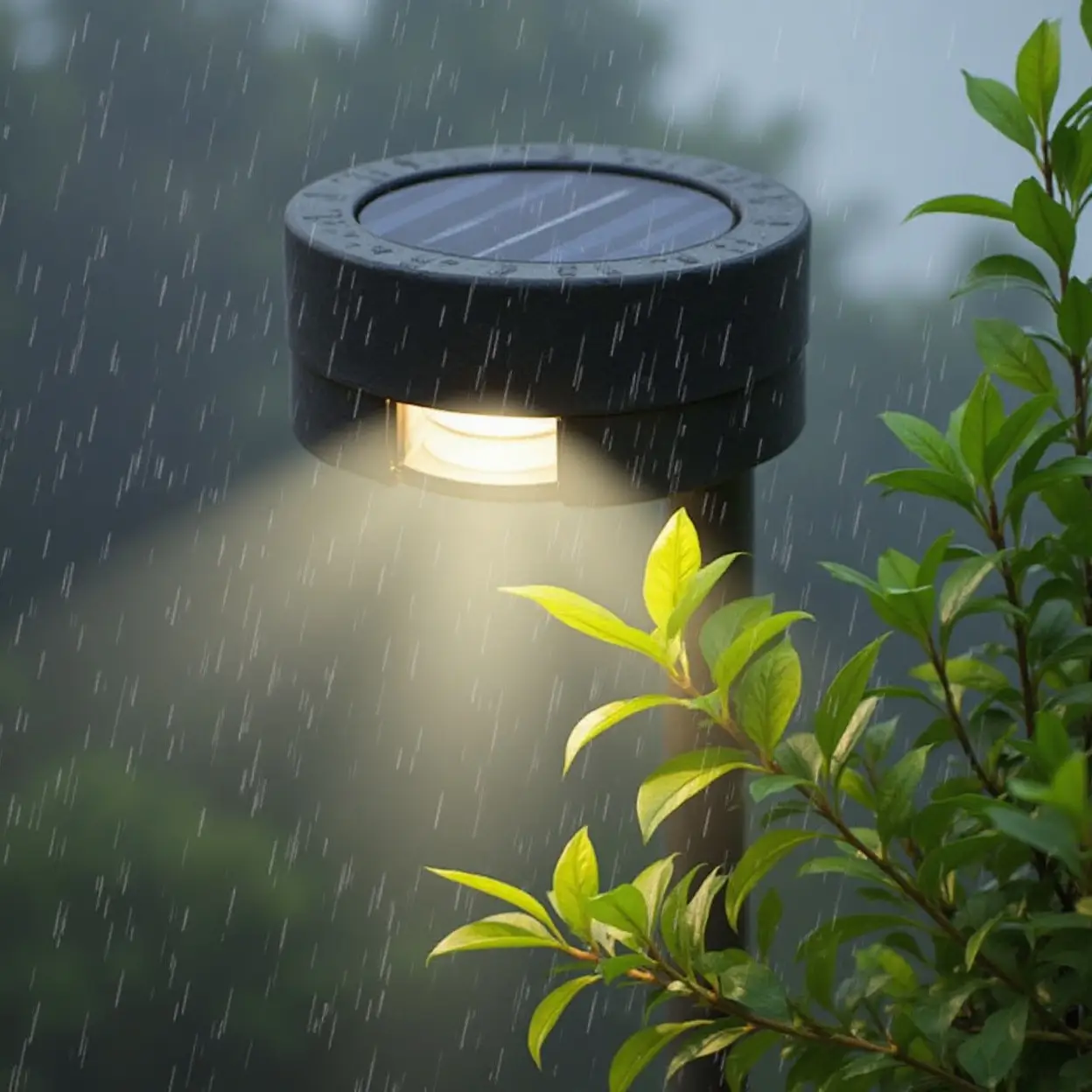
Rain clouds produce water and electricity. Your panels still work during rain. The rain actually cleans the panels by washing away dust and dirt. Clean panels produce more power than dirty ones.
Light rainfall produces 15 to 20 percent output. Heavy downpours reduce it to 5 to 10 percent. But immediately after rain clears, your panels shine brighter because they’re clean.
Rain is better than dust. Dust blocks light and doesn’t wash away. One rainstorm cleans your panels better than you could with a hose.
Morning And Evening Clouds
Sunrise and sunset bring thin clouds across the sky. These wispy clouds let more light through than midday storm clouds. Morning and evening are naturally lower production times anyway because the sun is lower.
Thick morning clouds delay your production start. You might not hit peak power until 10 or 11 AM. Evening clouds end your production early. By 3 or 4 PM, you’re already done for the day.
This unpredictability is annoying for people planning to charge batteries or run heavy loads. You cannot guarantee power when you need it.
Spring And Fall Are Goldilocks
Spring and fall bring the best mix of sun and clouds. You get plenty of clear days plus some cloudy days. This variety keeps production flowing without extreme swings.
Winter is worst because clouds dominate. Summer is best because clear days dominate. Spring and fall offer balance.
Planning Your Solar System For Cloudy Days
Size your panels bigger if you live in a cloudy region. A region getting 150 cloudy days yearly needs 50 percent more panels than a sunny region. This ensures you meet your electricity needs year-round.
Add battery backup to handle inconsistent production. Batteries store power on good days and release it on bad days. This smooths out cloudy day problems.
Get a grid-tied system instead of batteries if possible. Let the grid handle cloudy day variability. You draw power when you need it and send extra power back on sunny days.
Pros Of Cloudy Day Production
Panels still work. You get free electricity even on cloudy days. Cloudy days are cooler, improving panel efficiency slightly. Rain cleans your panels. No maintenance needed. Long-term production adds up across months and years. Grid connection handles variability easily.
Cons Of Cloudy Day Production
Output drops 75 to 90 percent compared to sunny days. You cannot predict exact production. Battery systems struggle with inconsistency. Heavy clouds produce almost nothing. Storm clouds might produce 5 percent or less. Winter cloudy days extend your payback period. Cloudy regions take longer to reach financial break-even.
What This Means For Your Decision
Cloudy days don’t make solar pointless. They just reduce your expected production. You still save money on electricity. Your payback period is longer in cloudy regions, but you still reach break-even eventually.
Calculate your location’s average cloud cover. Research annual sunshine hours for your area. These numbers tell you what to expect. A region with 150 cloudy days still sees 200 to 250 sunny days yearly.
Even cloudy regions have decent solar potential. Germany installs more solar than anywhere else despite heavy cloud cover. They prove solar works in cloudy places.
Practical Steps To Handle Cloudy Days
Monitor your actual production. Track cloudy and sunny days. Keep records of output. This teaches you your system’s real-world performance.
Position panels to catch morning sun. East-facing panels catch the clearest morning light. West-facing panels catch afternoon light when storms often develop.
Clean your panels every few months. Rain helps, but dust still accumulates. Clean panels produce noticeably more power.
Add battery capacity if you need nighttime power. Don’t rely on cloudy day production for critical loads. Use cloudy day output as bonus, not baseline.
Summary
Solar panels work on cloudy days, producing 10 to 25 percent of their rated capacity. Diffuse light scattered through clouds still powers the panels. Cloudy regions take longer to reach payback periods but still save money over time. Rain cleans panels while producing power. Morning and evening clouds are thinner and allow more light. Winter has more clouds than summer in most locations. Heavy storm clouds reduce production to 5 percent or less. Coastal regions see more clouds than desert regions. Cooler cloudy days actually improve panel efficiency slightly. Adding extra panels in cloudy regions ensures adequate production. Grid-tied systems handle cloudy day variability easily. Battery systems struggle with inconsistent cloudy day production. Germany proves solar works despite frequent cloud cover. Spring and fall offer the best balance of sun and clouds. Plan your system knowing cloudy days still contribute meaningful electricity. Clean panels produce noticeably more power than dusty ones. Cloudy days don’t eliminate solar benefits, they just reduce them.