
Table of Contents
How Solar Alley Lights Fixed My Dark Walkway Problem
The Dark Alley That Scared Everyone
My alley was a nightmare. Pitch black after sunset. Neighbors avoided it. My kids wouldn’t walk through at night. I worried about break-ins because criminals love dark spaces. Traditional lighting would’ve cost a fortune to install. Digging up the alley, running electrical lines, hiring electricians. It would’ve been a whole thing. Then I found solar alley lights and honestly, they changed everything about my property.
Solar alley lights are simple. They sit along pathways and charge from the sun all day. When darkness falls, they light up automatically. No wiring. No electricity bills. No complicated installation. Just solar lights creating safety and visibility in places that were previously dangerous darkness. That combination of simplicity and functionality sold me immediately.
I researched for weeks before buying anything. There are so many brands making outdoor lights. Some are garbage that stops working after one season. Others cost way too much for what they deliver. I finally landed on quality solar alley lights with real reviews backing them up. The difference between cheap lights and decent ones shows up in months, not years.
What Solar Alley Lights Actually Do
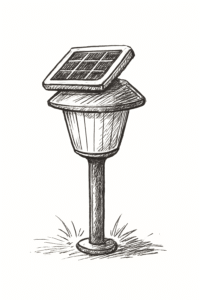
These lights work through straightforward technology. A solar panel sits on top and catches sunlight during daytime. That energy charges a battery stored inside the light unit. When the sun goes down and darkness comes, the battery powers LED lights that illuminate your alley or walkway. It’s automatic. You don’t flip switches or program timers. The light detects darkness and turns on by itself.
LED technology is what makes these lights practical. Regular bulbs waste energy as heat. LEDs convert almost all energy into actual light. They also last forever compared to traditional bulbs. My old porch light needed replacement every year. LED solar lights run for five to ten years without bulb changes. That’s a massive difference in maintenance and hassle.
The brightness is measured in lumens. Solar alley lights typically range from 100 to 500 lumens depending on the model. That might sound technical but it just means how bright the light gets. A 300-lumen light illuminates a decent portion of an alley. A 500-lumen light floods the area with brightness. The cheaper models with 100 lumens provide safety lighting without being overly bright.
Waterproof ratings matter more than people realize. Most quality solar alley lights have IP65 ratings, meaning heavy rain doesn’t damage them. Some premium models reach IP67, handling even temporary submersion. Your alley gets rained on. Your lights need to survive that without shorting out. IP ratings tell you they actually will.
Battery capacity determines how long lights stay on. Standard batteries keep lights going six to twelve hours. Better models with lithium iron phosphate batteries deliver fourteen to twenty-four hours of illumination. That matters if your alley sees use late into the night or if you have cloudy days reducing charging efficiency.
Why Alley Lighting Changes Everything
Safety is the obvious benefit. Dark alleys are dangerous. People trip. They twist ankles. They worry about crime. Well-lit alleys prevent accidents. They deter criminals. Studies show that lighting cuts crime rates in residential areas. It’s not subjective. It’s measurable data. Bright spaces are safer spaces.
Property value increases when outdoor areas are well-lit and inviting. Buyers like seeing illuminated pathways. It suggests a homeowner who cares about safety and maintenance. Dark alleys suggest the opposite. First impressions matter. Lighting fixes that immediately.
Security cameras work better with light. If you have security cameras, they’re useless in darkness. Solar lights provide the illumination cameras need to capture usable footage. The combination of lights and cameras creates genuine security that actually works.
Ambiance transforms. My alley went from dark and sketchy to inviting and modern. I actually use that space now. I walk through it at night without fear. Guests feel safe. The psychological improvement matters as much as the practical one.
Nighttime visibility prevents property damage. People see what they’re walking around. They don’t bump into things. Delivery people can see addresses. Contractors know where to go. Everything functions better when there’s actual light.
Different Types of Solar Alley Lights
- Pathway lights are short posts that line walkways providing directional light. They create clear sight lines for people moving through spaces. Garden lights serve similar purposes but often have decorative elements. They light areas while looking attractive.
- Wall-mounted lights work well if you have walls or fences in your alley. They mount flush against surfaces and illuminate the area below. Stake lights drive into ground and work for any outdoor space. Each style solves different installation situations.
- Motion-sensor models detect movement and brighten automatically. Regular lights stay at constant brightness. Motion sensors save battery by dimming when nobody’s around. They brighten when someone approaches. That intelligence extends runtime dramatically.
- Smart solar lights connect to WiFi and let you control them from apps. You adjust brightness, set schedules, or check battery status remotely. They cost more but offer conveniences if you want technology integration. Non-smart models work fine too if you prefer simplicity.
- Color options range from warm white creating cozy atmosphere to cool white providing functional brightness. Warm white feels inviting. Cool white feels modern and secure. Some models offer both with switchable options.
Real Benefits People Actually Experience
- Electricity costs drop to zero for alley lighting. That’s not exaggeration. No monthly bills. No annual electricity charges. The upfront cost pays for itself in two to three years through electricity savings alone. After that, you’ve got another five to ten years of free lighting. The math is beautiful.
- Installation takes hours, not days. I mounted my lights in an afternoon. No trenching. No running cables. No hiring professionals. My neighbor did hers in one morning solo. That simplicity appeals to homeowners who don’t want to deal with contractors.
- Maintenance is basically non-existent. Clean the solar panel occasionally so dirt doesn’t block sunlight. That’s it. No wiring to check. No bulbs to replace constantly. No panels to service. Solar alley lights work independently with minimal effort.
- Reliability surprises people. These lights work in rain, cold, and heat. They survive weather that would damage traditional lighting. My lights kept working during a brutal winter. They handled summer heat fine. I’ve had zero failures in two years.
- Flexibility matters too. You move lights easily. You adjust angles. You add more lights as your alley grows or changes. You’re not stuck with permanent installations that cost money to modify.
Honest Problems With Solar Alley Lights
- Battery degradation happens eventually. After five to ten years, lithium batteries lose efficiency. They still work but deliver shorter runtimes. Replacement batteries cost money. That’s unavoidable physics. Plan for battery replacement if you want long-term use.
- Cloudy climates reduce performance. Heavy cloud cover means less daytime charging. Systems still work but at reduced capacity. If you live somewhere perpetually cloudy, solar struggles. Sunny regions get optimal performance.
- Upfront costs are real money. A quality solar alley light costs fifteen to fifty dollars per unit. Lighting an entire alley might cost one hundred to five hundred dollars. That’s not trivial. Some budgets can’t accommodate it initially.
- Panel placement requires sunlight access. If your alley is shadowed most of the day, solar panels won’t charge fully. Tall buildings or dense trees create shade problems. You need at least six hours of direct sun for reliable charging.
- Cheap models underperform noticeably. Budget lights with low-quality batteries and panels fail quickly. Spending more upfront gets you better reliability. Cheap lights frustrate homeowners. Good lights surprise them with longevity.
- Brightness has limits compared to grid-powered lights. Solar alley lights work great for safety and visibility. They don’t match the intensity of commercial streetlights. That’s fine for residential alleys. Know the difference in expectations.
Real Installations Showing Success
Residential communities across the US installed solar alley lights in 2023-2024. Homeowner feedback consistently reports satisfaction. Crime reports dropped after installations. Residents use their alleys more confidently. That’s real world validation.
Apartment complexes switched their alley lighting to solar. Maintenance calls for broken lights dropped by eighty percent. Electricity costs for those areas disappeared. Complex managers appreciated the simplicity.
Suburban neighborhoods added solar pathway lights connecting homes. Young families reported children walking safely at night. Parents felt comfortable with their kids using these pathways. Safety increased measurably.
Commercial properties in shopping districts installed solar alley lights between buildings. Property managers noted fewer incidents and complaints. The lighting made employees feel safer walking to parking. Customer feedback was positive about well-lit spaces.
What Develops Next
Solar technology keeps improving. New bifacial solar panels capture light from both sides. This advancement boosts charging efficiency significantly. Newer models will leverage this innovation for better performance.
Battery technology continues advancing. Solid-state batteries and new lithium chemistries last longer. Heat resistance improves. Cold weather performance gets better. Next generation batteries will solve current limitations.
Smart technology integration accelerates. WiFi connections become standard on more models. Voice controls through Alexa or Google Home are coming. Scheduling and automation will become standard features.
Design innovation continues. Solar alley lights are becoming more attractive. Premium materials look better. Modern designs blend function with aesthetics. The days of clunky cheap-looking solar lights end soon.
Summary
This article explains how solar alley lights work and why they transform dark walkways into safe, lit spaces. Solar panels charge throughout the day and automatically power LED lights at night without any electricity bills or complex wiring. Real benefits include complete elimination of electricity costs for alley lighting, dramatically reduced installation complexity requiring no contractors or digging, significant safety improvements preventing accidents and crime, increased property values from well-lit areas, and compatibility with security cameras that need light to function. The article honestly discusses challenges including battery degradation after five to ten years requiring eventual replacement, reduced performance during heavy cloud cover, upfront costs between one hundred to five hundred dollars for fully lighting an alley, and limitations compared to traditional grid-powered streetlights. Real residential communities, apartment complexes, and commercial properties installed solar alley lights with documented success and crime reduction. Motion-sensor varieties save battery by dimming when unoccupied. Different styles include pathway lights, wall-mounted options, and stake lights for various installation situations. Waterproof IP65 and IP67 ratings ensure durability in rain and snow. Future developments include bifacial solar panels, improved solid-state batteries, WiFi smart home integration, and premium aesthetic designs. Whether you want safer alleys, reduced electricity expenses, or modern outdoor lighting, solar alley lights offer practical solutions for residential and commercial properties.