Table of Contents
Why Air Force Bases Need Solar Lighting
Military bases operate in locations where commercial power doesn’t reach. A forward operating base in a remote desert has no power lines. A temporary airfield in a difficult terrain has no electrical infrastructure. Soldiers need light to land planes safely. They need light to move equipment and conduct operations.
Traditional lighting requires wiring from distant power plants. Trenching cables costs millions of dollars. Running power lines through mountains, deserts, and difficult terrain becomes impossible sometimes. The military needed a solution that didn’t depend on distant power sources.
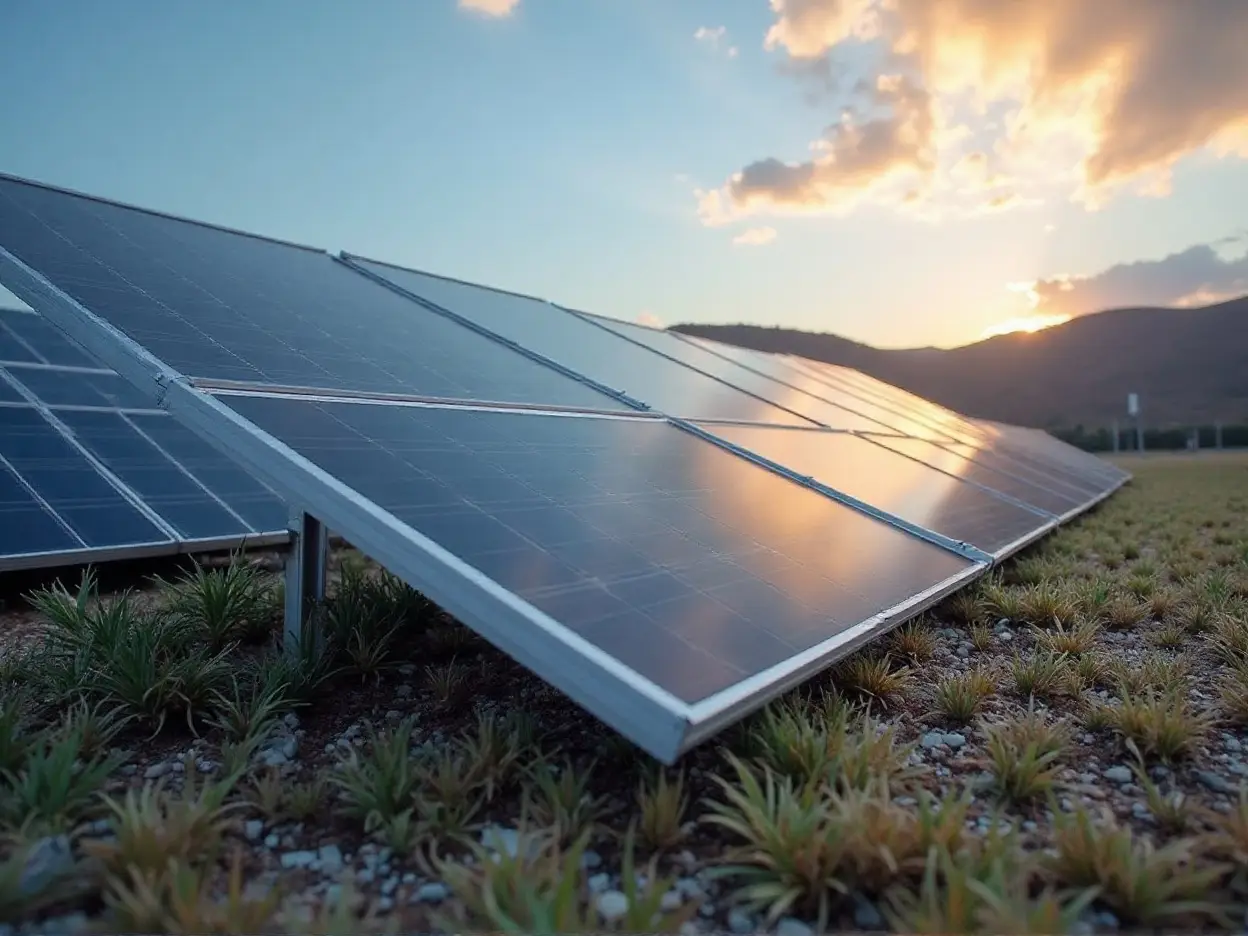
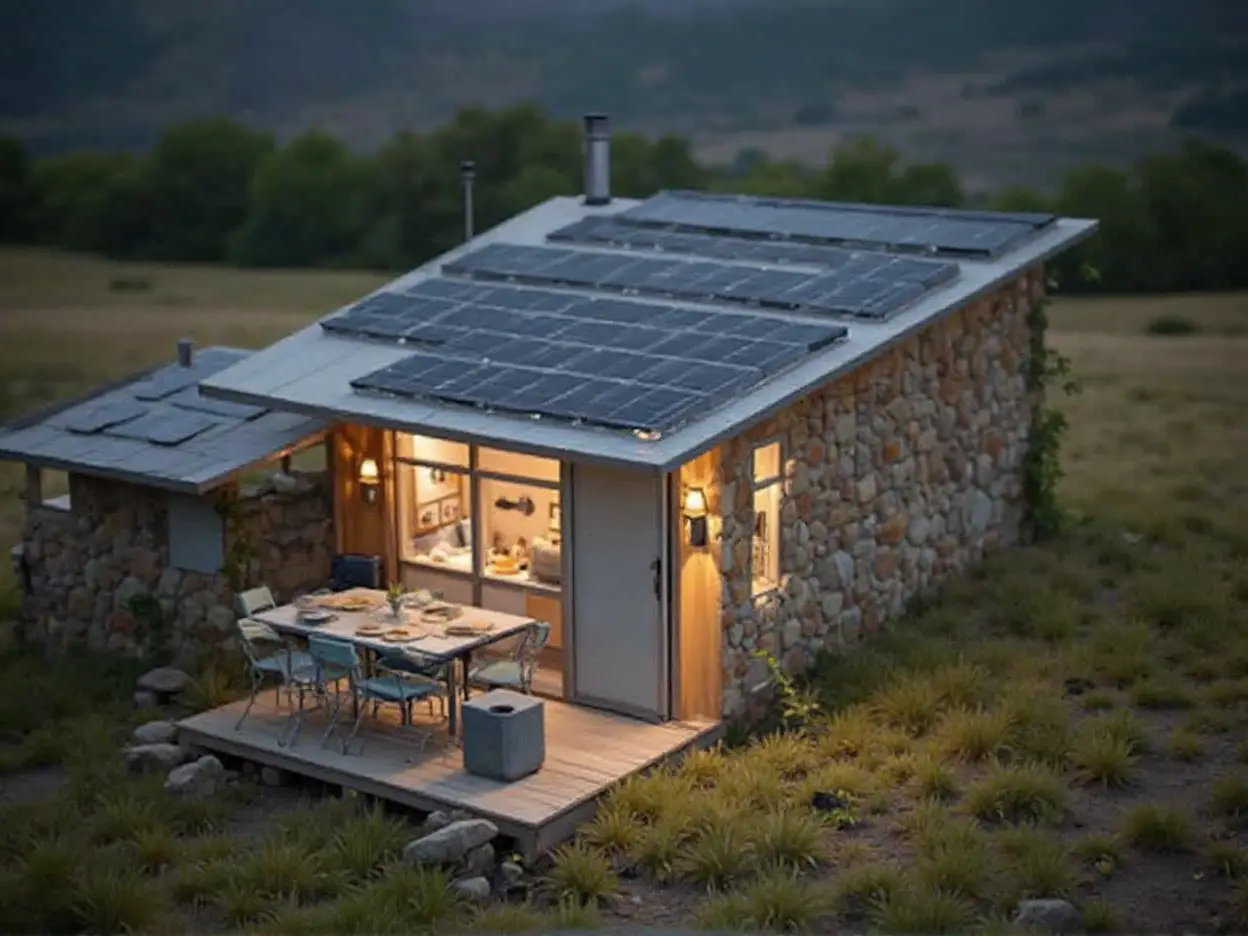
Solar lighting changed everything for military operations. A solar light charges from the sun and operates independently. No wires needed. No power plants required. No fuel deliveries necessary. A base can establish airfield lighting anywhere sunlight reaches.
This independence matters hugely for military strategy. Bases don’t depend on external power sources. If someone cuts power lines, the base keeps operating. If fuel supply gets disrupted, runway lights stay on. That reliability makes solar lighting essential for military operations in 2026.
How Military Solar Runway Lights Work
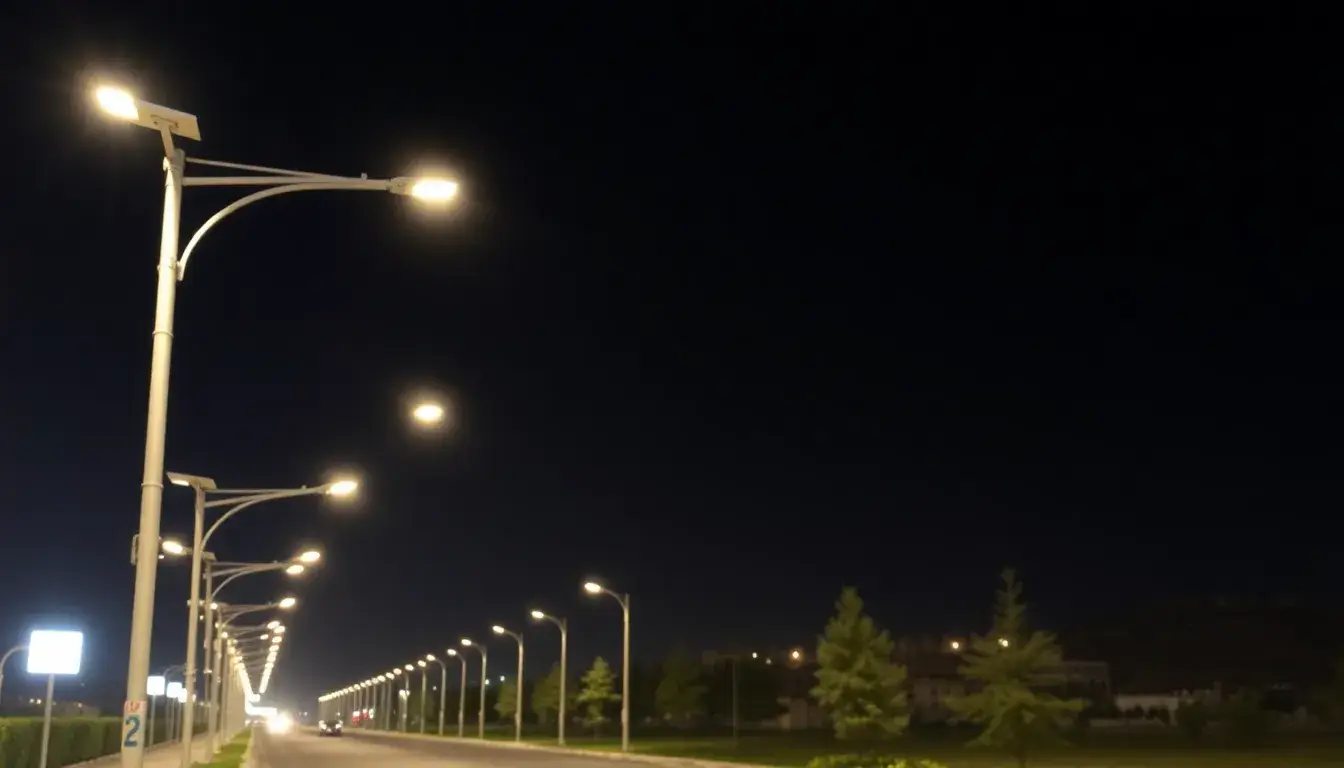
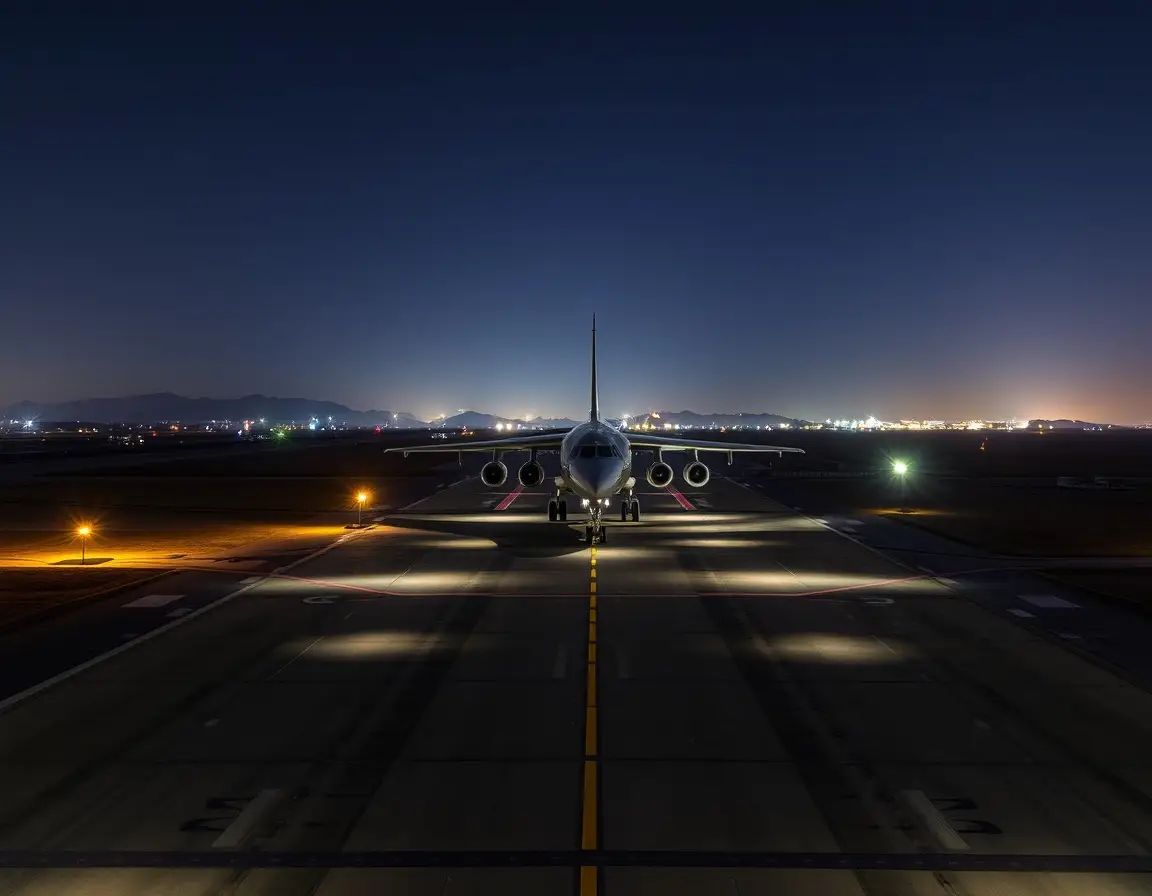
Military solar airfield lights sit along runways and taxiways. The lights mark boundaries so pilots know where the runway is. At night, pilots see the lights and know exactly where to land.
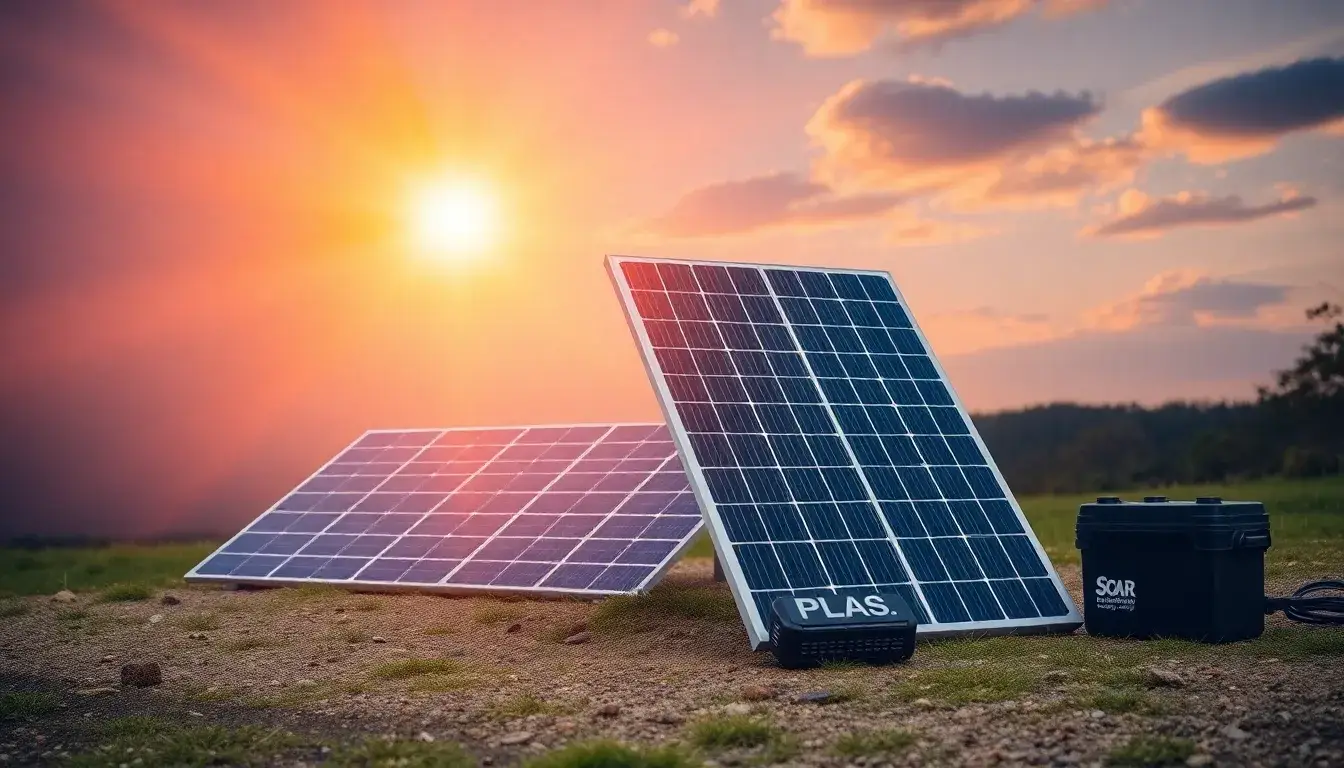
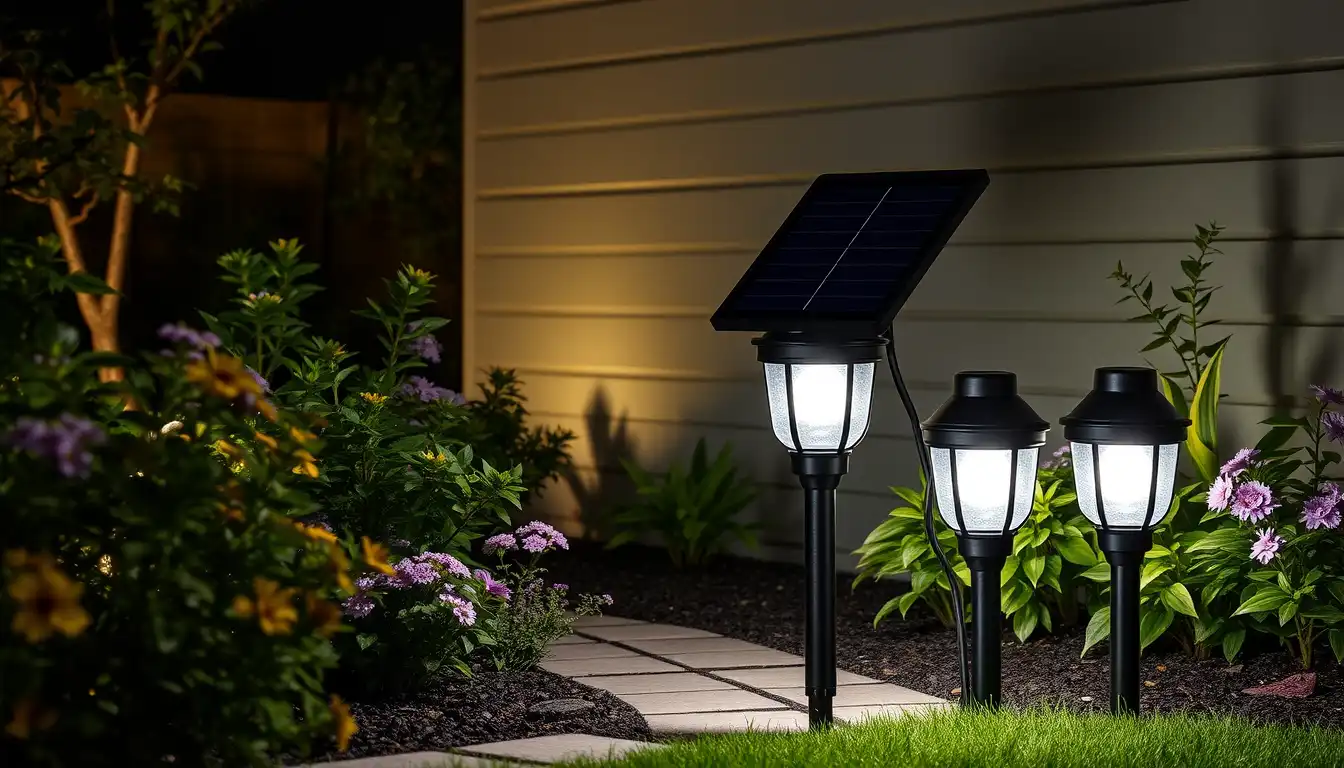
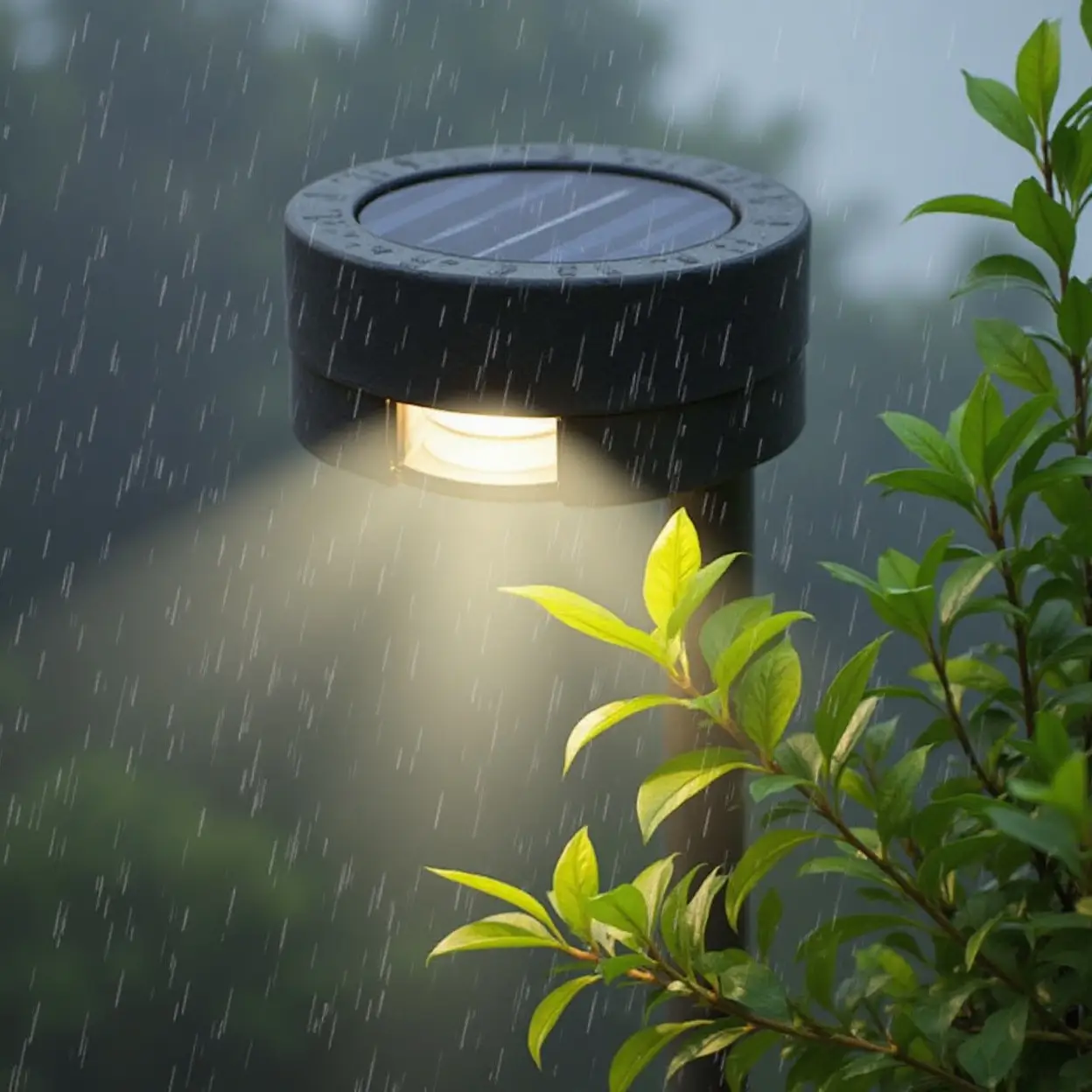
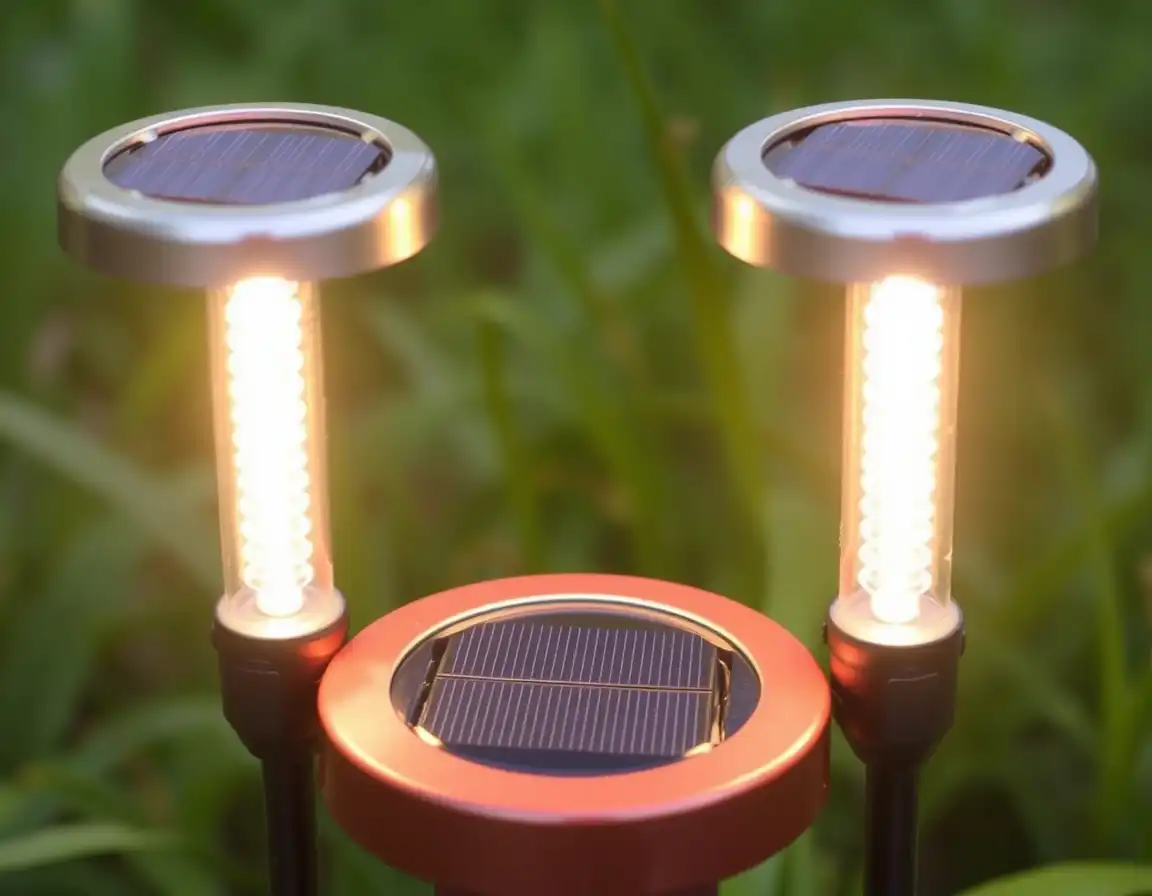
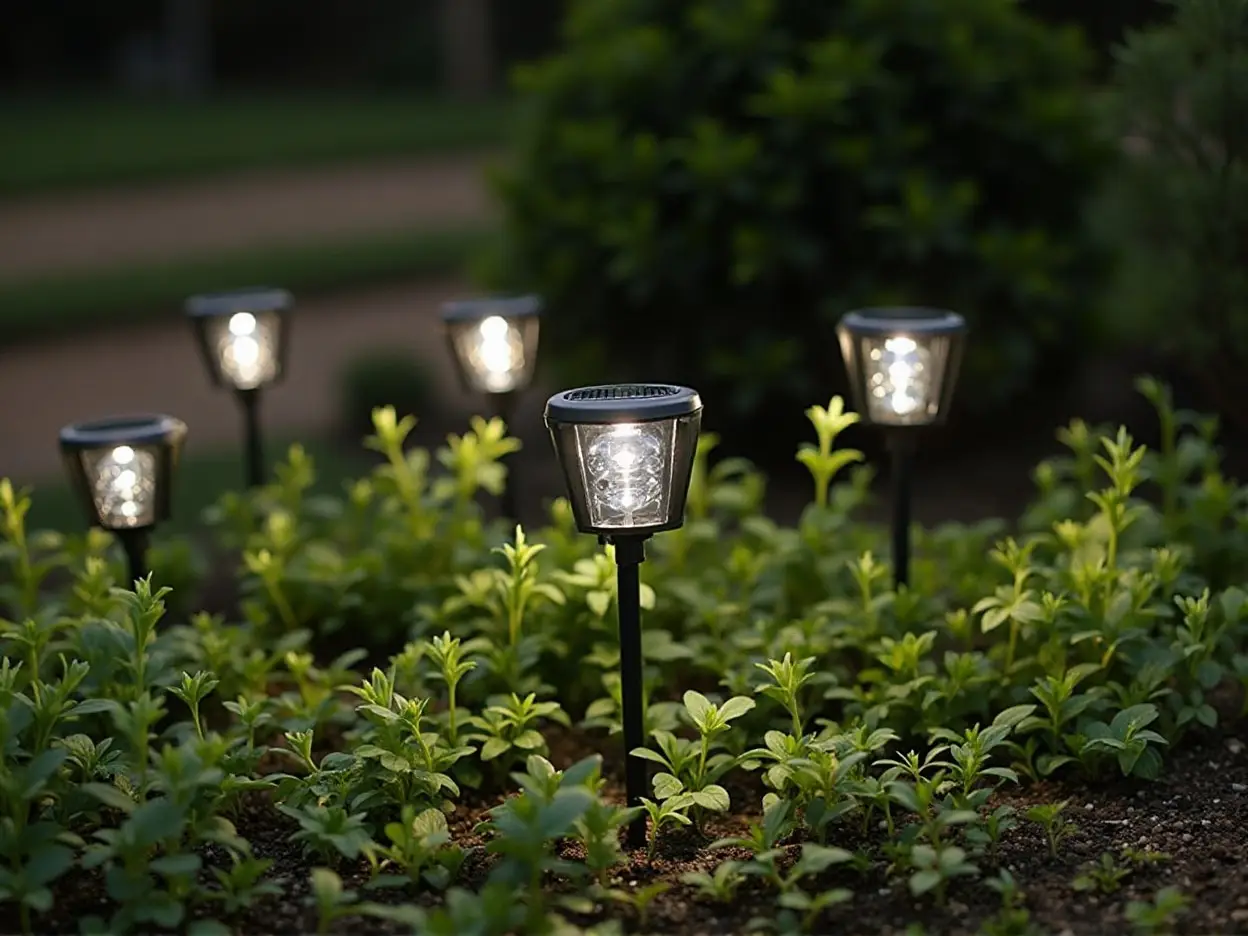
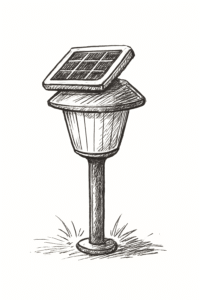
A solar panel on top of each light charges during the day. The panel captures sunlight and converts it to electricity. That electricity charges a battery inside the light.
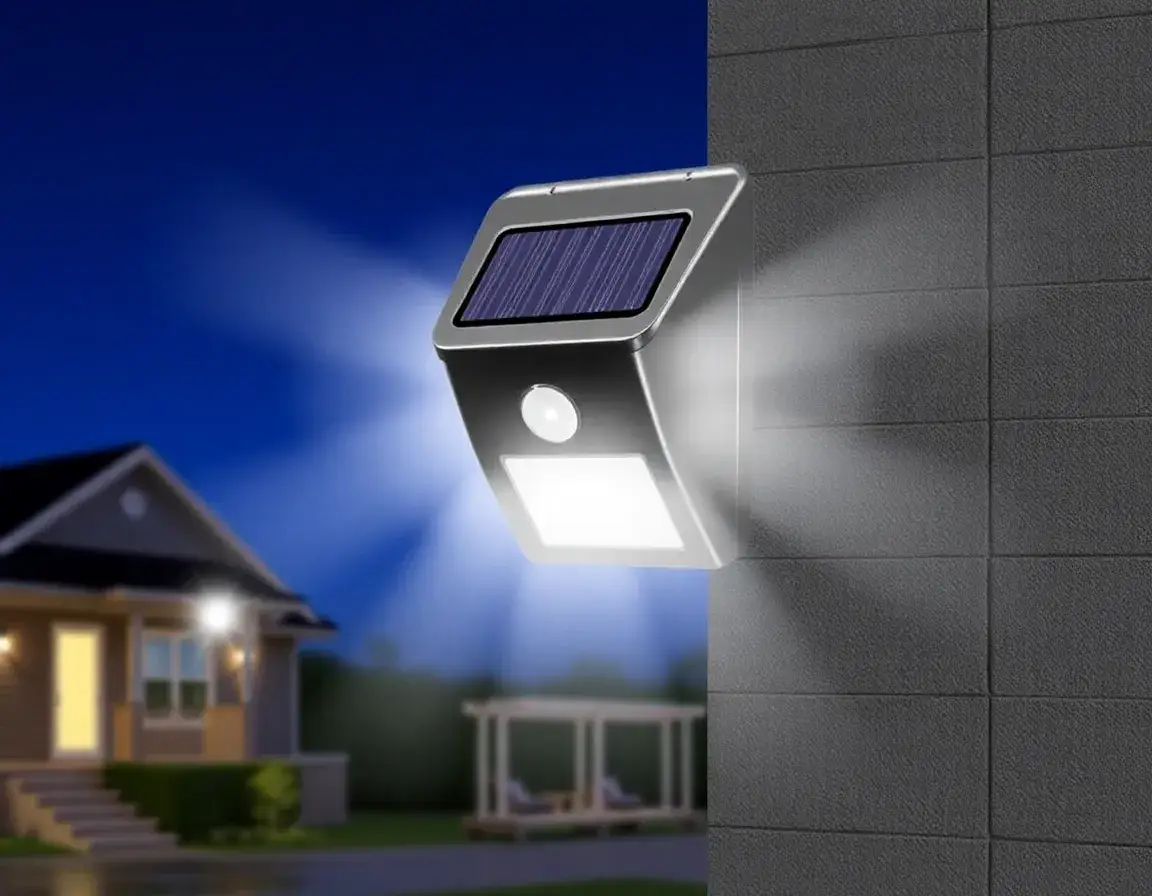
When the sun sets, a sensor detects darkness. The light turns on automatically. LEDs inside produce a specific color. The light guides aircraft throughout the night.
Morning comes and the sensor detects daylight again. The light turns off automatically. The battery charges again from the sun. Everything repeats every single day.
The lights sit independently. Each light has its own solar panel and battery. They don’t connect to each other. They don’t need central power distribution. Every light operates completely on its own.
Night Vision Goggle Compatibility
Military pilots use night vision goggles when flying at night. These goggles amplify any available light. But regular bright lights overwhelm night vision goggles. The bright light blinds the pilot instead of helping them see.
Military solar lights solve this problem with special LED colors. The lights produce specific wavelengths that night vision goggles amplify. To your eyes, the light looks dim. To night vision goggles, the light looks bright and clear.
This technology lets pilots land safely at night without regular lighting being visible. An enemy watching the airfield sees nothing. But a pilot with night vision goggles sees the runway clearly.
Some military solar lights have switches. Pilots toggle between regular LED mode and night vision mode. Regular mode shows ordinary white light. Night vision mode switches the LED color for goggle compatibility.
This flexibility lets military bases operate during daytime with normal bright lights. At night they switch to night vision mode for tactical operations. Enemies watching have no idea a runway exists.
Deployment In Remote And Difficult Terrain
The U.S. Air Force deployed solar runway lights to forward operating bases across the Middle East. These bases sat in remote desert locations hundreds of miles from any city. Traditional electrical infrastructure was impossible.
Solar lights let the military establish functioning airfields in these locations. Planes could land and take off safely. Supplies moved in and out. Operations continued without relying on fuel deliveries or power lines.
Alaska presented different challenges. Winter in Alaska means short days. Temperatures drop below minus thirty degrees. The sun barely appears for weeks at a time. Experts wondered if solar lights would work.
The military tested solar lights at Elmendorf Air Force Base in Alaska. The lights worked. They charged during the limited sunlight hours. They ran through the long dark nights. Battery performance held up in extreme cold. The experiment succeeded.
Winter days are only forty five minutes long in parts of Alaska. Solar panels charge slowly in that weak light. But military solar lights use high capacity batteries. They store enough energy to run all night on the little charge they get during the day.
Cost Savings For Military Installations
Fuel deliveries to remote bases cost enormous amounts. A gallon of diesel in a remote location costs six hundred dollars or more. Helicopter convoys bring fuel to bases that can’t receive truck deliveries. Security personnel protect convoys. Soldiers risk their lives moving fuel.
Solar lights eliminate fuel deliveries for runway lighting. A five thousand light installation might eliminate ten thousand gallons of fuel annually. That single base saves six million dollars per year. Across dozens of bases, the savings reach hundreds of millions.
Maintenance costs drop dramatically. Solar lights have no moving parts. No filters to replace. No bulbs to change. Battery life runs three to five years typically. Then you replace the battery. The light continues working.
Installation costs are low. Solar lights don’t require trenching or power lines. No electrical engineers needed for complex wiring. Soldiers install lights quickly. A runway can be lit within days instead of months.
Over a five year period, a solar light costs a fraction of a fuel-powered light. The upfront cost is higher. But operating costs are zero. Total cost comparison favors solar heavily.
Strategic Energy Independence
Fort Bragg installed a 1.1 megawatt solar system. This system generates enough power to reduce the base’s reliance on external electrical sources. If surrounding power grids fail, the base continues operating.
This independence is strategic. An enemy attack on the electrical grid doesn’t affect a solar-powered base. The base remains fully operational. Soldiers stay protected.
Parris Island Marine Corps base installed solar carports covering five hundred parking spaces. The system generates seventy five percent of the base’s energy needs. Marines train regardless of what happens to surrounding electrical infrastructure.
The military calls this resilience. Bases that produce their own power from solar have resilience. They’re not dependent on anything external. That independence creates a more powerful military.
In 2026, the Pentagon committed to 100% clean electricity for five major bases through a Duke Energy partnership. Two new solar farms will provide clean power to Fort Liberty, Camp Lejeune, Cherry Point, Seymour Johnson, and Shaw Air Force Base. The military is moving toward complete energy independence from renewable sources.
How Solar Lights Differ From Commercial Lights
Commercial solar lights focus on brightness for outdoor decoration. Military solar lights focus on reliability and durability under extreme conditions.
Military lights operate in deserts where sand blows constantly. Commercial lights assume normal weather. Military versions seal against sand infiltration.
Military lights operate in salt spray coastal environments. Commercial lights don’t account for salt corrosion. Military versions use corrosion resistant materials.
Military lights must work at extreme cold temperatures. Commercial lights are designed for temperate climates. Military versions use batteries that maintain capacity in arctic conditions.
Military lights use night vision compatible LEDs. Commercial lights use standard white LEDs. The wavelength is completely different.
Military lights have remote monitoring. A commander can check each light from miles away. If one light fails, they know immediately and send someone to fix it. Commercial lights don’t communicate.
Military lights are tested extensively before deployment. They undergo extreme condition testing. They must perform under combat conditions. Commercial lights are tested under normal use assumptions.
Challenges Military Solar Lights Face
Dust storms in desert environments coat solar panels with dirt. The panels can’t charge if dust blocks sunlight. Military bases establish regular cleaning schedules. Soldiers clean panels weekly or even daily in dusty conditions.
Extreme heat affects battery performance. A desert solar light reaches temperatures exceeding one hundred forty degrees inside the casing. Batteries degrade faster in heat. Military lights use heat management design to minimize damage.
Security risks exist with scattered solar lights. Enemy soldiers could sabotage individual lights. Military bases position lights where they’re protected. Some lights sit behind fences or guard posts.
Installation on damaged terrain is difficult. A freshly bombed airfield has craters and rubble. Installation crews must work around destruction. Lights sometimes sit in temporary positions until permanent installations become possible.
Supply chain issues affect replacement parts. A light fails in a remote location. Getting a replacement battery or LED board takes time. Military bases maintain spare parts inventory to handle failures quickly.
Future Of Military Solar Lighting
Battery storage technology keeps improving. Next generation batteries will store more energy. Solar lights will charge faster and run longer. Military bases will achieve greater independence.
Flexible solar panels are being developed. These panels can wrap around curved surfaces. Aircraft, vehicles, and structures could generate their own power. Solar paint might cover runways and taxiways. The entire runway becomes a power generator.
Hybrid systems combining solar and batteries with small generators provide backup. If a base needs guaranteed power regardless of weather, hybrid systems deliver. Solar provides most power. Generators provide backup on cloudy days.
Smart systems with artificial intelligence will optimize lighting. The system learns base operations patterns. It adjusts lighting to match needs. Unnecessary lights dim during low activity periods.
Drone deployment of temporary solar lights will happen. A base needs runway lighting in a new location. Drones carry compact solar lights and deploy them remotely. The base establishes airfield operations within hours.
The Bottom Line
Air force bases chose solar lighting because it works better than traditional power. Remote bases operate independently. No fuel convoys needed. No power line infrastructure required. Just sunlight powering the operations.
Military solar lights survive extreme conditions. They work in deserts, arctic regions, coastal environments, and everywhere else. Soldiers trust these lights to keep operations running.
Cost savings are enormous. Bases save millions annually. Over decades, savings reach billions. The military proves that solar power makes financial sense alongside strategic sense.
Solar runway lights will become standard across all military bases. The technology matured. Performance is proven. Cost is reasonable. The future of military lighting is solar.
Summary
Air force bases use solar lights on runways, taxiways, and throughout their installations. Solar lights help bases operate independently without needing fuel deliveries. The military uses special solar lights that work with night vision goggles. Soldiers can operate runways in remote areas without power lines or generators. Solar lighting saves bases millions of dollars annually and reduces reliance on fuel convoys. This guide explains why military bases switched to solar lighting, how military solar lights work, and what makes them different from commercial solar lights.