Table of Contents
What Are Solar Lights Anyway
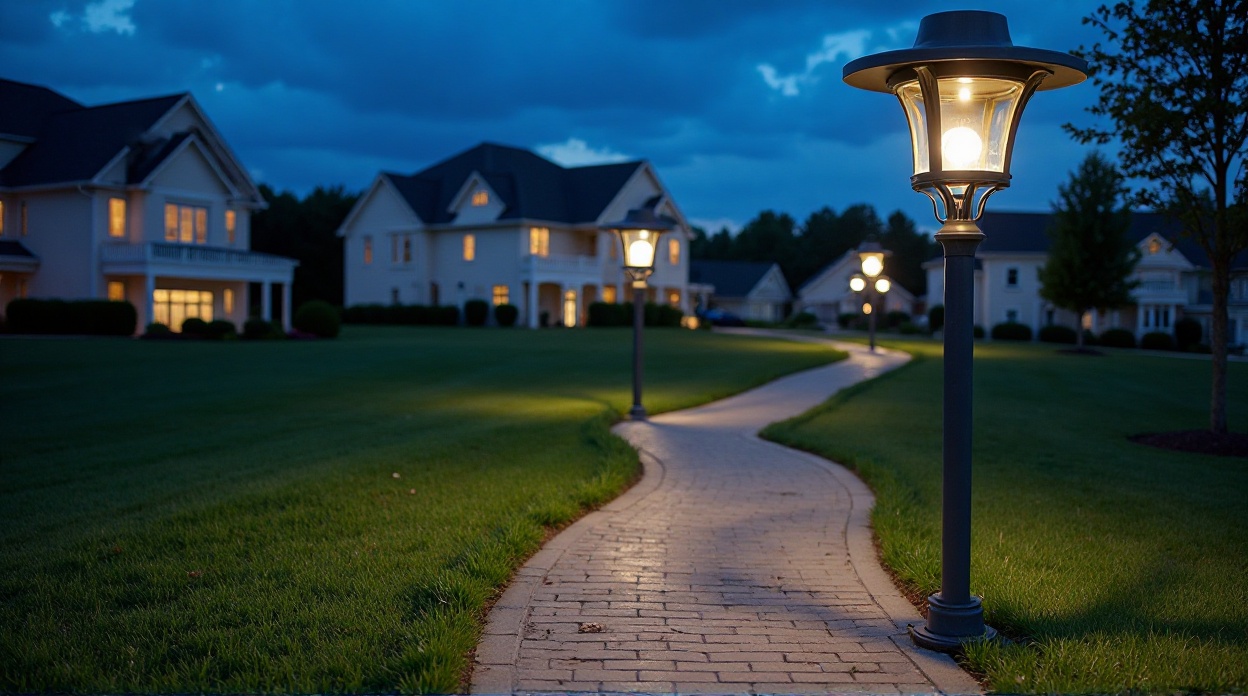
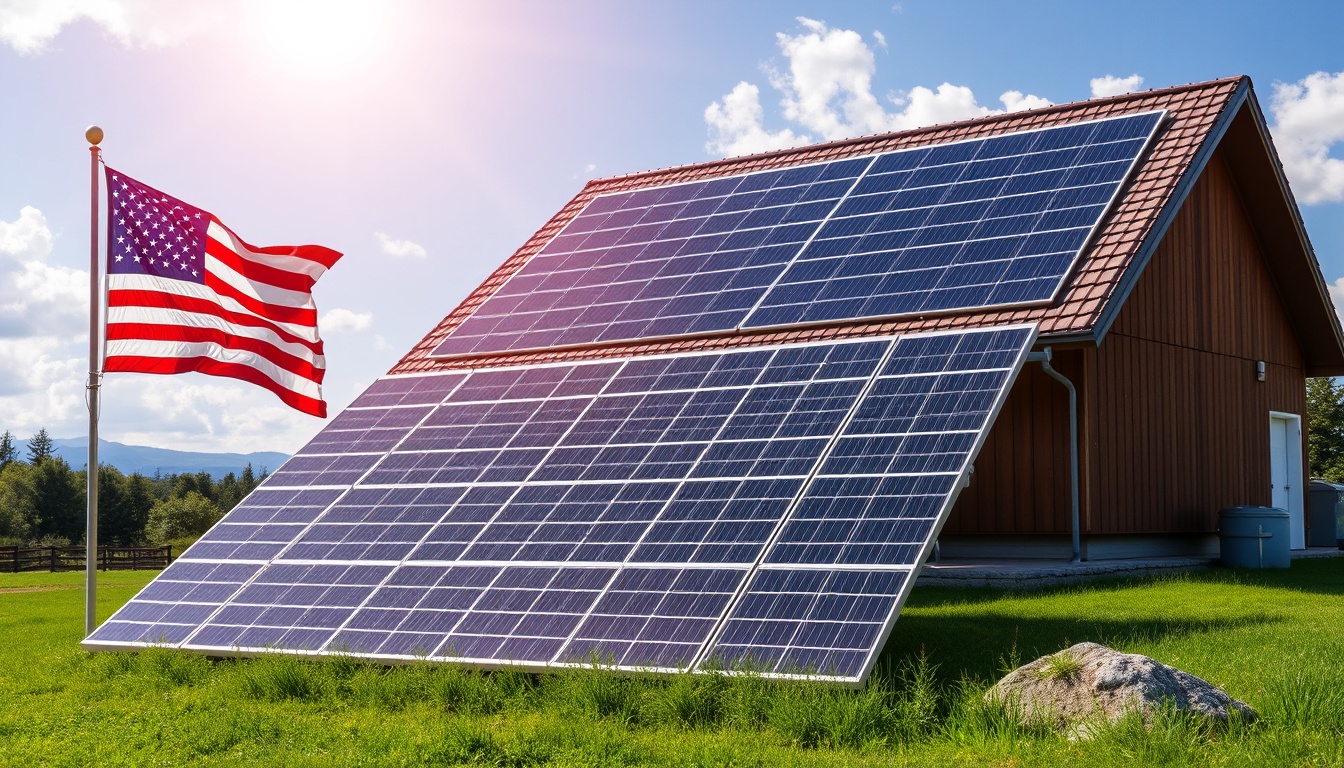
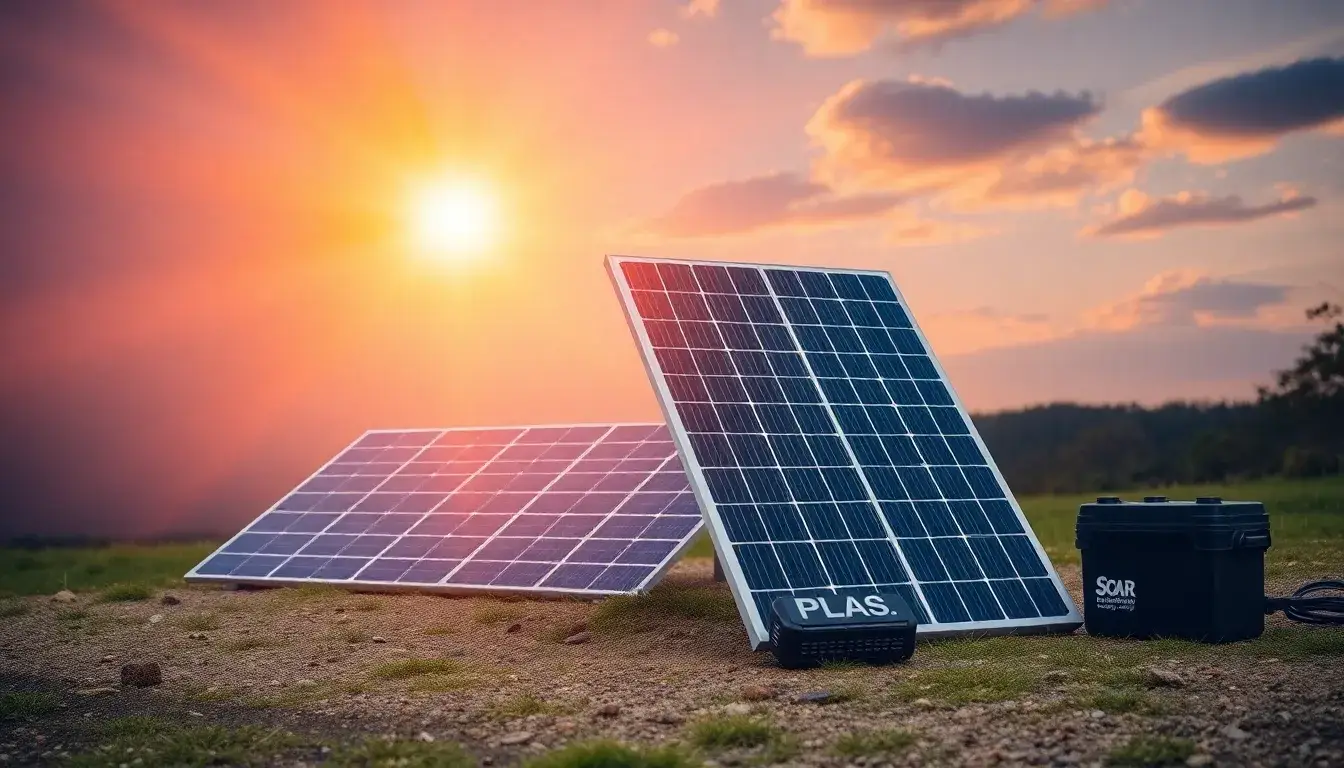
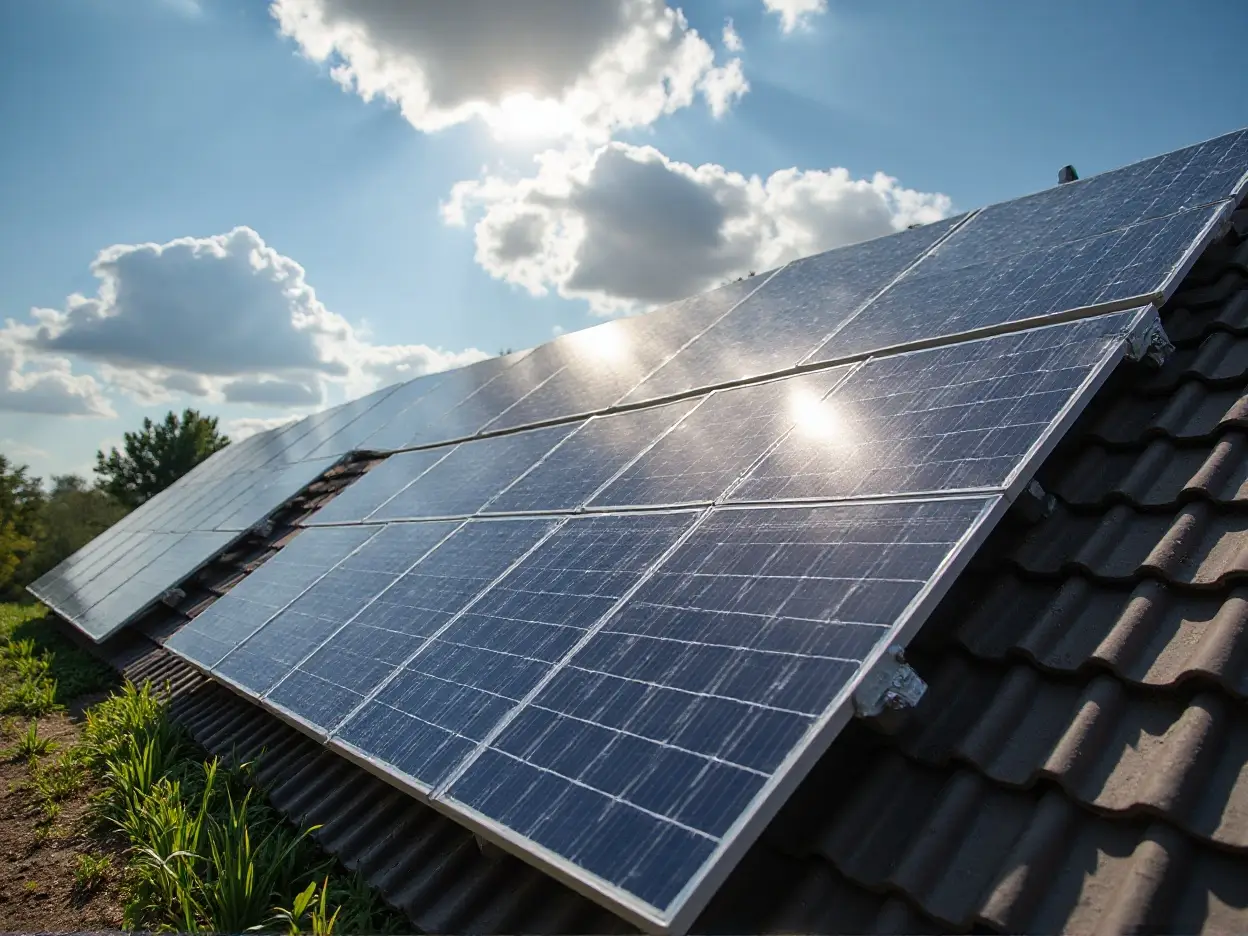
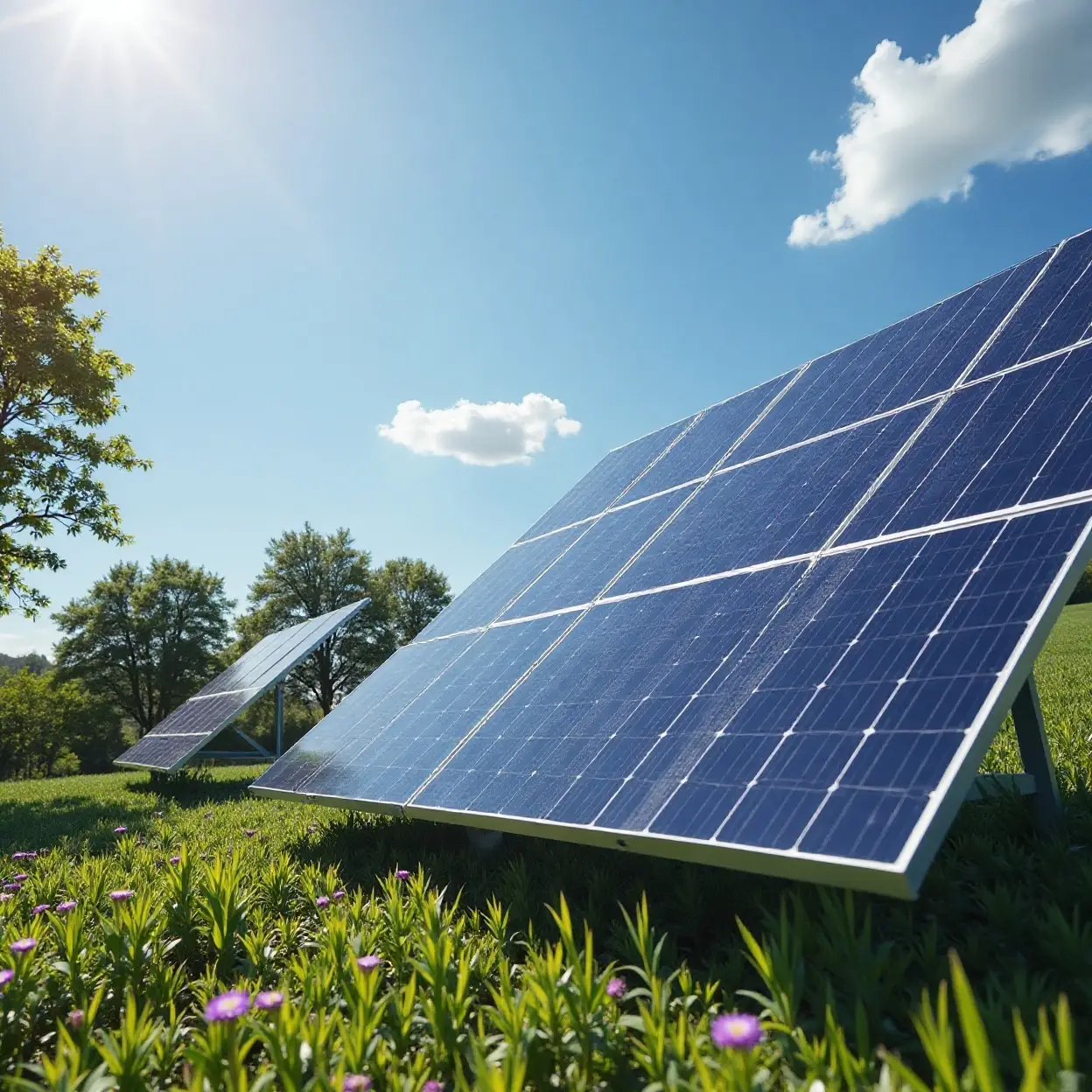
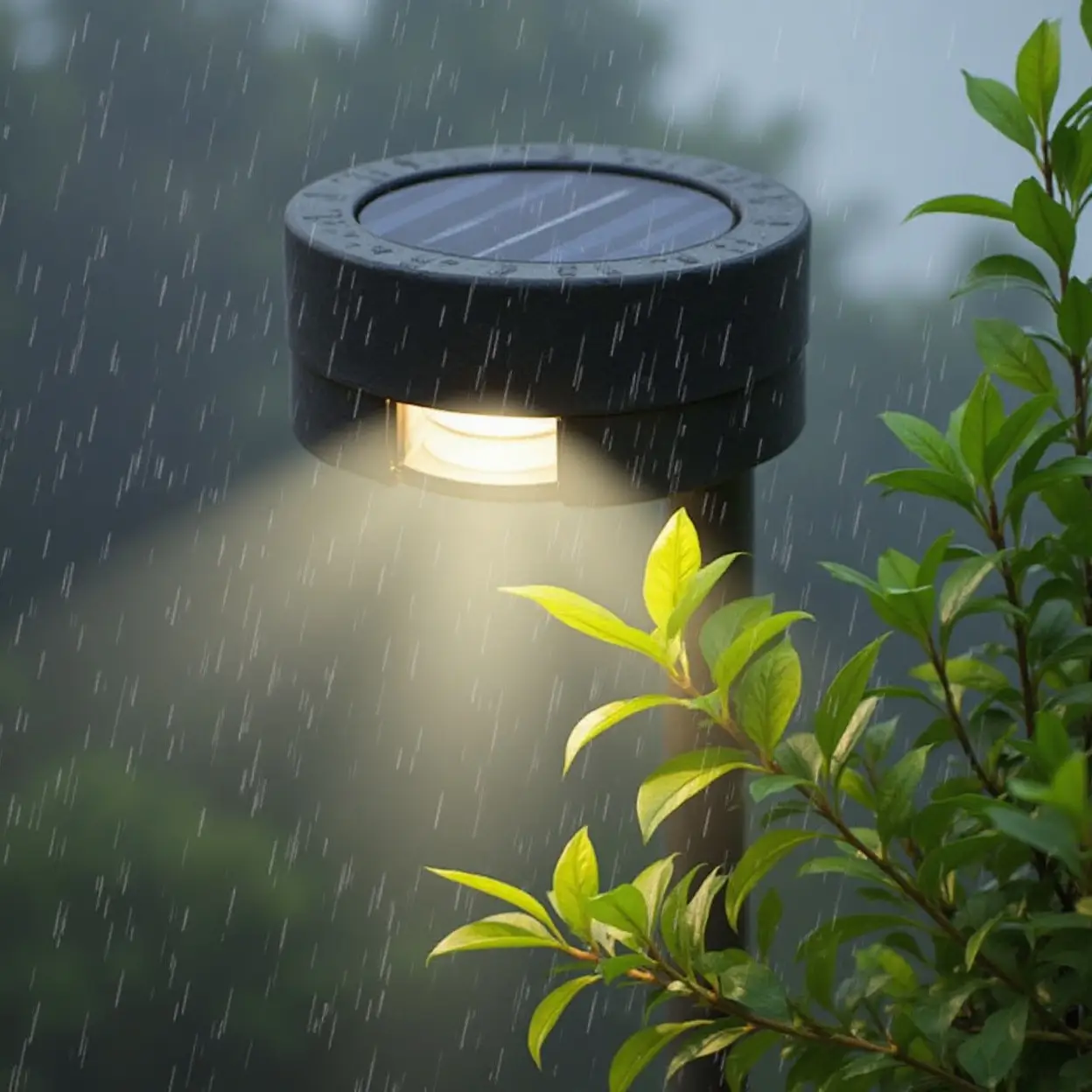
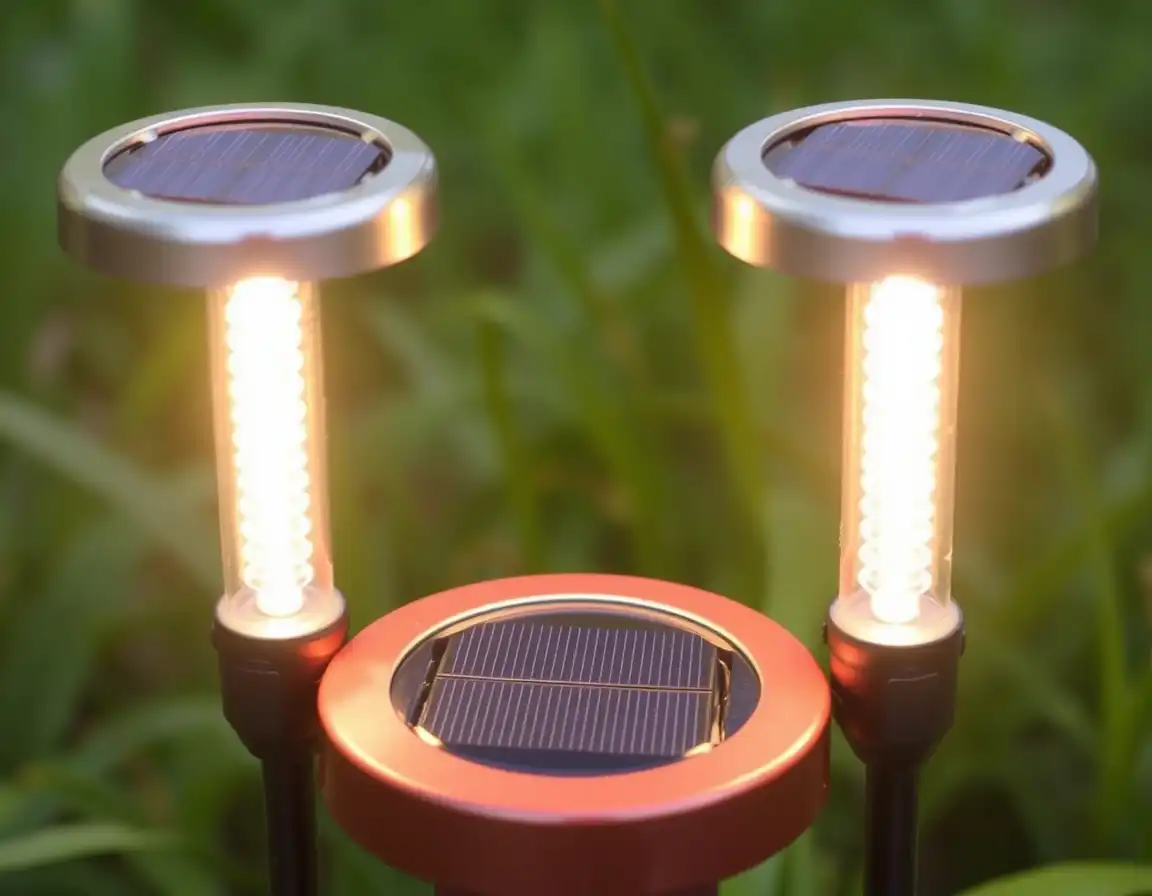
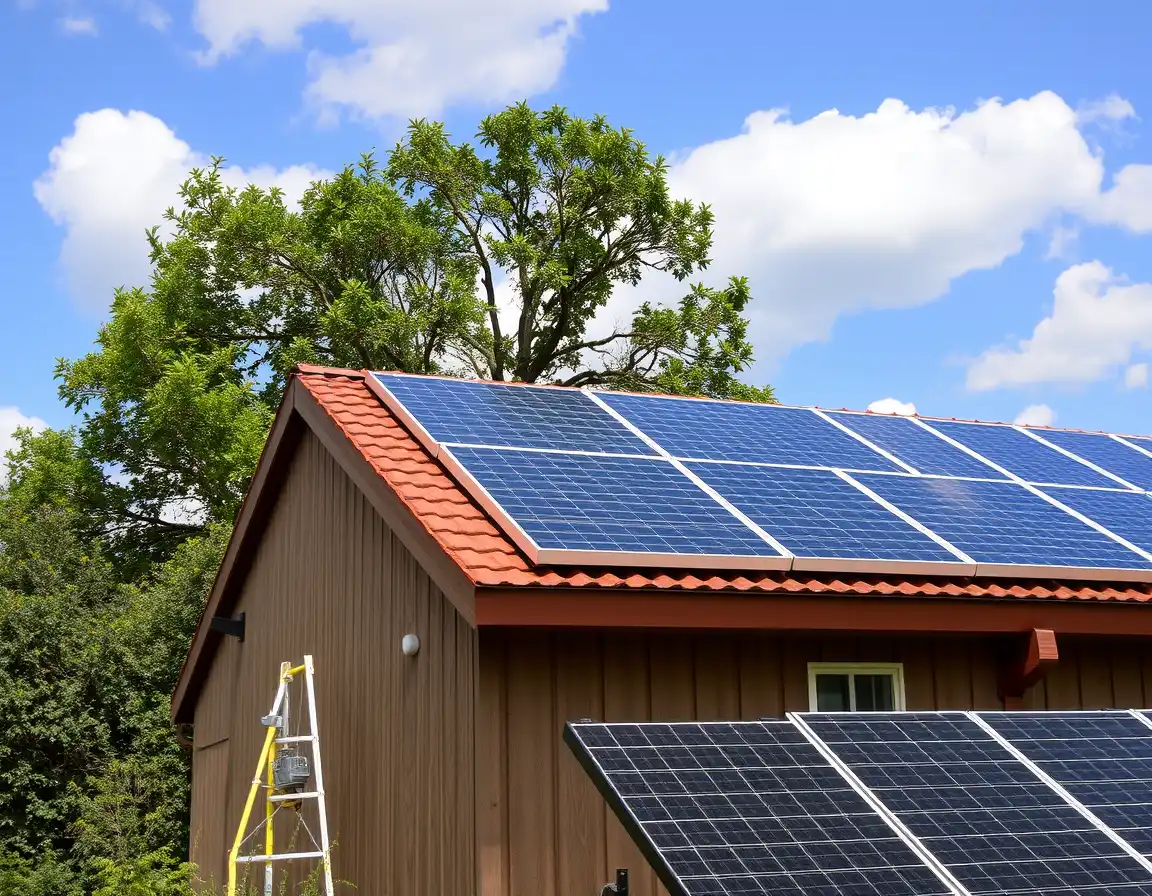
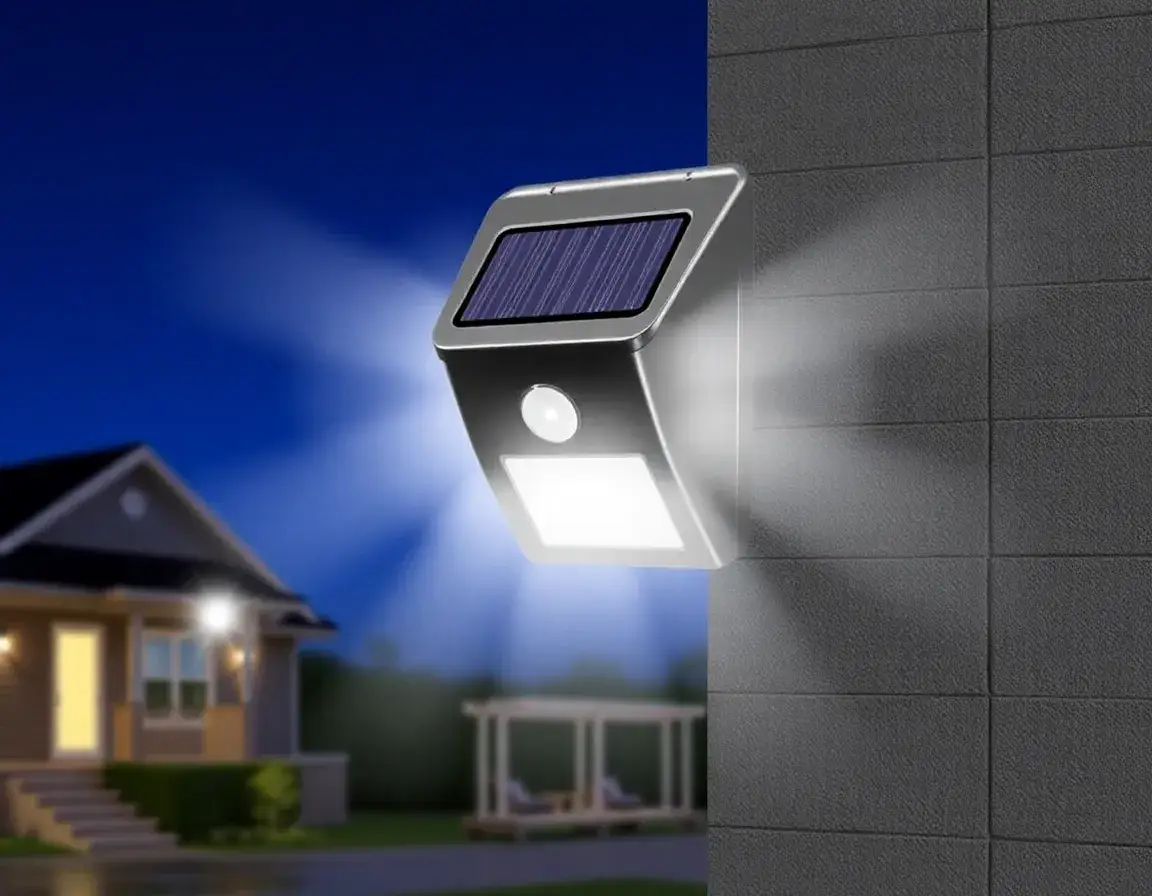
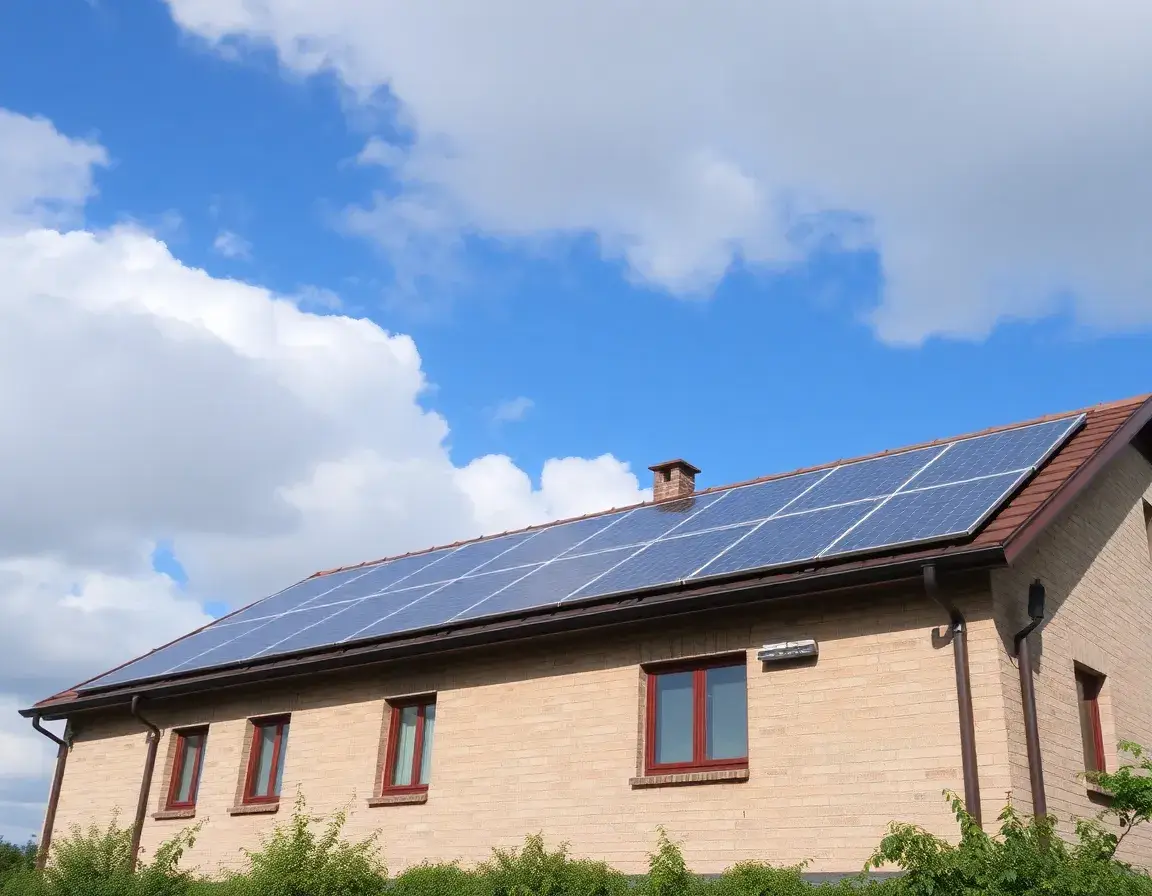
I’ll be honest, when I first heard about solar lights, I thought they were some complicated gadget. Turns out they’re dead simple. You’ve got a panel that sits on top and soaks up sun during the day. That energy goes into a battery. When night falls, boom, the battery powers an LED bulb and you’ve got light. No wires running underground. No monthly electricity bill showing up in your mailbox. That’s the whole thing.
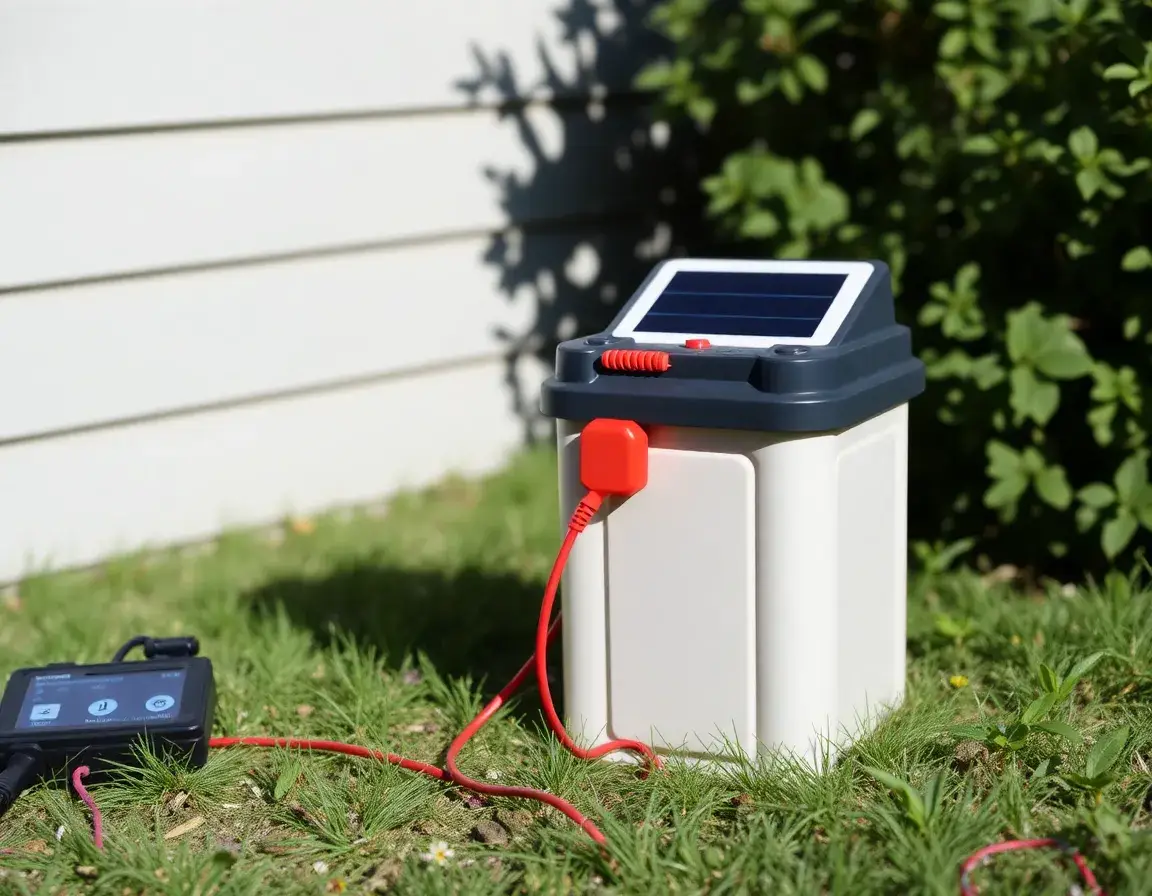
The setup is straightforward. Solar panel catches sunlight. Battery stores it. Light turns on when it gets dark. A little controller manages when things turn on and off. That’s literally it. My neighbor installed one last year and honestly, he just put it in the ground and forgot about it. Eight months later, it’s still working perfectly.
Saudi Arabia is basically heaven for this technology. Sun shows up almost every single day. I mean, we don’t have to worry about cloudy weather killing our solar panels like people do up north. The climate here is what makes solar lights actually practical instead of just a nice idea.
Why Saudi Arabia Should Care
The electricity bills in this country are getting expensive. More cities keep growing, more roads need lights, more buildings need power. Traditional street lights? They drink electricity like crazy. One streetlight might use 150 watts running all night. Do the math across thousands of lights in Riyadh or Jeddah and you’re talking serious money.
The government isn’t just sitting around either. Vision 2030 is their plan to move away from oil and towards cleaner energy. Solar lights fit that goal perfectly. They’ve been testing this stuff in Riyadh and Qassim on secondary roads. Word is it’s working out really well. The city saves money, the lights work dependably, and they don’t need constant repairs.
Building new power lines to reach growing areas costs a fortune. A lot of money for digging, wiring, installation. Solar lights? You just put them where you need them. Al-Ula doesn’t need some massive power grid extension. They just install solar and call it a day. Same with Tabuk and other desert cities. It’s honestly way smarter than running cables everywhere.
The Money Side of Things
Here’s where solar lights actually make sense. Yeah, buying them costs more upfront than a regular light. I get it, the initial hit stings. But then you realize you’re not paying electricity bills for the next ten years. A regular bulb lasts maybe a year. A good solar light lasts five to ten years without needing replacement. That’s way less trips to fix broken equipment.
Smart solar lights are even better. They’ve got sensors that make the light brighter when someone’s around and dim it down when nobody’s there. Companies in Jeddah put in 5,700 of these last year. Their energy bills dropped noticeably. That’s not some small thing. Over years, these savings add up to serious money.
A single streetlight burning regular power might cost you forty dollars a month. A hundred streetlights? That’s four thousand dollars monthly. Solar lights eliminate that completely. Schools, businesses, government buildings in Saudi Arabia figured this out and they’re switching over.
Different Types for Different Jobs
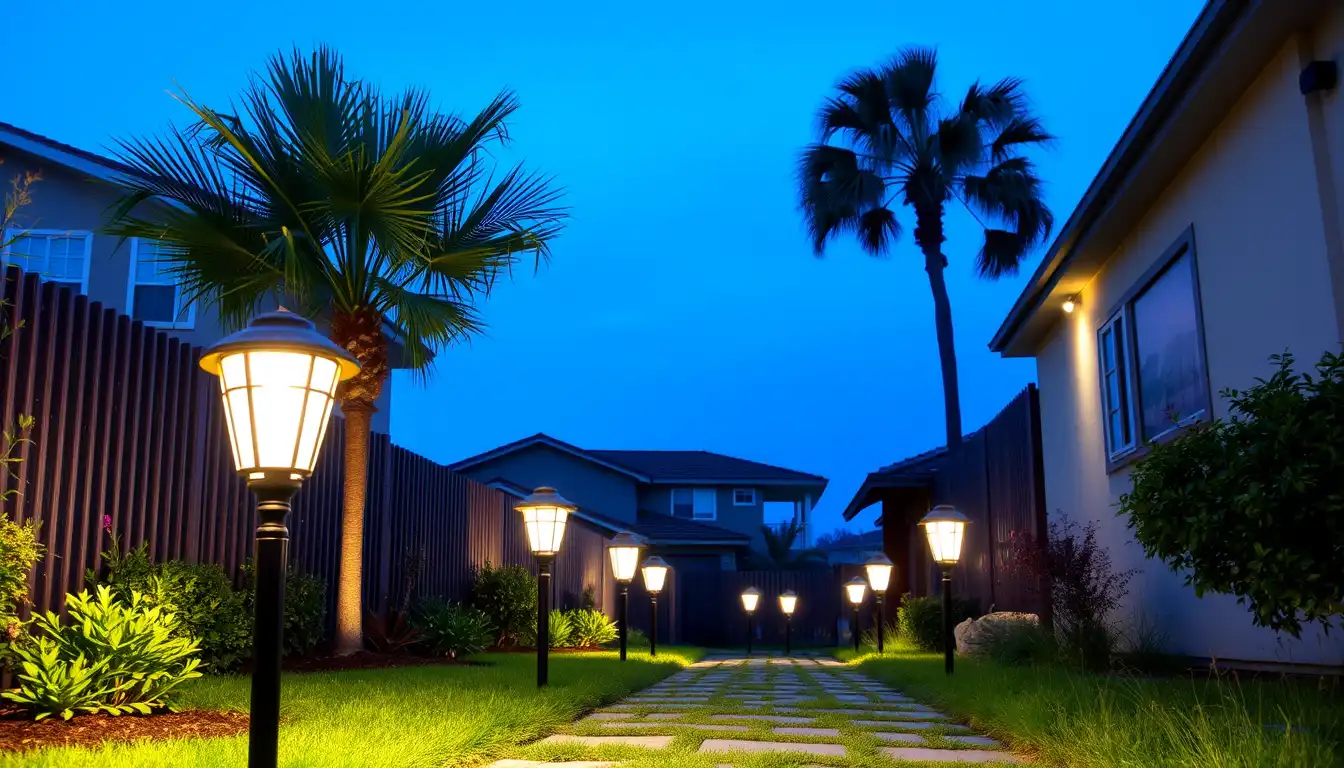
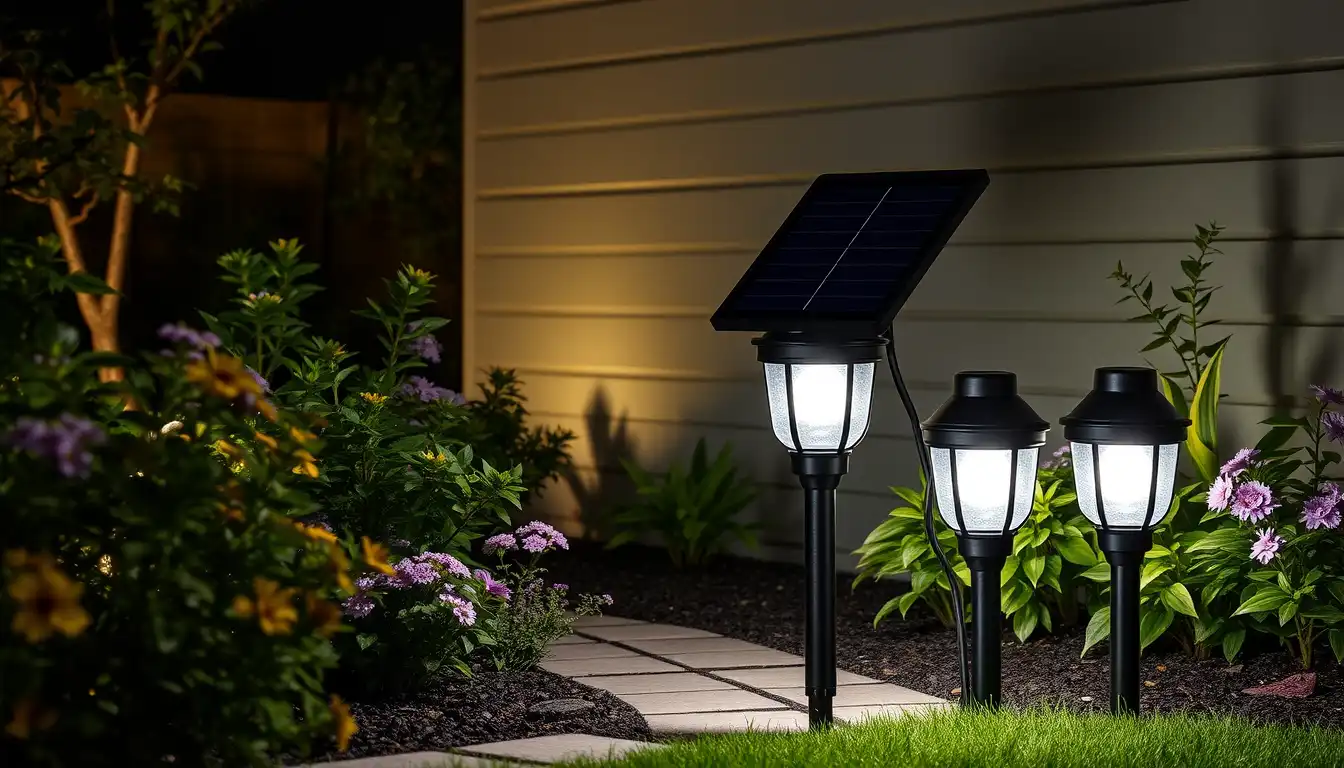
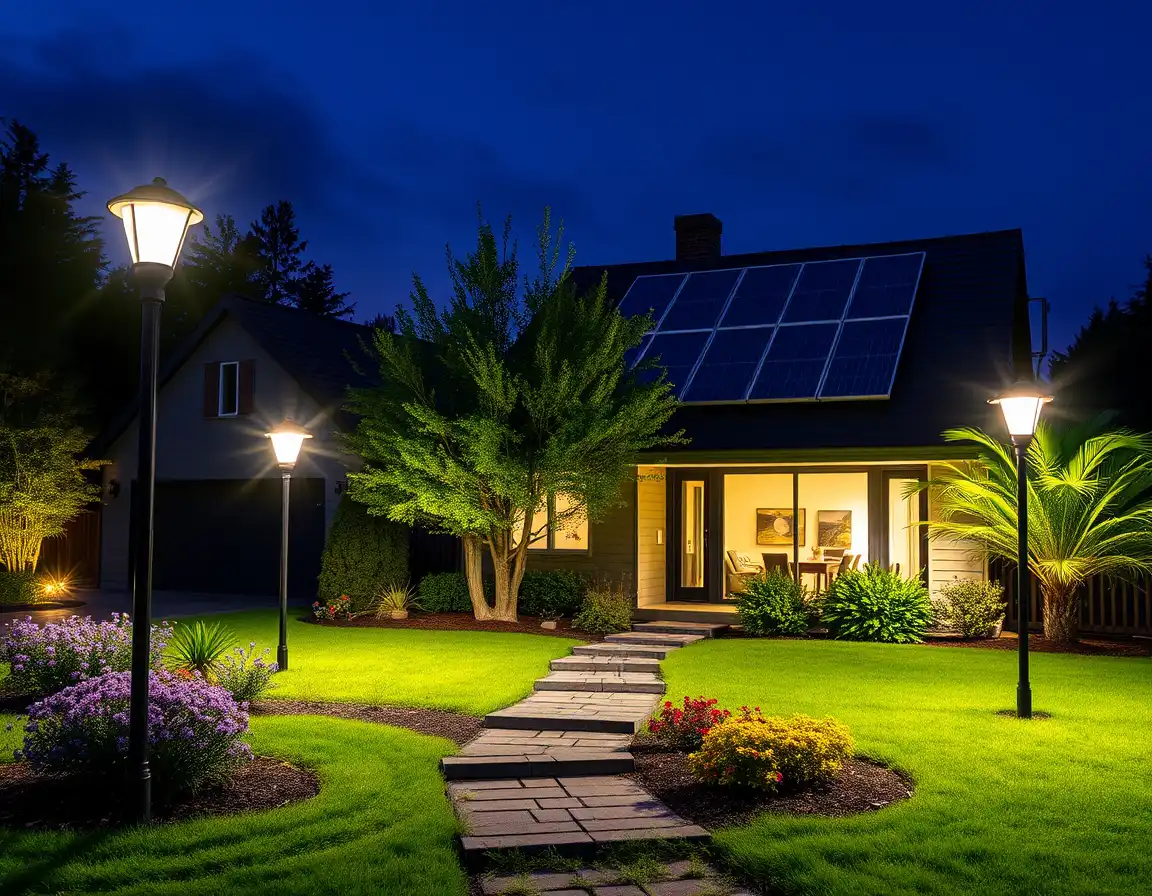
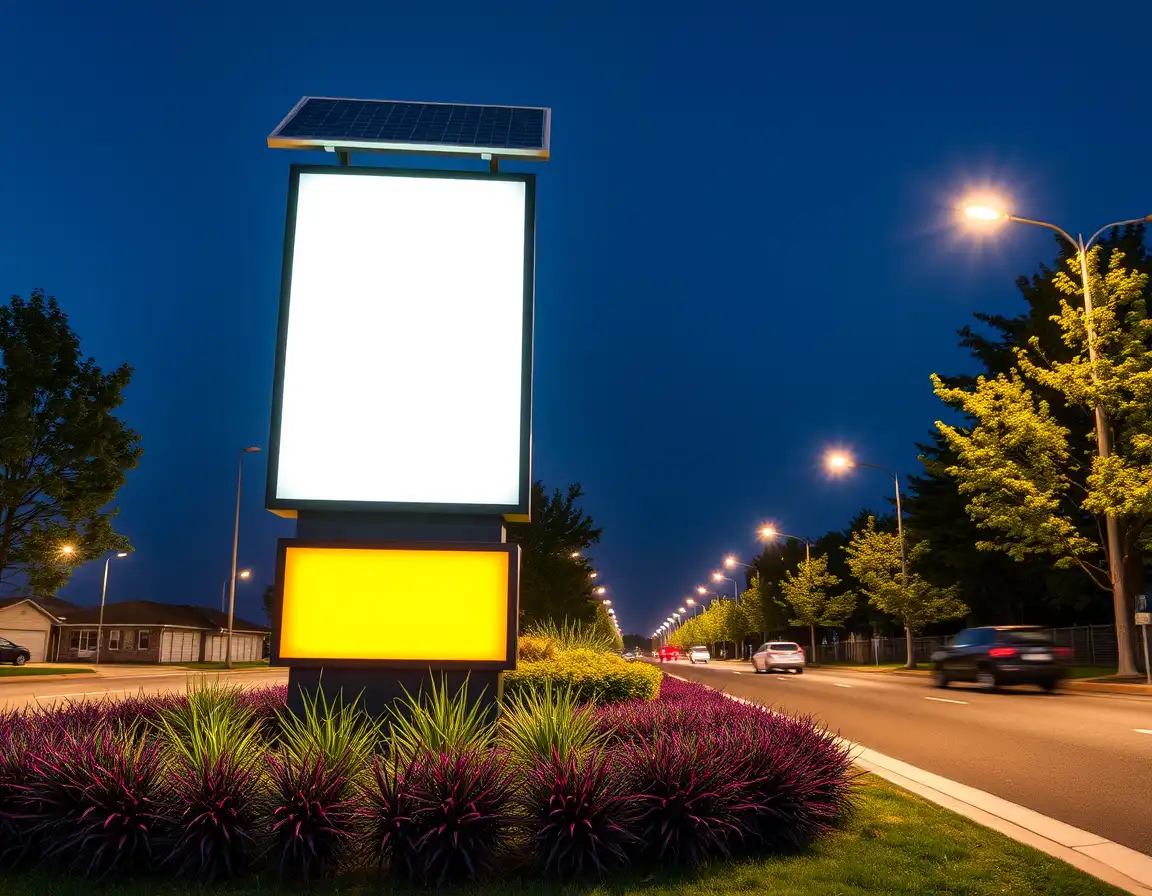
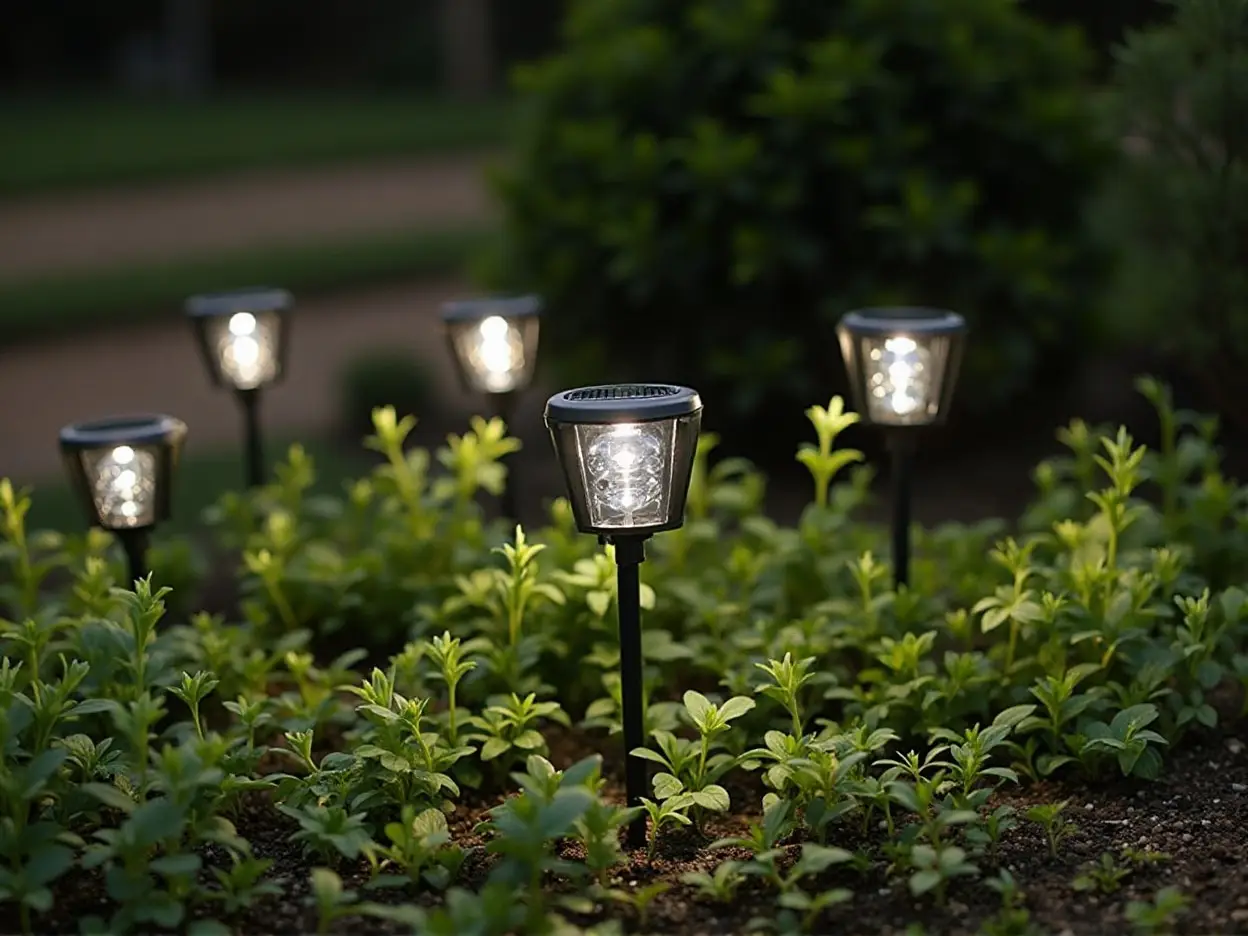
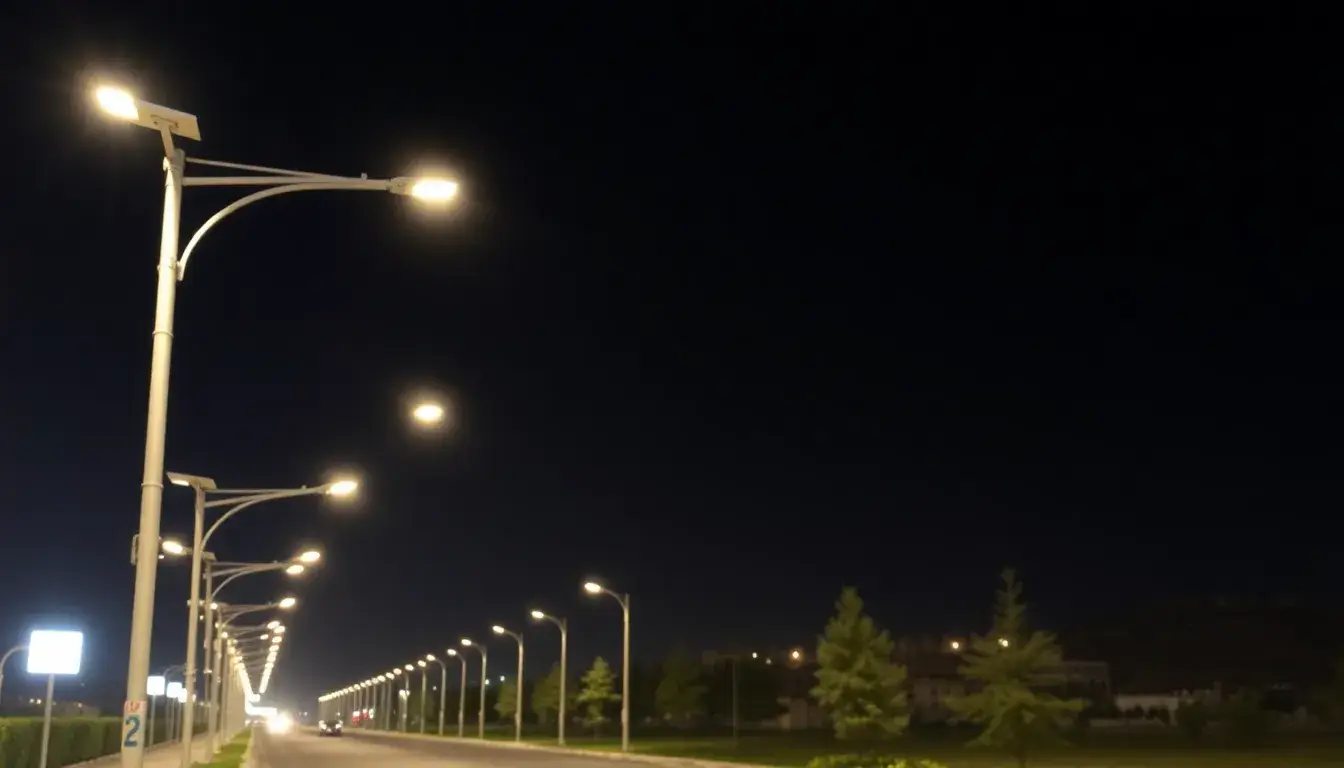
Not all solar lights are the same. Street lights are tall and powerful, lighting up highways for traffic. Garden lights are smaller, better for parks and home areas. Then you’ve got floodlights for big spaces like parking lots. Spotlights for highlighting buildings. Each one does its own thing.
Some solar lights work solo. You put one in the ground, it powers itself. Others are hybrid, meaning they connect to regular power too, just as backup. Smart lights are the fancy ones. They talk to each other, adjust brightness automatically, and make decisions about how to run. NEOM and The Line are building these advanced systems into their smart cities. It’s the future basically.
Modular lights are cool because you can add stuff to them as you go. Need more brightness? Add another panel. Need to cover a bigger area? Add more lights. It grows with your needs instead of wasting money on stuff you don’t need right now.
The Good Stuff
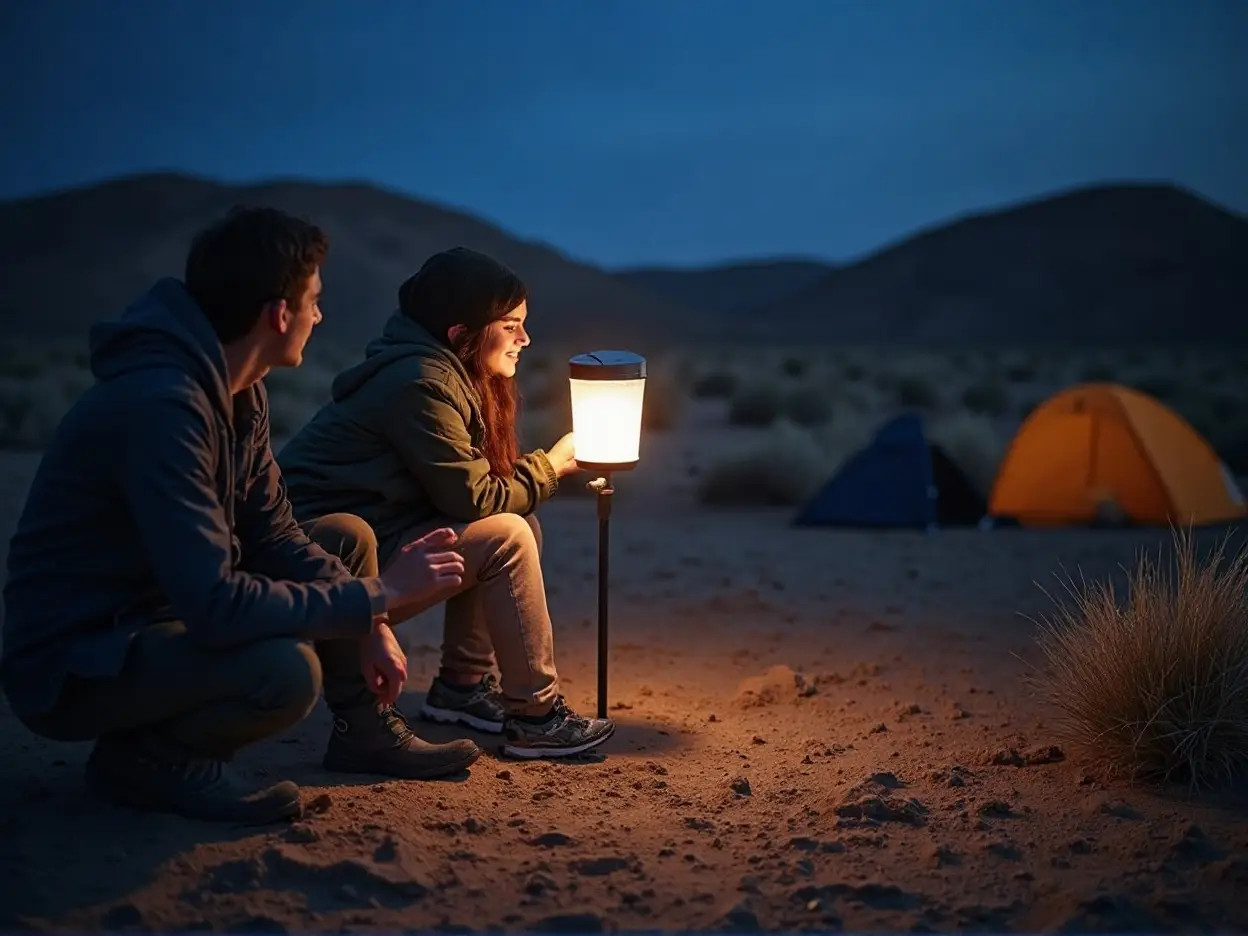
Solar lights bring real benefits to Saudi Arabia. You can put them in remote villages where power lines will never reach. Desert roads suddenly have lighting for safety. Travelers don’t have to worry about dark stretches anymore. That matters when you’re driving through the desert at night.
The environment actually gets a break. No burning coal or gas. No pollution from power plants. Just clean sun energy doing the work. That helps Saudi Arabia keep its promise about environmental responsibility.
Jobs get created. People need to install these things. Engineers design them. Factories manufacture them. Asheil Versatile Lighting Technologies opened a new facility. That means local jobs instead of importing everything. When a company is hiring technicians, that’s money flowing to local people.
Safety genuinely improves. Well-lit streets mean less crime. Drivers see better. Kids feel safer walking around at night. Parks become actual places families want to visit in the evening instead of avoiding them. Good lighting changes how people feel about their neighborhoods.
The Real Problems
I’m not going to pretend everything is perfect. The biggest issue is cost upfront. Small towns with tight budgets struggle. Even though they save money later, affording the initial purchase is hard. That’s just reality.
Desert dust is actually a pain. Sand blows everywhere and covers the panels, reducing how much sun they catch. You need to clean them occasionally. That’s extra work and maintenance costs money.
Heat damages batteries faster here. Fifty degrees Celsius summers destroy batteries that might last ten years in mild climates. Out here they might only last three to five years. Researchers are working on better batteries, but it’s still an issue.
Finding people who know how to fix solar stuff isn’t easy in rural areas. About twenty-five percent of remote areas don’t have trained technicians. Training programs exist but we don’t have enough people yet.
Smart lights need internet connection. Some parts of Saudi Arabia don’t have reliable 5G or internet signals. Without connection, the smart features don’t work properly. That’s a real limitation.
What’s Actually Happening Right Now
Riyadh and Qassim tested solar lights on roads in 2024. They worked. They saved money. Officials want to expand the program. That’s real progress.
Jeddah went all in with Flashnet and Saudi Delta Group. Over five thousand smart streetlights using solar power. Power outages don’t affect them because they’ve got backup systems. Real city, real implementation, real results.
The Tarshid initiative converts all streetlights to energy-saving LEDs. Saudi Arabia became the first G20 country to do this completely. Seventy to seventy-five percent energy savings. That’s massive.
Al-Ula and Tabuk use solar lighting throughout their desert areas. Heritage sites use beautiful solar lights. Red Sea Global tourism resort chose solar. These aren’t theoretical projects. These are actual implementations happening now.
What’s Coming
The solar street lighting market in Saudi Arabia reached fifty-six million dollars in 2024. By 2033, experts expect it to hit two hundred fifteen million dollars. That’s huge growth. More companies means cheaper prices. Cheaper prices means faster adoption.
Technology keeps getting better. AI sensors will learn traffic patterns and adjust automatically. New batteries resist heat better. Solar panels become more efficient. All of this helps.
NEOM and The Line and Qiddiya, these massive projects will use solar lighting everywhere. More local factories will open. More jobs. More affordable systems.
Smart home systems will let you control all your solar lights from your phone eventually. That’s not that far away.
Final Thoughts
Solar lights make sense for Saudi Arabia. The sun shines here constantly. Money saved adds up quickly. The environment benefits. Jobs get created. Cities like Riyadh, Jeddah, and Qassim are already doing this successfully.
Yeah, there are challenges. Heat and dust and finding trained people. But these problems are getting solved. Technology improves. More people understand the benefits.
When you drive through Jeddah now and see those smart streetlights working, or you visit Al-Ula and see solar lights illuminating historic sites beautifully, you realize this isn’t science fiction. It’s happening. It’s working. It’s the smart choice for Saudi Arabia’s future.
Summary
This article explains how solar lights work in simple terms and why Saudi Arabia is adopting them rapidly. It covers real cost savings from eliminating electricity bills, practical examples from cities like Riyadh and Jeddah that are already using solar lighting systems, and honest discussion of challenges like desert dust and extreme heat affecting batteries. The article shares government initiatives like Vision 2030 that support renewable energy adoption and mentions specific companies implementing these solutions. Market data shows significant growth expected by 2033. Whether you’re a business owner, city planner, or homeowner in Saudi Arabia, this guide helps you understand why solar lights represent a practical, cost-effective choice for the future.