Table of Contents
BALCONY SAFETY STARTS WITH PROPER LIGHTING AFTER SUNSET
Your balcony becomes a dark zone when the sun sets. Railings disappear into shadows. Steps become invisible hazards. Family members navigate carefully. Guests stumble unexpectedly.
Traditional railing lighting requires extensive wiring. Electricians need access. Installing conduit and cables means disruption. The process takes days and costs hundreds.
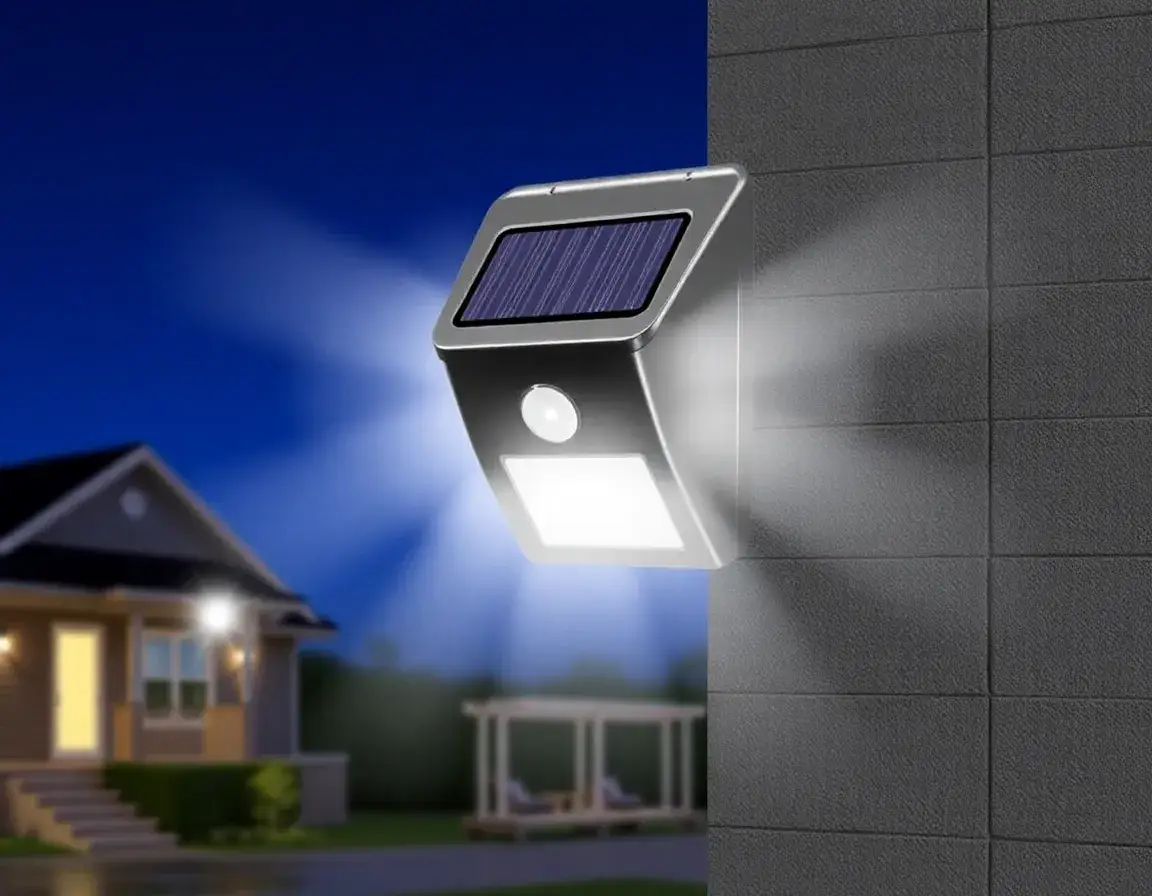
Solar lights for balcony railings eliminate these complications. These lights mount directly to existing railing structure. No wiring required. No electrician visits. No monthly power costs. Installation takes thirty minutes using basic screws.
The lighting improves both safety and appearance. Your balcony becomes navigable after dark. Family members move confidently. The soft illumination creates welcoming ambiance. Your balcony transforms from dark and potentially hazardous into an inviting outdoor room.
HOW SOLAR BALCONY LIGHTS WORK AND WHERE TO INSTALL THEM
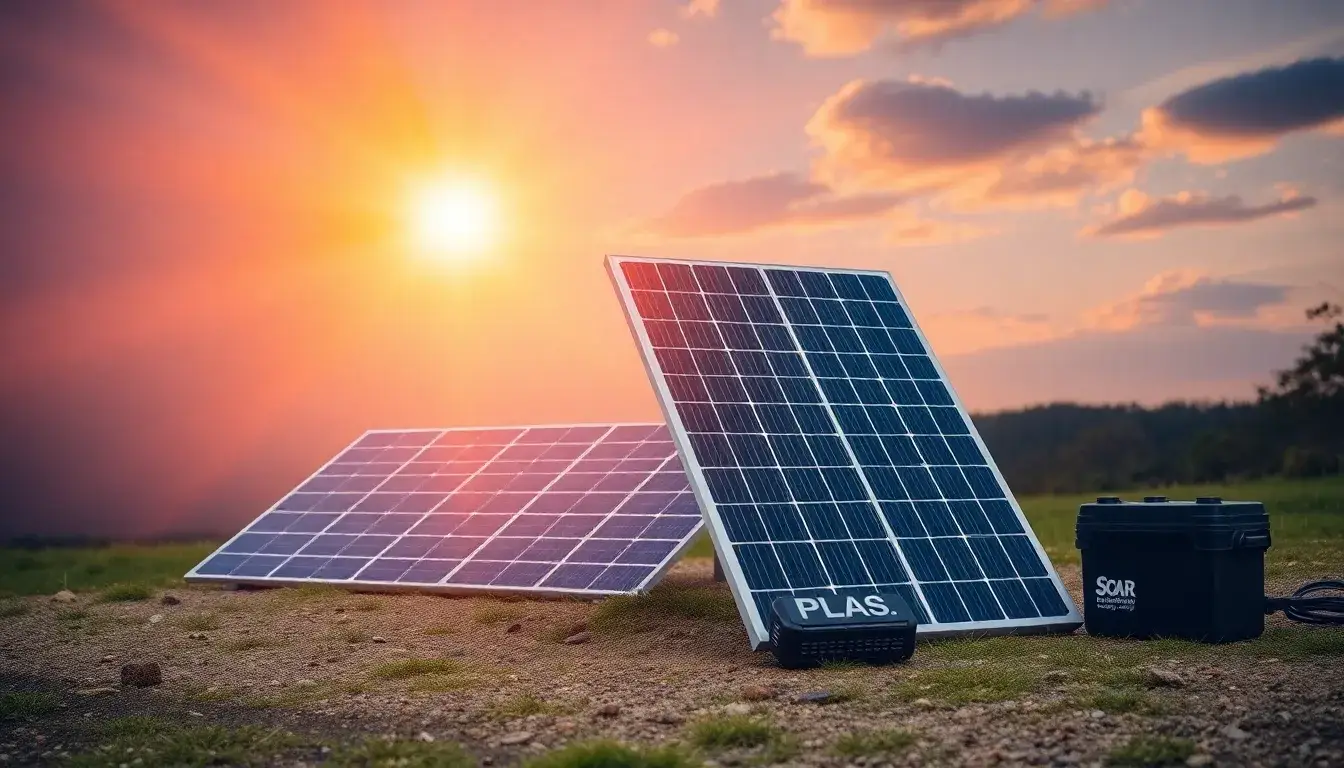
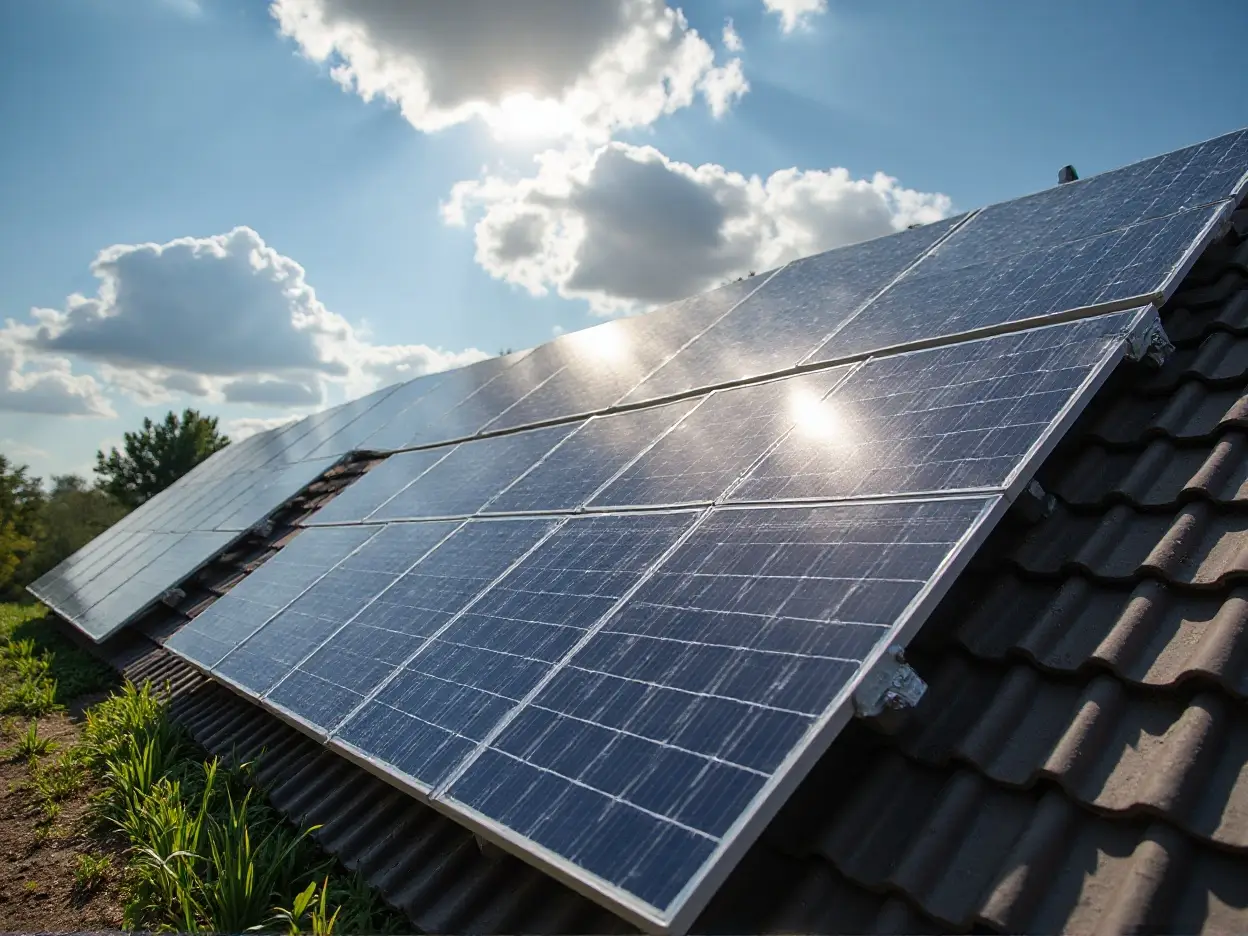
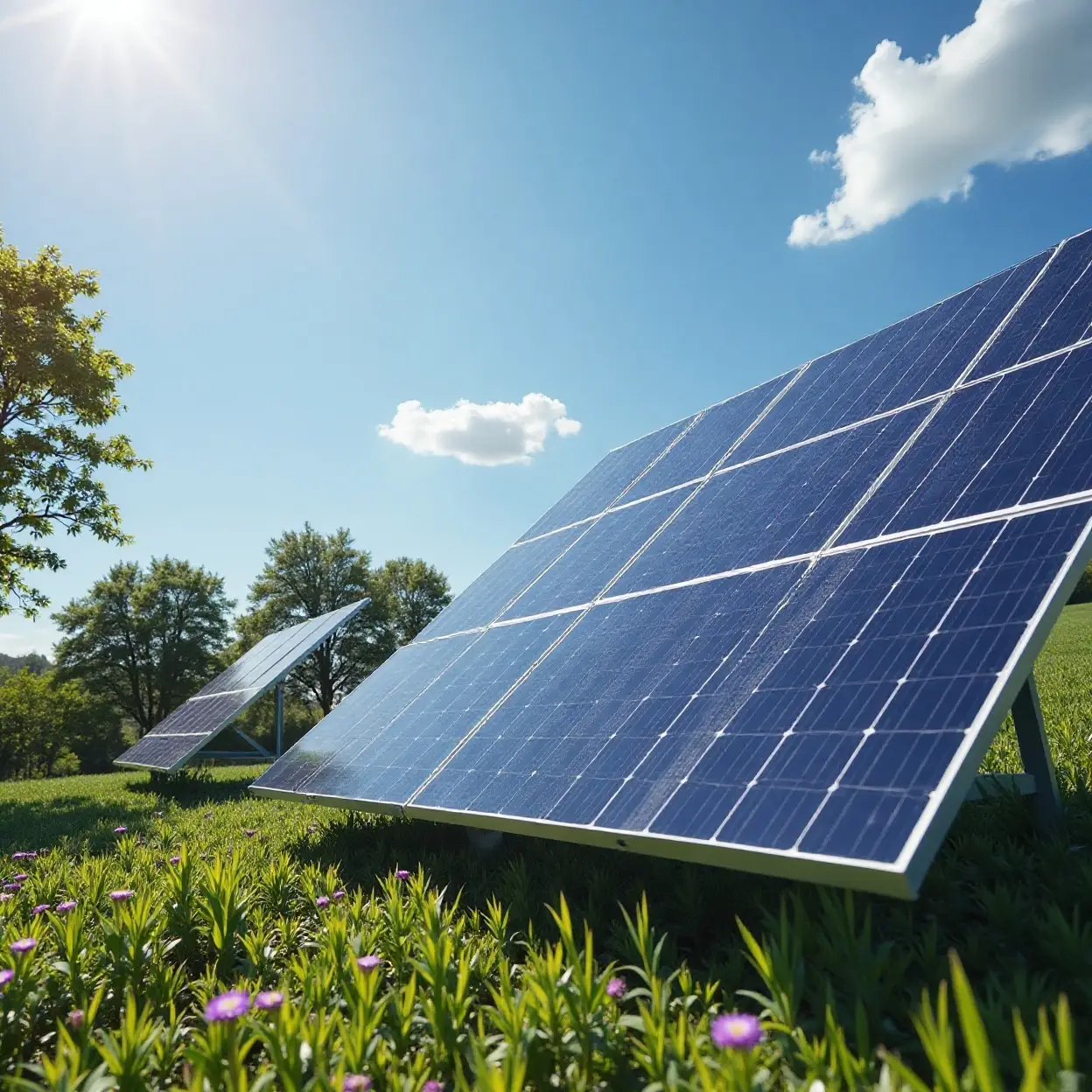
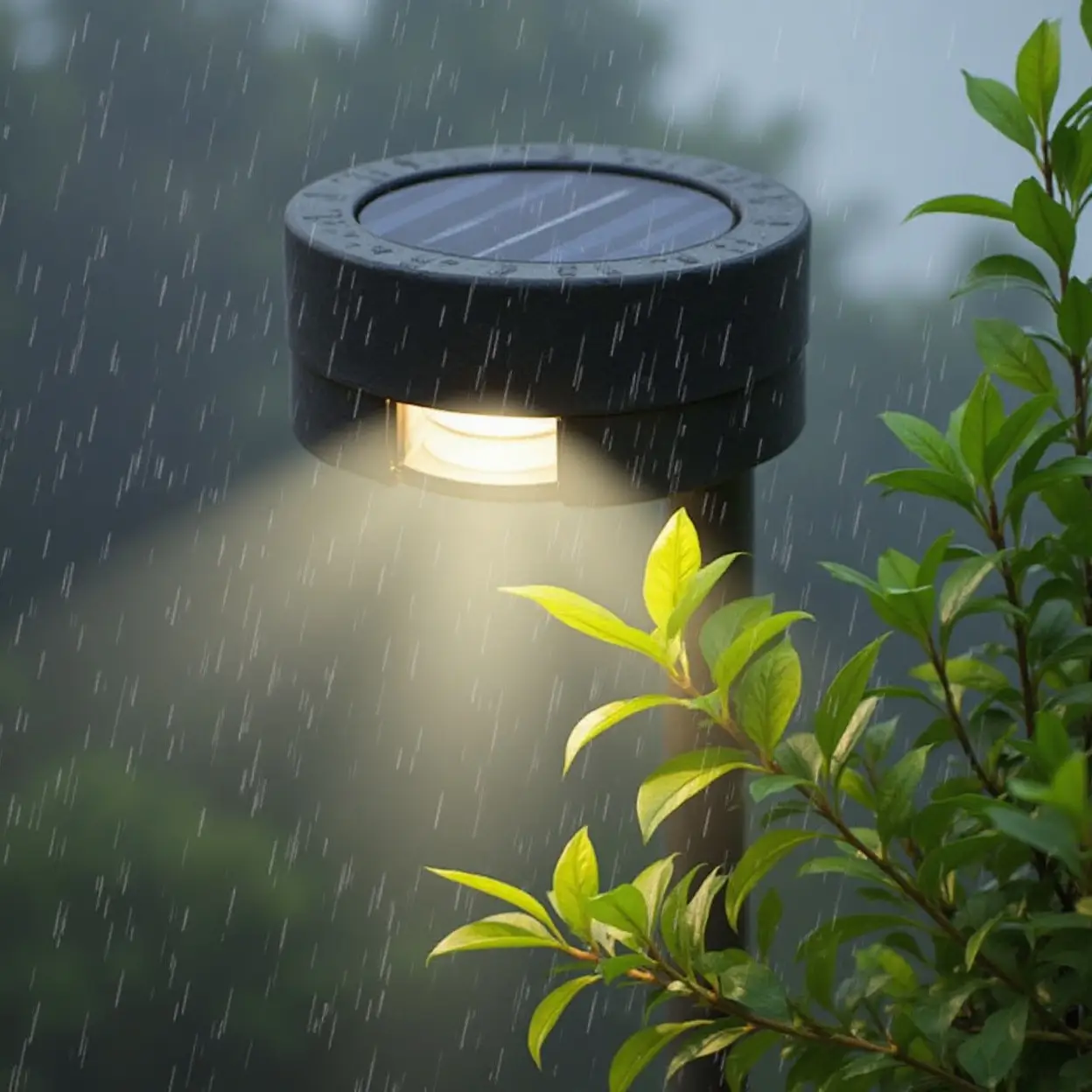
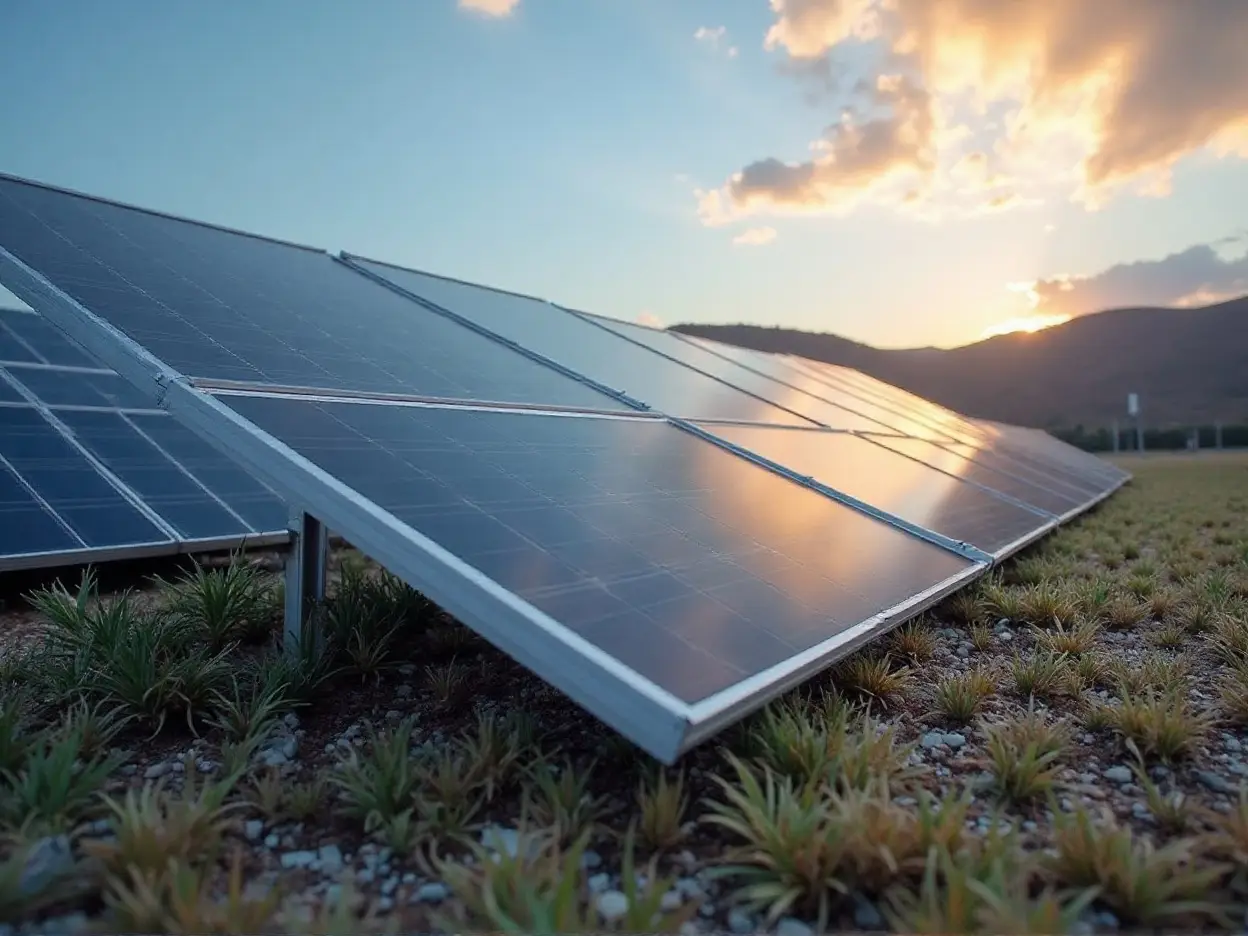
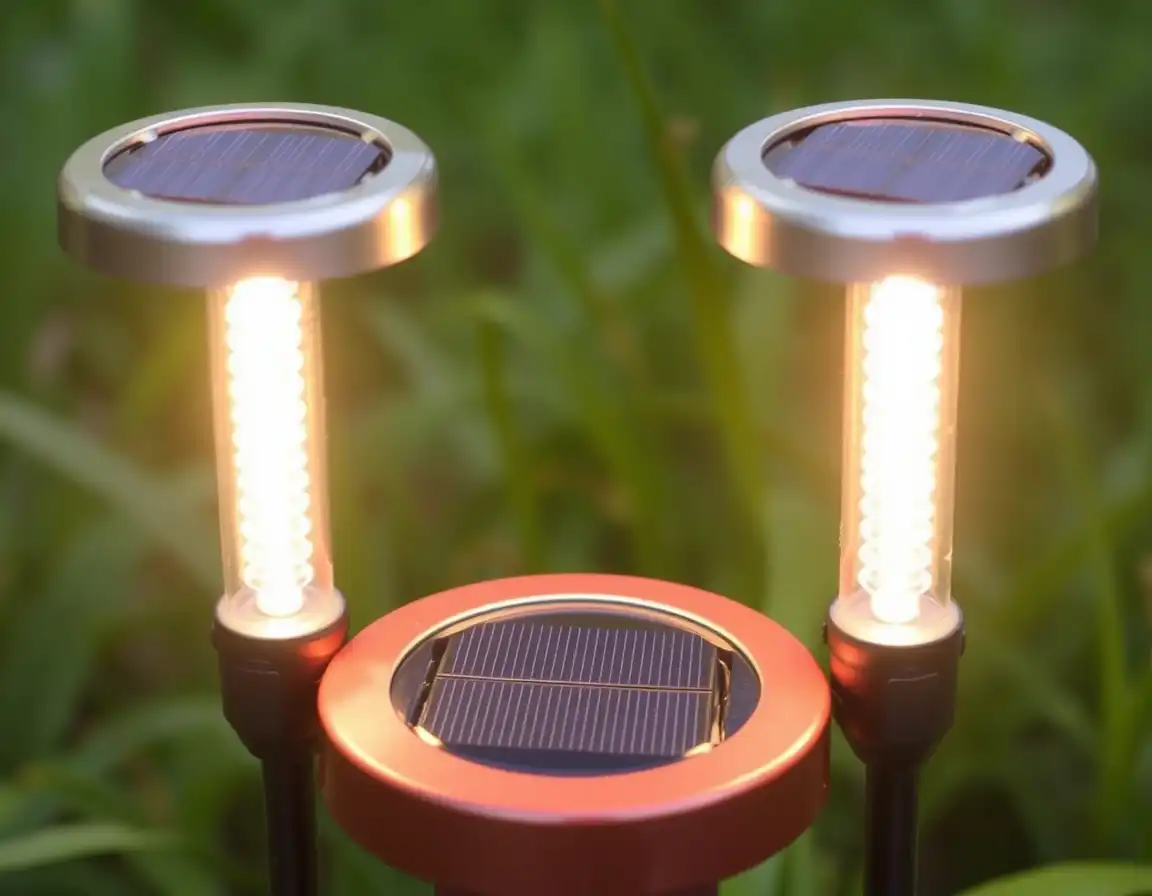
Solar balcony lights operate on simple principles. Solar panels absorb sunlight during daylight. The energy charges rechargeable batteries. When darkness arrives, automatic sensors trigger LED bulbs using stored energy. At sunrise, sensors turn lights off and the charging cycle repeats.
Installation locations matter for functionality. Railing-mounted lights attach directly to railing surfaces using screws and brackets. These lights shine downward, illuminating stairs and adjacent surfaces. Step lights install on the vertical face of each riser, shining downward and marking each step clearly. Post-cap lights sit on top of posts, providing ambient lighting across the balcony. Under-railing lights install beneath railings, remaining invisible during daylight while illuminating below at night. Clip-on lights attach magnetically without drilling, perfect for rentals or temporary installations.
Solar panel positioning affects charging efficiency. South-facing railings receive the most consistent sunlight. North-facing railings provide less direct light. East and west-facing railings receive moderate sunlight. Place panels where they receive at least six to eight hours of direct sunlight daily.
REAL BENEFITS OF SOLAR RAILING LIGHTS FOR YOUR FAMILY
Safety improvement happens immediately. People see stairs clearly. Soft illumination prevents tripping and falls. Family members move confidently. Children navigate stairs independently. Elderly family members feel secure.
Cost elimination begins on the first evening. No electricity bills for outdoor lighting. Solar lights charge freely from sunlight. No monthly utility costs. Over ten years, savings become significant.
Installation simplicity means no construction disruption. You install lights using basic tools. No electricians needed. No walls opened. No wiring needed. The process takes less than an hour.
Aesthetic improvement complements your balcony design. Lights come in various styles. Modern designs suit contemporary balconies. Traditional designs match classic architecture. Warm white creates inviting atmosphere.
Environmental benefits resonate with eco-conscious households. Renewable energy powers your lights. No fossil fuels. No carbon footprint. The sustainable approach aligns with family values.
Automatic operation requires no daily maintenance. Dusk-to-dawn sensors turn lights on and off. No manual switching. No timer programming. The lights function reliably every evening.
Property value appreciation occurs with well-lit outdoor spaces. Potential buyers recognize safety features and modern amenities. Well-lit properties command higher prices.
Flexibility for entertaining improves dramatically. Evening gatherings happen confidently on illuminated balconies. Dinner parties extend into evening. Children play outside safely after sunset.
SELECTING CORRECT LIGHT INTENSITY AND COVERAGE AREA
Brightness requirements vary based on balcony function. Security lighting requires maximum brightness for clear visibility. Use twenty to fifty lumens per fixture. Safety-focused step lighting needs moderate brightness, ten to thirty lumens, to mark steps without glare. Ambient decorative lighting uses five to fifteen lumens for welcoming atmosphere.
Balcony size determines fixture quantity. Small balconies require four to six lights. Medium balconies benefit from eight to twelve lights. Large balconies need sixteen or more lights. More lights create better coverage.
Step count affects planning directly. Each stair step benefits from individual illumination. A six-step staircase needs minimum six step lights. Combining steps with railing lights reduces total fixtures needed.
Mounting height influences light distribution. Head-height lights cast downward and forward effectively. Low-mounted lights near edges provide step-specific illumination. High-mounted post-cap lights distribute light widely. Mix heights for layered lighting.
Solar panel size affects charging speed. Larger panels charge faster and store more energy. Small panels require extended daylight hours. Northern climates benefit from larger panels ensuring adequate nightly operation.
Battery capacity determines operating hours. Most quality lights run eight to twelve hours on full charge. Larger batteries provide sixteen-hour runtime for year-round use. Northern winters require larger batteries.
ADVANTAGES AND DISADVANTAGES OF SOLAR RAILING LIGHTS
- Advantages are compelling. Zero installation cost for electrical work. No permits or inspections. No complex wiring. Minimal maintenance with occasional panel cleaning. No moving parts fail. No bulb replacements needed. Durability justifies cost within three to five years of electricity savings.
- Environmental benefits resonate with eco-conscious households. Renewable energy powers your lights. No emissions. No battery waste. The sustainable approach improves your space. Family members appreciate teaching children about renewable energy.
- Disadvantages deserve honest discussion. Weather dependency affects charging. Cloudy periods reduce battery charge. Heavy rain or snow covers panels, eliminating charging temporarily. Winter climates with shorter daylight provide less total energy. Users accept these limitations by planning for seasonal variations.
- Brightness limitations exist. Solar lights produce twenty to fifty lumens maximum. Floodlights produce five hundred plus lumens. Solar lights work perfectly for safety marking and ambient lighting but cannot match high-intensity flood lighting.
- Initial investment requires budget. Quality solar lights cost twenty to sixty dollars per fixture. Complete installation with twelve lights costs two hundred forty to seven hundred dollars.
- Panel maintenance becomes necessary in dusty environments. Dust accumulation reduces charging efficiency. Cleaning panels twice yearly maintains performance.
- Temperature extremes affect battery performance. Cold temperatures reduce output by thirty to forty percent. Replacement expectations require realistic planning. Most lights function seven to ten years. Battery replacement happens after five to eight years.
CHOOSING YOUR RAILING LIGHT INSTALLATION PLAN
- Assess your balcony layout carefully. Sketch railing configuration including stairs, posts, and flat sections. Note which areas need security, safety marking, or ambient lighting. This planning prevents purchasing incorrect light types.
- Calculate fixture requirements based on balcony dimensions. Measure railing length and stair count. Purchase slightly more lights than minimum allowing for future expansion. Extra lights improve coverage and provide backup fixtures.
- Select light types matching functional needs. Step lights are essential for stairs. Railing lights illuminate walking surfaces. Ambient lights create atmosphere. Combine types strategically.
- Research brands offering multi-year warranties. Five to ten-year warranties indicate manufacturer confidence. Compare warranty terms carefully.
- Read customer reviews from your climate zone. Learn from people with similar conditions regarding realistic performance expectations.
- Select IP ratings matching weather exposure. IP65 handles typical rain. IP67 survives temporary submersion. IP68 handles extended water exposure.
- Plan installation during dry weather. Install during daylight allowing time for testing before sunset. Verify automatic sensor functionality.
- Budget for complete installation including brackets and screws. Calculate replacement timelines for eventual battery replacement.
- Test functionality before full installation. Install one or two lights first. Evaluate brightness, coverage, and aesthetic fit. Confirm satisfaction before completing system.
SUMMARY
Solar lights for balcony railings transform dark outdoor spaces into safe, attractive areas perfect for evening use. Installation locations include railing-mounted fixtures, step lights, post-cap lights, and under-railing options providing flexible design choices. Solar panels charge during daylight hours, storing energy for automatic evening illumination lasting eight to twelve hours. Real benefits include immediate safety improvement, zero electricity costs, simple installation requiring no electricians, aesthetic enhancement, environmental responsibility, automatic operation, property value appreciation, and extended entertaining opportunities. Light selection requires assessing balcony function, calculating fixture quantity based on dimensions, selecting appropriate brightness levels from five to fifty lumens, and choosing mounting heights creating layered illumination. Advantages include zero installation costs, minimal maintenance, environmental benefits, and rapid savings. Disadvantages include weather charging dependency, brightness limitations, initial investment, panel maintenance requirements, temperature sensitivity, and eventual battery replacement needs. Successful installation requires careful balcony assessment, appropriate fixture selection, brand research, warranty verification, customer review analysis, IP rating matching, and phased installation approach allowing testing before full commitment.