Table of Contents
Why Metro Stations Are Finally Using Solar Lights
The Problem Nobody Talks About
I went through London Underground last year and thought about something weird. Those stations are absolutely dark underground. Lights run 24/7 in some of them. Nobody talks about the electric bills. But seriously, think about it. A mid-sized metro station with platforms, tunnels, waiting areas, bathrooms, corridors. All that lights running all day. The costs are insane.
A friend who works in transit told me stations spend around 200,000 dollars a year just on lighting. That’s before maintenance, before replacing burnt-out bulbs, before paying electricians to fix the wiring underground. It’s honestly ridiculous when you think about it. That money comes straight from budgets that should go to better trains, cleaner stations, or paying workers properly.
Then there’s the outage problem. Storm hits the grid, power goes down, and suddenly your metro station is pitch black. People panic. It’s dangerous. You’ve got people on stairs in darkness. You’ve got commuters stuck on platforms unable to see. It’s a safety nightmare that nobody should accept in 2024.
How Solar Lights Actually Work
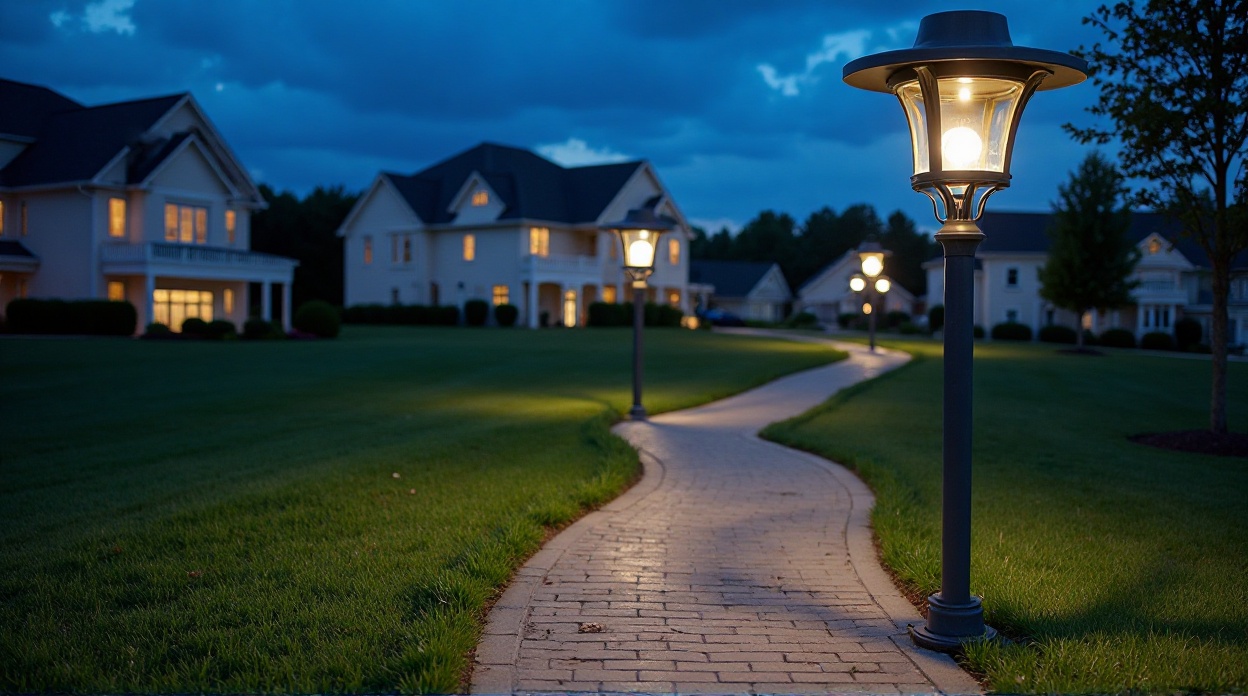
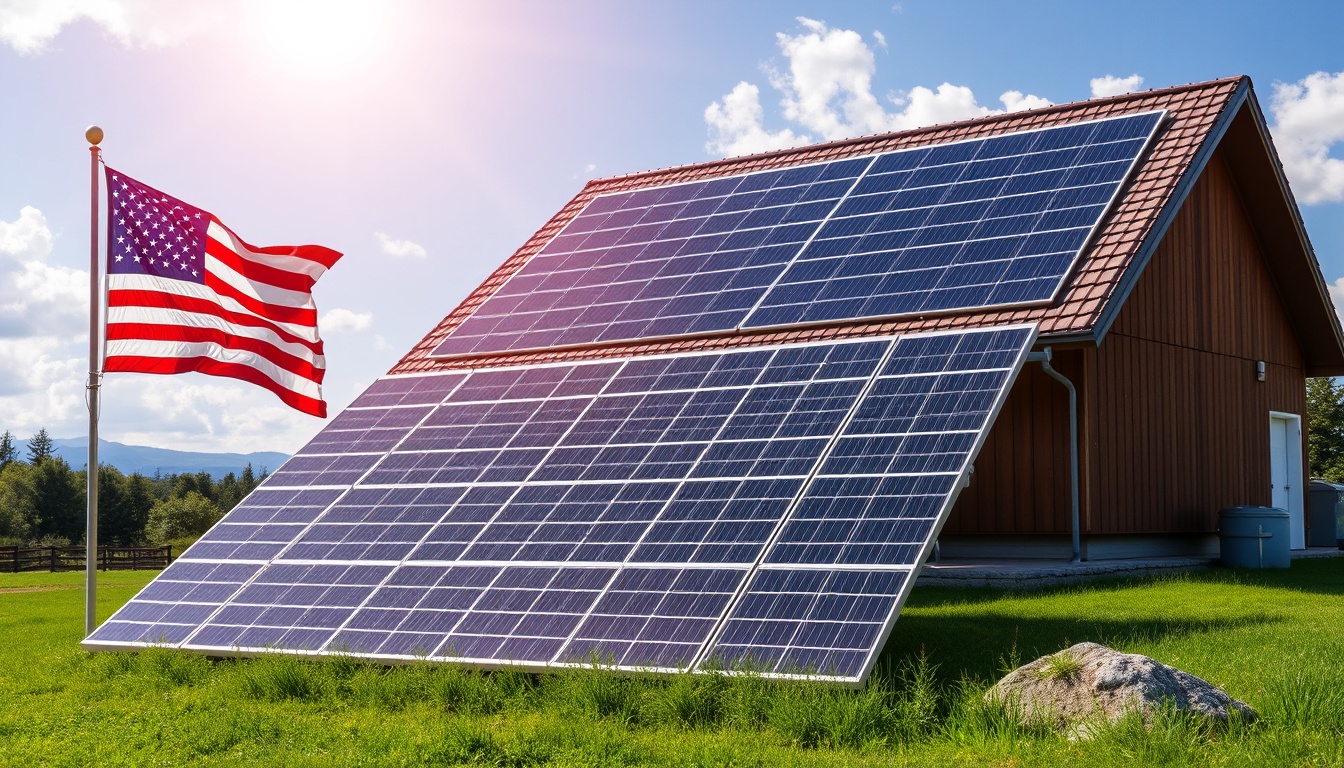
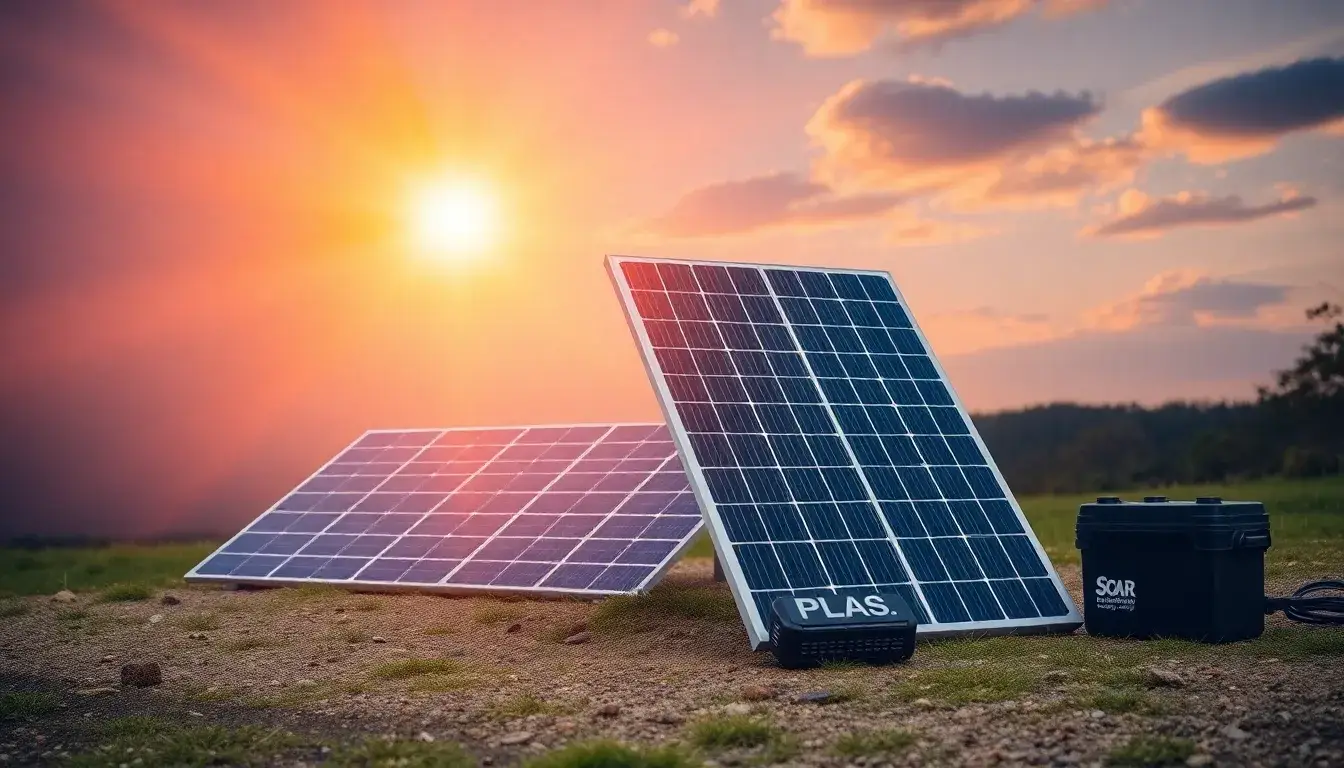
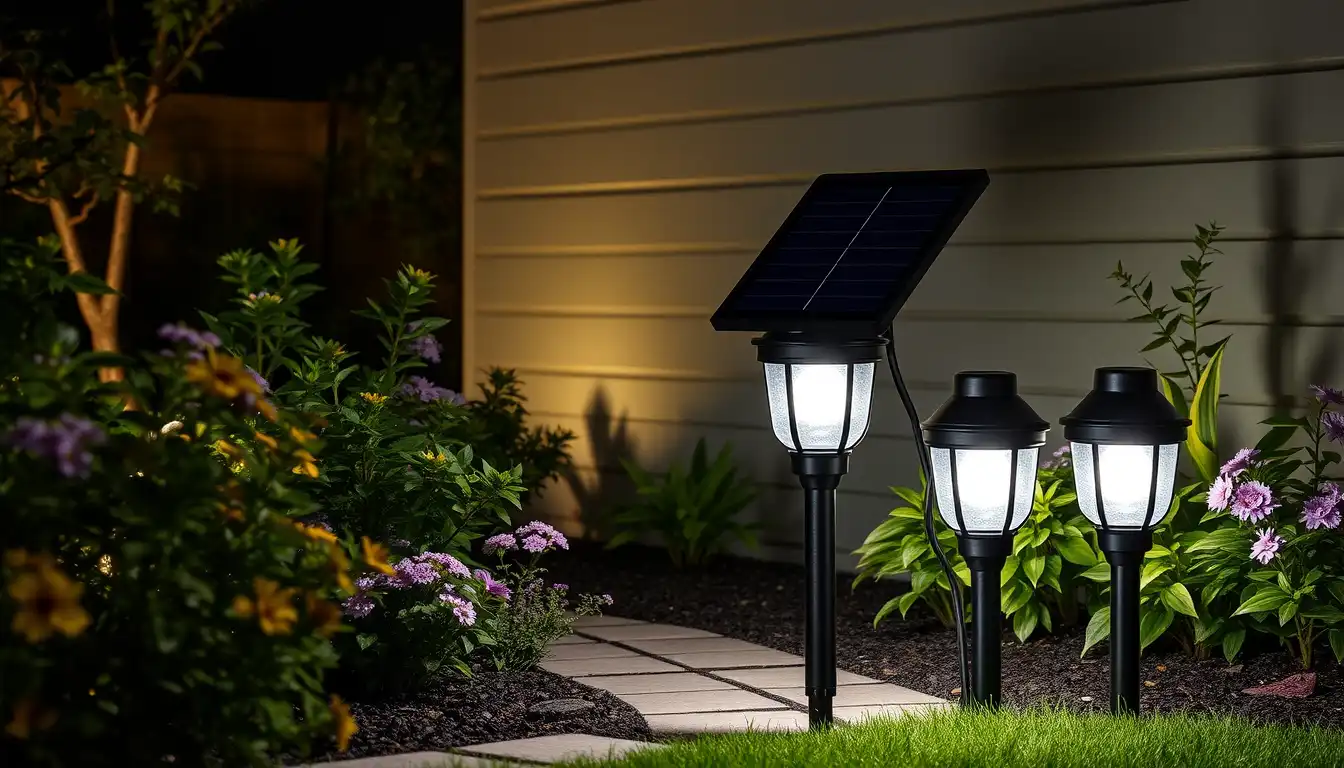
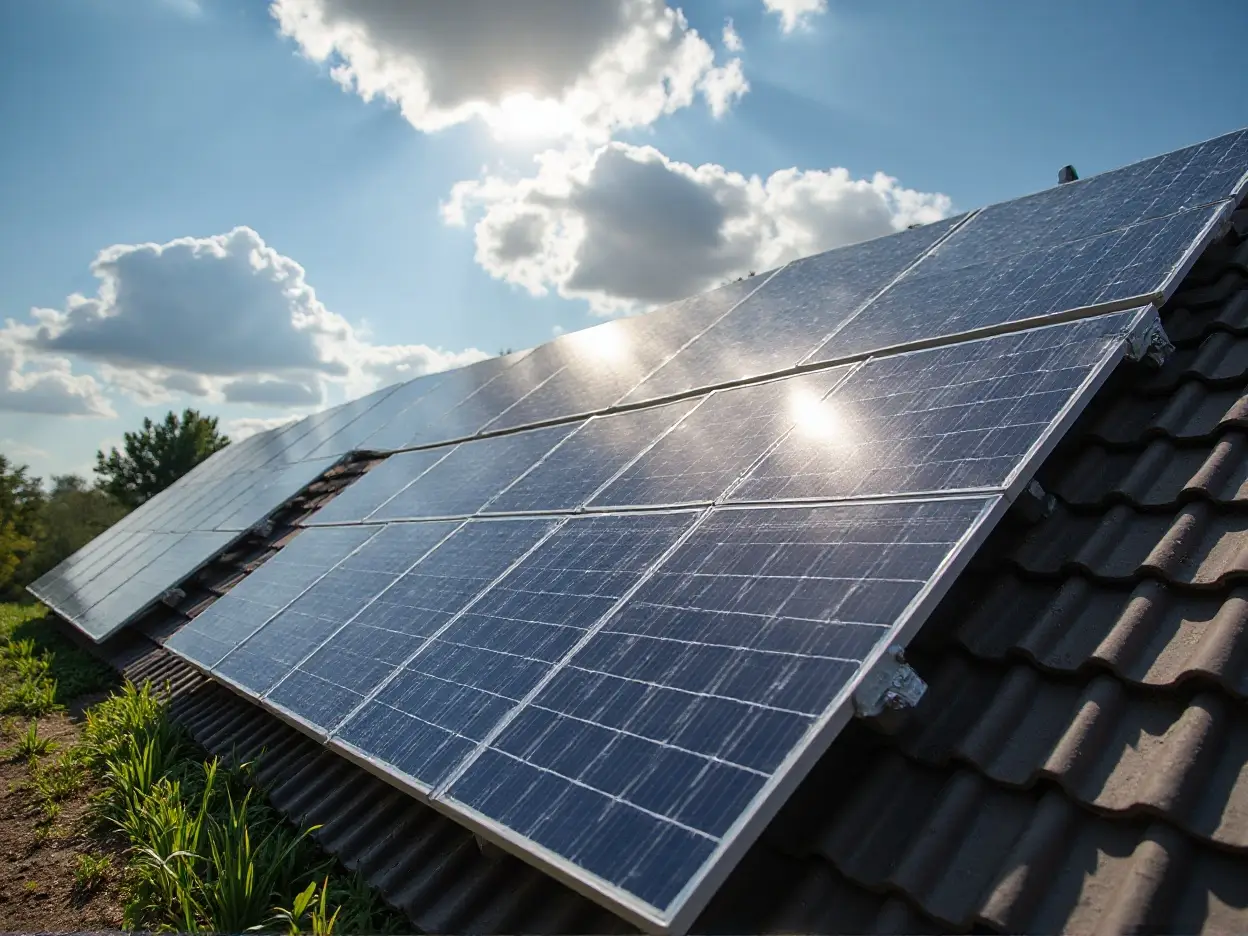
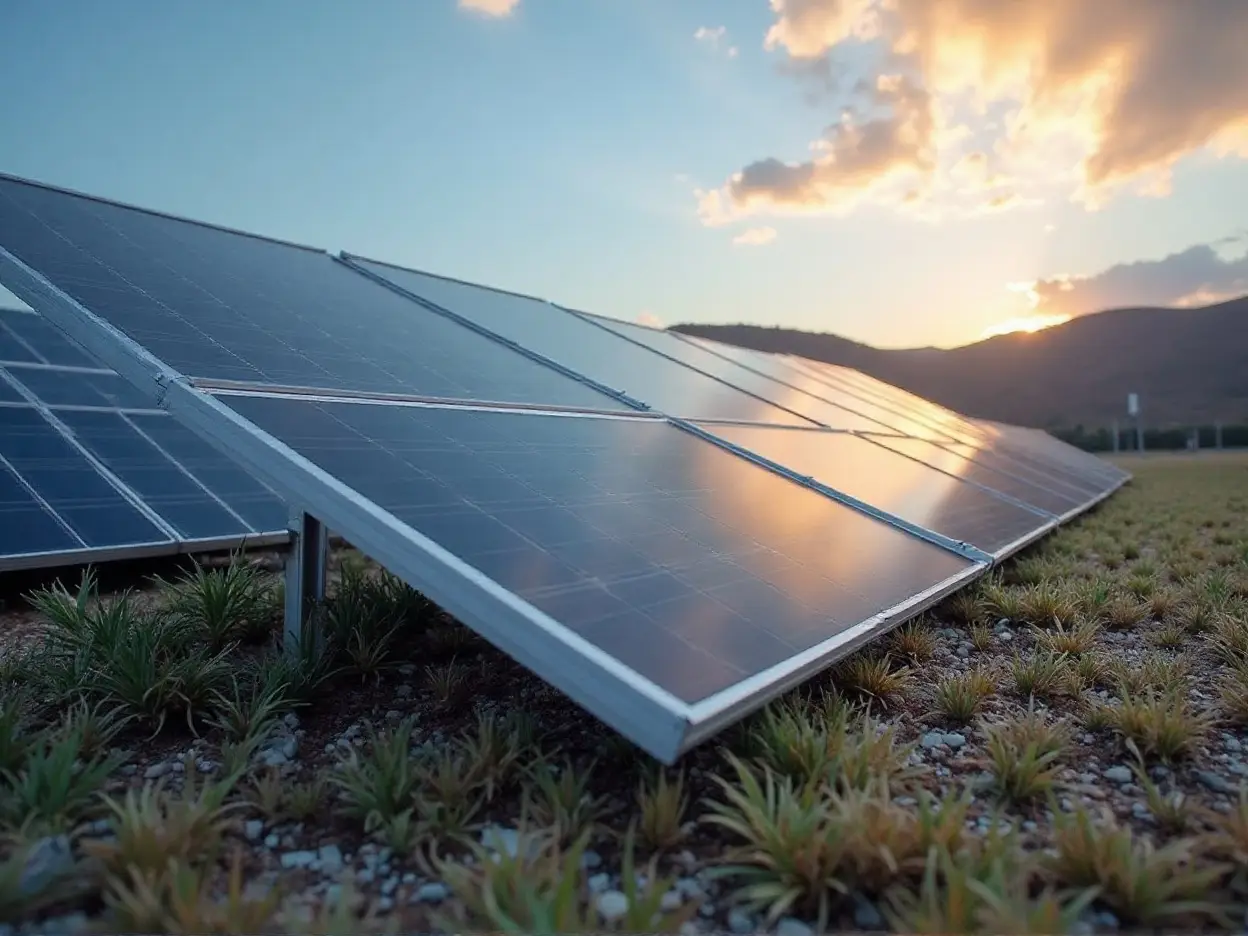
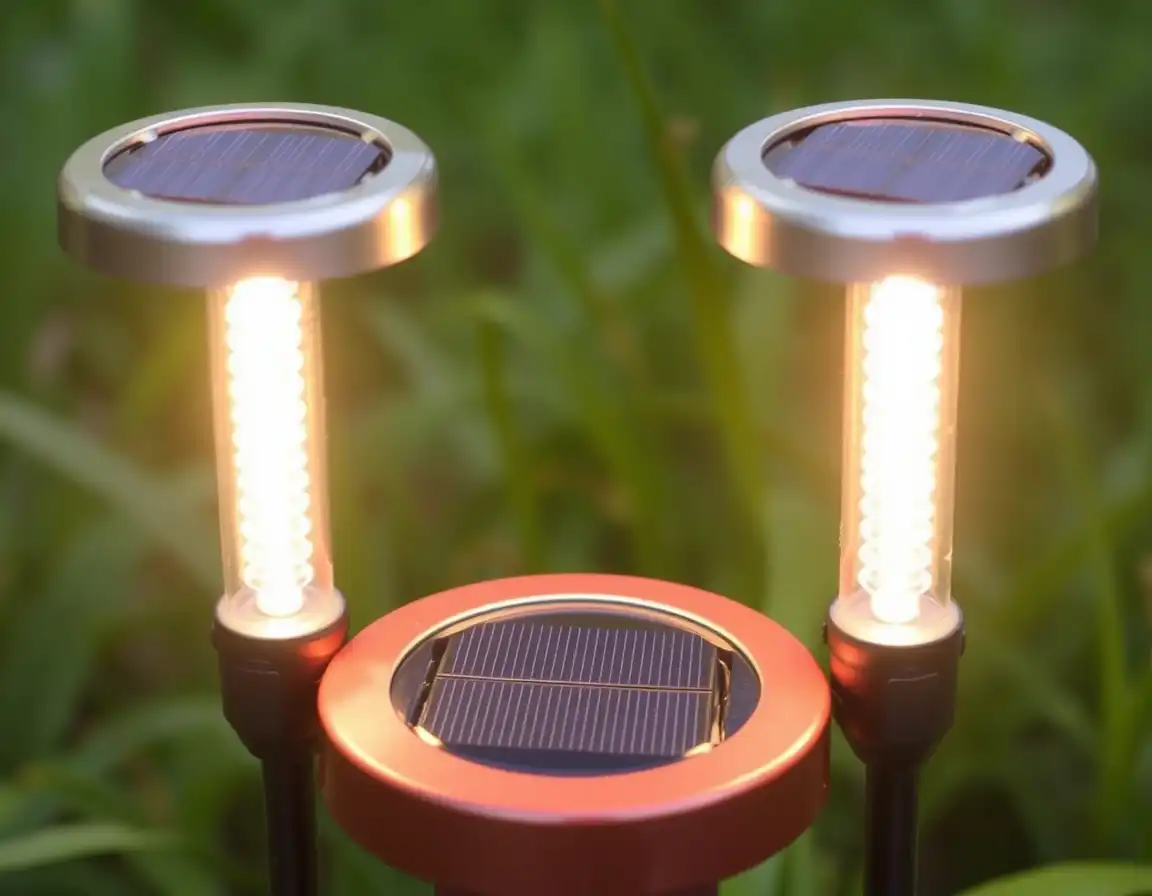
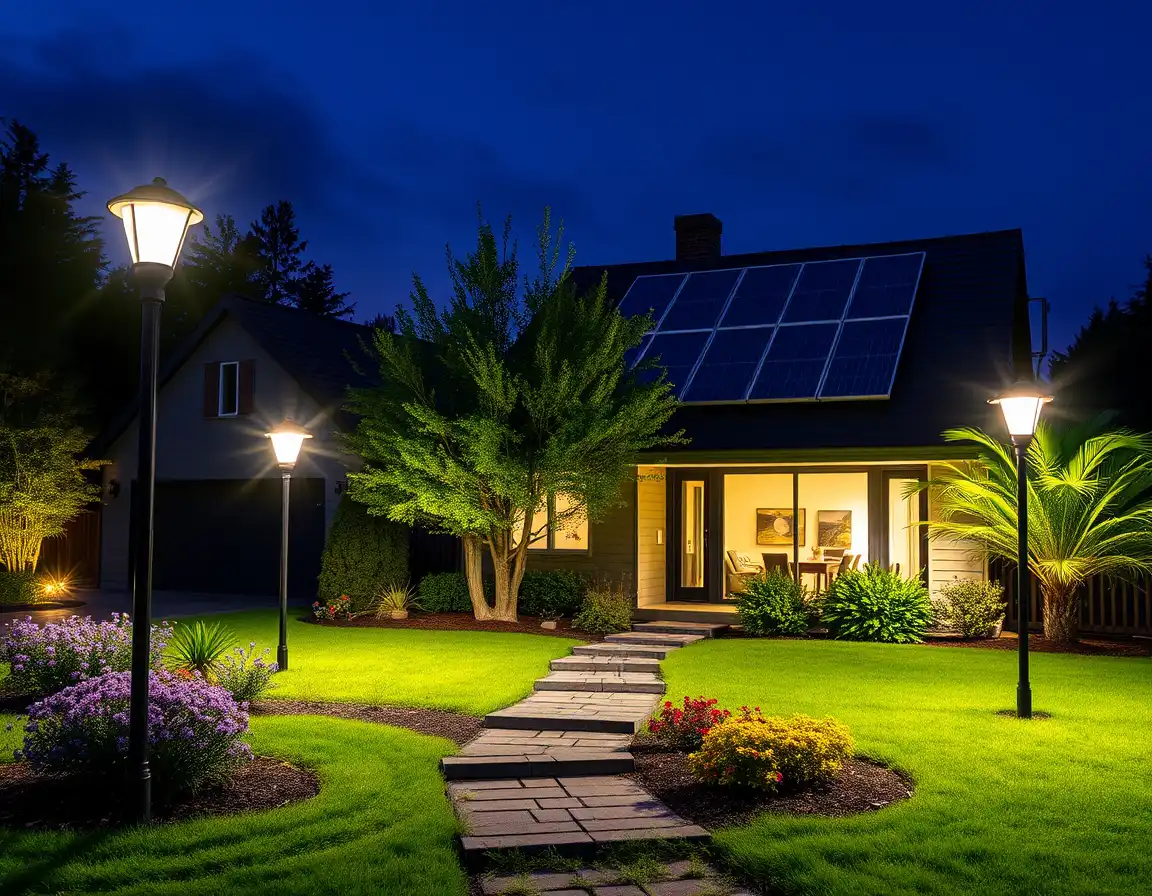
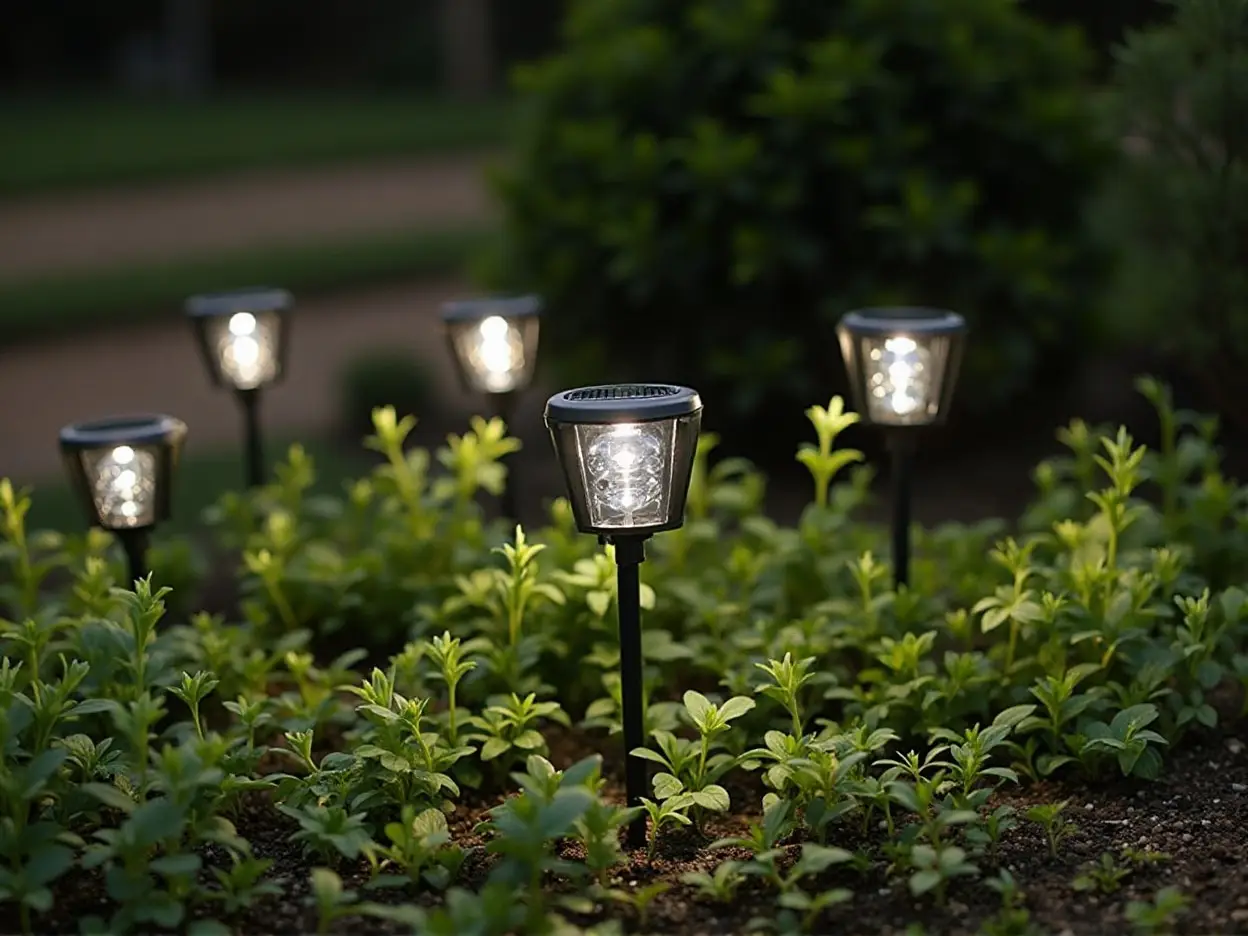
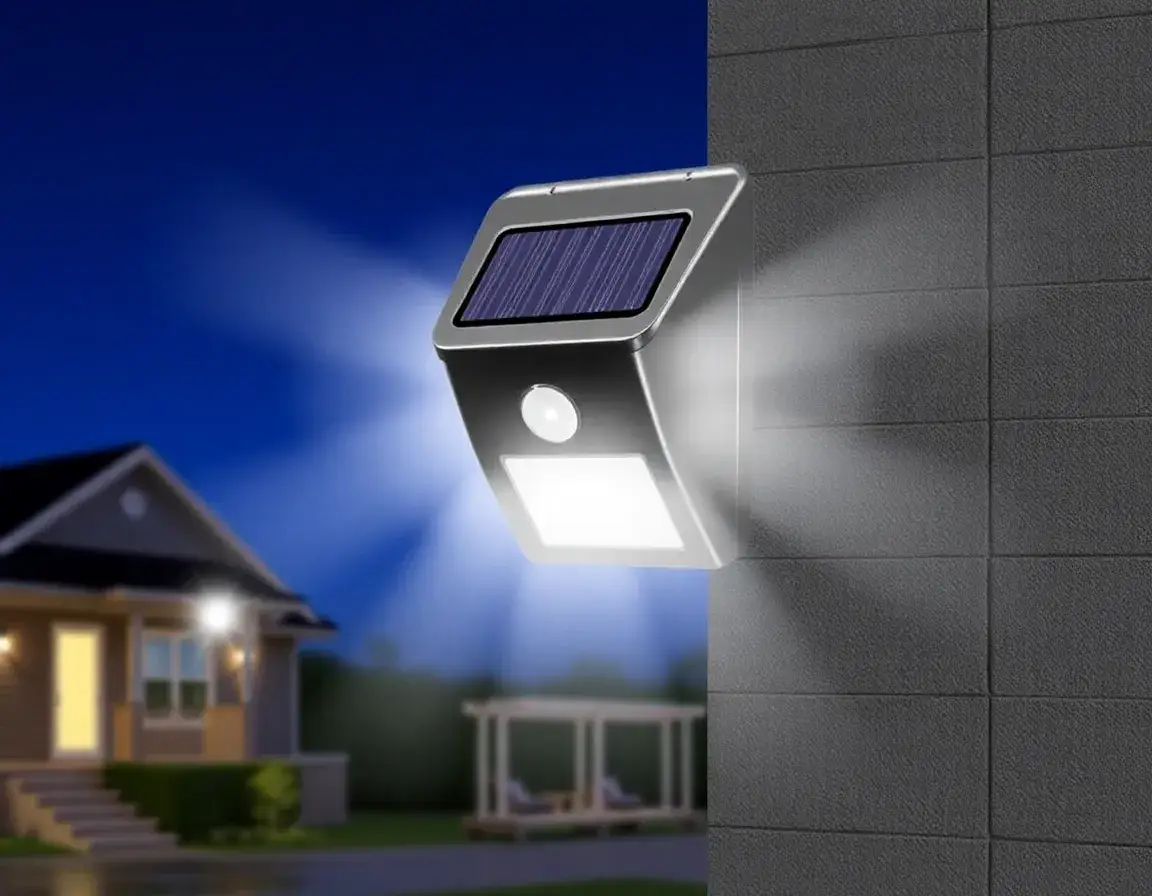
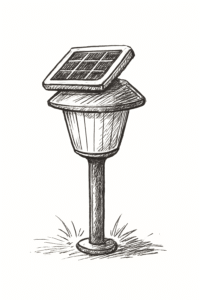
Okay here’s the thing about solar lights. They’re stupid simple. I mean that in the best way possible. You’ve got a panel that sits up top and catches sunlight all day. That’s it. That panel charges a battery underneath. When the sun goes down, the battery runs an LED bulb. Done. That’s the whole system. No complicated parts. No constant wires running to some power plant miles away.
The LED bulb is where the magic happens. Normal light bulbs waste most of their energy as heat. LEDs turn almost all that energy into actual light. They last forever too. Like seriously, years and years compared to regular bulbs that die after a year. That means fewer trips replacing stuff and way lower costs.
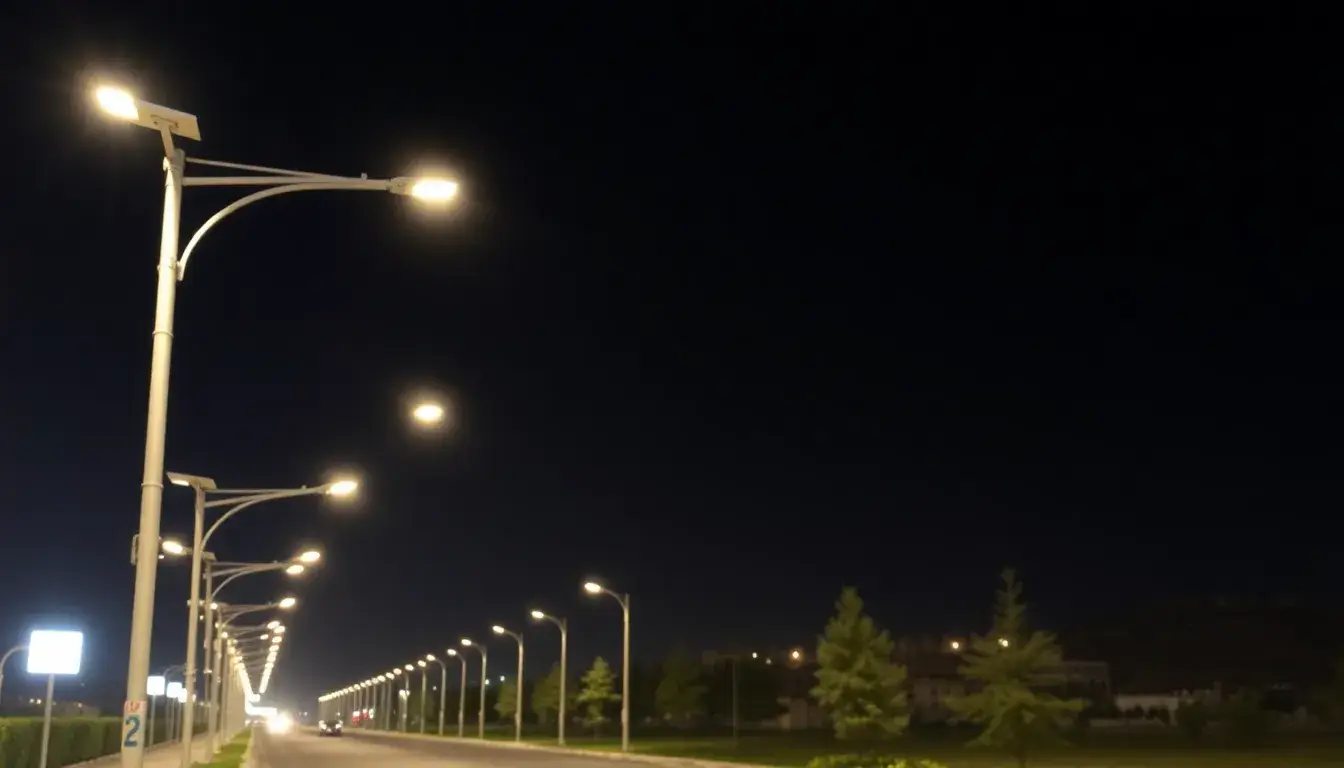
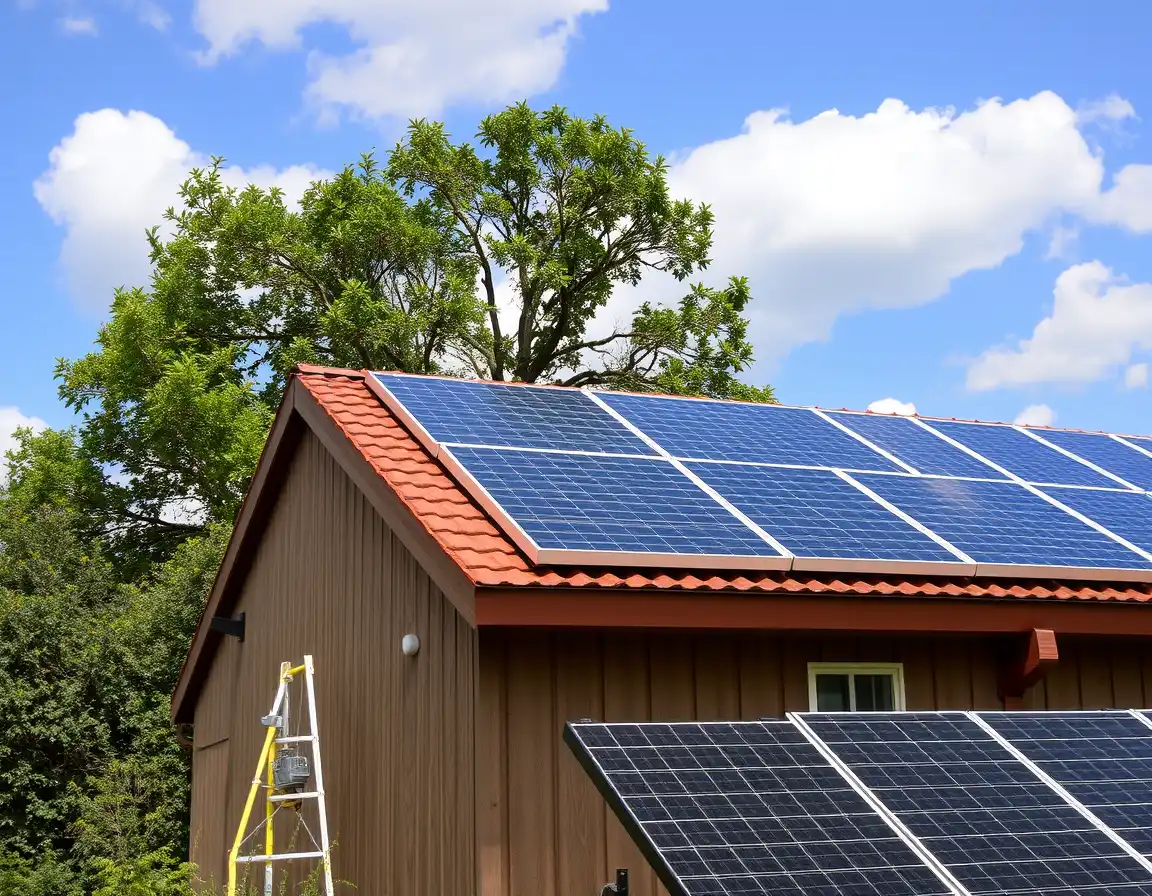
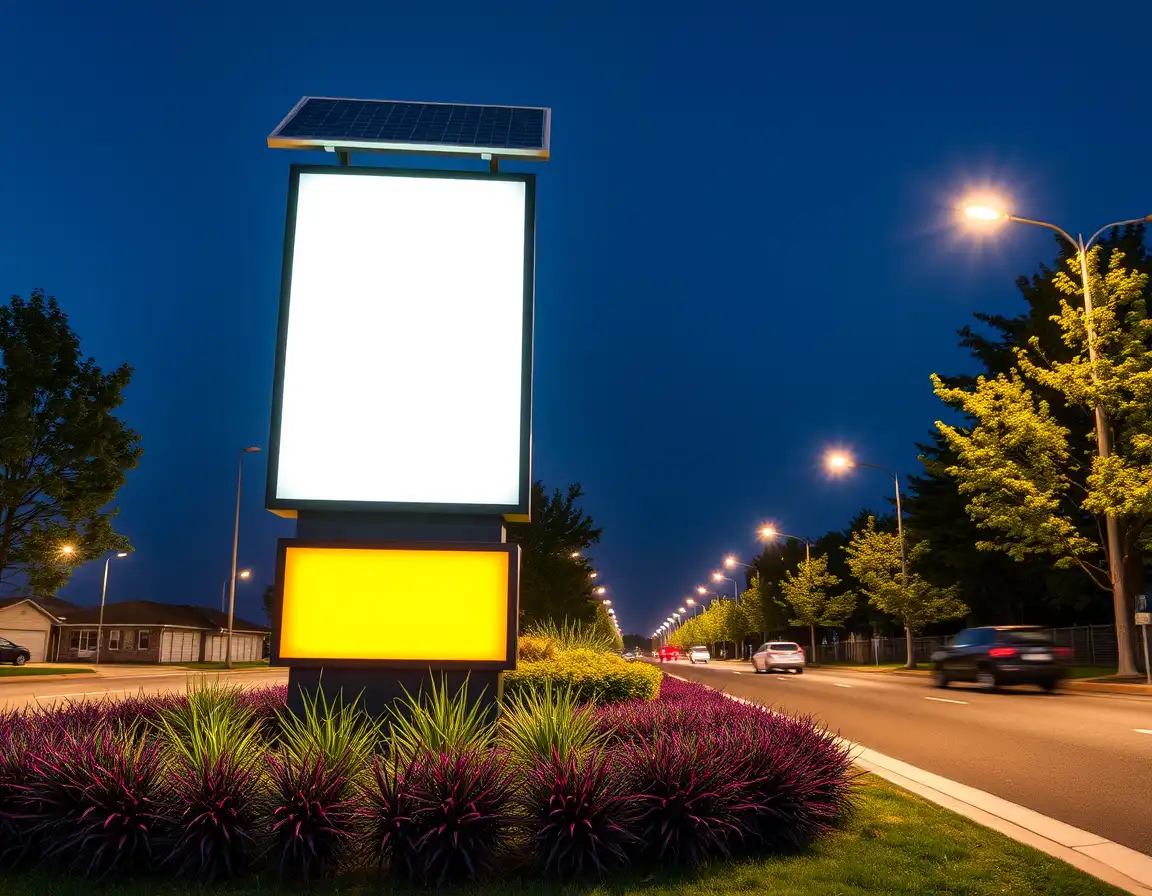
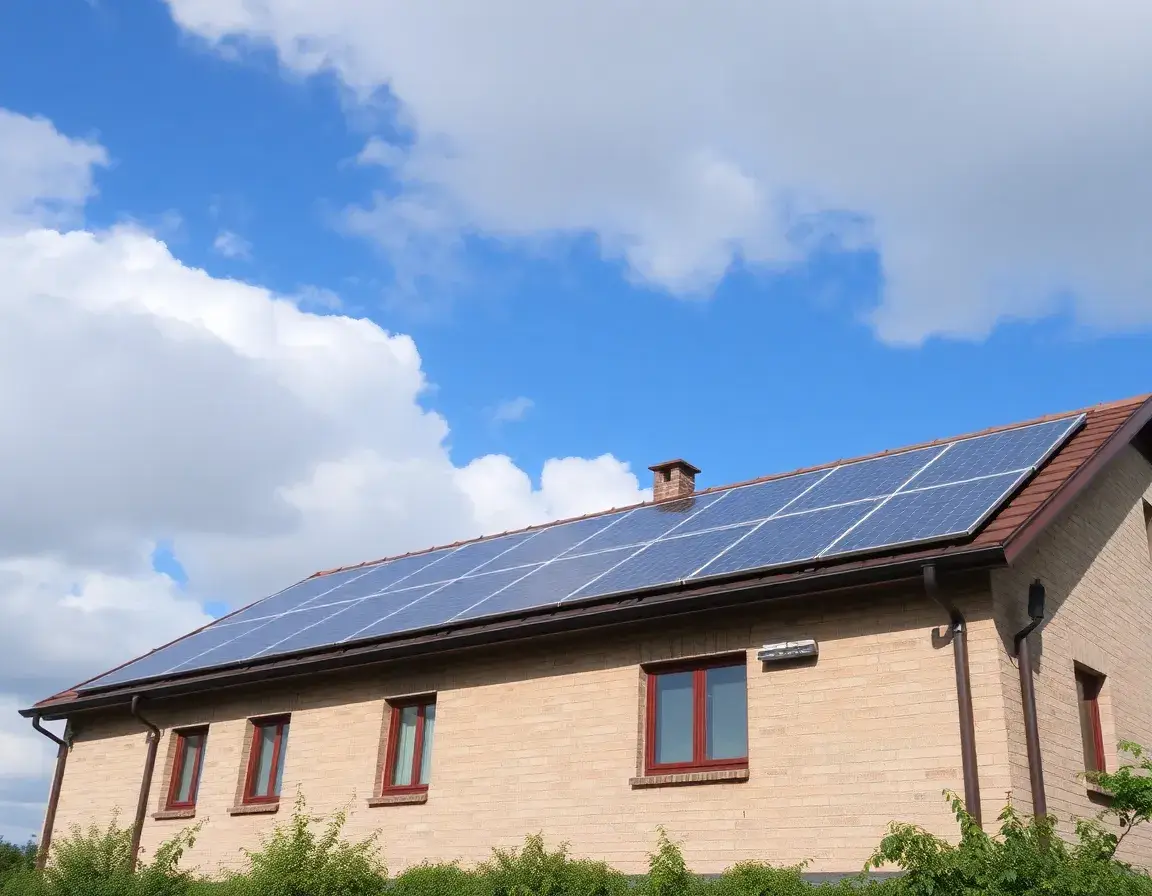
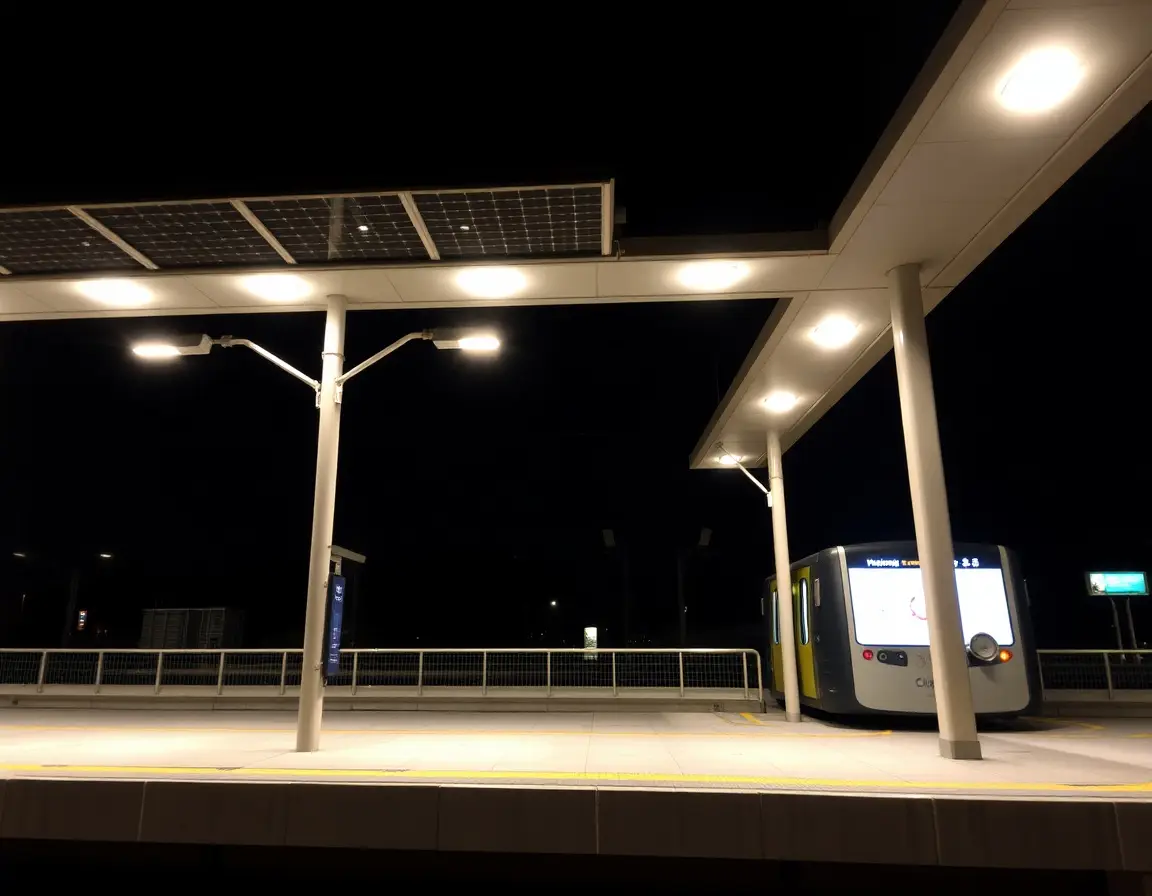
At a metro station, engineers mount these panels around entrances where they get sunlight. Or they put them on overhangs above the entrance. Underground platforms can’t use solar directly because there’s no sunlight down there. But the entry areas, the tunnels leading down, the parking zones above ground, the stairwells. All those get solar now.
Smart versions have motion sensors. Train pulls up and lights get brighter automatically. When everyone leaves and it’s quiet, lights dim down. It’s not complicated technology. It’s just common sense applied to lighting. And it cuts energy use by thirty to forty percent just through that smart dimming alone.
Why Stations Are Switching Over
Money talks loudly. A station spending 200,000 yearly on lighting suddenly spends 60,000 or 80,000 once solar is installed. That’s a hundred and twenty thousand dollars saved every single year. Keep that over twenty years and you’re looking at 2.4 million dollars saved at one station. Multiply that across a city’s entire metro system and it’s absolutely massive.
I talked to a transit worker about safety improvements and they got really passionate about it. Well-lit platforms mean fewer accidents. People see the edge clearly. They don’t trip on stairs. They don’t miss the platform edge. Crime also drops significantly when areas are bright. Honestly, nobody wants to steal in a place that’s completely lit up. Studies show assaults and theft plummet when lighting improves.
Here’s something people don’t think about. When grid power fails, solar lights keep working. No outages. No darkness. No panic. That’s huge for public safety. During emergencies, having automatic backup lighting without anyone doing anything is genuinely important. Cities dealing with storms or power infrastructure problems get this immediately.
The environmental thing isn’t just marketing talk. Every station running on solar instead of grid power means less coal burning somewhere else. Less pollution. Less carbon in the atmosphere. Cities trying to meet climate goals need this stuff. And honestly, passengers appreciate it. People like knowing they’re using green transportation where even the lights are clean energy.
Different Types of Solar for Different Places
Platform edge lighting keeps that dangerous spot between platform and train tracks visible. Train drivers can see clearly. Passengers don’t fall. It’s safety focused and honestly kind of critical. Tunnel lighting strings several solar units together to light up the long passages underground. Those look weird but they work.
Parking areas need bright solar lights so drivers see clearly entering and leaving. It’s a different challenge than platform lighting since parking is aboveground and can catch way more sunlight. Entrance lighting sits above the station doors and makes the street around the station safe. People arriving by car or on foot see everything clearly.
Stairwell and corridor lighting is where smart sensors really shine. When someone walks through, lights brighten. When nobody’s there, they dim. It’s not some fancy technology. It’s just basic motion detection that cuts energy use dramatically. The smart metro systems use IoT technology to connect everything. One control center in the city monitors all lights across all stations. It’s impressive honestly.
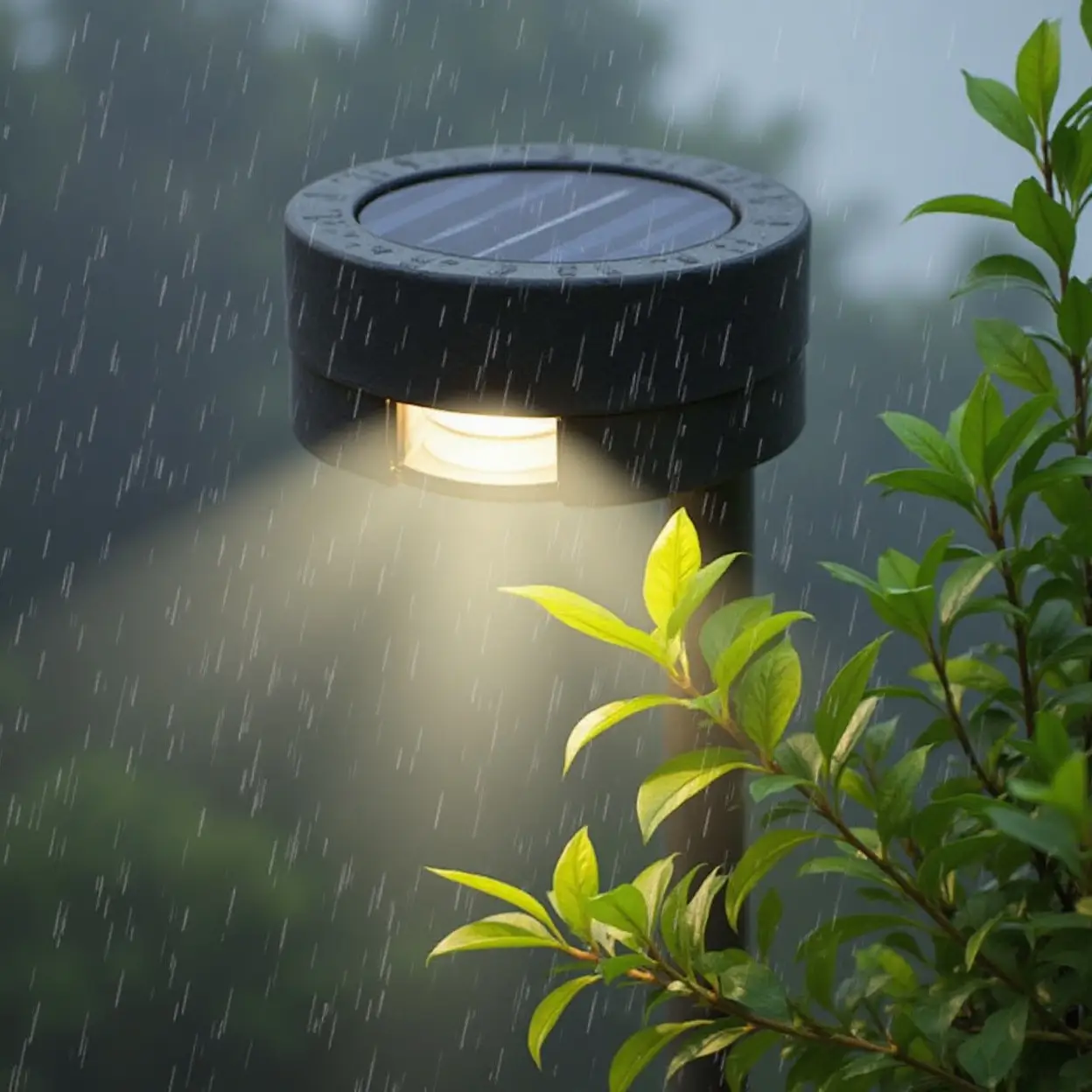
Hybrid systems are a middle ground. They run on solar mostly but have grid backup for cloudy days or heavy rain when panels underperform. It costs more upfront but gives cities peace of mind knowing nothing ever goes dark. It’s like having insurance that also saves money normally.
The Real Benefits
Electricity bills drop immediately. Savings start from day one. Initial investment pays back in five to ten years typically. Then you’ve got another ten to fifteen years of basically free lighting. That’s a beautiful financial situation for any city budget.
Maintenance becomes almost nothing. Underground wiring gets damaged by water and corrosion. Transformers fail. Circuits break. All that underground infrastructure needs constant repairs. Solar lights sitting on surfaces need annual panel cleaning basically. That’s it. Way fewer technicians needed. Way fewer emergency calls. Way cheaper overall.
Installation doesn’t shut down the metro. Traditional lighting requires digging trenches, running cables underground, connecting everything to central power. It’s disruptive and takes weeks. Solar installation just mounts stuff on existing surfaces. Takes days. Metro keeps running. Passengers don’t notice.
The stations feel better. I’m not being poetic here. A modern, well-lit station feels safe and clean and updated. Passengers prefer using them. Ridership sometimes increases because people feel comfortable in the stations. It’s a quality of life improvement that actually matters to people using the system daily.
Reliability is genuinely impressive. When the grid goes down, other stations go dark. Solar stations stay lit. That’s not theoretical. That’s real safety during emergencies. Floods, storms, accidents. Solar stations just keep working.
Honest Problems With This Approach
The upfront cost is painful. Installing solar lights at one medium-sized station runs somewhere between 150,000 and 300,000 dollars depending on how many lights and how powerful the system is. That’s real money. Small cities struggle with that. Even big cities have to fight budget committees to approve it.
Underground stations can’t use solar for actual platform lighting. The lights are underground. There’s no sunlight down there. You can put solar on the entrance areas and above ground sections. But the deep tunnels still need grid power or backup batteries. So you don’t get complete independence from the grid at underground stations.
Batteries in extreme heat or cold don’t perform well. Summer heat damages batteries faster. Cold weather reduces their efficiency. Hot desert cities or freezing northern cities have problems. Battery replacement gets expensive. Without good backup systems, cloudy regions or extreme weather areas struggle.
City pollution and dust accumulates on panels. Traffic dust, soot from trucks, industrial pollution. It all sticks to panels and reduces how much sun they catch. You need to clean panels regularly. In polluted cities, that might mean monthly cleaning. That’s extra work and extra cost.
Vandalism happens sometimes. Solar panels on exposed station roofs get damaged. Batteries get stolen occasionally. Cable gets stripped for scrap metal. It’s annoying but real. Systems need cages or protective mounting which adds cost and complexity.
Hybrid systems cost way more money. You’re paying for solar panels and batteries plus the grid connection infrastructure. Sometimes it’s cheaper to just use traditional lighting. It depends on the specific situation.
Real Stations Doing This Right Now
London Underground tested solar at King’s Cross station in 2023. Actual implementation. Real measurements. Energy use dropped 45 percent. Maintenance calls went down dramatically. The transit authority got convinced and now plans expansion across their entire network by 2027. That’s major.
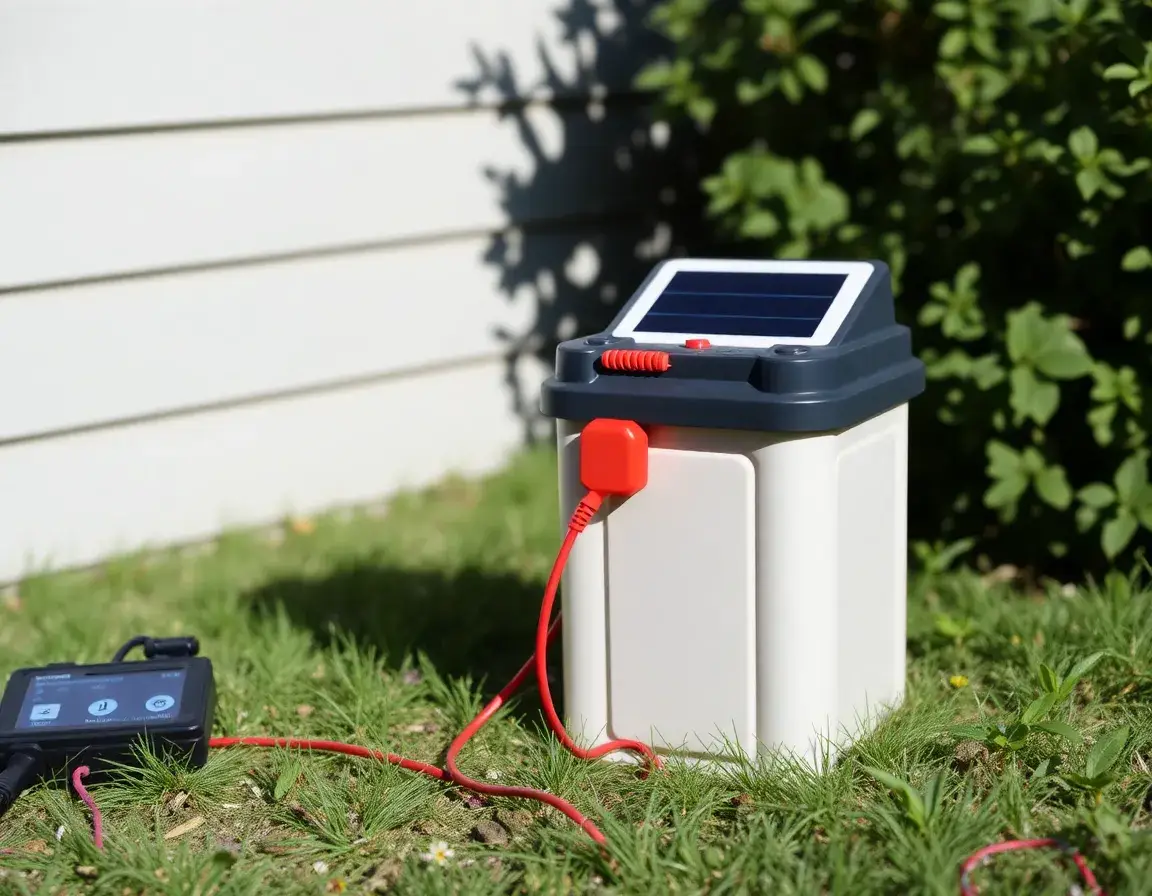
Singapore’s metro system used all-in-one solar units. Single device with panel, battery, and LED all together. Installation became stupid simple. Just mount it and done. Energy savings hit 60 percent in their testing. That’s beyond what they expected honestly.
Mumbai Metro went hybrid because they expand into suburban areas far from reliable grid power. Battery backup ensures lights work 24/7. Passengers in those suburban stations appreciate safe, modern lighting without dependence on power lines that might fail.
Beijing’s new metro lines got smart solar with IoT sensors everywhere. Lights adjust brightness based on train schedules, passenger movement, weather, ambient light. Everything happens automatically. Energy use dropped 50 percent. Safety improved too.
San Francisco BART focused on parking area lighting first. Remote parking lots in darkness, lots of security concerns. Solar lighting improved both safety and cut electricity demands by half. The transit authority saw the results and pushed expansion across all parking areas.
Toronto specifically used solar for accessibility features. Ramps, elevators, bathroom areas. Safety-critical zones needed reliable backup power. Solar provided that independence without complex engineering.
What Happens Next
The market is growing like crazy. More cities see the value proposition. Money spent on research means better batteries that handle heat and cold. Bifacial solar panels that collect light from both sides are coming. These advances will make metro solar way more reliable and cheaper.
AI is coming for lighting systems. Predictive algorithms will forecast passenger patterns and adjust lighting before people even arrive. Smart networks share data between stations learning what works best everywhere. Maintenance technicians get alerts before problems happen. It’s genuinely the future.
Every new metro project will include solar from the start. Building it in initially costs way less than retrofitting. Cities planning expansion will budget solar comprehensively as standard infrastructure. That shifts everything economically.
Battery technology keeps improving. Solid-state batteries and new chemistries will handle extreme temperatures. By 2030, cold-weather and heat-resistant batteries solve current problems. Even harsh climate metros will use pure solar without needing grid backup.
SUMMARY
This article explains how solar lights work at metro stations and why cities are switching. It covers basics of solar systems, specific benefits like cutting electricity costs dramatically, improving passenger safety, providing automatic backup power, and environmental responsibility. The article honestly discusses real challenges including high startup costs between 150,000 to 300,000 dollars per station, battery problems in extreme temperatures, dust accumulation on panels, and occasional vandalism. Real examples from London Underground King’s Cross achieving 45 percent energy reduction, Singapore reaching 60 percent savings, Mumbai’s hybrid approach, Beijing’s AI-powered systems, San Francisco’s successful expansion, and Toronto’s accessibility focus show this technology works in major cities right now. The future includes advanced battery technology, AI optimization systems, and solar becoming standard in all new metro projects. Whether you run transit systems or care about smart city infrastructure, solar metro lighting is a practical investment in both cost savings and public safety.