Table of Contents
How Rain Affects Solar Lights
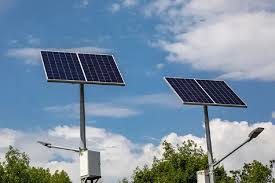
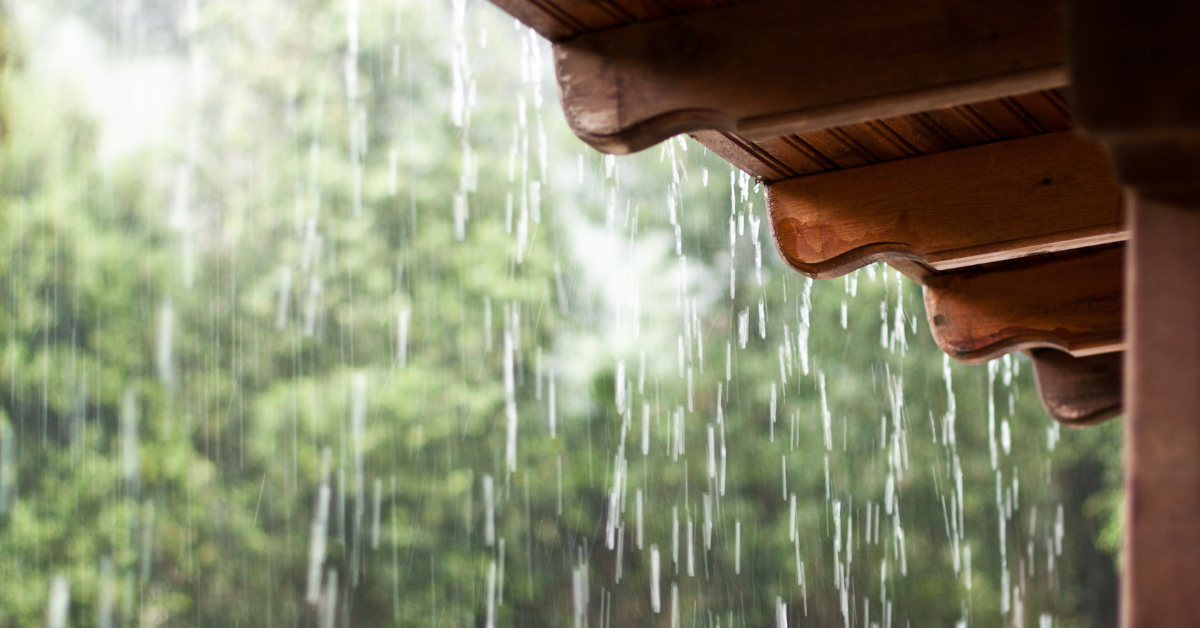
Rain stops solar charging. Water blocks sunlight from reaching the panel. A rainy day produces maybe one quarter of the sunlight a sunny day produces. Your light charges slowly during rain and even slower during extended wet periods.
But slower charging isn’t the biggest problem. Water getting inside the light is the problem. Moisture creeps into cheap lights and destroys the battery. Water corrodes connections. Humidity builds up inside the casing. The whole light slowly dies.
Prolonged wet weather is brutal. A few rainy days your light handles fine. Two weeks of rain with no sun and your light struggles hard. The battery never fully charges. The light runs dimmer and dimmer.
Winter rain combined with cold temperatures creates a nightmare for solar lights. Cold slows battery charging anyway. Add rain and the light barely charges at all. Your light might run only four to five hours instead of the normal ten hours.
Humidity near coastlines or lakes makes things worse. Salt air and high moisture attack materials and corrode connections. Traditional solar lights fail within one year in coastal climates. Proper waterproof construction extends lifespan to three or four years.
Understanding Waterproof Ratings
Waterproof ratings use a code called IP. IP stands for Ingress Protection. Two numbers follow. The first number is dust protection. The second number is water protection. You only care about the water number.
IP64 rating:
Water splashes don’t hurt it. Rain from any direction doesn’t get inside. But water pools or submerged water will damage it. This rating is okay for most yards. Most solar lights sit at IP64.
IP65 rating:
Water jets from any direction can’t get inside. Heavy rain doesn’t penetrate. Water splashing directly on the light stays out. This is the minimum you should accept in a wet climate. IP65 handles normal rain perfectly.
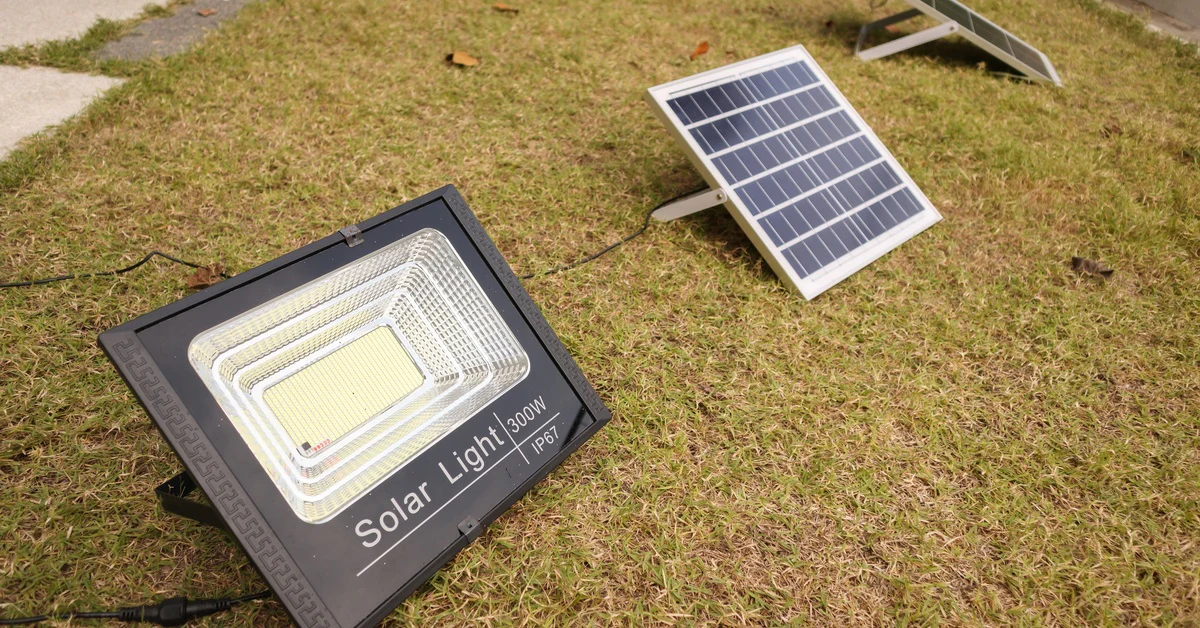
IP67 rating:
Temporary submersion won’t hurt it. The light sits in water for thirty minutes and stays fine. This rating handles serious rain, coastal conditions, and areas that flood occasionally. IP67 is worth the extra cost if you live somewhere wet.
IP68 rating:
Continuous submersion in water won’t hurt it. The light works submerged indefinitely. This is overkill for most yards but good for pool areas or very flood-prone spots.
Real Performance In Rainy Weather
Pros of IP65 Waterproof Solar Lights:
- Handle heavy rain completely
- Moisture doesn’t get inside easily
- Good for normal climates with seasonal rain
- Cost less than IP67 models
- Still work well in humid conditions
- Battery lasts longer than cheaper models
- Charge reasonably in overcast conditions
- Last three to four years in rain climates
Cons of IP65 Waterproof Solar Lights:
- Water pooling causes slow entry over time
- Long-term humidity damages battery eventually
- Not ideal for coastal salt air
- Extended wet seasons drain batteries faster
- Condensation builds up on cloudy days
- Winter rain reduces charging significantly
- Water seeping through weakens connections gradually
Pros of IP67 Waterproof Solar Lights:
- Handle any rain situation
- Water can’t get inside at all
- Perfect for coastal climates
- Survive prolonged rain seasons
- Battery lasts four to five years even in wet climates
- No condensation problems
- Work fine through humid summers
- Handle temporary flooding
Cons of IP67 Waterproof Solar Lights:
- Cost more upfront
- Limited model selection sometimes
- Heavier construction slightly
- Overkill for dry climates
- Takes longer to install sometimes
Why Cheap Lights Fail In Rain
Budget solar lights cost fifteen to twenty five dollars. Manufacturers cut corners everywhere to hit that price. The casing uses thin plastic with weak seals. One seam where water can enter.
Poor sealing means moisture gets inside within months in wet climates. The battery corrodes. The circuit board rusts. The light flickers and dies.
Cheap lights use alkaline batteries. Alkaline batteries fail when wet. Water inside means battery failure. Your light stops working completely.
The solar panel on cheap lights has weak connections. Water corrodes the connection points. The panel stops charging effectively. The battery runs down within days instead of weeks.
Cheap lights look fine at first. You install them and they work for a few weeks. Then rain comes. Within one month you notice them getting dimmer. Within three months they quit. You’ve spent money on lights that failed during the first rainy season.
Why Quality Matters In Wet Climates
Good waterproof lights use sealed casings with proper gaskets. Gaskets are rubber seals that prevent water entry. Water bounces off instead of seeping in.
Quality batteries survive moisture better. LiFePO4 batteries handle moisture far better than alkaline. They don’t corrode as fast. They last years even with high humidity.
Premium lights use stainless steel hardware or treated aluminum. These materials resist rust. Cheap lights use untreated metal that rusts immediately when wet.
Good solar lights charge efficiently even in clouds. The panel captures available light even when it’s gray and overcast. Cheap lights barely charge on cloudy days.
Quality lights have sealed battery compartments. Water can’t reach the battery even if it gets inside the casing. Gaskets and seals keep moisture out of critical areas.
Best Materials For Rainy Weather
ABS plastic construction is good. It resists water and doesn’t rust. Colors don’t fade quickly. Most quality solar lights use ABS plastic housings.
Aluminum is better than cheap plastic. It’s durable and won’t rust if treated properly. Heavier than plastic but lasts longer. Good solar lights use aluminum frames with plastic bodies.
Stainless steel is best but costs more. It never rusts. Perfect for coastal areas where salt destroys other metals. Premium lights use stainless steel components.
Teak wood on some lights ages beautifully in rain. Wood actually improves with weather exposure. High end lights combine teak wood with metal for durability and beauty.
Avoid pure plastic lights in wet climates. Thin plastic cracks and fails. Look for reinforced plastic with metal brackets.
Charging During Rainy Seasons
Rainy season charging is tough. A cloudy rainy day produces one quarter to one half of normal sunlight. Your light charges slowly.
During extended rain periods, charge cycles drop significantly. A light that normally fully charges in six hours might need twelve hours during rain season. If you get only four hours of weak daylight, the light doesn’t fully charge.
Winter rain is worse. Cold temperatures slow charging. Short winter days mean less sunlight. Rainy winter combines both problems. Your light runs four to six hours instead of ten.
Placement matters more during rain season. Move lights to spots that get maximum available light. South-facing positions receive more winter sun. Avoid tree shade during rainy months.
Some people bring solar lights inside occasionally during heavy rain weeks. Let them charge indoors under a lamp. Then reinstall them. This supplements solar charging during extremely wet periods.
Larger batteries help during rainy seasons. Lights with two thousand milliamp hours or more charge slowly but still store decent energy. Cheap lights with five hundred milliamp hour batteries barely charge and die quickly.
Moisture Management Technology
Nano-coating is a new technology in 2026. A super thin invisible coating repels water. Water bounces off instead of sitting on surfaces. This prevents corrosion underneath the water.
Anti-fogging design prevents condensation inside the light. Moisture inside the casing fogs up the lens. Anti-fogging coatings prevent this. You see through the lens clearly even in humidity.
Drainage holes at the bottom of quality lights let water that enters escape quickly. Holes are tiny so bugs don’t enter. Water drains out fast though. Cheap lights trap water inside. Quality lights let it drain.
Sealed cable connections on premium lights prevent water from traveling along cables into the light. Cable entry points are the weakest part of waterproofing. Good design seals these connections.
Ventilation inside some lights prevents pressure buildup. As temperature changes, air pressure inside changes. Unvented lights develop cracks from pressure. Vented designs with filters let pressure equalize while keeping water out.
Winter Rain And Snow
Rain in winter is brutal for solar lights. The light barely charges because days are short and cloudy. Rain makes it worse. Your light runs three to five hours instead of ten.
Snow on top of the light blocks all sunlight. Brush snow off your lights after snowfall. Takes one minute but makes a huge difference. A light buried in snow won’t charge at all.
Freezing and thawing cycles in winter cause problems. Water inside the light freezes. Ice expands and cracks the casing. Quality lights handle this. Cheap lights crack.
Cold batteries charge slowly and discharge faster. In winter rain at freezing temperatures, your battery barely charges and dies quickly. Premium lights with LiFePO4 batteries handle cold better. Regular alkaline batteries fail in winter cold plus rain.
Some people remove lights during winter rain season. Store them indoors. Reinstall in spring. This prevents winter damage and keeps the light working when redeployed.
Coastal And Humid Climates
Salt air in coastal areas corrodes normal materials. Stainless steel resists salt. Regular steel and aluminum corrode fast. Brass resists salt better than iron.
High humidity in tropical and subtropical areas creates constant moisture. This moisture condenses inside lights if not sealed properly. IP67 lights with anti-fogging design work best in humidity.
Brackish water in swamps and bayous is extra harsh. Salt and organic matter in the water attack materials. Marine-grade solar lights cost more but survive these conditions.
Quarterly maintenance in coastal areas helps lights survive longer. Wipe down lights with a vinegar and water solution. This removes salt crystals before they damage the light. Never use bleach which accelerates corrosion.
Annual gasket replacement in coastal areas extends light life. The rubber seals age in salt air. Fresh gaskets maintain waterproofing. Budget one replacement every year in harsh coastal conditions.
Which Brands Perform In Rain
Premium brands like Philips and Signify make solar lights that handle rain perfectly. These lights cost eighty to one hundred fifty dollars. They work in any climate including coastal areas.
Mid-range brands like Clodesun produce solid waterproof lights. IP65 or IP67 rating. LiFePO4 batteries. Prices run forty to eighty dollars. Good performance in typical rainy climates.
Budget brands are starting to add IP65 to some models in 2026. These cost twenty five to forty dollars. They handle rain better than older models but not as good as premium lights.
Read specifications carefully. Some brands claim IP65 but don’t seal properly. Check customer reviews about real performance in rain. That tells you more than marketing claims.
Test any light you’re unsure about. Spray it with water and see if water enters. Quality lights shed water instantly. Cheap lights show water dripping inside the casing.
Maintenance In Rainy Climates
Clean panels every two weeks during rainy season. Rain leaves residue on panels. Dirty panels charge slower. Quick wipe helps.
Check seals quarterly. Weather them over time. Visible cracks mean water might enter. Small cracks can be sealed with silicone caulk.
Remove leaves and debris around lights. They trap moisture. Clean areas around lights to help them dry after rain.
Replace batteries proactively before they completely fail. Rainy climates shorten battery life. Replace batteries every two years instead of three in wet climates.
Bring lights inside if you’re getting more than two weeks of continuous rain. Let them dry out and charge indoors. Reinstall when weather improves.
The Bottom Line
Solar lights work in rainy weather if you choose the right ones. IP65 minimum. IP67 is better in wet climates. Quality materials and proper sealing make the difference.
Cheap lights fail in rain. Water destroys them quickly. Spending more upfront saves money long term because the light lasts.
In rainy climates, invest in good waterproof solar lights. They work through rain, survive moisture, and last for years. Your investment pays back through years of reliable lighting regardless of weather.
Summary
Solar lights work in rain but some fail faster than others. IP65 and IP67 waterproof ratings tell you how well a light handles moisture. Heavy rain, prolonged wet weather, and humidity kill cheap solar lights quickly. Battery quality matters most in wet climates because moisture damages weak batteries fast. This guide explains waterproof ratings, why some lights work and others fail during rain, which materials hold up best, and how to choose lights that survive rainy seasons.