Table of Contents
ENGAGING STUDENTS THROUGH SOLAR-POWERED OUTDOOR LEARNING SPACES
Your students learn differently in outdoor environments. Fresh air improves focus and attention. Natural settings reduce stress and anxiety. Movement-based learning strengthens understanding. Outdoor classrooms transform abstract concepts into tangible experiences. Students studying ecology in an outdoor garden witness real ecosystems firsthand. Biology becomes visible and relevant rather than theoretical.
Outdoor learning requires adequate illumination enabling evening and early morning classes. Extended daylight hours alone don’t provide enough illumination for extended study sessions. Students struggle to see materials and demonstrations when natural light fades. Traditional electrical lighting requires expensive infrastructure disrupting outdoor spaces.
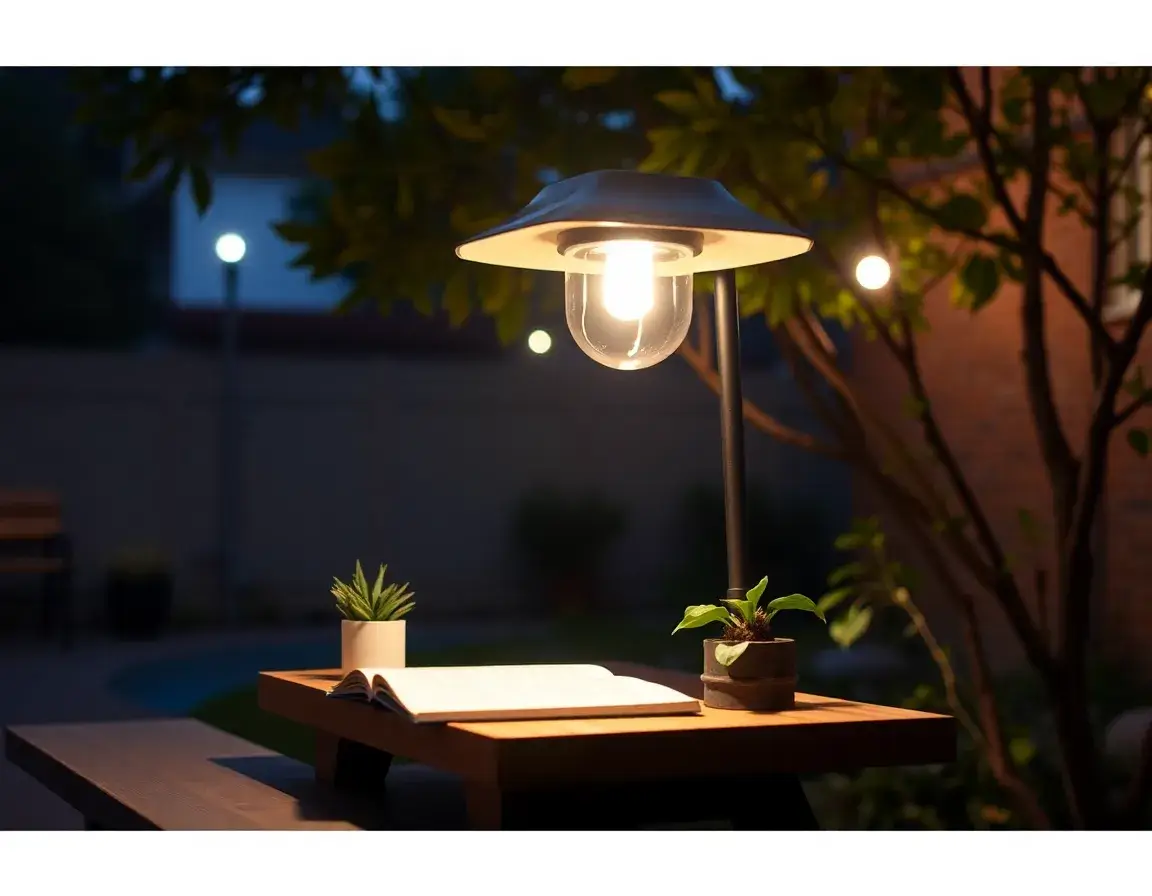
Solar lights solve this challenge elegantly. These fixtures illuminate outdoor classrooms without permanent wiring or electrical installation. Your learning spaces function fully throughout evening hours. Student activities extend naturally without rushing to finish before dark. The outdoor environment becomes a complete learning venue supporting all educational goals.
The sustainability aspect creates powerful educational moments. Students learn renewable energy by studying systems they use daily. Abstract environmental concepts become concrete and personal. Your school models the sustainable practices students need to understand for their future. Environmental literacy grows through direct experience with working solar technology.
DESIGNING OUTDOOR LEARNING SPACES WITH SOLAR ILLUMINATION
Outdoor classroom areas need lighting supporting specific learning functions. Study zones require sufficient brightness for reading and writing. Demonstration areas need clear visibility for showing experiments or techniques. Gathering spaces work with softer ambient lighting creating comfortable gathering areas. Pathway lighting enables safe movement between spaces.
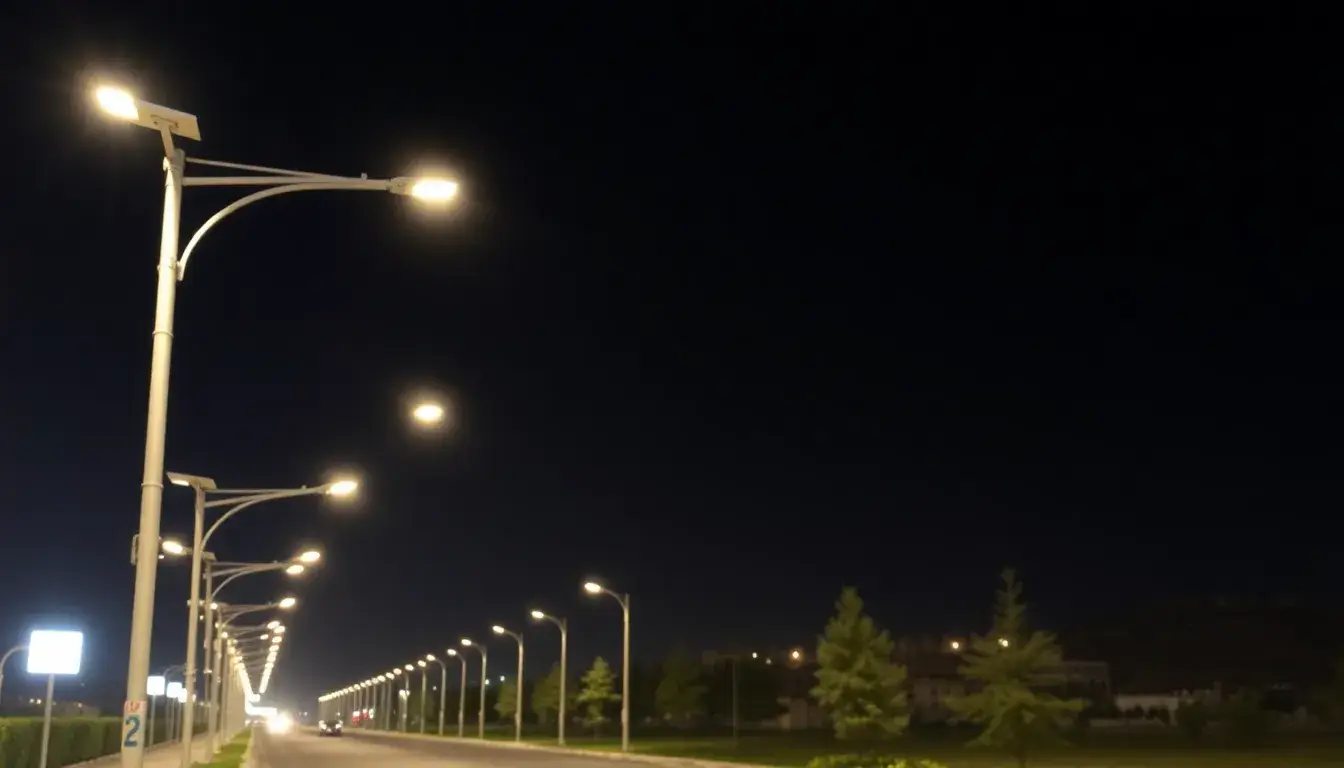
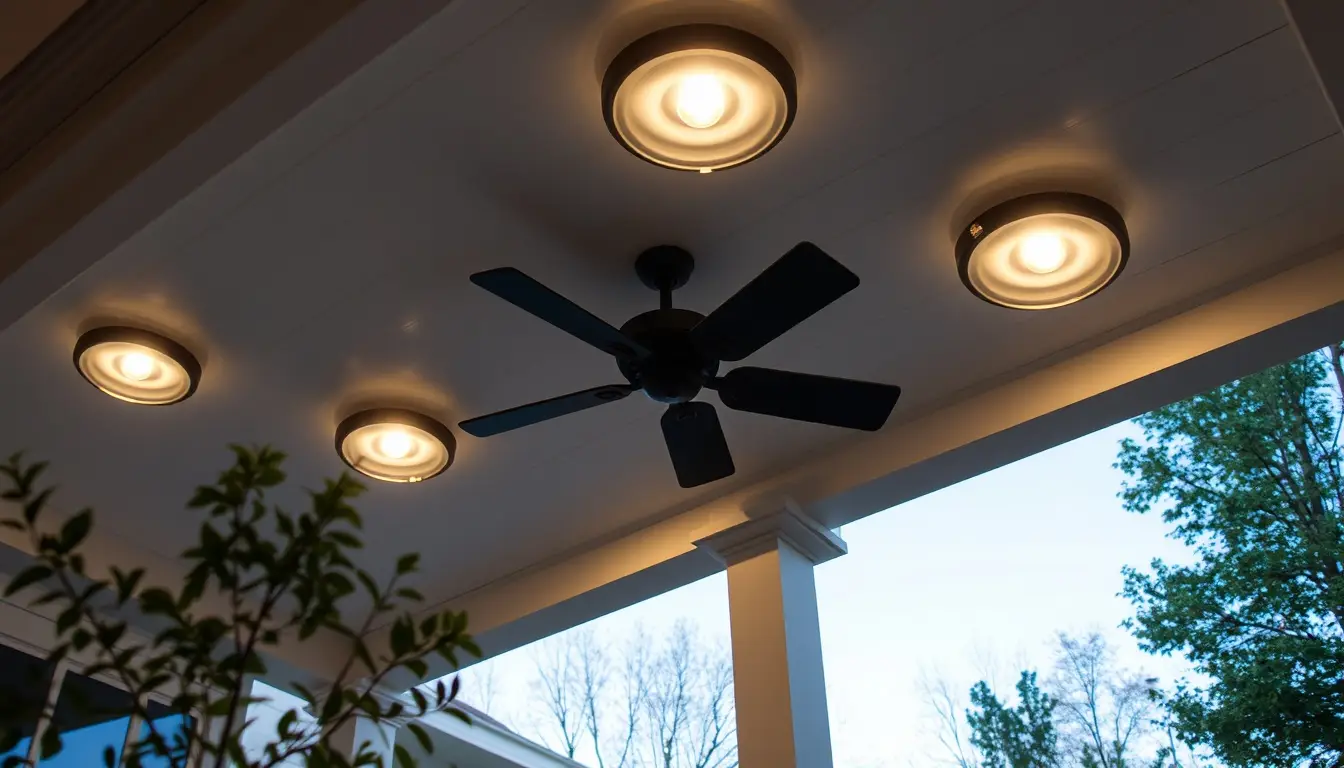
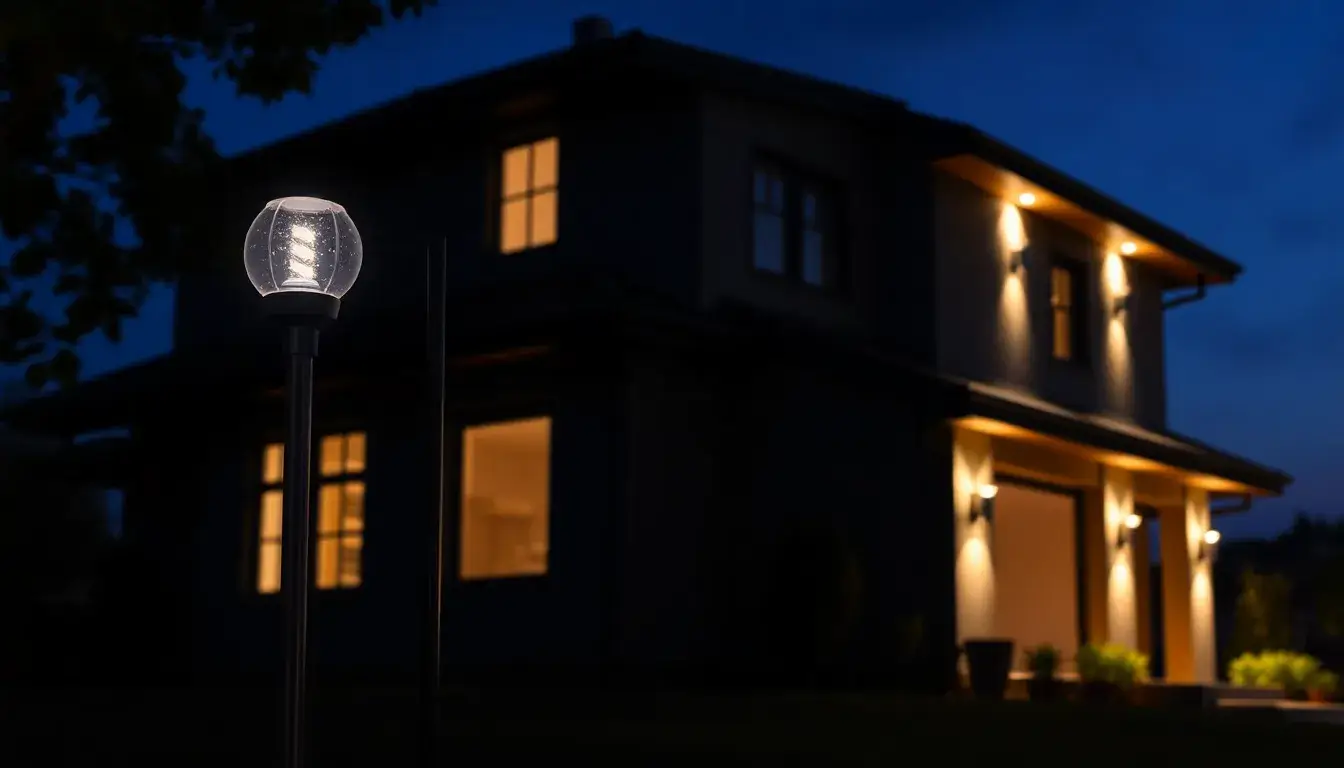
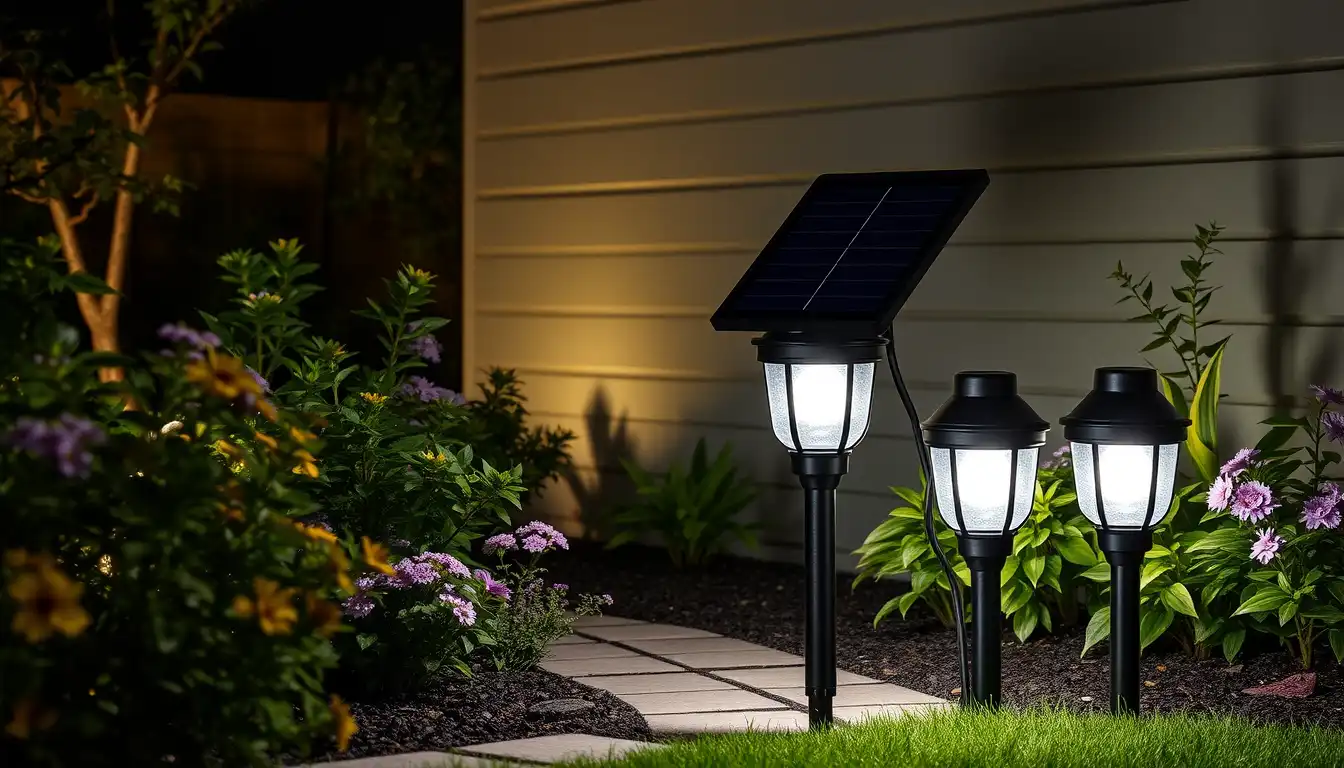
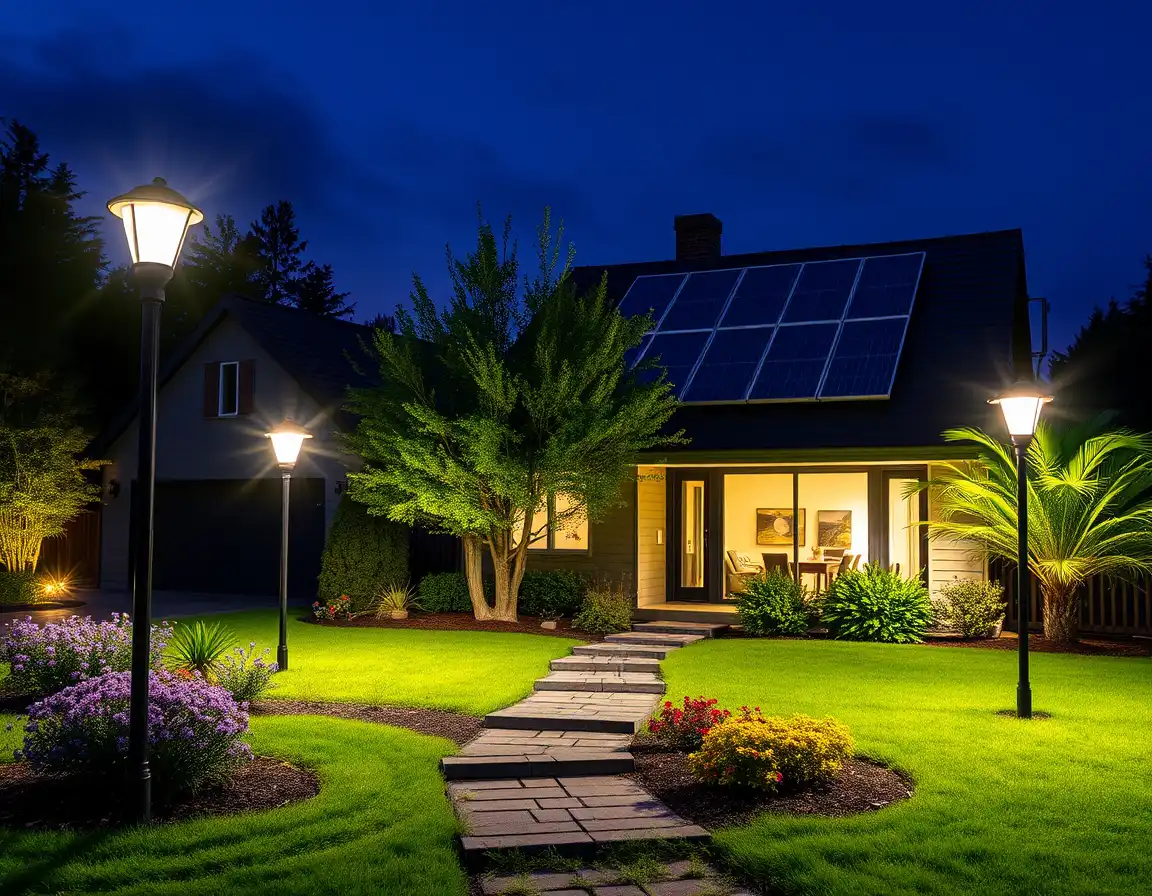
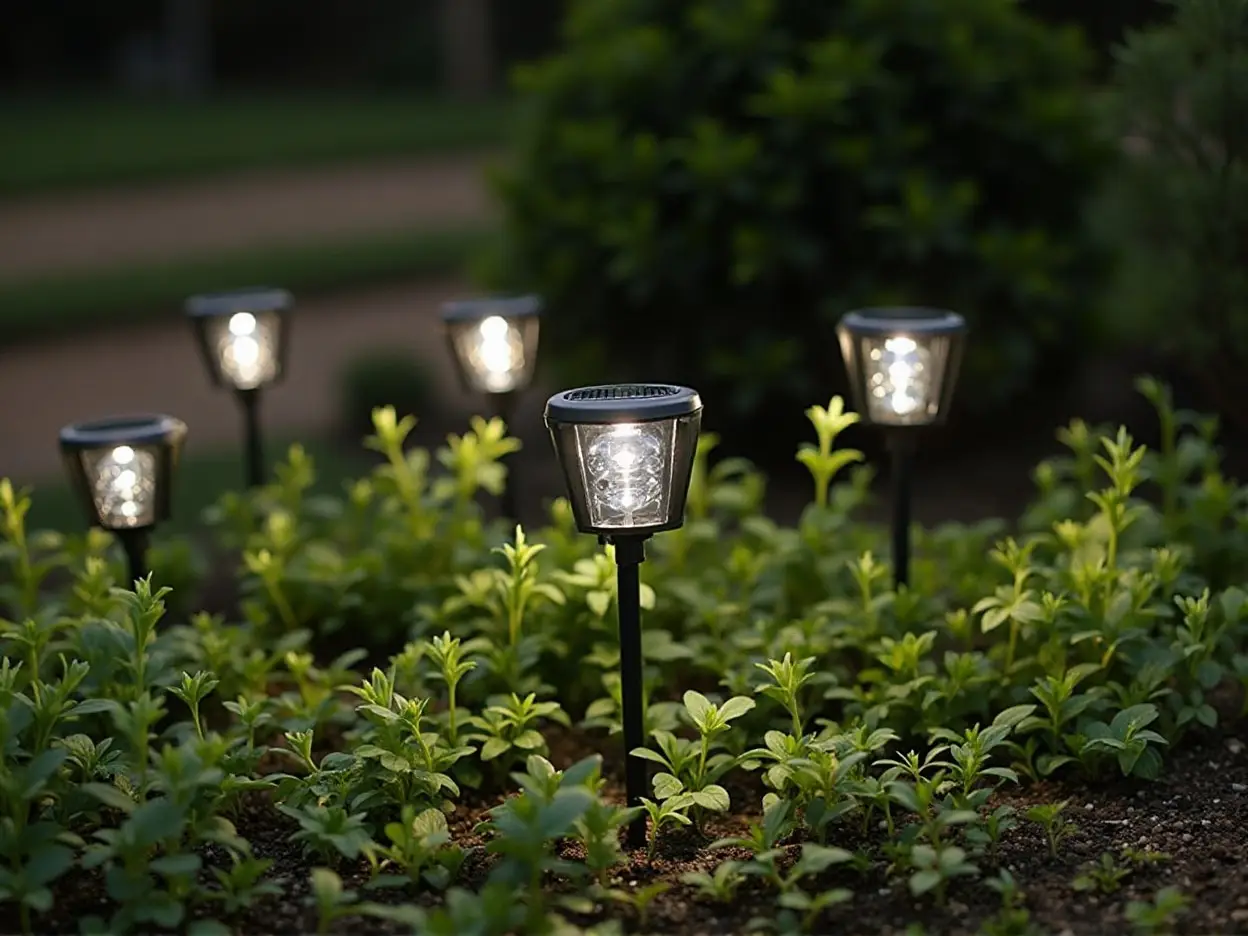
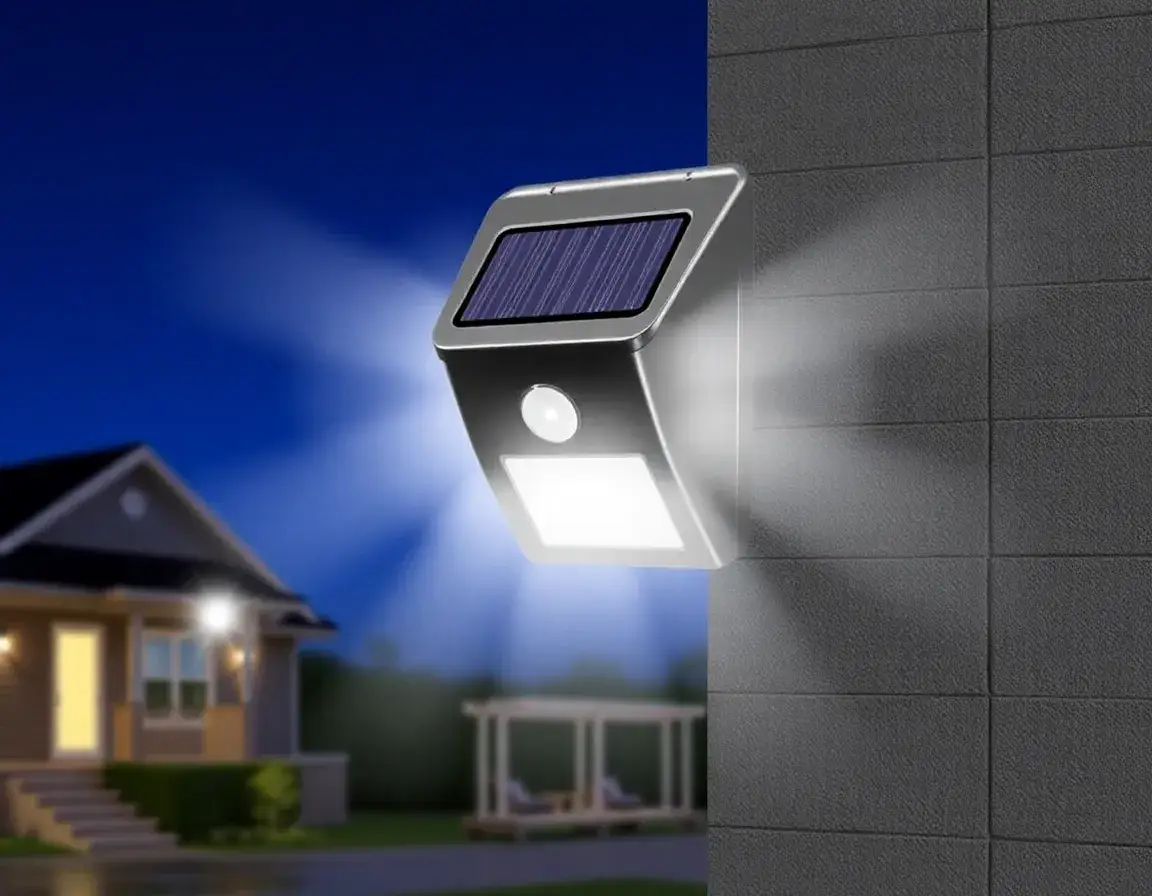
Fixture placement affects both learning and aesthetics. Overhead post lights provide general illumination across open areas. Wall-mounted fixtures illuminate vertical surfaces where demonstrations occur. Pathway lights create safe routes between learning stations. Accent lighting highlights specific features or creates focal points. Combining multiple types creates layered lighting serving different functions simultaneously.
Student involvement increases engagement and learning outcomes. Asking students to design lighting systems combines technology and environmental science. Having students maintain solar panels teaches equipment responsibility. Displaying real-time performance data helps students understand renewable energy generation. Students become invested in spaces they help create.
Seasonal variations affect teaching schedules. Winter months with shorter daylight may limit evening programming. Spring and fall offer optimal conditions for extended outdoor learning. Summer flexibility allows scheduling around peak heat. Understanding seasonal patterns helps teachers plan effectively. Solar systems adapted to your climate maximize learning opportunities.
Budget considerations shape implementation strategies. Starting with essential lighting in primary learning areas provides foundation. Expanding gradually as funding becomes available prevents overwhelming initial investment. Student fundraising projects can support system expansion. Grant opportunities for environmental education programs reduce costs significantly.
Equipment durability matters for school environments. Weather-resistant fixtures survive sports activities and harsh conditions. Vandal-resistant designs withstand student impact. Low-maintenance systems reduce staff workload. Quality construction ensures systems function reliably for years supporting learning goals.
HOW SOLAR LIGHTING SUPPORTS ENVIRONMENTAL EDUCATION
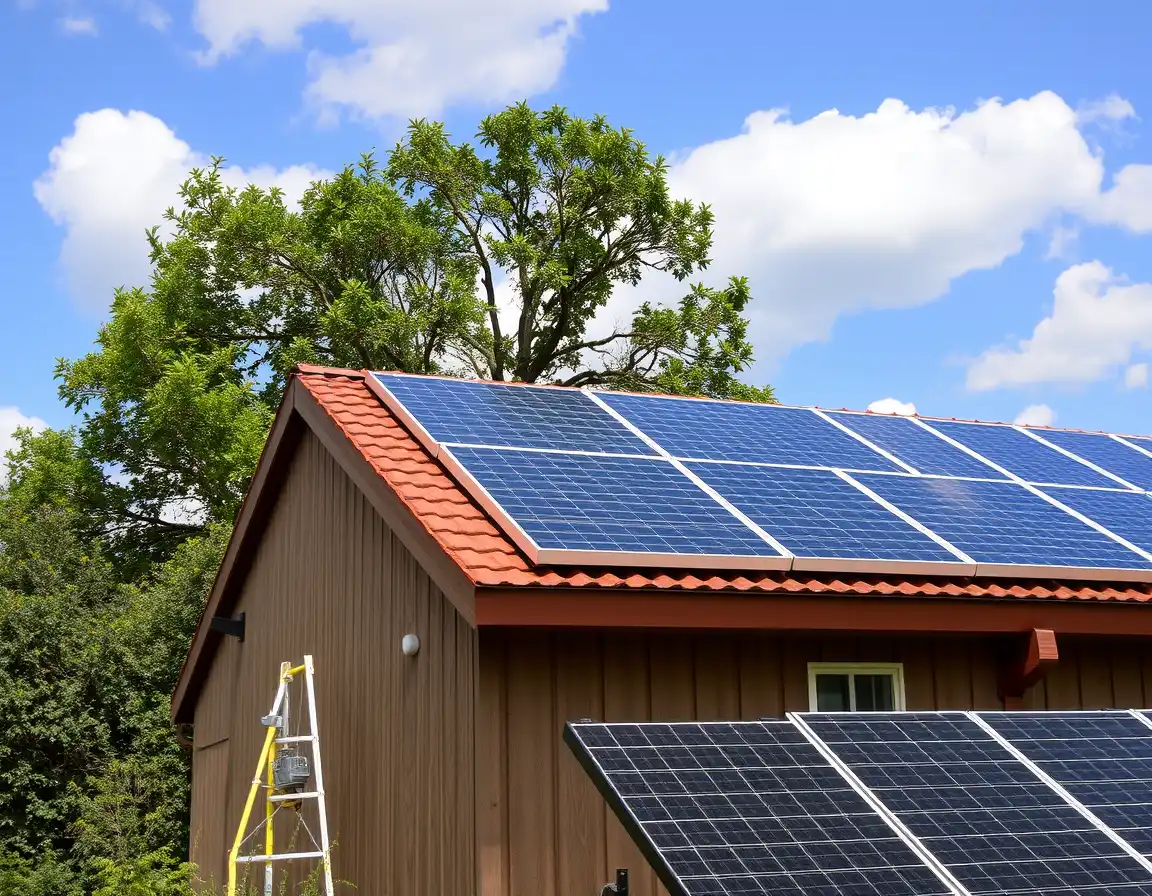
Students understand climate science through direct observation. Solar panels demonstrate how renewable energy works. Energy production data becomes real rather than abstract numbers. Students track seasonal variations in solar output. Weather patterns connect to energy generation. The relationship between environmental conditions and energy becomes tangible.
STEM curriculum integration happens naturally. Physics students study light angles and energy conversion. Math students calculate efficiency percentages and system performance. Environmental science students learn sustainability practices. Technology courses explore smart monitoring systems. Multiple subjects benefit from one integrated learning system.
Outdoor classroom sustainability creates living laboratory experiences. Students observe how systems operate in real conditions. Maintenance activities teach practical skills. Energy production data connects to environmental impact. Students develop systems thinking understanding complex relationships. Hands-on experience surpasses classroom-only instruction significantly.
Environmental stewardship develops through direct participation. Students taking responsibility for systems develop ownership. Maintaining equipment teaches sustainability as ongoing commitment rather than abstract concept. Contributing to school sustainability initiatives builds environmental identity. Students become advocates for renewable energy and environmental protection.
Future career interest develops through exposure. Students considering environmental or engineering fields discover interests through practical experience. Seeing renewable energy systems operate creates educational pathways. Career guidance happens through direct engagement with technology. Students make informed decisions about academic futures based on genuine interest.
Community education happens when families observe outdoor solar systems. Parents learn about renewable energy through school demonstrations. Community members develop environmental awareness seeing sustainability in action. Schools become educational resources beyond student instruction. Ripple effects extend environmental understanding throughout the community.
ADVANTAGES FOR SCHOOLS AND LEARNING OUTCOMES
Cost elimination over time provides substantial budget relief. Schools reduce electricity expenses for outdoor lighting. Savings accumulate year after year providing ongoing budget relief. Redirected funds support classroom resources and teacher salaries. Financial sustainability improves as electricity costs continue rising. Traditional systems lock schools into increasing utility expenses while solar systems provide stable long-term costs.
Safety improvements create secure outdoor environments. Adequate illumination prevents tripping hazards. Evening classes happen confidently with clear visibility. Parking areas and pathways become secure spaces. Students navigate campuses safely during extended hours. Security increases when outdoor areas are properly lit and visible.
Curriculum enhancement opportunities expand significantly. Outdoor learning complements traditional classroom instruction. Multiple subjects integrate environmental education. Student engagement increases through varied learning environments. Academic performance improves when instruction accommodates diverse learning styles. Outdoor spaces provide relief from classroom confinement.
Environmental values development becomes integrated into daily experience. Students live sustainability rather than studying it theoretically. Renewable energy becomes part of campus culture. Environmental consciousness develops through consistent exposure. Students graduate with environmental literacy and sustainable practices embedded in their values. Long-term societal impact grows through educated citizens.
Campus aesthetics improve with thoughtful outdoor lighting. Well-designed outdoor spaces attract visitors and donors. Modern sustainable design conveys forward-thinking institution image. Physical beauty enhances sense of community. Pride in school spaces increases when they function well and appear intentional. Property values increase in surrounding communities benefiting from improved aesthetics.
Staff professional development opportunities emerge naturally. Teachers learn renewable energy systems through integration. Facility staff develop expertise in solar maintenance. Professional learning communities form around sustainability initiatives. Staff engagement increases when working toward environmental goals. Workplace satisfaction grows through meaningful work toward larger purposes.
Grant funding opportunities become available for solar education projects. Many foundations support outdoor learning and environmental education. Federal programs provide funding for school sustainability initiatives. State and local grants often prioritize green school projects. Combined funding sources reduce financial burden significantly. Schools pursuing solar installation discover substantial funding support available.
DISADVANTAGES AND REALISTIC CONSIDERATIONS
Weather dependency affects charging and operation. Cloudy periods reduce energy generation. Winter months with limited daylight reduce system output. Snow covering panels eliminates charging temporarily. Users must plan for seasonal variations. System reliability requires backup capacity or flexibility.
Initial installation costs require upfront investment. Quality solar systems cost more than basic electrical lighting. School budgets face constraints limiting initial spending. Grant funding helps but doesn’t eliminate all costs. Long-term savings justify initial investment but upfront expense creates barriers. Phased implementation spreads costs across multiple years.
Maintenance responsibilities require system management. Panel cleaning maintains charging efficiency. Monitoring system performance identifies problems. Battery replacement happens eventually. Equipment aging requires eventual system replacement. Neglected systems underperform. Staff time commitment needed for system management.
Technical expertise may require external support. Installation might need professional assistance. Complex monitoring systems require technical knowledge. Troubleshooting failures may require expert help. Training staff on system operation is essential. Learning curve exists before confident system management.
SUMMARY
Solar lights for education transform outdoor learning spaces into functional venues supporting evening classes, student research, and environmental education programs. Installation in outdoor classrooms, pathways, and study areas supports varied learning activities from demonstrations to group study. Solar panels charge during daylight storing energy for automatic evening illumination lasting eight to twelve hours. Real benefits include extended learning hours, cost elimination over time, safety improvements, curriculum enhancement, environmental values development, campus aesthetics, staff professional development, and grant funding opportunities. STEM integration happens naturally through renewable energy systems. Student engagement increases through outdoor learning environments. Environmental literacy develops through direct experience with sustainable technology. Environmental stewardship grows through system participation. Career interest develops through practical exposure. Community education extends beyond student instruction. Advantages include long-term cost savings, improved safety, curriculum enhancement, environmental responsibility, improved aesthetics, professional development, and funding access. Disadvantages include weather dependency, initial investment requirements, maintenance responsibilities, and technical expertise needs. Successful implementation requires site assessment, seasonal planning, student involvement, equipment quality prioritization, and grant funding pursuit. Schools transforming learning through outdoor solar-lit classrooms demonstrate educational leadership while supporting student success and environmental consciousness development.