Table of Contents
The Real Problem With Winter Solar Lights
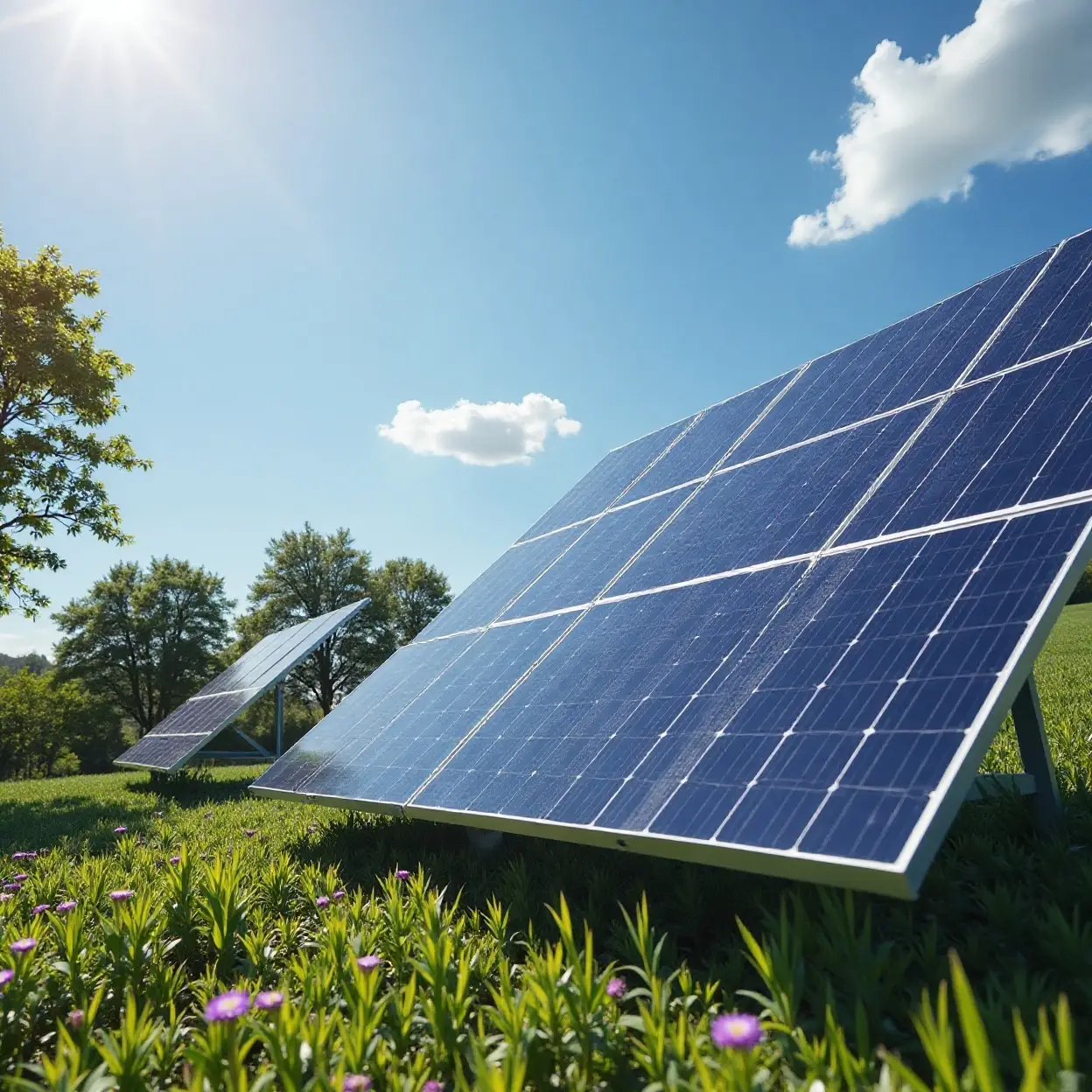
So basically, your solar lights just don’t get enough juice in winter. The sun barely shows up. Where you live probably gets like 8 or 9 hours of actual sunlight in winter instead of 14 hours in summer. That’s half the charging time right there.
Then the clouds move in and block everything. Winter means more gray days. Your panels sit there waiting for sunlight that never comes. The battery inside gets weaker too because cold does weird things to batteries. When it’s freezing outside, batteries just don’t work right. They hold way less charge. You’ve probably noticed this with regular batteries too, right? Your phone dies faster in winter.
Snow on top of your light kills the whole thing. You put snow on that panel and boom, hardly any light gets through. Frost forms on the surface and that blocks things too.
Why Cold Literally Breaks Batteries
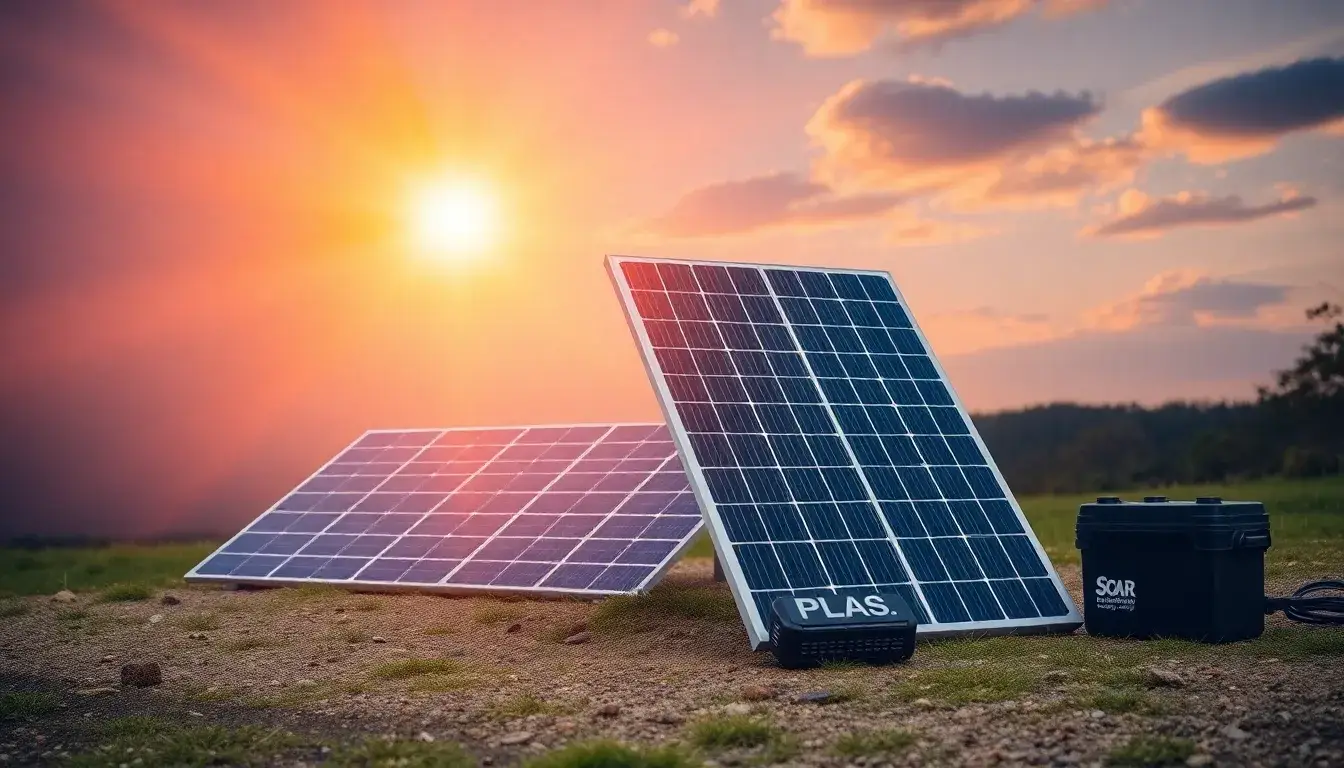
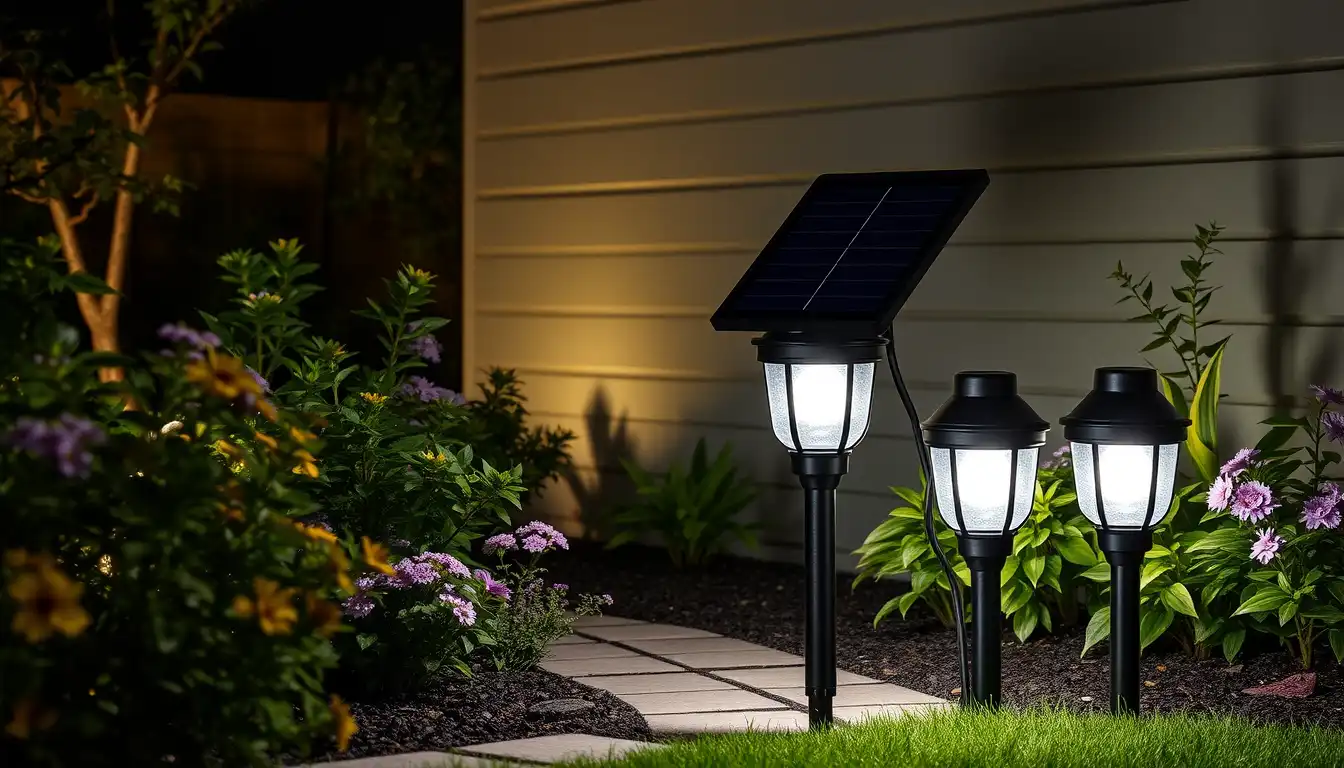
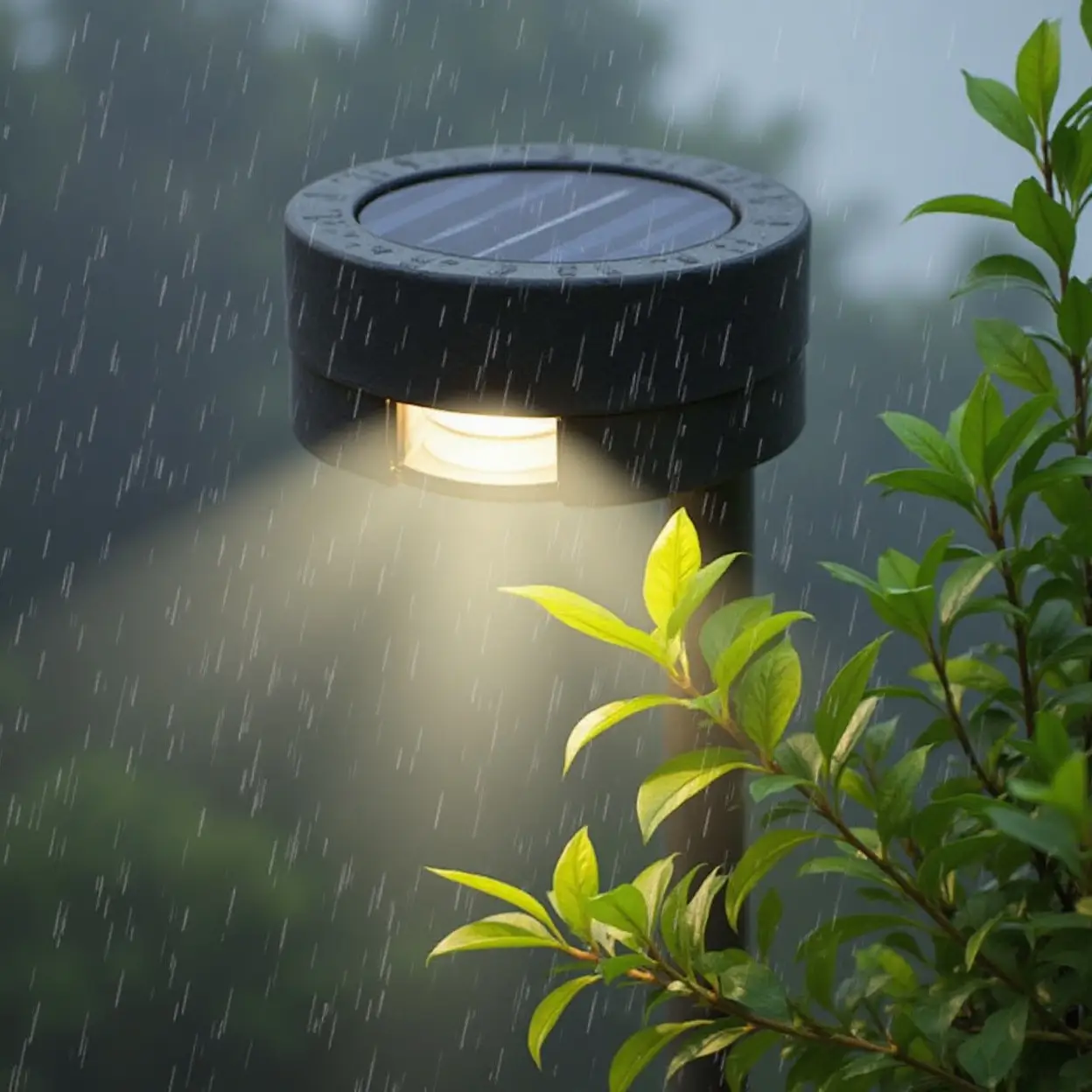
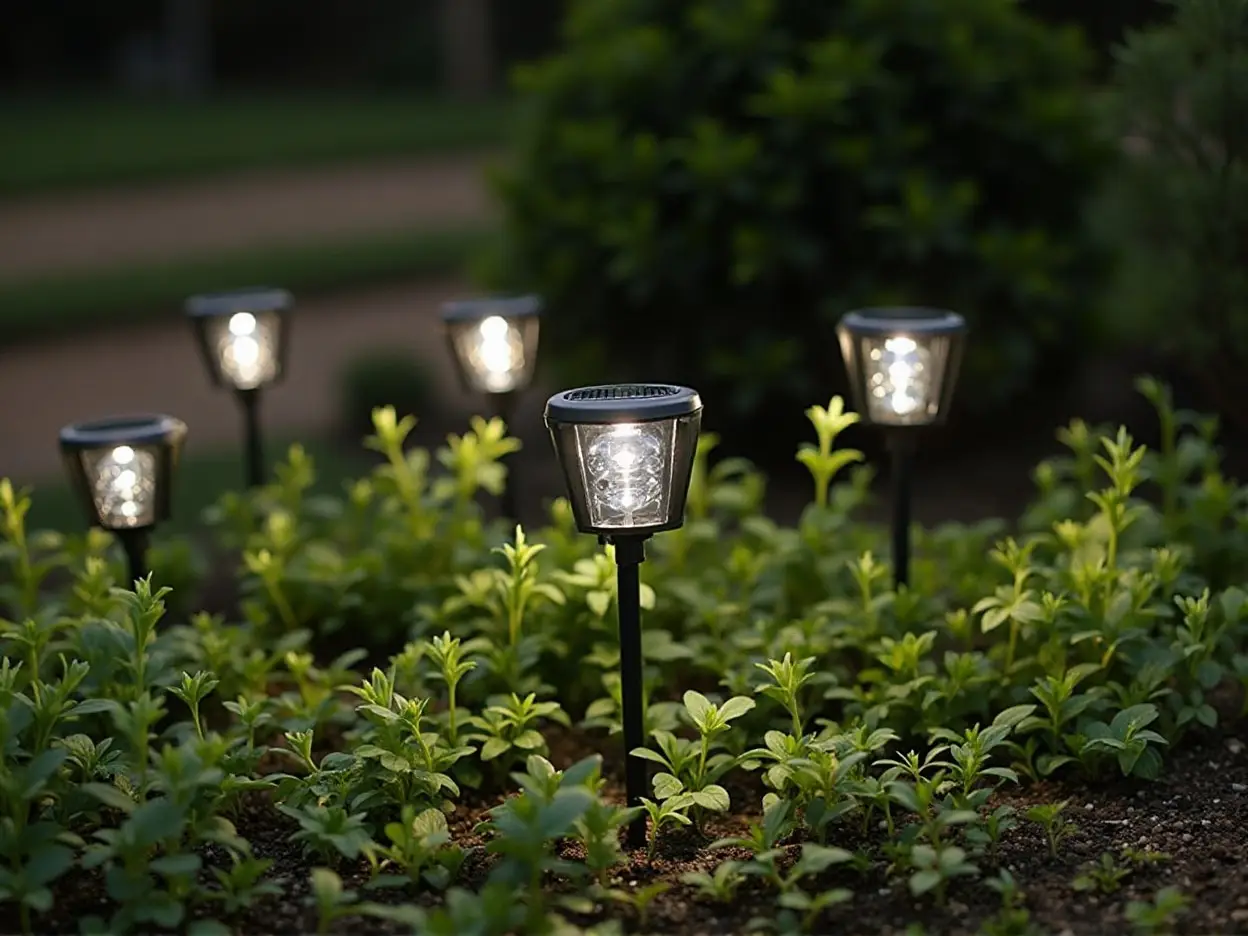
Here’s what’s happening inside your solar light. You’ve got a little solar panel that soaks up sun and charges a battery. When the sun goes down, that battery powers a LED bulb all night.
In winter, that battery just chills out. Cold makes chemistry slow down. The reactions that store power in the battery move slower. So less power gets stored. Your light still turns on, but it doesn’t last as long. Winter nights are longer too, so your light needs to run for 15 or 16 hours instead of 8 or 9. The battery runs out faster.
Alkaline batteries are basically useless in cold. They fail hard. Lithium batteries do better but still get tired. This is why cheap solar lights die in winter. Good solar lights use better batteries that handle cold.
Move Your Lights to Catch Winter Sun
Where you put your light matters way more in winter than summer. Summer sun comes from high up, so it hits almost anywhere. Winter sun comes from the side and low. You need to catch that low angle light.
Put your lights where they get sun all day long. South-facing spots are your best bet if you’re in the northern part of the world. If trees are hanging over those spots in winter, move the light. Same with buildings or fences that throw shadows. Winter shadows fall differently than summer shadows. What’s sunny in July might be totally shaded in January.
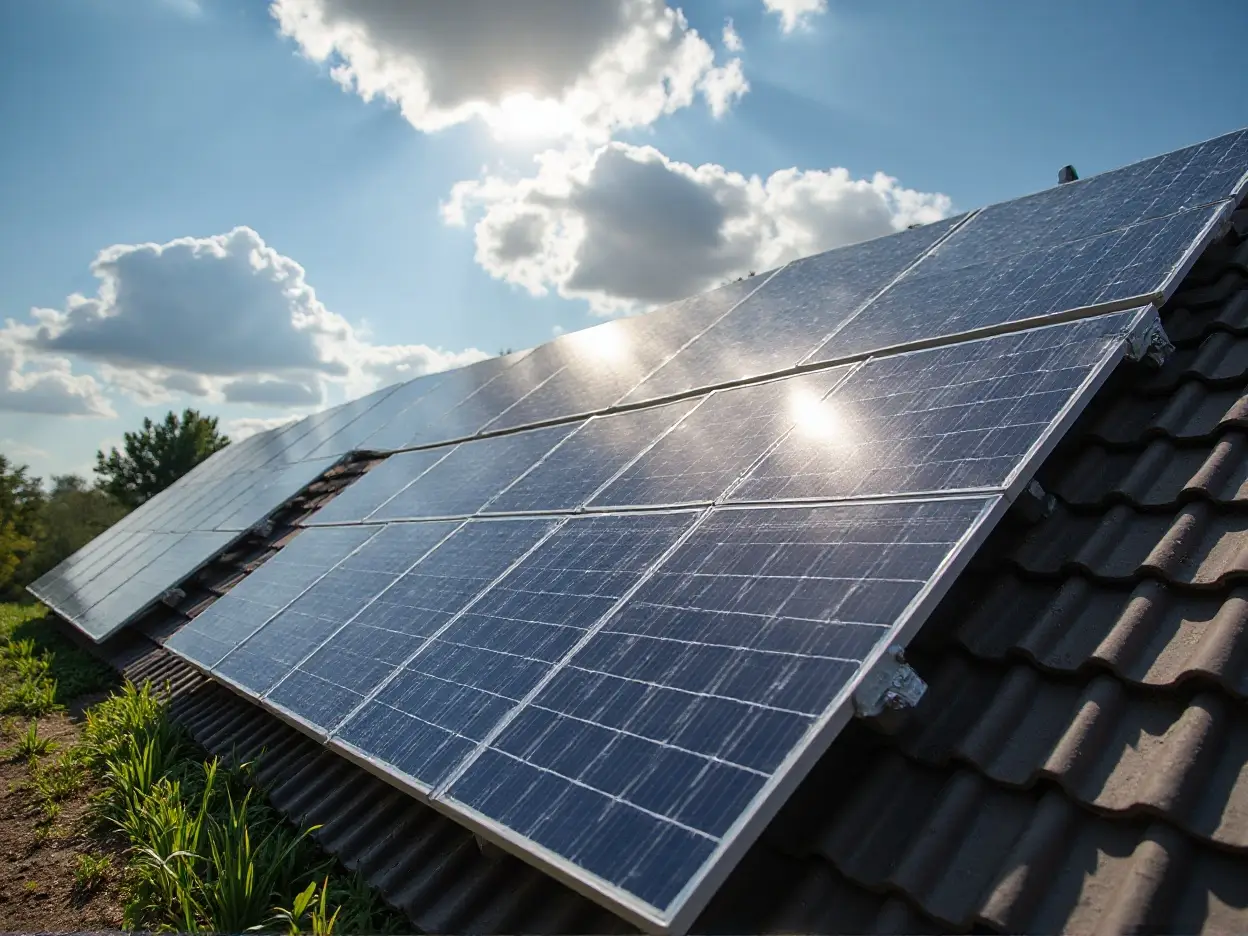
Some people angle their panels steeper in winter. If your light panel sits flat, try tilting it toward where the low sun comes from. You’ll see a real difference in how bright your light gets at night.
Just Clean Your Panels Already
Dirty panels don’t charge. Period. Winter makes panels dirty fast. Rain, snow, frost, dust, all that stuff sticks to your panel.
Wipe them down once a week in winter. Use a soft cloth and some warm water. Don’t scratch them up with rough stuff. Just a gentle wipe. If snow piles up on the light, brush it off by hand. Takes like two minutes and your light will charge way better.
Check your panels after bad weather. Storm came through? Go wipe them. Snow melted? Frost probably left residue on there. Quick clean and you’re good.
Get Better Solar Lights for Winter
Not all solar lights are made the same. Cheap ones break in winter. Good ones keep working.
When you’re buying new lights, look for these things:
- Lights with lithium batteries inside
- Solar panels that are bigger and more powerful
- Really weatherproof casings
- Lights that actually work below freezing
- Bigger batteries that store more power
Yeah, they cost more. But a good light works for years. A cheap light dies after one winter. Do the math.
The USB Charger Trick
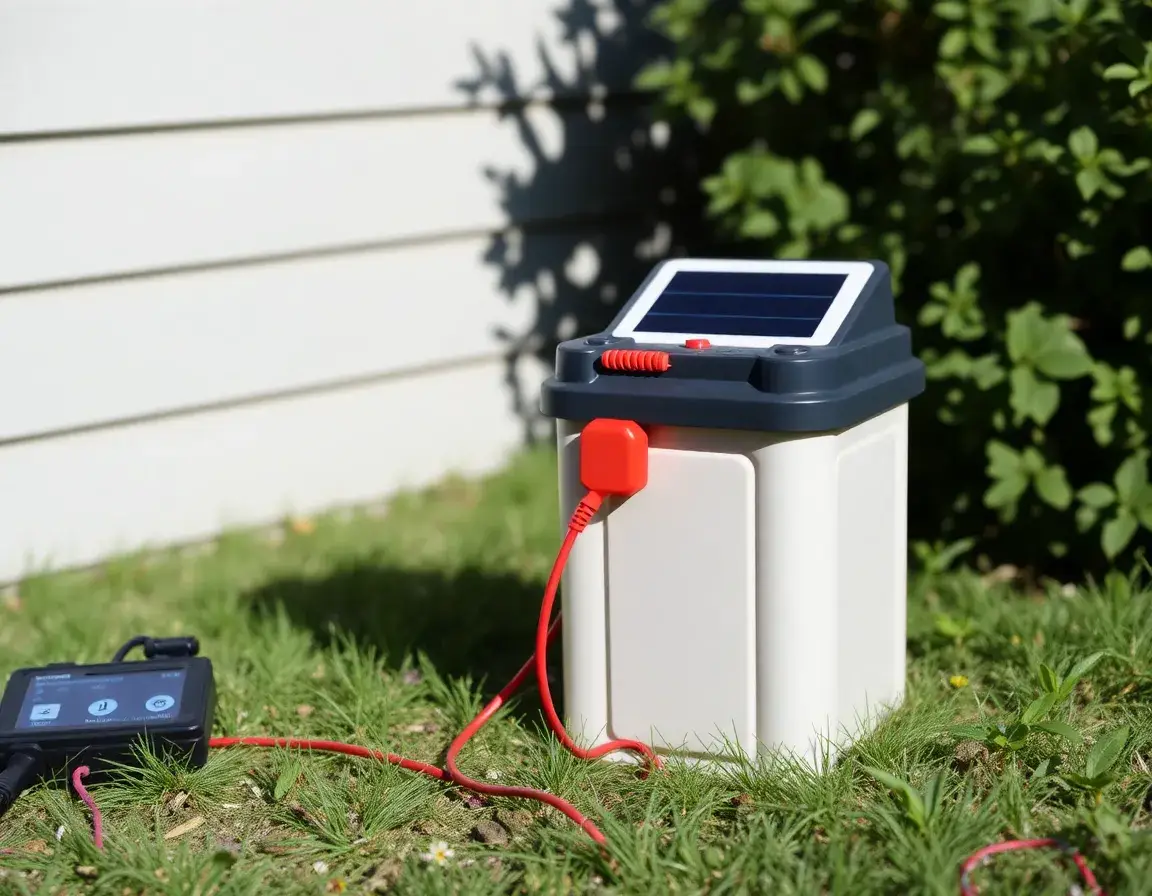
Some solar lights let you charge them with a USB cable or regular power. This is your secret weapon for bad winters.
When you get a week straight of clouds or heavy snow, just plug it in for a couple hours. Charges it right up. Your light stays bright all night instead of getting dimmer and dimmer.
Don’t make this your main way of charging. Use it when winter gets really bad. Just a backup plan. Check if your lights have this option. Some do, some don’t.
Keep Your Battery From Freezing Solid
Cold battery equals dead battery. Well, not dead, just super slow.
If you have lights you can bring inside, do that on the coldest nights. Let the battery warm up. Then put it back out. Weird trick but it works.
For lights that stay outside, make sure they’re covered well. The casing should protect the battery from getting too cold. That’s why expensive lights last longer. Better protection inside.
Make Your Light Dimmer in Winter
Some lights let you turn down the brightness. Do that in winter. Your battery lasts way longer if the light isn’t super bright.
Your light runs 15 hours at half brightness instead of 8 hours at full brightness. That’s better than nothing.
Fancy lights have sensors that make themselves dimmer automatically when the battery gets low. Those are nice because you don’t have to think about it.
Check That Nothing’s Frozen Shut
Winter does damage. Water gets in cracks, freezes, and breaks things. Your light sensor might get iced over. When frost covers the sensor, the light thinks it’s still daytime. So it never turns on.
Wipe off ice and frost from the sensor part. Look at all the screws and make sure nothing’s loose. Water pooling inside a light is bad. Deal with that right away.
Every month in winter, just check your lights. Takes five minutes. Better than finding they’re broken in February.
Common Winter Light Problems
Your light gets really dim or won’t turn on at all. Usually the battery died. Happened in fall already? Time to replace it. Batteries only last a few years anyway.
Light turns on late at night instead of at dusk. That means it didn’t charge enough during the day. Move it to a sunnier spot or clean the panel more.
Light stays on during the day sometimes. Frost or dirt on the sensor. Wipe it clean.
Plan Now Before Winter Hits
Do this in October or November. Check every light you own. Are the batteries good? Is the panel clean? Does everything work? Replace anything that looks bad now, not in January when it’s freezing.
Cut back tree branches that will shade your lights in winter. Move lights to better spots now. Test everything at night to make sure it works.
Small stuff done in fall saves you stress in winter.
Summary
Solar lights get lazy in winter because the sun hangs low and clouds show up constantly. Cold temperatures mess with your battery too. But here’s the thing, they still work if you know what to do. This guide walks you through why winter is tough on solar lights and what you actually do to keep them running all season.