Table of Contents
Solar batteries rely on light, not just sunlight. When the sun is not available, you have several practical options to keep your battery charged. Each method works at a lower efficiency than direct sunlight, so managing your expectations matters here.
Use Artificial Indoor Lighting
Position your solar panel under an incandescent bulb, as close as possible to the light source. Leave it to charge for 6 to 12 hours. Use a 60-watt to 100-watt bulb for faster results.
For panels made from monocrystalline or polycrystalline cells, incandescent bulbs charge faster than cool-white LEDs. Their light spectrum sits closer to natural sunlight. For amorphous silicon panels, found in smaller decorative lights, cool-white LED or fluorescent bulbs work better.
Use a USB Charger or Wall Outlet
Many modern solar lights feature USB charging ports. This is the fastest and most reliable method when sunlight is not available. Connect them to power banks, computers, or any USB power adapter.
Some solar lights charge from a regular wall outlet. Plug them in for a quick charge when sunlight is low.
Charge Through a Window
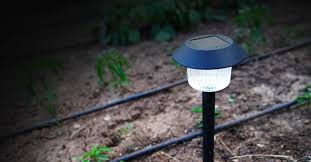
Bring your solar lights indoors and place them by a window during the day, where daylight hits directly. Solar lights charge through glass because photovoltaic cells absorb the right light wavelengths even indoors.
Cold days work better for this. In colder temperatures, electrons inside the solar panel produce less erratic movement, resulting in a higher voltage difference and more energy output.
Use Reflective Surfaces
Mirrors, aluminium foil, or reflective panels direct additional light onto your solar cells. Angle them to capture direct or ambient light and focus it onto the panel. Keep reflective surfaces free of dust and dirt for best results.
In winter, snow on the ground reflects up to 80% of sunlight. Angling your panel slightly toward a snowbank captures this reflected light, effectively doubling your charging input.
Remove Batteries and Charge Separately
If your solar light uses removable batteries, take them out and charge them with a regular battery charger. Make sure the replacement or charged battery has the same voltage as the original to avoid damage.
Deep Charge the Battery
Turn your solar light off for 48 to 72 hours. This lets the battery collect and store energy without any drain from the light itself. Doing this once a month extends the overall lifespan of your battery.
Use a Portable Power Station
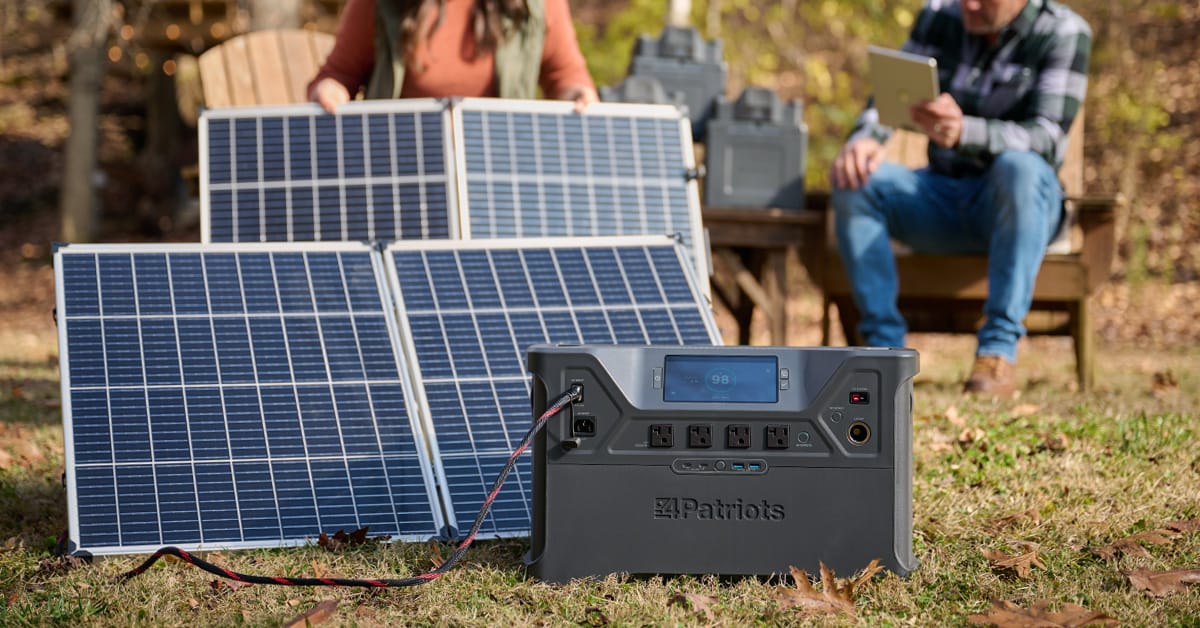
Portable power stations store energy and charge solar lights when sunlight is limited. They work indoors and outdoors and support most household devices.
Charge on Cloudy Days
Solar panels still generate energy on cloudy days because photovoltaic cells respond to a part of the electromagnetic spectrum beyond visible sunlight. Keeping your panel fully exposed to indirect light throughout the day helps collect usable charge.
Key Facts to Know
- A fully charged solar street light battery provides lighting for 5 to 7 sunlight-free days.
- Never use an artificial light source to charge a solar panel while it is simultaneously running at night. Attempting to charge an active battery accelerates damage and reduces its sensitivity over time.
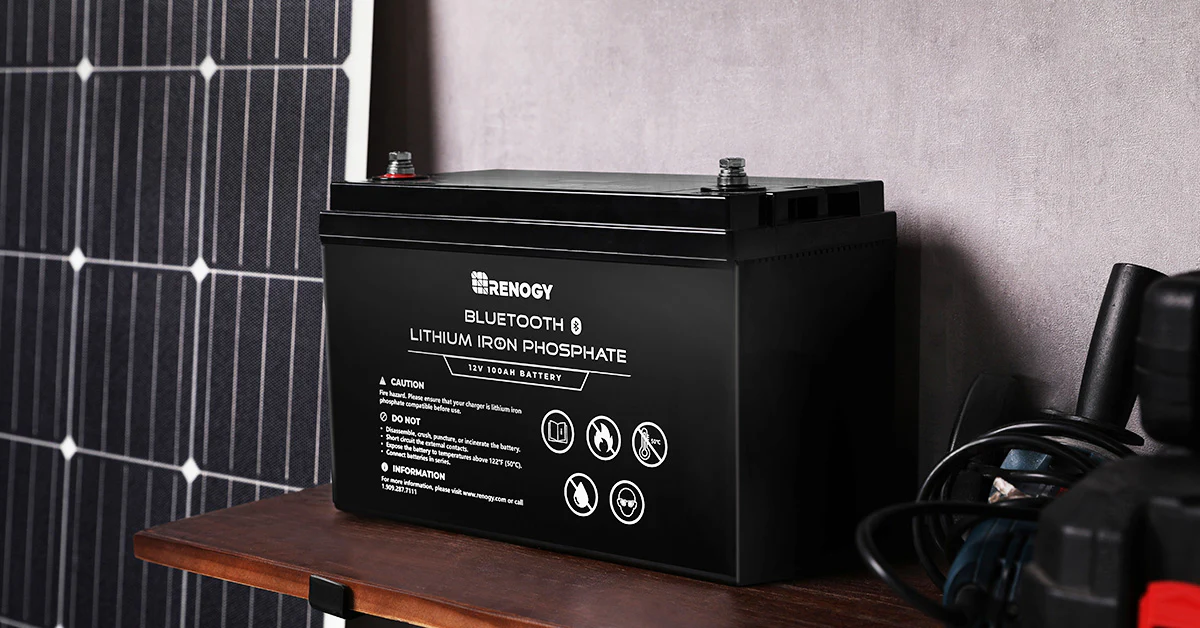
- Budget solar lights use NiMH batteries with a memory effect that reduces capacity over time. Lithium Iron Phosphate batteries handle temperature extremes better and charge faster.
Summary
Charging a solar battery without sun is possible. You have eight working methods available, from indoor lighting and USB chargers to reflective surfaces and portable power stations. None replace direct sunlight in terms of efficiency. Treat them as reliable backups, not permanent solutions. If low sunlight is a regular problem for you, invest in a larger panel-to-battery ratio system. That single upgrade solves most charging problems before they start.