Table of Contents
You’ve probably seen solar panels on roofs, in ads, or on your neighbor’s shed, and you get the general idea sunlight goes in, electricity comes out. But when you actually try to figure out if solar makes sense for you, the simple questions get complicated fast. Does one panel power your whole house or just a lightbulb? Do they still work when it’s cloudy, raining, or snowing? What size do you actually need for your home, your AC, or even just a weekend camping trip?
This guide walks through all of it in plain language what a solar panel is, how it works, what separates a good one from a mediocre one, when it actually produces power, how to size a system for your needs, and how well panels hold up over 25+ years. Wherever a topic deserves a deeper dive, we’ve linked to a full breakdown so you can go as deep as you want.
Whether you’re comparing installer quotes, planning a small off-grid setup, or just trying to figure out if solar is worth it before you spend a dollar, the goal here is the same: by the end of this guide, you should be able to look at any spec sheet or sales pitch and actually know what it means for your situation not just nod along.
What Is a Solar Panel?
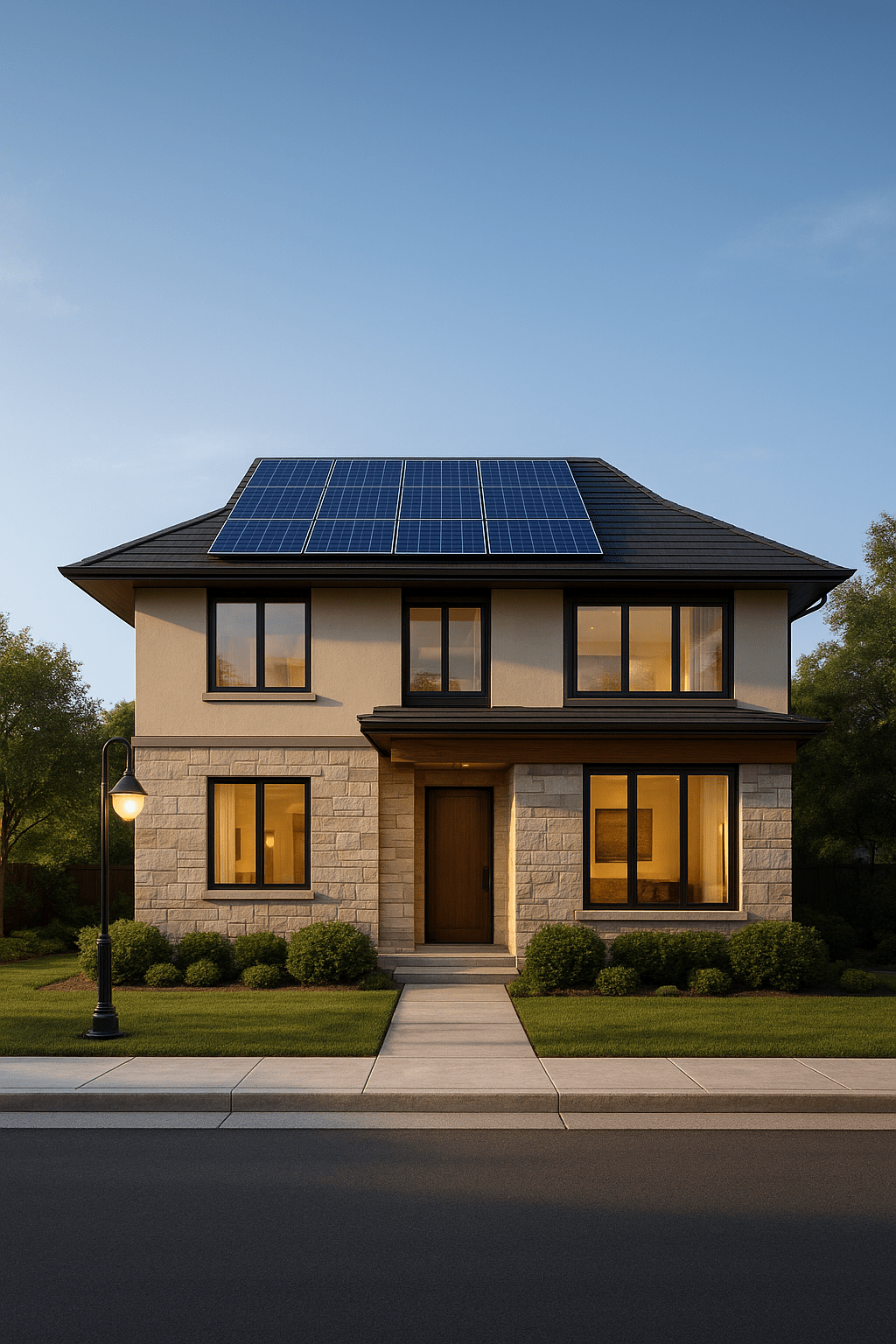
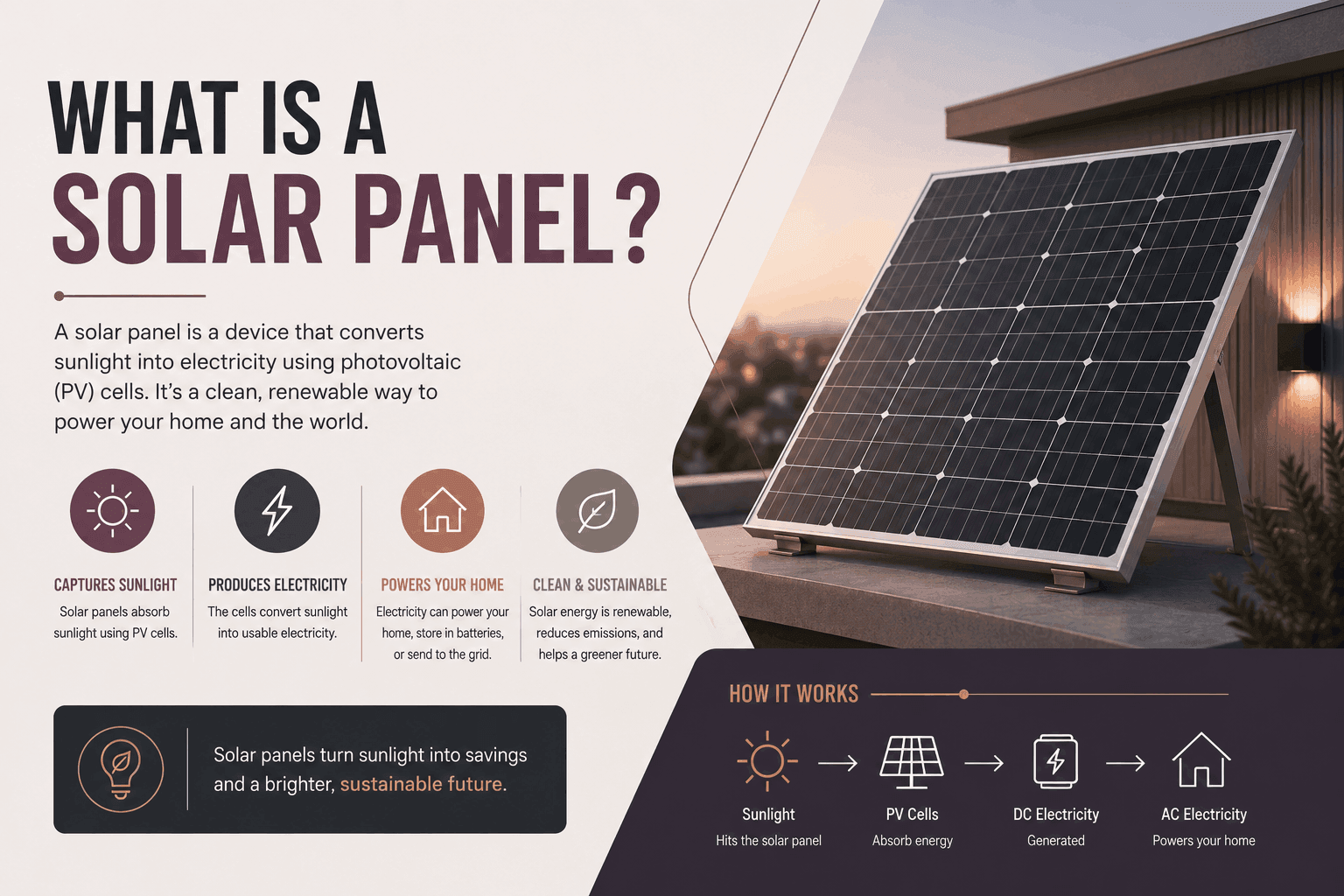
A solar panel is a device that converts sunlight directly into electricity. It’s built from dozens of small units called solar cells, wired together and sealed under glass, which is why a panel looks like a grid of small squares.
Think of it like a leaf. A leaf takes sunlight and turns it into energy the plant can use. A solar panel does the same thing, except instead of feeding a plant, it feeds your home, your battery bank, or the electrical grid. No moving parts, no fuel, no combustion just sunlight hitting a material that happens to release electrons when light hits it.
That’s the whole concept in one sentence: sunlight in, electricity out. Everything else panel types, wattage, brands, system sizing is really just detail on top of that one idea.
A single panel by itself is rarely the full story, though. In almost every real-world setup, panels are grouped into an “array,” wired together, and paired with an inverter and often a battery the panel is just the part that actually captures the sunlight. When people ask “how many solar panels do I need,” they’re really asking about the whole system, not one panel in isolation, which is worth keeping in mind as you work through sizing later in this guide.
How Does a Solar Panel Actually Work?
Here’s the short version, without the physics lecture:
- Sunlight hits the solar cells inside the panel.
- The cells are made of silicon, a material that releases electrons when photons (light particles) strike it.
- That movement of electrons creates direct current (DC) electricity.
- Since almost everything in your house runs on alternating current (AC), an inverter converts the DC electricity from the panel into usable AC power.
- That power either runs your appliances directly, charges a battery, or gets sent back to the grid.
That’s it. No storage tank of “sun” inside the panel, no chemical reaction that runs out it’s a direct, real-time conversion. The moment the sun stops hitting the panel, the electricity generation stops too, which is exactly why when the sun hits your panels matters as much as how many panels you have.
This is also why panel angle and placement come up so often in solar planning. A panel doesn’t just need sunlight it needs sunlight hitting it as close to head-on as possible. A panel angled away from the sun, partially shaded by a tree or chimney for even part of the day, or covered in dust and debris, can produce meaningfully less power than an identical panel installed correctly, even though both panels are technically “working.”
When Panels Work Best
Panels don’t produce power at a flat rate all day. Output ramps up in the morning, peaks around midday, and tapers off by evening following the sun’s angle and intensity, not the clock. A panel facing the wrong direction, or shaded for part of the day, can lose a surprising amount of output even if it’s “getting sun” technically all day.
Best Time of Day for Solar

If you’re trying to time high-usage tasks running the washing machine, charging an EV, or pulling from a battery bank late morning through mid-afternoon is when your system is working hardest. Outside that window, you’re getting a fraction of your panel’s rated output, even on a clear day. Knowing this window is the difference between a system that “should” cover your usage on paper and one that actually does in practice.
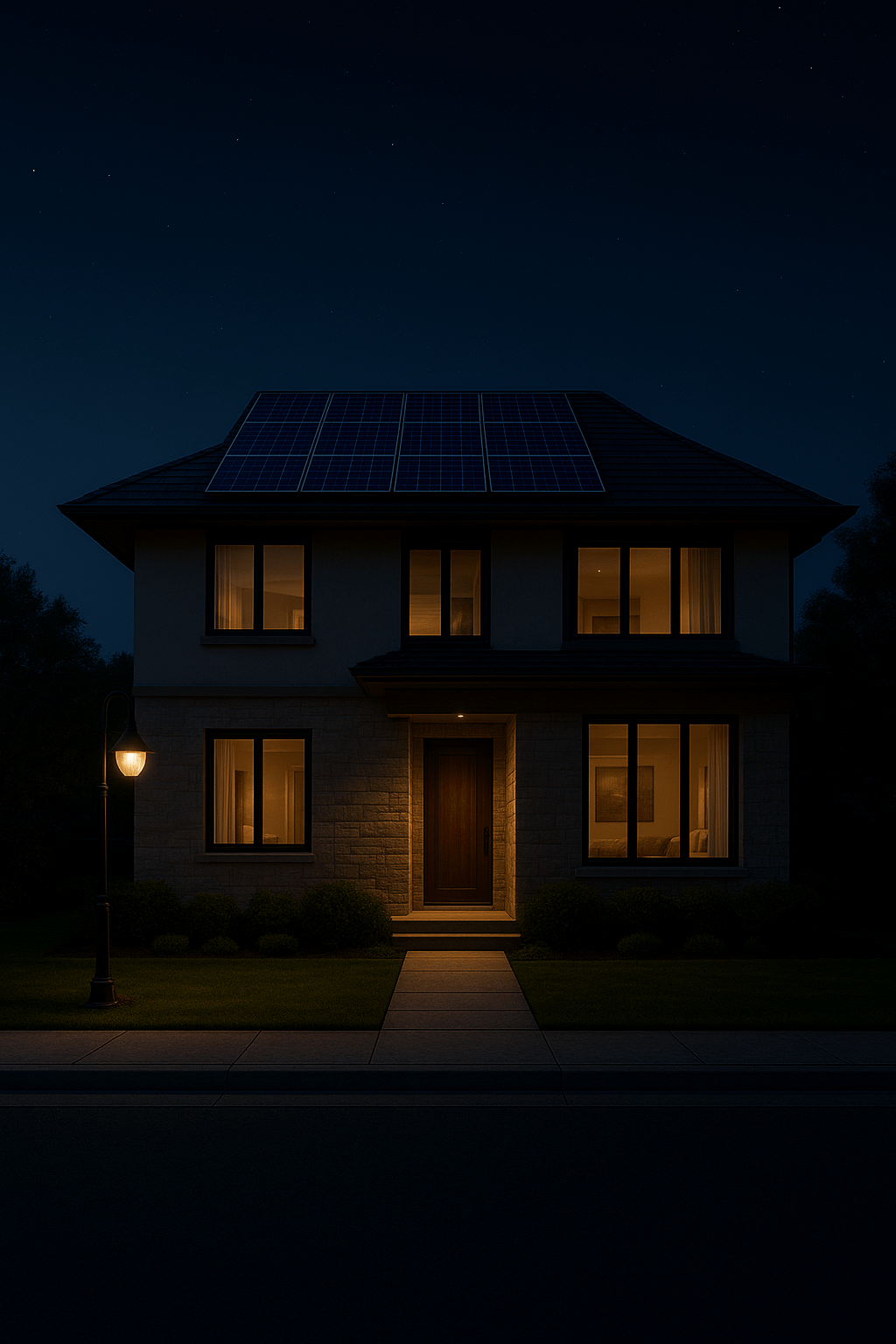
Do Solar Panels Generate Electricity at Night?
No, panels need light to produce electricity, and once the sun sets, generation drops to zero. This trips up a lot of new solar owners who assume a battery-free system will keep the lights on after dark. It won’t, on its own. What actually keeps your home powered at night is stored energy, not the panel itself either a battery bank charged during the day, or a grid connection that takes over once your panels go quiet.
Types of Solar Panels & Top Brands
Not all panels are built the same, and the differences aren’t just marketing they affect efficiency, price, and how much roof space you’ll need. Before you buy anything, it’s worth understanding what you’re actually choosing between.
Monocrystalline vs Polycrystalline Panels
The two dominant panel technologies are monocrystalline (made from a single silicon crystal, more efficient, more expensive) and polycrystalline (made from multiple silicon fragments melted together, slightly less efficient, more budget-friendly). For most homeowners today, monocrystalline has become the default because efficiency gains often outweigh the price gap but polycrystalline still has a place for large, unshaded spaces where efficiency matters less than upfront cost.
100W vs 200W Panels
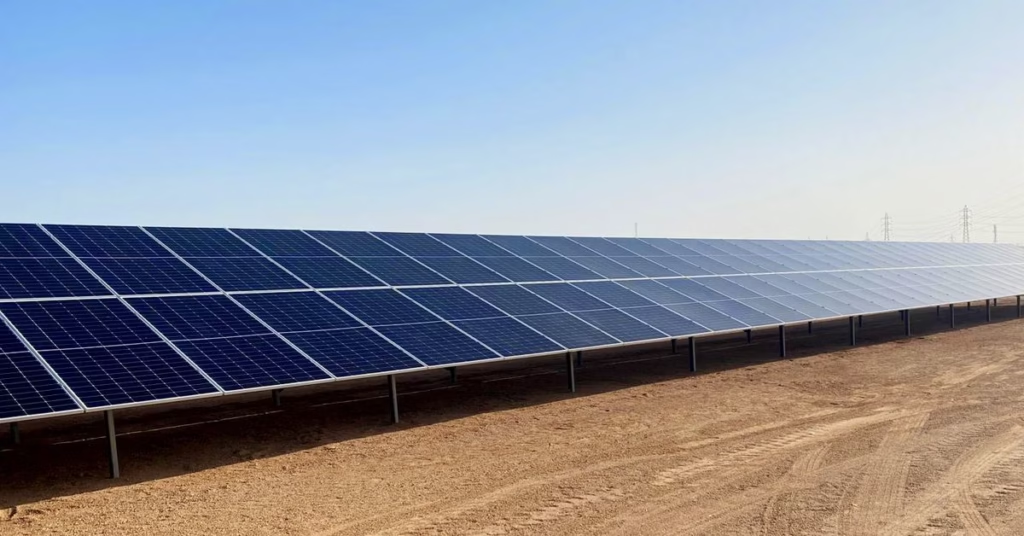
Wattage tells you how much power a panel can produce under ideal conditions, and it directly determines how many panels you need and how much space they’ll take up. A 100W panel is suited to small, portable setups a single device, a small battery top-up while a 200W panel covers meaningfully more ground per square foot, which matters if roof or ground space is limited.
Is There a 700W Solar Panel?
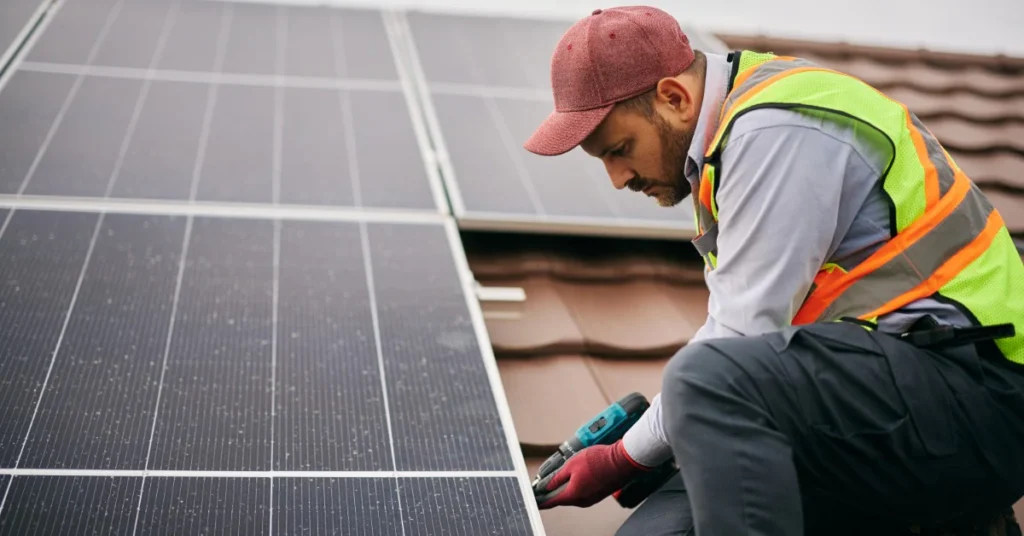
Yes panel wattage has climbed steadily as manufacturing has improved, and ultra-high-wattage panels in the 600–700W range now exist, mostly aimed at utility-scale and large commercial installations. Whether a 700W panel makes sense for a home setup depends heavily on your roof size, mounting equipment, and inverter compatibility bigger isn’t automatically better once you factor in handling and installation constraints.
Best Solar Panel Brands 2026 [Roundup]
Brand matters more in solar than people expect, because you’re not buying a one-time gadget you’re buying something meant to perform reliably for 25 years. Warranty terms, degradation rates, and manufacturing quality vary a lot between brands, and the cheapest option upfront isn’t always the cheapest over the life of the system. A side-by-side look at this year’s top-performing brands makes the differences easier to see than spec sheets alone.
LONGi vs Jinko Panels
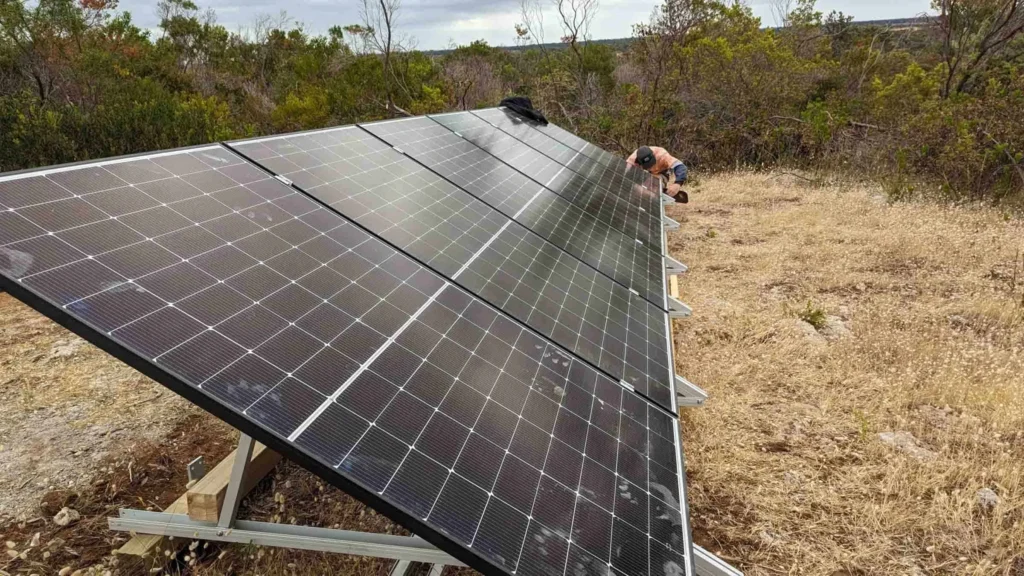
LONGi and Jinko are two of the biggest names in solar manufacturing, and both make genuinely strong panels but they’re not identical. The differences show up in efficiency ratings, temperature tolerance, and warranty coverage, which matter more over a 25-year lifespan than the sticker price does on day one.
Jinko HOT 3.0 Review
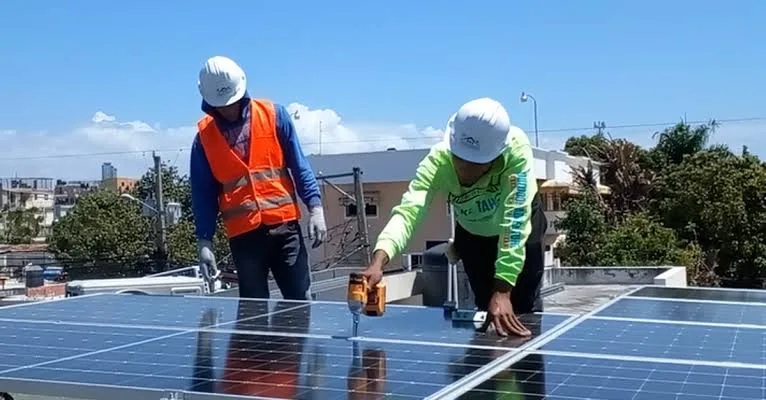
Jinko’s HOT 3.0 line is one of the more talked-about recent releases, built around improved heat tolerance a real factor, since panels lose efficiency as they get hotter, not colder. A full review of the HOT 3.0’s real-world performance is worth reading if you’re comparing panels for a hot climate, where standard panels can underperform their rated output on the hottest days of the year.
LONGi 585W Panel Price (USA)
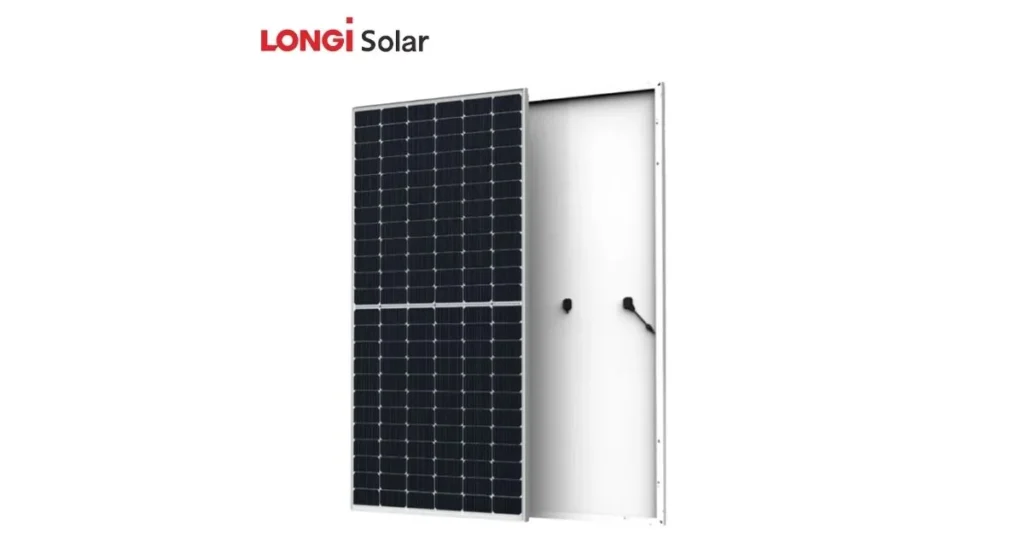
If you’re pricing out a system, individual panel cost adds up fast, and high-wattage panels like LONGi’s 585W model sit at the upper end of the residential and light-commercial range. Current US pricing for this specific panel gives you a real anchor point for budgeting, rather than relying on rough per-watt estimates that don’t account for brand or model differences.
How Much Solar Does Your Home Actually Need?
This is the question most people actually came here for. Panel type and brand matter, but none of it means anything until you know how many panels and how much wattage actually covers your usage.
How Many Solar Panels Do I Need for My House?
The honest answer is “it depends” on your monthly electricity usage, your roof’s sun exposure, your local climate, and the wattage of the panels you choose. As a rough starting point, most US homes land somewhere between 20 and 25 standard panels for a system that covers the majority of their usage, but that number can swing significantly based on how much electricity your household actually consumes and how many peak sun hours your location gets. The only reliable way to land on a real number is to work backward from your actual utility bill, not a generic average.
What a 500W Panel Can Run
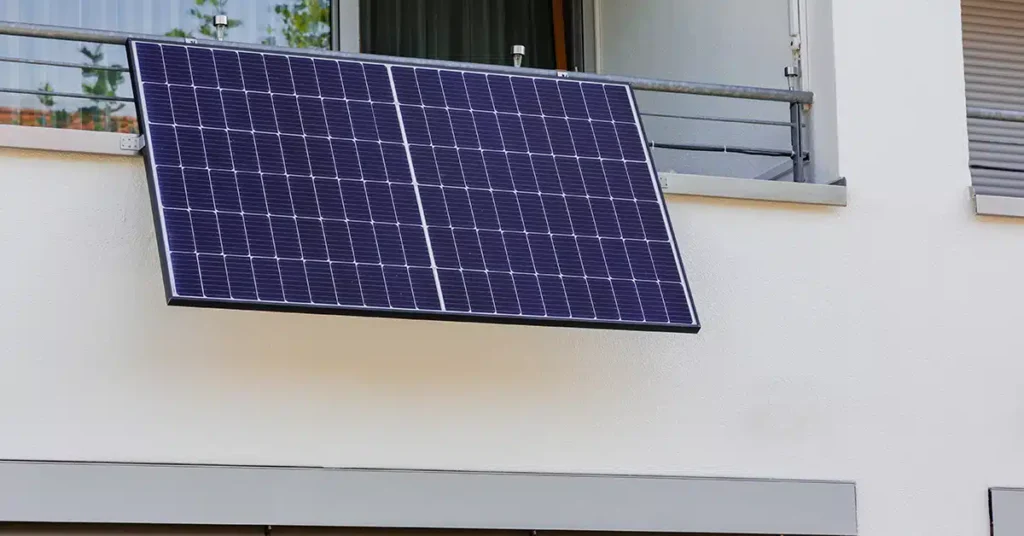
A single 500W panel, under good sun, produces enough power over a day to run a meaningful chunk of smaller household loads but not your whole house at once. A realistic breakdown of what that output actually covers lighting circuits, small appliances, a laptop and router running continuously helps put “500 watts” into terms you can actually picture instead of just a spec number.
What a 10,000W Panel Can Power
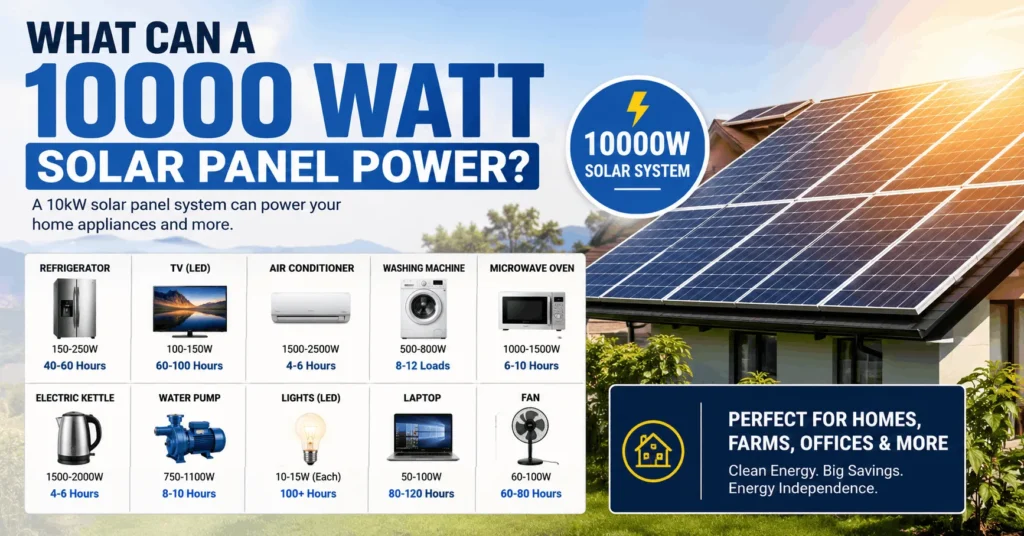
There’s no such thing as a single 10,000W (10kW) panel that’s a full system size, made up of many individual panels working together, not one giant unit. A 10kW system is generally enough to cover a mid-to-large household’s full electricity usage in a sunny region, including central AC, though actual coverage depends on local sun hours and how efficiently your home uses power.
3kW System: Units Per Day
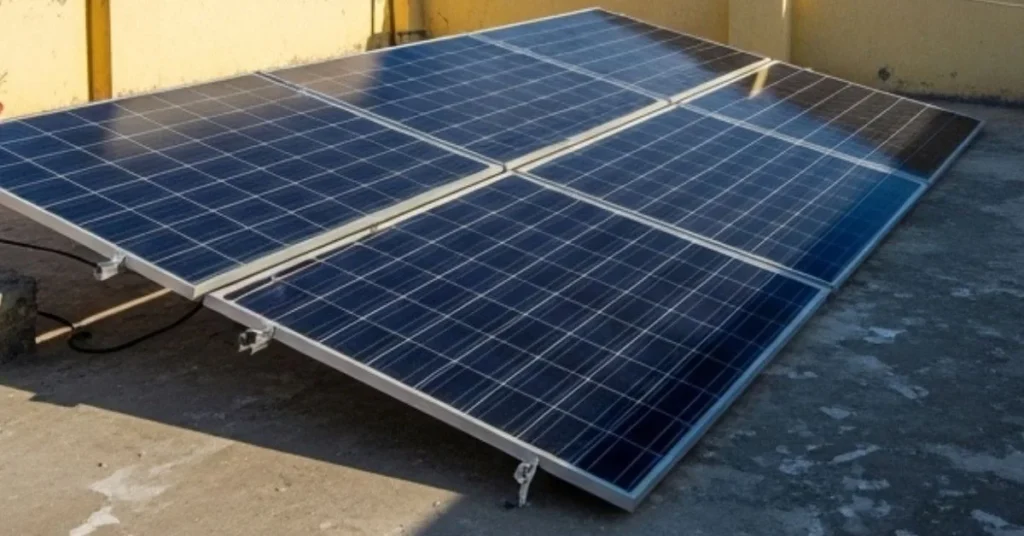
A 3kW system is on the smaller end for a full home setup, and its daily output depends heavily on location and season. Knowing roughly how many kilowatt-hours (“units”) a 3kW system produces per day gives you a real baseline to compare against your own utility bill if your daily usage is well above what a 3kW system produces, you’ll know upfront that you need to size up.
Solar for Specific Devices & Use Cases
Not everyone researching solar is trying to power an entire house. Sometimes it’s one appliance, one room, or a weekend trip — and the sizing math looks completely different at that scale.
Can a 1.5 Ton AC Run on Solar?
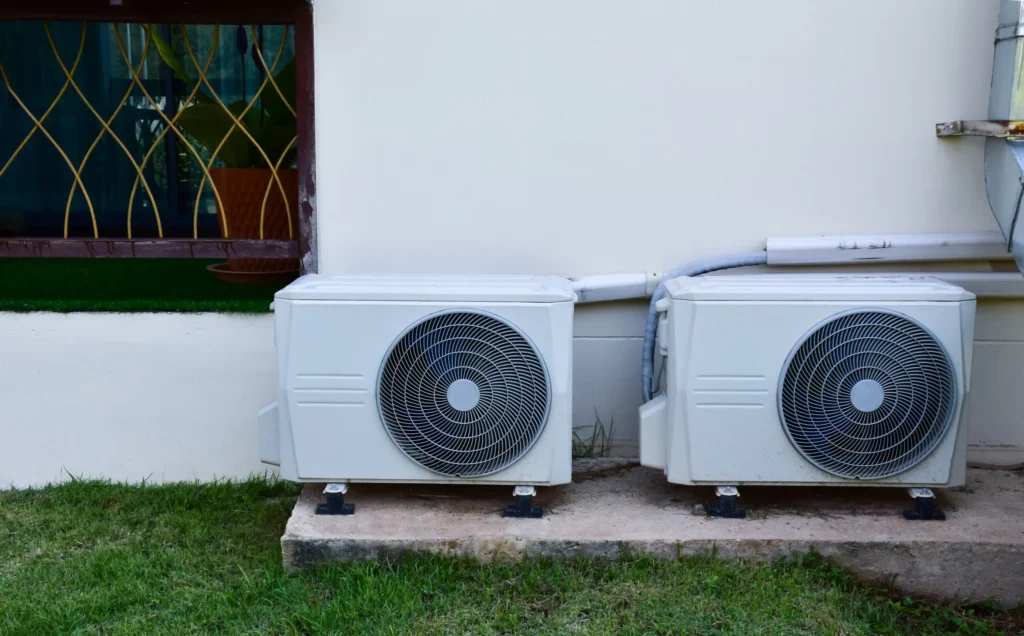
Central and window AC units are some of the heaviest power draws in any home, and running one on solar especially without a battery backup raises real questions about whether your panels can keep up during peak afternoon heat. The honest answer depends on your system size, your panel output during AC-running hours, and whether you have battery storage to smooth out the load it’s not a simple yes or no.
How Many Solar Panels Do I Need to Charge a 100Ah Battery in 5 Hours?
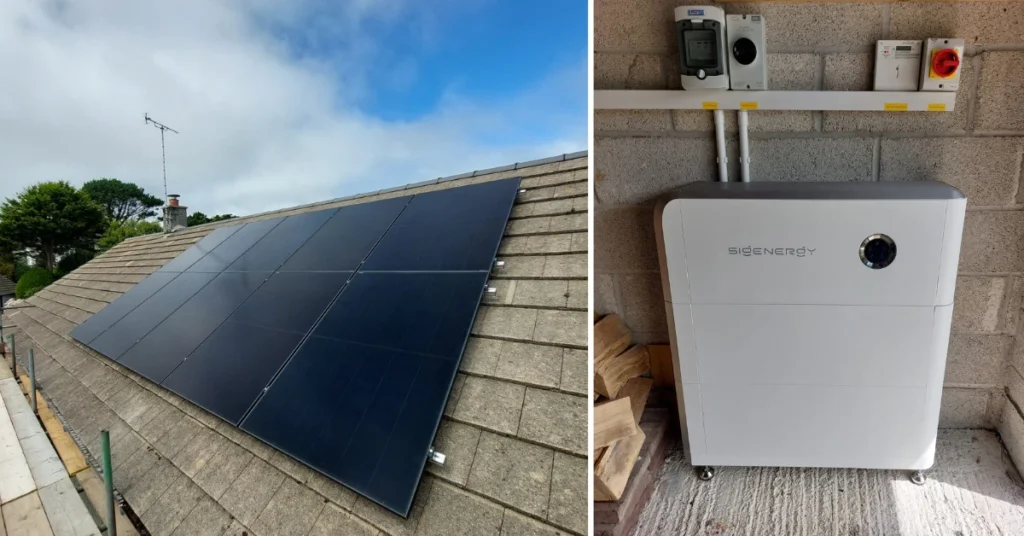
Charging speed depends on panel wattage, battery voltage, and how much sun you’re actually getting during the charging window not just battery size alone. Working backward from a 5-hour target shows how panel count and charge controller efficiency both factor into hitting that timeline, which matters a lot for off-grid and RV setups where charge speed is a real constraint, not just a convenience.
Is 200W Enough for Camping?
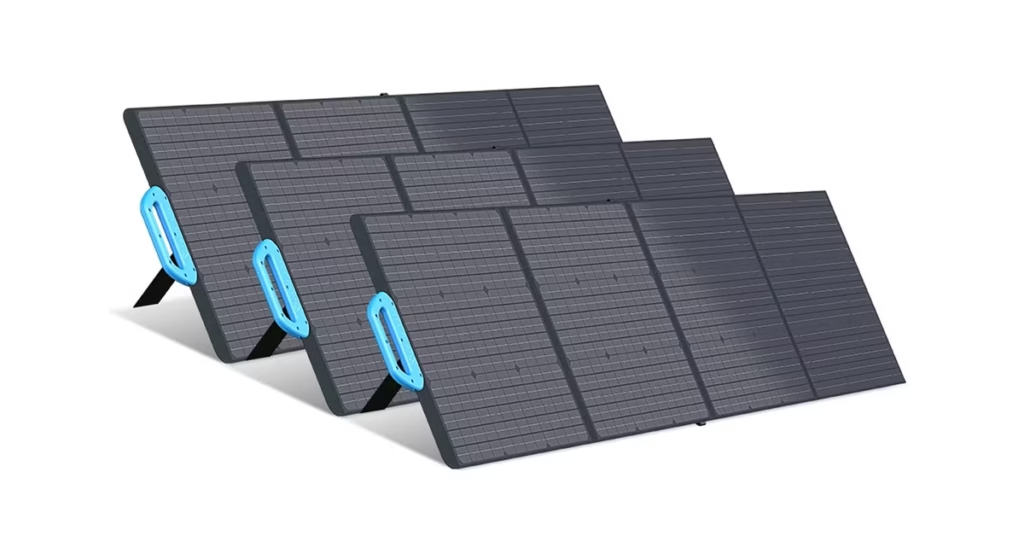
For camping, “enough” really means “enough for what you’re actually running” a phone and a light are a very different load than a mini fridge and a CPAP machine. A real-world test over 12 nights of camping with a 200W setup shows where 200W genuinely holds up and where it starts to fall short, based on actual usage rather than theoretical specs.
How Many Panels for 1 Room?
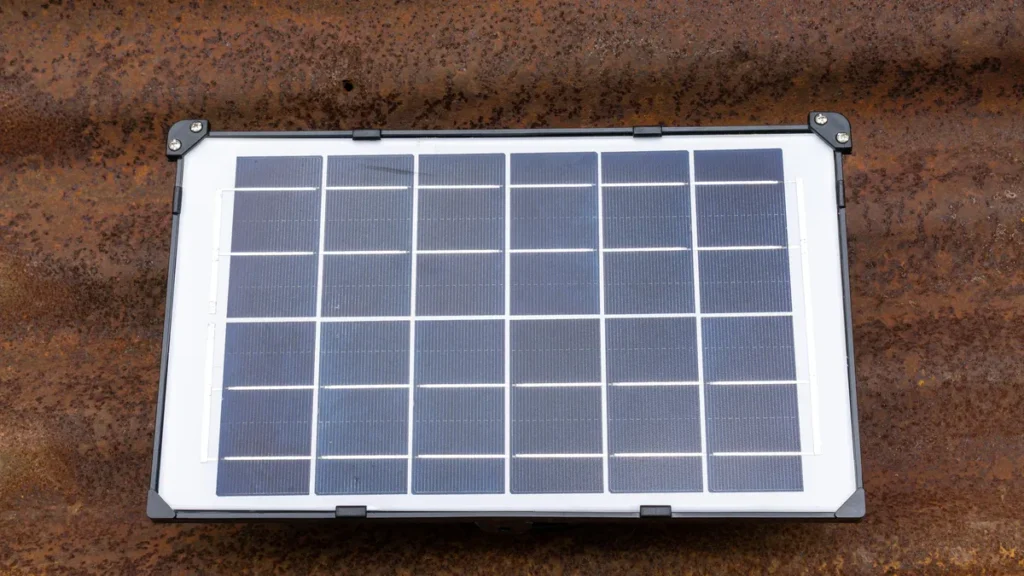
Powering a single room say, a home office or a garage workshop is a much smaller ask than sizing a whole-home system, and it’s often overbuilt by people assuming they need the same setup as a full installation. A single room typically needs far fewer panels than people expect, especially if you’re just covering lighting, a fan, and a few electronics rather than heating or cooling loads.
Solar Panel Performance, Lifespan & Environment
A solar system is a 20-plus-year investment, which means how panels perform over time and in real conditions not just on a spec sheet is often more important than the numbers you see on day one.
Solar Panel Degradation Rate Explained
Panels lose a small amount of efficiency every year this is normal, expected, and factored into every manufacturer’s warranty. Understanding what a “normal” degradation rate actually looks like helps you tell the difference between a panel aging as expected and one with a real defect, and it’s a number worth checking before you buy, since degradation rates vary noticeably between manufacturers.
What Happens to Solar Panels After 25 Years?
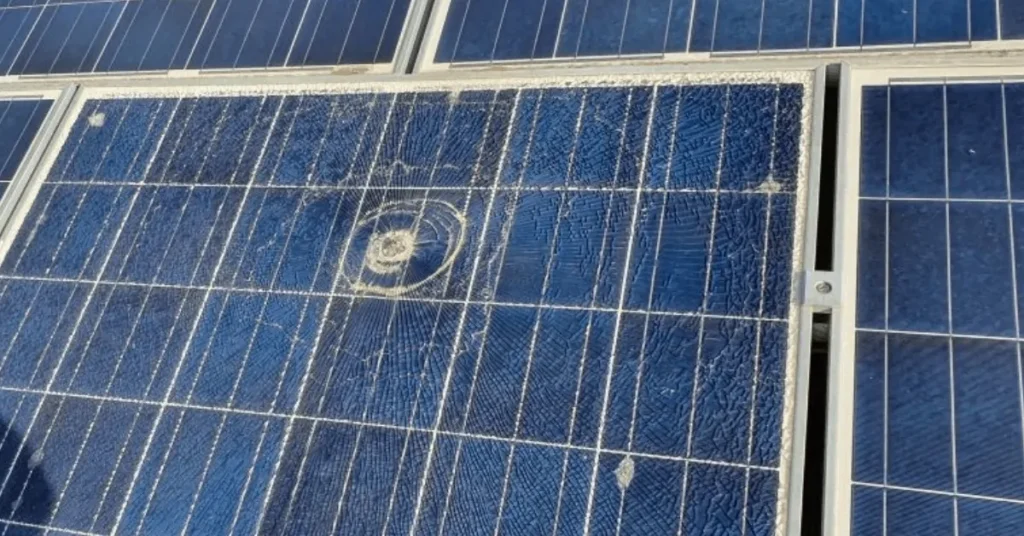
25 years is the industry-standard warranty benchmark, but it doesn’t mean panels stop working the day after. Most panels keep producing power well past that mark, just at reduced output the real question isn’t whether they’ll die on schedule, but at what point replacing them becomes more cost-effective than keeping the older, less efficient panels running.
The 20% Rule for Solar
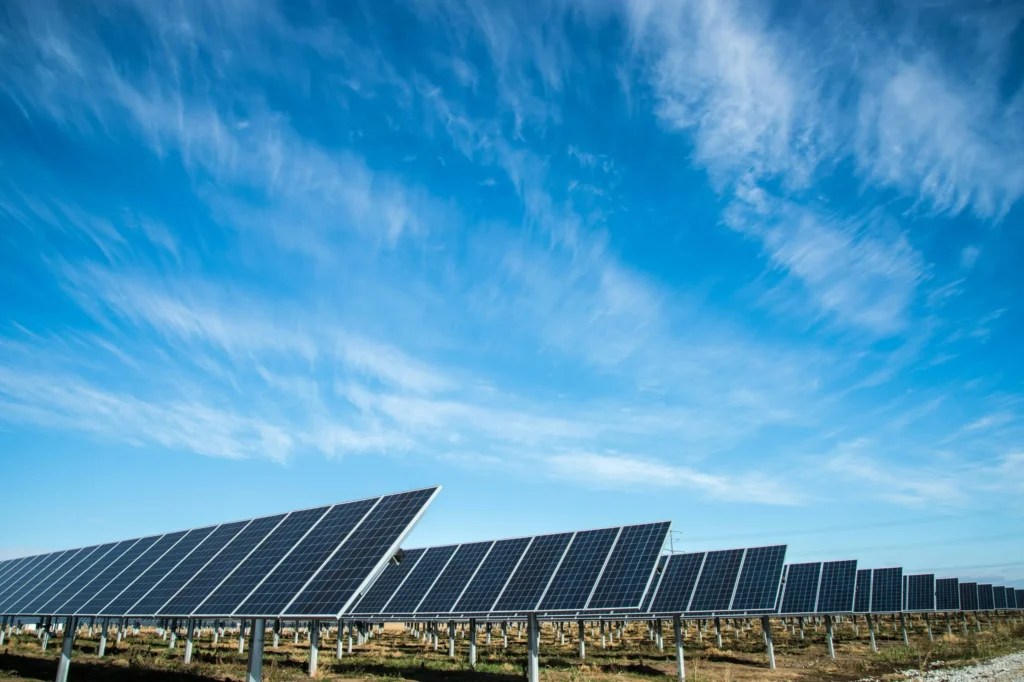
You’ll see the “20% rule” referenced a lot in solar planning discussions, and it’s a useful rule of thumb rather than a hard law a quick way to sanity-check system sizing or battery reserve without running a full engineering calculation. Knowing what the rule actually says, and where it does and doesn’t apply, can save you from over- or under-sizing a system based on a misunderstood shortcut.
Do Solar Panels Work in Snow?
Yes, and often better than people expect cold temperatures actually improve panel efficiency, and snow tends to slide off the angled, smooth surface of most panels once the sun comes out. The real issue isn’t whether panels “work” in snow, it’s that a layer of accumulated snow physically blocks sunlight until it clears, which is a temporary generation dip rather than a sign the panel is damaged or unsuitable for cold climates.
Does Rain Affect Solar Panels?
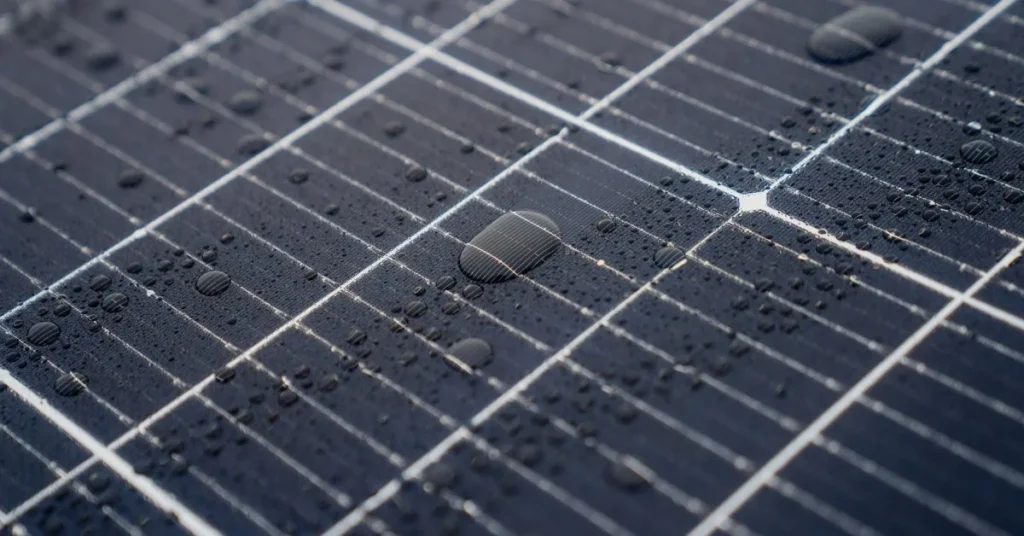
Rain reduces output while it’s actively falling and clouds are blocking the sun, but it doesn’t damage panels in fact, rain acts as a free cleaning cycle, washing off dust and debris that would otherwise reduce efficiency between storms. The bigger factor isn’t the rain itself, it’s the cloud cover that usually comes with it, since that’s what actually cuts into sunlight reaching the panel.
How to Reduce Solar Panel Overheating
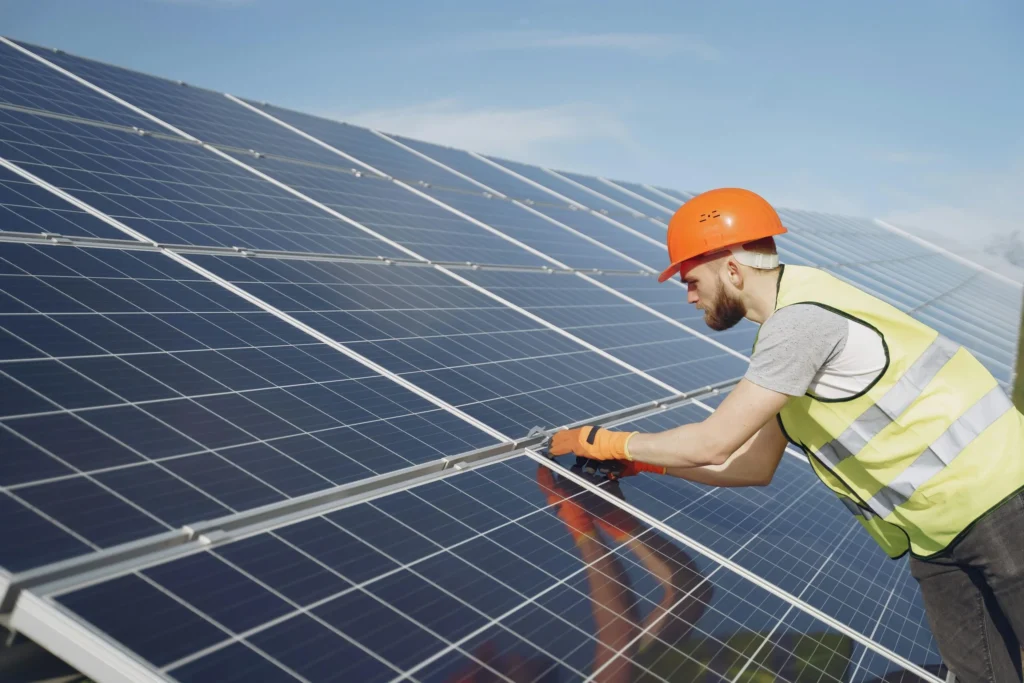
Counterintuitively, panels lose efficiency as they get hotter, not more efficient extreme heat is a performance drag, not a benefit. Simple steps like ensuring proper airflow beneath the panels and choosing the right mounting height can meaningfully improve output during the hottest months, when you’d otherwise expect peak performance but get a dip instead.
Is It Safe to Sleep Near Solar Panels?

This comes up often enough to answer directly: yes. Solar panels don’t emit meaningful radiation or electromagnetic interference at levels that pose any health risk, whether they’re mounted on your roof above a bedroom or installed near a sleeping area in an off-grid or RV setup. The concerns people have here are almost always based on misunderstanding how panels function, not any actual documented risk.
Is Solar Worth It for You?
Circling back to where we started: the real question was never really “what is a solar panel,” it was “does this make sense for me.” Based on everything above, the honest framework looks like this:
- Your usage determines your baseline system size pull your actual utility bill before trusting any generic panel-count estimate.
- Your roof or space determines what’s physically possible orientation, shading, and available square footage all matter as much as panel wattage.
- Your climate determines both output and overheating risk hot, sunny regions get more generation but also more efficiency loss from heat; snowy regions lose less to cold than people assume.
- Your budget determines panel type and brand monocrystalline and premium brands cost more upfront but often pay that back through better efficiency and longer effective lifespan.
There’s no single answer that fits every home, but if you work through the sections above in order usage, sizing, panel choice, and long-term performance you’ll end up with a far more accurate picture than any single “average homeowner” statistic could give you.
The mistake most people make isn’t choosing the wrong panel or the wrong brand it’s skipping straight to a quote before understanding what they’re actually being quoted on. A system sized off your real usage, matched to your actual roof conditions, using panels suited to your climate, will outperform a generic “average” package almost every time, even if the sticker price looks less impressive on day one.
FAQs
How long do solar panels actually last?
Most panels carry a 25-year performance warranty, but they typically keep generating power well beyond that, just at gradually reduced output.
Do solar panels work on cloudy days?
Yes, though at reduced output, panels can still generate power from diffused light, just significantly less than on a clear day.
Do I need a battery to use solar power at night?
Yes, without a battery, your system stops producing power after sunset, and your home draws from the grid instead.
Is a bigger wattage panel always better?
Not necessarily. Higher wattage means more output per panel, but also more size, weight, and cost, the “right” panel depends on your available space and budget, not just the highest number available.
Does weather permanently damage solar panels?
No, normal rain, snow, and heat cause temporary output changes, not damage. Panels are built and tested to handle standard weather conditions over decades of use.