Table of Contents
Buying a solar battery shouldn’t feel like decoding a secret language. Ah, kWh, DoD, C-rate, it’s a lot of letters for something that’s supposed to just keep your lights on.
This guide cuts through that. You’ll learn how to size a battery correctly, which chemistry actually makes sense for your budget, what you can realistically run on stored power, and how the popular battery brands and portable power stations stack up.
How to Calculate Your Solar Battery Runtime
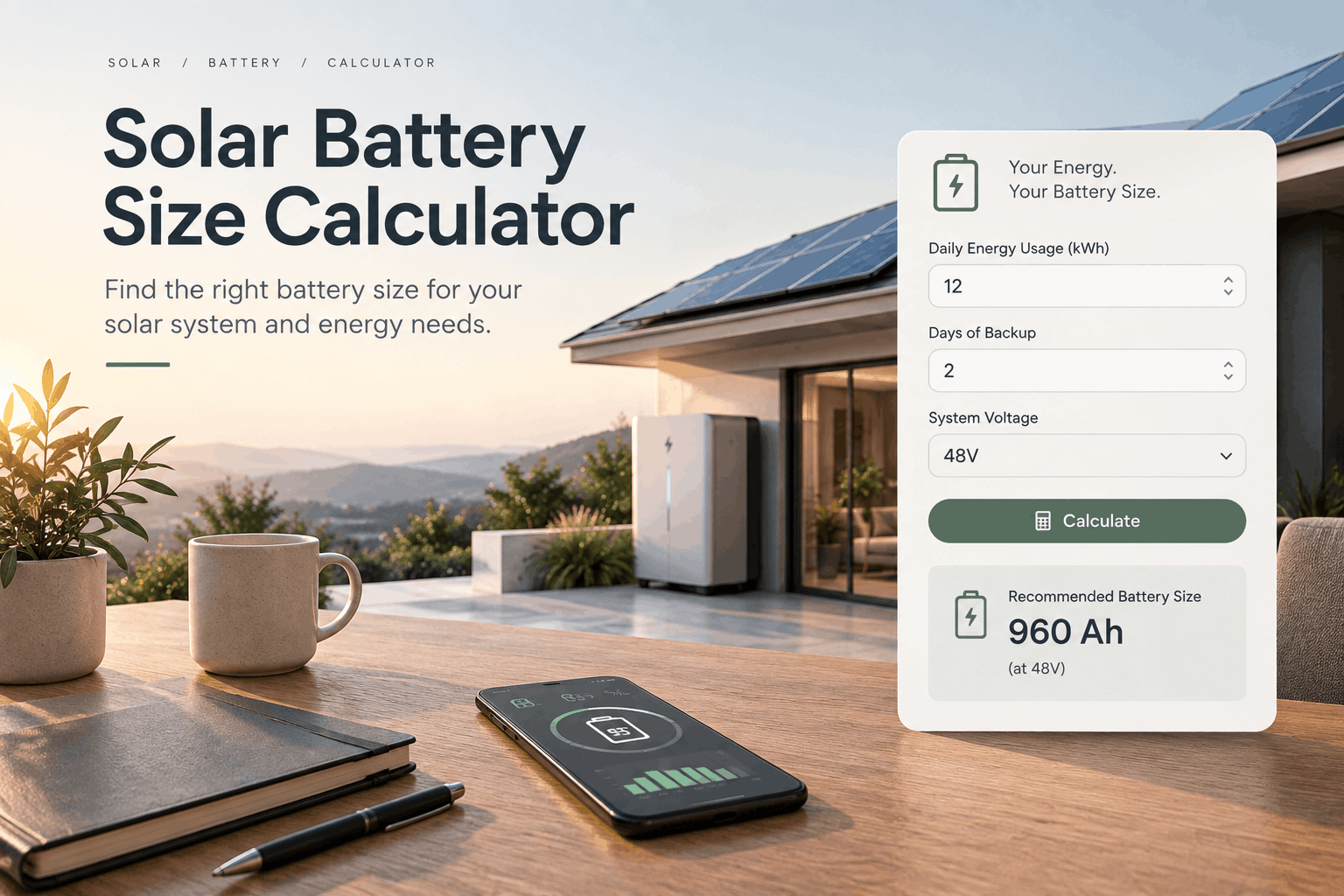
Solar Battery Size Calculator (kWh Needed)
The standard sizing formula: Battery Capacity (kWh) = (Daily Energy Consumption ÷ System Efficiency) ÷ Depth of Discharge.
Example: your home uses 5 kWh a day, your system runs at roughly 90% efficiency, and you’re using a LiFePO4 battery rated for 90% DoD. That’s (5 ÷ 0.9) ÷ 0.9 ≈ 6.2 kWh, round up to a 6.5–7 kWh battery.
Doing that math manually for every scenario gets old fast. Our free Solar Battery Size Calculator (kWh Needed) does it instantly, plug in your daily usage and battery type, get a real number back.
How Many Hours Will a Solar Battery Last?
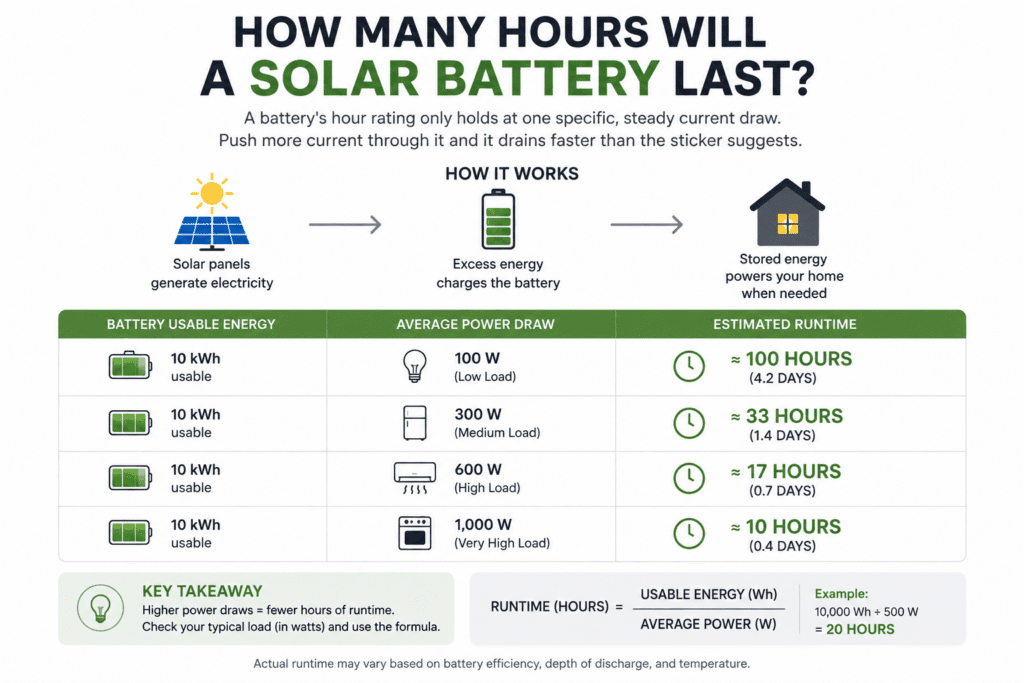
A battery’s hour rating only holds at one specific, steady current draw, push more current through it and it drains faster than the sticker suggests. We’ve broken down how many hours a solar battery will actually last under real household loads, with worked examples instead of theoretical ones.
200Ah 10hr vs 20hr Battery: What the Difference Actually Means
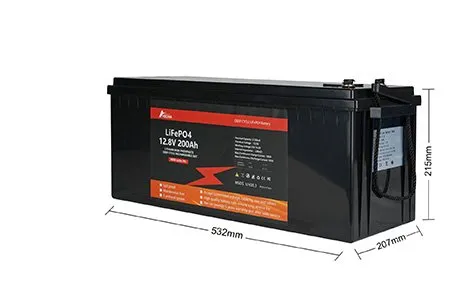
A “200Ah” rating isn’t fixed, it’s tied to a discharge rate, and discharging faster than the rated hour count means you get noticeably less than 200Ah out of the battery. If you’re comparing two batteries with the same Ah number but different hour ratings, our 200Ah 10hr vs 20hr breakdown shows exactly how to compare them fairly instead of getting fooled by the label.
How Long Will a 12V 200Ah Battery Last with a 2000W Inverter?
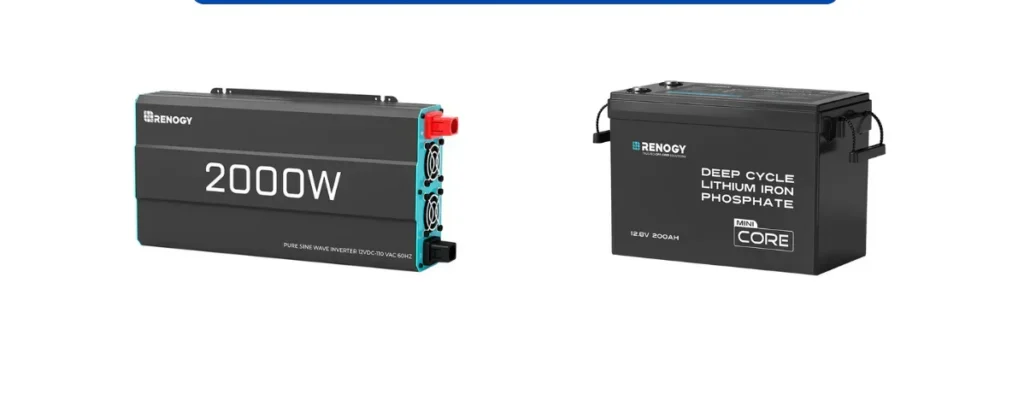
A 12V 200Ah lead-acid battery stores about 2.4 kWh, but at a safe 50% DoD only around 1.2 kWh is usable, and a 2000W inverter burns through that in well under an hour once you factor in conversion losses. We’ve run the full 12V 200Ah battery with a 2000W inverter calculation, lead-acid and LiFePO4 side by side, so you can see the real difference before you buy.
How to Charge a Solar Battery Without Sun
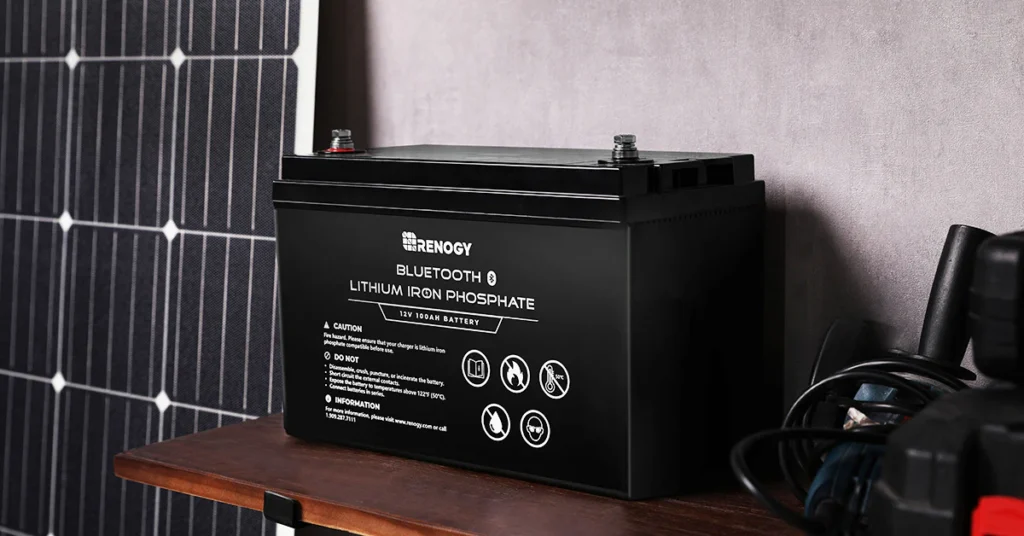
Grid charging through a hybrid inverter, a generator, or even a vehicle alternator can all top up a battery when the sun doesn’t cooperate. Each comes with different trade-offs for speed, cost, and battery wear, we cover how to charge a solar battery without sun and which method protects battery life best.
How Do I Know My Solar Battery Is Fully Charged?
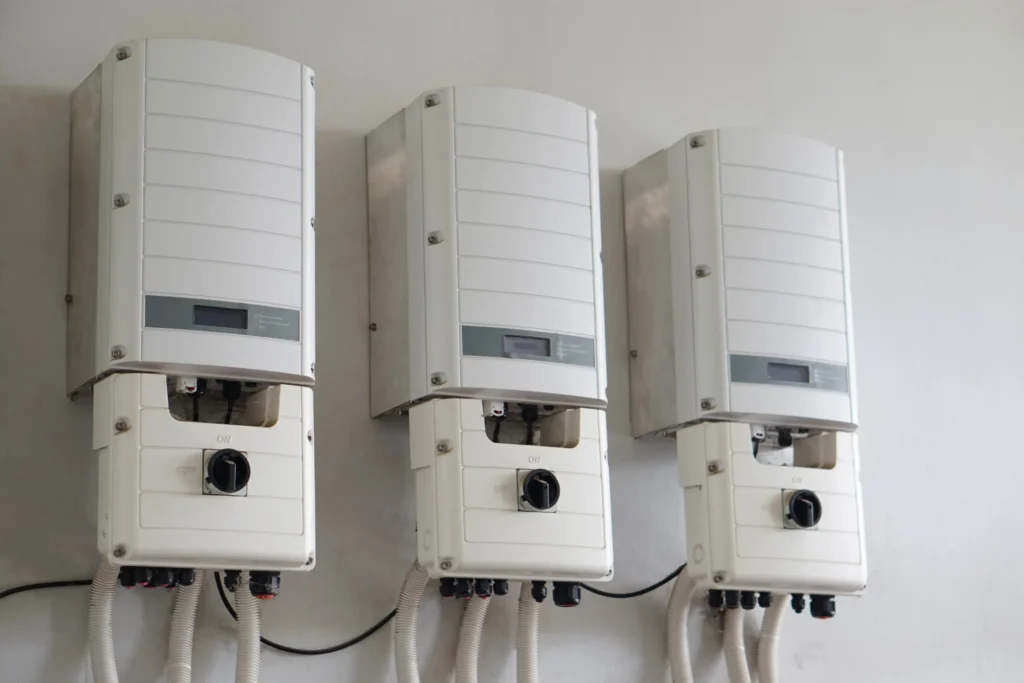
For lead-acid, a hydrometer reading of roughly 1.265–1.275 specific gravity signals a full charge; lithium batteries report it directly through a BMS app or LCD. For every method broken down by chemistry, see how to know your solar battery is fully charged.
Battery Types & Brands, Which One Should You Buy
Lead-Acid vs Lithium Solar Batteries
Lead-acid is cheaper upfront and easy to get serviced, but you should only discharge it to about 50% of rated capacity to protect lifespan, and it typically manages 300–500 cycles before performance drops.
LiFePO4 handles 80–90% DoD without meaningful damage and delivers 3,000–6,000 cycles depending on brand and use. A 100Ah LiFePO4 battery gives you roughly 80Ah of real usable energy; a 100Ah lead-acid battery gives you about 50Ah for the same rated size, which is the whole story of why lithium costs more but often works out cheaper per cycle.
Why LiFePO4 Is Worth It
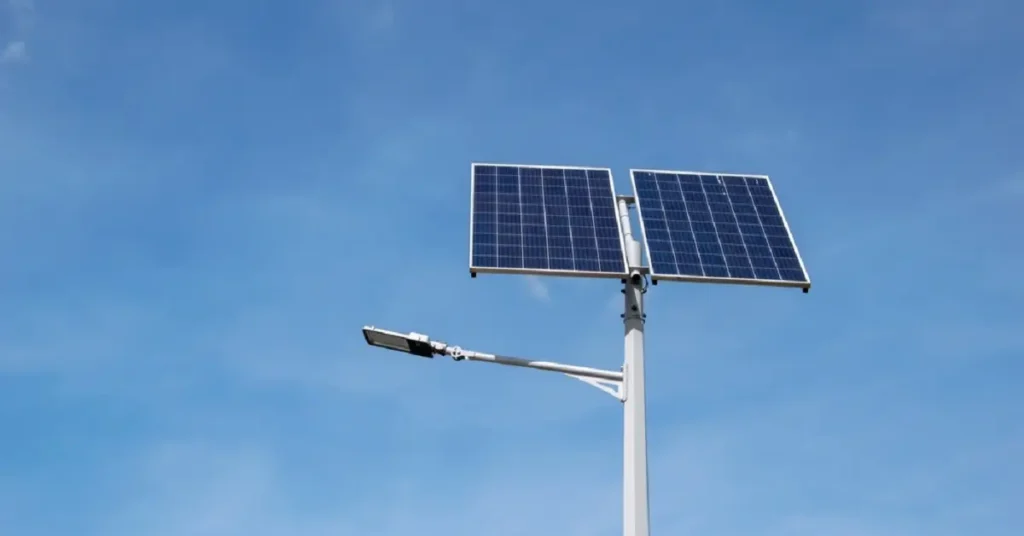
LiFePO4 earns its premium three ways: it’s safer, with a much lower thermal-runaway risk than other lithium chemistries; it’s maintenance-free compared to topping up water in flooded lead-acid cells; and it holds a stable voltage through most of its discharge curve, so appliances don’t slowly lose power as it drains. For a closer look specifically at why LiFePO4 is worth it for solar lights, we’ve broken down exactly where the extra cost pays off.
Exide vs Luminous Solar Batteries: Which One Lasts Longer?
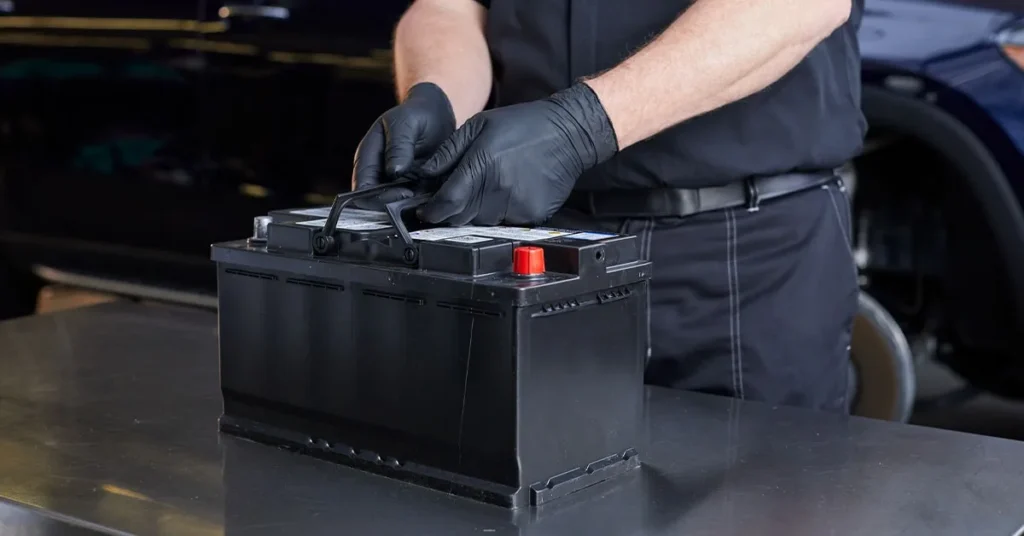
Exide leans on its industrial and telecom heritage, generally edging out Luminous on raw tubular cycle life, while Luminous counters with a wider dealer network and broader solar-inverter and lithium pairings. We compare Exide vs Luminous solar batteries model by model, with current pricing, to help you settle which one actually lasts longer for your setup.
How Long Does a Luminous Inverter Last?
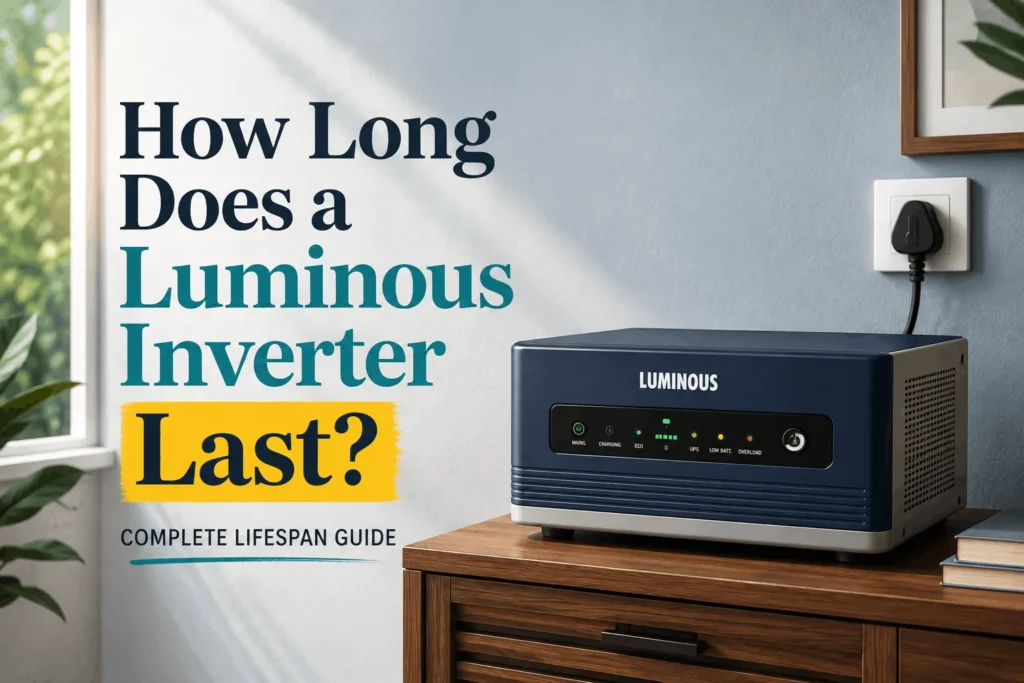
Inverter lifespan depends heavily on load patterns, heat, and voltage stability in your area, separate from the battery attached to it. We cover how long a Luminous inverter lasts and what actually shortens it in daily use.
Power Limitations, What You Can and Can’t Run
Solar Power Appliance Limitations: What You Cannot Run and Why

High-surge appliances, air conditioners, well pumps, some fridge compressors, draw a starting current several times their running wattage, enough to trip a smaller inverter even with plenty of stored energy in the battery. We’ve listed the solar power appliance limitations you need to know before you plug something in, including the worst offenders and how to work around them.
Cost & Buying Considerations
How Much Does a Solar Battery Cost?
Figures below reflect pricing as of August 2026, check current retailer listings before buying, as this moves fast.
US / international pricing (per kWh of rated capacity): lead-acid typically runs $150–$350/kWh (usable capacity is roughly half that, given the 50% DoD limit); LiFePO4 sits around $400–$800/kWh, trending down as manufacturing scales.
If backup power is only needed a handful of times a year, lead-acid’s lower upfront cost is easier to justify. If you’re cycling the battery daily, lithium usually wins the long game.
Portable Power Stations, Reviews & Comparisons
EcoFlow vs Jackery vs Anker Solix
Here’s how the three biggest names compare at a similar capacity tier, based on current specs and street pricing as of mid-2026:
| Brand & Model | Capacity | Continuous Output | Cycle Life | Approx. Street Price |
|---|---|---|---|---|
| EcoFlow DELTA Pro 3 | 4,096 Wh | 4,000W (8,000W surge) | ~4,000 cycles to 80% | ~$1,999–$2,600 (MSRP $3,699) |
| Jackery Explorer 2000 v2 | 2,042 Wh | 2,200W | ~4,000 cycles | ~$699–$799 |
| Anker SOLIX F2000 | 2,048 Wh | 2,400W | ~3,000+ cycles | ~$799–$899 |
EcoFlow generally leads on raw capacity and charge speed at the premium end, Jackery holds the strongest resale value, and Anker SOLIX consistently wins on price-per-watt-hour. None of these is a wrong choice, it comes down to whether charge speed, resale value, or cost-per-Wh matters most to you.
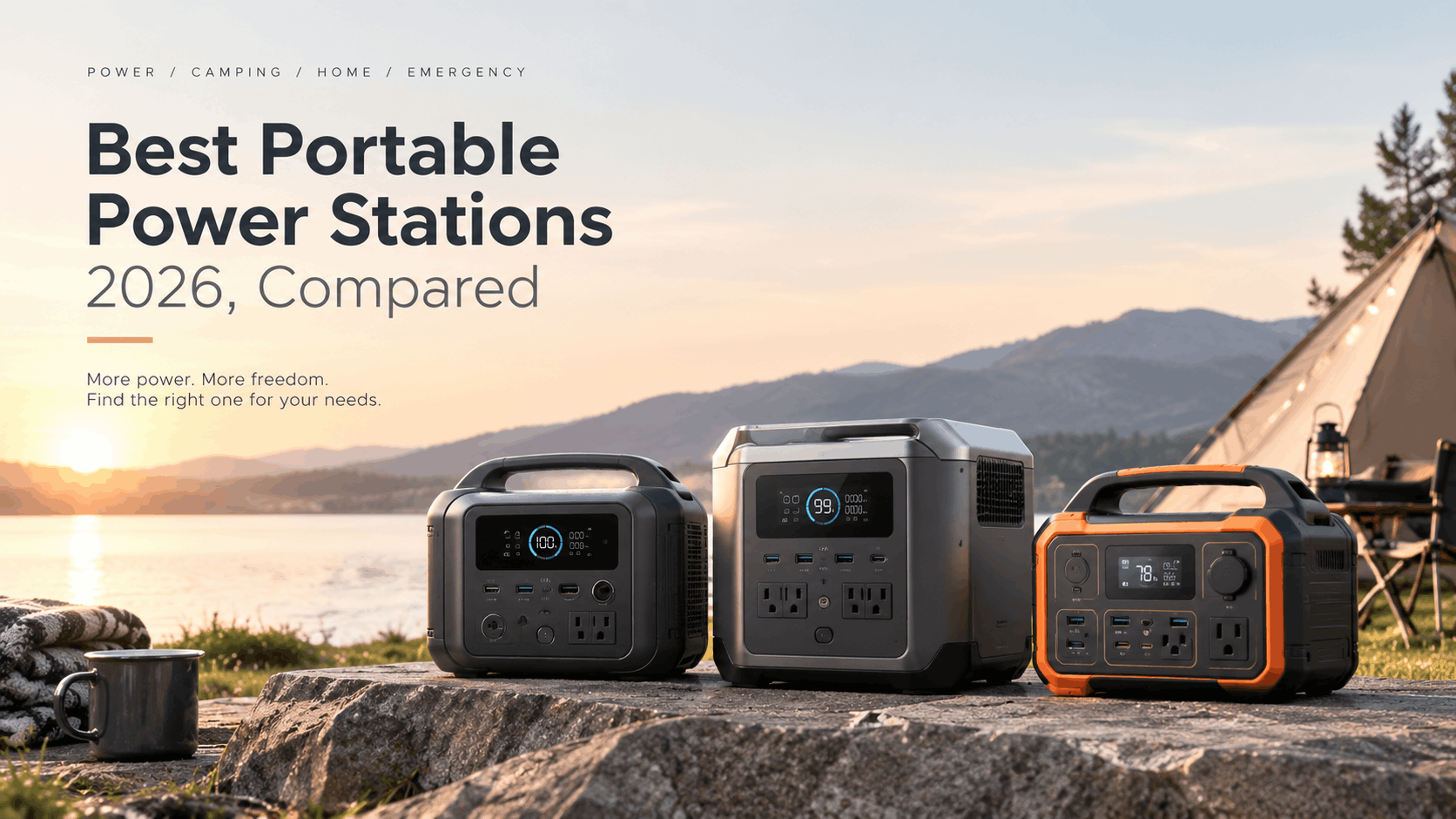
Best Portable Power Stations 2026 [Compared]
If you’re weighing more than two or three models, our full best portable power stations 2026 roundup lines up capacity, output, charge time, and price side by side, so you’re not opening a dozen spec-sheet tabs to compare them yourself.
EcoFlow Delta Pro 3 Review: Is It Worth Buying in 2026?
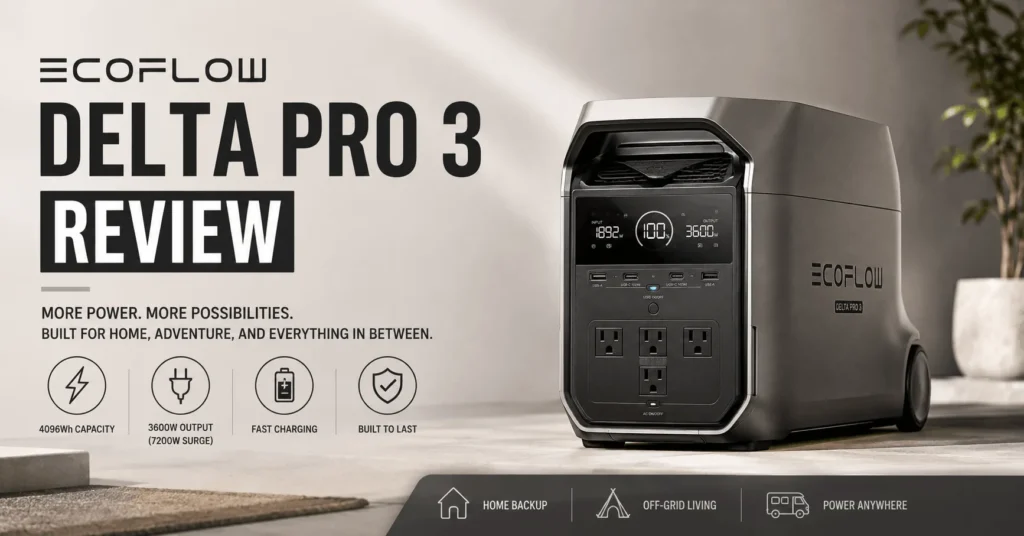
The Delta Pro 3 packs 4,096Wh and 4,000W continuous output (8,000W surge), expandable to 48kWh, built for whole-home backup rather than casual weekend camping. Our full EcoFlow Delta Pro 3 review breaks down whether that price is worth it for your situation.
Patriot Solar Power Generator Review 2026
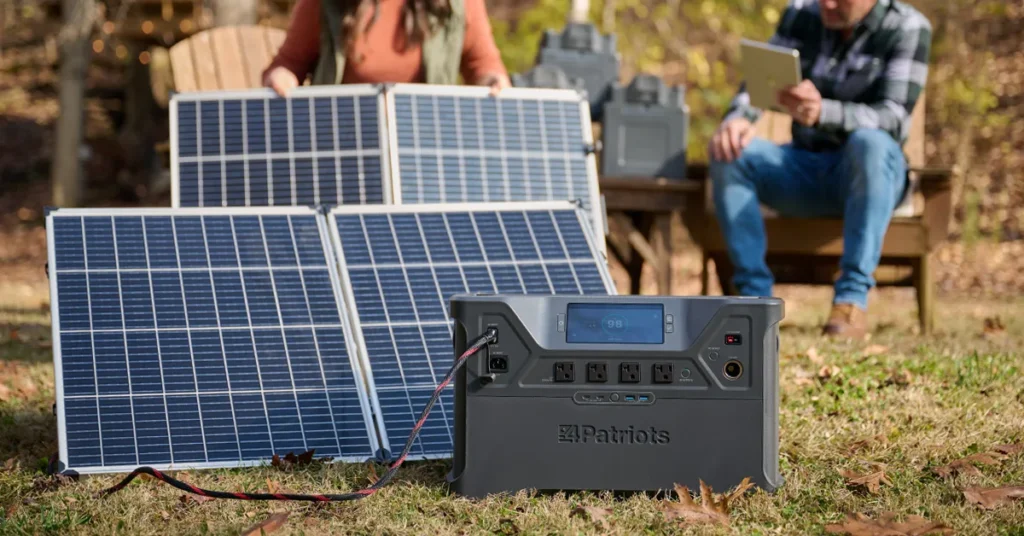
Patriot’s solar generator line targets emergency-preparedness buyers, prioritizing shelf life and ease of setup over raw performance numbers. Read our Patriot Solar Power Generator review to see how it holds up against that promise.
4Patriots AlphaCase Elite Review
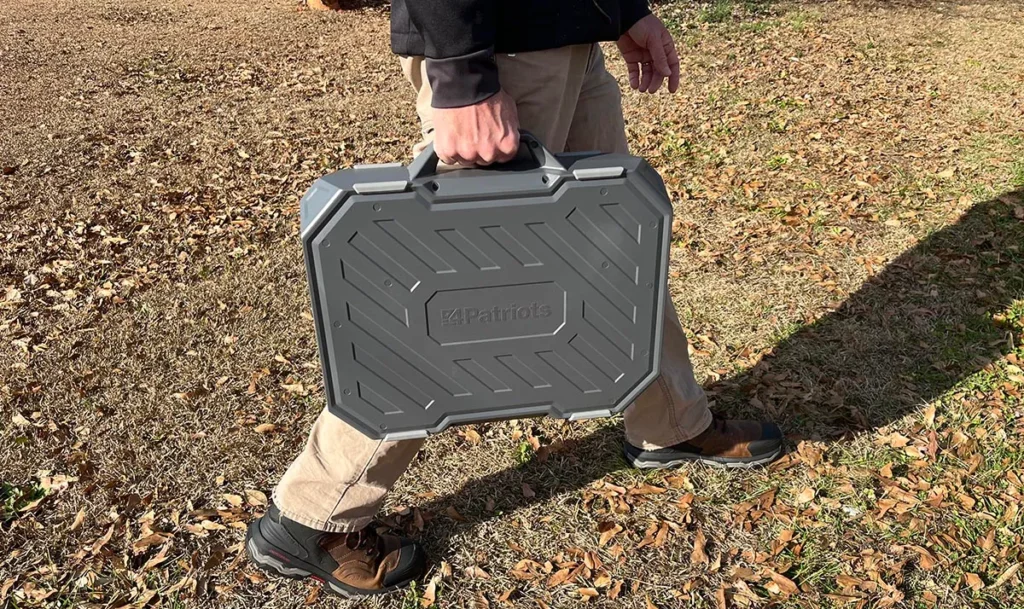
A more compact, portable option from the same emergency-prep-focused brand family. Our 4Patriots AlphaCase Elite review covers capacity, output, and real-world runtime in detail.
Solar Hydrogen Tanks Review: Is Either Type Worth It in 2026?
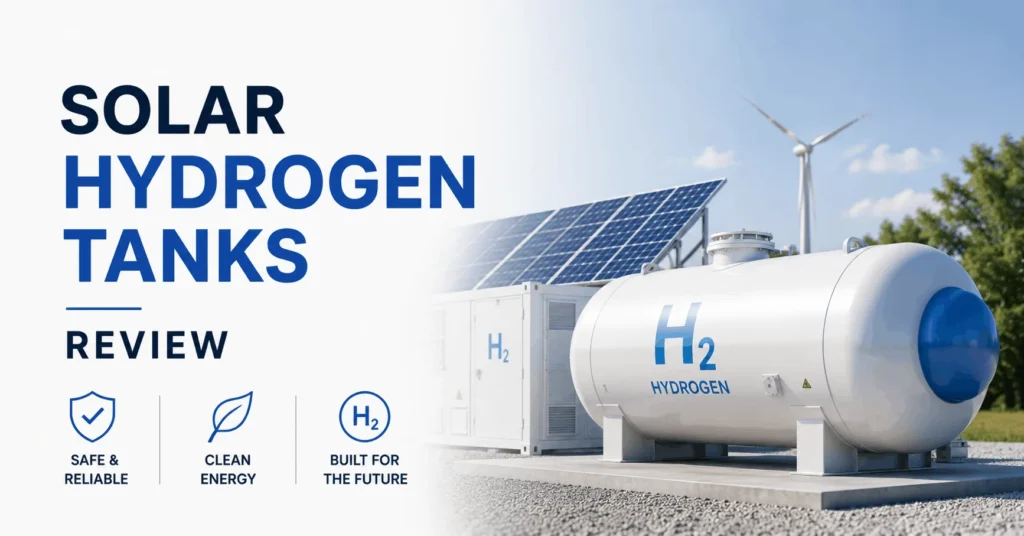
Hydrogen-based storage is the newer, less familiar entrant in this space, and it’s not for everyone. Our solar hydrogen tanks review compares it against battery storage on cost, efficiency, and practicality.
FAQs
How many solar batteries do I need for my home?
Depends on daily energy consumption, desired backup days, and DoD. A household using 5 kWh/day with one day of backup on a lithium battery at 90% DoD needs roughly 6 kWh of capacity.
Can I mix lead-acid and lithium batteries in the same bank?
No. The two chemistries charge differently and have different voltage curves, causing uneven charging that shortens both batteries’ lives.
Does temperature affect solar battery performance?
Yes. Cold reduces both lead-acid and lithium capacity temporarily, and many LiFePO4 batteries won’t charge at all below freezing without a built-in heater. Heat is just as damaging long-term for both chemistries.
How long do solar batteries typically last before replacement?
Lead-acid: roughly 3–8 years depending on usage and DoD. LiFePO4: commonly 10+ years, often rated for 3,000–6,000 cycles.
Is it bad to fully discharge a solar battery?
For lead-acid, yes regularly draining below 50% shortens lifespan significantly. LiFePO4 tolerates deeper discharge far better, though staying above roughly 10–20% state of charge is still good practice.
Do I need a charge controller if I already have an inverter?
Usually yes, unless it’s a hybrid inverter with an integrated controller. A dedicated MPPT or PWM controller protects the battery from overcharging and manages variable solar output.
Summary
There’s no single “best” solar battery, only the best one for your load, budget, and how often you’ll actually cycle it. Lead-acid still makes sense for occasional backup on a tight budget. LiFePO4 earns its higher price tag for daily use and long-term savings. Portable power stations fill the gap when a fixed installation isn’t practical.
Get the sizing right first, an undersized battery leaves you in the dark exactly when you need it most, and an oversized one just quietly drains your wallet. Run your numbers through the calculator above before you buy anything.