Table of Contents
My Battery Died Faster Than Expected
I installed a solar battery last year. The installer said it would power my home for four to six hours on a full charge. I thought that meant nighttime. Eight hours of darkness. The battery wouldn’t cover the whole night. That seemed short.
But then I started using it. Realized the math was different than I expected. What they meant by four to six hours depended on how much power I was using. Heavy usage meant two hours. Light usage meant eight hours. Same battery. Completely different duration. I was confused until my installer explained how battery capacity actually works.
What Battery Capacity Actually Means
A solar battery stores energy measured in kilowatt hours. My battery is thirteen point five kilowatt hours. That sounds huge. But kilowatt hours is power multiplied by time.
If your home uses two kilowatts of power, your thirteen point five kilowatt hour battery lasts six point seventy five hours. Two thousand watts times six point seventy five hours equals thirteen point five kilowatt hours.
If your home uses one kilowatt of power, the same battery lasts thirteen point five hours. One thousand watts times thirteen point five hours equals thirteen point five kilowatt hours.
Same battery. Same capacity. Different duration depending on usage.
My Electric Usage Pattern
I tracked my nighttime electricity usage. Seven PM to seven AM. That’s twelve hours of darkness. I need electricity for ten hours of that roughly. Two hours I’m sleeping and nothing runs.
My average nighttime usage is one point two kilowatts. Refrigerator runs constantly. Some lights. Fans. Charging devices. Calculating: thirteen point five kilowatt hours divided by one point two kilowatts equals eleven point two hours.
My thirteen point five kilowatt hour battery covers my typical ten hour night perfectly. With margin. If I use more power, duration drops. If I use less, duration extends.
Real World Examples
My neighbor has a smaller eight kilowatt hour battery. Similar nighttime usage to me. About one kilowatt average. Eight kilowatt hours divided by one kilowatt equals eight hours. His battery covers six to eight hours of night depending on usage. Not quite enough for a twelve hour night. He still draws from the grid some hours.
Another neighbor has a twenty kilowatt hour battery. Heavy usage home. Two kilowatts average. Twenty divided by two equals ten hours. That covers most of her night. She’s self sufficient from dark to dawn.
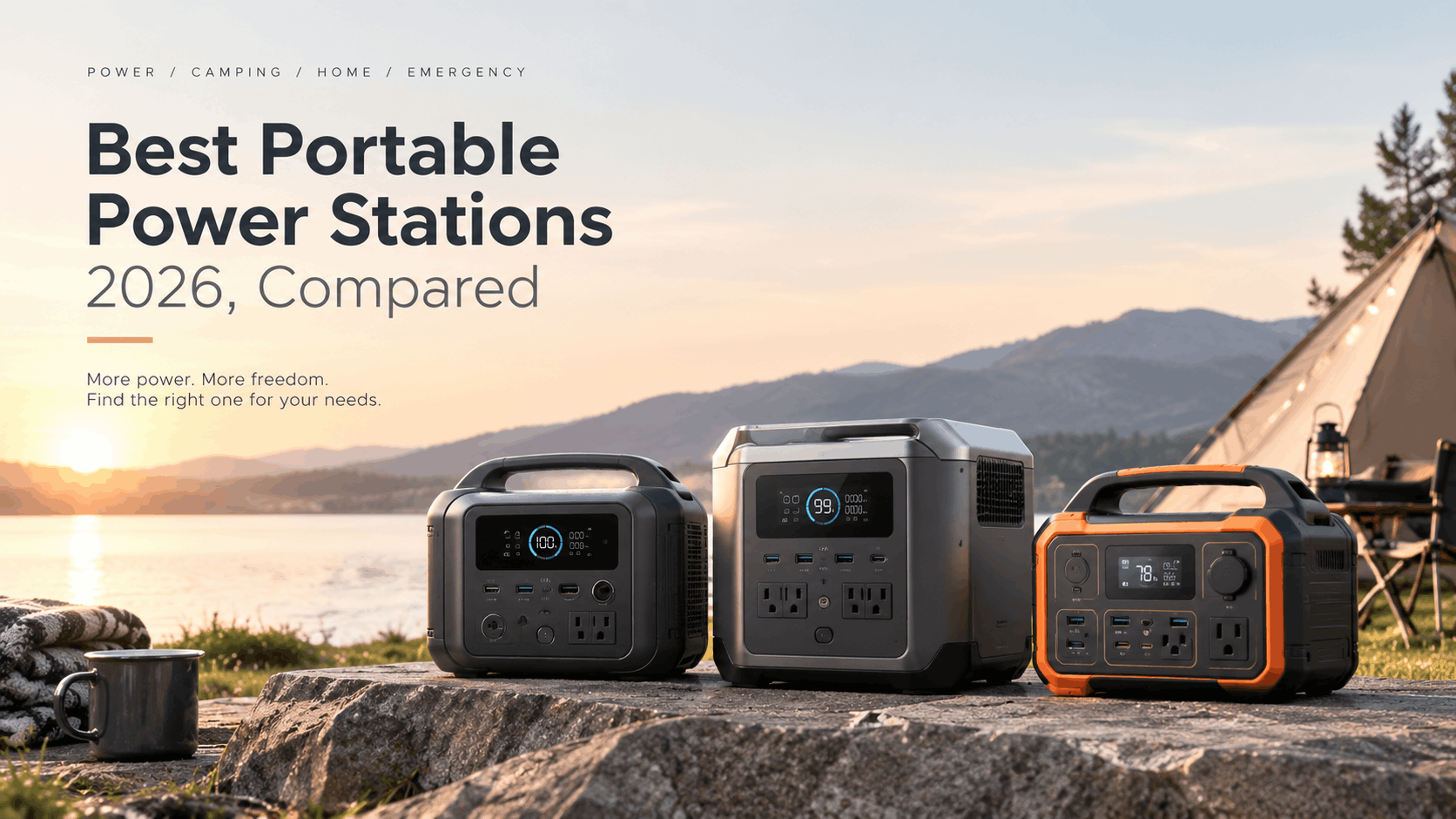
My cousin has a tiny three point five kilowatt hour portable solar battery. Uses it for camping. Light usage like phone charging and small fan. Maybe three hundred watts. Three point five kilowatt hours divided by zero point three kilowatts equals eleven point seven hours. Great for camping. Lasts all night.
The Critical Factor Is Your Usage
This is what people misunderstand. Battery duration depends entirely on how much power you draw from it.
A one kilowatt hour battery powering a one hundred watt device lasts ten hours. Same battery powering a five hundred watt device lasts two hours. Duration is inversely proportional to power consumption.
Calculate your nighttime usage first. Look at your electricity bill. Divide monthly usage by thirty days. Divide daily usage by twenty four hours. That’s your average hourly usage.
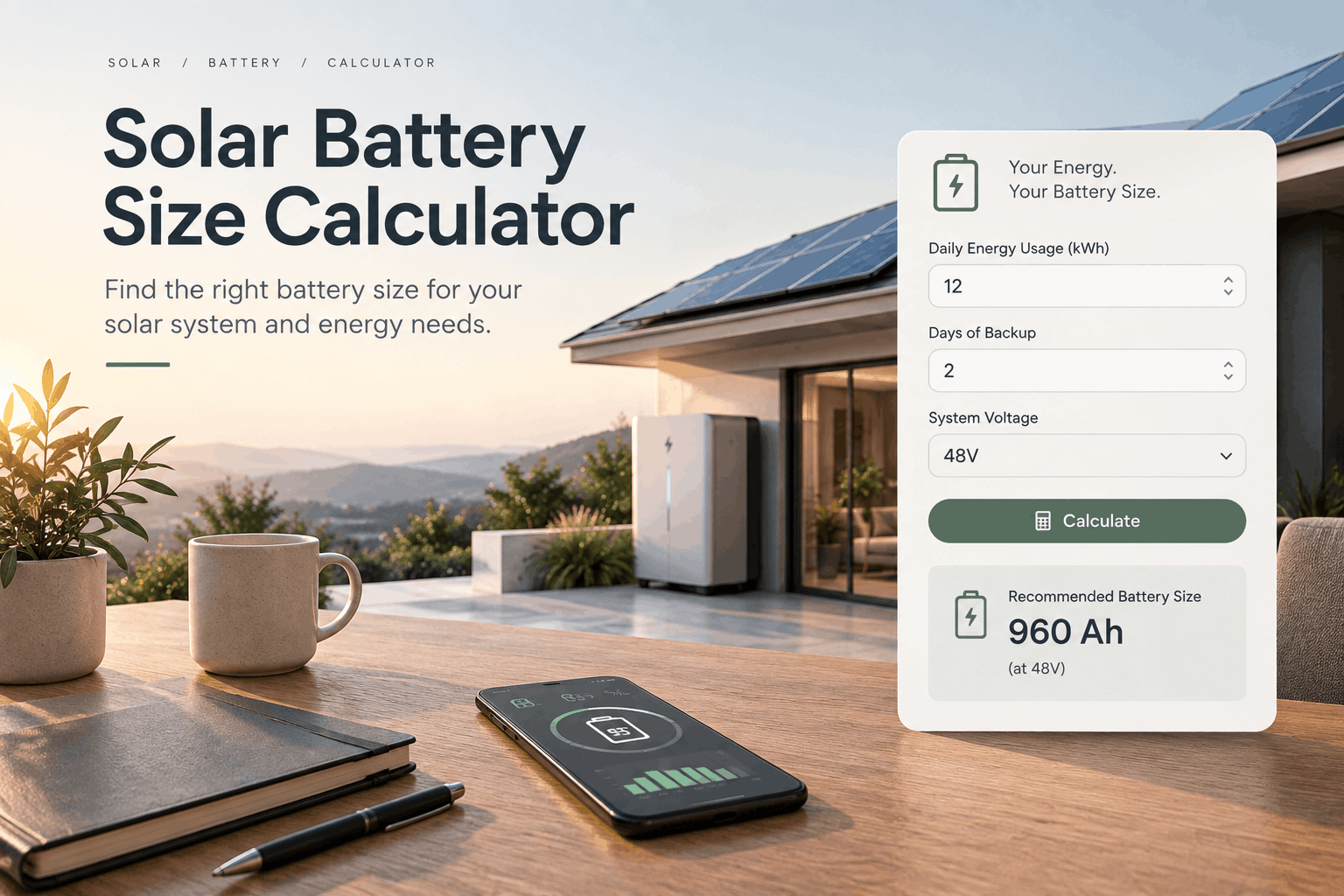
Your nighttime usage might be lower. My average daily usage is twelve kilowatt hours. Daily divided by twenty four hours equals five hundred watts average. But nighttime I use one point two kilowatts because air conditioning is off and fewer activities happen. Usage varies by time.
How Long Different Battery Sizes Last
Ten kilowatt hour battery with one kilowatt usage equals ten hours. Good for typical home night.
Twenty kilowatt hour battery with one kilowatt usage equals twenty hours. Covers full day and night.
Fifteen kilowatt hour battery with two kilowatts usage equals seven point five hours. Covers shorter night in summer.
Eight kilowatt hour battery with zero point five kilowatts usage equals sixteen hours. Light usage extends duration significantly.
Real batteries never discharge completely. Most batteries have a seventy to eighty percent usable capacity. A thirteen point five kilowatt hour battery stores thirteen point five but you only use about ten kilowatt hours safely. The reserve protects battery longevity.
That affects real world duration. My thirteen point five kilowatt hour battery that theoretically lasts eleven hours only lasts about nine hours in reality. Reserve capacity removes two hours.
Seasonal Changes Affect Duration
Summer nights are shorter. Eight to ten hours of darkness. Battery doesn’t need to power a long night.
Winter nights are longer. Fourteen to fifteen hours of darkness. Battery needs much more capacity.
My summer nights need five to six hours of battery power. Winter nights need ten to twelve hours. Same thirteen point five kilowatt hour battery covers summer easily. Winter pushes it hard.
People in northern climates with long winters need bigger batteries. People near the equator with consistent day length need smaller batteries.
Temperature Affects Duration
Hot weather reduces battery capacity. Lithium batteries work better in cold. Heat degrades performance temporarily.
Cold weather also reduces capacity. Very cold batteries work slower. Performance recovers when they warm up.
Moderate temperatures between fifty and eighty degrees Fahrenheit give maximum usable capacity and duration.
My battery is indoors in climate controlled space. Gets optimal temperature. Duration matches specifications. An outdoor battery in harsh climate would lose 10 to 20 percent capacity and duration.
Peak Vs Average Usage
This trips people up constantly. Your battery capacity is for sustained usage. Not peak usage.
If you run air conditioning, it draws five kilowatts. Your thirteen point five kilowatt hour battery lasts only two point seven hours running AC. But you don’t run AC all night constantly. You run it occasionally.
Average usage over time is what matters. My average is one point two kilowatts. Peak might be three kilowatts when everything runs. Duration calculation uses average not peak.
Design your battery for average nighttime usage. Not peak usage. Peak never lasts the whole night.
What Happens When Battery Runs Out
When your battery depletes, you stop drawing power or switch to the grid. If you’re off grid, you stop. If you have grid connection, electricity comes from the grid.
My system is grid connected. When battery depletes around six AM, I switch to grid power automatically. Seamless transition. No outage. Just using grid power instead of battery power.
Off grid systems need larger batteries or backup generator. Battery depletion means power loss unless you have backup.
Batteries don’t get damaged from full depletion. But most people avoid complete discharge. Partial discharge to seventy percent capacity is common. Extends battery lifespan significantly.
My battery management system prevents full discharge. Stops at ten percent reserve. Protects the battery.
Can You Add More Batteries
Yes. Most systems allow battery addition. You can start small and expand later.
My system has one battery. If I needed more capacity I could add another identical battery. Total capacity would double. Duration would double with same usage.
Adding batteries costs money. Figure 10,000 to 15,000 dollars per additional battery depending on type. But flexibility exists.
Some people start with eight kilowatt hours. Later add another eight. Total sixteen. Matches their growing needs.
Real Expectations For Duration
Small battery under ten kilowatt hours lasts four to eight hours with typical home usage.
Medium battery ten to fifteen kilowatt hours lasts eight to twelve hours.
Large battery over twenty kilowatt hours lasts twelve to twenty hours.
Duration depends on your usage pattern. These are typical ranges.
Off grid homes usually have days worth of storage. Provides cushion for cloudy periods. Grid connected homes use smaller batteries. Grid provides backup.
My Honest Assessment
Battery duration depends on your usage. Not on battery size alone. Same battery lasts wildly different times depending on what you power.
Calculate your actual nighttime usage. Don’t guess. Look at bills. Do the math. Then choose battery size that covers that usage with twenty to thirty percent margin.
Don’t buy battery thinking you’re self sufficient forever. You’re not. Battery covers nighttime. Grid covers peak daytime if needed. That’s realistic setup.
Budget 300 to 400 dollars per kilowatt hour for battery cost. A ten kilowatt hour battery costs 3,000 to 4,000 dollars. That determines your budget.
Battery lasts ten to fifteen years. Plan accordingly. It’s long term investment in energy independence not complete independence.
Summary
Solar battery duration is not fixed. It depends on how much electricity you draw from the battery. A thirteen point five kilowatt hour battery powering one kilowatt usage lasts thirteen point five hours. Same battery powering two kilowatts lasts six point seven five hours. Calculate your actual nighttime electricity usage by dividing daily usage by twenty four hours then multiply by twelve for night hours. Most homes need eight to twelve hours of battery coverage for typical nights. Small batteries under ten kilowatt hours last four to eight hours. Medium batteries last eight to twelve hours. Large batteries last twelve to twenty hours. Temperature affects capacity with optimal performance between fifty and eighty degrees Fahrenheit. Seasonal changes alter duration with winter nights longer than summer. Battery management systems prevent full discharge protecting battery lifespan. Real usable capacity is seventy to eighty percent of rated capacity due to safety reserves. Don’t size battery for peak usage. Use average nighttime usage for accurate duration calculation. Battery addition allows capacity expansion if needed later. Off grid homes need days worth of storage while grid connected homes use smaller batteries with grid backup.