Table of Contents
My Colorado Winter Became Bright Again With Cold-Climate Solar Lights
When I Thought Frozen Darkness Was Just Inevitable
I live in the Rocky Mountains. Winter here means brutal cold, massive snow, and endless darkness. Traditional solar lights? Forget them. They died by January every year. Dead batteries. Frozen panels. I’d retreated to thinking outdoor lighting was impossible during winter. I accepted living in darkness half the year. Then a neighbor mentioned cold-climate solar lights specifically engineered for winter. I was skeptical. How could lights work when there’s barely any sunlight and everything freezes?
I bought a Bitpott system anyway. Installation took thirty minutes. That first winter I was shocked. The lights stayed bright through January and February. Even during heavy snow, they bounced back after I cleared the panels. My driveway stayed visible. My patio became usable again. I finally understood that winter darkness wasn’t unavoidable. The right solar lights actually work in extreme cold.
Why Cold Climates Break Regular Solar Lights
Winter creates three specific problems that destroy regular solar systems:
- Short daylight hours. Northern locations get only 8-9 hours of sun versus 12-14 hours in summer. That’s fifty percent less charging time.
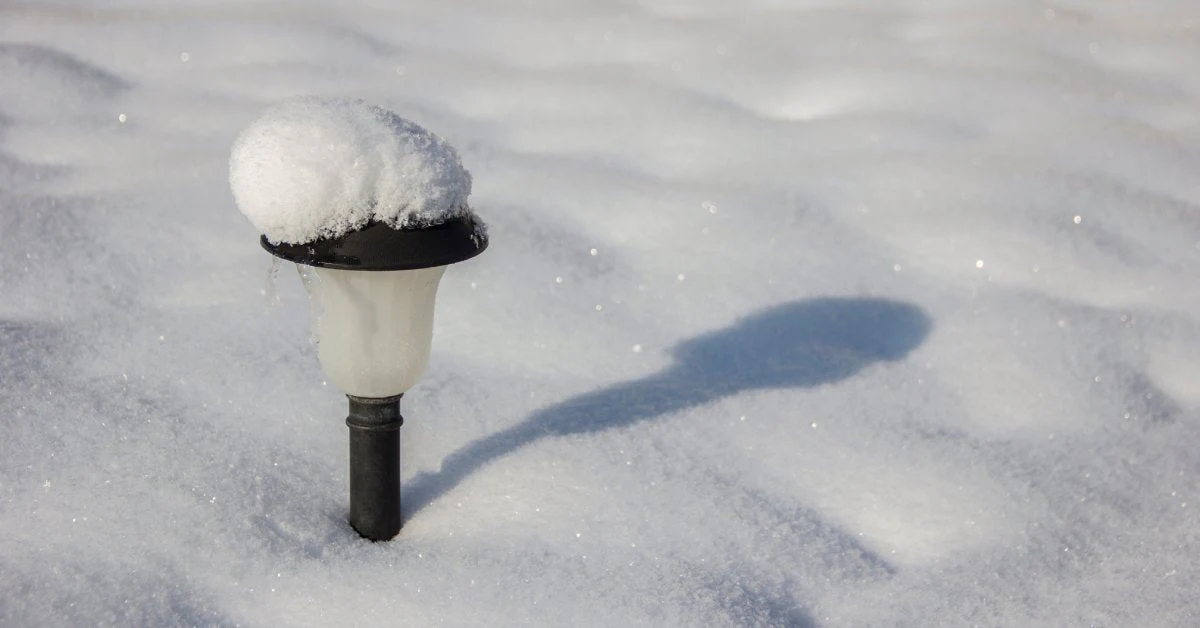
- Snow blocks panels completely. Just 0.2 inches (5mm) of snow blocks 80% of sunlight. Ice blocks 100%. Regular systems charge zero when panels are covered.
- Cold slows batteries. Freezing temperatures reduce battery efficiency dramatically. Standard lithium batteries lose performance in sub-zero conditions. Chemical reactions slow down. Power output drops significantly.
These three factors combined kill regular solar lights by December. They just aren’t engineered to handle these conditions. Cold-climate lights solve each problem differently.
2026 Cold-Climate Technology Actually Works
Modern winter-ready lights integrate technologies specifically designed to survive harsh conditions:
- Lithium Iron Phosphate (LiFePO4) batteries retain 80% capacity at minus 22°F. That’s double the performance of standard lithium-ion in cold weather.
- Monocrystalline solar panels achieve 22-25% conversion efficiency. They capture diffuse winter light 30% better than regular polycrystalline panels.
- Self-heating panel technology uses residual energy to melt snow automatically. You don’t need to clear them manually as often.
- Super Capacitors work in extreme cold down to minus 40°F. They charge and discharge without capacity loss in polar-like conditions.
- Sealed IP67 and IP68 waterproofing protects against submersion in slush and ice melt. Internal components stay dry and functional.
- Adjustable panel tilts between 15-45 degrees encourage snow to slide off naturally. Steeper winter angles maximize sunlight capture from low-angle rays.
Real Winter Performance From 2026 Brands
Bitpott pathway stakes feature efficient monocrystalline cells with 22-25% conversion rates. Their anti-freeze ABS casings prevent cracking from freeze-thaw cycles. Users report runtime doubled compared to budget models in minus 20°C conditions.
Linkind manufactures outdoor lights with frost-defying designs combining self-heating panels and Arctic-grade batteries. Their systems harness monocrystalline panels and smart energy management to pierce winter’s gloom.
SATELIS PRO delivers cold-weather solar LED lights for heavy snow, rain, and cloudy areas. The 600WH battery capacity with low-temperature technology provides best performance in cold regions. Full solar recharge happens in less than 11 hours. Industry-leading 200 lumens per watt efficiency.
Dazuma offers long-lasting solar lights engineered specifically for winter. Glass and aluminum construction performs best in cold climates. Lithium-ion batteries handle cold better than NiMH options. These lights shine 6-10 hours depending on weather and placement.
ClearWorld implements sealed enclosures protecting against water ingress. Their corrosion-resistant metals and reinforced polymers maintain structural strength through changing temperatures. Optimized panel angles maximize winter sunlight capture.
Real Performance Numbers From Testing
Here’s what actually happens with quality cold-climate lights:
- Panel efficiency. Cold actually boosts cell efficiency by 0.3-0.5% per degree below 25°C. Colder is slightly better for the panels themselves.
- Snow reflection bonus. Fresh snow bounces 80% of light back at panels. This adds 10-20% extra charge on overcast days. Reflective snow effects are real and measurable.
- Winter runtime. Quality systems deliver 8-12 hours of light in winter versus 12-14 hours in summer. Budget lights fail to 2-3 hours. The difference is massive.
- Panel tilt results. Tilting panels to 55 degrees in November increases winter runtime from 5 hours to 9 hours. Proper angle matters significantly.
- Battery recovery. Lithium-ion batteries at minus 20°C lose capacity temporarily. When warmed, they recover fully. Cold doesn’t permanently damage quality batteries.
Key Features Worth Looking For
When you shop for cold-climate lights, look for these specifications:
- Lithium Iron Phosphate batteries (LiFePO4) over standard lithium-ion. They perform 2x better in freezing conditions.
- Monocrystalline solar panels with at least 20% conversion efficiency. Higher efficiency captures weak winter light better.
- IP67 or IP68 waterproof ratings. These protect against slush, ice melt, and submersion.
- Sealed electrical enclosures. Prevents water seeping into sensitive components during freeze-thaw cycles.
- Adjustable panel angles. Lets you optimize for winter sun positioning or increase tilt to shed snow.
- High lumen output. Winter darkness requires brighter lights. Choose 400+ lumens for reasonable visibility.
- Replaceable batteries. Extends overall light lifespan when battery capacity declines.
- Warm white color temperature (2700K-3000K). Creates better ambiance than cool white during long dark nights.
Maintenance Makes The Difference
Cold-climate lights need specific care:
- Clear panels after heavy snow. A soft broom clears accumulated snow in minutes. Gentle handling prevents damage.
- Position lights in sunny spots. South-facing placement optimizes winter sun angles. Elevated mounts avoid deep snow piles.
- Clean panels quarterly. Dust and ice reduce efficiency. Regular cleaning maintains performance.
- Keep surrounding areas clear. Reflective snow helps but only if panels have clear ground exposure.
- Check battery connections monthly. Moisture and cold stress connections. Ensuring good contact prevents failures.
- Store removable batteries indoors overnight during extreme cold. This preserves battery health for longer lifespan.
Advantages Of Winter-Ready Solar Lights
- Zero electricity costs. Free light from the sun even in winter.
- Work through extreme cold. Engineered specifically for sub-zero temperatures.
- Low maintenance. Simple care keeps systems functional for years.
- Long lifespan. Quality systems last 5-10 years even in harsh climates.
- Safety in darkness. Illuminated pathways prevent winter accidents and falls.
- Easy installation. No wiring. No electrician. Just stake in ground.
- Environmental responsibility. Zero carbon footprint operation.
Disadvantages Of Cold-Climate Solar Lights
- Higher upfront cost. Winter-ready systems cost forty to eighty dollars per unit versus budget lights at ten to twenty dollars.
- Snow management required. Regular clearing necessary after storms. Some automation available but costs extra.
- Reduced winter output. 6-10 hours winter light versus 12-14 hours summer light. Shorter runs than warm-season performance.
- Panel tilt maintenance. Winter positioning differs from summer. Seasonal adjustment necessary for optimal performance.
- Battery replacement needed. Every five to ten years even with proper care. Replacement costs money.
- Weather variability. Extremely cloudy weeks reduce charging dramatically. Polar vortex conditions challenge even quality systems.
- Initial learning curve. Understanding optimal placement and maintenance takes effort.
Summary
Cold-climate solar lights use Lithium Iron Phosphate batteries retaining 80% capacity at minus 22°F and monocrystalline panels achieving 22-25% efficiency. Real brands like Bitpott, Linkind, SATELIS PRO, and Dazuma deliver 8-12 hours winter runtime. Self-heating technology melts snow automatically. IP67 waterproofing protects against ice melt and slush. Adjustable panel tilts from 15-45 degrees optimize winter sun capture. Snow reflection adds 10-20% extra charging. Quality systems cost forty to eighty dollars but outlast budget lights by five times in cold climates.