The Author
Table of Contents
Solar powered grow lights for indoor plants are one of those ideas that sounds like it should not work. You are using solar energy to run a light that replaces the sun for your plants. Inside your home. It feels circular somehow. But the technology behind it is solid and in 2026 more people are using these systems than ever before.
The concept makes real sense once you understand how it actually works. And for anyone growing herbs, vegetables, seedlings, or houseplants indoors, it is worth understanding properly.
How Solar Powered Grow Lights Actually Work
The solar panel sits outside or near a window where it gets direct sunlight during the day. That energy charges a battery. The battery then powers a full spectrum LED grow light that hangs above your plants indoors. No grid connection needed. No electricity cost. The sun charges the system and the system feeds your plants.
What makes it work for plant growth specifically is the LED spectrum. Plants do not need all wavelengths of light equally. They use blue light heavily during the vegetative stage for leaf and stem development. Red light drives flowering and fruiting. A proper grow light delivers both in the right ratios. Standard solar garden lights do not do this. Solar powered grow lights are built specifically around plant biology.
The battery storage piece is what makes indoor use practical. Your plants need consistent light during daylight hours when the solar panel is also generating. A decent battery bank buffers that relationship and gives you flexibility over timing.
Why People Are Moving Toward Solar Grow Lights in 2026
Electricity costs are the main driver. Running traditional plug-in grow lights adds measurably to monthly electricity bills. LED grow lights are more efficient than older HPS or fluorescent setups but they still draw consistent power over long daily cycles. Eight to sixteen hours of operation every single day adds up fast across a growing season.
Solar powered grow lights remove that ongoing cost. The upfront investment is higher but the running cost from that point forward sits close to zero. For serious indoor growers, hobbyists growing vegetables year round, or anyone running a small greenhouse setup, that saving compounds meaningfully over time.
Self-sufficiency is another driver. A lot of people growing food indoors in 2026 are doing it partly because they want less dependence on external systems. Running your grow lights on solar fits that mindset directly. Your plants grow on sunlight, stored and redirected. That feels right to a lot of people in a way that pulling from the grid does not.
This is something we cover in detail in our guide on Can I Use Solar Lights Indoors?
What Full Spectrum LED Means and Why It Matters for Your Plants
This term gets thrown around a lot. Worth being clear about what it actually means.
Full spectrum LED grow lights produce light across the wavelengths plants use for photosynthesis. The key ranges are blue light sitting around 400 to 500 nanometers and red light sitting around 600 to 700 nanometers. Some quality grow lights also include green, white, and far-red wavelengths that support additional plant processes.
Chlorophyll a and chlorophyll b in plant cells absorb light differently. Chlorophyll a peaks in the blue-violet and red ranges. Chlorophyll b peaks in the blue and orange ranges. A grow light that covers both peaks supports more complete photosynthesis than one that only delivers one color range.
Cheap blurple lights that blast purple light look dramatic but often underperform compared to a quality white or multi-spectrum LED that covers the full range plants actually need. In 2026 the best solar powered grow lights use full spectrum LEDs that deliver measurable results at harvest rather than just making your grow tent look impressive.
Choosing the Right Solar Powered Grow Light for Your Setup
Panel size determines everything upstream. A small panel charging a big battery for a high-output grow light is a mismatch that shows up immediately in performance. The panel needs to deliver enough daily watt-hours to run the grow light for your intended photoperiod and top the battery up fully in the available daylight hours.
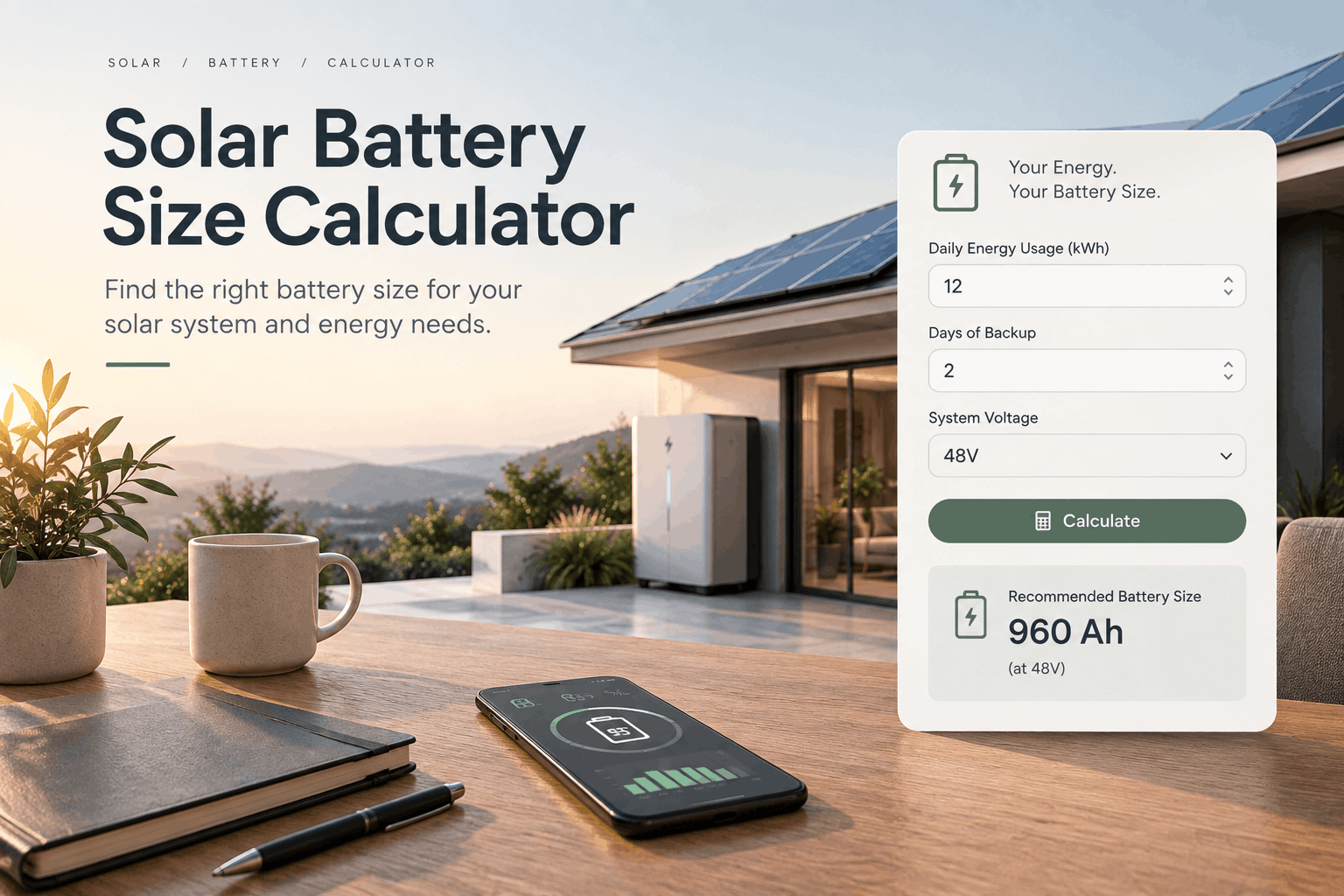
A rough calculation helps here. If your grow light draws 50 watts and you run it for 14 hours daily, that is 700 watt-hours per day needed from your battery. Your solar panel needs to generate at least that much on a typical clear day plus a safety margin for cloudy days. Sizing down on the panel to save money upfront causes problems in performance immediately.
Battery capacity in watt-hours tells you how many hours of operation you get on a full charge. Lithium iron phosphate batteries, often written as LiFePO4, are the best option for this application. They handle more charge cycles than standard lithium-ion, perform better through temperature swings, and last significantly longer before capacity degrades. Some quality solar grow light systems use batteries rated for over 3,000 charge cycles. That is close to a decade of daily use before meaningful degradation sets in.
Light intensity measured in PPFD matters more than lumens for plant growth. PPFD stands for photosynthetic photon flux density and it measures how many light particles actually useful for photosynthesis reach a square meter of plant surface per second. Seedlings need lower PPFD. Fruiting crops like tomatoes and peppers need much higher levels to produce properly.
What You Can Realistically Grow Under Solar Powered Grow Lights
This depends on your system size and light output. Being honest about what works well helps more than overselling the technology.
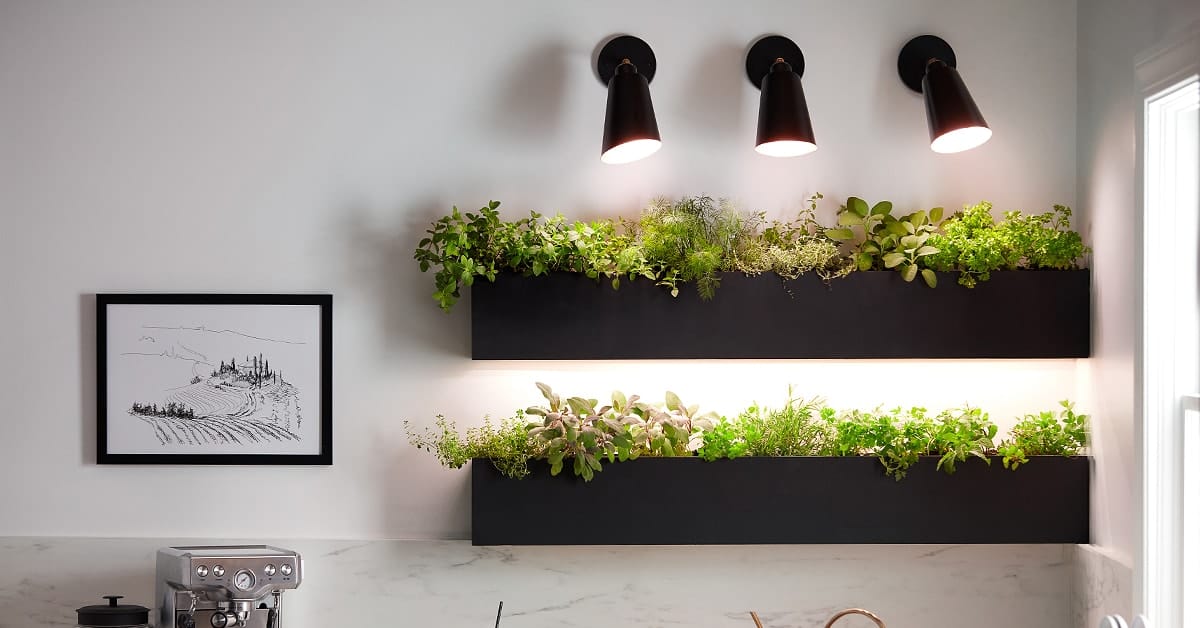
Herbs grow well under moderate output solar grow lights. Basil, mint, cilantro, parsley, and similar plants have relatively low light requirements and respond well to consistent indoor lighting. Salad greens and leafy vegetables also do well. Lettuce, spinach, and kale are not particularly demanding and produce reliably under indoor grow setups.
Seedlings and cuttings are an excellent application. Starting seeds indoors under a solar powered grow light then transplanting outdoors is practical, cost-effective, and extends your growing season meaningfully. The light requirements for germination and early seedling growth are manageable for most solar grow light systems.
Fruiting crops are where the system needs to be properly sized. Tomatoes, peppers, cucumbers, and similar plants need high light intensity for extended daily periods to produce fruit properly. These are achievable with a well-sized solar grow light system but you need to do the calculation on panel, battery, and light output before committing.
Placement and Setup That Most People Get Wrong
The solar panel needs to go somewhere it gets unobstructed direct sunlight. Not bright indirect light near a window. Direct sun. South facing outdoor placement is ideal in the northern hemisphere. East or west facing reduces charging time. Inside a window, even a south facing one, the glass cuts transmission meaningfully.
The grow light height above your plants affects both intensity and coverage area. Hanging it too high reduces PPFD at plant level. Too close causes light burn on sensitive plants. Most grow light manufacturers publish recommended hanging heights for different growth stages. Following those recommendations rather than guessing saves your plants from problems.
Reflective surfaces around your growing area increase light efficiency significantly. Flat white paint, white mylar, or dedicated grow room reflective material bounces unused light back toward your plants rather than losing it to dark walls. This effectively increases your grow light coverage without increasing power consumption.
Maintaining a Solar Powered Grow Light System
These systems need less attention than most people expect. A few habits keep them performing well.
- Clean the solar panel surface monthly. Dust and grime reduce charging efficiency more than most people realize and the effect builds up gradually rather than appearing suddenly.
- Check battery connections twice a year for corrosion. Terminals that look even slightly corroded reduce current flow and affect both charging and discharge performance.
- Wipe the LED fixture surface occasionally. Dust on the light housing reduces output over time and clean fixtures perform better than dirty ones.
- Replace the battery according to the manufacturer’s cycle rating. A battery at 80% of original capacity feels like a power problem. A fresh battery at the same specification restores full performance immediately.
Solar Powered Grow Lights Are a Serious Option in 2026
The technology has reached a point where solar powered grow lights for indoor plants deliver real results for real growers. Not just a novelty product. Not just for people who want to say they grow on solar. Actual usable systems that keep herbs, vegetables, seedlings, and houseplants growing consistently through seasons when outdoor conditions make it impossible.
The combination of improved LiFePO4 battery technology, better full spectrum LED efficiency, and lower overall system costs in 2026 makes this a genuinely practical choice for indoor growers who want to reduce electricity costs and run their garden on something closer to true self-sufficiency.
Summary
Solar powered grow lights for indoor plants work by storing solar energy in a battery and using it to power full spectrum LED lights above your plants. In 2026 better LiFePO4 batteries, improved LED efficiency, and lower system costs make these setups genuinely practical. Herbs, leafy greens, seedlings, and fruiting crops all grow well under properly sized systems. Panel sizing, battery capacity, and PPFD output are the key factors to get right before buying.