The Author
Table of Contents
Solar panels save money over time, but they come with real trade-offs most sales pitches skip. This guide covers the 10 disadvantages of solar energy homeowners care about most in 2026, from the federal tax credit ending to battery costs and roof requirements. Some of these problems cost you thousands. Others amount to a minor inconvenience. Read the quick list below first, then dig into whichever disadvantage worries you most.
The 10 Disadvantages of Solar Energy at a Glance
- No federal tax credit for new installations — Major
- High upfront installation cost — Major
- Output drops on cloudy days and in winter — Moderate
- Battery storage adds thousands to the price — Major
- Longer payback period without the tax credit — Moderate
- Not every roof qualifies — Moderate
- Manufacturing and disposal carry an environmental cost — Minor
- Selling a home with solar gets complicated — Moderate
- Panels need cleaning, inverters need replacing — Minor
- Fire and electrical safety depend on proper installation — Minor
Major means it changes whether solar makes financial sense for you. Moderate means it factors into the decision but rarely kills the deal. Minor means it’s worth knowing, not worth losing sleep over.
1. No More Federal Tax Credit for Homeowners in 2026
The 30% residential solar tax credit under Section 25D ended for any system placed in service after December 31, 2025. The One Big Beautiful Bill Act, signed into law on July 4, 2025, removed the credit with no phase-down period. Past policy changes eased homeowners into lower rates over several years. This one ended overnight.
Eligibility depends on your system’s Permission to Operate (PTO) date, not the date you signed a contract. A system approved before January 1, 2026 still qualifies. A 2026 approval does not.
One exception remains open. Third-party-owned systems, meaning leases and power purchase agreements, still access a separate commercial credit through 2027. The company owning the panels claims this credit, then usually passes part of the savings to you through a lower monthly rate. You never own the equipment under this setup, so weigh this trade-off before signing.
2026 installations also face new sourcing rules. Projects starting this year need to meet Foreign Entity of Concern requirements, limiting components sourced from restricted countries, including China. Fewer qualifying suppliers tends to mean higher prices.
State and utility-level incentives still exist in many areas.
How serious is this in 2026? Major. This single change adds thousands of dollars to almost every homeowner-owned system installed this year.
2. High Upfront Installation Cost

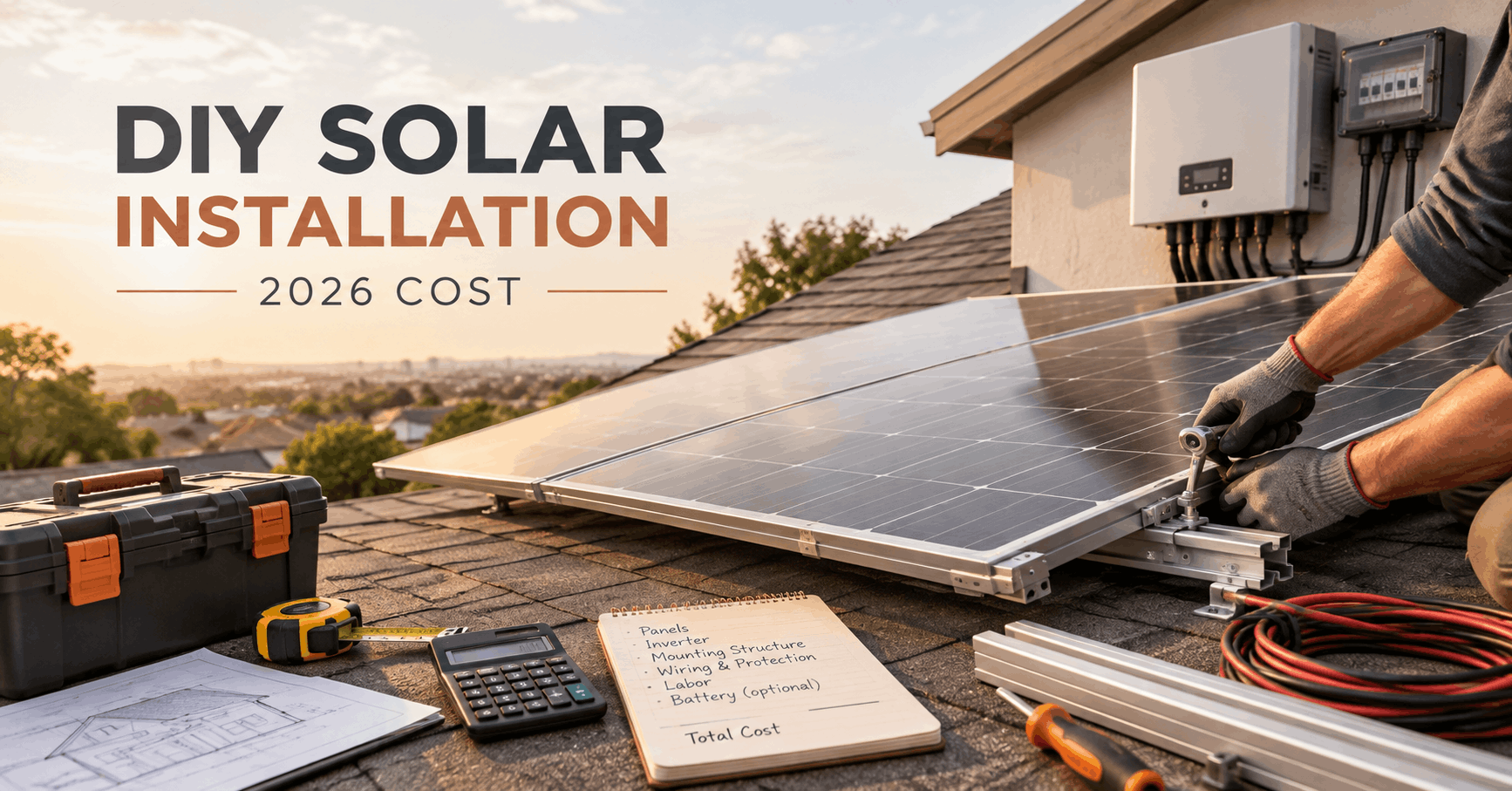
A full home solar system runs $15,000 to $30,000 before incentives, averaging close to $21,600 for a typical U.S. home. This figure covers panels, the inverter, wiring, permits, and labor. Add a battery, and the total climbs by another $9,000 to $18,000.
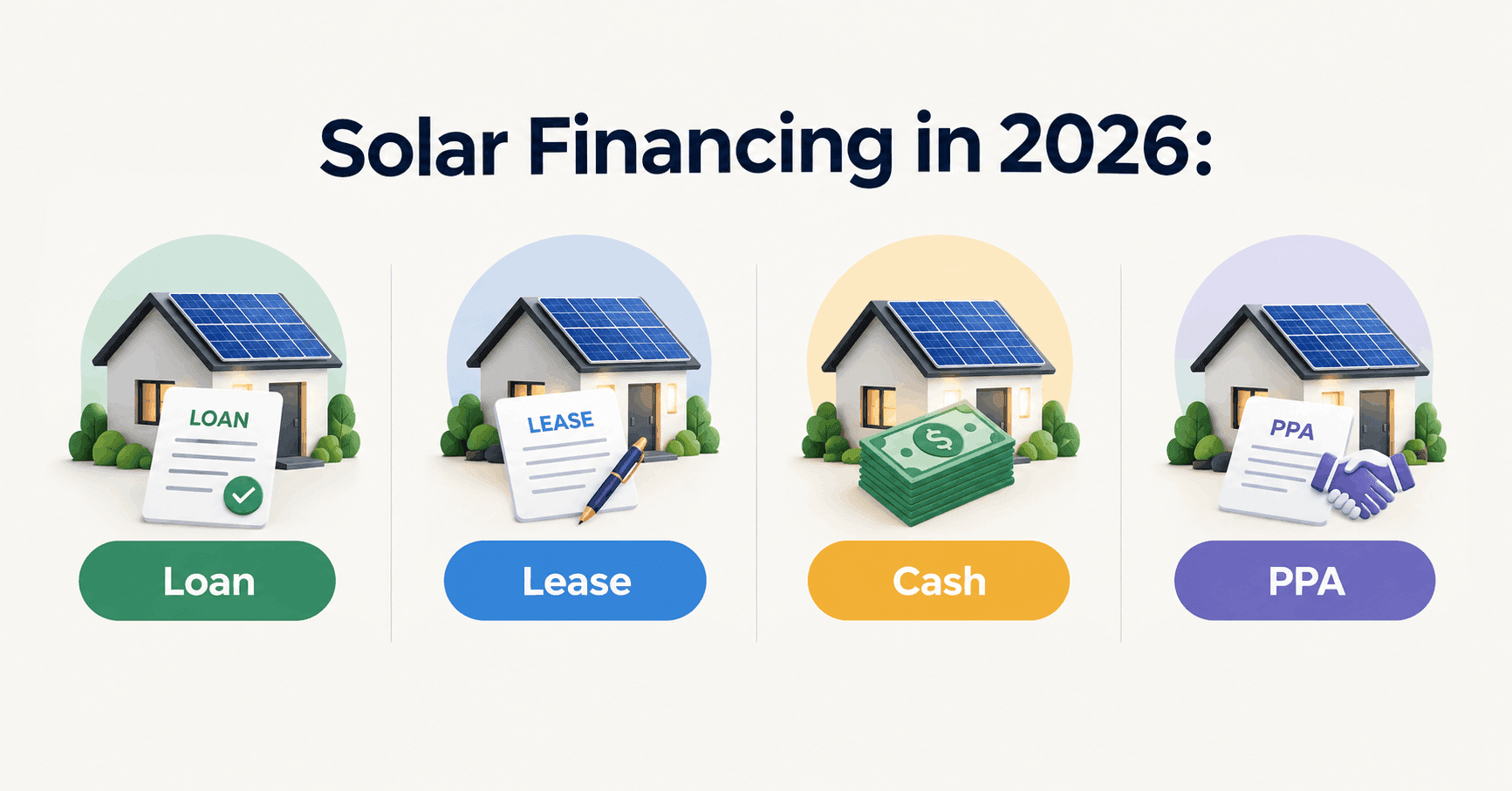
Financing spreads the cost into monthly payments, but interest adds up over a 10 to 25 year loan term. A cash purchase avoids interest entirely, and it skips the tax credit homeowners used to rely on to soften the cost. Without it, homeowners in 2026 pay full price from day one.
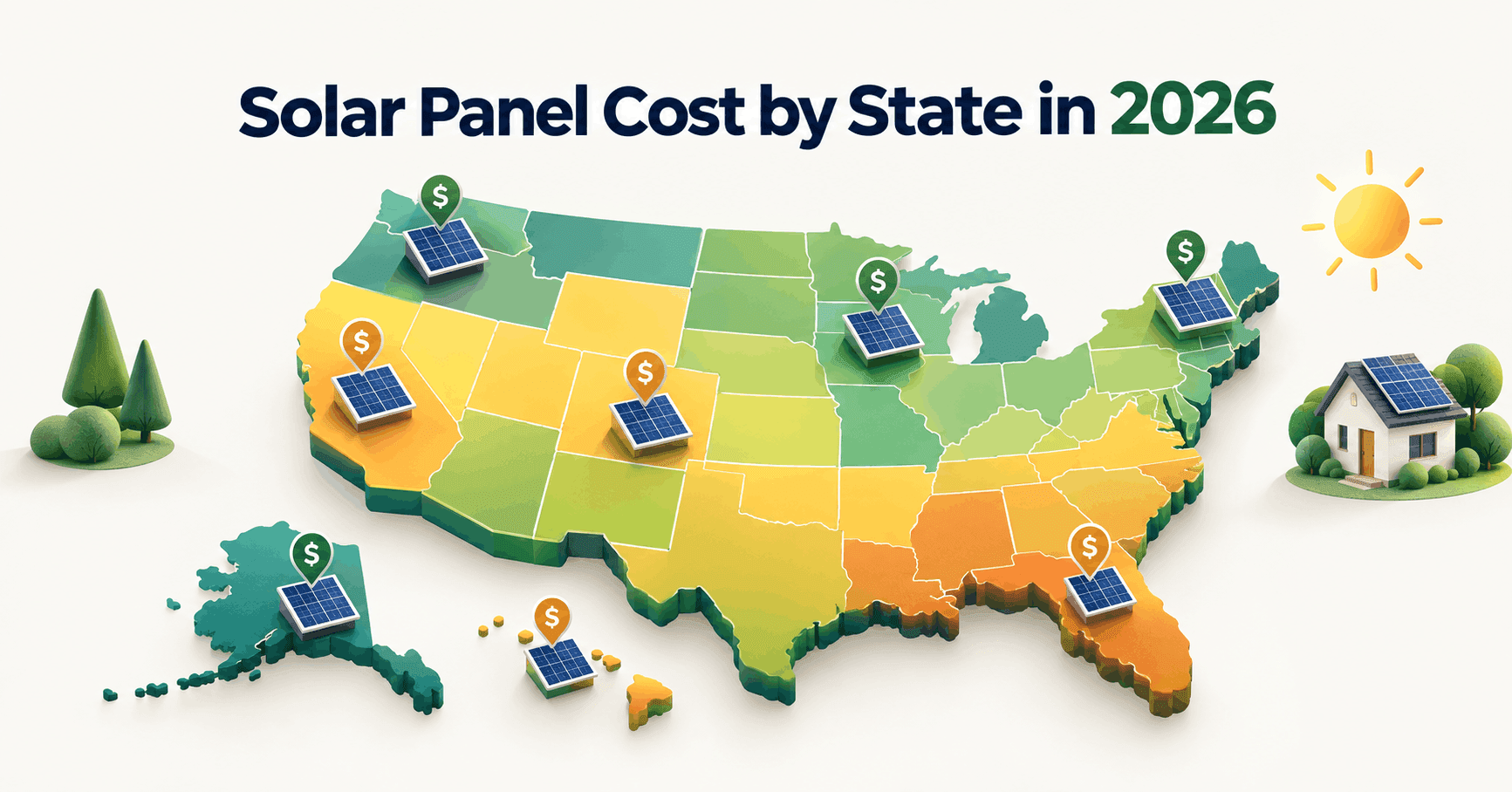
Price varies by state, roof complexity, and system size. Panel hardware keeps getting cheaper year over year. Installation labor and permitting costs haven’t followed the same trend, so “solar is getting cheaper” hides a more complicated picture for anyone paying cash in 2026.
Get quotes from three installers before signing. Prices for the same system size swing by thousands of dollars between companies.
How serious is this in 2026? Major. This number decides whether solar fits your budget at all.
3. Solar Panels Depend on Weather and Sunlight
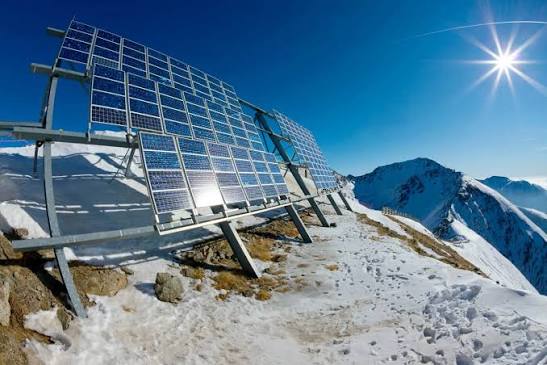
Solar panels need sunlight to generate electricity, so output swings with the weather. On a clear day, a system produces close to its rated capacity. Heavy cloud cover cuts output significantly. Winter adds a second hit: shorter daylight hours mean fewer total hours of production, even in regions with strong winter sun.
None of this means solar fails in cloudy climates. Germany runs one of the largest solar programs in the world with an average of only 3 peak sun hours a day, less sunlight than every U.S. state except Alaska. The fix is sizing. A home in Seattle needs a bigger system than a home in Phoenix to hit the same yearly output.
Net metering and battery storage smooth out day-to-day swings, banking summer surplus for cloudy stretches. Without either one, a cloudy week means a real drop in solar power reaching your home.
Do Solar Panels Work on Cloudy Days?
Yes. Panels keep producing electricity in cloudy weather, at a reduced rate. Expect 10% to 25% of normal output under overcast skies, depending on cloud thickness. Light cloud cover cuts output less than a heavy, gray, all-day overcast. Rain helps in one small way too: it washes dust and pollen off the panels, so the next sunny day usually outperforms the one before the storm.
How serious is this in 2026? Moderate. It shapes how much a system saves you, not whether solar works.
4. Battery Storage Costs Add Up Fast
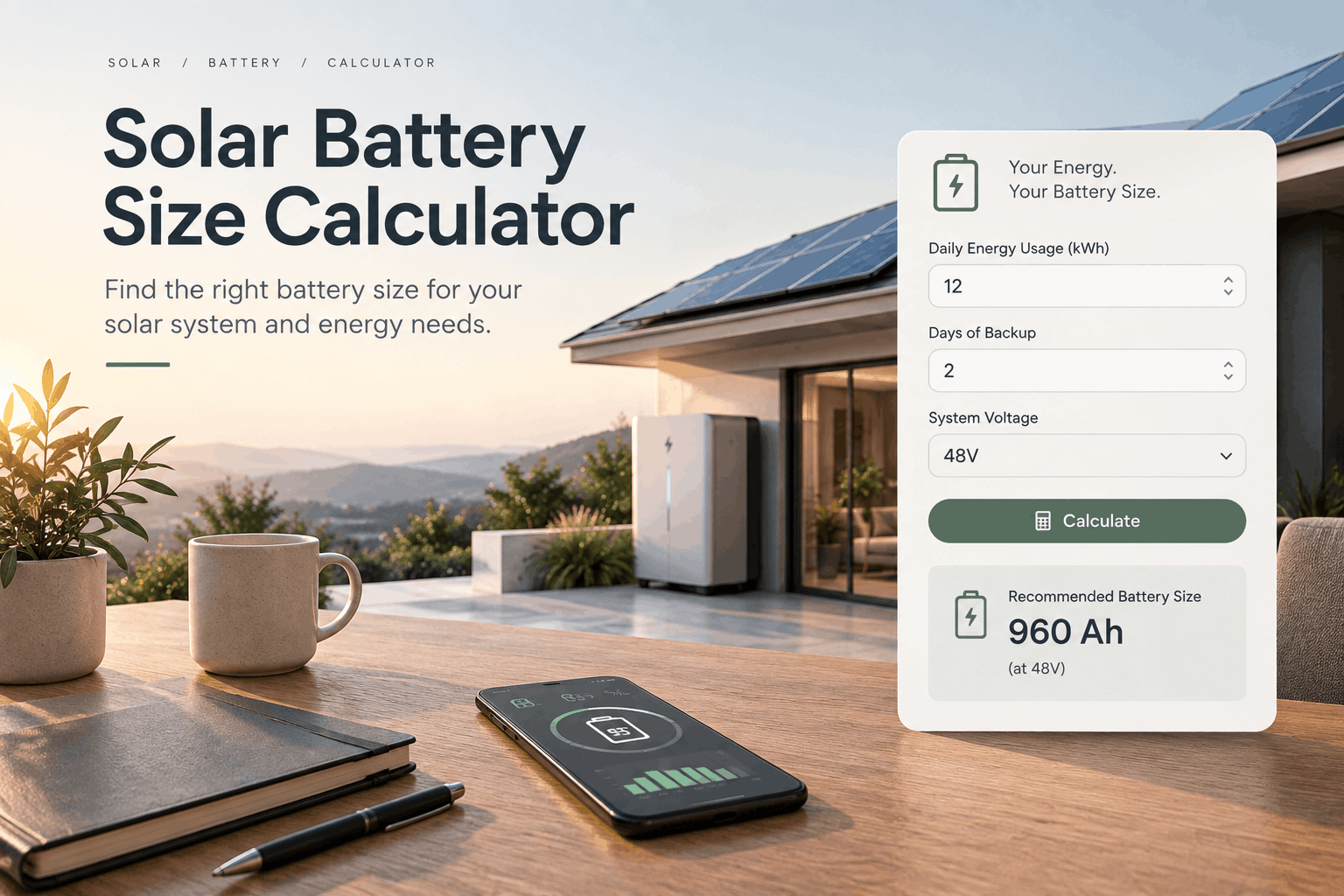
A home battery adds real cost on top of the panels. A single unit sized for essential backup, around 10 to 13.5 kWh, runs $9,000 to $18,000 installed before incentives. A Tesla Powerwall 3, one of the most common choices on the market, lists between $11,500 and $16,800 fully installed depending on location.
The 2026 tax credit change hits batteries the same way it hits panels. No federal credit applies to homeowner-owned battery installations this year either. State programs, utility rebates, and demand-response payments still lower the price in some regions, so check local options before assuming a battery costs full price.
A battery isn’t required to run solar panels. Grid-tied systems without one work fine for most homeowners, exporting excess power to the grid instead of storing it on-site. Batteries earn their cost mainly for homeowners with frequent outages or a utility paying poorly for exported solar power.
How serious is this in 2026? Major, if you plan to add one. Skip it, and this disadvantage disappears entirely.
5. Long Payback Period and Panel Lifespan
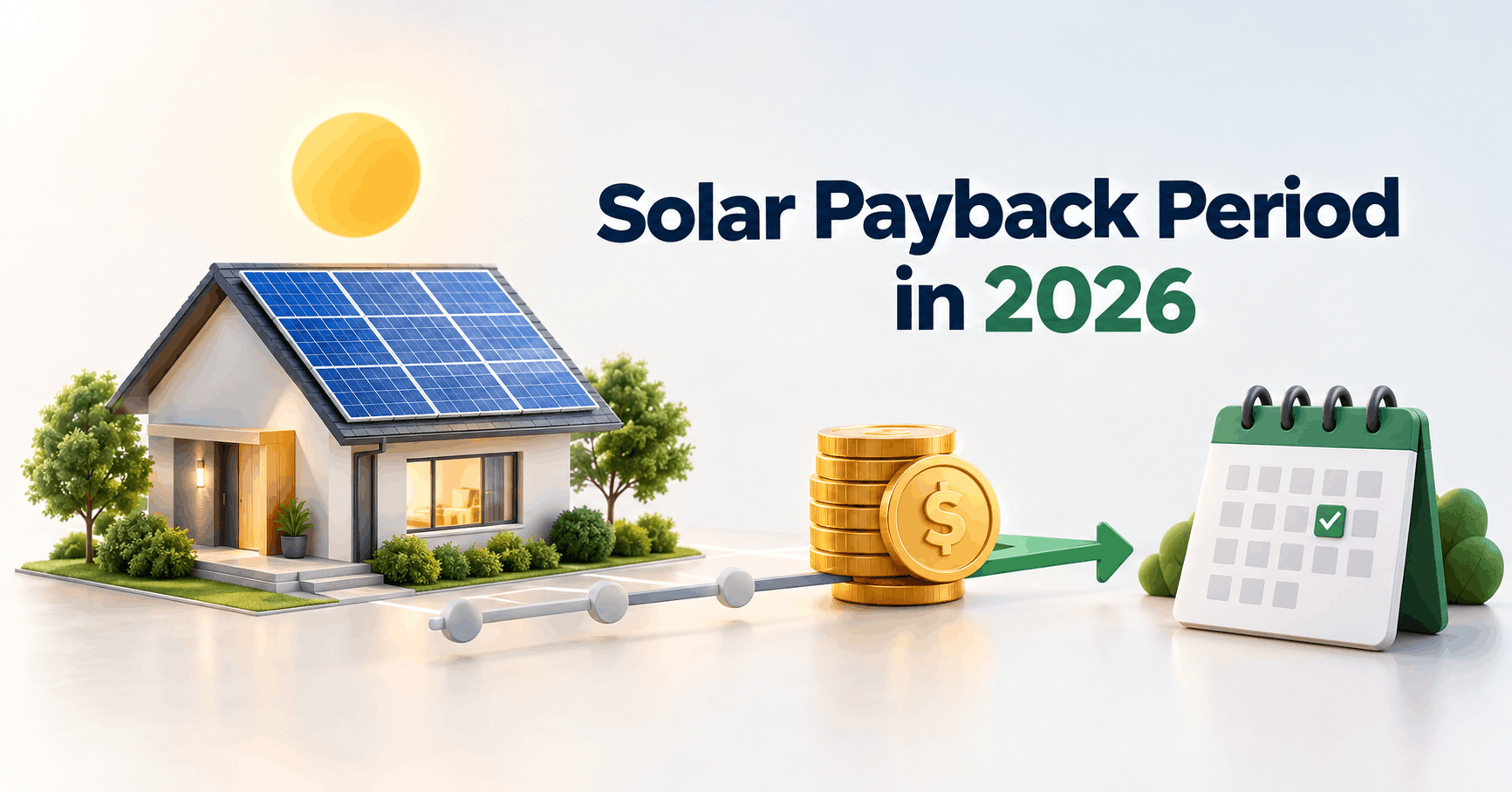
Without the federal tax credit, the break-even point on a solar system stretches out. A system that paid for itself in 7 to 9 years under the old incentive now often needs closer to 10 to 14 years, depending on your electricity rate and system size.
Panels last well beyond that window. Most carry 25 to 30 year warranties, and field data tracked by the National Renewable Energy Laboratory puts average degradation around 0.5% a year. A panel rated at 400 watts on installation day still produces close to 350 watts after 25 years.
The math works fine for homeowners staying long-term. The disadvantage shows up for anyone planning to move within five to seven years, since a longer payback period leaves less time to recover the investment before a sale.
How serious is this in 2026? Moderate. Long-term homeowners barely notice. Short-term owners feel it directly.
6. Not Every Roof Is a Good Fit
Solar works best on a south-facing roof (in the Northern Hemisphere) with full sun exposure and enough structural strength to hold the array. Shade from trees, chimneys, or neighboring buildings cuts output, sometimes significantly, even from a small shadow crossing one corner of a panel.
Older roofs raise a separate problem. A roof nearing the end of its life needs replacement before installation, since removing and reinstalling panels for a later roof job adds cost most homeowners want to avoid. A good installer checks your roof’s age and condition first, not after you sign a contract.
Flat roofs, steep roofs, and unusual angles aren’t deal-breakers, but they raise installation cost and reduce output compared to an ideal setup.
How serious is this in 2026? Moderate. A poor-fit roof doesn’t rule out solar. It changes the return on investment.
7. Manufacturing and Disposal Have an Environmental Cost
Solar panels produce clean electricity for decades, but making them isn’t free of environmental impact. Panel production uses energy, water, and mined materials like silicon, silver, and aluminum. Most residential panels sold today use crystalline silicon, which carries a lower environmental footprint than older thin-film technology.
Disposal is the newer problem. Panels installed in the 2000s and 2010s are starting to reach end of life, and dedicated solar recycling infrastructure in the U.S. is still developing region by region. A landfill remains the default option in areas without a nearby recycling program.
None of this erases solar’s environmental advantage over fossil fuels. A solar system typically offsets the emissions from its own manufacturing within one to four years, then produces clean power for two decades or more after that.
How serious is this in 2026? Minor. It matters for the industry’s future. It rarely changes an individual homeowner’s decision.
8. Selling a Home With Solar Panels Gets Complicated

A financed or leased solar system attaches strings to your home that a cash purchase doesn’t. A solar loan often places a UCC-1 lien on the equipment, and a PACE loan attaches to your property tax bill. Either one shows up during a title search when you sell.
A leased system or power purchase agreement adds a different wrinkle. The buyer needs to either take over your contract, or you pay it off before closing. Some buyers walk away rather than deal with the paperwork, which shrinks your pool of potential buyers and slows down a sale.
None of this applies if you own your system outright with no loan attached. Full ownership tends to raise a home’s resale value instead of complicating it.
How serious is this in 2026? Moderate. Ownership structure decides whether this disadvantage applies to you at all.
9. Panels Need Maintenance and Occasional Repairs
Solar panels need little upkeep, but little isn’t zero. Dust, pollen, and bird droppings reduce output over time, so a rinse once or twice a year keeps panels performing near their rated capacity. Homeowners in dry, dusty climates need more frequent cleaning than homeowners in areas with regular rain.
The inverter, not the panels, is the part most likely to need attention. A standard string inverter typically needs replacement roughly halfway through a system’s 25 to 30 year life, an extra cost most homeowners don’t budget for at installation.
Storm damage, rodents chewing wiring, and loose mounting hardware round out the short list of real maintenance issues. None of these problems show up often, but each one adds a repair bill when it happens.
How serious is this in 2026? Minor. Routine and predictable, not a reason to avoid solar.
10. Health and Safety Considerations
Solar panels raise two separate safety questions, and the answers differ. On health, the scientific evidence is clear: solar panels emit electromagnetic radiation far below levels considered a risk to humans, well under what a cellphone or Wi-Fi router produces daily. No credible research links solar panels to cancer or other health problems.
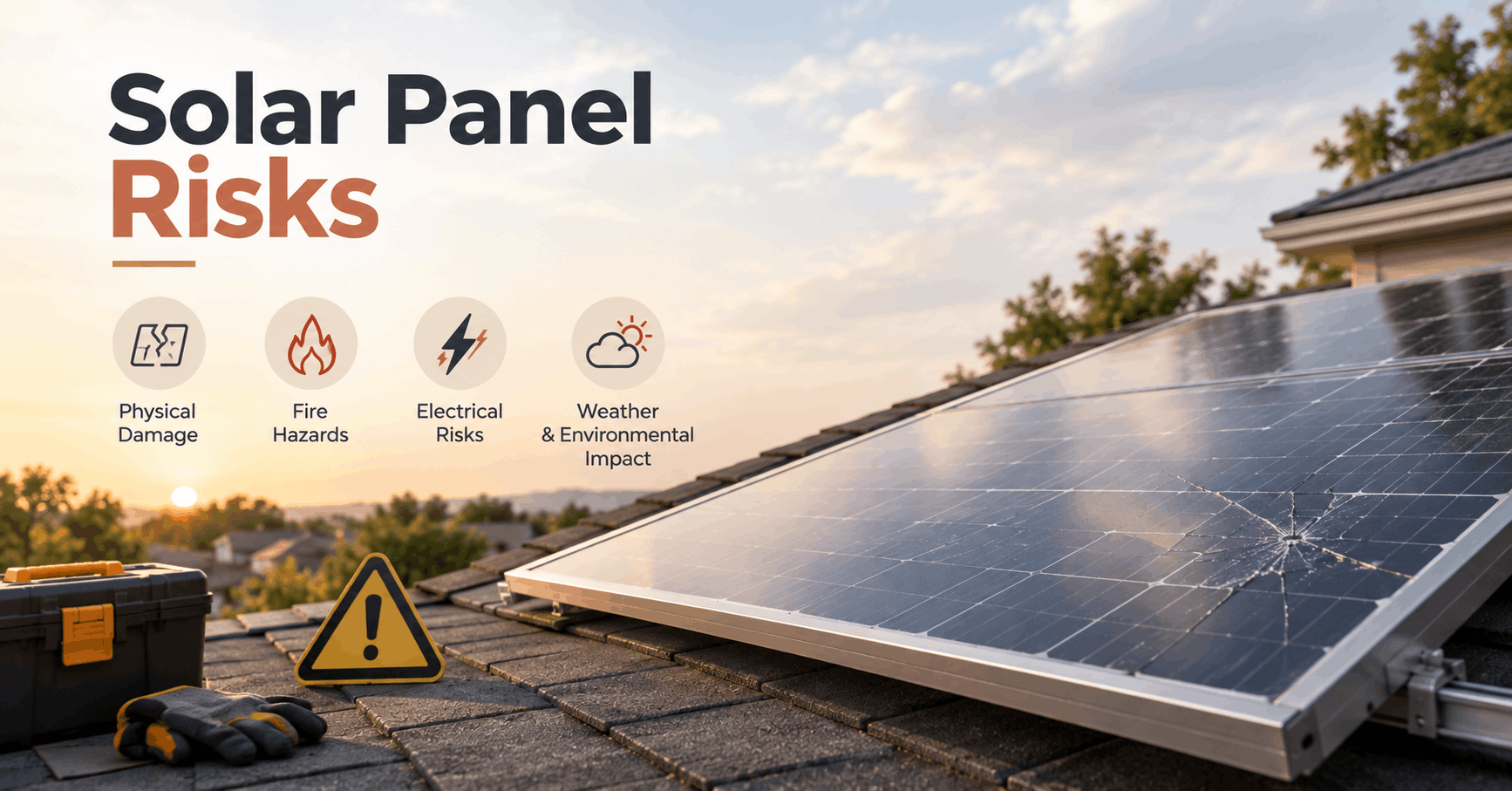
Fire risk is a real, if small, factor. The U.S. Department of Energy confirms that fires from residential solar systems happen, but rarely, and modern code requires rapid shutdown systems that de-energize the array during an emergency. Panels installed after 2017 include this feature by default. A licensed installer following current electrical code keeps this risk low.
Firefighters face a separate, specific hazard: live DC wiring between the panels and inverter stays energized even after a rapid shutdown, unless the shutdown covers this exact circuit. Proper roof labeling and clear access pathways, both required under fire code, keep first responders safe if they need to reach your roof.
How serious is this in 2026? Minor for homeowner health. Worth confirming with your installer for fire safety compliance.
Do the Disadvantages Outweigh the Benefits?
None of these 10 disadvantages of solar energy erase what solar does well: lower electric bills, protection from rising utility rates, and decades of power production from one investment. The disadvantages shift the math, not the outcome, for most homeowners planning to stay in their home long-term.
The decision comes down to your specific situation: your roof, your electricity rate, how long you’re staying, and whether you pay cash or finance. A homeowner moving in three years faces a different calculation than one planning to retire in the same house.
For the full breakdown of what solar gets right, alongside these trade-offs, see the complete guide.
FAQs
What are the 10 disadvantages of solar energy?
The main disadvantages of solar energy in 2026 are the end of the federal tax credit, high upfront cost, weather-dependent output, expensive battery storage, a longer payback period, roof suitability limits, manufacturing and disposal impact, resale complications, ongoing maintenance, and fire and electrical safety requirements.
What is the biggest disadvantage of solar energy?
For most homeowners in 2026, cost is the biggest disadvantage. The end of the 30% federal tax credit raises the effective price of a system by thousands of dollars compared to 2025.
Do solar panels work on cloudy days?
Yes. Solar panels produce electricity in cloudy weather, at roughly 10% to 25% of normal output depending on cloud thickness.
Are solar panels dangerous to your health?
No. Solar panels emit electromagnetic radiation far below levels linked to any health risk, and no credible scientific research connects them to cancer or other illness.
What are the disadvantages of solar energy in 2026?
The biggest 2026-specific disadvantage is the loss of the federal residential tax credit for any system placed in service after December 31, 2025, alongside new sourcing rules limiting which components installers use.
Is battery storage a drawback of solar energy?
Battery storage adds $9,000 to $18,000 to a solar installation and no longer qualifies for a federal tax credit. It’s optional. Grid-tied systems work fine without one for most homeowners.
Why do some homeowners regret installing solar panels?
Regret usually traces back to one of three causes: an oversized or undersized system, a lease or loan with terms the homeowner didn’t fully understand, or moving out of the home sooner than expected, before the system paid for itself.
Summary
Solar panels cut electric bills, but 2026 brings real trade-offs homeowners should know before signing a contract. This guide covers all 10 disadvantages of solar energy, from the end of the 30% federal tax credit to battery costs, roof requirements, and resale complications. Each disadvantage gets a severity rating, so readers see at a glance which ones matter and which are minor. Straightforward numbers, no sales pitch.