Table of Contents
I was frustrated. My electric bill showed my bedroom air conditioner was my biggest energy user. The AC ran all summer long. I realized I was paying $40 to $60 monthly just to keep my bedroom cool at night. For a renter in an apartment, running the whole apartment through the complex’s electrical system meant I couldn’t install rooftop solar. I couldn’t run wires to the building. But I wondered if I could just power my bedroom independently.
I started asking questions. How many solar panels does one room need. I found conflicting information online. Some sites said you need three panels. Others said one was enough. The difference came down to what you’re trying to run in that room.
My bedroom setup was simple. A ceiling fan. An air conditioner window unit. Phone charger. Laptop. Some lights. I added it all up. During the day maybe 300 to 500 watts if the AC ran constantly. At night maybe 50 to 100 watts for fan and charging.
A 400-watt solar panel produces roughly 1.6 to 2.0 kilowatt-hours per day in good sun. That’s 1,600 to 2,000 watt-hours. If my bedroom used 2,000 to 3,000 watt-hours daily, one panel wasn’t enough. But two panels producing 3,200 to 4,000 watt-hours might work.
The actual answer depends on three things. What do you want to power. How many hours of sun you get. And how long you want the power to last.
What You Actually Need to Power One Room
A bedroom needs lighting, chargers, and probably either a fan or AC unit. Let’s be realistic about what that costs in power.
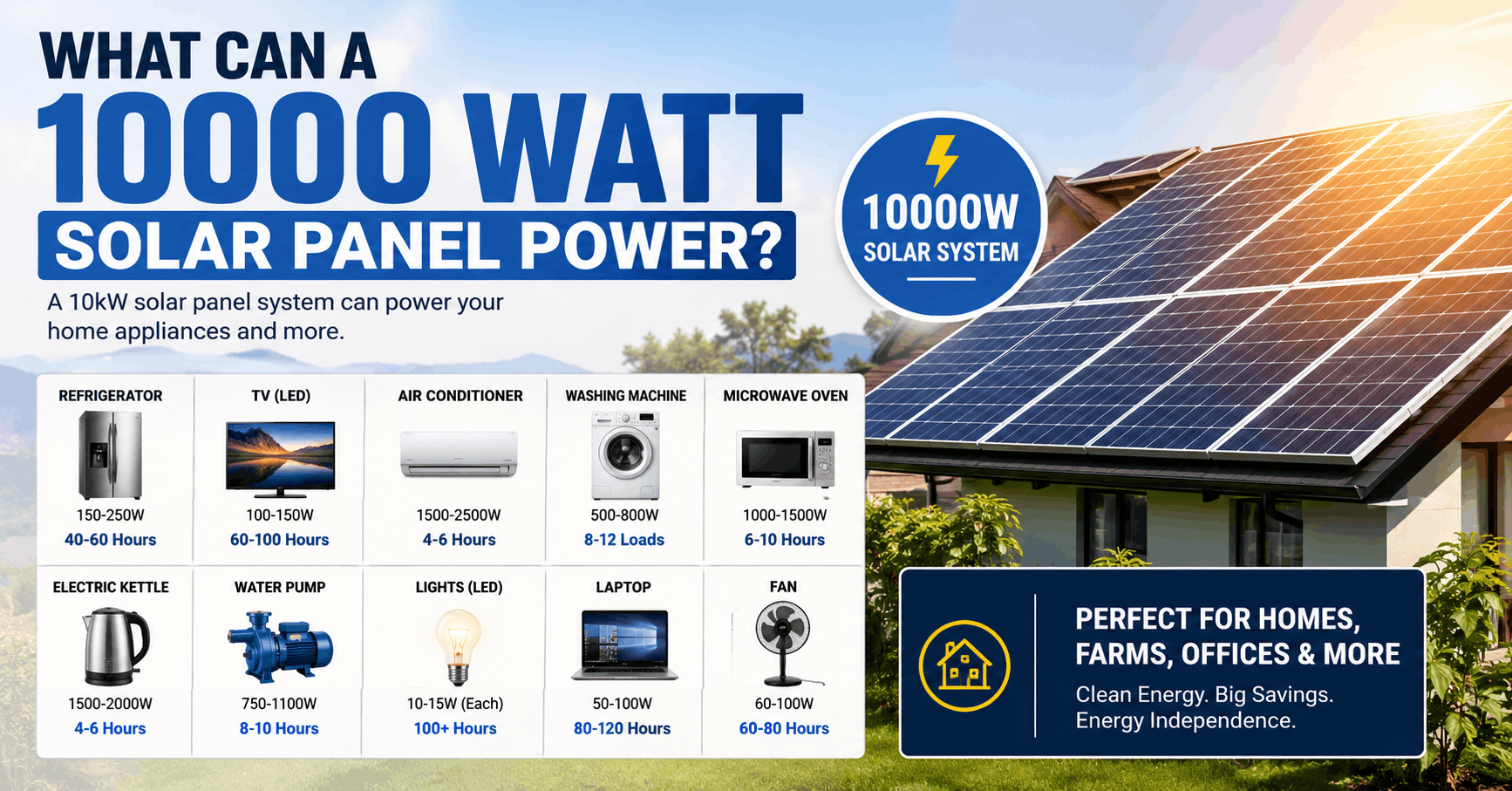
A single LED light bulb uses 10 watts. A ceiling fan uses 40 to 70 watts. A window AC unit uses 500 to 1,200 watts depending on size. A laptop charger uses 65 to 100 watts. A phone charger uses 5 watts. A TV uses 50 to 100 watts.
If you want the AC running all night, that’s a huge power draw. If you want lights, fan, and charging, that’s manageable.
I decided I didn’t need AC all night. I’d run it until 10pm, then switch to just a fan. That made the power requirement drop significantly. My system became totally different once I decided what actually had to run continuously.
How Many Panels You Realistically Need
Here’s the honest answer. One 400-watt panel produces about 2,000 watt-hours per day in good sunlight. A single bedroom using 2,000 to 3,000 watt-hours daily would need one to two panels.
But here’s the catch. You need the right battery. A panel can’t store power. Without a battery, when the sun sets, your power stops. You’d only have electricity during daylight hours when you’re probably not in your bedroom anyway.
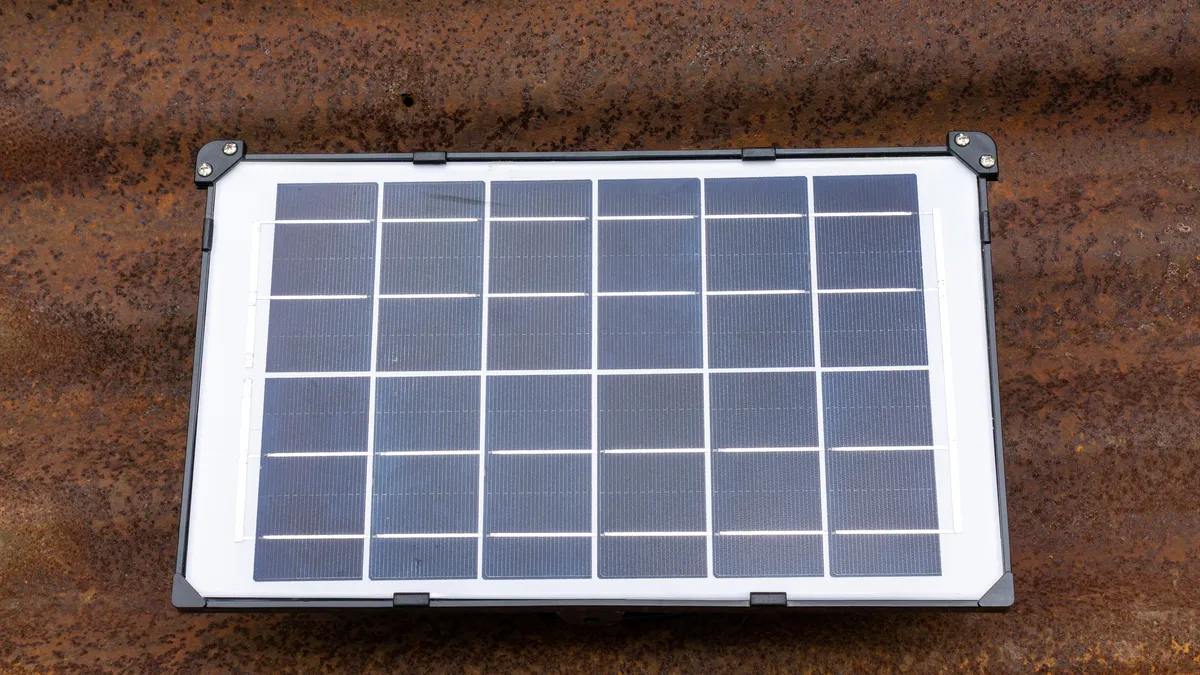
I bought two 400-watt panels. They produce roughly 3,200 to 4,000 watt-hours daily. That gives me enough to power my bedroom and charge a battery.
The battery is where the real cost comes in. A decent 10-kilowatt-hour battery costs $1,500 to $2,500. That’s where most of your money goes. Not the panels. The battery.
The Real Cost of One Room Solar
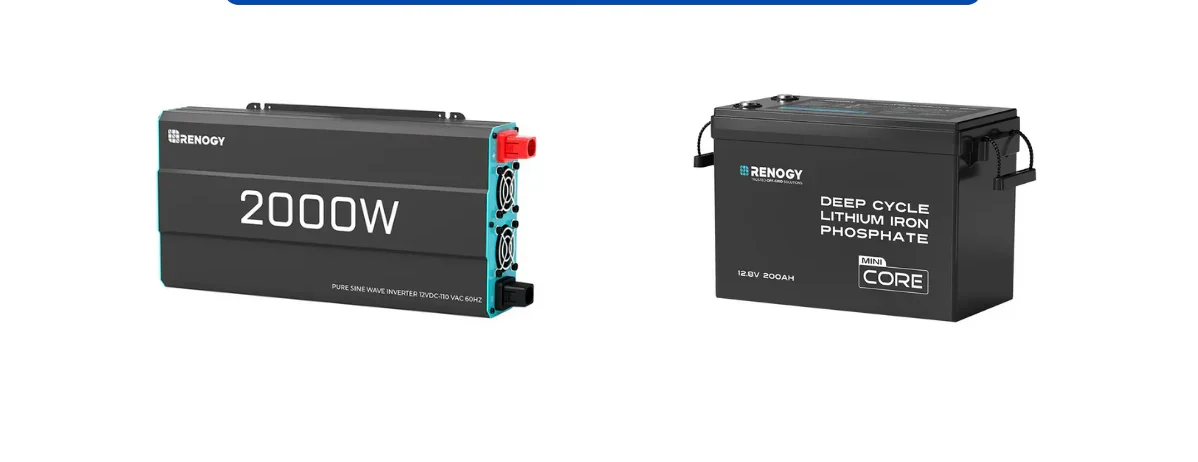
I’ll be honest about what I spent. Two 400-watt panels cost me $400. The mounting hardware was another $100. The battery pack cost $1,200. An inverter to convert power for my appliances was $300. An MPPT charge controller was $150. Wiring and miscellaneous parts were $50.
Total was about $2,200.
That’s not cheap. But I save $40 to $60 monthly on electricity from my bedroom AC alone. Depending on my other appliances, my overall electric usage dropped about 20 percent. That’s $15 to $20 monthly in savings.
The payback period is roughly 8 to 10 years. But the battery might degrade before that. Batteries don’t last forever. After 5 to 7 years, you might need a replacement.
Where to Mount Panels in an Apartment
This was my biggest challenge. Apartments don’t usually allow roof installation. I couldn’t mount panels on the roof.
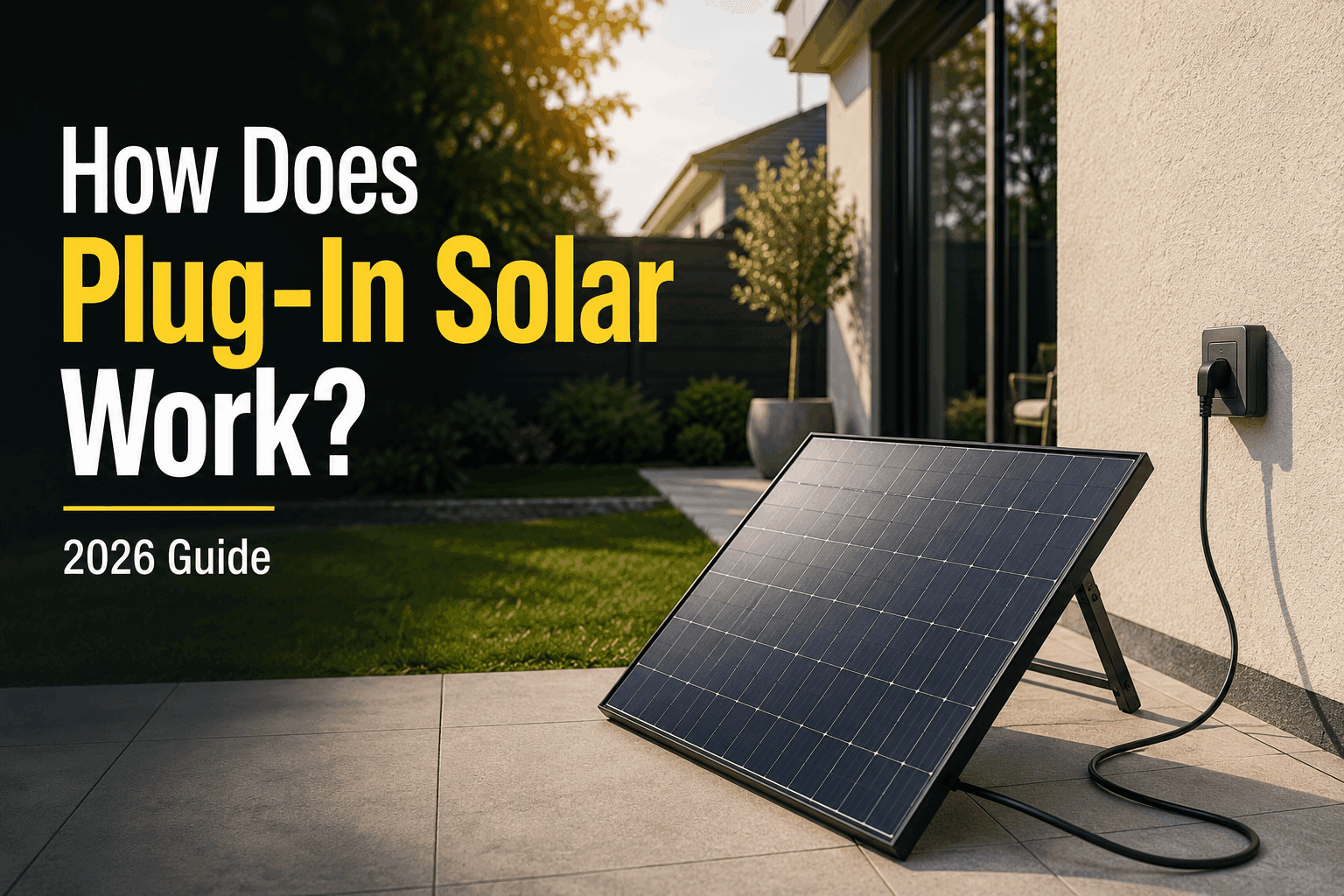
I put panels on my balcony using a bracket system that didn’t require drilling or permanent installation. The panels sit on the railing. They face south as much as my balcony allows. It’s not perfect orientation but it works.
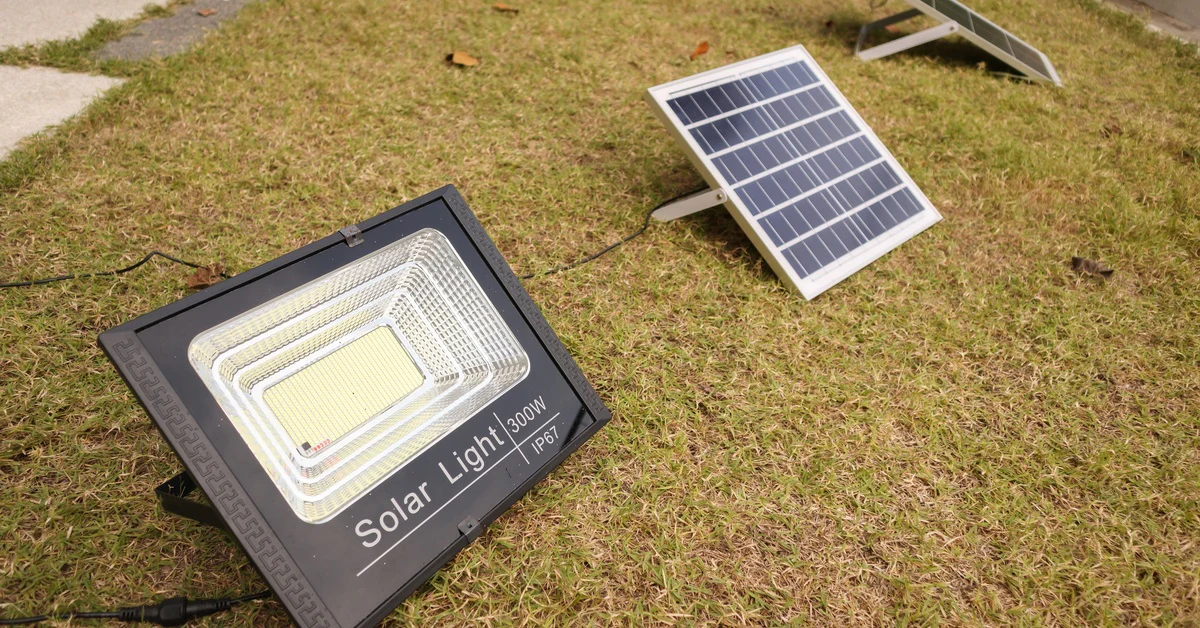
Some people use window-mounted panels. Others use ground mounts if they have a patio. A few use portable panels they can reposition daily.
The point is, in an apartment, you’re limited on positioning. That means your panels won’t produce peak output. I probably get 70 to 80 percent of the theoretical maximum because of less-than-ideal placement.
The Battery is the Biggest Deal
Without a battery, solar doesn’t work for a bedroom. You need power at night. Panels produce during day. Batteries store that power for night use.
I chose a 10-kilowatt-hour lithium battery. That gives me plenty of capacity to run my room all night even if the sun didn’t shine much that day.
A smaller 5-kilowatt-hour battery would cost $800 to $1,200 and be sufficient for a low-power bedroom setup. Bigger batteries cost more but last longer and provide more security if you have a day without good sunlight.
The battery is where I check the numbers before purchasing. A cheap battery fails fast. A quality lithium battery lasts 10 to 15 years and handles daily charging better.
Can You Use Portable Solar Panels
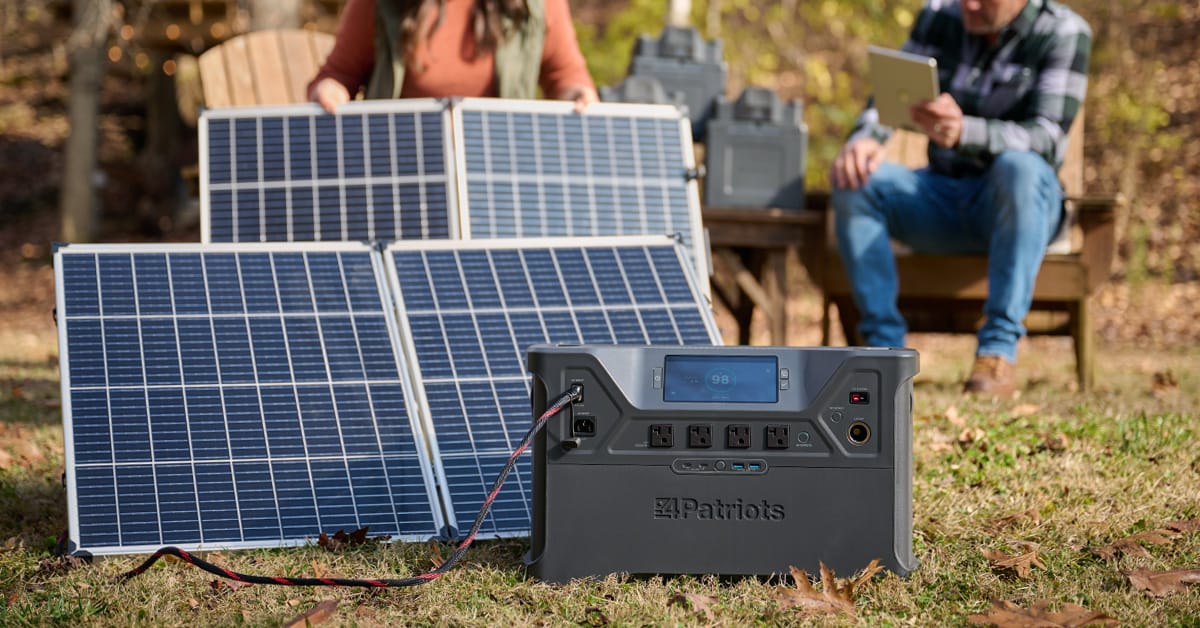
Yes. Portable solar panels exist specifically for this situation. You can buy a small portable solar generator with integrated battery.
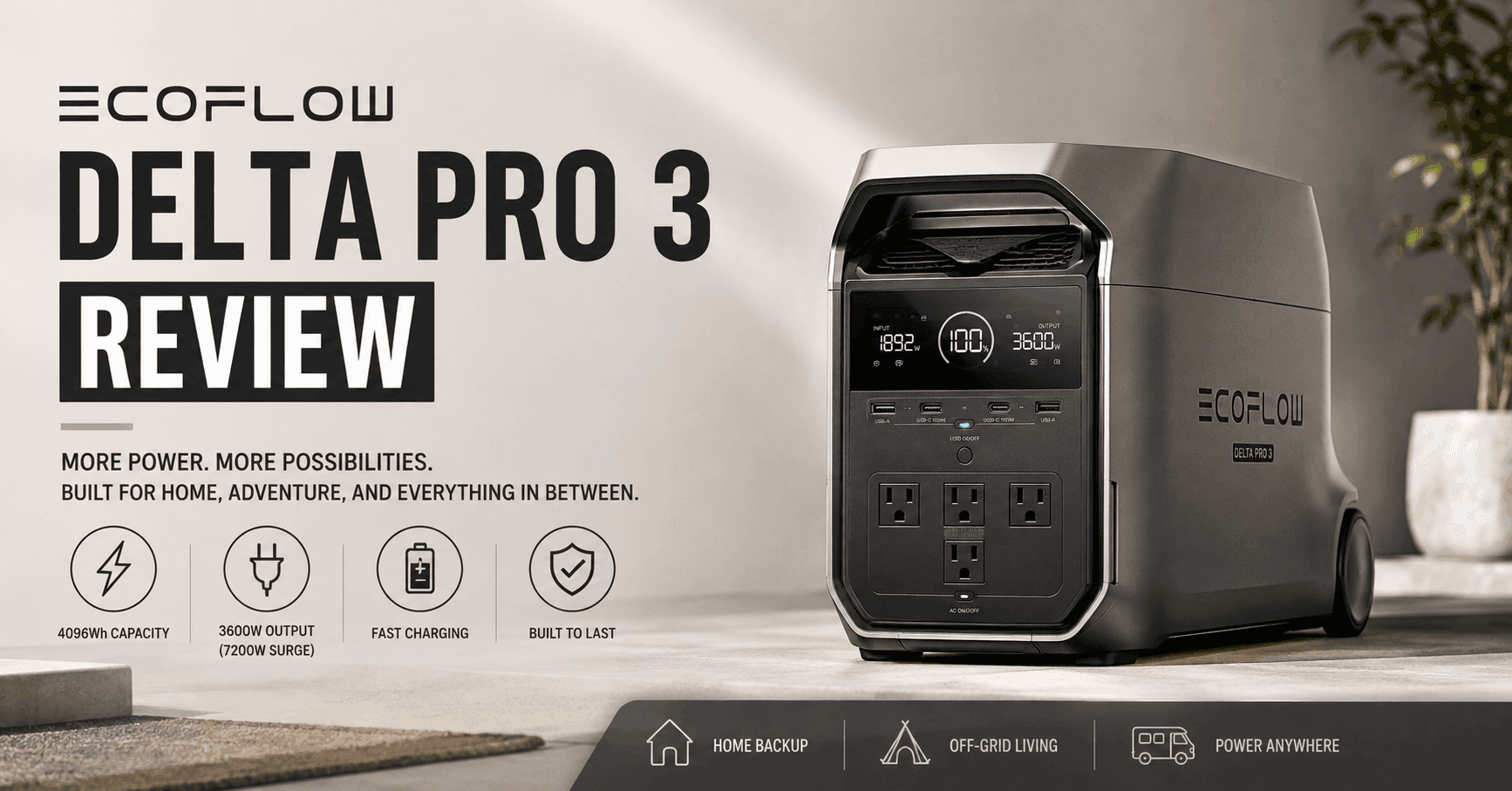
EcoFlow makes units with 400 to 600 watts of solar built-in plus a battery. They cost $1,500 to $2,500. They’re less efficient than separate panels and battery but they’re simpler to set up in an apartment.
The tradeoff is convenience versus efficiency. A portable unit takes three hours to set up. A hardwired system takes longer to install but performs better long-term.
I chose the hardwired approach because I planned to live in the apartment for years. If you’re temporary, a portable system makes more sense.
Real World Performance
My system has been installed for about eight months. Here’s what actually happened.
Summer was fantastic. Sunny days meant plenty of power. I could run my AC all evening and still have battery charge left in the morning. The AC in my bedroom worked constantly without guilt about the electricity bill.
Winter has been tougher. Shorter days and cloudier weather mean my panels produce maybe 60 percent of summer output. Some days I actually had to be careful about power usage. I couldn’t leave the AC on at night.
But here’s the thing. In winter, I don’t use AC anyway. I use a fan. The power requirement dropped dramatically. So the reduced solar production doesn’t matter as much.
Rain and clouds kill productivity. A rainy week last month meant my battery depleted faster than it charged. I had to plug the battery into a wall outlet to top it up. That defeats some of the purpose but it works.
Snow would be worse. I live in a climate without much snow but if you do, panels covered in snow produce almost nothing.
Things I Wish I Knew Before Starting
Buy quality battery. Don’t cheap out here. A bad battery fails and you lose everything.
Understand what you’re actually trying to power. AC is a huge draw. Lighting and charging are minimal. Know the difference before buying.
Position panels for maximum sun. Even small differences in orientation matter. South facing is best. East or west is acceptable. North is basically useless.
Budget for an installer if you’re not technical. Batteries and inverters involve electrical work. If you mess it up, it’s dangerous. Professional installation cost me $400 but it was worth peace of mind.
Don’t expect 100 percent power independence. Most people still stay connected to grid power because weather happens. Solar supplements. It doesn’t fully replace grid power for most apartment dwellers.
Would I Do This Again
Honestly yes. My bedroom electricity is basically free now. I save money monthly. The payback is happening even if slowly.
The investment was real. $2,200 is significant. But I’m renting this apartment for years. The system stays with me if I move. It doesn’t stay with the landlord. So it’s an investment in my own equipment.
For someone renting short-term, it doesn’t make sense. For someone living somewhere for years, one-room solar is worth considering.
The frustration with high electric bills pushed me to try this. I’m glad I did. My bedroom runs on sunshine most of the time. That feels different from normal apartment living.
Summary
My apartment electric bill was killing me. My bedroom used most of my energy. I researched powering just that room with solar. Turns out one or two panels with a battery can run a single bedroom. I spent $1,200 on panels, a battery, and an inverter. Now my bedroom electricity costs me nothing. This is what I learned about powering a single room with solar in 2026.