Table of Contents
How I Went From Struggling Local Manufacturer To Booming Solar Lights Exporter
When My Factory Had No Future In A Saturated Market
I manufactured LED lights. Standard bulbs. Strips. Panels. The work felt pointless. Price competition destroyed my margins. Every competitor undercut my pricing. I was stuck in a race to the bottom with no way to win. Margins compressed every quarter. I couldn’t invest in quality. I couldn’t innovate. I was slowly drowning. Then a consultant mentioned the solar lighting export boom. I thought he was crazy. Solar lights seemed like a niche product. But I researched and found the data shocking. The market was exploding. Global exports were surging. The opportunity was real.
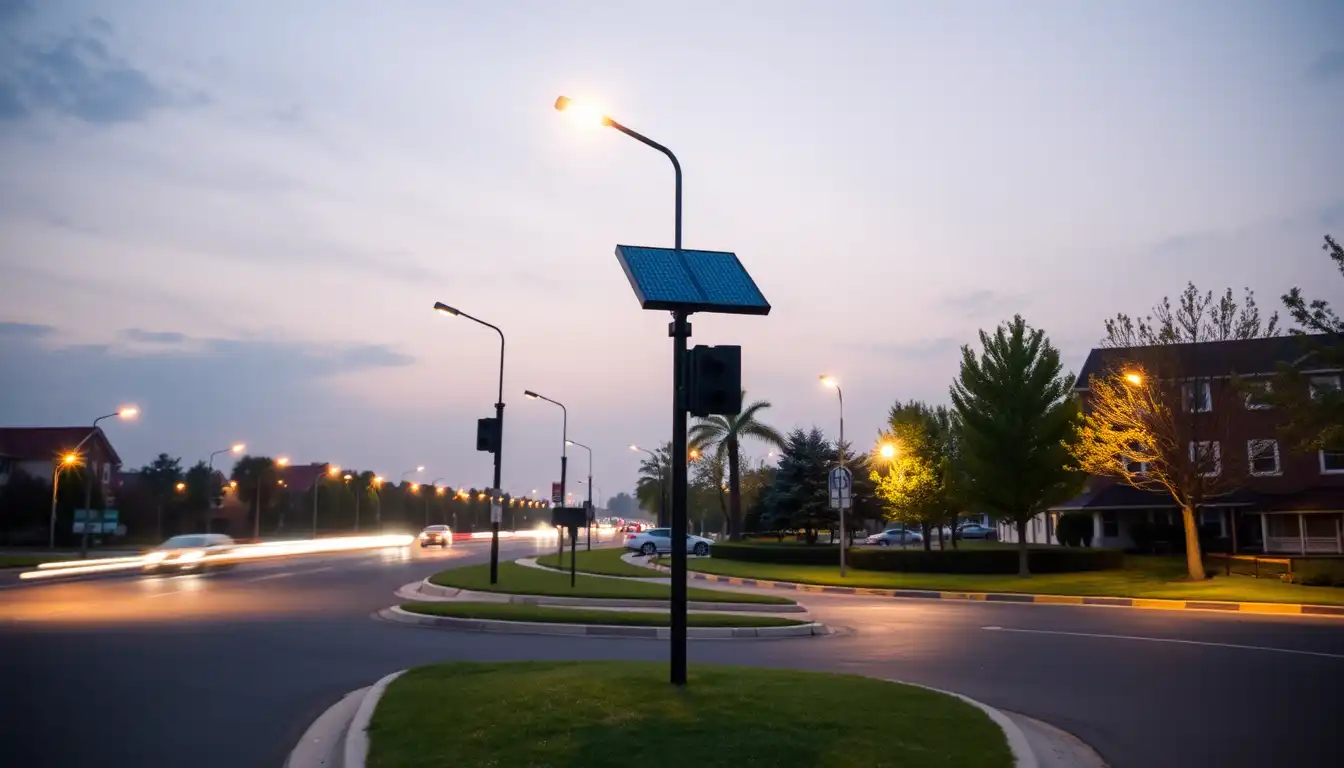
I pivoted my factory completely. Stopped making standard LED lights. Started manufacturing solar street lights. Solar fence lights. Solar garden lights. Quality designs. Real components. Proper waterproofing. The first year was terrifying. The transition cost money. Production restarted from zero. But within eighteen months, my revenue tripled. My margins became healthy again. Now I export to thirty countries. The solar lighting export boom transformed my business from dying to thriving.
Why The Global Solar Lights Export Market Is Booming
The numbers tell the story. The solar lighting system market reached USD 7 billion in 2023 and continues rapid growth. Projections show the market reaching USD 26 billion by 2033 at a 14% compound annual growth rate. That’s explosive expansion. Nothing in traditional lighting comes close to this growth trajectory.
Demand is genuine. Multiple factors drive this expansion. Governments worldwide prioritize carbon reduction. Climate change creates urgency. Cities implement smart city initiatives requiring solar street lights. Rural electrification programs in Asia and Africa need solar lights. Residential demand surges as prices fall and environmental awareness grows. Commercial projects multiply because operational costs drop dramatically. Supply is shrinking. Active sellers declined 8.19% while active buyers surged 12.32% in 2025. Classic market imbalance creating opportunity for quality manufacturers.
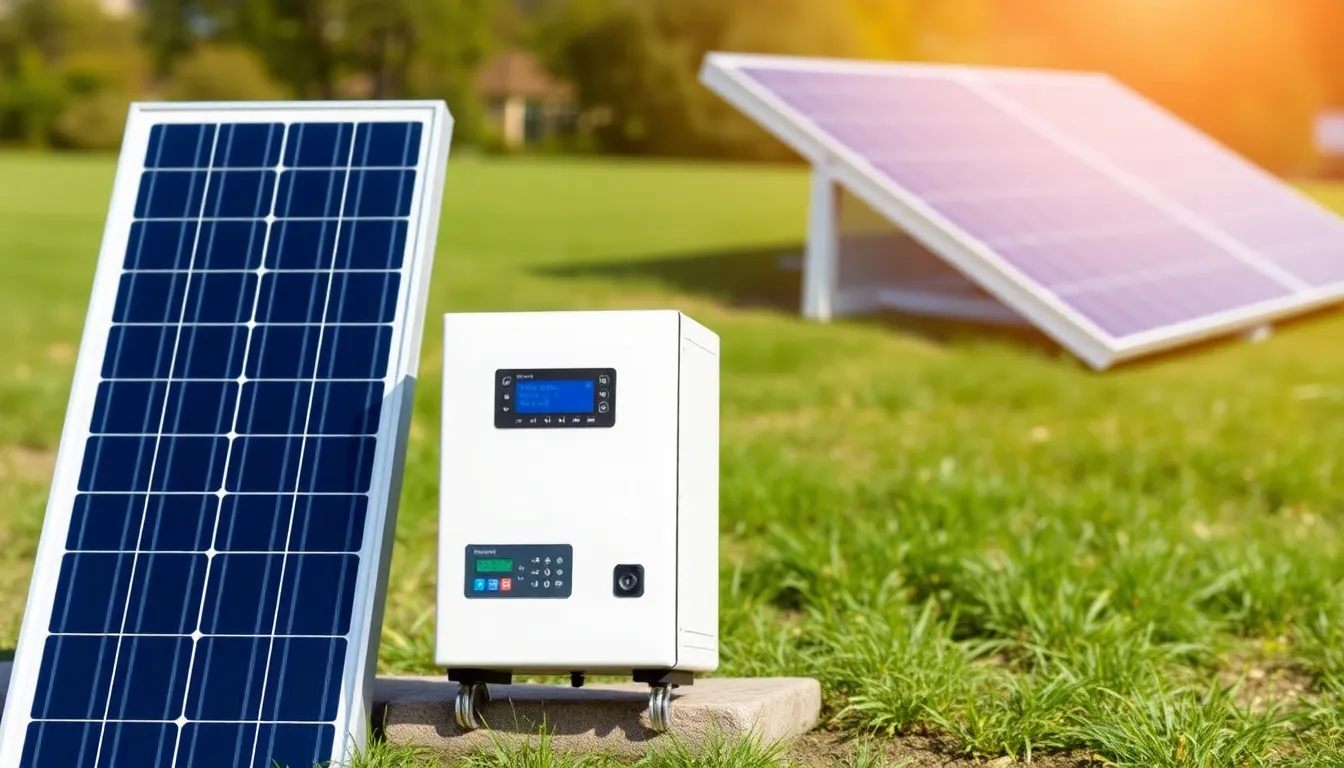
Technology improvements make export viable. LiFePO4 batteries perform reliably now. Monocrystalline solar panels achieve higher efficiency. MPPT charge controllers optimize power conversion. LED brightness reaches stadium-level output. Manufacturing costs dropped 80% over six years. Quality improved while prices fell. Export margins became possible.
2026 Export Trends Creating Real Opportunity
The landscape shifted dramatically. Here’s what’s happening in the global market:
- Solar LED Street Lights dominate exports. These account for 86.43% business-to-product ratio on major platforms. Huge demand from municipalities and governments.
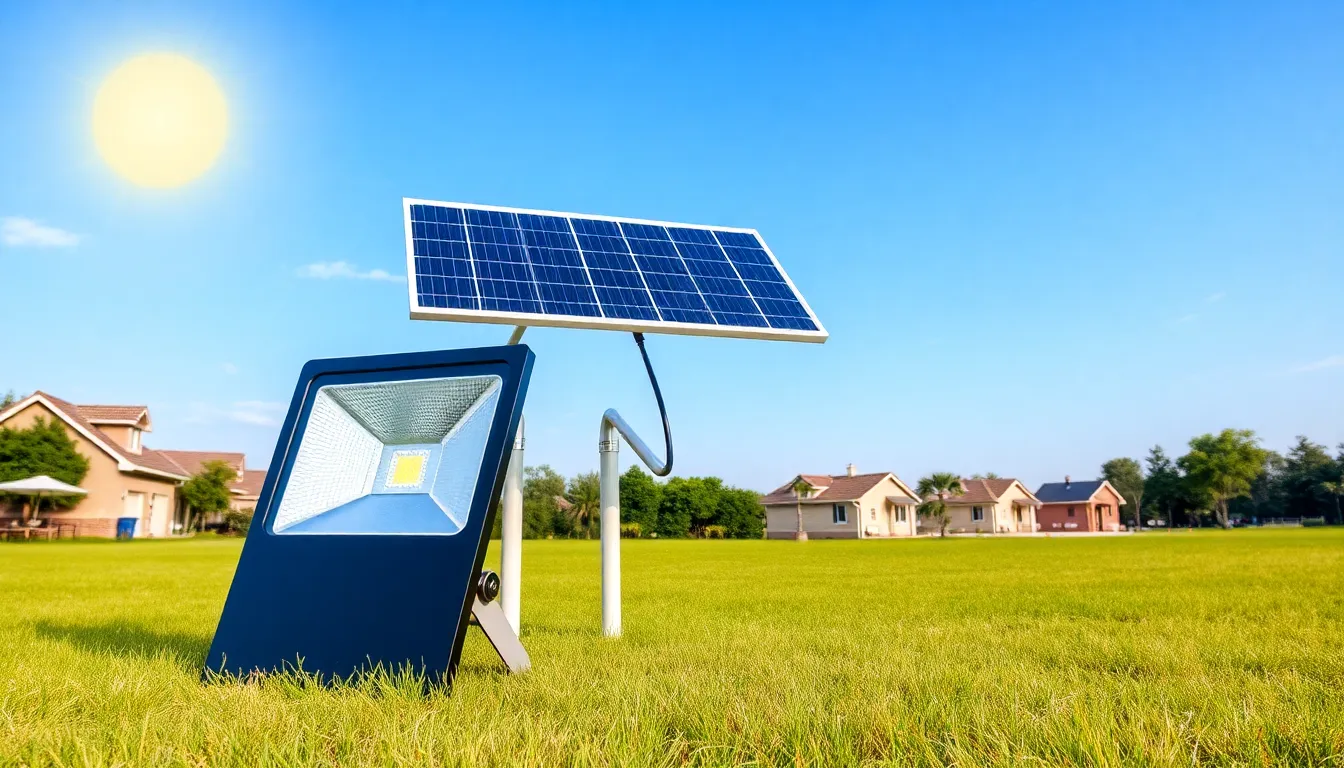
- Solar LED Flood Lights trending upward. 72.19% business-to-product ratio showing strong export demand. Commercial and industrial buyers actively searching.
- Southeast Asian manufacturers leading the pivot. China dominates production with 16% CAGR projected through 2033. India emerging rapidly. Southeast Asia positioning as export hub.
- Asia-Pacific region accounts for largest market share. Smart city projects. Rural electrification. Government tenders. Infrastructure development fueling demand.
- North America following strongly. Sustainable infrastructure investments. Road modernization. Residential adoption increasing.
- Europe steady growth. Stringent efficiency regulations. Sustainability mandates. Grid replacement projects.
- Quality focus now competitive advantage. Consumer reviews demand reliable waterproofing. IP65 minimum. IP67 preferred. Cheap products failing drives demand for quality exports.
Real Export Markets Worth Targeting
Here’s where manufacturers are finding success:
- United States market growing fast. FCC Part 15 compliance required. UL 8750 certification standard. UL 3700 (new 2026) for plug-in solar systems. Lithium battery transport needs UN 38.3 and IEC 62133 compliance. Requirements are clear but manageable.
- European Union strict standards. General Product Safety Regulation mandatory. EN IEC 60598-2-3 for road lighting. IP65 minimum rating required. These are entry requirements, not barriers. Quality manufacturers meet them easily.
- India explosive growth. Government programs prioritizing solar street lights. Rural electrification expanding rapidly. Commercial projects multiplying.
- China manufacturing and exporting massively. Government programs supporting deployment. Domestic market validates designs before export.
- Australia strong residential and commercial demand. Sunny climate perfect for solar. Government incentives supporting adoption.
- Sub-Saharan Africa off-grid opportunity. Rural electrification priority. Limited grid infrastructure. Solar lights perfect solution.
Real Manufacturing Requirements For Export Success
Exporting solar lights requires understanding the business:
- Start with quality components. Don’t skimp on batteries. Don’t use cheap plastic housings. Don’t fake waterproof ratings. Build reputation on durability.
- Understand your target market regulations. Choose primary market. Study requirements upfront. Invest in certifications early. It’s a strategic asset, not a cost burden.
- Test your products extensively. Heavy rain testing. Snow load testing. Temperature cycling. Salt spray exposure. Real-world conditions matter.
- Document everything. Manufacturing specs. Certifications. Test results. Warranty policies. Honest specification sheets build buyer confidence.
- Build relationships with distributors. Don’t just list on platforms. Develop direct relationships. Provide technical support. Answer questions thoroughly.
- Plan logistics carefully. Shipping costs matter. Lead times matter. Inventory planning essential. Understand tariffs in target markets.
Real Data From Successful Exporters
Companies finding success are following patterns:
- Bitpott expanded from domestic market to thirty-country export network. Quality became their differentiator. Monocrystalline panels. LiFePO4 batteries. Sealed waterproof housings.
- SOKOYO Solar Lighting exports globally with reliable designs. Focused on street lighting. Commercial applications. Government tenders.
- HAICHANG OPTOTECH introduced decorative solar pillar lights with IP65 waterproof rating. PC-based lamp bodies. Anti-UV lampshades. Built-in battery intelligence.
- AGC launched ST57 Solar LED Street Light line. Multiple size options. MPPT controllers. Mono-crystalline panels. Smart control features. 360-degree adjustability. Plug-and-play systems.
These companies succeeded by treating export as serious business, not side project.
Advantages Of Solar Lights Export Business
- Explosive market growth. 14-15% annual growth rate documented. No maturity yet. Room for new players.
- Margin improvement possible. Quality manufacturing allows premium pricing. Buyers willing to pay for reliability and performance.
- Diversified customer base. Governments. Municipalities. Commercial businesses. Residential consumers. Multiple buyer segments reduce risk.
- Scalable production. Manufacturing solar lights allows volume growth without proportional cost increases.
- Government support in many regions. Export incentives. Trade agreements. Subsidized certifications.
- Technology stability. Solar panels. LED. Batteries. Charge controllers. All proven technologies. Manufacturing becomes predictable.
- Long product lifespan. Customers happy. Repeat business. Referral growth. Word of mouth marketing spreads quality reputation.
Disadvantages Of Solar Lights Export Business
- Certification complexity. FCC, UL, CE, IP testing. Investment required upfront. Timeline for approval sometimes lengthy.
- Shipping costs impact margins. Solar products heavy due to batteries. Long-distance shipping expensive. Shipping costs represent significant expense.
- Competition from established players. China dominates manufacturing. India emerging fast. Southeast Asia positioned well. New entrants face established competitors.
- Quality standards essential. Can’t cut corners. Cheap products destroy reputation. Market increasingly demands authenticity and performance.
- Market knowledge required. Different markets have different regulations. Different buyer preferences. Different seasonal patterns. Research essential.
- Inventory risk. Long lead times require inventory investment. Forecasting demand difficult. Wrong inventory choices cost money.
- Currency fluctuations. Export pricing affected by exchange rates. Hedging strategies necessary for profitability.
How To Start Solar Lights Export Business
Here’s practical guidance:
- Research your target market first. Regulations. Standards. Buyer preferences. Competition. Market size. Growth rate. Entry barriers.
- Build relationships with component suppliers. Quality solar panels. Reliable batteries. Durable housings. Testing equipment. This foundation matters.
- Start with one product line. Street lights. Flood lights. Garden lights. Fence lights. Narrow focus allows mastery.
- Get certifications early. FCC Part 15. UL 8750. CE marking. Lithium battery certifications. These open doors.
- Find distribution partners. Distributors understand local markets. They handle logistics. They provide feedback. They grow your business faster than direct sales alone.
- Join trade organizations. Learn from peers. Understand market dynamics. Build relationships. Stay informed on regulatory changes.
- Invest in quality testing. Third-party certification labs. Real-world environment testing. This builds buyer confidence.
- Document your success. Case studies. Customer testimonials. Performance data. This attracts new buyers.
Summary
The global solar lighting export market reached USD 7 billion in 2023 and projects USD 26 billion by 2033 at 14% compound annual growth. Solar LED street lights hold 86.43% business-to-product ratio. Southeast Asian manufacturers increasingly dominate exports. Asia-Pacific region leads with smart city projects and rural electrification. United States requires FCC Part 15 and UL 8750 compliance. European Union mandates General Product Safety Regulation and EN IEC 60598-2-3. Manufacturers finding success prioritize quality components, IP65-67 waterproofing, and LiFePO4 batteries. Real exporters like Bitpott, SOKOYO, and HAICHANG OPTOTECH built reputation on reliability. Export advantages include explosive growth and premium pricing for quality. Disadvantages include certification complexity and shipping costs. Success requires target market research, certifications, and direct distributor relationships.