Table of Contents
Why Solar Hospital Lights Matter for Patient Safety and Care
Healthcare facilities never stop working. Patients need care during day and night. Doctors and nurses work around the clock in operating rooms, emergency departments, and intensive care units. Reliable lighting supports every medical procedure and every patient interaction. When regular electrical power fails, backup lighting becomes essential. Solar hospital lights provide that backup while reducing costs year-round.
Hospital lighting serves different purposes than home lighting. Bright, clear illumination supports surgical procedures where precision matters. Standard lighting in patient rooms helps staff observe conditions and monitor vital signs. Hallway lighting guides patients and staff safely through facilities. Different departments need different brightness levels and color temperatures. Solar systems adapt to these medical requirements while providing sustainable power.
Traditional hospital lighting depends entirely on grid electricity. When power lines fail, backup generators activate. These generators run on fuel that costs money and requires storage space. They produce emissions and noise affecting patient environments. Solar hospital lighting systems eliminate this dependence. They charge silently during daylight hours and work reliably throughout emergencies.
Understanding How Solar Backup Lights Work in Medical Settings
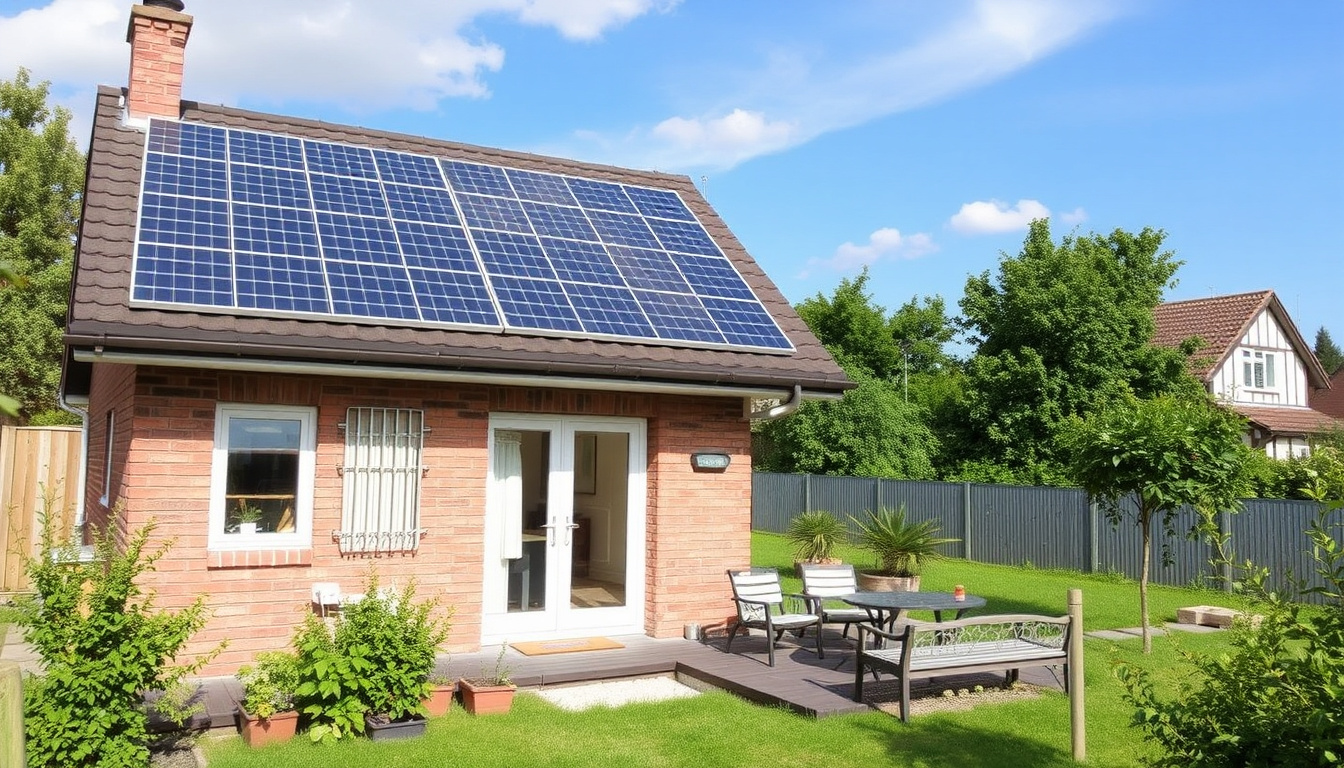
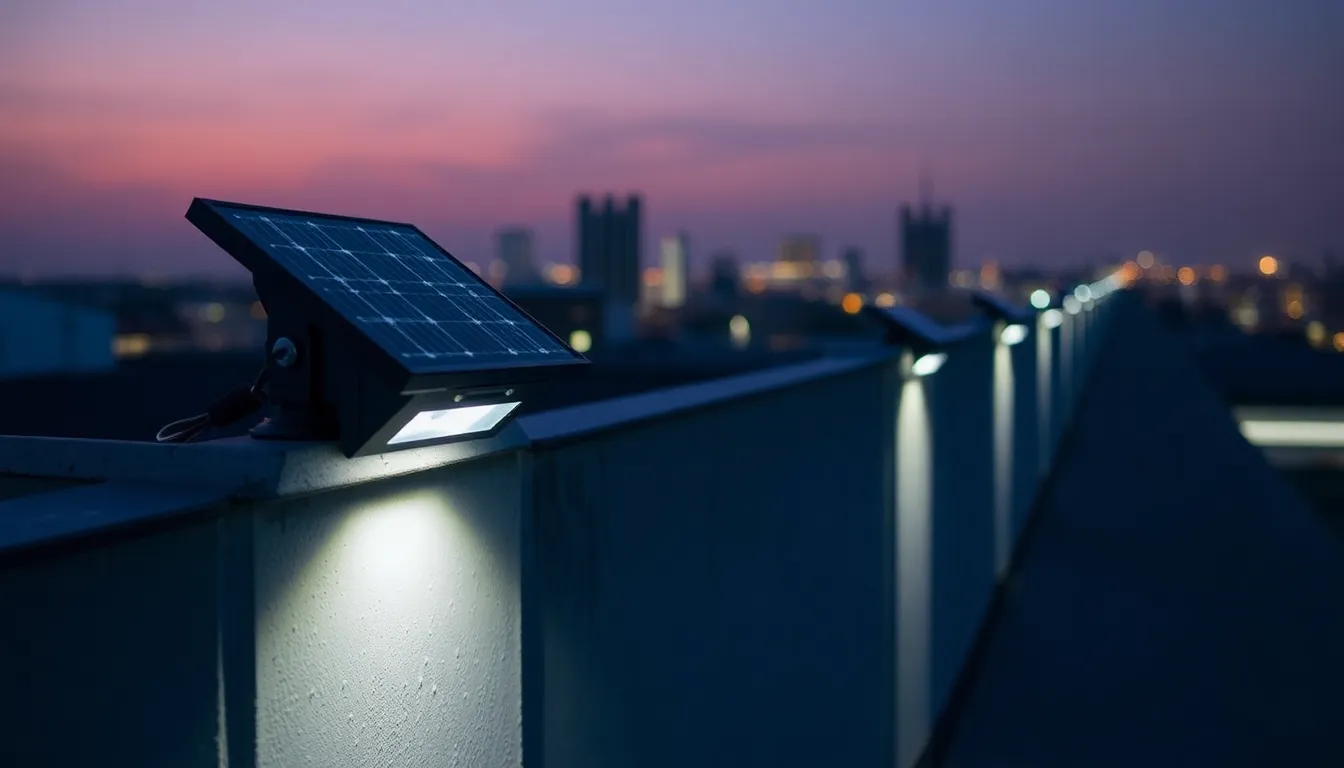
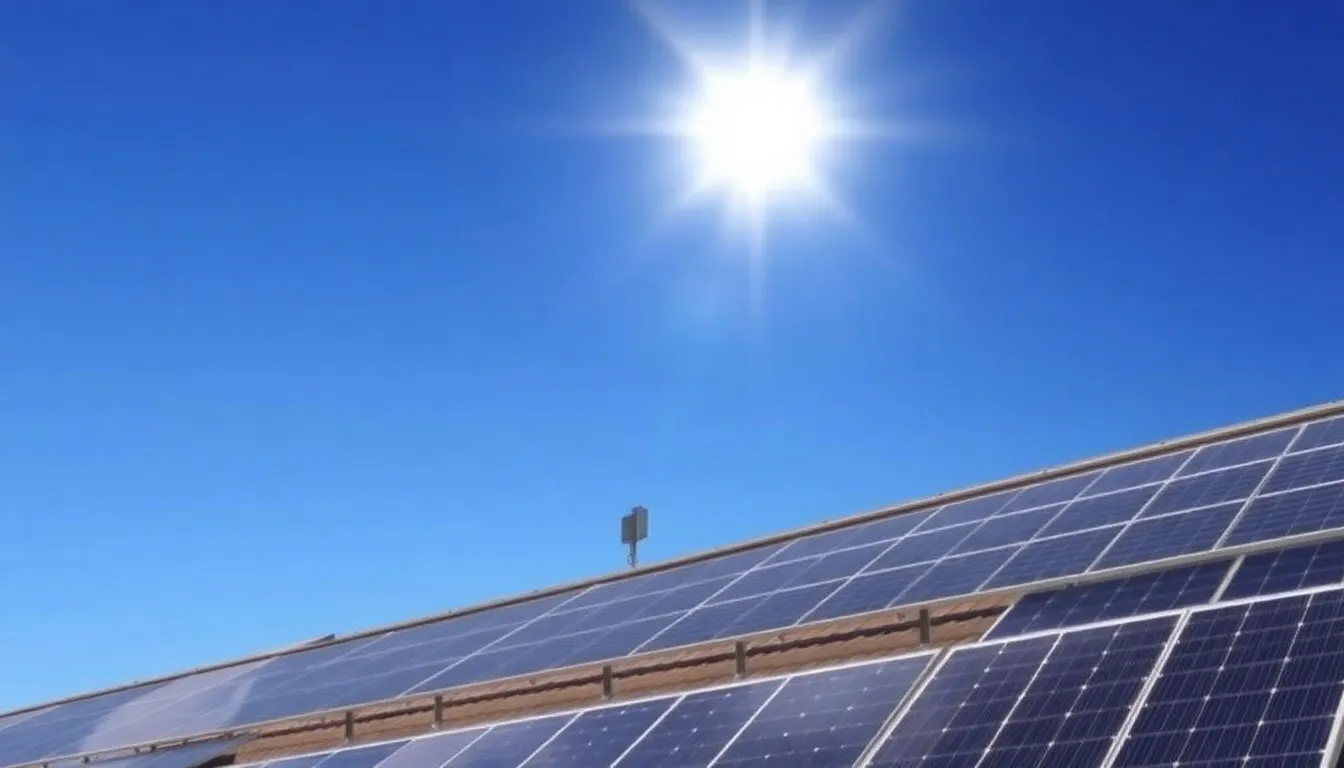
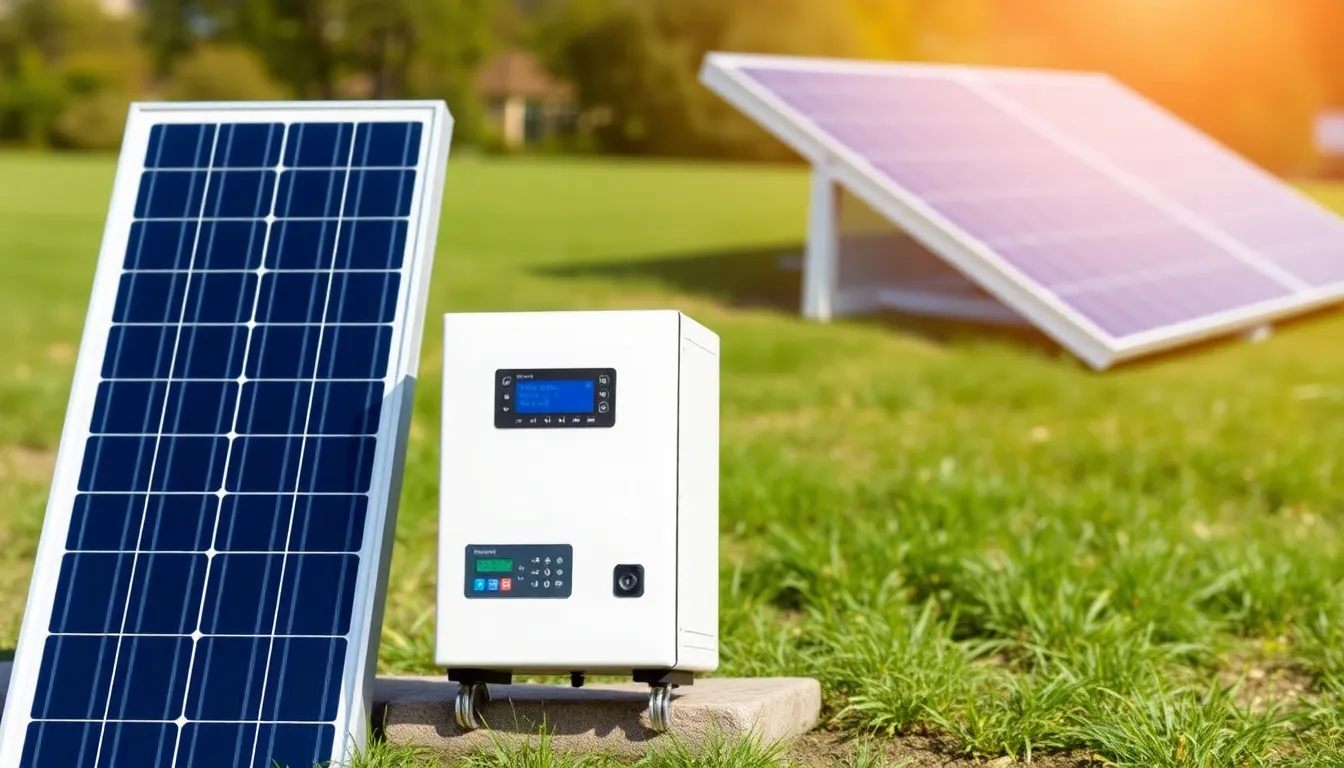
Solar hospital lighting systems operate on principles similar to residential solar lights, but designed for demanding medical environments. Solar panels mount on rooftops or exterior walls of healthcare facilities. These panels absorb sunlight throughout the day. Photovoltaic cells inside panels convert light energy into electrical power. This power charges battery systems that store energy for nighttime use.
The battery storage differs significantly from small residential systems. Hospital backup systems use larger capacity batteries ensuring power availability for extended periods. Medical facilities need lighting that persists through multiple cloudy days or during seasonal variations. Advanced battery management systems monitor charge levels and distribution. They route power to critical areas first during emergencies. Life safety lighting in stairwells and emergency exits always receives power.
Inverters in solar hospital systems convert stored DC power into standard AC electricity. This AC power runs standard hospital lighting fixtures without modification. Medical equipment operates normally on solar-generated power. Staff faces no learning curve adapting to new technology. The systems integrate seamlessly into existing healthcare infrastructure.
Smart monitoring systems track solar performance continuously. Hospital administrators see real-time data showing power generation, battery status, and energy consumption. Alerts notify maintenance staff about potential issues before failures occur. This monitoring ensures systems perform reliably when emergencies happen.
Why Healthcare Facilities Choose Solar Lighting Solutions
Cost reduction becomes immediately apparent in hospital operations. Electricity bills represent significant expenses for healthcare facilities. Large buildings with constant lighting consume substantial power. Solar systems slash these costs by providing free daytime power. Many hospitals reduce monthly electricity bills by thirty to fifty percent through comprehensive solar implementation.
Operating budget improvements give hospitals resources for patient care. Money saved on utilities becomes available for medical equipment, staff training, or facility improvements. Financial sustainability matters for healthcare organizations. Solar systems support long-term financial planning while maintaining quality services.
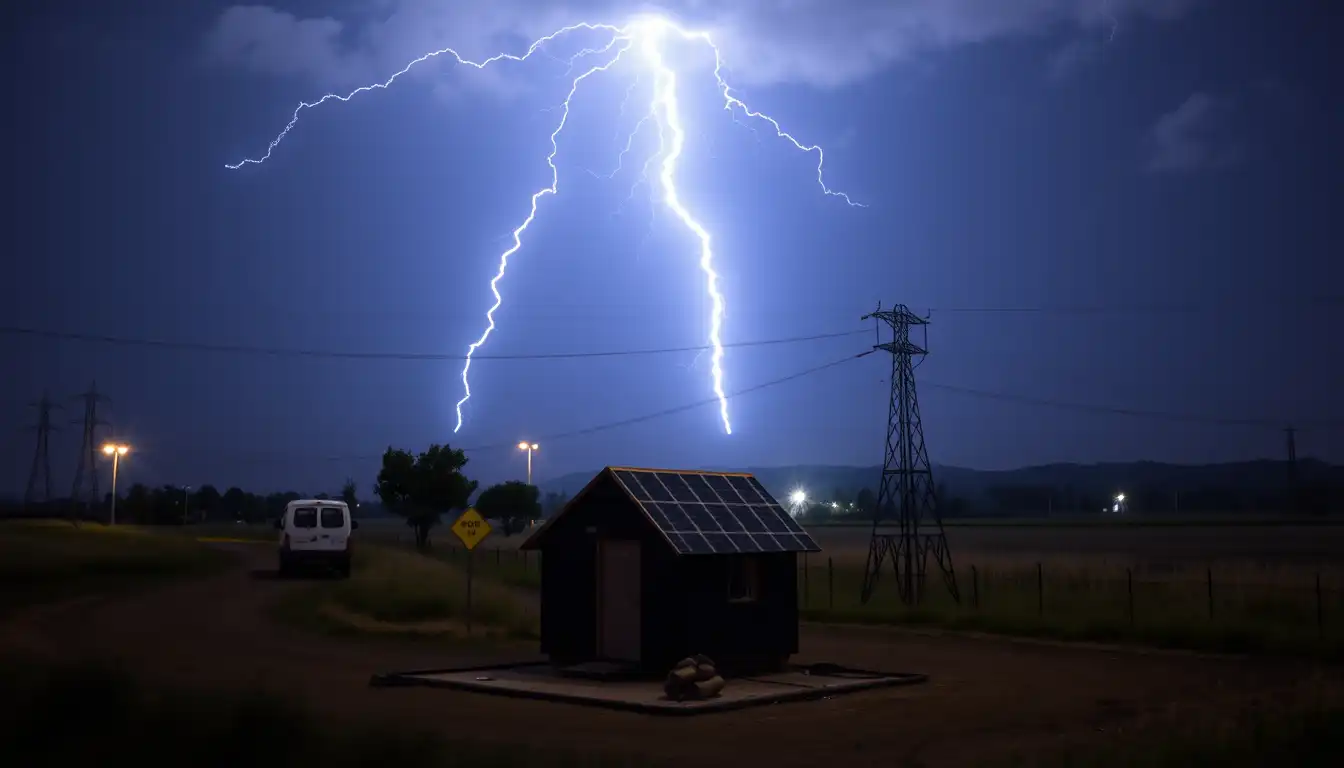
Reliability during emergencies protects patient safety. When grid power fails, hospitals switch seamlessly to solar backup power. Surgical lighting continues operating without interruption. Patient monitoring equipment stays powered. Emergency room operations proceed normally. This reliability saves lives during natural disasters, accidents, or infrastructure failures. Grid failures happen. Solar systems ensure your hospital continues caring for patients regardless.
Sustainability supports healthcare missions of healing. Hospitals serve communities while producing environmental impact. Solar energy reduces this impact substantially. Medical facilities powered by renewable energy set examples for patients and staff. Your sustainability commitment aligns with healthcare values of protecting health and wellbeing.
Setting Up Solar Emergency Lighting in Hospital Facilities
Installation planning begins with energy audits examining current consumption patterns. Hospital engineers analyze power requirements during normal operations and emergency scenarios. They identify critical circuits requiring continuous backup power. Life safety lighting takes priority. Emergency room and intensive care lighting follow. Patient room lighting receives backup power depending on available capacity.
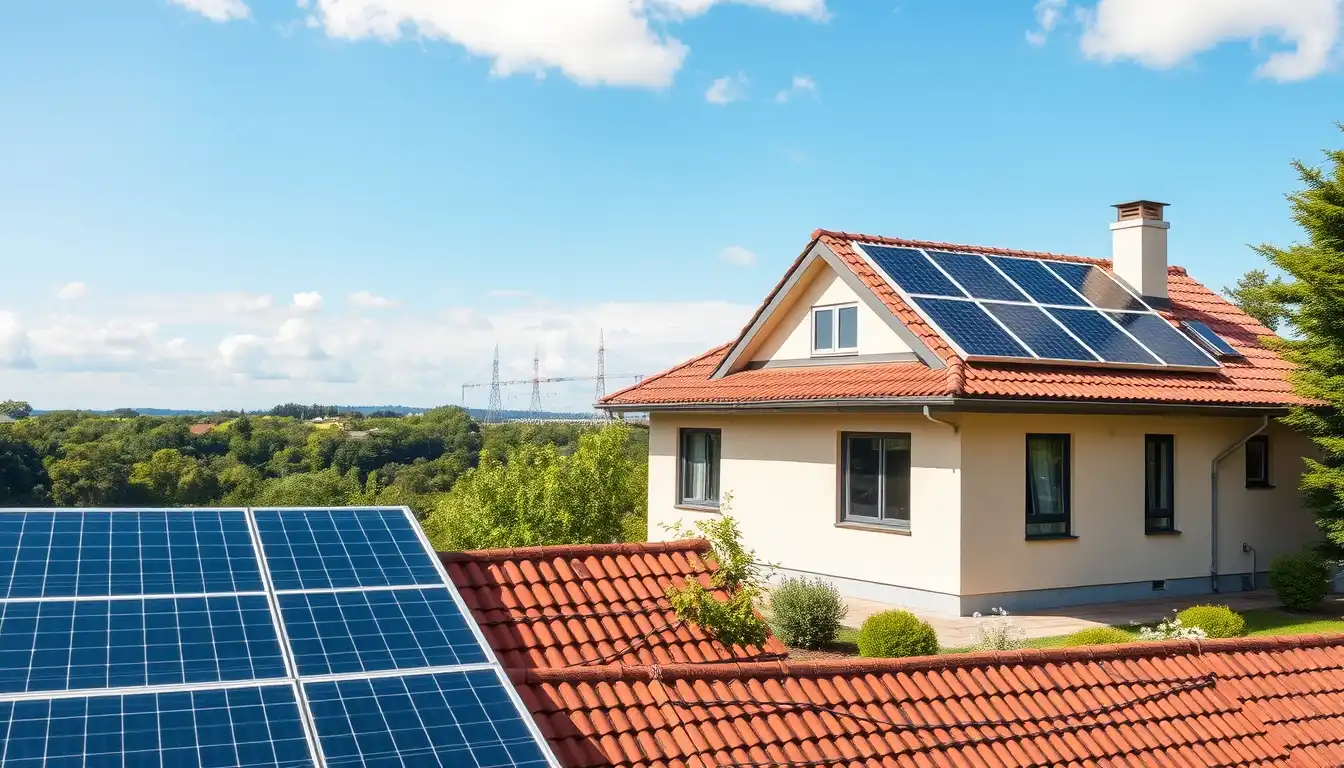
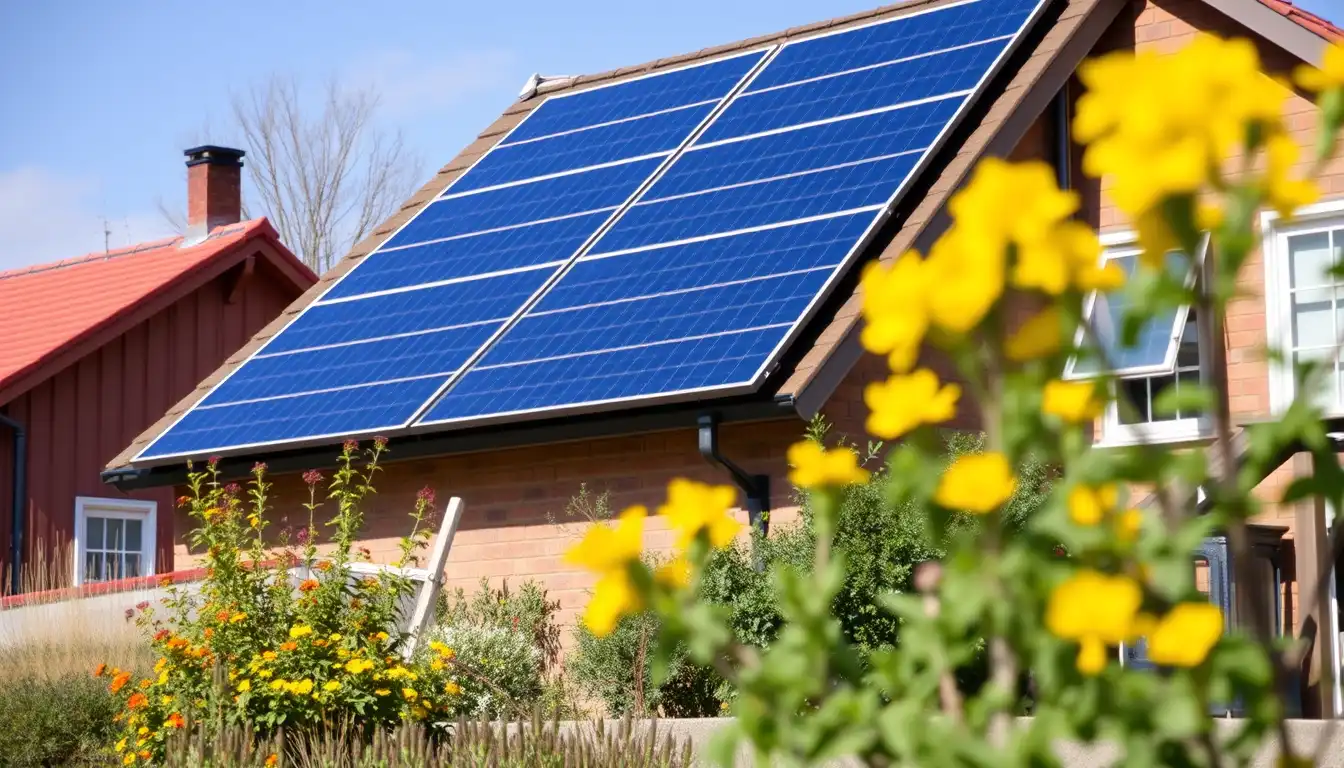
Rooftop installation utilizes existing building structure. Most hospitals have adequate roof space for solar panel arrays. This placement avoids using valuable ground space. Roof-mounted panels access unobstructed sunlight all day. Wiring routes through existing conduit systems in many cases. Installation disrupts hospital operations minimally.
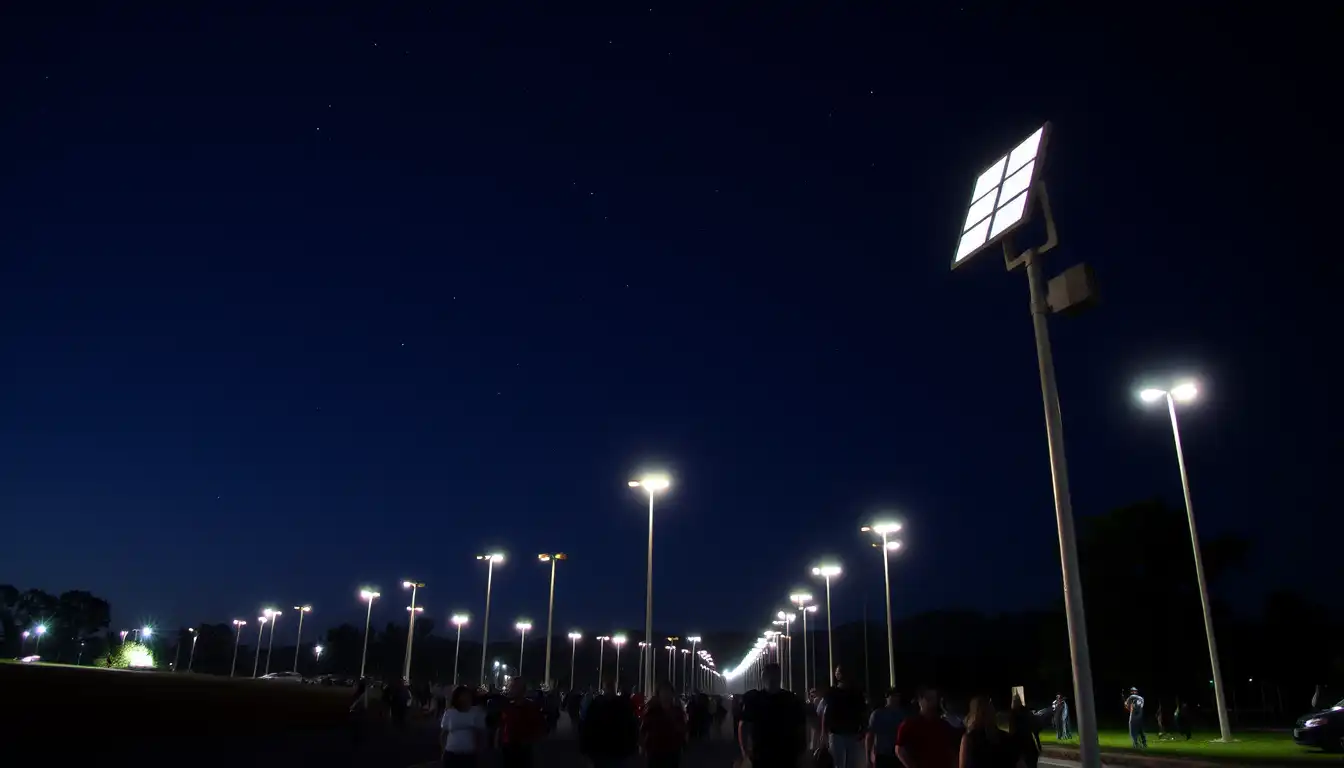
Some facilities add solar panels to exterior walls or parking structures. Vertical installations work well in areas with limited roof space. Parking canopy solar systems serve double purposes, providing vehicle shade while generating power. Multi-use installations maximize property utilization.
Integration with existing backup systems occurs during planning phases. Solar systems work alongside traditional generators in many facilities. Generators serve as secondary backup when solar capacity proves insufficient. This hybrid approach ensures maximum reliability. Solar handles routine daily power needs. Generators activate only during extended emergencies or heavy cloud cover.
Challenges Solar Systems Address in Healthcare Settings
Emergency reliability concerns disappear with proper solar installation. Medical facilities require continuous power. Solar systems paired with adequate battery storage deliver this reliability. Real-time monitoring provides confidence that systems function properly. Healthcare administrators sleep well knowing backup systems work when needed.
Limited daylight availability affects solar performance in cloudy climates. Northern regions receive less intense sunlight than southern areas. Advanced solar systems account for this reality through oversized panel arrays and larger battery storage. Cloudy regions still benefit from solar technology. Power generation simply requires larger installations and more battery capacity.
Extreme weather impacts every building system. Hail, wind, and snow affect solar panels. Modern hospital-grade solar panels withstand harsh weather. Tempered glass protects cells. Aluminum frames resist corrosion. Mounting systems secure panels against high winds. Design standards exceed typical residential specifications. Your hospital system survives weather that damages conventional installations.
Maintenance requirements stay manageable for hospital systems. Routine panel cleaning removes dust and debris affecting efficiency. This cleaning occurs quarterly or semi-annually depending on local conditions. Modern panels self-clean in many rainy climates. Battery systems need periodic monitoring and occasional maintenance. Hospital maintenance staff handle these tasks easily. Professional service remains available when specialized expertise becomes necessary.
Improving Patient Care Through Reliable Solar Lighting
Patient comfort improves with quality lighting. Solar systems provide consistent brightness and stable power. Patients rest better in well-lit rooms with color temperatures matched to circadian rhythms. Healing accelerates with proper environmental conditions. Staff operates more efficiently with reliable, bright illumination. Surgical staff performs better procedures with stable lighting. Diagnostic accuracy improves in operating rooms with consistent color rendering.
Staff safety benefits from backup power systems. Emergency room staff never works in darkness. Hallways remain illuminated during power failures. Stairwells have emergency lighting. Staff confidence increases knowing lighting works when emergencies occur. This confidence allows focus on patient care rather than worrying about facility systems.
Visitor experience improves with well-maintained lighting systems. Relatives visiting patients feel more comfortable in properly lit, secure facilities. Confidence in hospital quality starts with facility appearance. Professional lighting reflects professional medical care. Your solar system enhances reputation while reducing operational costs.
Financial Benefits of Solar Hospital Lighting Systems
Payback periods for hospital solar installations typically span five to seven years. Large facilities with significant electricity consumption see faster returns. As utility rates increase annually, solar systems provide protection against rising costs. Your locked-in power production never increases. Year twenty brings the same power cost as year one.
Government incentives accelerate payback timelines. Tax credits exist in many regions for solar installations. Healthcare facilities qualify for additional programs recognizing medical institution sustainability efforts. Grants sometimes help offset initial installation costs. Incentive programs vary by location. Your hospital’s solar consultant identifies available programs in your region.
Long-term savings accumulate substantially. A hospital saving forty thousand dollars annually on electricity generates significant cumulative savings over decades. These savings compound as utility rates increase. Solar systems often outlast initial equipment with battery replacements being the main long-term cost. Equipment costs decline yearly as solar technology matures. Your system becomes more valuable as costs drop for replacement components.
Integrating Solar Systems with Hospital Operations
Training ensures hospital staff understands solar system operations. Staff learns about battery charge status, emergency protocols, and system maintenance. Understanding how systems work builds confidence. Staff becomes advocates for renewable energy. Educational initiatives extend to patients and visitors.
Documentation and record-keeping track system performance over time. Historical data shows generation patterns, efficiency metrics, and maintenance needs. This documentation supports budgeting for future upgrades. Performance records prove value during budget negotiations. Data demonstrates environmental impact reduction quantitatively.
Collaboration with local utilities smooths grid integration. Many regions encourage hospitals to feed excess solar power into the grid. Net metering arrangements provide credits against power consumption. Your facility supplies power to community needs. The utility purchases excess generation at favorable rates. This arrangement makes solar systems even more financially attractive.
Real-World Healthcare Applications of Solar Lighting
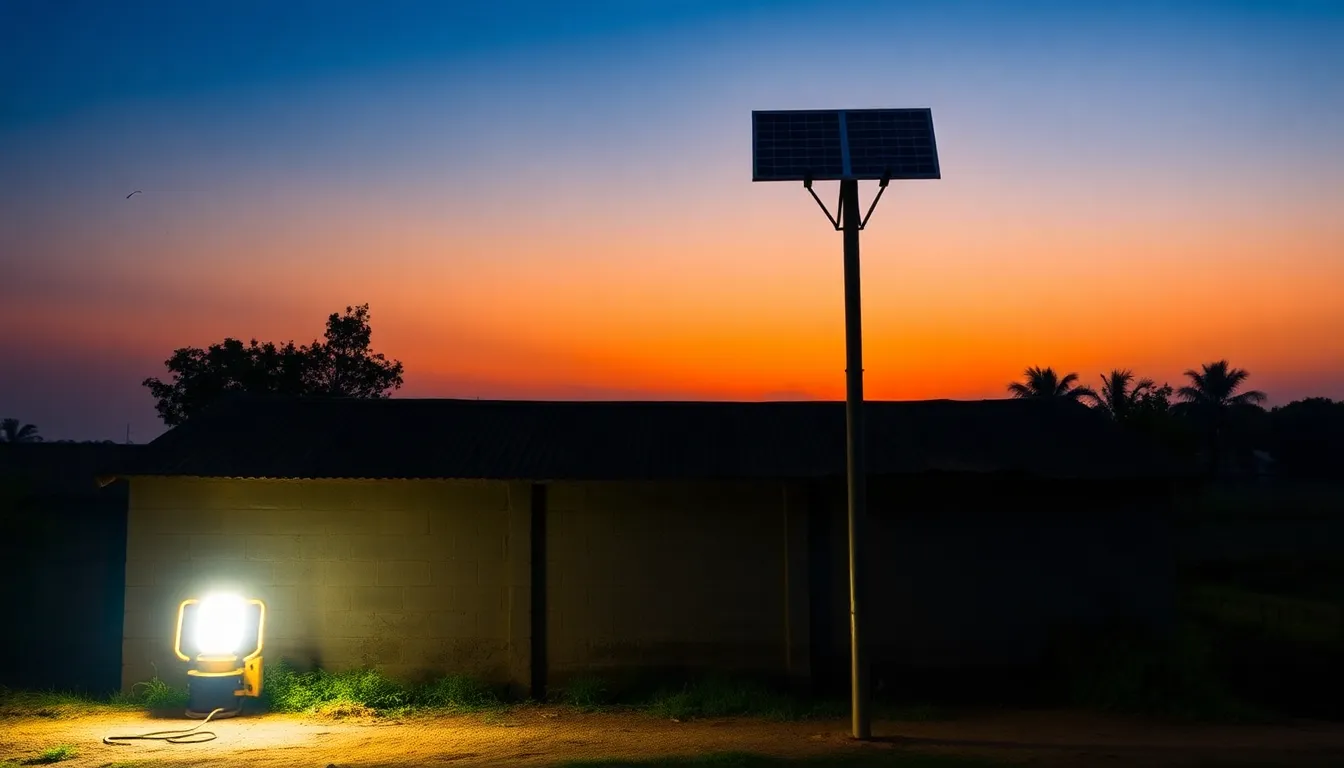
Rural clinics in developing nations benefit enormously from solar technology. Areas without reliable electrical grids gain dependable healthcare lighting. Solar systems provide equipment power in remote medical facilities. Maternal and child health programs operate in villages now. Surgery becomes possible in rural locations. Lives are saved in places that previously lacked electrical power.
Urban hospitals use solar systems for peak shaving. Solar generation reduces peak demand charges from utilities. Hospitals pay different rates depending on usage timing. Solar handles daytime loads reducing expensive peak-hour consumption. This operational sophistication maximizes financial benefits of solar investment.
Military hospitals deploy solar systems ensuring continuity of care during emergencies. Field hospitals benefit from portable solar solutions. Combat hospitals maintain surgical capabilities despite infrastructure destruction. Solar technology provides power where traditional electricity becomes unavailable.
Summary
Solar hospital lights provide dependable illumination for medical facilities while reducing electricity costs significantly. These systems offer emergency backup power when grid failures occur, ensuring continuous patient care and safety. Healthcare centers benefit from lower monthly utility bills and reduced environmental impact. Solar lighting systems work in remote areas lacking reliable electrical infrastructure. Medical facilities worldwide adopt solar technology to improve operational efficiency while maintaining quality lighting for patient care and staff safety.