Table of Contents
I WAS PAYING FOR DARKNESS
My real estate office sits on a busy street. The storefront has a big sign that tells people we’re here. For years, that sign ran on grid power. Evening hours and night were dark otherwise, so the lit sign was necessary.
Then I got the electricity bill one month. I stared at it for a while. Eighty-seven dollars for one month just to light a sign. That seemed insane. I called the electric company to verify the charge. They said it was accurate.
I calculated it out. Eighty-seven dollars monthly meant over a thousand dollars yearly just to light a sign. That money could go to marketing. That money could go to my bottom line. Instead it went to the power company for electricity I used while sleeping.
Something had to change.
RESEARCHING SOLAR BILLBOARD LIGHTS SEEMED RISKY
I looked up solar sign lights and found options immediately. But I was skeptical. My sign is on a busy commercial street. It needs to be bright. It needs to look professional. Solar lights sounded like a compromise.
I visited businesses that had switched to solar signs. Looked at their setups. Asked questions. One woman who owned a coffee shop said she switched and saved over nine hundred dollars per year. She said the brightness was exactly the same as the old grid-powered system.
A guy running a car lot mentioned he switched all his signage to solar. He said installation was simple and the lights worked better than the old system because there was no wiring failure risk. No underground cables to corrode. No weather-related electrical damage.
That got my attention. The risk profile actually favored solar.
INSTALLATION WAS STUPIDLY SIMPLE
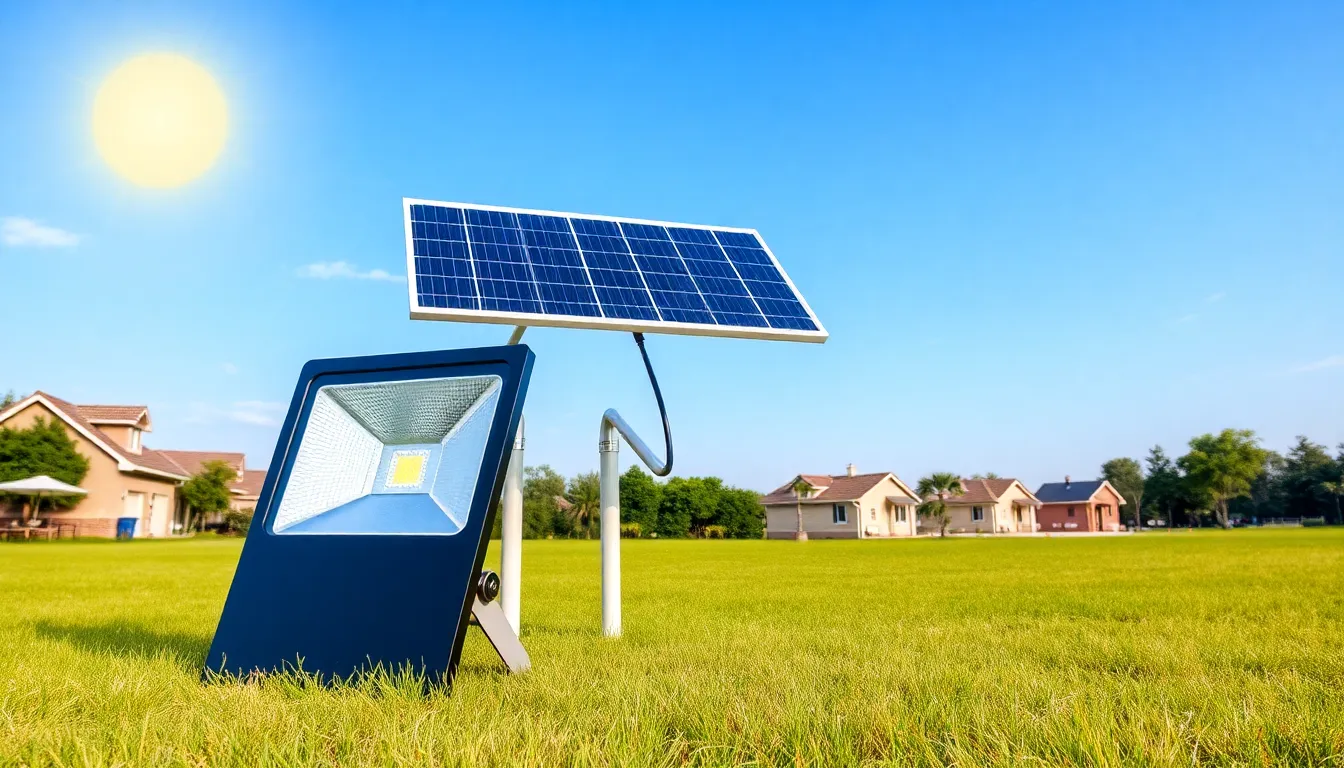
I bought a solar billboard light system. Decent quality, not the cheapest option. Cost about five hundred dollars for a unit rated at two thousand lumens. That seemed reasonable.
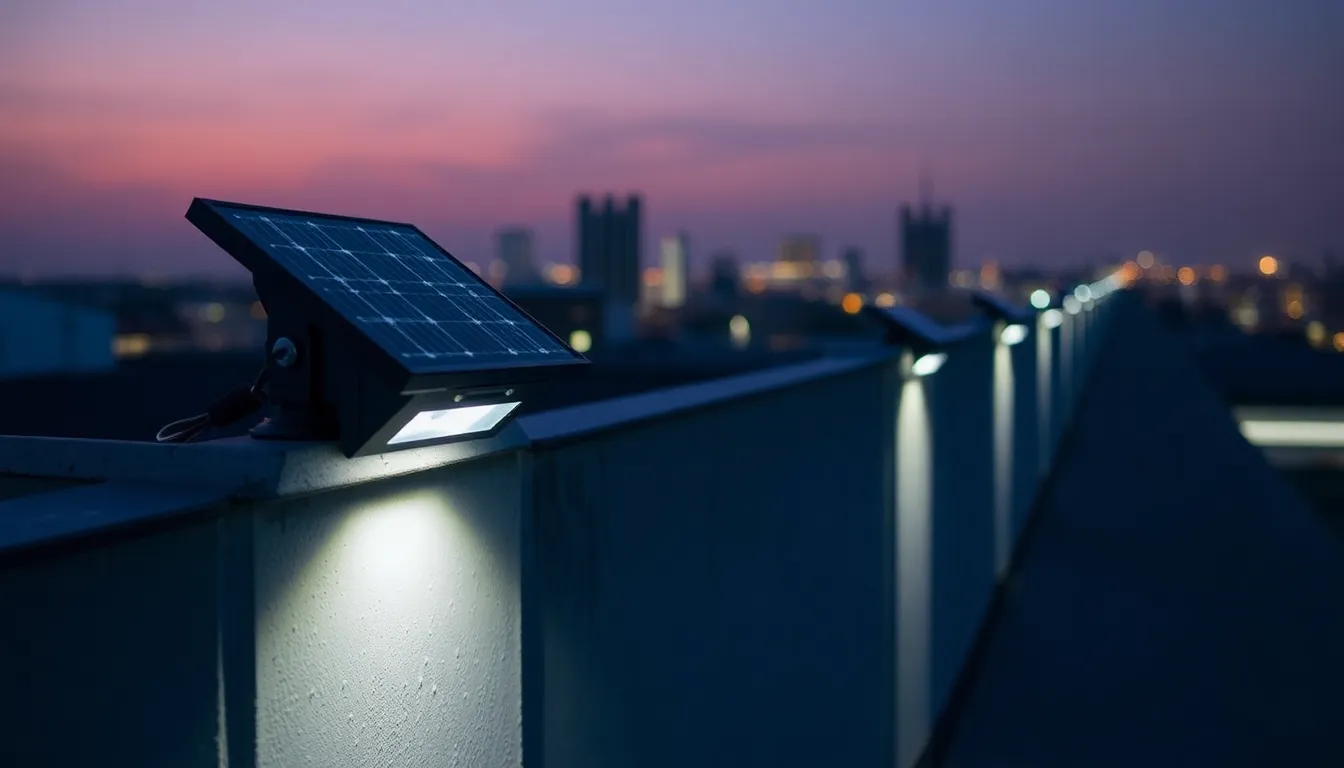
Installation took maybe two hours. The solar light mounted directly to my sign structure using brackets. No electrician needed. No digging. No underground cables. No permit hassles.
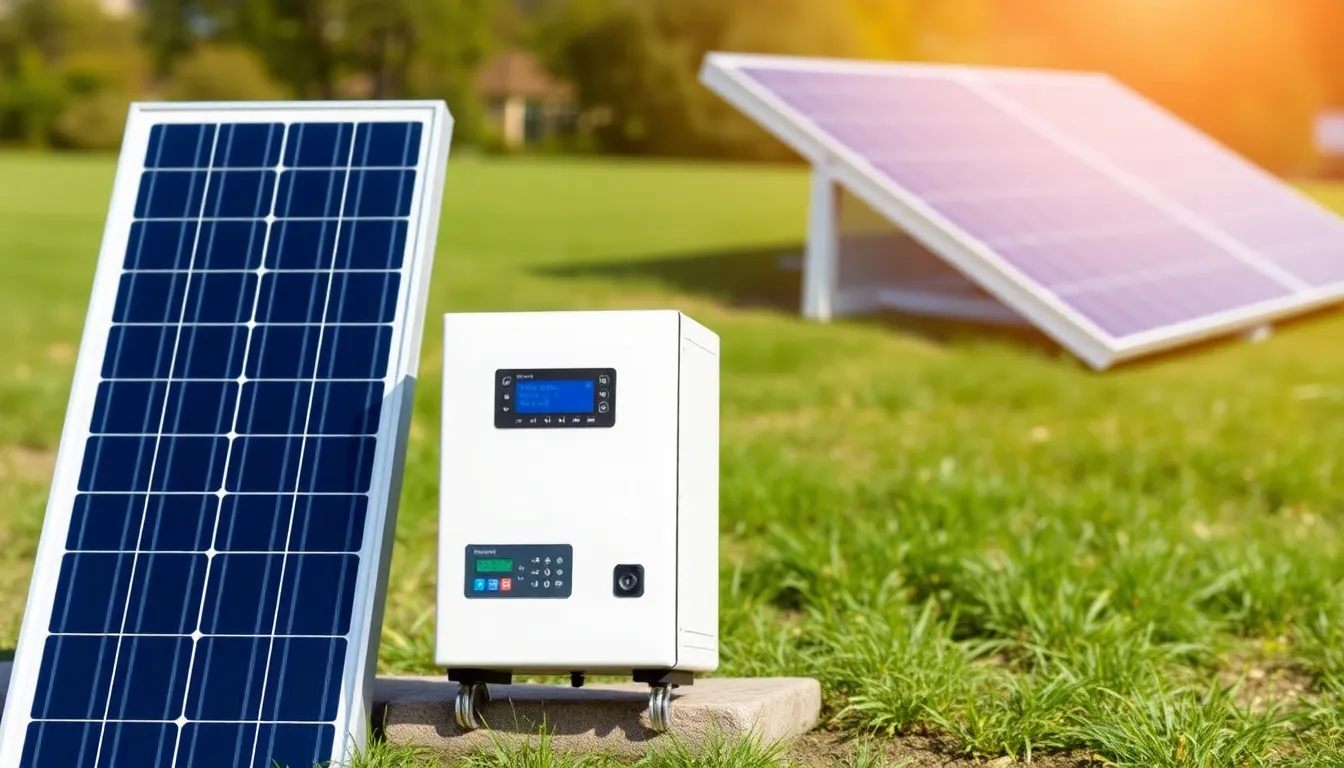
The solar panel sits on top. The battery is built in. The light is built in. Everything self-contained. I mounted it, made sure it was secure, and that was it.
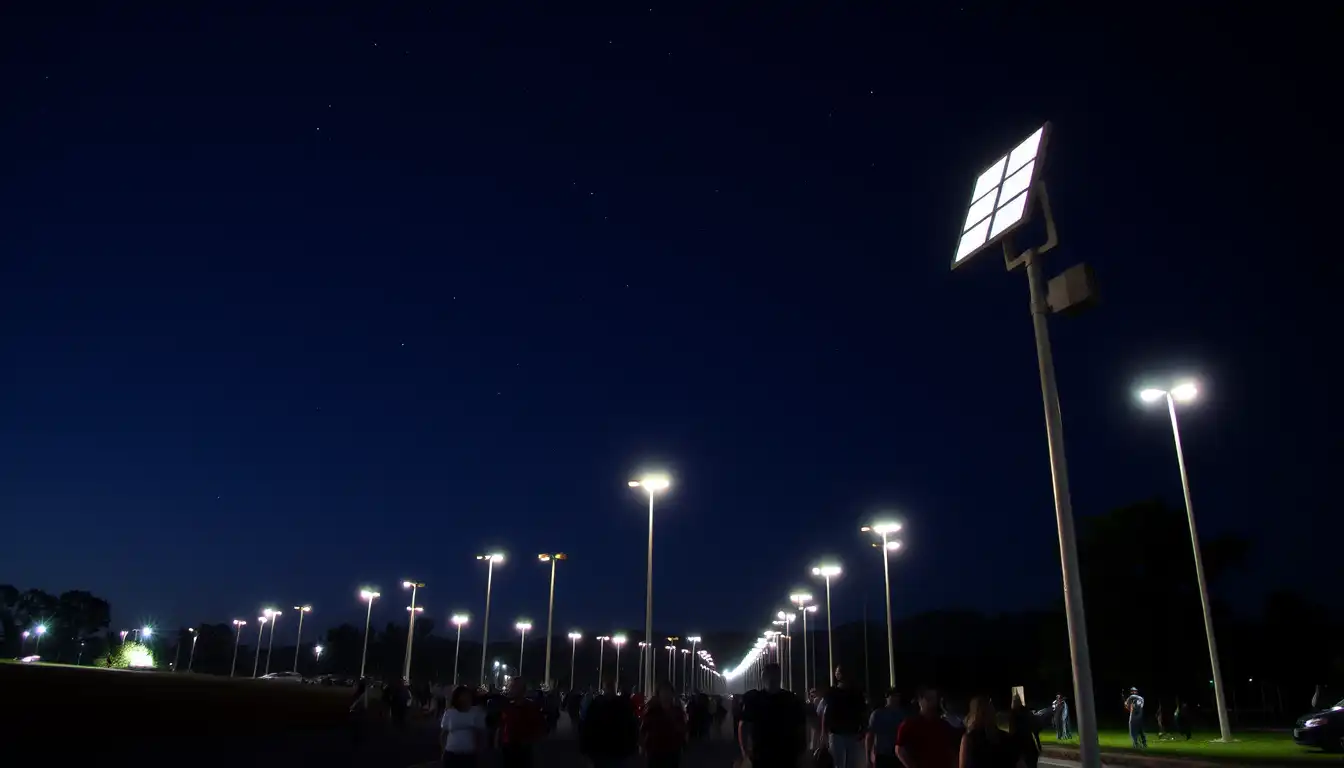
I did it on a Saturday morning. By evening, the light came on automatically at dusk and stayed bright all night.
THE FIRST NIGHT I REALIZED SOMETHING
When the light came on that first evening, it was bright. Brighter than my old grid-powered light had been. The sign was clearly visible across the street. Better contrast. Better color definition.
I mentioned this to a friend who works in construction. He said solar LED lights often output more brightness per watt than older halogen systems. The technology had improved. My old sign was probably using twenty-year-old lighting technology.
By switching to solar, I was getting newer, better technology that also happened to cost nothing to operate.
THE MONEY PART WAS EXTRAORDINARY
My grid-powered sign cost eighty-seven dollars monthly. Solar cost zero per month. Over a year, that’s over a thousand dollars in electricity costs eliminated.
The solar light cost five hundred dollars. Payback period was about six months. After six months, pure savings.
But there was more. Installation. I did it myself. The grid-powered installation would have required an electrician. Maybe eight hundred dollars for that work. With solar, I saved that completely.
Maintenance costs? My old sign required someone to check it regularly. LED bulbs in grid systems fail. Wiring corrodes. My solar system has no moving parts. No wiring. No bulbs to replace. Maintenance is essentially zero.
I calculated the five-year savings. Over four thousand dollars compared to keeping the old grid system. That money stayed in my business.
OTHER BUSINESS OWNERS ARE ASKING ME ABOUT IT
My sign is visible from the street. Other businesses noticed it looked bright and professional. Several people asked me about it directly. A guy who runs a real estate office across town asked if I’d recommend solar lighting.
I told him about the costs. About installation. About operation. He was sold immediately. Said he’d been dealing with electrical problems at his storefront sign for months. Faulty wiring. Intermittent failures. Solar would eliminate all that.
He installed two solar lights the next week. Called me a month later and said he couldn’t believe how simple it was. Already planning to replace all his signs with solar.
VISIBILITY IS GENUINELY BETTER
I thought solar lights might be dimmer. Less impressive than traditional systems. The opposite is true. Modern solar LED lights output serious brightness. My sign is more visible at night now than it was with the old system.
The color rendering is also better. The new lights use neutral white LEDs that show colors accurately. My sign looks vibrant and clear. Potential customers across the street can read it easily from their cars.
I noticed the improvement immediately. My sign stands out more now than it did before. That translates to more visibility for my business. More walk-in traffic potentially.
REMOTE LOCATIONS MAKE SOLAR OBVIOUS
I have clients in rural areas. Farms. Properties that are miles from the nearest grid power. Traditional signage in those locations was basically impossible. Too expensive to run power that far.
Solar signs changed that. I can place real estate signs in remote properties now. The signs light up at night automatically. They make the property visible from the road. They attract potential buyers.
For rural advertising, solar is the only practical option. Grid power isn’t available. Solar solves the problem.
THE LIMITATIONS ARE REAL THOUGH
Solar lights need sun exposure to charge. If your sign is in constant shade, solar won’t work well. I have one sign in a shaded area and I kept the old grid system there. Solar wasn’t practical.
Cloudy climates present challenges too. In regions with constant cloud cover, the battery doesn’t charge as fully. The light runs fewer hours. It’s still cheaper than grid power but the performance is reduced.
Winter can also be problematic. Shorter days mean less charging. Northern climates especially struggle with solar signage in deep winter. You’d need bigger batteries to compensate.
SMART FEATURES ARE BECOMING STANDARD
Newer solar sign lights have options I didn’t know existed. Dimmable brightness. Programmable schedules. Motion sensors. Remote monitoring apps.
One system I looked at has dimmable features. Full brightness for peak hours when traffic is heaviest. Dimmed output during late night when few cars pass. This stretches battery runtime while maintaining visibility when it matters.
Another option is a phone app that lets you monitor battery health and adjust settings from anywhere. You can see if the light is working properly without visiting the site.
These advanced options cost more but they offer flexibility that grid-powered signs don’t provide.
WHAT I’D TELL ANYONE CONSIDERING THIS
Buy decent quality. Don’t cheap out on solar sign lights. The five-hundred-dollar system outperforms the hundred-dollar system dramatically.
Make sure the location gets sun. That’s the critical requirement. If your sign location gets four to six hours of direct sunlight, solar works. If it’s in shade, solar struggles.
Think about your actual needs. A small storefront sign doesn’t need five-thousand-lumen output. A highway billboard needs different specs than a business office sign. Right-size the system for your needs.
Consider the installation. Most solar signs mount simply. If you can screw in a light bulb, you can install a solar sign light. You don’t need professional electricians.
Plan for growth. If you think you’ll expand to multiple signs, consider buying compatible systems. Some brands link together for standardized installations.
MY BUSINESS BENEFITED IN MULTIPLE WAYS
The direct savings are obvious. Over a thousand dollars yearly in electricity costs eliminated. That’s real money for a small business.
But there are other benefits. Reliability. My old sign had electrical failures. Solar lights don’t fail the same way. No wiring issues. No power outages affecting my sign.
The environmental aspect resonates with some customers. My sign now runs on solar. Some clients appreciate that. They choose to work with us partly because we demonstrate sustainability commitment through our actions.
And frankly, the simplicity is nice. I don’t worry about my sign anymore. It charges during the day. It lights at night. It operates for years without maintenance. Simple.
OTHER BUSINESS OWNERS SHOULD KNOW THIS
Most business owners assume sign lighting is expensive. Permanent. Complicated. Solar changes all that. A five-hundred-dollar purchase eliminates a thousand-dollar annual cost.
The installation is accessible. You don’t need a licensed electrician. The technology is proven. Thousands of businesses run solar signs successfully.
If you pay for sign lighting now, switch to solar. The payback is fast. The operation is simple. The visibility is good. It’s a genuinely smart business decision.
I regret paying for grid-powered sign lighting for as long as I did. Should have switched years earlier. Now my sign is bright, cost-effective, and requires zero maintenance. That’s the way sign lighting should work.
SUMMARY
I run a small real estate business and my storefront sign used grid power. The monthly electricity bill was ridiculous. Then I installed solar lights on my advertisement boards and everything changed. No electricians. No digging. No monthly bills. My signs look the same brightness but cost zero to operate. Other business owners are noticing and asking how I did it.