Table of Contents
TRANSFORMING YOUR COMMUNITY GATHERING SPACE WITH SOLAR LIGHT
Your community hall needs outdoor illumination that works reliably without expensive electrical upgrades. Evening events currently face darkness limiting when people gather. Fundraisers, festivals, and community meetings end when sunset arrives. The outdoor areas remain unused after daylight disappears.
Installing traditional electrical lighting requires expensive infrastructure. Trenching electrical cables across property takes weeks. Hiring electricians for permanent installation costs thousands. Obtaining permits adds bureaucracy and delays. Monthly electricity bills accumulate year after year. Many community organizations cannot afford this investment.
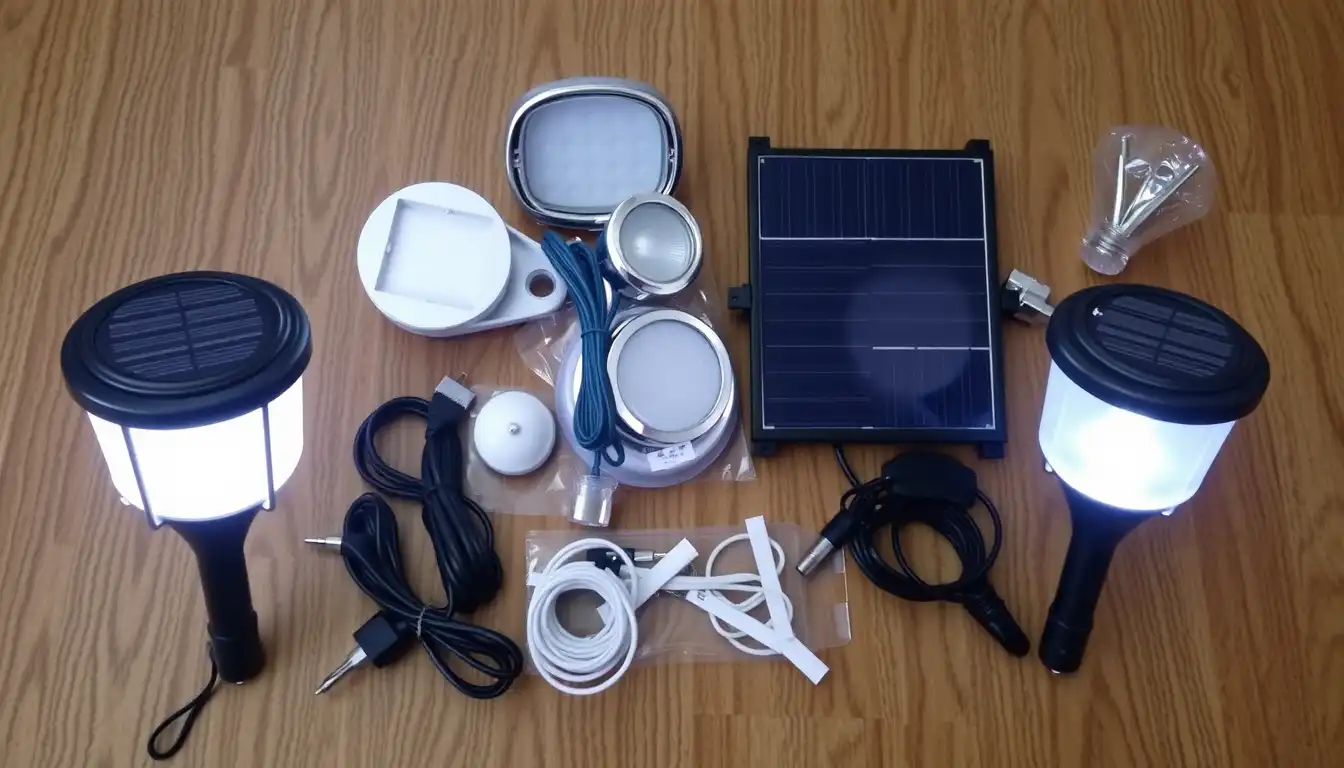
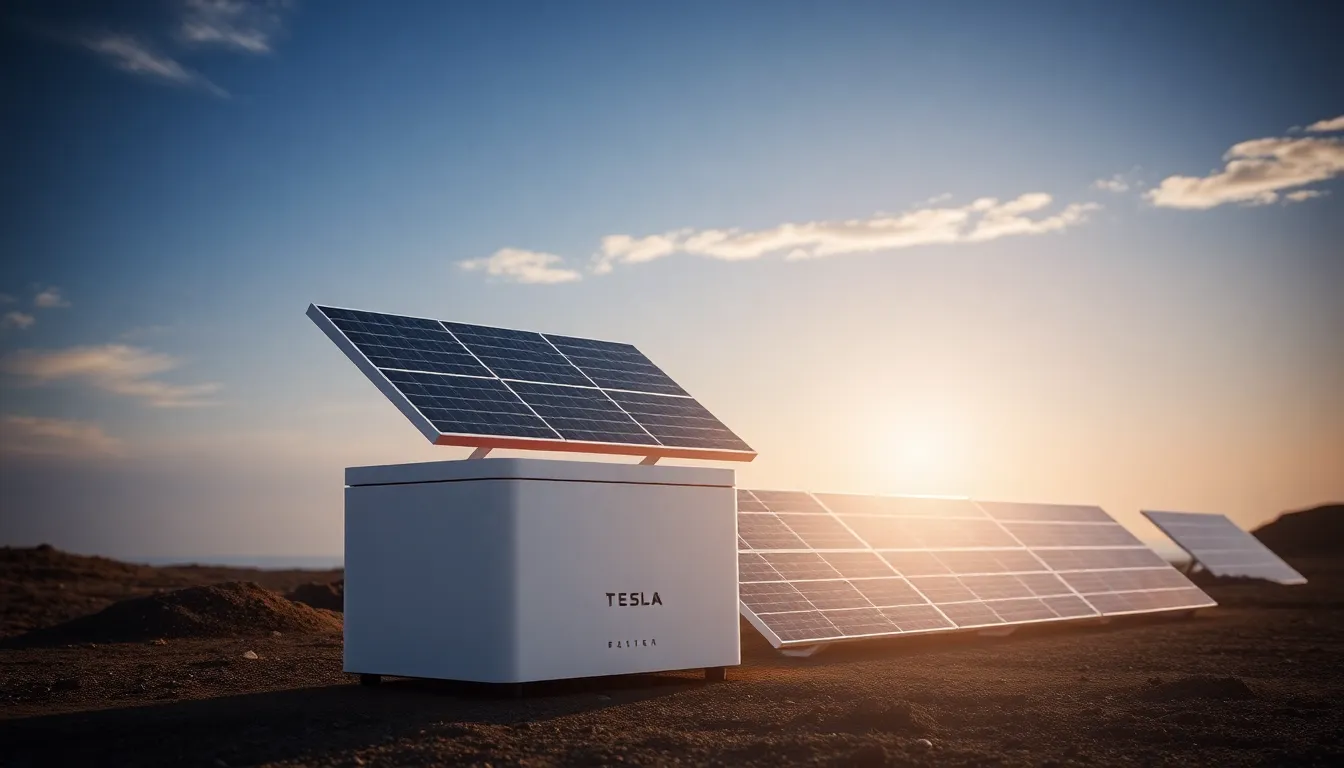
Solar lights eliminate these barriers completely. These systems deploy quickly without construction disruption. No trenching required. No permanent electrical infrastructure needed. Installation happens in hours instead of weeks. Your community starts hosting evening events immediately.
The financial advantage matters significantly for nonprofits and community organizations. Zero monthly electricity costs. Lights operate freely using solar power. Budget limitations disappear. Organizations redirect funds toward programs instead of utility bills. This cost elimination transforms what your community achieves.
PLANNING SOLAR LIGHT INSTALLATION FOR OUTDOOR GATHERING AREAS
- Assessing your specific community needs determines the right system. Small gatherings in intimate spaces require modest lighting. Large festivals and outdoor celebrations demand comprehensive illumination. Parking areas need strong visibility for safety. Pathway lighting improves evening navigation. Different zones require different lighting approaches.
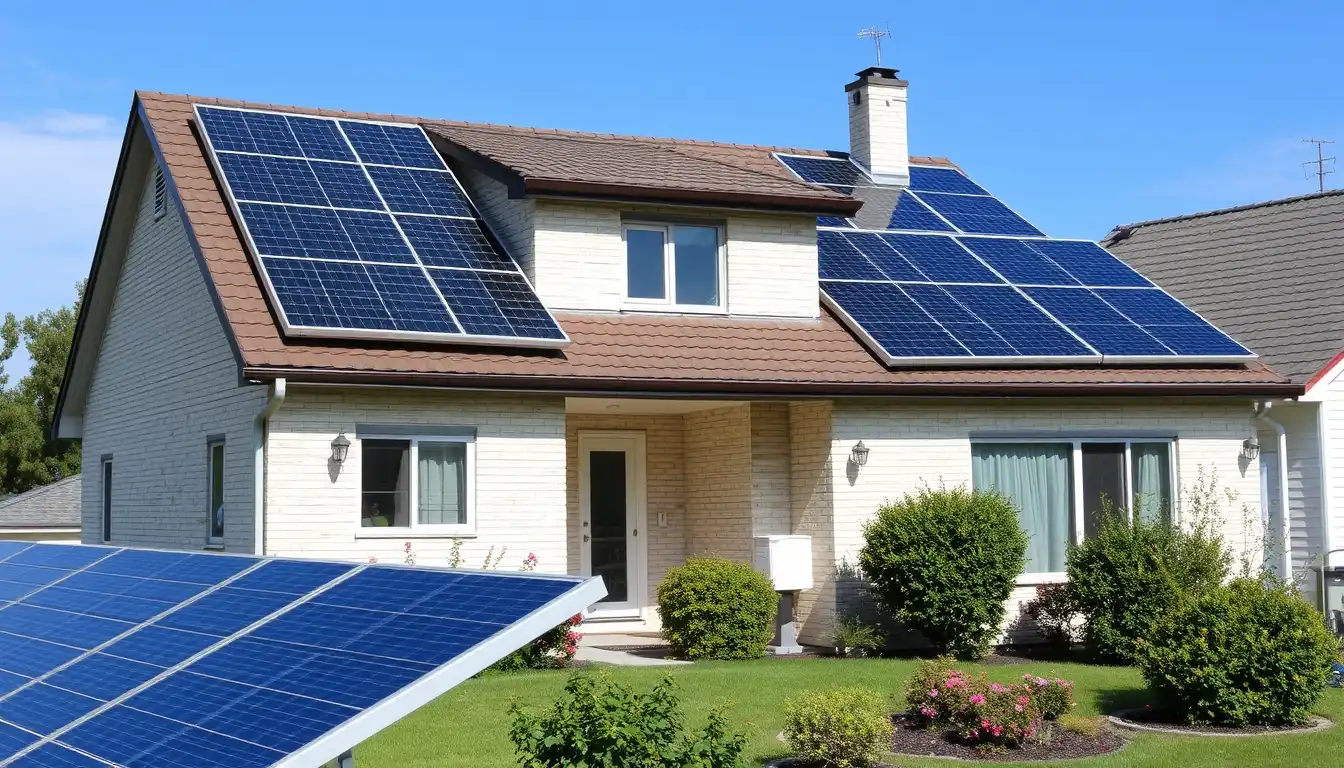
- Site orientation affects solar panel performance dramatically. North-facing venues receive less consistent sunlight and require larger solar panels. South-facing locations provide optimal charging with standard-sized panels. East and west exposures work adequately for most climates. Observe how sunlight hits your outdoor space throughout the day before selecting equipment.
- Weather patterns in your region influence system selection. Coastal communities with salt spray require superior corrosion resistance. Northern climates with shorter winter daylight benefit from higher battery capacity. Tropical areas with frequent cloud cover need larger solar panels. Desert locations provide ideal charging conditions year-round. Match system specifications to your climate realities.
- Space configuration determines light placement strategy. Open gathering areas benefit from distributed lighting creating overall ambiance. Pathways need directional step lights preventing tripping. Entrance areas require brighter illumination for safety. Dining spaces work well with softer, warmer light. Combining multiple light types addresses different functional requirements.
- Event scheduling affects lighting duration requirements. Evening events starting at dusk need six to eight hours of continuous operation. Late-night festivals require twelve-hour runtime capacity. Quick afternoon events need minimal battery reserves. Understanding your actual usage patterns prevents overbuying unnecessary capacity.
- Budget constraints shape system scope. Start with essential lighting for your highest-priority areas. Expand gradually as initial success builds community support for additional investment. Phased implementation spreads costs across multiple years. Volunteer installation reduces labor expenses significantly.
REAL BENEFITS FOR YOUR COMMUNITY
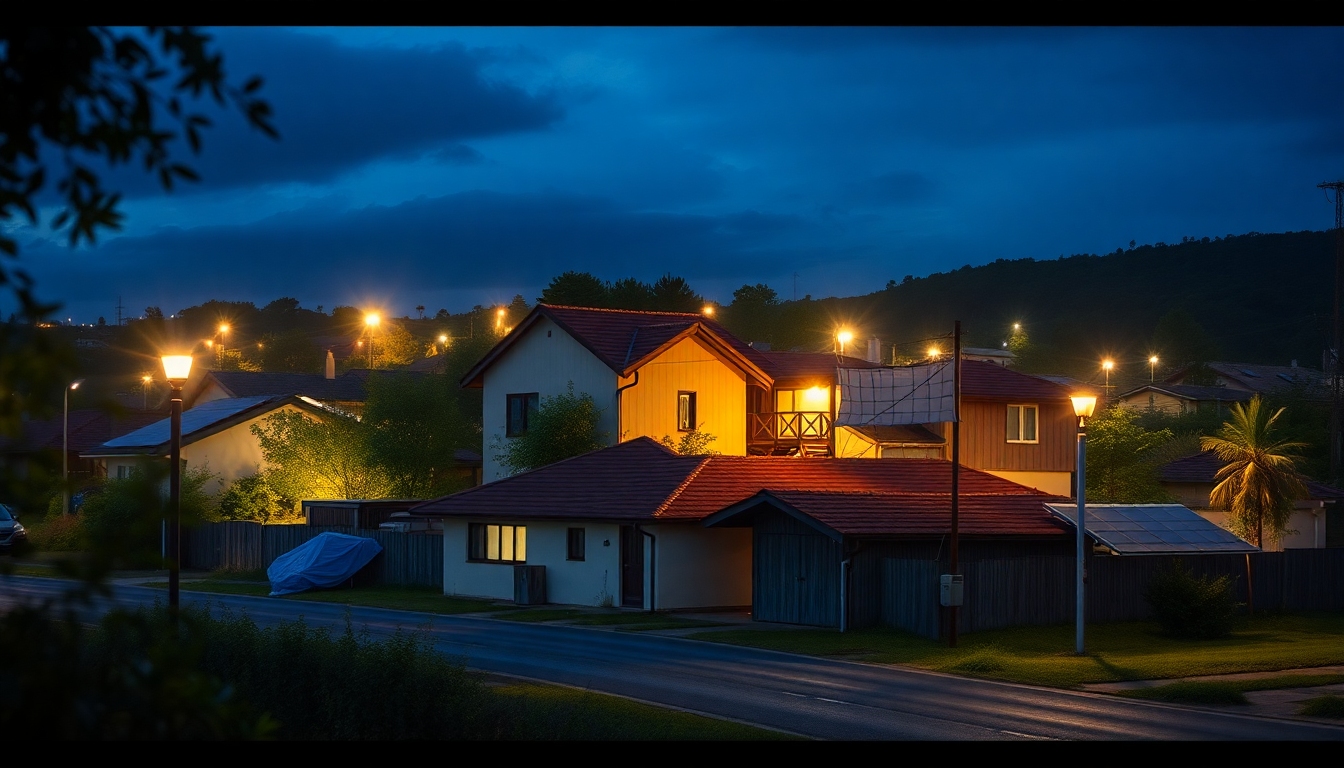
- Safety improves immediately with proper outdoor illumination. Evening visitors navigate pathways confidently. Parking areas become secure spaces where people feel comfortable. Entrance areas are clearly visible. Emergency visibility increases when events run late. Your community members move safely during evening hours.
- Event capacity expands dramatically when evening programming becomes viable. Festivals extend into evening hours with better ambiance. Community dinners happen at preferred times regardless of sunset. Cultural events schedule with confidence knowing lighting exists. Meeting times gain flexibility. Your venue attracts more bookings and rentals.
- Accessibility strengthens when outdoor spaces accommodate evening use. Families with working adults can attend evening programs. Children participate in after-dark activities safely. Elderly community members gather without rushing to finish before dark. Evening programs include people previously unable to attend daytime events.
- Community pride grows when outdoor spaces look welcoming and professionally lit. Members recognize their space as an investment in community quality. Evening gatherings feel special and intentional. Visitors notice the thoughtful illumination creating positive impressions. Community spaces feel valued and well-maintained.
- Cost elimination frees resources for other priorities. Organizations redirect lighting budget toward programs and services. Grants and donations support community activities instead of utility bills. Nonprofit budgets stretch further supporting more people. Financial sustainability improves year after year.
- Property value appreciation occurs when outdoor spaces are properly developed. Neighboring properties benefit from improved area aesthetics. Commercial districts with well-lit gathering spaces attract visitors. Community halls with professional lighting command higher rental rates. Real estate values increase when areas show community investment.
- Sustainability messaging strengthens community identity. Using renewable energy demonstrates environmental responsibility. Community members participate in sustainable practices. Youth learn about clean energy through practical examples. Environmental values become visible and tangible.
- Evening revenue opportunities expand for facility rentals. Wedding receptions schedule outdoor ceremonies with evening celebrations. Corporate events book evening outdoor functions. Private parties rent space with evening entertainment. Rental income increases significantly.
SPECIFIC LIGHT TYPES WORKING WELL FOR COMMUNITY VENUES
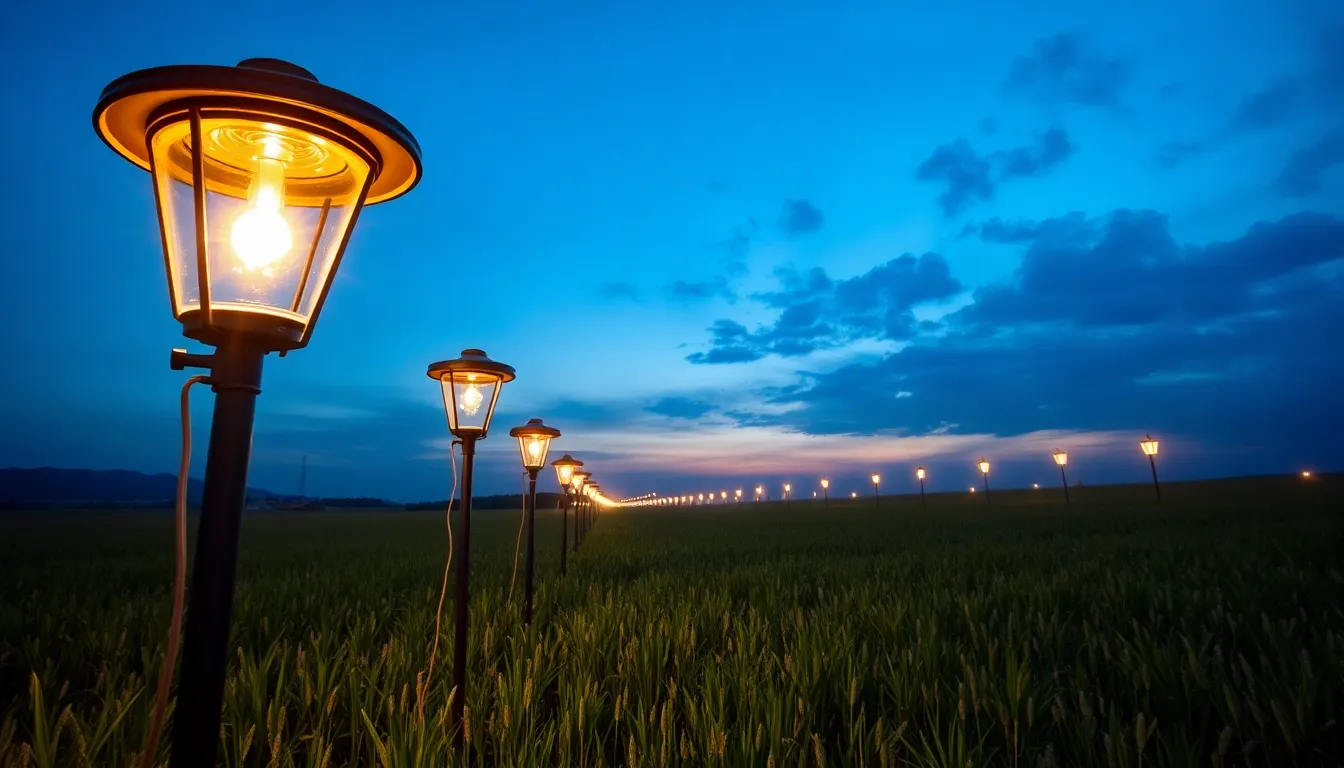
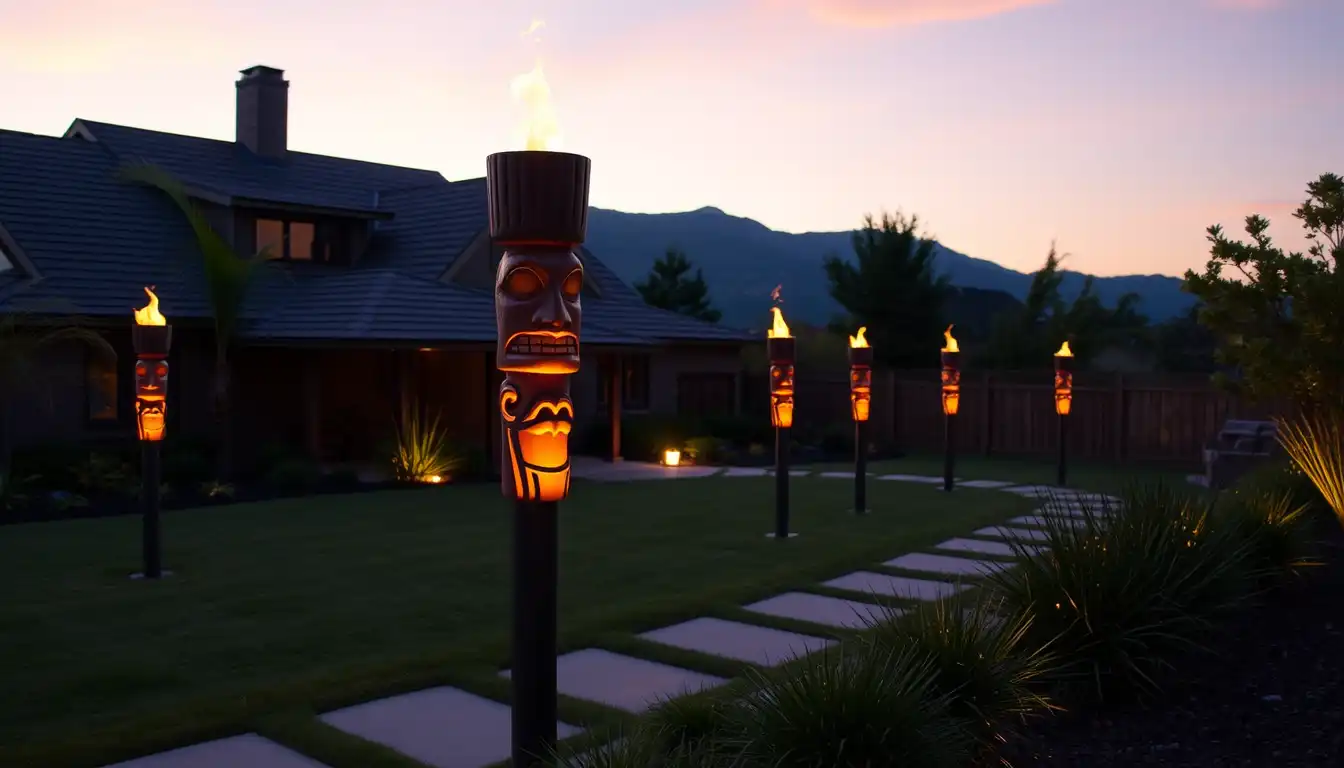
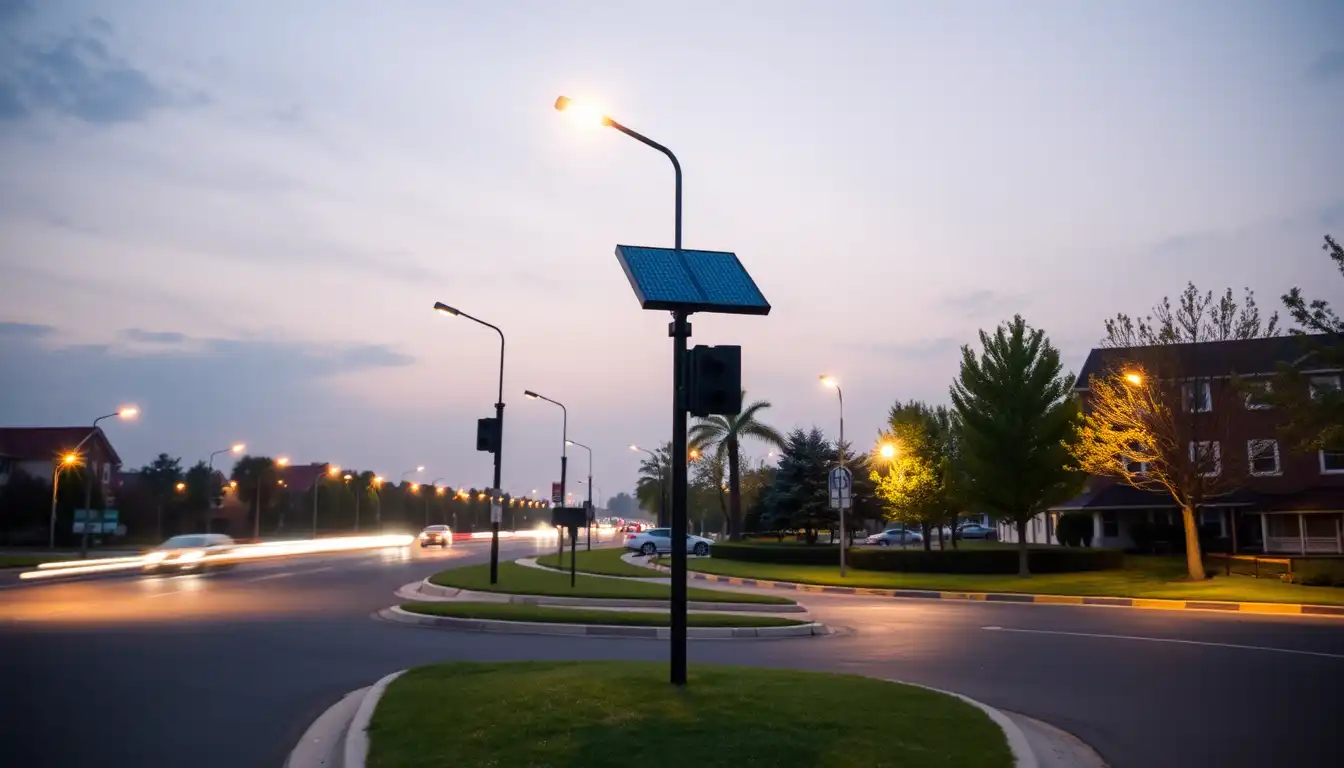
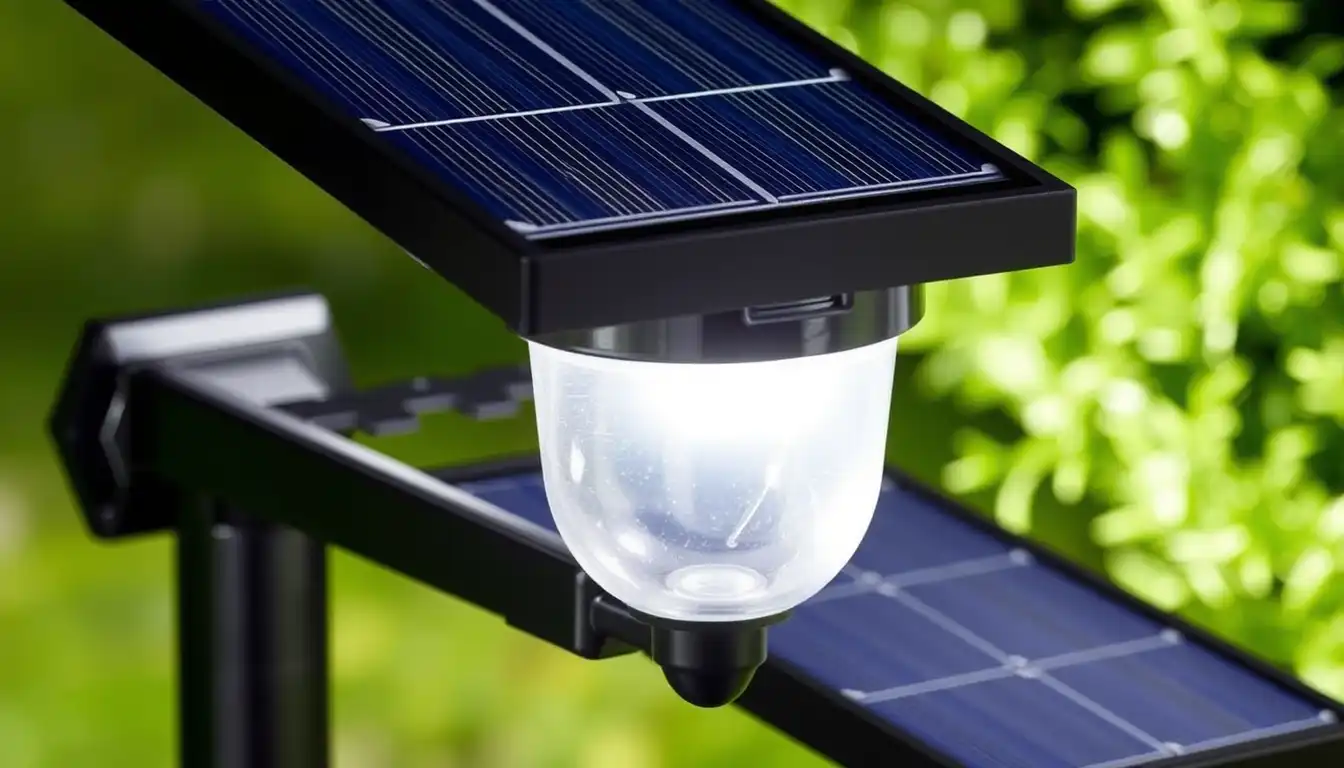
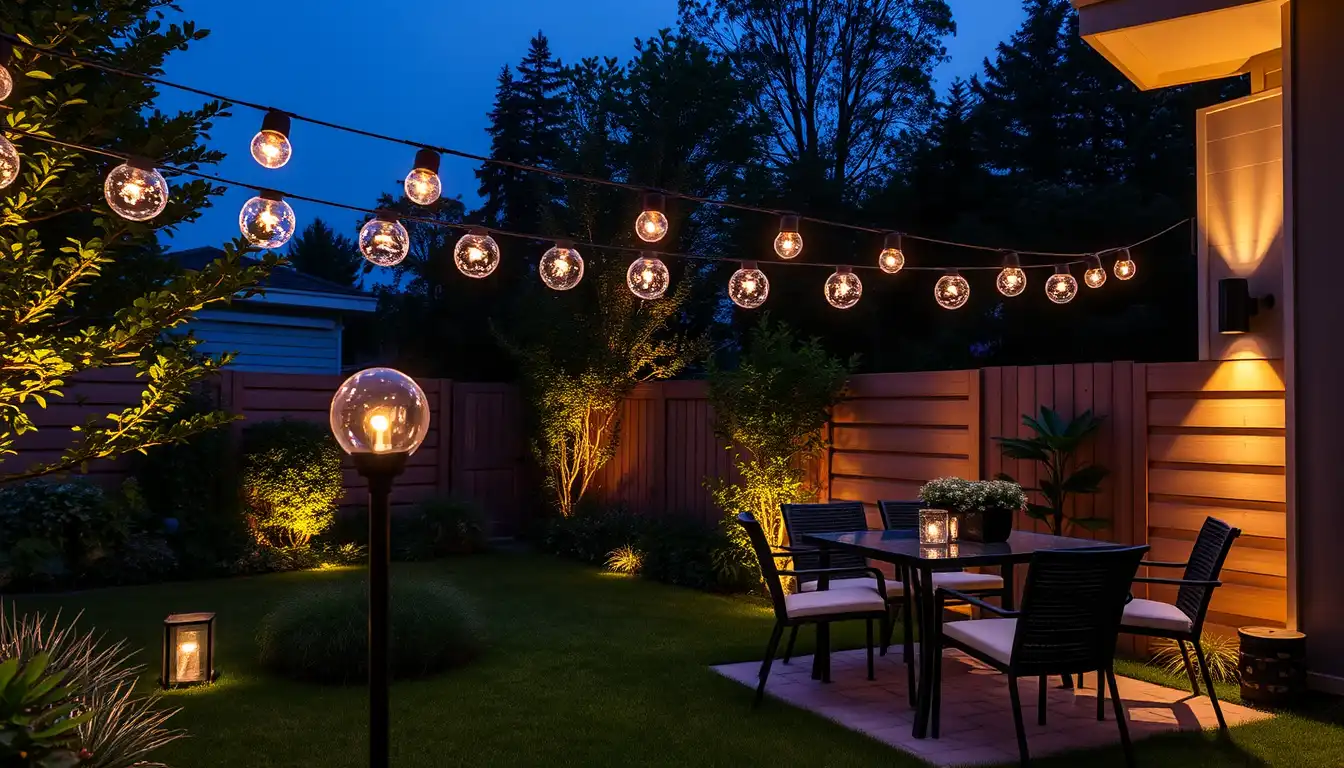
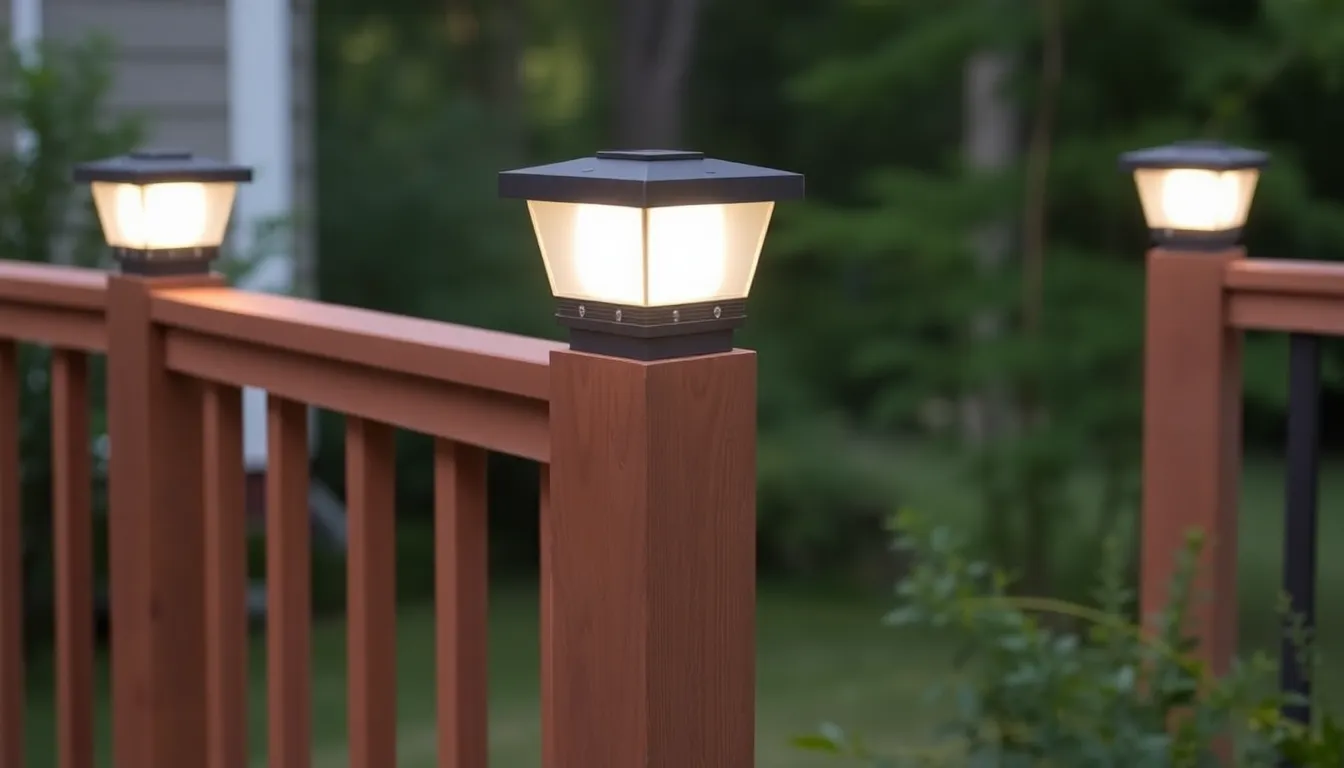
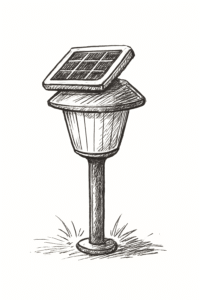
- Post-mounted lights sitting on top of pillars or posts distribute light widely across gathering areas. These fixtures provide overall ambient lighting for large outdoor spaces. Post lights work excellently for plaza areas, parking lots, and open gathering zones. Installation simply means mounting them on existing or new posts. The elevated height creates broad light distribution.
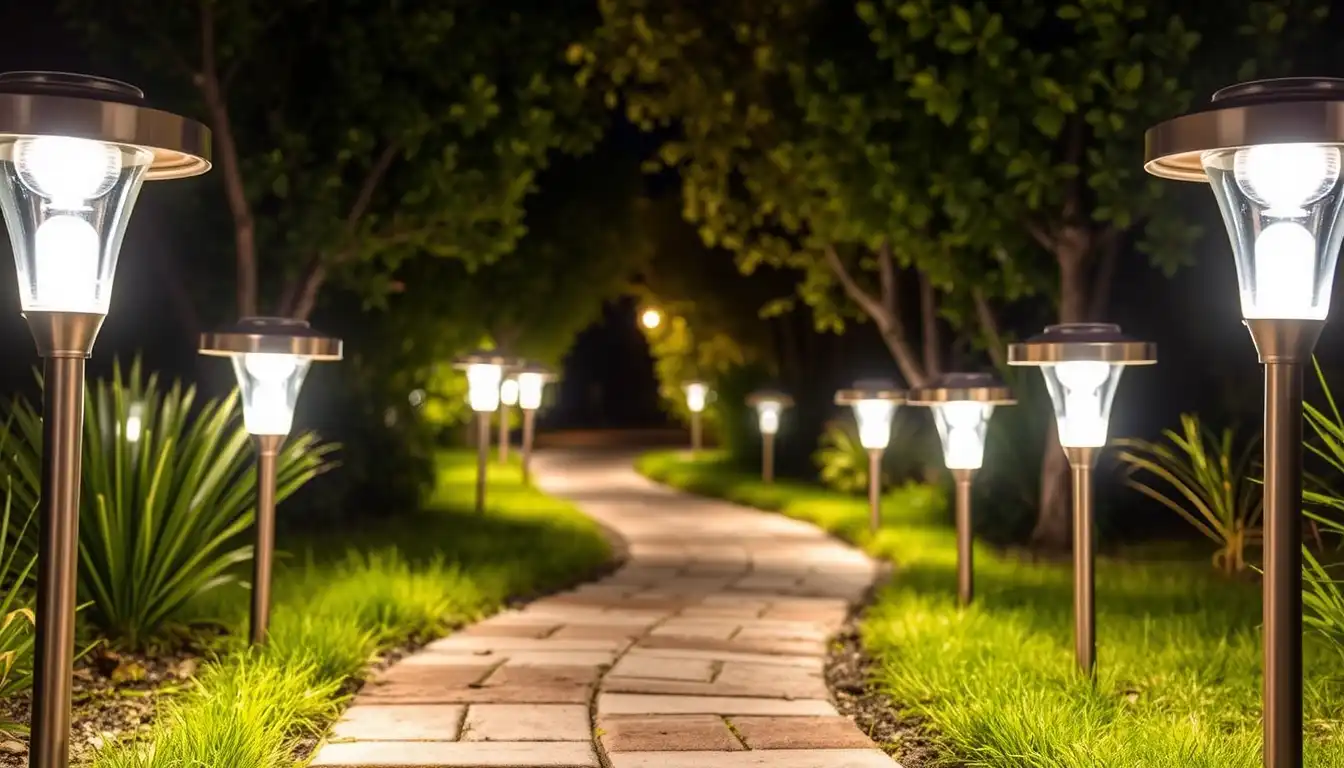
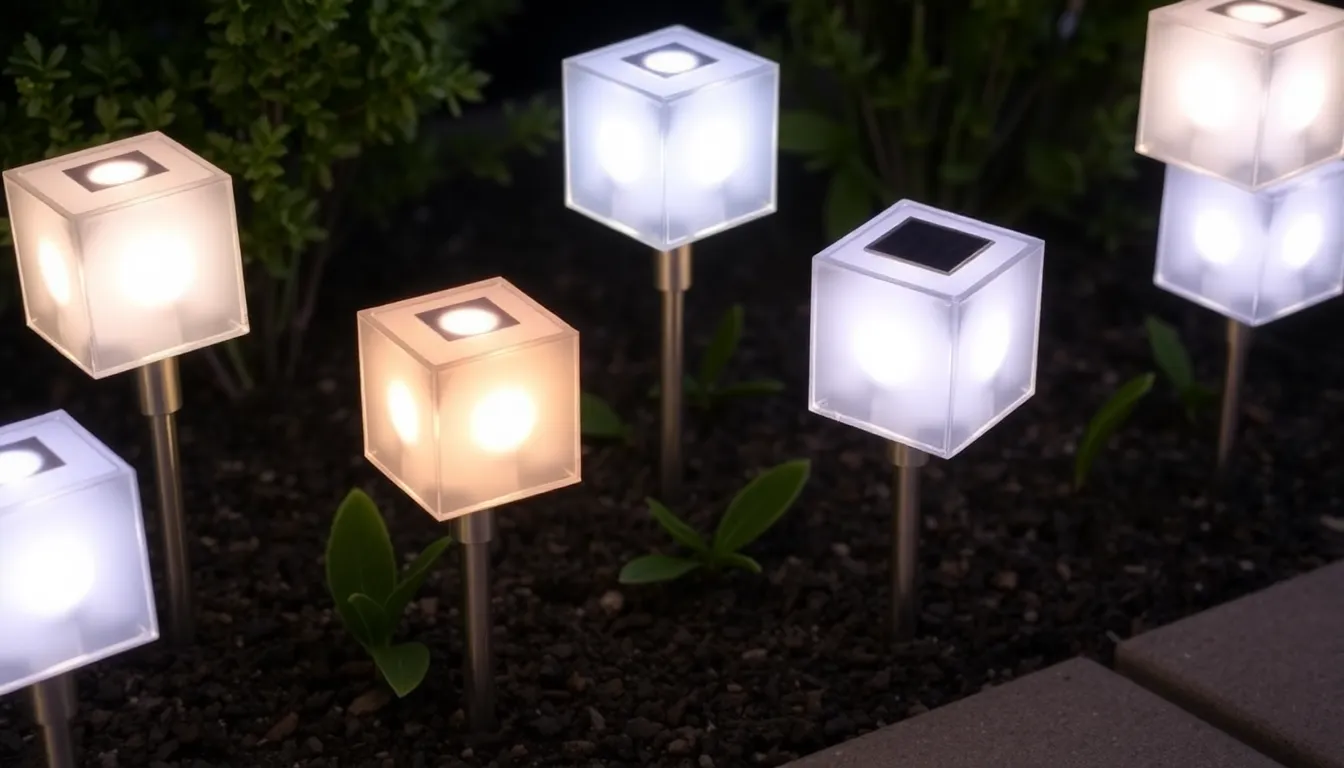
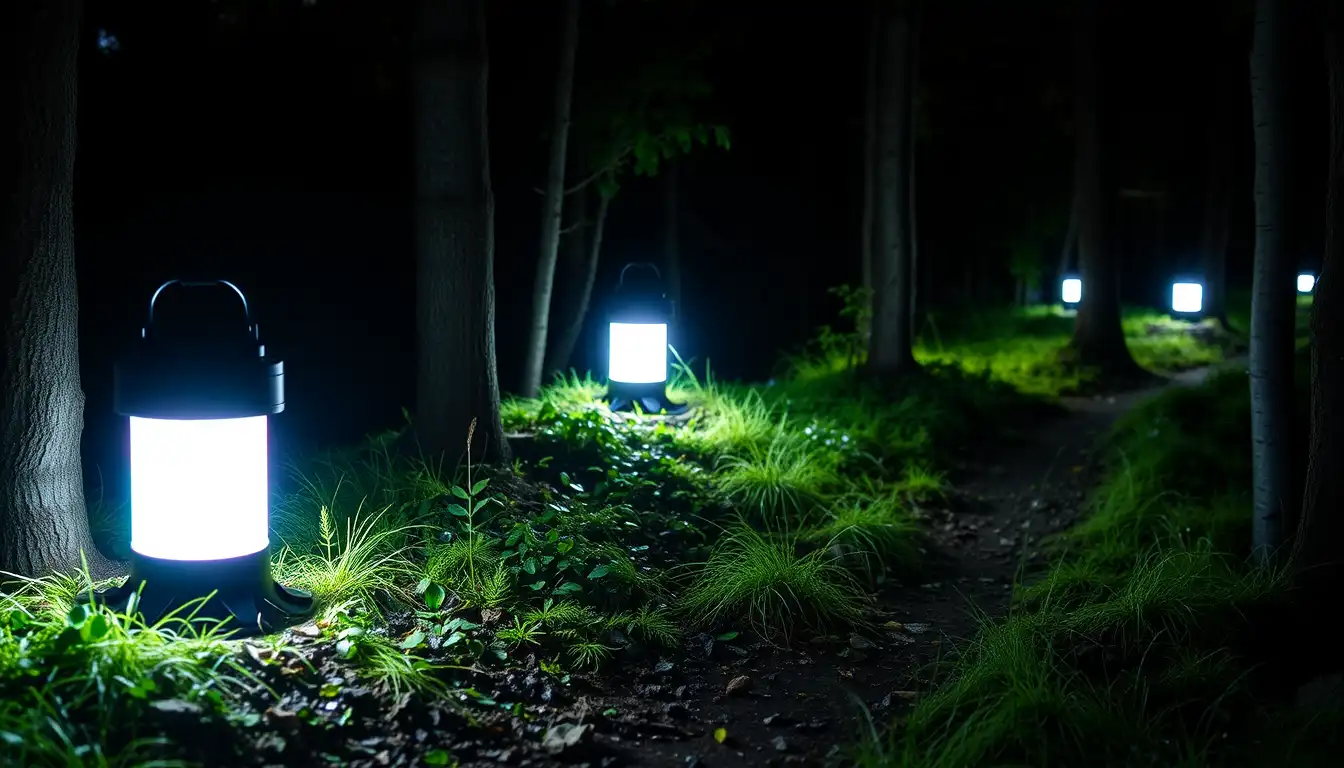
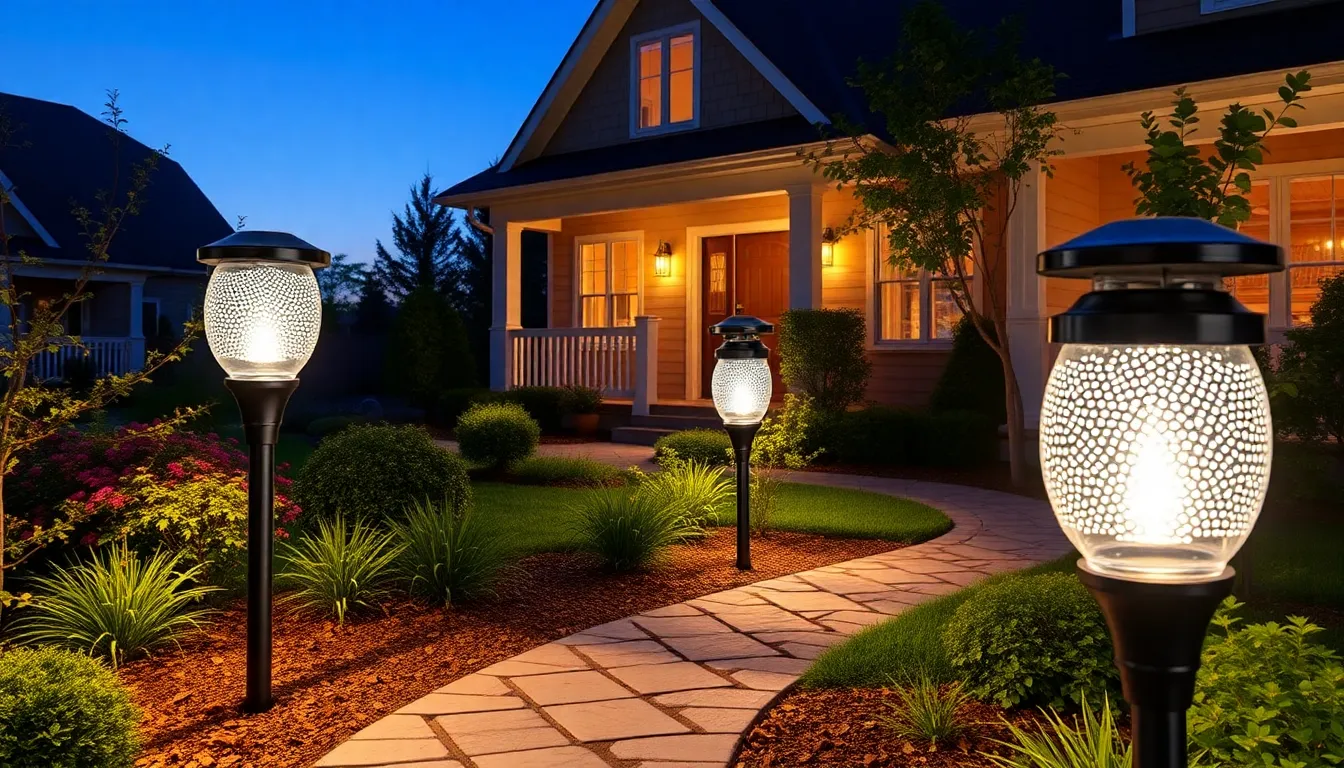
- Pathway lights mark walking routes preventing tripping hazards. These low-level lights guide people safely through outdoor spaces. They work particularly well for wheelchair accessibility and mobility assistance. Pathway lighting requires spacing approximately six to eight feet apart. The cost remains reasonable for most community budgets.
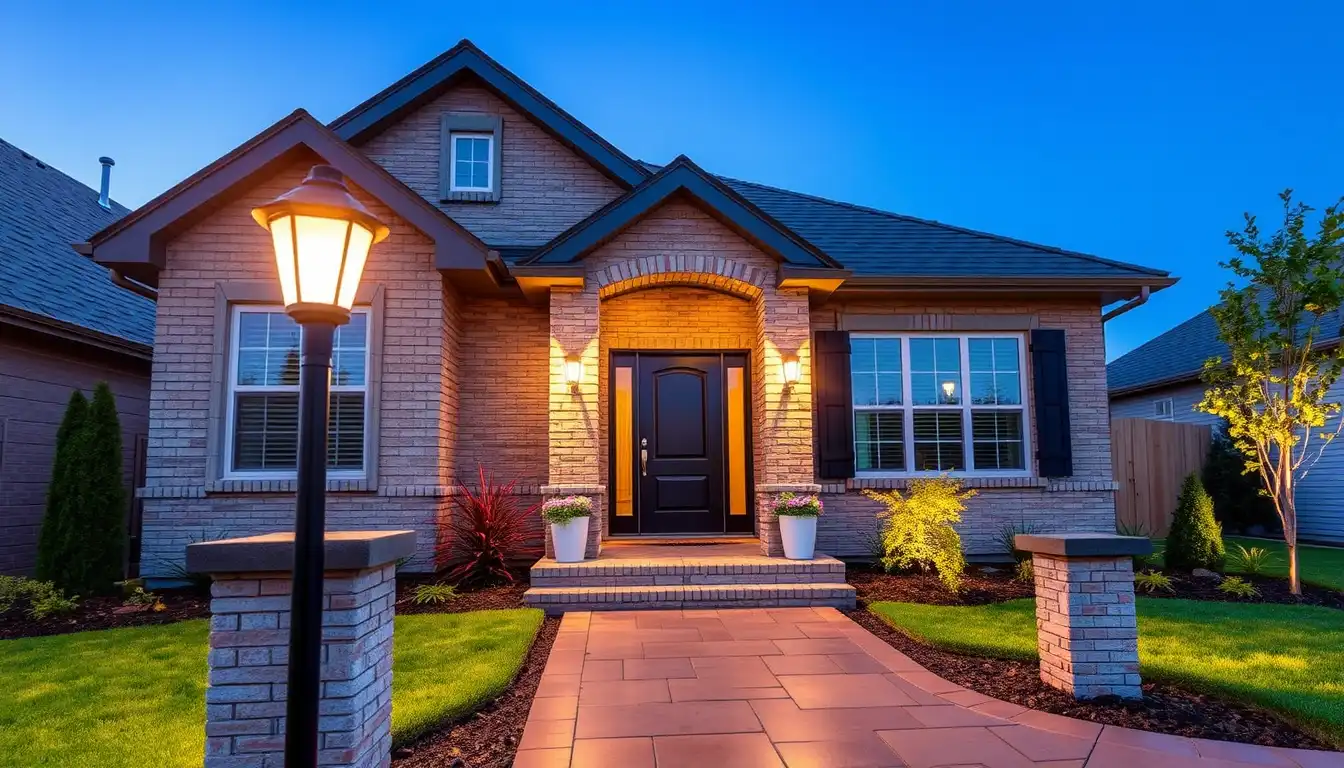
- Wall-mounted sconces attach directly to building structures. These fixtures illuminate entrance areas and outdoor walls. Installation happens quickly on existing structures. Wall sconces provide attractive architectural lighting while serving functional purposes. These lights work well for entryway illumination.
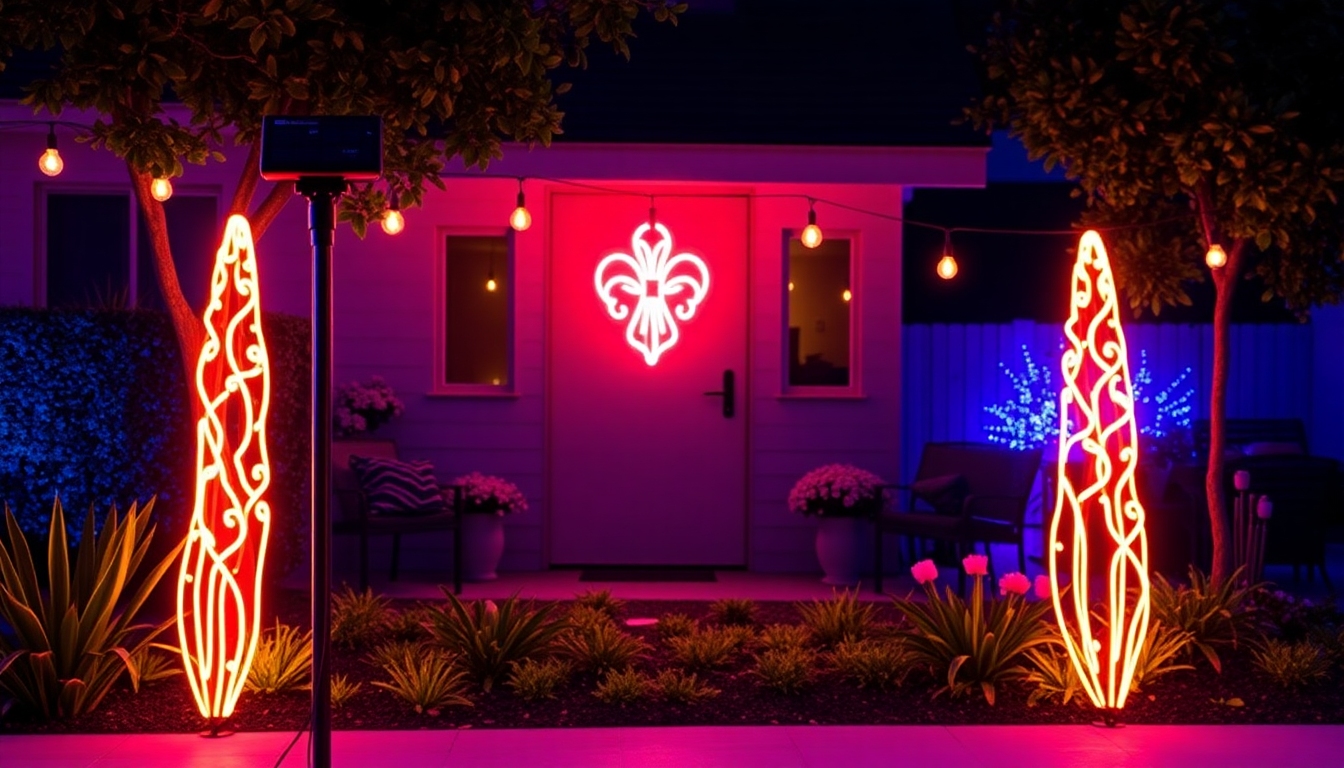
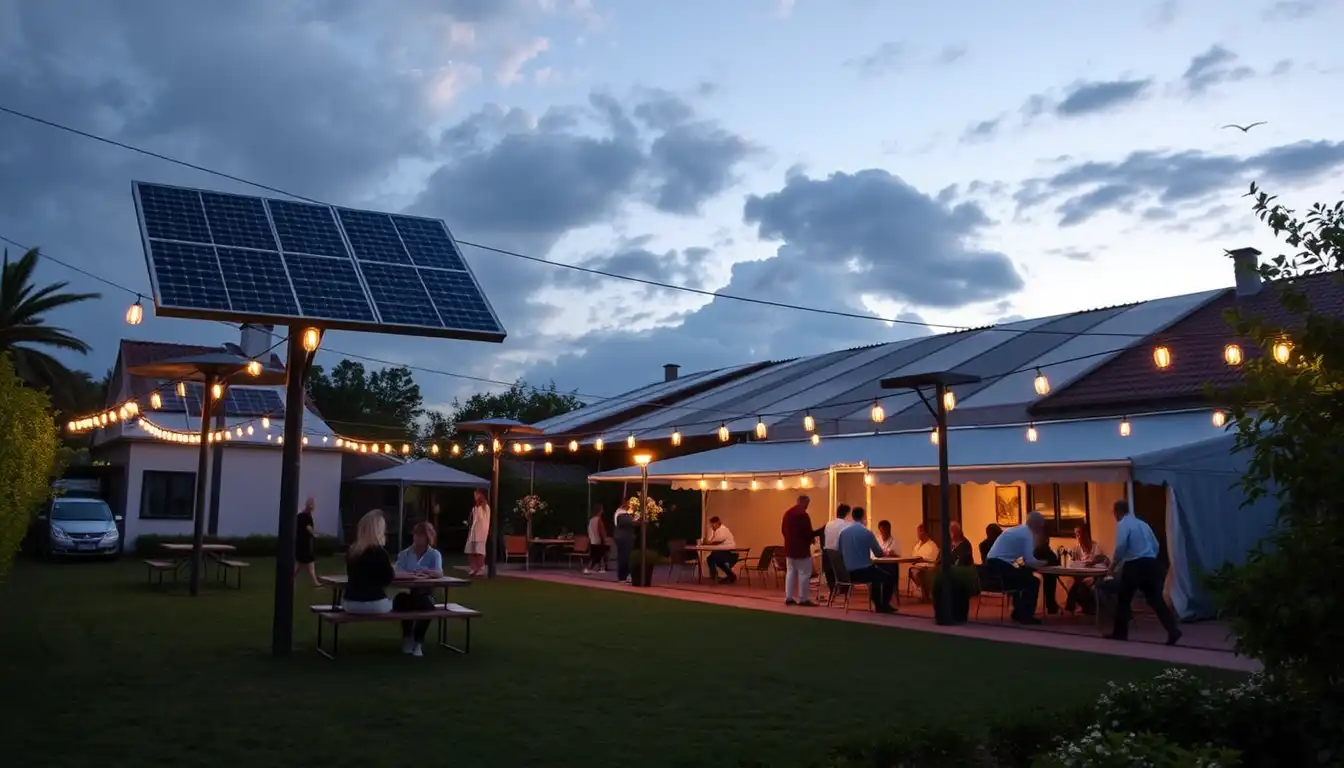
- String lights create festive atmosphere for gatherings and celebrations. These decorative fixtures suspend between posts or structures. They provide soft ambient lighting creating welcoming environment. String lights work perfectly for evening events and celebrations. The flexible installation suits temporary or permanent configurations.
- Accent lights highlight specific features or architectural elements. These directional lights create visual interest and focal points. Accent lighting costs less than comprehensive coverage. Strategic placement creates drama and sophistication. Accent lights work with other light types for layered effects.
ADVANTAGES AND PRACTICAL CONSIDERATIONS
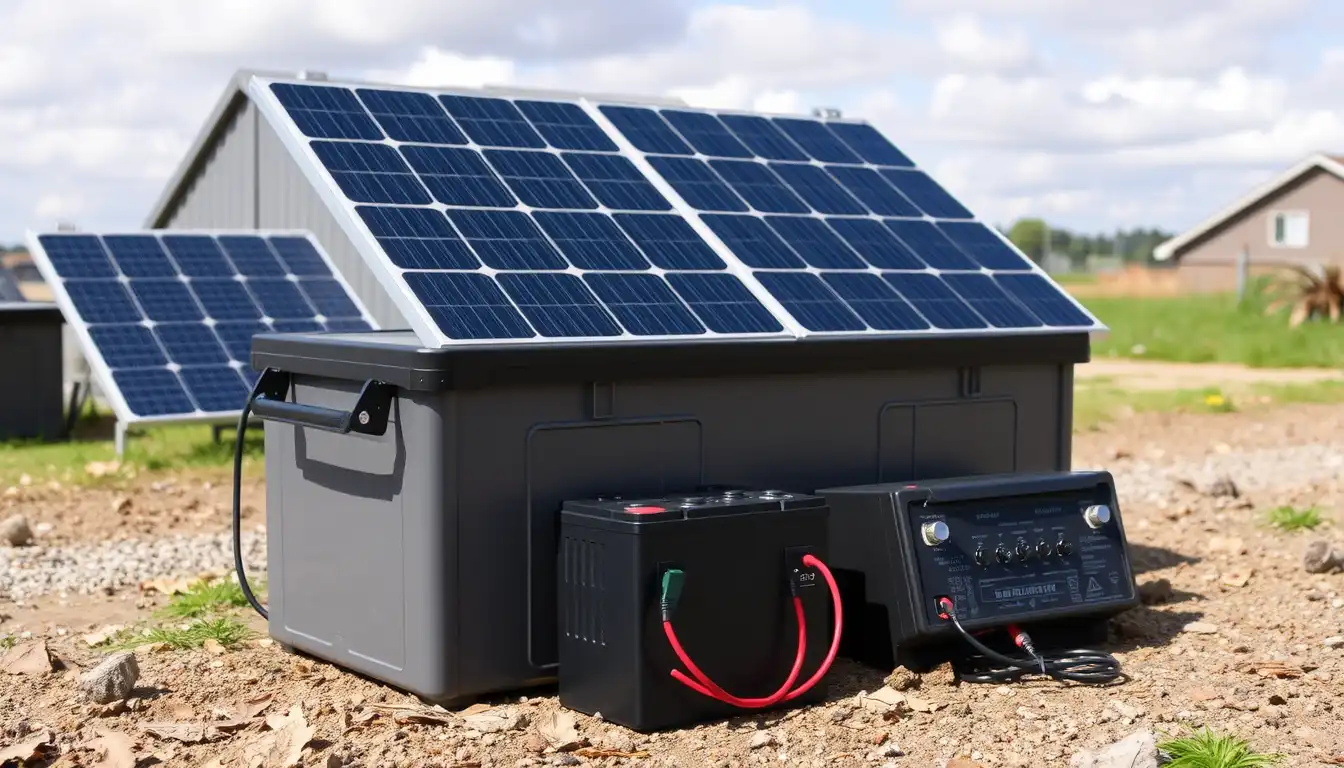
Advantages include zero operating costs benefiting nonprofit budgets significantly. No monthly utility bills, no electrical infrastructure requirements, and no wiring maintenance. Installation happens quickly without construction disruption. Flexible placement accommodates various outdoor configurations. Systems expand easily as community needs grow. Environmental benefits align with community values. Minimal maintenance demands few resources. Long operational lifespan provides years of reliable service.
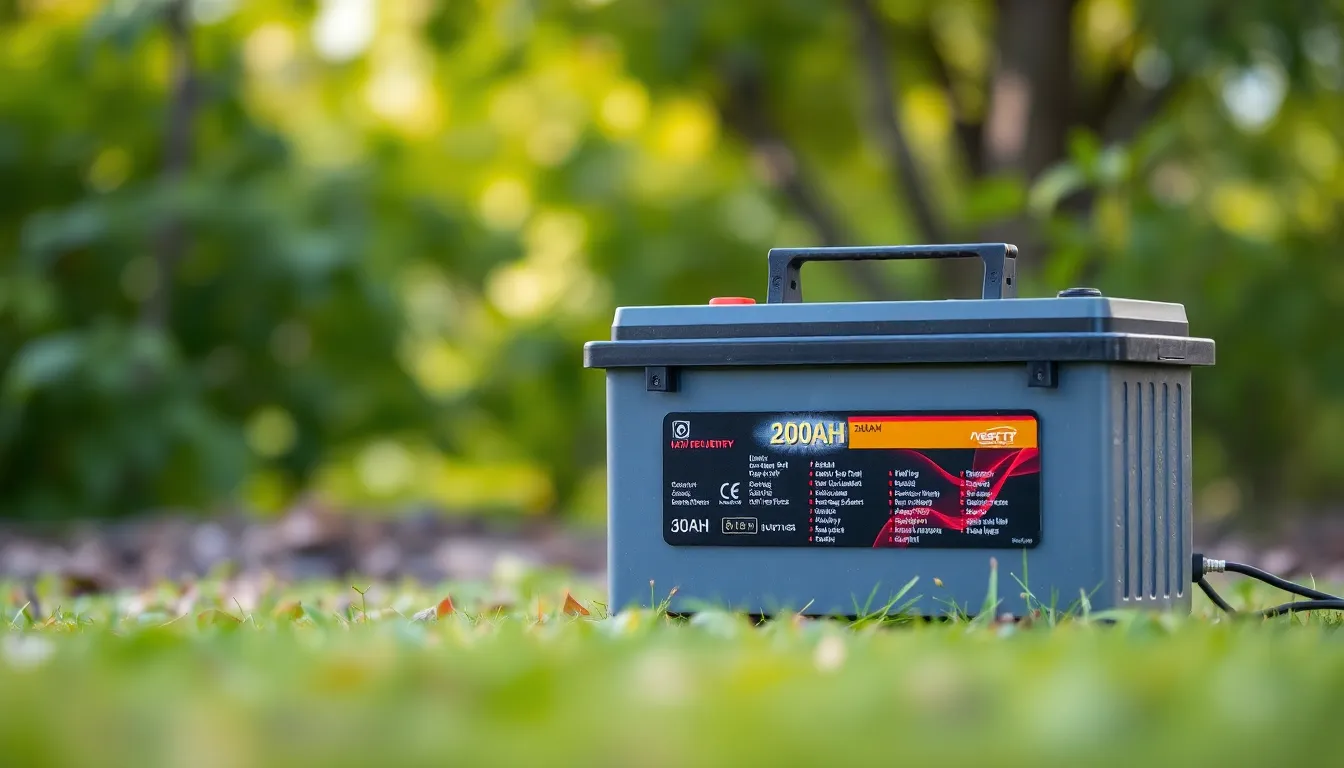
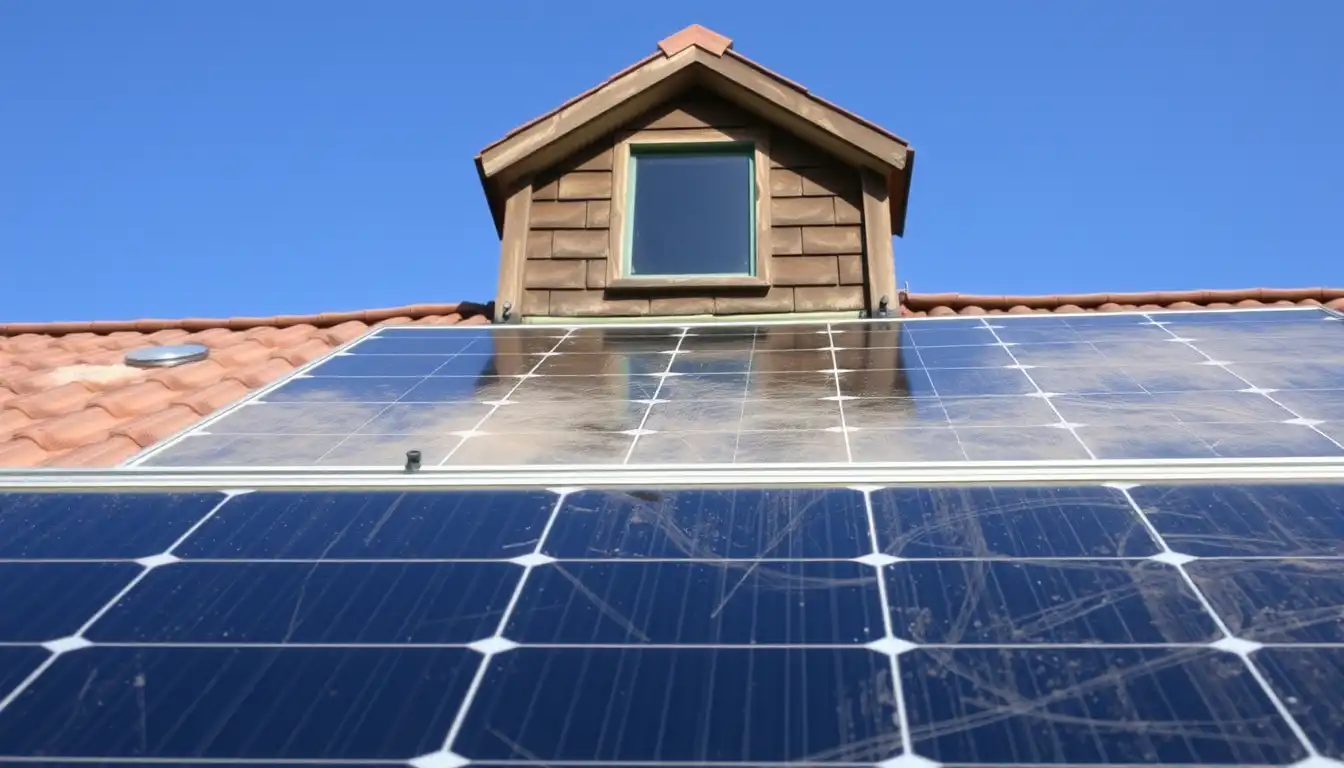
Disadvantages require realistic understanding. Weather affects charging efficiency. Cloudy periods reduce available light. Winter months with shorter daylight provide less total energy. Initial equipment cost requires upfront investment. Battery replacement happens eventually after five to eight years. Panel maintenance removes accumulated dust and debris. Temperature extremes slightly affect battery performance. Repair complexity increases with sealed construction.
Management considerations matter for successful operation. Designating responsibility for panel cleaning prevents efficiency loss. Establishing replacement timelines prevents disappointment when components age. Planning expansion as needs evolve. Training volunteers on proper use and maintenance. Documenting system performance tracks reliability. Building community support for sustainable practices.
SUMMARY
Solar lights for community halls transform outdoor gathering spaces into evening-functional venues supporting festivals, celebrations, and community events. Installation locations include post-mounted ambient lights, pathway markers, wall-mounted sconces, and festive string lights providing flexible design options. Solar panels charge during daylight storing energy for automatic evening operation lasting six to twelve hours depending on system size. Real benefits include improved safety, expanded event capacity, enhanced accessibility, strengthened community pride, budget elimination for other priorities, property value appreciation, environmental responsibility, and increased rental revenue. Specific light types serve different functions from broad ambient coverage through pathway navigation to architectural accents. Advantages include zero operating costs, rapid installation, flexible placement, minimal maintenance, and long-term reliability. Disadvantages include weather charging dependency, brightness limitations, initial investment requirements, eventual battery replacement, panel maintenance needs, and temperature sensitivity. Successful implementation requires site assessment, weather pattern understanding, space configuration planning, realistic budget allocation, and phased expansion approach. Community organizations redirect saved utility costs toward programs while demonstrating environmental stewardship through renewable energy adoption.