Table of Contents
Here’s Why Solar Batteries Aren’t For Everyone
Solar batteries store electricity from your panels for later use. Sounds great in theory. But they have real drawbacks that make them wrong for many homeowners. Understanding these disadvantages helps you decide if batteries fit your situation.
The biggest disadvantage is cost. Solar batteries are expensive. Really expensive. A decent lithium battery system costs 10,000 to 20,000 dollars. Some premium systems run 25,000 to 30,000 dollars. That’s a lot of money sitting on your property.
Lead-acid batteries cost less upfront, around 5,000 to 10,000 dollars. But they don’t last long. You replace them every 5 to 7 years. Over 20 years, lead-acid becomes more expensive than lithium when you count replacements.
The Payback Problem
Your solar panels pay for themselves in 8 to 12 years. Batteries take much longer. A 15,000 dollar battery system takes 12 years just for the battery to break even. Add that to panel payback and you’re looking at 20 to 25 years total. Many people move before reaching payback. This risk stops most people from buying batteries.
Limited Capacity Means Limited Days
A typical battery stores 10 to 15 kilowatt hours. Your home uses 25 to 30 kilowatt hours daily. One battery covers maybe half a day of usage. On cloudy days, your battery empties by evening. You need multiple systems for true independence, which triples the cost.
Degradation Over Time
Batteries lose capacity as they age. A new lithium battery at 100 percent capacity declines to 95 percent after one year. After five years, it drops to 85 percent. After ten years, maybe 75 percent.
This means your backup power shrinks every year. The battery you bought for a five day blackout only covers three days after ten years. Replacement becomes necessary before the battery completely fails.
Lead-acid batteries degrade faster. A three year old lead-acid battery already shows noticeable capacity loss. By year five, it’s significantly weaker. This faster degradation means more frequent replacements.
Heat Damage And Performance Loss
Batteries perform worse when hot. A battery at 60 degrees Celsius operates at 85 percent capacity. In hot climates this is constant. Your battery delivers less power all the time. Cold temperatures also hurt performance. Charging takes longer. Discharge rates slow down. Climate control adds electricity costs, defeating savings.
Installation Complexity
Installing batteries requires professional electricians. It’s not DIY work. Permits and inspections are required. Installation costs add 2,000 to 5,000 dollars. Not all electricians work with batteries. Bad installation causes safety hazards and reduces battery lifespan.
Monitoring And Maintenance Needs
Batteries require active management. Good monitoring systems cost 1,000 to 2,000 dollars extra. Lithium batteries need firmware updates. Lead-acid needs water top-offs and terminal cleaning. Without proper monitoring, you risk overdischarging and battery damage.
Safety Concerns
Lithium batteries contain flammable chemicals. Fire risk exists if something goes wrong. Lead-acid batteries release hydrogen gas during charging. In poorly ventilated spaces, this gas accumulates and can explode. These safety concerns mean batteries belong outside living spaces, adding installation complexity and cost.
Space Requirements Are Substantial
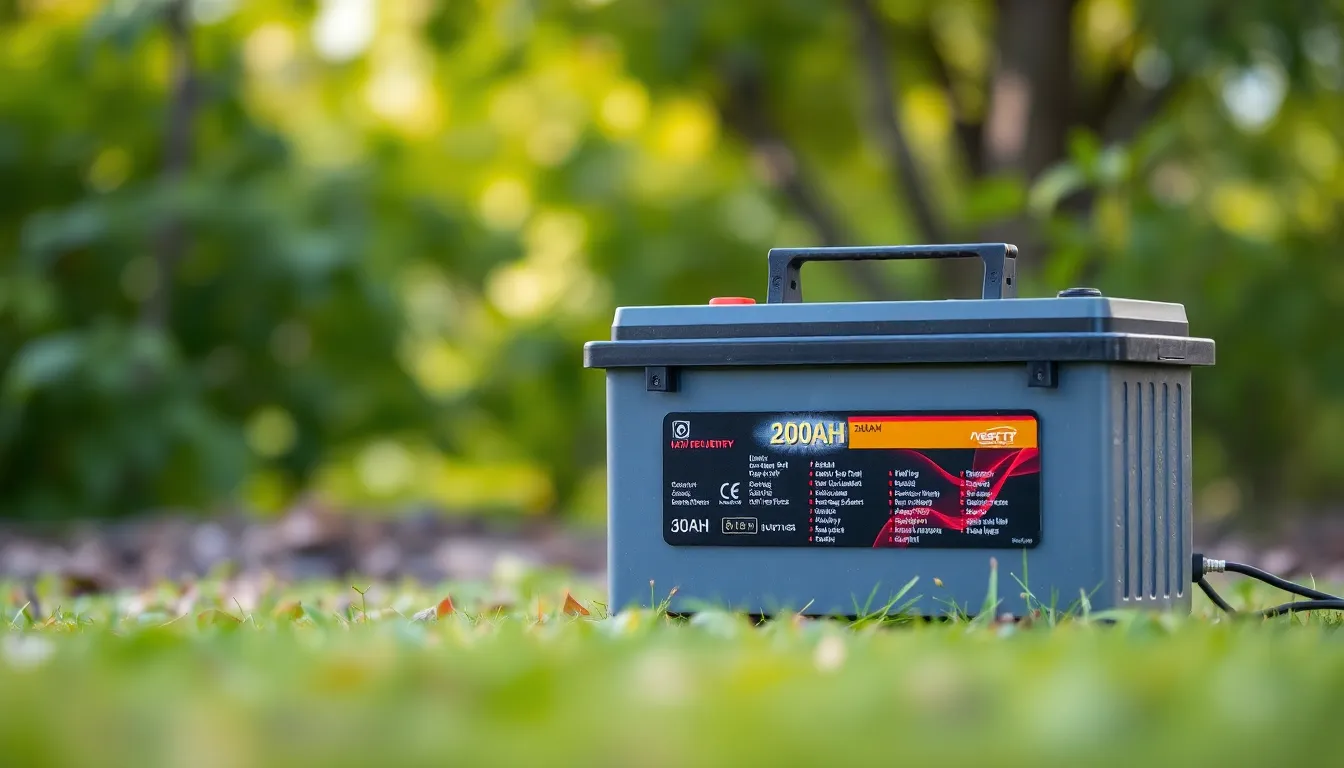
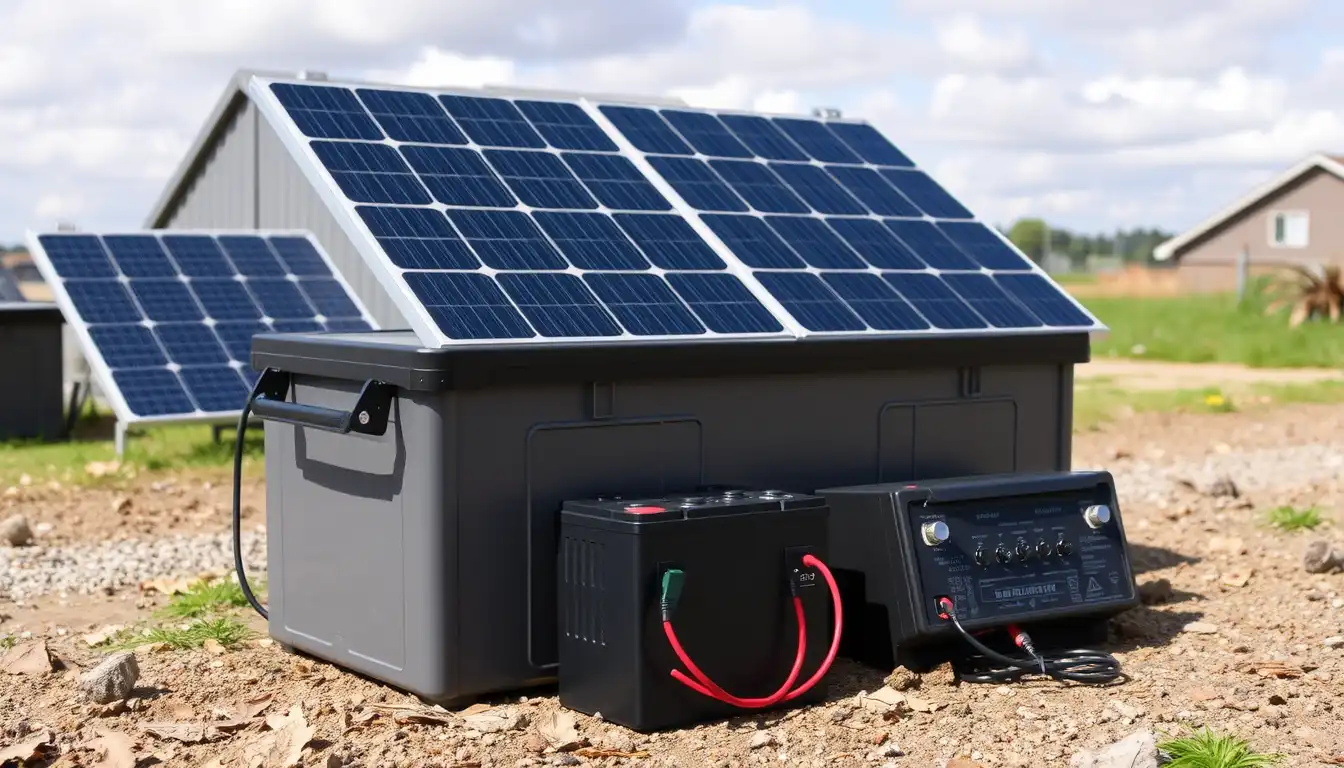
A 15 kilowatt-hour lithium battery system weighs about 200 kilograms. It needs dedicated space. A bedroom-sized closet works, but garage space is better. You cannot stack batteries randomly. Proper mounting and ventilation space is required.
Lead-acid batteries take up even more space for the same capacity. A 15 kilowatt-hour lead-acid system occupies significant floor area. Multiple units line up taking valuable garage or basement space.
Not all homes have good battery placement options. Apartments rarely allow batteries. Homes with small garages struggle with space. You might not have anywhere suitable to put a battery system.
Replacement Costs Are Brutal
Lead-acid batteries die every 5 to 7 years. Replacing them costs 5,000 to 10,000 dollars. Do this three times over 20 years and you’ve spent 15,000 to 30,000 dollars on batteries alone.
Lithium batteries last longer but cost more upfront. Replacing a lithium system at year 12 costs 15,000 to 20,000 dollars. Plus installation fees. The replacement cost shock surprises homeowners who forgot about it.
Net Metering Is Better In Many Cases
If your utility offers net metering, you don’t need batteries. Send excess power back to the grid. Get credited for it. Use those credits at night or during cloudy days.
Net metering is free. Batteries cost tens of thousands. For most people in net metering states, batteries make no financial sense. You’re paying a fortune for something the grid provides for free.
Only areas without net metering truly benefit from batteries. If your utility doesn’t offer net metering, batteries become attractive. Otherwise, skip them.
Inverter Compatibility Issues
Your solar inverter needs to work with your battery system. Not all inverters pair well with batteries. Some require special hybrid inverters. Others need battery management systems that cost extra.
Upgrading to a compatible inverter adds 2,000 to 5,000 dollars. If you already have a solar system, battery compatibility becomes complicated. You might need to replace your entire inverter.
New solar installations with batteries should plan ahead. The installer chooses compatible equipment. Existing solar systems face integration challenges and costs.
Limited Independence Without Multiple Systems
One battery system doesn’t provide days of independence. You run out of power. You need grid power or a generator. Most battery owners still use grid power regularly.
True off-grid living requires massive battery capacity. You need 50 to 100 kilowatt hours of storage. That costs 50,000 to 100,000 dollars or more. Add a generator for backup. Add solar panels larger than typical. Total cost reaches 80,000 to 150,000 dollars.
Most people learn quickly that modest battery systems aren’t the energy independence solution they imagined.
Pros Of Solar Batteries
Emergency backup power during blackouts. Energy independence from the grid. Use your own electricity 24 hours. No reliance on net metering policies. Protection if utilities eliminate net metering.
Cons Of Solar Batteries
Extremely high cost. Long payback periods of 15 to 25 years. Limited capacity covers only half daily usage. Battery degradation over time. Performance loss in extreme temperatures. Complex installation requirements. Significant ongoing maintenance. Chemical safety concerns. Space requirements for installation. Expensive replacements every 5 to 12 years. Poor financial sense if net metering is available.
When Batteries Actually Make Sense
Buy batteries if your utility has no net metering. Buy them if you live in an area with frequent blackouts longer than a few hours. Buy them if you value energy independence over financial return. Buy them if you can afford to wait 20 years for payback.
Skip batteries if net metering is available. Skip them if you cannot afford 15,000 to 30,000 dollars upfront. Skip them if you move frequently. Skip them if blackouts are rare or brief.
Making Your Decision
Calculate how much blackout protection you actually need. One week of autonomy costs 50,000 dollars plus. One day of autonomy costs 15,000 to 20,000 dollars. Compare this cost to the likelihood of needing it.
Talk to people locally who own batteries. Ask about real costs and actual experiences. Most battery owners share honestly about frustrations.
Get quotes from multiple installers. Compare equipment options and pricing. Ask about warranty coverage and replacement costs. Understand your real payback period before buying.
Summary
Solar batteries have significant disadvantages that make them wrong for most homeowners. The biggest problem is cost. Battery systems range from 10,000 to 30,000 dollars and take 15 to 25 years to pay for themselves. Limited capacity means one battery covers only half a day of typical household usage. Batteries degrade over time, losing capacity and eventually requiring expensive replacement. Performance suffers in extreme temperatures. Installation is complex and requires professional electricians. Maintenance is ongoing. Chemical safety concerns require proper installation outside living spaces. If your utility offers net metering, batteries make poor financial sense. Net metering is free while batteries cost a fortune. Batteries only make sense in areas without net metering or for people who value energy independence over financial return. True off-grid living with batteries costs 80,000 to 150,000 dollars or more. Most homeowners find grid power or solar without batteries more practical and economical.