Table of Contents
My Solar Panels Are Working But My Bill Stayed High
The Shocking Moment I Opened My First Bill
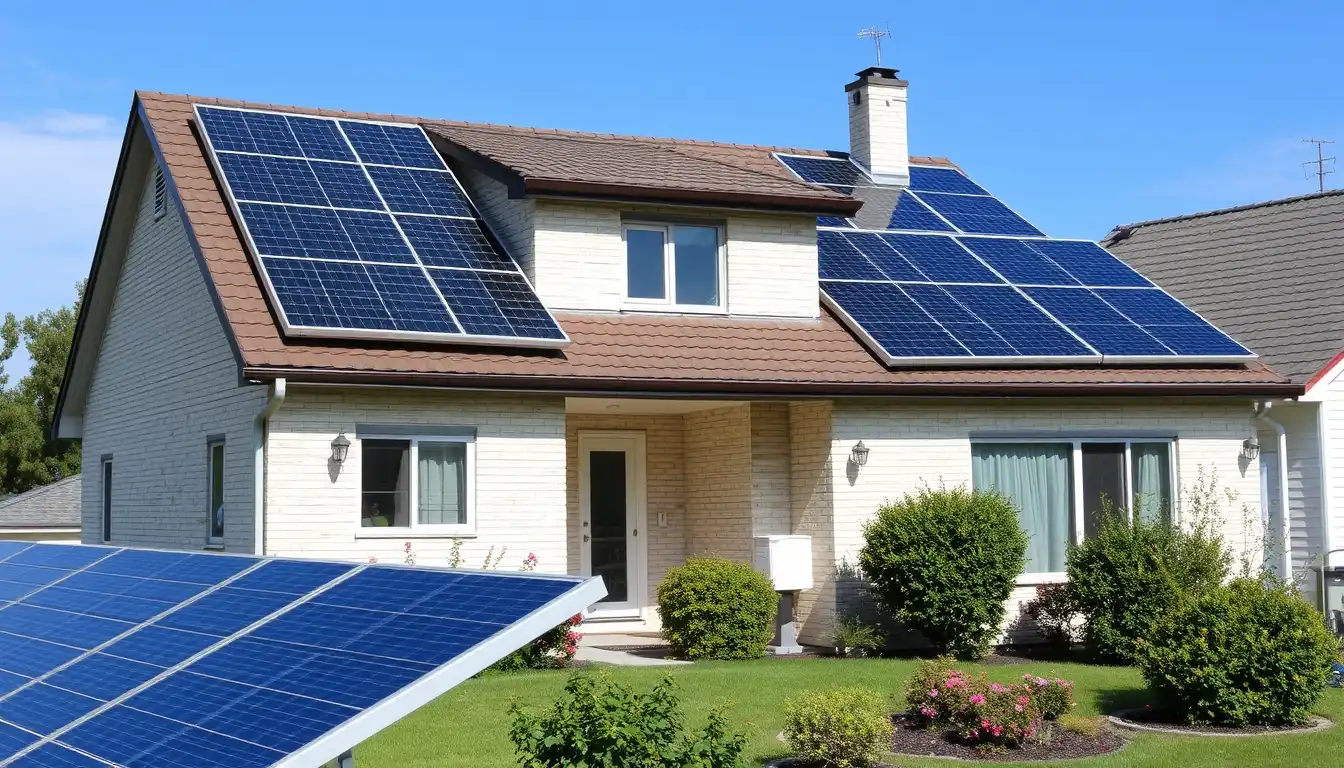
I spent fifteen thousand dollars installing solar panels last year. I was so excited. I thought my electricity bill would basically disappear. That’s what the solar company told me during the sales pitch. They smiled and showed me graphs promising near-zero bills. I signed the contract immediately. Fast forward to my first month with solar activated and I opened my electric bill with huge anticipation. I expected maybe twenty bucks or nothing. I got a bill for one hundred and forty dollars. I called the solar company immediately thinking something broke. They said everything was working perfectly. That’s when I realized I had zero idea how solar actually works.
Turns out having solar panels doesn’t automatically eliminate your electricity bill. The solar industry doesn’t advertise that loud enough. They focus on the savings and skip the reality. I learned the hard way that multiple factors keep your bill high even with solar installed. Understanding these factors changed how I use electricity and what I expect from my system.
The real problem started with utility rates skyrocketing in 2026. California utilities like PG and E increased rates significantly. I was paying nineteen cents per kilowatt hour during peak times. That’s expensive. My solar panels offset maybe sixty percent of my daily usage. The other forty percent at peak evening rates added up fast. The utility company also started charging a fixed fee of twenty-four dollars monthly regardless of consumption. That fee shows up on every bill even when you generate solar power.
Why Your Solar Bill Stays High
The biggest reason is your system is undersized. When installers size your solar system, they look at your electricity usage at the time of installation. If you were using five thousand kilowatt hours yearly then, your system got sized for that. But households increase electricity usage two to three percent yearly. Add an electric vehicle. Add a new air conditioning unit. Add a pool heater. After five years, your needs grew fifteen percent but your panels stayed the same size. The solar company installed exactly what you consumed then, not what you consume now. This catches almost everyone.
Installation timing matters too. Solar companies often use optimistic estimates. They assume perfect south-facing roofs, zero shade, and perfect tilt angles. Real-world performance is ten to twenty percent lower than those estimates. Weather happens. Clouds appear. Dirt accumulates on panels. Trees grow taller casting shade. Winter brings forty to sixty percent less production than summer. These realities weren’t in the sales pitch.
Your behavior changes when you have solar. This happens to almost everyone. When you think electricity is free, you stop caring about usage. You leave lights on longer. You set the air conditioner colder. You plug in your electric vehicle during peak hours without thinking. You use more appliances guilt-free. Studies show homeowners increase usage thirty to fifty percent after solar installation. Your system wasn’t sized for thirty to fifty percent more consumption.
Utility rates increased faster than expected. Electricity costs outpaced inflation every year since 2022. Data centers expanded dramatically across the country demanding enormous power. The grid infrastructure costs exploded. Utilities passed those costs to residential customers. Peak evening rates especially skyrocketed. You’re drawing from the grid exactly when it’s most expensive. Solar generates power during the day. You use expensive grid power at night.
Net metering changed significantly. In 2026, many states shifted from 1:1 net metering to lower compensation rates. You generate solar power during the day and send excess to the grid. The utility pays you for that excess. But they pay you seventy to eighty percent less than they charge you when you buy it back at night. That imbalance created high bills unexpectedly.
Fixed charges keep growing. Utilities now charge thirty to forty percent of the bill as fixed infrastructure fees. You pay this regardless of consumption. So even if you offset all variable charges with solar, you still owe the fixed portion. Increasing fixed charges protect utility profits while reducing your savings.
Real Solutions That Actually Work
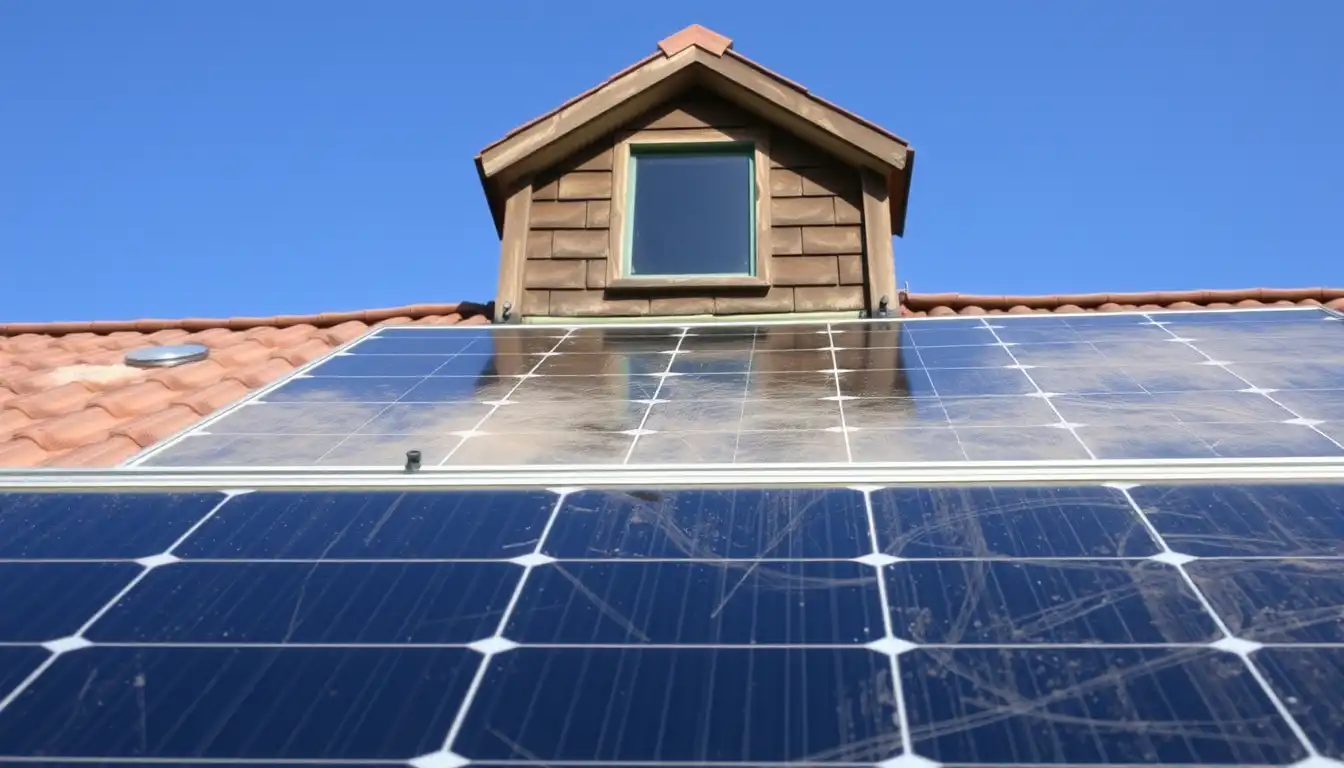
First, check if your panels work correctly. Get a professional inspection. Dirty panels lose fifteen to twenty-five percent efficiency. Dust, pollen, and bird droppings accumulate silently. Professional cleaning restores that lost production. Schedule annual inspections. Most homeowners never think about panel maintenance but it matters enormously.
Review your solar monitoring app monthly. Compare your actual production to actual consumption. Most solar systems include online portals showing real data. If your panels produce only sixty to eighty percent of what you need, you have undersizing. You might need additional panels. Battery storage can maximize existing panels by storing excess summer power for winter use.
Cut unnecessary consumption immediately. Look at your electricity bills from before solar. Compare kilowatt-hours, not just dollars. If you’re using thirty to fifty percent more, reduce usage aggressively. Turn thermostats back seven to ten degrees for eight hours daily. That cuts heating and cooling costs by ten percent. Use appliances during daytime peak solar production hours. Run dishwashers and laundry when your panels generate power, not at night.
Shift high-consumption activities to solar hours. Charge electric vehicles during afternoon peak generation. Run air conditioning and hot water heaters during maximum solar production. Some utilities offer time-of-use rates with cheaper midday pricing. Align consumption with solar generation times. This math changed your entire usage pattern.
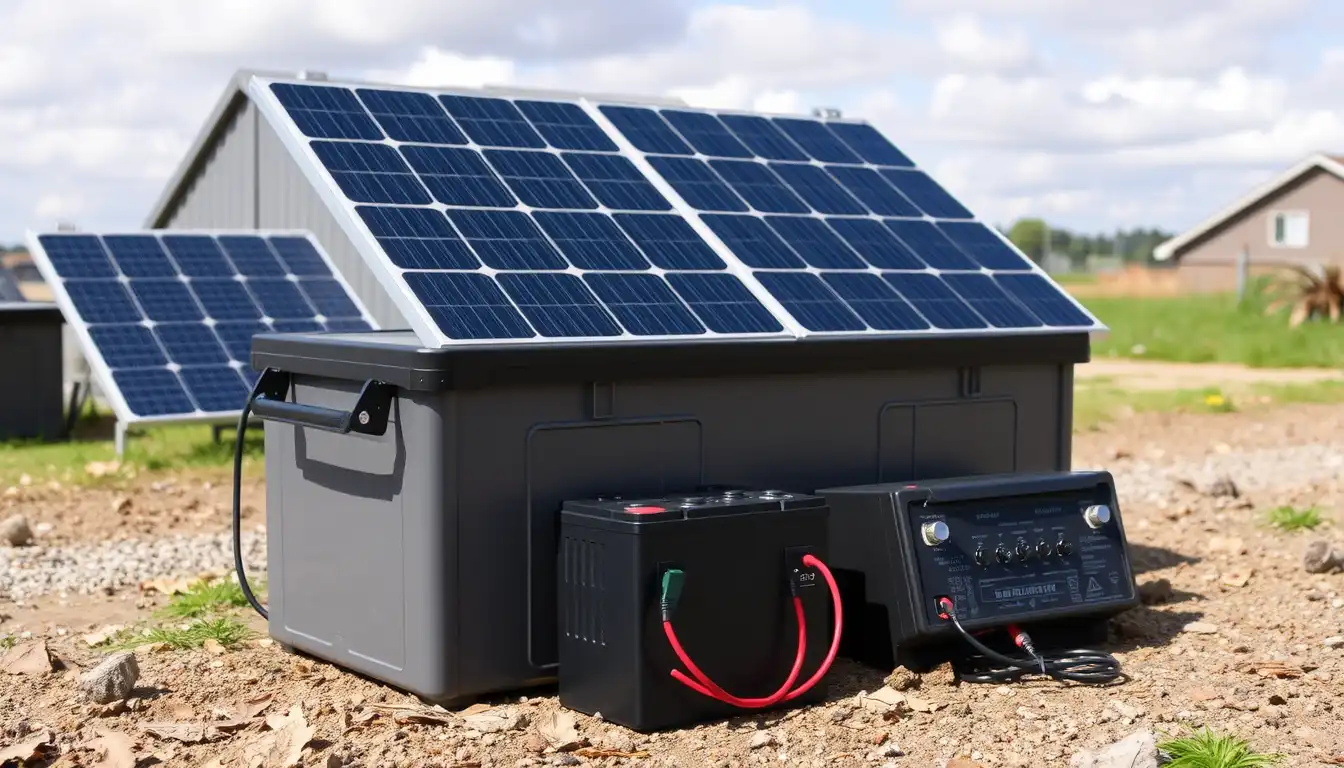
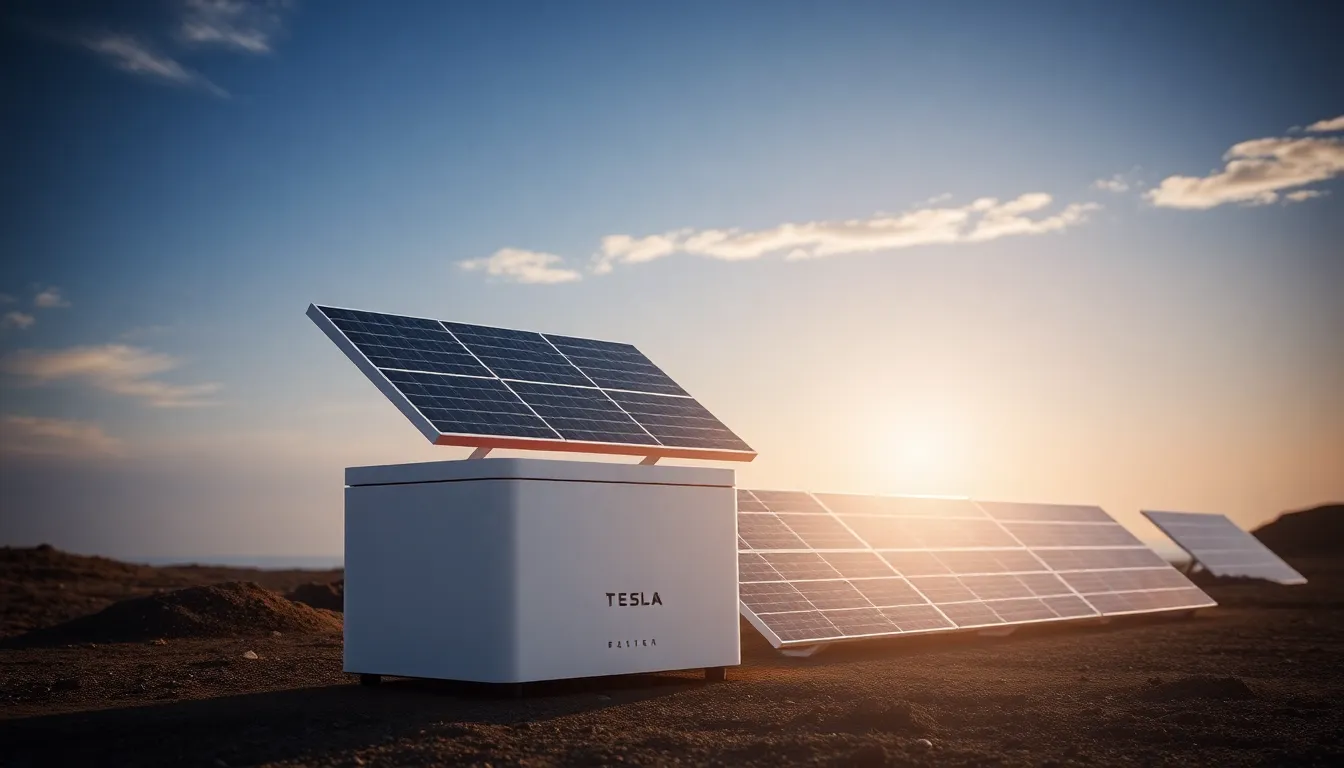
Add battery storage if you can afford it. Batteries capture excess daytime solar and provide evening power when the utility charges peak rates. This dramatically reduces evening bill impact. A ten kilowatt hour battery costs around ten to fifteen thousand dollars. It pays for itself in five to seven years through peak rate avoidance. It also provides backup power during outages.
Consider net metering quality. If your state allows, negotiate better net metering rates. Some utilities offer specific solar-friendly programs. Ask your utility directly about options. In states with poor net metering, adding batteries becomes essential rather than optional.
Verify proper system sizing before purchasing. Ask installers for documentation showing your consumption history and their sizing methodology. Question estimates that seem optimistic. Request conservative projections instead. Know that initial sizing is permanent unless you add panels later.
Real Stories From 2026 Solar Owners
Sarah in California installed solar in 2024 expecting zero bills. She got bills of eighty to one hundred dollars monthly after installation. She added an electric vehicle in 2025 which pushed summer bills to one hundred and fifty dollars. Her system simply wasn’t sized for a vehicle. She eventually added six more panels at a cost of four thousand dollars. Her bills dropped to thirty dollars monthly. This is common.
Tom in Texas installed solar and loved it initially. After one year, peak summer rates increased twenty percent. His bill went from fifty dollars monthly to ninety dollars. Grid infrastructure surcharges appeared on his bill. Rates keep climbing despite his solar. He’s considering battery backup for 2026.
Jennifer in New Jersey had solar produce what the company promised. But fixed utility charges increased from forty dollars to sixty-four dollars monthly. Her variable charges dropped significantly. Her total bill barely changed. Fixed charges eroded half her savings. She’s frustrated but stuck with it since it still beats grid-only costs.
Mark in Florida installed solar and panels got covered with pollen and dust. His production dropped noticeably. He had them cleaned professionally and production jumped thirty percent. He now cleans them quarterly. It’s an ongoing expense but necessary for maintaining savings.
What Changes In 2026 And Beyond
Federal tax credits ended December 31, 2025. New solar installations no longer get the thirty percent tax credit. This significantly changes economics. The payback period lengthened. Installation costs matter more now. This makes system sizing even more critical.
Electricity rates continue rising. Analysts expect continued increases through 2030. Data center demand doubles by 2030. Grid modernization costs continue escalating. Your electricity will cost more next year than this year. This trend favors solar ownership despite current challenges.
Utility billing continues shifting to fixed charges. More costs appear as infrastructure fees. Variable charge reductions through solar become less impactful. Battery storage becomes more necessary for peak rate management.
Smart home technology integration expands. Better monitoring apps let you see production and consumption in real time. Automation systems can shift consumption to solar production hours automatically. Smart thermostats adapt to solar availability. These tools help maximize existing systems.
Summary
This article explains why electricity bills remain surprisingly high for solar panel owners in 2026 despite successful installations. The primary reasons include undersized solar systems that weren’t calculated for household growth, overly optimistic installation projections compared to real-world performance, increased consumption patterns after installation without system expansion, skyrocketing peak evening electricity rates, shifted net metering policies paying lower compensation for excess solar, and growing fixed monthly utility charges regardless of consumption. Real examples show homeowners paying one hundred to one hundred fifty dollars monthly even with full solar systems functioning correctly. Practical solutions discussed include annual panel cleaning to restore fifteen to twenty-five percent lost efficiency, adding battery storage to shift consumption from peak evening rates, behavioral changes like running appliances during solar production hours, and upgrading undersized systems with additional panels. The article addresses 2026-specific changes including the ending of the thirty percent federal tax credit on January 1, 2026, projected electricity rate increases through 2030, growing fixed charge percentages of total bills, and expanding AI data center demand pressuring grid costs. Time-of-use electricity plans, smart home automation, and professional solar monitoring prove essential for maximizing current system performance. Whether you installed solar recently or are considering it, understanding these dynamics helps set realistic savings expectations in the 2026 energy market.