
Table of Contents
I Wasted Money On Solar Lights Until I Knew What Actually Matters
When I Grabbed The First Pretty Box I Saw
I walked into a store with one mission. Buy solar lights. I saw a box that looked nice. Grabbed it. Paid. Got home. Installed them. They were worthless. Barely visible. Dead by ten at night. I’d wasted forty dollars on garbage I’ll never use again.
That mistake taught me something. Most people don’t actually know what makes solar lights good or bad. They look at price. They look at pretty packaging. They don’t look at the actual specifications. So I bought several more lights. This time I researched. I learned what lumens mean. I checked battery capacity. I read IP ratings. Now my deck glows beautifully all night. Now I understand what separates quality lights from waste.
Lumens Is The First Thing You Check
Lumens measure brightness. That’s it. Higher lumens mean brighter light. You need this number before you buy anything. Read it on the package. Write it down. Compare it.
Budget lights hide their lumen rating or advertise three hundred lumens or less. That’s pathway lighting brightness. Barely visible from a distance. Good for marking where not to trip. Bad for actually illuminating your space.
Quality lights offer five hundred to eight hundred lumens. That’s what you want for most residential use. Pathway lights need at least three hundred lumens minimum. Patio lights should have five hundred plus. Security lights need eight hundred lumens or higher depending on coverage area.
Don’t believe marketing claims. Don’t trust product photos. Check the actual number printed on the specification sheet. That’s the only truth.
Battery Capacity Decides How Long Lights Actually Work
The battery stores solar power. Bigger batteries mean longer evening operation. Small batteries mean dark skies by midnight. That’s not acceptable.
Look for mAh numbers on battery specifications. Eight thousand to eighteen thousand mAh represents quality residential systems. Anything under six thousand mAh will disappoint you. The light dies too early.
Lithium-ion and LiFePO4 batteries are superior. They last longer. They handle cold weather. They maintain performance through multiple seasons. NiMH batteries work but don’t perform as well. Check what battery type the product uses before purchasing.
Replaceable batteries are becoming standard. That’s good. You don’t replace the whole light when battery performance drops. Quality systems now feature accessible battery compartments.
IP Rating Determines Outdoor Durability
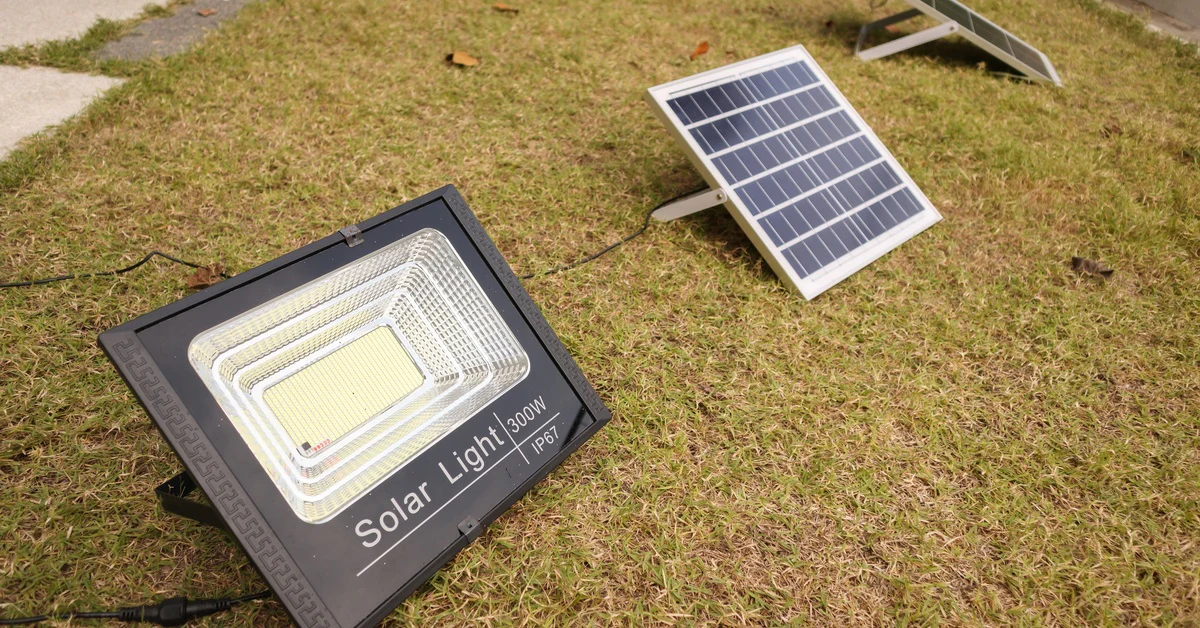
IP ratings tell you waterproof and dust specifications. IP65 means water resistant. IP67 means fully waterproof. Both work outdoors. Anything below IP65 fails in rain and snow. That’s not a maybe. That’s specification fact.
The first number indicates dust protection. The second number indicates water protection. Higher numbers mean better protection. IP67 beats IP65. IP65 beats IP44. Only buy lights with IP65 or higher for outdoor use.
Material matters too. Aluminum, stainless steel, and quality plastic last. Cheap plastic cracks in cold. UV sun turns plastic brittle. Quality materials survive years of weather exposure without degradation.
Housing design affects durability. Check if seams are sealed properly. Check if lens edges are protected. Check if cable connections are waterproof. Construction quality separates lights that last from lights that fail.
Solar Panel Efficiency Affects Charging Speed
The solar panel is where charging starts. Higher efficiency panels charge faster. They work better on cloudy days. Look for panels with twenty percent efficiency or higher. Standard panels offer twelve to eighteen percent efficiency.
Panel size affects charging too. Larger panels capture more sunlight. More sunlight means faster charging. Faster charging means reliable evening operation even on cloudy days.
Placement affects everything dramatically. South-facing placement optimizes charging. Shaded placement reduces effectiveness. If your installation spot has lots of shade, look for higher wattage systems to compensate.
Clean panels regularly. Dust and debris reduce efficiency significantly. Quarterly cleaning maintains performance. Neglected panels lose output and disappoint users.
Match The Light To Your Actual Use
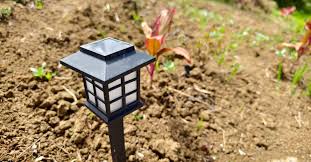
String lights create ambiance but not security. Pathway lights serve different purposes than flood lights. Post cap lights illuminate decks. Motion sensor lights save battery. Understand what you actually need before buying.
For decorative lighting, budget string lights work fine. For safety illumination, invest in brighter fixtures. For security, motion sensors save battery while providing protection when needed.
Read reviews from people with similar needs and climates. Someone in Arizona has different experiences than someone in Minnesota. Their expectations won’t match yours. Find reviewers in your climate zone.
Understand realistic expectations. Solar lights complement primary lighting. They don’t replace hardwired systems. Accept them as supplemental and you’ll be satisfied. Expect them to replace your driveway spotlight and you’ll be disappointed.
Installation Complexity Gets Overlooked
Some lights require tools. Some need digging. Some bolt to structures. Check installation requirements before buying. Surprise complications cause frustration.
Stake lights work in loose soil easily. Hardscape lights need drilling into concrete. Railing lights require specific mounting hardware. Understand what installation actually involves before purchase.
Read the manual installation section before buying. If it requires special tools or professional help, factor that cost into your decision. Hidden installation costs change the total investment.
Placement planning matters. Good placement gets maximum sun exposure. Bad placement gets shade. South-facing beats north-facing. Full sun beats partial shade. Install in wrong location and you’ll regret the purchase.
Real Brands Worth Your Money
- SHONE manufactures quality systems. Forty-eight LEDs. Three lighting modes. IP67 waterproof. Fast charging panels. Replaceable batteries. Price is mid-range. Performance justifies the cost.
- AloftSun produces motion sensor spotlights. Up to seven hundred lumens. Twelve-hour runtime documented. IP67 weatherproof. Reliable motion detection. Good for security applications.
- Brightech delivers affordable string lights. Consistent brightness. Multiple color modes. Good durability. Customer reviews show strong satisfaction consistently.
- Volt offers premium customizable spotlights. Eight-hour runtime on full charge. Adjustable brightness. Multiple finish options. Flexible installation. Higher price reflects quality.
- 4lite manufactures elegant deck lights. Modern aesthetic. Reliable performance. BBC Gardeners’ World awarded them. European quality standards applied.
2026 Solar Lighting Trends
Motion sensors are now standard on quality models. Battery conservation through intelligent activation. Lights brighten only when needed. Smart technology optional but increasingly available.
Replaceable batteries improve lifespan. You don’t discard entire light when battery fails. Sustainability and cost efficiency improve.
Color temperature options expand. Warm white for ambiance. Cool white for security. Some models offer both selectable. Choose what suits your purpose.
MPPT solar charging technology improves efficiency. Advanced circuits optimize power conversion. Cloudy day performance improved significantly. Budget models increasingly include this technology.
Reviews matter more than ever. Real-world testing under varied conditions. 2026 reviews reflect current product quality and reliability.
Advantages Of Quality Solar Lights
- Zero electricity costs. Free light from the sun.
- Long lifespan. Quality lights last five to ten years.
- Easy installation. Most lights require no wiring or electrician.
- Low maintenance. Occasional panel cleaning. Battery replacement every five to ten years.
- Reliable performance. Good systems work through winter and cloudy seasons reliably.
Disadvantages Of Budget Solar Lights
- Short lifespan. Budget lights fail within one to two years.
- Poor brightness. Buyer regret happens immediately.
- Weather failure. Rain and snow damage cheap materials.
- Battery problems. Lights die mid-evening leaving darkness.
- Frustration waste. Money and effort wasted on inferior products.
Summary
When buying solar lights, prioritize lumens output (three hundred minimum for pathways, five hundred plus for patios), battery capacity (eight thousand to eighteen thousand mAh), and weatherproof IP65 or higher ratings. Choose quality materials like aluminum. Check solar panel efficiency (twenty percent plus) and match lights to your actual use case. Quality brands like SHONE, AloftSun, and Brightech deliver reliable performance. 2026 trends include motion sensors, replaceable batteries, and color temperature options. Quality lights last five to ten years while budget models fail within two years.
Related Articles
- Best Solar Lights Under 2000: What You Get and What to Look For
- Luxury Solar Lights Premium Design 2026
- Elite Solar Lights for Outdoor Use: Everything You Need to Know in 2026
- Are Solar Lights Waterproof? What You Need to Know Before Buying
- IP67 Solar Lights: The Only Outdoor Lighting That Handles Real Weather
- Water Proof Solar LED Lights
- Solar Lights 2026: New Models, Better Technology, Smarter Choices
- AI Powered Solar Lights: How Smart Technology Is Changing Outdoor Lighting
- WiFi Solar Lights for Home Security: Complete 2026 Guide
- Are Solar Lights Safe for Home Use? Everything You Need to Know
- 100W VS 200W SOLAR PANELS: WHICH ONE DO YOU ACTUALLY NEED
- LONGI VS JINKO SOLAR PANELS: WHICH ONE SHOULD YOU ACTUALLY BUY