Table of Contents
THE NIGHT MY WORK SITE BECAME VISIBLE AND SAFE
I managed a construction project on a dark country road. Safety was constant concern. Workers left at dusk when visibility disappeared. Vehicles coming around curves couldn’t see our equipment. Near-accidents happened regularly.
We tried traditional warning lights first. Running electrical lines cost thousands of dollars. Generator noise bothered residents. Power bills added up monthly.
My foreman suggested solar warning lights. I was skeptical about performance during cloudy weather.
We bought three yellow solar strobe lights. Installation took fifteen minutes. No wiring. No electricity needed.
That first evening, the difference shocked me. The flashing lights were visible from three hundred meters away. Workers moved safely. The site looked professional.
Now every site uses solar warning lights. The company saves money. Workers stay safer. That small decision transformed how we operate.
WHY WARNING LIGHT VISIBILITY MATTERS FOR SAFETY
Your work site needs constant visibility. Darkness creates danger. Workers and drivers make mistakes without visibility. Accidents happen when obstacles are invisible.
Construction sites demand clear hazard communication. Equipment, holes, and obstacles need marking. Moving vehicles require warning signals. Proper lighting prevents injuries and liability.
Driveway hazards create similar dangers. Parked equipment and construction materials become invisible at night. Vehicles back up into obstacles. Family members trip on unmarked hazards.
Marine operations require constant visibility. Docks and vessels need identification lights. Night operations demand 360-degree visibility. Poor lighting causes dock accidents.
Traffic accidents increase in low visibility. Drivers cannot see construction zones. Barriers become invisible. Warning lights alert drivers to slow down.
Parking lot safety improves with proper illumination. Pedestrians navigate safely. Vehicle movements become predictable. Theft decreases when areas are lit.
The 2026 trend emphasizes reliable, cost-effective warning systems. Solar solutions work without electricity or fuel. They operate continuously without maintenance. Sustainability meets safety requirements effectively.
HOW SOLAR WARNING FLASH LIGHTS WORK
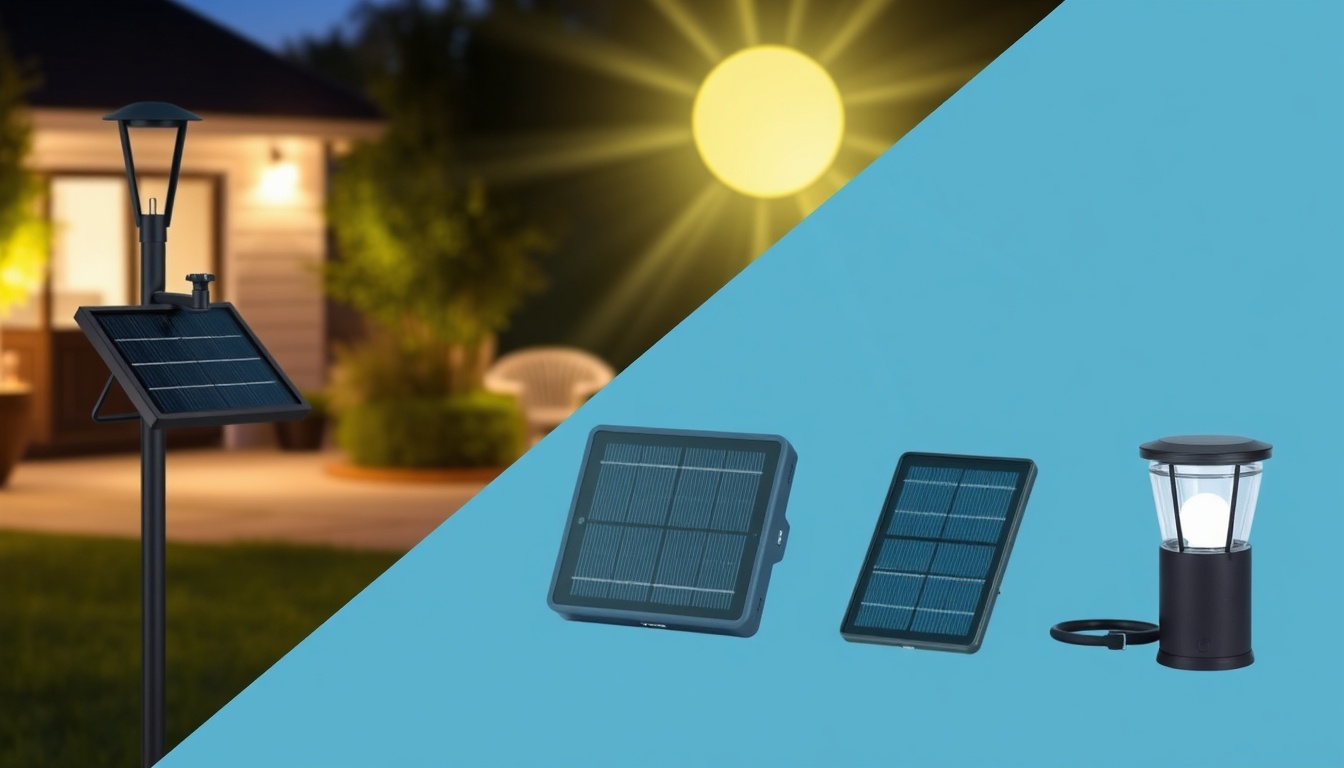
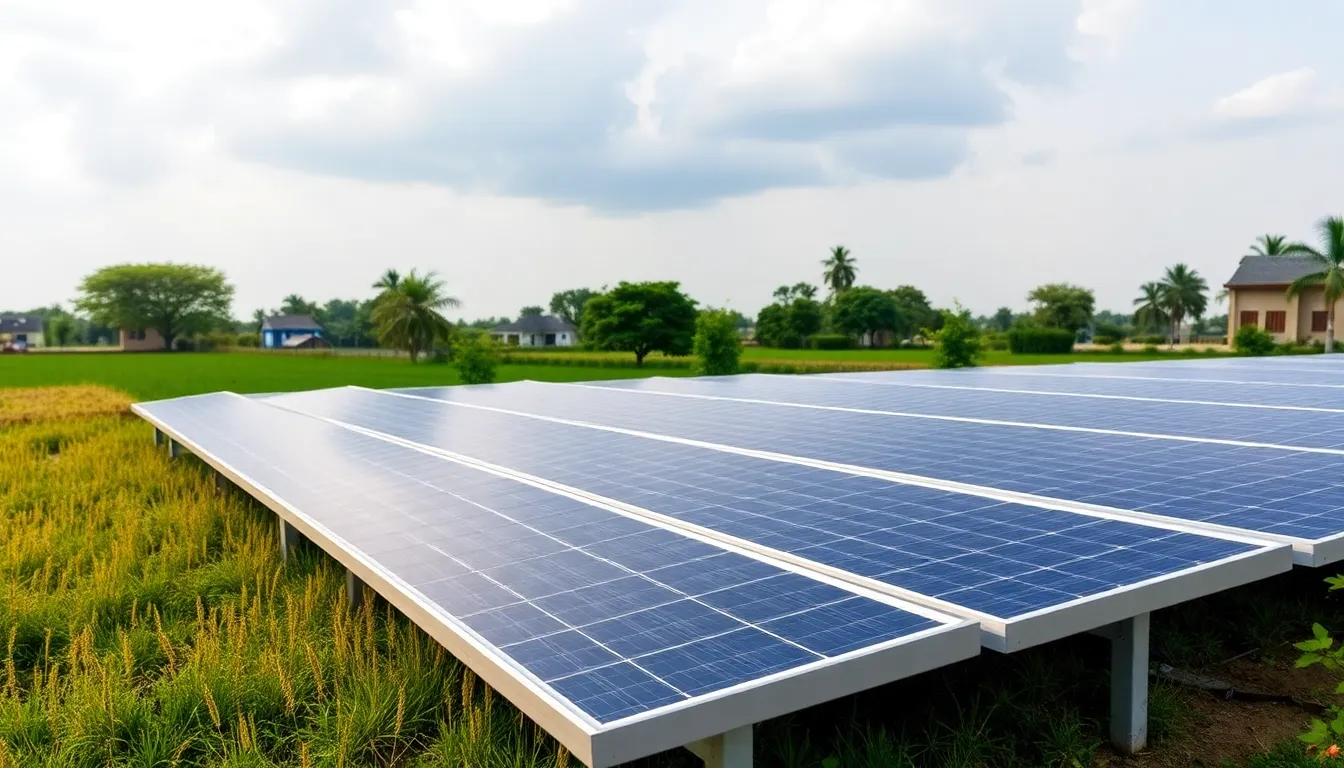
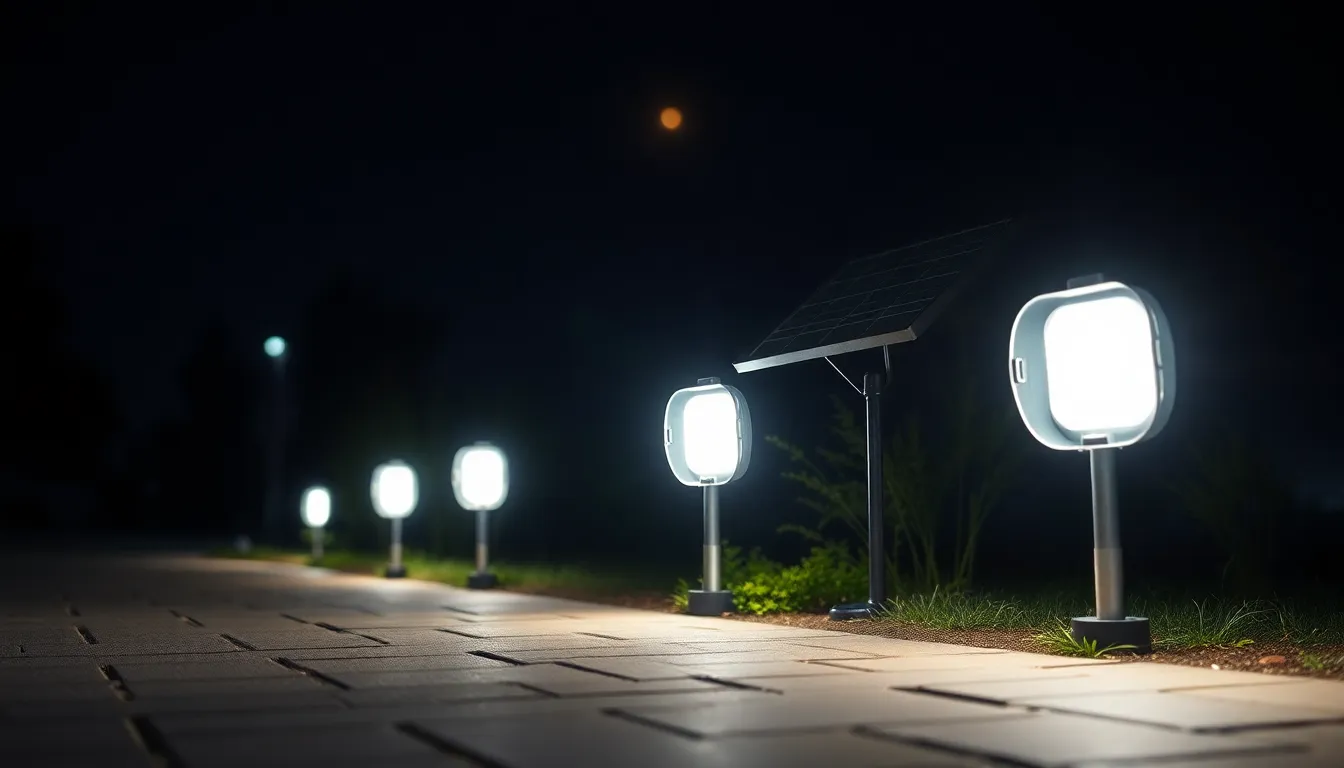
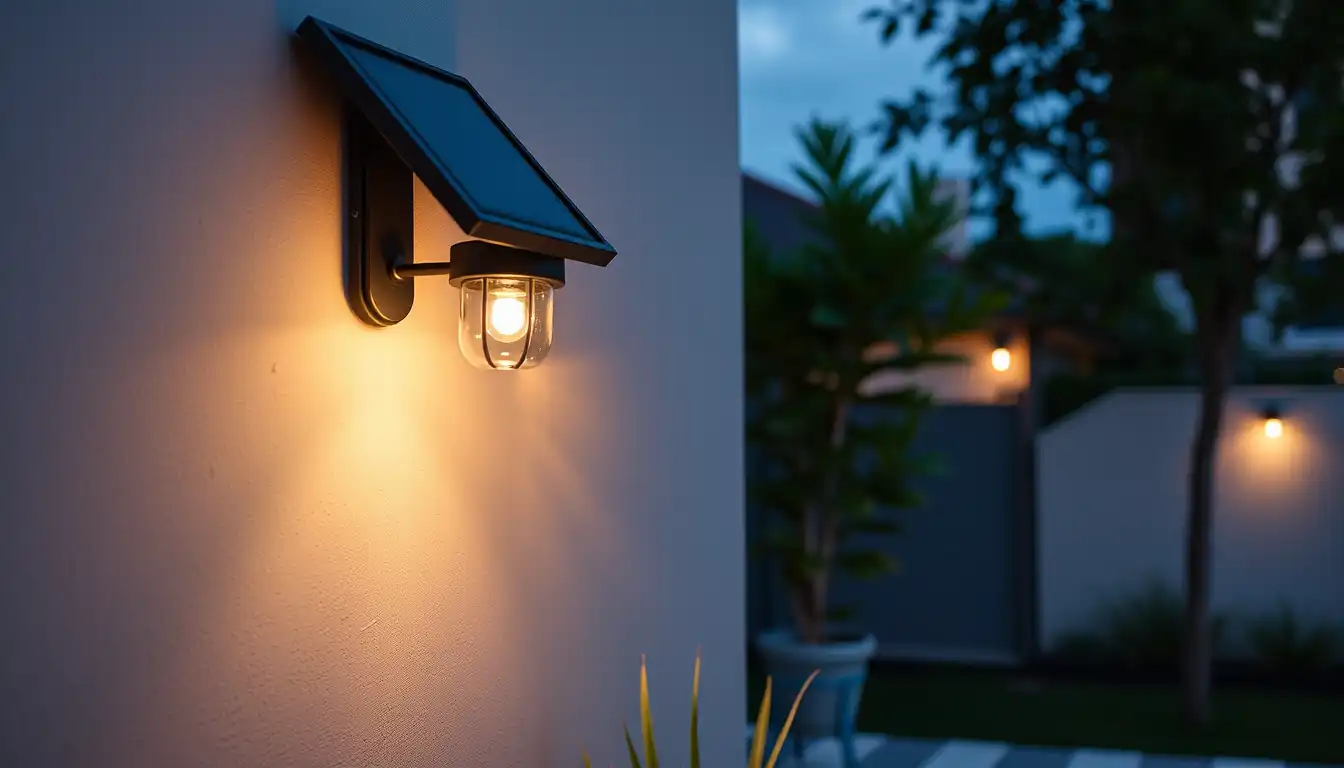
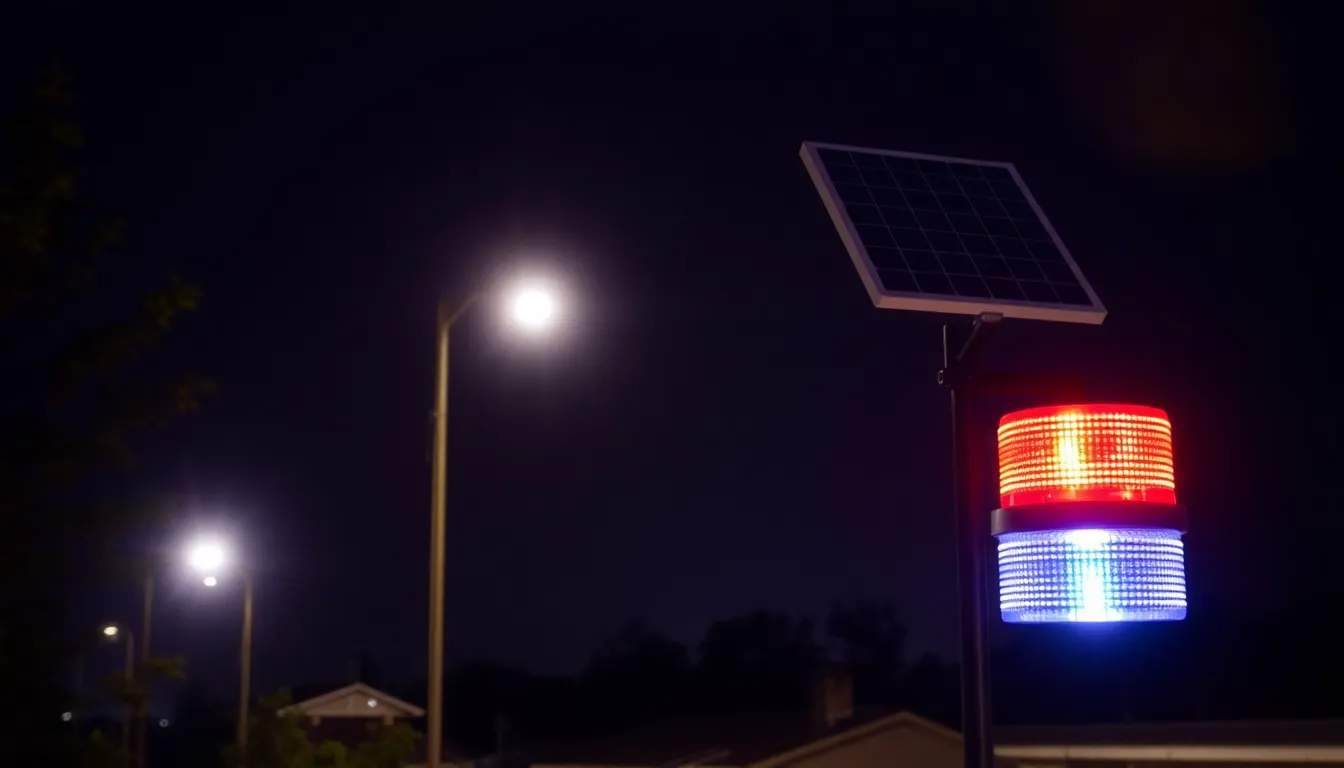
Solar strobe lights operate through straightforward technology. Solar panels absorb sunlight during daylight hours. The energy charges rechargeable batteries inside the unit. Built-in light sensors detect darkness at dusk. When sensors register nighttime, the strobe circuit activates. LED lights begin flashing at programmed intervals. The light continues flashing through the evening on stored battery power. At sunrise, sensors turn the light off.
LED technology provides advantages over traditional bulbs. LEDs use minimal power. They last fifty thousand hours or more. Brightness reaches dangerous levels with minimal energy. Yellow and red LEDs are most visible.
Battery capacity determines functionality duration. Quality solar warning lights run ten to twenty-four hours on low settings. An eight-hour solar charge provides continuous flashing. Cloudy day charging reduces runtime, but most units function adequately.
Flash frequency reaches one hundred plus cycles per minute. This rapid flashing catches attention in peripheral vision. Drivers see movement even at high speeds. The pattern registers as urgent warning.
Visibility distance matters significantly. Quality solar strobe lights achieve visibility from five hundred to one thousand meters. This distance provides adequate warning time for vehicles. The 360-degree flash ensures visibility from all directions.
IP waterproof ratings indicate durability. IP54 means dust and water resistance. IP65 provides submersion protection. These ratings matter because construction sites experience harsh conditions. Quality construction means corrosion resistance through aluminum and stainless steel.
REAL EXPERIENCES WITH SOLAR WARNING LIGHTS
Construction crews report immediate safety improvements. Workers navigate without tripping. Visibility allows proper protocols. Accident reports drop. Insurance recognizes improved safety.
Transportation departments use solar lights for road construction. Work zones are marked clearly. Drivers reduce speed. Accident rates decrease.
Industrial facilities mark equipment for nighttime visibility. Cranes and excavators are visible. Workers recognize equipment movement. Collision prevention improves.
Vehicle operators report enhanced safety with beacon lights. Magnetic-mounted lights identify work vehicles clearly. Other drivers recognize work vehicles approaching.
Dock operations use warning lights for equipment marking. Workers locate equipment quickly. Vessel collisions decrease.
Weather dependency becomes manageable with proper system choice. Cloud coverage reduces charging but most units function adequately. Extended cloudy periods reduce runtime. Winter months still provide sufficient charging.
REAL ADVANTAGES OF SOLAR WARNING LIGHTS
- Zero electricity costs make systems economical. No power lines needed. No utility bills. No generator expenses. The sun provides free charging. Cost savings accumulate significantly.
- Installation simplicity saves money and time. No electrician required. No trenching. No permits. Basic brackets attach the light. Installation takes minutes. Workers install lights themselves.
- No battery replacement required during normal operation. Built-in batteries last five to ten years. Replacement costs are minimal when needed.
- Maintenance requirements are minimal. Occasional panel cleaning improves efficiency. No moving parts wear out. No bulbs require replacement. No wiring inspections. Low maintenance costs.
- Environmental responsibility aligns with standards. No fuel consumption. No carbon footprint. No toxic battery disposal. Solar power reduces environmental impact. Companies demonstrate sustainability commitment.
- 360-degree visibility alerts everyone around the hazard. No blind spots from flashing light. Visibility covers all approach angles. Drivers see warning regardless of position.
- Adjustable flash modes serve different purposes. Slow flashing indicates caution. Fast flashing indicates danger. Some models include constant-light mode. One device serves multiple purposes.
- Portable design allows repositioning. Magnetic mounts attach instantly. Non-permanent installation suits temporary zones. Lights move between job sites. One set serves multiple applications.
DISADVANTAGES REQUIRING HONEST CONSIDERATION
- Weather dependency affects charging efficiency. Cloudy days reduce solar panel output. Extended rainy periods may deplete batteries faster. Winter months provide minimal sunlight. Snow covering panels eliminates charging completely.
- Brightness limitations exist in extremely bright environments. Daytime visibility requires different lighting. Construction zones during daylight need spotlights. The strobe flash works best when darkness contrasts with the environment.
- Initial investment exceeds traditional lights initially. Quality solar strobe lights cost sixty to three hundred dollars per unit. Long-term savings offset initial costs but require patient perspective.
- Charging time limitations affect immediate needs. Even rapid charging requires several hours of sunlight. Overnight rain eliminates charging opportunity. Users must plan accordingly.
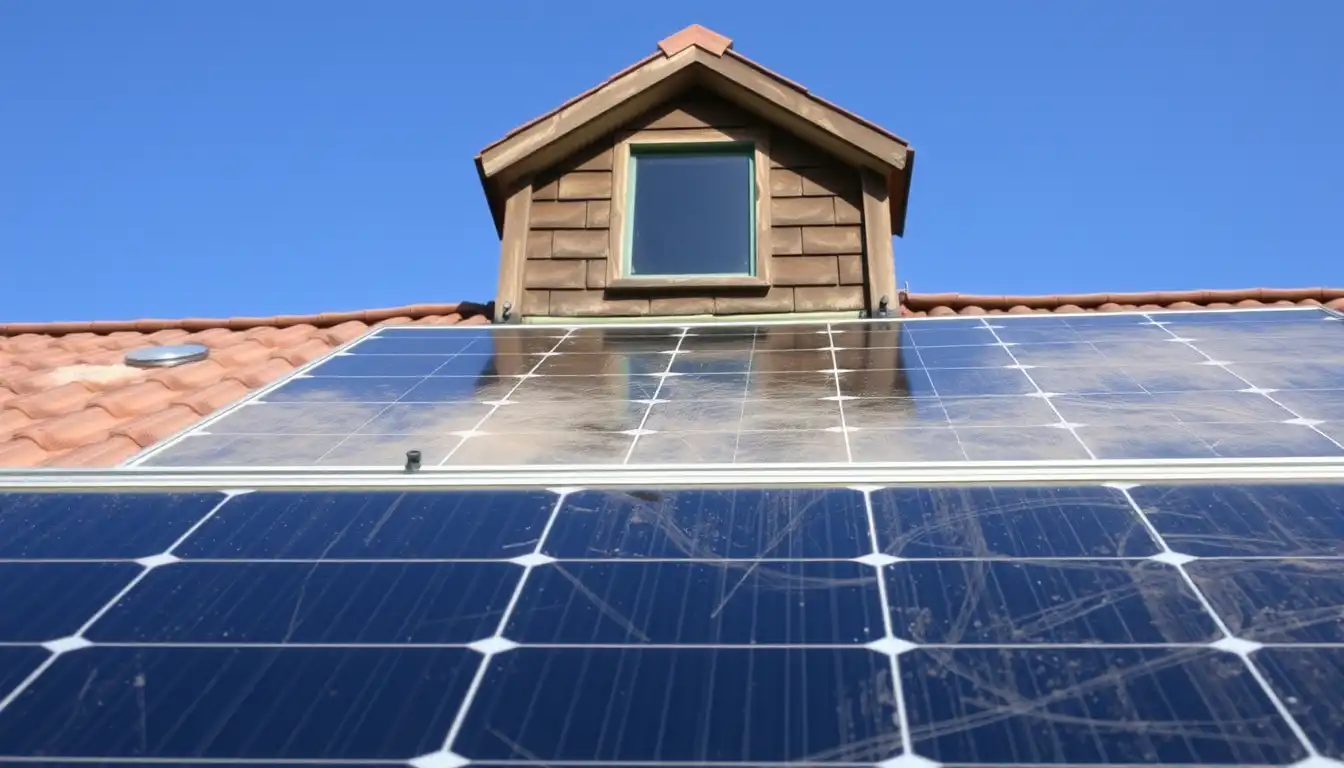
- Panel maintenance becomes necessary in dusty environments. Construction dust and pollen reduce charging efficiency. Regular cleaning is required. Workers must remember routine maintenance.
- Temperature sensitivity affects cold climate performance. Extremely low temperatures reduce battery capacity. Northern winter operation requires larger batteries. Cold weather means reduced charging efficiency.
- Limited brightness compared to traditional flood lights. Solar warning lights prioritize flashing visibility over brightness output. Detailed work requires additional lighting. Users accept this by combining lighting types.
- Flash rate synchronization challenges exist with multiple units. Individual lights flash independently rather than together. Some applications benefit from synchronized flashing. This requires more expensive systems.
CHOOSING APPROPRIATE SOLAR WARNING LIGHTS
Assess your specific hazard type first. Construction sites need clear equipment marking. Traffic zones require visible warnings. Marine applications demand 360-degree visibility. Select light color matching conventions.
- Calculate required visibility distance. Hazards near immediate work zones need shorter visibility. High-speed traffic requires longer visibility. Select models matching distance requirements.
- Evaluate your climate zone accurately. Northern regions need larger batteries. Coastal areas require superior IP ratings. Match equipment to local conditions.
- Consider mounting options available. Magnetic mounts suit vehicle mounting. Bracket mounting works for posts. Stake mounting accommodates ground placement.
- Research flash rate options needed. Slow flashing for caution. Fast flashing for danger. Choose adjustable models.
- Check waterproof rating requirements. IP54 handles typical weather. IP65 survives heavier rain. Select ratings matching exposure.
- Read actual user reviews from similar applications. Construction companies report real-world performance. Transportation departments verify effectiveness. User feedback reveals practical limitations.
- Test with small quantity first. Purchase one or two lights initially. Assess performance before committing. Verify charging in your location. Confirm visibility matches needs.
- Budget for panel maintenance supplies. Soft cloth and mild soap suffice. Plan maintenance time into operations. Plan replacement schedules.
- Prioritize quality construction over lowest price. Budget models fail within one to two years. Investment-quality units function five to ten years. Longevity justifies higher costs.
SUMMARY
Solar warning flash lights provide cost-effective hazard illumination for construction, traffic, and industrial applications. 2026 models feature IP65 waterproofing, 360-degree visibility, and adjustable strobe modes with 500-1000 meter visibility. Solar panels charge continuously during daylight, storing energy for evening flashing. Real users report improved safety, reduced accidents, and faster site operations. Installation requires no electrician and minimal mounting time. Advantages include zero operating costs, environmental responsibility, portability, and minimal maintenance. Disadvantages include weather charging dependency and brightness limitations compared to floodlights. Successful implementation requires assessing hazard type, calculating visibility distance, and matching equipment to climate. Quality solar strobe lights cost sixty to three hundred dollars and function five to ten years.