Table of Contents
How My Driveway Went From Dark to Literally Glowing Without an Electrician
My driveway was a disaster in the evenings. I’d park my car and basically step into darkness. My wife said it felt unsafe. My neighbor said it looked abandoned. I was going to hire someone to run electrical wire from the house to landscape lights. The estimate came back at two thousand eight hundred dollars. I laughed out loud. Then I didn’t know what to do.
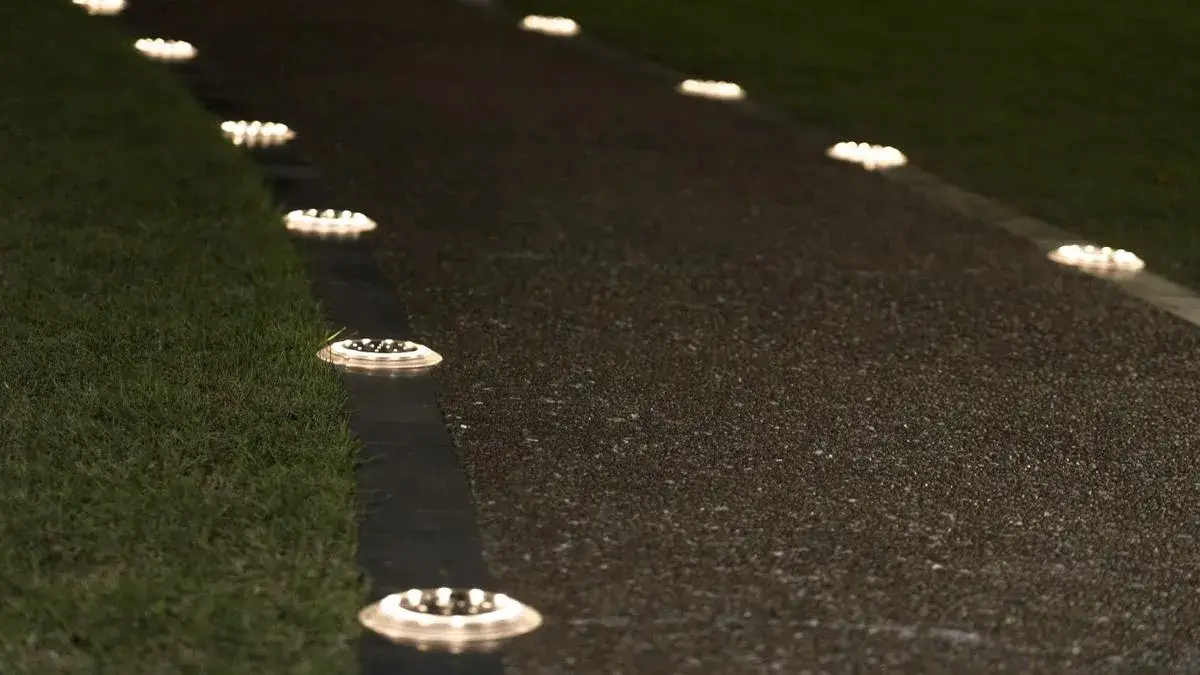
Six months later my sister came over with this idea. She showed me flat solar lights on her phone. Tiny disk shapes that you push into the ground. They charge in the sun. They glow at night. Cost about thirty-five dollars each. I ordered eight of them on a Thursday. They arrived Saturday morning. By Saturday afternoon they were in the ground and working.
That was almost two years ago. My driveway looks better at night than it did before. Cost me under three hundred dollars total. Takes about thirty seconds to install each one. I still think about that two thousand eight hundred dollar estimate and how close I came to spending that money.
What Actually Makes These Different From Traditional Pathway Lights
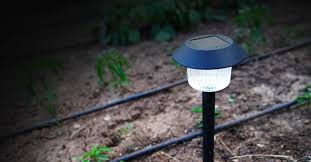
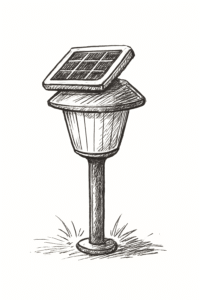
Flat solar lights are genuinely simple. A circular disk maybe four inches across sits on top of a stake. The disk contains a solar panel on top and LEDs on the bottom facing down. You push the stake into the ground. That’s it. You’re done.
The shape matters more than people think. Because they’re flat and disk-like, they integrate into landscapes naturally. They don’t look like someone stuck a stick in their yard. They look intentional. They look like part of the design. Round shapes are more forgiving aesthetically than traditional pathway spikes and mushroom lights.
Traditional wired pathway lights require an electrician. They need buried conduit. They need trenching. They cost money upfront and money every month on your electricity bill. They’re permanent. Moving one requires digging.
Flat solar lights cost nothing to operate. You buy them. You install them. That’s your entire expense forever. Want to move one? Pull it up and stick it somewhere else. Want to take them when you move houses? They’re portable. They go with you.
The Installation Is Genuinely Foolish Simple
I’m not exaggerating when I say you need two things. The light itself and the ground. That’s it.
Look at where you want light. Decide spacing. I did mine every four feet down my driveway. Walk along and mark spots if you want to be organized. I just eyeballed it and it looks fine.
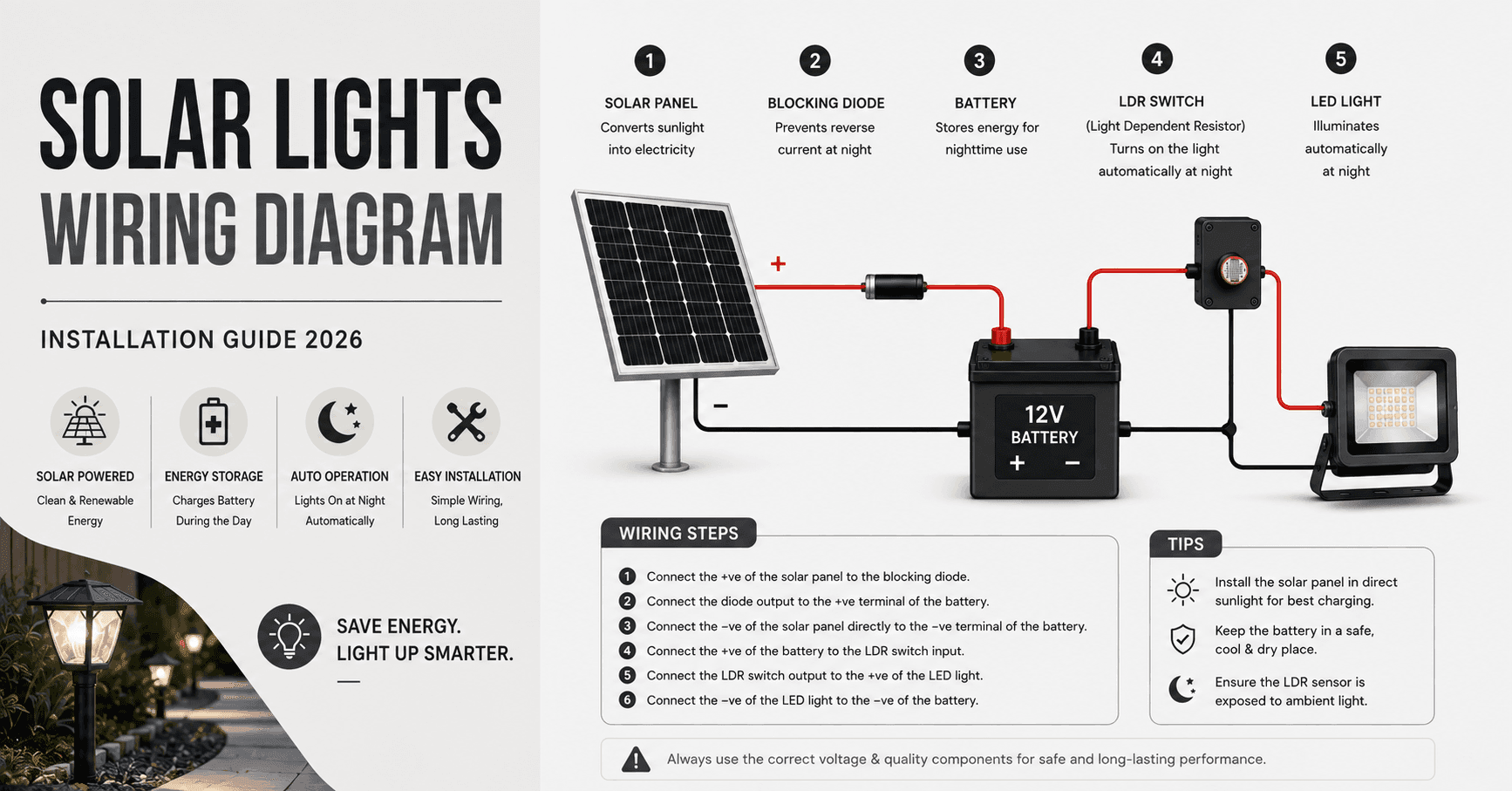
Push the stake into the ground. That’s literally the entire installation process. The solar panel automatically charges during the day. At dusk a built-in sensor detects darkness and turns the lights on. At dawn another sensor detects light and turns them off. You do nothing.
Some models require mild assembly. Maybe connecting the light head to the stake. Takes approximately three minutes per light. My sister’s took slightly longer. Mine just screwed together in seconds.
The only real variable is soil condition. Rocky hard ground might require a little effort. Soft soil basically sucks the stakes in like butter. My yard is relatively easy soil and installation was ridiculous.
How Long They Actually Stay Bright and Why It Matters
This is the question everyone asks and it deserves an honest answer.
Battery capacity determines brightness duration. Cheap models with small batteries run four to six hours before dimming to basically nothing. Mid-range models with decent batteries run eight to twelve hours at useful brightness. Quality models with larger batteries keep good brightness for twelve hours plus.
On a perfect sunny day a quality flat solar light charges fully and provides good illumination through the entire evening and into midnight. On cloudy days charging is slower and brightness duration decreases. On an overcast week your lights might be dimmer than usual.
This matters if you need actual visibility for walkways and driveways. If you just want ambiance, even dimmer lights work fine. If you need to see clearly for safety, buy better quality lights with bigger batteries.
My lights stay bright from dusk until around two in the morning on sunny days. That’s more than enough for my situation. In cloudy periods they’re noticeably dimmer by midnight. Still usable. Just not as bright.
Brightness itself varies by LED count. Twenty LED models are dimmer. Forty eight LED models are moderately bright. One hundred LED models are quite bright. Price correlates directly. More LEDs equals higher cost.
For driveway safety I’d recommend at least forty to forty eight LED models. For general ambiance, twenty to thirty LED models work fine.
Real Stories That Show Why People Actually Switch
- My neighbor Dave watched my installation process. He was planning to put traditional lights on his patio. He abandoned those plans and bought solar flat lights instead. Cost him three hundred dollars instead of three thousand dollars. He’s happy. His patio glows. It looks beautiful.
- Sarah, a woman from my neighborhood, had an old walkway that was dangerous at night. Elderly mother lived with her. Safety was important. She couldn’t afford the electrician quote. She bought twenty flat solar lights for under five hundred dollars. Installation took one Saturday afternoon. Her mother walks safely now. She says it changed her quality of life.
- My cousin bought a new house with existing traditional landscape lighting that didn’t work anymore. He needed repairs that would cost fifteen hundred dollars according to quotes. He ripped everything out and installed flat solar lights instead. Spent four hundred dollars. Better lighting. Zero operating costs. He’s been telling everyone about it.
- Tom worked for a landscaping company. He watched the solar light market develop over several years. He said the quality has genuinely improved. Five years ago these lights were basically toys. Now they’re legitimate outdoor lighting solutions. Better panels. Better batteries. Better everything.
Where Flat Solar Lights Actually Work Best
- Driveways are the obvious choice. Your driveway is dark at night. These lights fix that. Eight to twelve lights spaced evenly looks professional and works for safety.
- Patios and deck areas feel transformed. Scattered spacing or arranged patterns create ambiance that makes you want to use those spaces in the evening. People notice and compliment.
- Walkways and garden paths become navigable and beautiful. Instead of walking carefully in darkness, you can see where you’re going and the path looks intentional.
- Pool decks and water features look genuinely special. The lights reflecting in water create visual interest that’s almost magical. People take pictures.
- Entryways and front steps become safer and more welcoming. Your home looks occupied and intentional instead of dark and neglected after sunset.
- Retaining walls and raised beds get highlighted. These lights create landscape dimension that’s invisible during daylight.
The Money Question That Nobody Wants to Ask
Quality flat solar lights cost between twenty five and sixty dollars each depending on LED count and battery capacity. A standard driveway needs eight to twelve lights. That’s roughly two hundred to seven hundred dollars for a full installation.
Compare that to traditional lighting. Buried electrical wire costs hundreds to thousands depending on distance. Installation by electrician costs hundreds to thousands. Monthly electricity costs add up. Over ten years you’re looking at thousands of dollars total.
A homeowner I know calculated his annual electricity cost for traditional driveway lighting. Came out to about seventy five dollars yearly. Over ten years that’s seven hundred fifty dollars plus the initial two thousand dollar installation cost. Total: twenty seven hundred fifty dollars.
He switched to solar flat lights for four hundred dollars. No monthly bills. He’ll never spend another dollar on electricity for driveway lighting. The payback on that initial four hundred dollar investment happens in about five and a half months through electricity savings alone.
The math is obviously in favor of solar. The only reason to choose traditional lighting is if you need installation TODAY and don’t want to wait for delivery. Otherwise solar lights make financial sense.
When Flat Solar Lights Have Limitations
Heavy shade is problematic. If your driveway or pathway is under dense tree cover, solar lights charge slower. They still work but maybe not optimally.
Extremely harsh climates stress batteries. Winter in really cold places can shorten battery lifespan. People in these climates sometimes store lights during brutal seasons. Extra effort but extends overall lifespan.
Cloudy climates get less than perfect performance. People in perpetually gray regions see diminished brightness and duration. Still useful. Just not ideal.
If you need absolutely bright security lighting for deterrent purposes, flat solar lights might not be powerful enough. You’d want dedicated solar security lights with hundred plus lumens. Different product for different purpose.
Completely shaded yards mean solar lights don’t charge adequately. Not worth buying if sun exposure is minimal.
How to Pick Without Getting Stressed
- Think about your situation honestly. How much sun does your driveway actually get? Full sun? Partial sun? Figure that out first. It determines which models will work for you.
- Decide what you need lighting for. Safety and visibility requires more lumens and better batteries. General ambiance allows cheaper models.
- Count how many lights you actually need. A driveway might need eight. A pathway might need four. A small patio might need six. Space them about four feet apart for decent coverage.
- Check reviews. Read what people in similar climates actually report. Not marketing claims. Real user feedback. That tells you realistic performance.
- Start with quality mid-range models. Not the cheapest. Not the most expensive. The middle tier hits the sweet spot for reliability and cost.
- Look for IP65 or IP67 waterproof rating. That protects against serious weather. Your lights survive rain, snow, and temperature swings.
- Verify if the battery is replaceable. Some models have sealed batteries. Some allow replacement. Replacement capability means longer product lifespan.
Why This Actually Matters
Your property looks different at night than during day. Either it looks inviting and intentional or dark and neglected. That affects how you feel about your home. It affects what visitors think.
- Safety matters. Visible pathways and driveways prevent falls and accidents. Proper lighting makes a measurable difference in nighttime safety.
- Electricity costs matter. Every month you’re paying for traditional outdoor lighting. Solar lights eliminate that cost. Over a decade the savings are substantial.
- Flexibility matters. These lights move. They go with you. They’re not locked into permanent installations. That freedom is underrated.
- Environmental impact matters if you care about it. Solar lights use zero electricity. They reduce your home’s energy consumption. That’s meaningful when multiplied across thousands of homes.
Do It This Weekend
My driveway looked dark and unsafe two years ago. Now it glows. People comment on it positively. It was the easiest improvement I’ve made to my home. Four hours of work. Under three hundred dollars. Immediate results.
You could do the same thing this weekend. Or next weekend. Or whenever you decide to stop thinking about it and actually do it.
The hardest part is admitting that this solution works. That you don’t need an electrician. That you don’t need expensive buried wiring. That simple flat solar lights solve the entire problem.
Once you accept that, installation takes literally hours and costs less than dinner out a few times.
My old driveway quote was twenty eight hundred dollars. My actual cost was under three hundred dollars. That difference represents the gap between complicated solutions and simple ones. Pick the simple one.
Summary
Flat solar lights outdoor paver are transforming how people light pathways and patios. These disk lights press into soil or mount on decks in seconds. They charge during the day and glow automatically at night. Most use between twenty and one hundred LEDs depending on the model. Costs range from fifteen to sixty dollars per light. They work in almost all climates and last three to five years with decent quality. No wiring needed. No electrician required. Motion sensor versions exist for security. The market is growing thirty percent yearly as people ditch traditional outdoor lighting.