Table of Contents
Solar energy attracts homeowners and businesses with the promise of lower electricity bills and clean power. Profit depends on cost, efficiency, and policy support. Many projects fail to deliver strong financial return. You need clear insight before investing in solar systems.
High Installation Cost
Solar systems require significant upfront spending. Panels, inverters, wiring, and labor create the largest expense.
Key cost components:
- Solar panels per watt
- Inverter and electrical equipment
- Mounting structure and wiring
- Professional installation labor
- Permits and inspection fees
A 3 kW to 10 kW residential system often costs several thousand dollars. High entry cost delays your profit and extends the time to recover investment.
Long Payback Period
Payback period measures the time required for energy savings to cover system cost.
Factors affecting payback:
- Local electricity price
- Solar panel efficiency
- System size and energy output
- Installation cost
- Government incentives or rebates
Example: You spend 8000 dollars on solar installation. Monthly savings reach 70 dollars. Annual savings total 840 dollars. Payback time approaches ten years. Slow recovery reduces financial appeal and affects your cash flow.
Limited Net Metering
Net metering credits solar owners for electricity sent to the grid.
Policy restrictions reduce profit:
- Lower buyback rates for exported energy
- Caps on system size
- Reduced credit after policy revisions
- Complex billing structure
Low compensation lowers your solar earnings. You produce energy but do not always receive fair value for excess generation.
High Battery Storage Cost
Battery storage improves system use during night hours. Batteries increase total cost sharply.
Battery-related expenses include:
- Lithium battery price
- Battery management system
- Installation and safety equipment
- Replacement after several years
A home battery system costs 3000 to 10000 dollars. Replacement within 8–12 years adds expense. Extra cost slows your financial return.
Panel Maintenance and Efficiency Loss
Solar panels gradually lose efficiency.
Performance factors include:
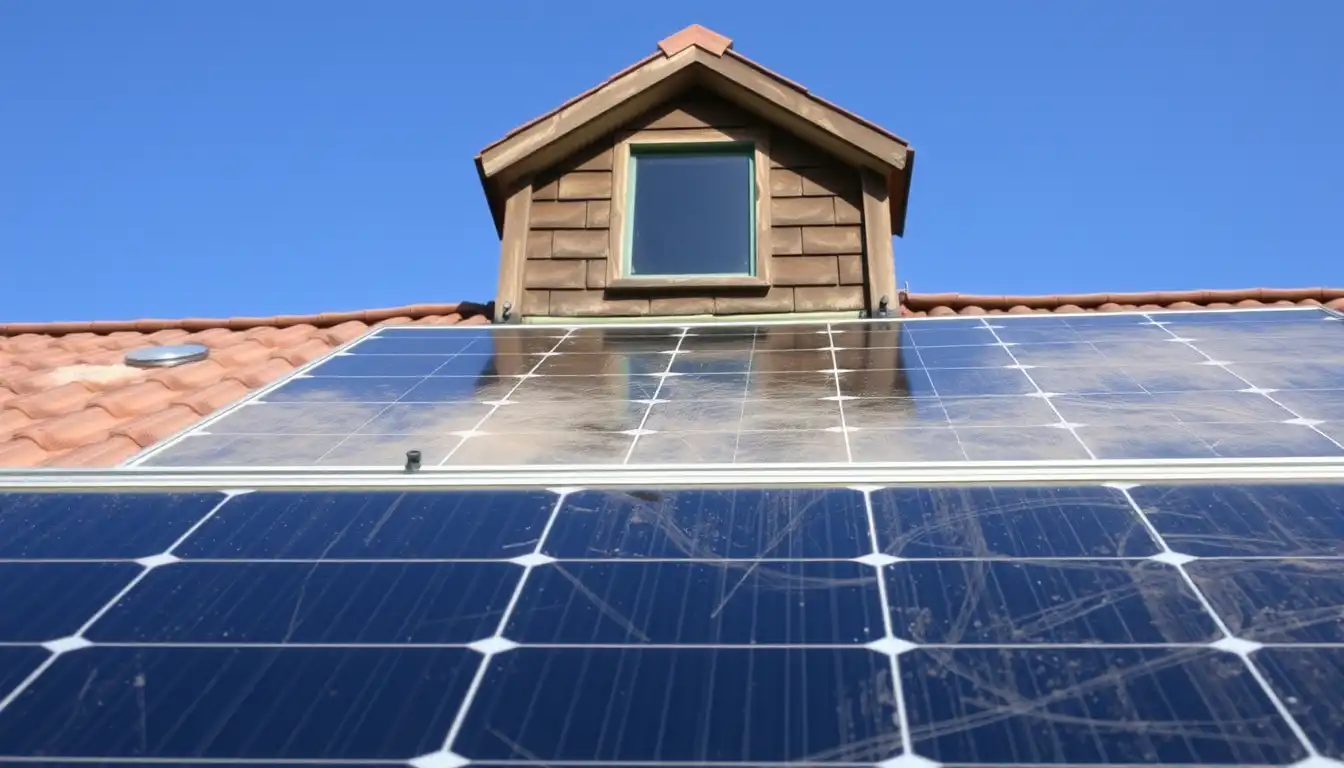
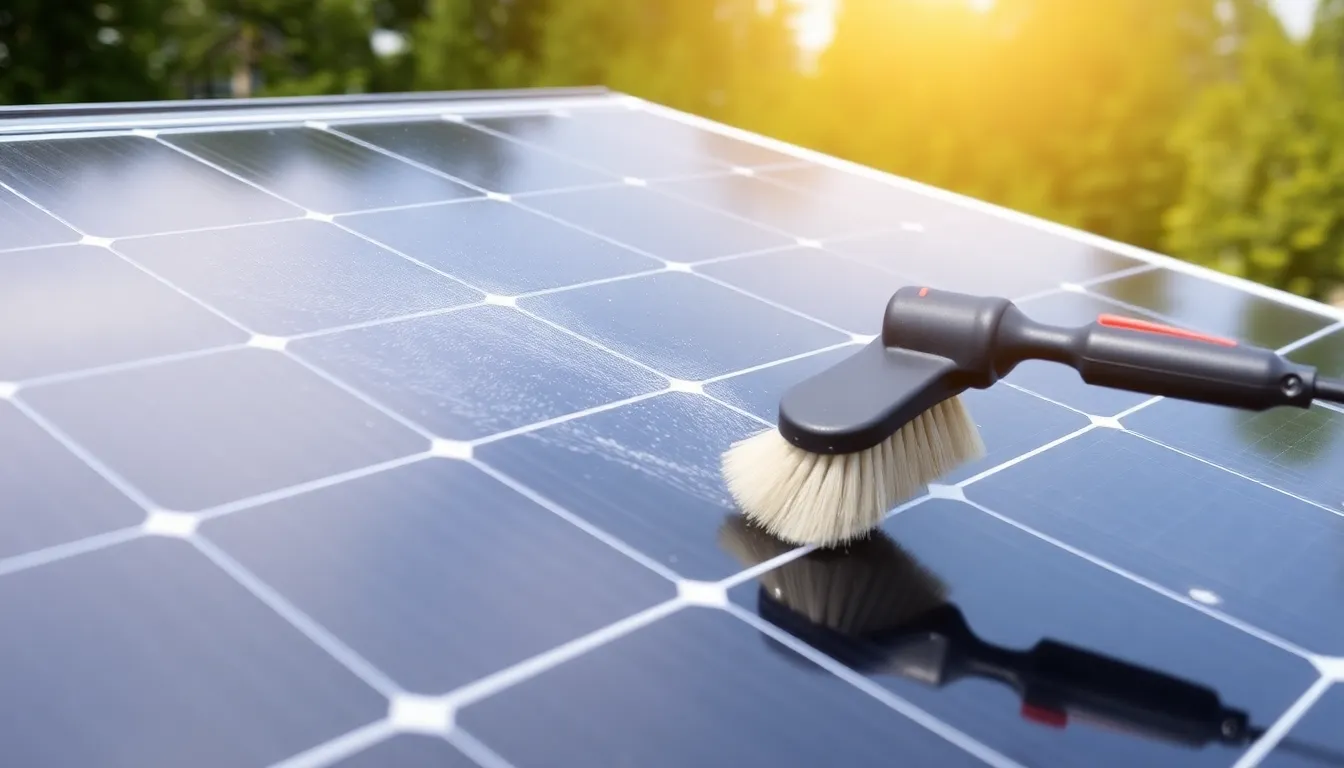
- Dust accumulation
- Shading from trees or buildings
- Temperature-related efficiency drop
- Inverter replacement after years
Panels lose about 0.5 percent efficiency annually. Lower energy production reduces your savings and extends payback.
Electricity Price Impact
Solar profitability depends strongly on electricity rates.
Low tariffs reduce your return:
- Regions with cheap grid electricity produce lower solar savings
- Flat rate electricity plans reduce solar value
- Time-based pricing weakens daytime solar advantage
High electricity prices are essential for fast payback and strong returns on your investment.
Grid Integration Limits
Electric grids impose restrictions on solar adoption.
Common restrictions:
- Export caps for residential systems
- Interconnection approval delays
- Grid upgrade charges
These barriers slow adoption and reduce your profit potential. You may produce energy without full financial benefit.
Financing Costs
Loans or financing increase total system cost.
Financial factors include:
- Loan interest payments
- Solar leasing agreements
- Service contract fees
Interest payments extend payback period. You earn less until loans are fully repaid.
Key Actions for Solar Investors
Evaluate all costs and policies before installing solar.
Focus areas:
- Total installation cost
- Local electricity tariffs
- Net metering policies
- Payback period calculation
- Battery storage requirement and cost
Careful evaluation protects your budget and improves long-term return on investment. You understand your financial outlook before committing.
Summary
Solar energy offers clean power and potential savings, but profit depends on multiple factors. High upfront cost, long payback period, limited net metering, battery expenses, efficiency loss, low electricity rates, grid restrictions, and financing costs reduce returns. You must assess each factor to protect your budget and maximize long-term financial gain.