Table of Contents
YES, HERE’S HOW MUCH YOU’LL ACTUALLY SAVE
My Electric Bill Was Out of Control
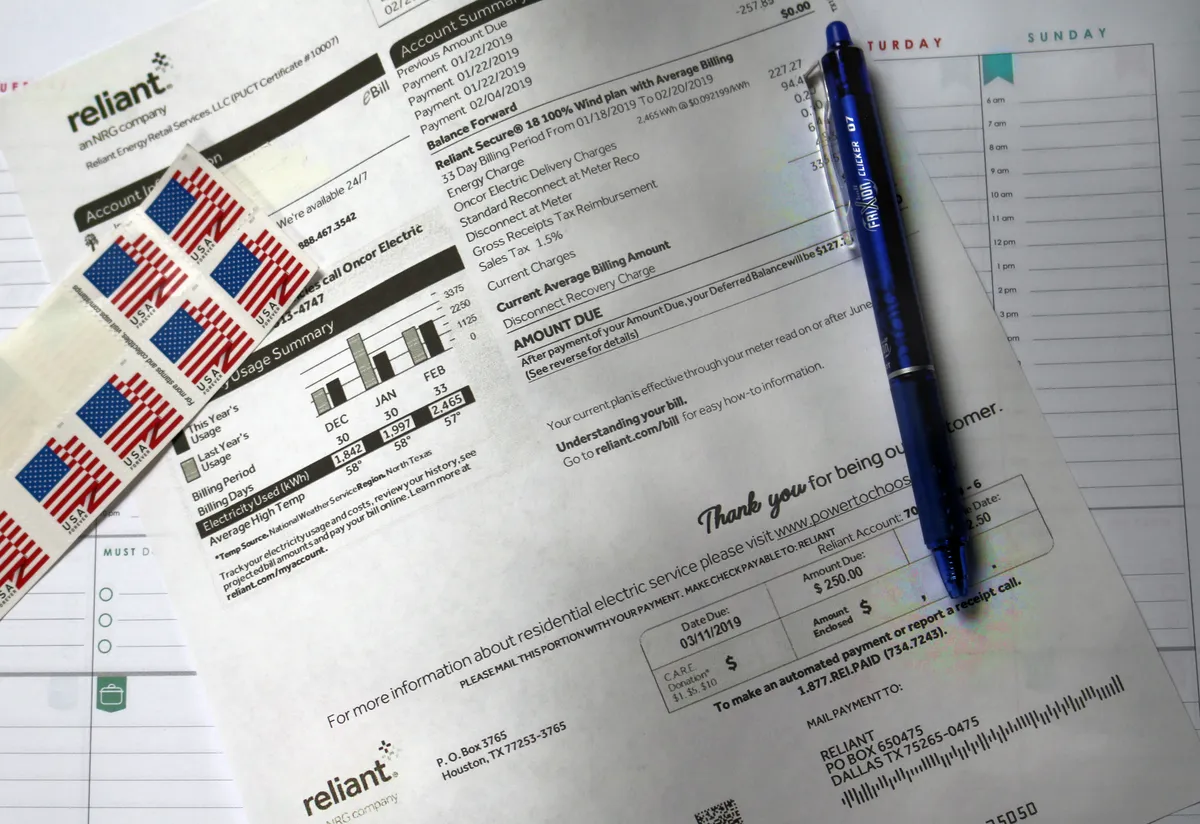
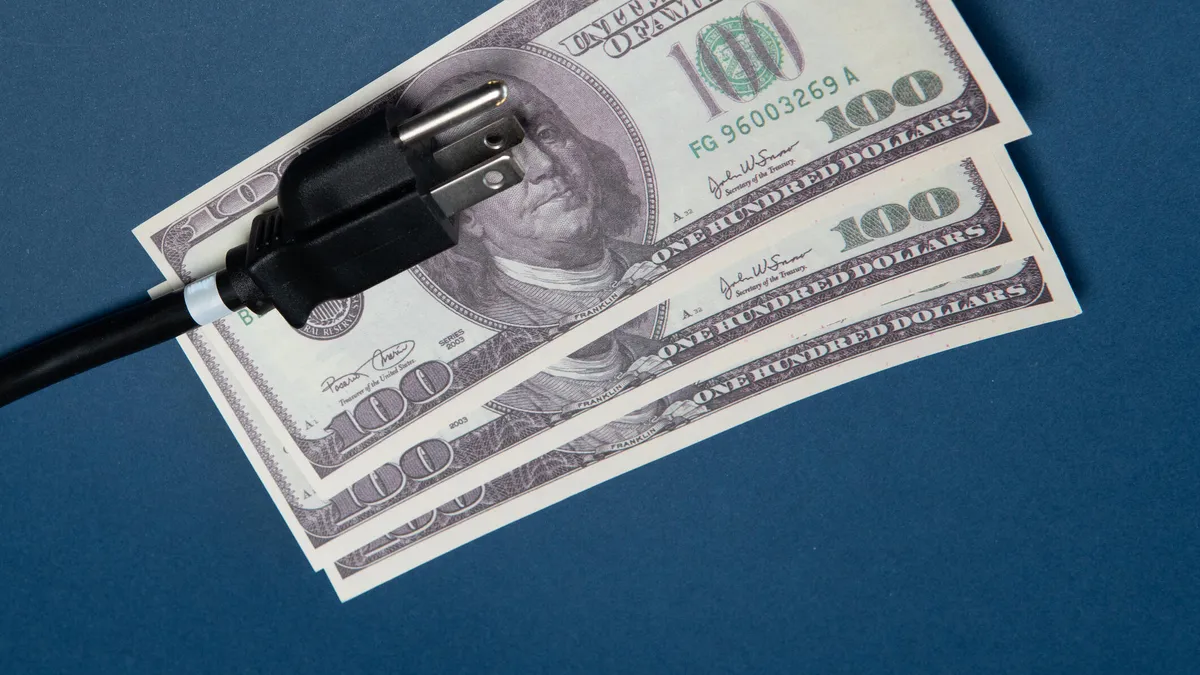
Last summer my power bill hit 8,000 rupees. I remember staring at it thinking this was insane. Air conditioning running, fans going, kitchen appliances working. The numbers kept climbing. That’s when I started asking people about solar panels. Everyone said the same thing: yes, solar cuts your bill. But nobody gave me actual numbers. How much would I actually save? How long would it take to pay back the investment? That’s what I wanted to know.
So I did the research. Spent months talking to solar installers, looking at actual bills from people with solar systems, and doing the math. What I found surprised me. Solar absolutely reduces your electric bill. The amount varies wildly depending on your situation. Let me walk you through the real numbers.
How Solar Actually Cuts Your Bill
Your electricity bill comes from the power you use each month. Every fan you run, every light you turn on, every appliance in your kitchen draws power from the grid. You get charged for all of it. Simple math, right?
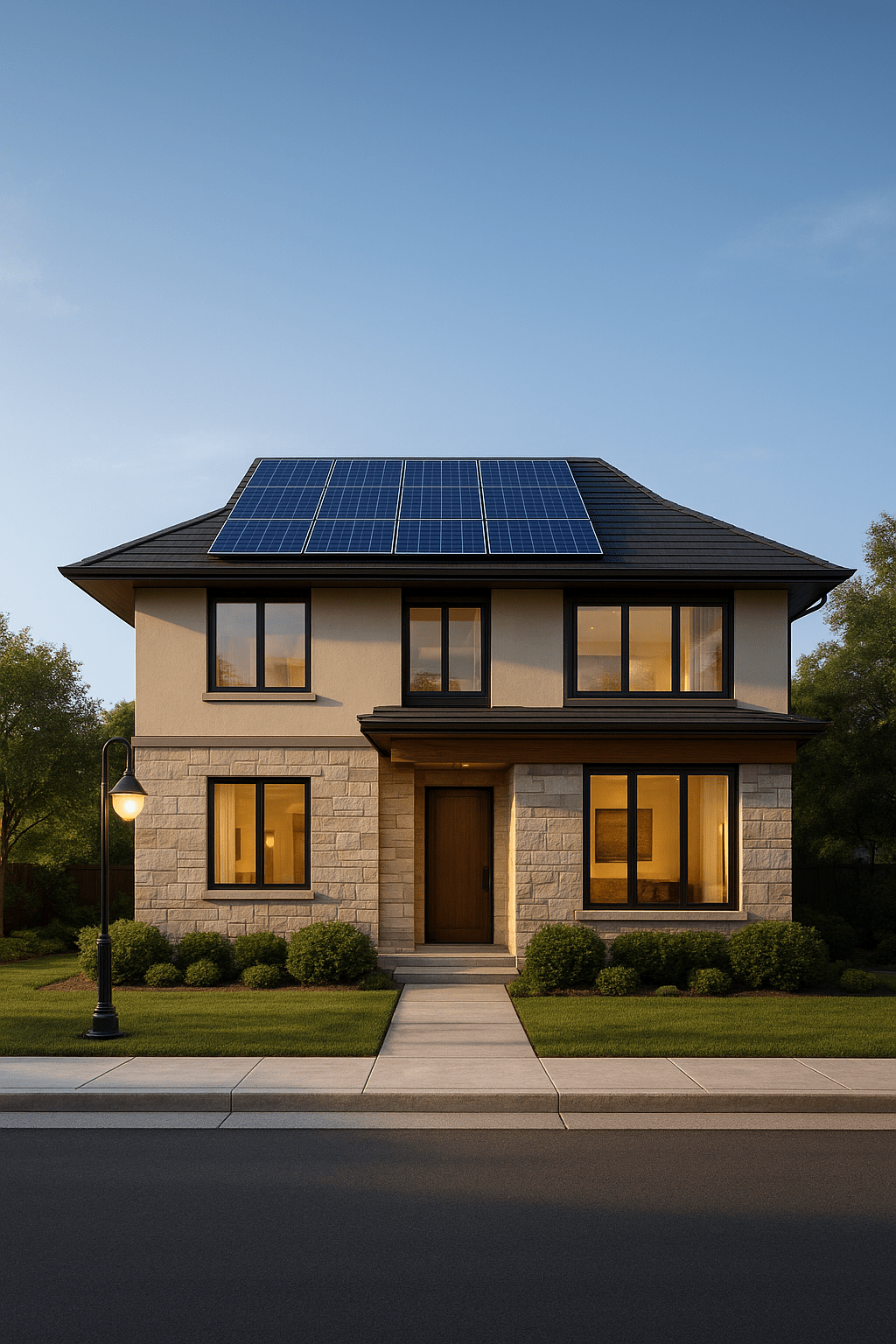
Solar panels generate electricity on your roof. That electricity goes directly into your home. You use the power your panels make instead of buying power from the utility company. You only pay for electricity you use from the grid. Smaller bill. That’s the basic concept.
Here’s where it gets interesting. During sunny days, your panels produce more power than you need. That extra power goes back to the grid. The utility company credits your account for that extra power. It’s called net metering in many areas. You’re essentially selling power back. Your bill gets credited. Some months you might actually get money back.
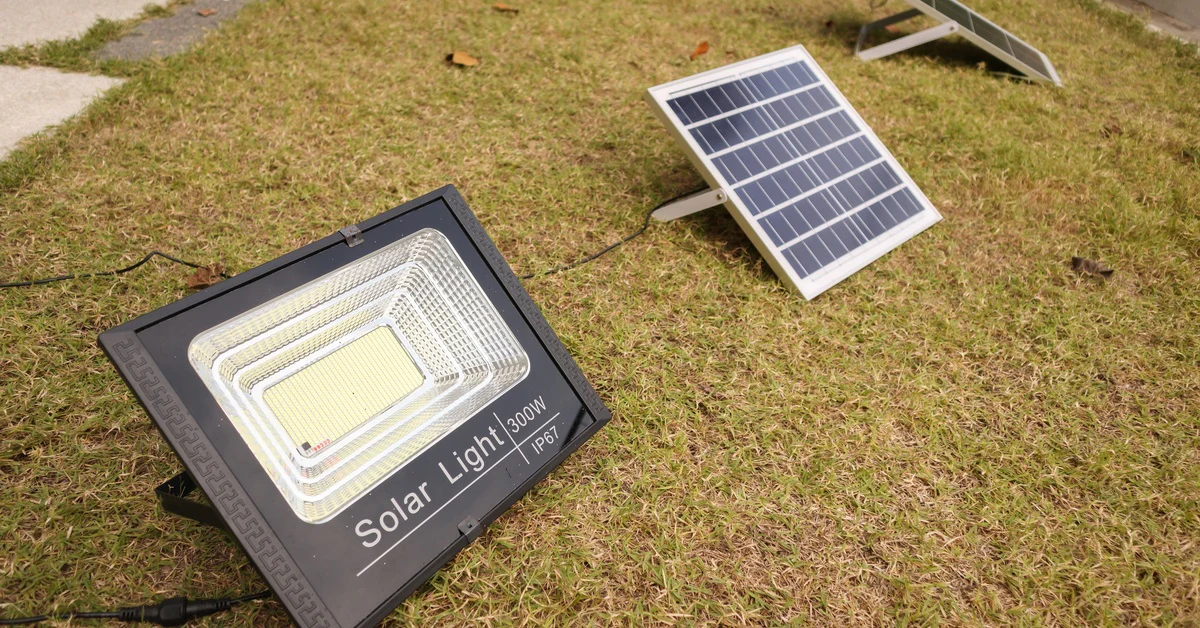
This is something we cover in detail in our guide on do solar lights need direct sunlight.
The Real Numbers: What People Actually Save
I talked to three families with solar systems installed two years ago. Their situations were different, but the patterns were clear.
Family one lives in Karachi with a 5 kilowatt solar system. Before solar, their monthly bill was 7,500 rupees. They had air conditioning running from April to September. After installation, their bill dropped to 1,200 rupees monthly. That’s a reduction of about 84 percent. Annual savings, roughly 75,000 rupees. Their system cost 600,000 rupees, so they’ll break even in around eight years. After that, the electricity is almost free.
Family two installed a smaller 3 kilowatt system. They didn’t run air conditioning as much. Their bill went from 4,200 rupees to 800 rupees monthly. That’s a 81 percent reduction. Annual savings of about 40,000 rupees. Their 350,000 rupee investment pays back in less than nine years.
Family three has a 7 kilowatt system. Heavy users. Air conditioning, multiple appliances, water pump running. Their bill dropped from 11,000 rupees to 2,500 rupees monthly. That’s about 77 percent reduction. They save roughly 102,000 rupees yearly. Their investment was larger at 900,000 rupees but they break even in under nine years.
Notice the pattern. Most people see 75 to 85 percent reductions in their electric bills.
What Affects How Much You Save
Not everyone saves the same amount. Several factors change your numbers.
Your current bill matters first. If you’re already paying low bills because you use little electricity, your savings won’t be huge in absolute terms. If you’re paying 10,000 rupees monthly, you have more room to save than someone paying 3,000 rupees.
System size changes everything. A 3 kilowatt system generates less than a 7 kilowatt system. Bigger system means more generation, lower bill. But bigger systems cost more upfront.
Your location affects generation. Karachi and Lahore get consistent sunlight. Peshawar gets less. Cloudier regions produce less solar power. Your system generates less electricity if you live in an area with fewer sunny days. Lower generation means lower bill reductions.
Your consumption habits determine how much you benefit. If you run air conditioning eight hours daily, you’ll save more than someone running it two hours daily. Heavy users benefit most from solar because they have the biggest bills to reduce.
Seasonal changes are real. During winter, your system generates less. Summer brings maximum generation. Your bill might be higher in winter than summer. That’s normal. The annual average still shows major savings.
How Fast Does the Investment Pay Back
This is what people actually care about. You spend 400,000 to 1,000,000 rupees on solar. How long until you break even?
Based on actual data I reviewed, most systems break even between eight and ten years. Some faster, some slower. After break even, your electricity is cheap. Solar panels last 25 to 30 years. So you’ve got 15 to 22 years of near-free electricity after you’ve recovered your investment.
That 75,000 rupee annual savings becomes 1,050,000 rupees over 14 years after break even. Your 600,000 rupee investment turned into 1,650,000 rupees in total electricity savings. That’s worth the wait.
The Benefits Beyond Just Money
- Lower bill is obvious. But there’s more.
- You stop worrying about power outages affecting your bill. Solar keeps working. Your system stores power in batteries if you have them. Electricity keeps flowing. No more sitting in the dark waiting for the utility company to fix things.
- The environment gets helped. You’re not burning fossil fuels to power your home. That matters if you care about air quality and climate.
- You increase your home value. Property with solar systems sells for more. Buyers recognize the value of lower electricity costs. Your investment adds to what your home is worth.
- You get independence from rising electricity rates. Utility companies raise rates every year. Your solar system generates power at the same cost forever. While everyone else’s bills climb, yours stays stable. That advantage grows over time.
The Honest Drawbacks
Solar isn’t perfect. There are real downsides worth considering.
- Upfront cost is substantial. 400,000 to 1,000,000 rupees is real money for most people. Not everyone has that available. You need financing, and that adds costs through interest payments.
- Weather affects generation. Heavy rains, dust, cloudy days all reduce output. You might generate 30 percent less power during monsoon season. Your bill won’t drop as much during rainy months.
- Maintenance costs happen. Panels need cleaning, inverters fail eventually and need replacement. That 500,000 rupee inverter will need replacing after ten to fifteen years. Budget for that.
- Your roof condition matters. If your roof needs repair soon, you should fix that first. Getting panels removed, fixing the roof, then reinstalling panels costs extra money and time.
- Not all electricity consumption reduces immediately. If you use nighttime electricity after sunset when your panels generate zero power, those hours stay on your bill. You benefit most from daytime consumption.
Making the Solar Decision
- Calculate your actual bill. Look at your last twelve months of electricity bills. Add them up. That’s your annual cost. Then multiply by the percentage you’ll save. That’s your annual savings. Divide your installation cost by annual savings. That’s your payback period. If payback is under ten years, solar makes financial sense.
- Consider your location. If you live in a sunny region, the numbers work better. If you get frequent cloudy weather, generation drops. Check your area’s average sun exposure.
- Think long term. Are you staying in your house for ten years? If yes, solar makes sense. If you’re moving in three years, you won’t recover the investment.
- Review your roof space. You need adequate roof area facing south or west. If your roof is fully shaded, solar generation suffers.
- Get multiple quotes. Different installers offer different prices and system sizes. Compare three or four options. Don’t just pick the cheapest or most expensive.
- The Bottom Line on Your Bill
- Solar absolutely reduces your electric bill. Most people see 75 to 85 percent reductions. A 7,500 rupee bill becomes 1,200 rupees. A 4,200 rupee bill drops to 800 rupees. The savings add up fast.
- You’ll break even in eight to ten years typically. After that, you’ve got fifteen to twenty years of substantially lower bills. Over the life of the system, you save hundreds of thousands of rupees.
- It’s not a scam. It’s not too good to be true. It’s straightforward math. Panels generate electricity. You use less from the grid. Bill goes down. The investment pays for itself through those lower bills.
If your situation matches the requirements, solar works. Do the math for your specific circumstances. Get real quotes from installers. Then decide.
Summary
Solar panels generate electricity on your roof that you use instead of buying from the utility company. This directly reduces your monthly electricity bill. Most people see 75 to 85 percent reductions in their bills after installing solar. A typical 7,500 rupee monthly bill drops to around 1,200 rupees. Systems pay back their investment in eight to ten years through electricity savings. After payback, you enjoy fifteen to twenty years of substantially lower bills. Your actual savings depend on your current bill amount, system size, location sunlight, and how much electricity you use. Upfront costs of 400,000 to 1,000,000 rupees are substantial but justified by long term savings. Weather affects generation, and seasonal changes mean higher bills in winter months. Overall, solar reduces your electric bill significantly and pays for itself over time if your situation is suitable.