Table of Contents
Why Your Township Should Switch to Solar Street Lights Before Your Neighbor Does
Three years ago my township council sat in a budget meeting discussing street lighting costs. The director of public works said the annual bill was rising twenty percent yearly. Aging infrastructure needed replacement. Copper theft was becoming a serious problem. Residents complained about dark neighborhoods affecting safety.
The traditional solution would be upgrading the grid-powered system. Running new conduit. Installing new poles. Replacing all the existing fixtures. Cost estimate: two million dollars. Implementation timeline: two to three years with extensive disruption.
Someone mentioned solar street lights. The room got quiet. Solar seemed untested at municipal scale. Risky. Unproven technology. That’s what everyone thought.
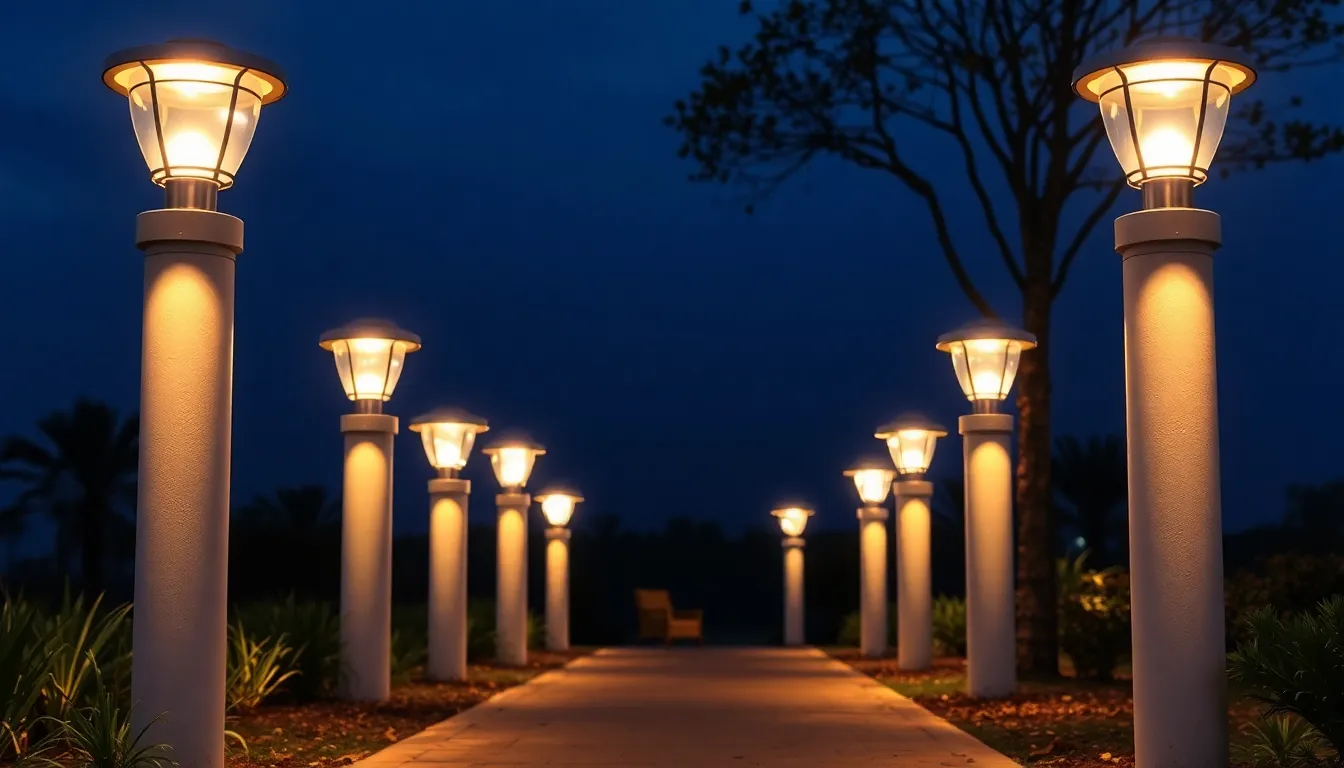
Eighteen months later we have one hundred solar street lights deployed across the township. Installation took eight weeks total. Cost was four hundred fifty thousand dollars. Electricity savings started immediately. We eliminated copper theft risk in those areas. Public feedback has been overwhelmingly positive.
This is the story of why your township needs to seriously consider solar street lighting.
What Changed To Make Solar Viable At Municipal Scale
Five years ago municipal solar lighting was experimental. Real limitations existed. Battery technology was sketchy. Solar panels were inefficient. The business case didn’t work.
That’s not true anymore. Battery technology improved dramatically. Solar panels now work efficiently even in cloudy conditions. Smart systems manage lighting remotely. Cities can monitor every light in real time.
Los Angeles announced a massive program replacing sixty thousand street lights with solar. Fort Worth is deploying thirty four hundred units. Smaller cities are following. This is mainstream now. Not experimental. Not unproven. Proven technology deployed by major municipalities.
The why is simple. The economics work. The technology works. The safety improvements work.
The Three Problems Solar Solves For Municipalities
First problem: electricity costs. Traditional street lighting is one of the largest municipal expenses. A typical city with ten thousand street lights spends millions yearly on power. That amount increases every year as utilities raise rates. Solar lights eliminate that cost. No electricity bills. Ever. Money that used to flow to utilities stays in your municipal budget. Fort Worth calculated savings of approximately four million dollars over the initial fifteen year period. That’s money available for other infrastructure needs. Schools. Roads. Public services.
Second problem: copper theft. This costs municipalities serious money. Copper thieves cut wires from street lights. The damage costs four times more to repair than regular maintenance. A single incident might cost ten thousand dollars. Multiple incidents compound the problem. Los Angeles experienced massive copper theft. They’re switching to solar specifically to eliminate this problem. Solar lights have no wires to steal.
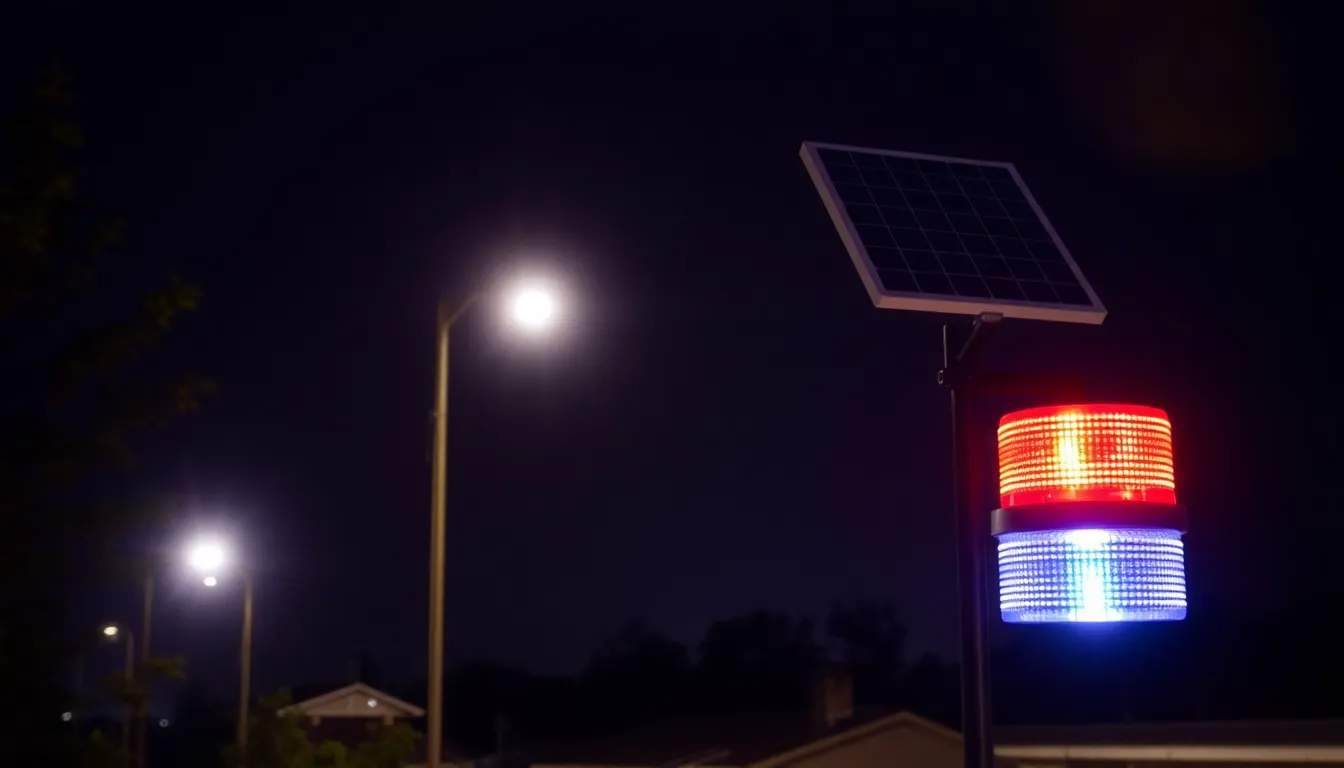
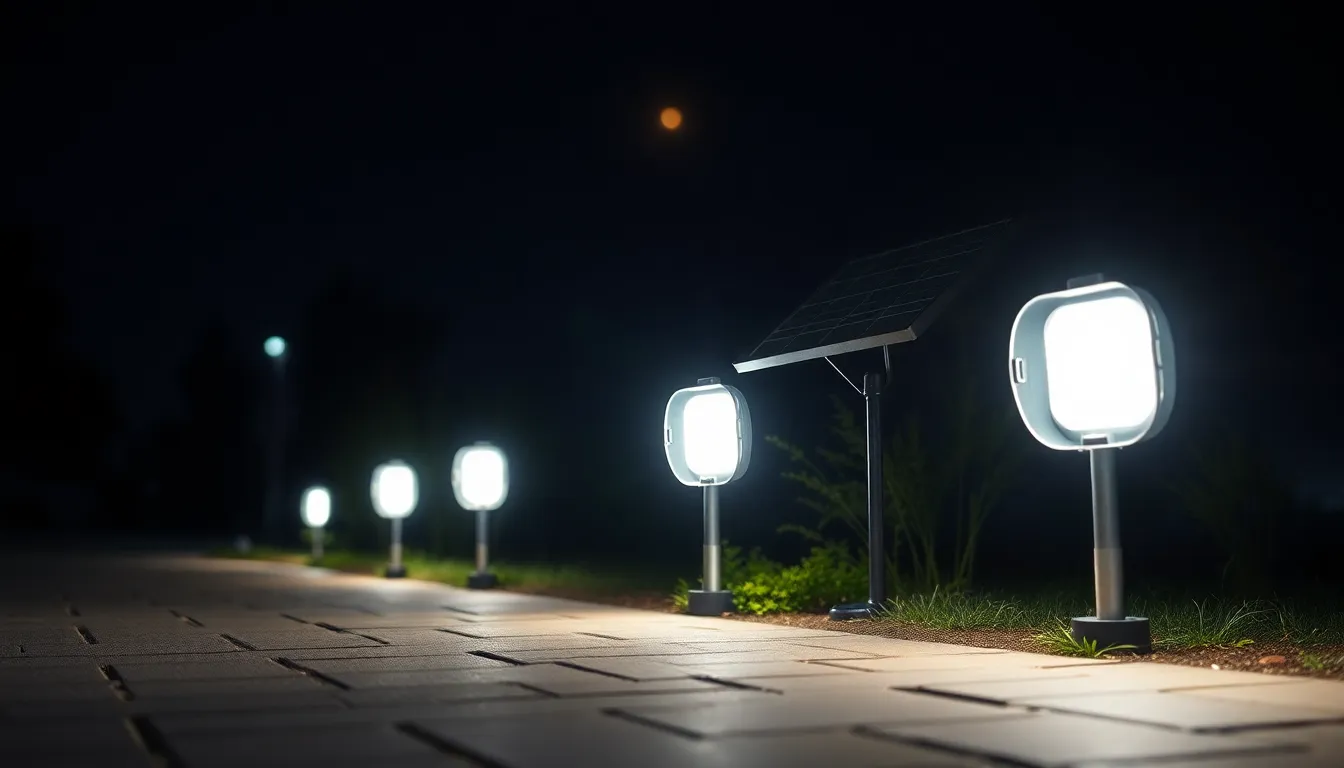
Third problem: grid vulnerability. When the power goes down, traditional street lights go dark. This creates safety issues in dark neighborhoods. People feel vulnerable. Crime actually increases. Solar lights keep working during outages. Twenty four hours a day charging from the sun. Working all night from batteries. No grid connection means no outage vulnerability.
Real Examples From Real Cities
Fort Worth started with a two point five million dollar project funded by the American Rescue Plan Act. They’re deploying solar lights in neighborhoods with high pedestrian activity, near schools, near parks. The program is expanding based on strong results and public satisfaction.
Los Angeles launched the most ambitious program. Sixty thousand lights over two years. Addressing thirty two thousand service requests. Reducing copper theft vulnerability. Moving toward one hundred percent clean energy by twenty thirty five.
Tucson installed solar lights in underserved neighborhoods. Zero copper theft. Improved response times. Better community safety.
These aren’t tiny pilot programs. These are major metropolitan areas committing billions to solar street lighting. That signals confidence in the technology.
Why Installation Is Faster Than You’d Expect
Traditional street light installation is brutal. You need trenching for electrical conduit. You need permits. You need to coordinate with utility companies. You need road closures. You need multiple contractors. Timeline is months or years.
Solar lights install differently. No trenching. No conduit. No utility coordination. You put a pole in. Mount the light. It works. Installation crews can deploy one light every ten to fifteen minutes with practice.
Our township installed one hundred lights in eight weeks. That included planning, permits, site preparation, and training maintenance staff. Traditional equivalent would have taken six months minimum.
Deployment speed matters because disruption is minimized. Residents aren’t dealing with months of street closures. Traffic impacts are minimal. Public inconvenience is substantially reduced.
The Cost Conversation That Surprises People
Initial solar installation costs more per light than traditional fixtures. A solar street light costs roughly three thousand to five thousand dollars installed. Traditional street lighting costs two thousand to three thousand per fixture installed.
Seems like solar is more expensive. Until you do the actual math.
Traditional street light total cost over twenty years:
Initial installation: three thousand dollars
Electricity: three hundred dollars yearly for twenty years equals six thousand dollars
Maintenance and repairs: roughly fifty dollars yearly for twenty years equals one thousand dollars
Copper theft repairs: estimate another two thousand dollars over twenty years
Total: twelve thousand dollars
Solar street light total cost over twenty years:
Initial installation: four thousand dollars
Electricity: zero dollars
Maintenance: minimal, roughly twenty five dollars yearly for twenty years equals five hundred dollars
Copper theft: zero dollars
Total: forty five hundred dollars
Solar costs roughly one third of traditional lighting over the same period. The payback happens within three to five years. After that, decades of essentially free lighting.
Most municipalities pay for solar through energy savings. The money previously spent on electricity bills covers the new solar installation. Once the installation is paid, the budget line item basically disappears.
Why Public Safety Improves
Well lit neighborhoods have less crime. This is documented fact. Public perception of safety improves when streets are well lit. Residents feel more comfortable walking at night. Kids can play later. Communities become more vibrant.
Solar lights don’t reduce brightness. Modern solar systems produce LED output equivalent to traditional street lights. Nobody walks down a solar-lit street and thinks it’s dimmer.
What improves is consistency. No outages. No dark stretches where lights failed. Every light works. Every night. Twenty four hours a year.
This creates psychological safety improvement independent of actual light output. People feel safer when infrastructure is reliable.
Smart Technology Makes Monitoring Easy
New solar systems integrate IoT technology. Each light has sensors. Each light sends data to a central management platform. Your public works director can see the status of every light in real time.
A light isn’t charging properly? You know immediately. A light is damaged? You know immediately. A light is operating below expected brightness? You know immediately.
This remote monitoring eliminates surprise failures. Maintenance becomes predictive rather than reactive. You fix issues before residents complain.
Some systems include motion sensors. Lights reduce brightness during quiet hours. Increase brightness when motion is detected. This extends battery life and reduces unnecessary light pollution.
Implementation Steps For Your Township
Start with a pilot program. Pick one neighborhood. Install fifty to one hundred lights. Measure the results. Get public feedback. Understand the actual performance and costs.
Our township did this. We selected a neighborhood with moderate crime concerns and adequate sun exposure. Implemented one hundred lights. Watched the results for six months.
Crime decreased. Public satisfaction increased. Electricity savings were exactly as projected. We confidently moved forward with broader deployment.
Next phase, develop a full rollout plan. Which neighborhoods get priority? North-facing roads might need different panel angles. Shaded areas might need larger batteries. Different applications have different requirements.
Budget accordingly. One hundred lights costs roughly four hundred to five hundred thousand dollars installed. Price varies by local labor rates and specific equipment. Get quotes from multiple installers.
Plan for phased implementation. Don’t try to replace everything at once. Phase it over three to five years. Spread costs. Manage disruption. Maintain public acceptance.
The Sustainability Angle Matters Politically
Environmental benefits resonate with voters. Solar lighting reduces carbon emissions. No fossil fuel consumption. Clean renewable energy.
Many townships have climate commitments. Net zero by twenty forty or similar goals. Solar street lighting directly supports those commitments. It’s a tangible visible action.
Residents see solar lights and think their township is taking climate seriously. It’s not just policy documents. It’s infrastructure they see every night.
That political benefit shouldn’t be underestimated. Voters remember the township that lit their streets with solar. It becomes part of local pride.
The Real Conversation
Your neighboring township is probably already evaluating solar street lights. Major cities are deploying thousands. The technology is proven. The economics work. The timeline is reasonable.
The conversation isn’t whether to switch. It’s when and how fast to switch.
Townships that move first capture all the benefits. Cost savings that start immediately. Safety improvements that people notice. Environmental gains that voters appreciate.
My township moved first. We’re three years in. Cost savings have exceeded projections. Public feedback is positive. We’re planning significant expansion.
Your township can do the same thing. The technology exists. The funding mechanisms exist. The expertise exists.
The only barrier is deciding to start.
Summary
Township solar lighting solves three municipal problems simultaneously. First, it cuts electricity spending. Traditional street lights cost municipalities thousands yearly. Solar lights cost nothing to operate. Second, it eliminates copper theft losses. Cities lose millions to stolen wiring from grid-powered lights. Solar lights have no wires to steal. Third, it improves public safety during outages. When power fails, traditional lights go dark. Solar lights keep working. Los Angeles is deploying 60,000 solar lights. Fort Worth is installing 3,400 units. Smaller townships are following. Implementation takes weeks instead of months. Cost payback happens within three to five years. After that, decades of free lighting.