Table of Contents
What Is A 700 Watt Solar Panel
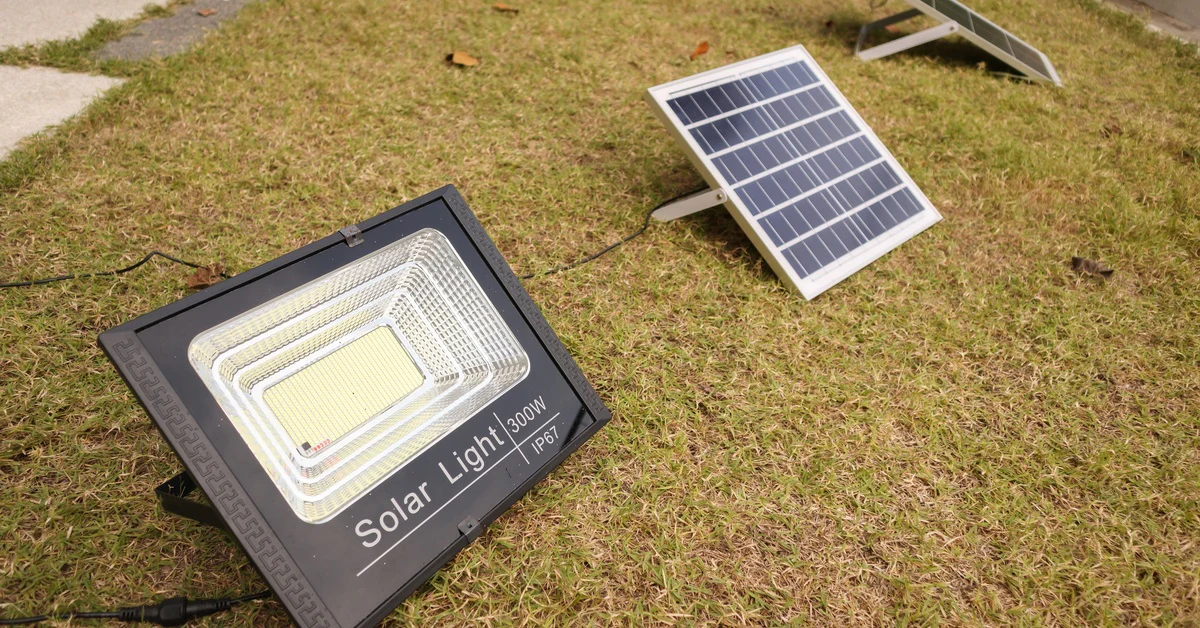
Yes, 700 watt solar panels exist and you get buy them today. A 700 watt solar panel produces 700 watts of electricity when sunlight hits it at peak hours. Think of it like a water bucket. A bigger bucket holds more water. A bigger solar panel produces more electricity.
Solar panels come in different power levels. Small residential panels produce 300 to 400 watts. Medium panels produce 400 to 550 watts. Large panels produce 550 to 700 watts. Some newer panels produce even more than 700 watts. These larger options are becoming more common as technology improves.
Who Makes Them
Major solar companies manufacture 700 watt panels. Sunpower makes high-efficiency 700 watt models. Panasonic produces 700 watt panels. LG offers 700 watt options. JinkoSolar manufactures them worldwide. Canadian Solar produces 700 watt panels too. These established companies have years of experience.
Smaller manufacturers also make 700 watt panels. Prices vary based on the brand. Premium brands cost more but last longer. Budget brands cost less but offer fewer features.
Why Choose 700 Watt Panels
Using 700 watt panels instead of 400 watt panels means you need fewer pieces. If you need 4000 watts, you need ten 400 watt panels. With 700 watt panels, you need six. This saves roof space.
Fewer panels mean simpler installation. Less wiring connects everything. Lower installation labor costs result. Your system becomes more straightforward to set up.
The downside is weight. A 700 watt panel weighs about 30 kilograms. Your roof needs to support this extra weight. Most modern homes handle this fine. Older homes might need inspection first.
How They Generate More Power
Larger panel size captures more sunlight. A 700 watt panel measures roughly 2.2 meters by 1.1 meters. A 400 watt panel measures about 2 meters by 1 meter. The extra surface area absorbs more sun rays. More sunlight means more electricity.
Modern cell technology boosts efficiency too. Newer monocrystalline cells work better than older polycrystalline cells. Advanced designs convert sunlight to electricity more effectively. Premium brands use multiple junction cells that capture more light wavelengths.
The Cost
A 700 watt panel costs between 350 to 600 dollars depending on the brand. Installation labor adds 200 to 400 dollars per panel. A complete system costs less per watt with 700 watt panels than smaller ones. Six 700 watt panels cost less total than ten 400 watt panels.
Government tax credits apply equally to all panel sizes. You get the same incentive whether you choose 400 watt or 700 watt panels. This makes larger panels even more economical.
Efficiency Ratings
Efficiency tells you what percentage of sunlight becomes usable electricity. A 700 watt panel at 22 percent efficiency converts 22 percent of sunlight into power. The rest becomes heat.
High-efficiency panels rate between 20 to 23 percent. Standard panels rate between 16 to 20 percent. Budget panels rate between 14 to 16 percent. A one percent difference adds up over time.
Where They Work Best
Commercial buildings benefit most from 700 watt panels. Warehouses and factories have large flat roofs. These spaces accommodate bigger panels easily. Businesses save money with lower cost per watt.
Utility scale solar farms use 700 watt panels or larger. These massive projects generate electricity for entire communities. The savings multiply across thousands of panels.
Residential homes use 700 watt panels when roof space is limited. Apartments and townhouses with small roofs need larger panels to reach power goals. Average homes with plenty of space usually choose 550 to 600 watt panels instead.
Temperature And Performance
Solar panels produce less power when hot. The 700 watt rating assumes 25 degrees Celsius. On a hot day reaching 60 degrees Celsius, output drops to about 85 percent. A 700 watt panel produces roughly 595 watts instead.
Cooler climates maintain higher output. Northern regions get more consistent power. Hot desert regions experience more power loss from heat. Wind cooling helps. Ground mounted panels stay cooler than roof mounted ones.
How Shade Affects Output
Shade dramatically reduces power production. If shade covers one quarter of a 700 watt panel, output drops more than one quarter. Modern bypass diodes help limit this damage.
String inverters stop working if any panel gets shaded. Microinverters on each panel allow shaded panels to produce less while others work fully. This matters for homes with trees or buildings nearby.
Lifespan And Durability
700 watt panels last 25 to 30 years. Manufacturers warrant at least 80 percent output after 25 years. This means a 700 watt panel produces at least 560 watts at year 25. Most produce 560 to 595 watts.
Power declines slowly. Year one loses about 2 to 3 percent. After that, about 0.5 percent per year. Early failures indicate manufacturing problems. Panels surviving five years typically work for 20 more.
Maintenance Needs
Clean panels twice yearly. Dust and bird droppings reduce output. Use soft brushes and distilled water only. Never use harsh chemicals. Check connections quarterly for loose bolts or corrosion. Trim tree branches that cause shade.
Pros Of 700 Watt Panels
More electricity from fewer panels. Uses less roof space. Lower installation costs overall. Better cost per watt. Modern efficiency technology. Perfect for commercial projects. Advanced cells work well in various light. Fewer connection points mean fewer failure spots.
Cons Of 700 Watt Panels
Much heavier than smaller panels. Roof needs structural evaluation. Stronger mounting systems required. Installation is more complex. Damaged panels cost more to replace. Not all mounting systems fit them. Some roofs have shapes that don’t align well with large panels. Older inverters might not pair well with them.
Comparing To Other Sizes
A 400 watt panel produces less electricity. A 550 watt panel falls in the middle. A 600 watt panel is another option. Panels above 700 watts now exist. Some companies make 800 and 900 watt panels.
Most residential homes prefer 550 to 600 watt panels. They balance weight, cost, and installation simplicity. Commercial projects favor 700 watt panels for better economics.
Installation Requirements
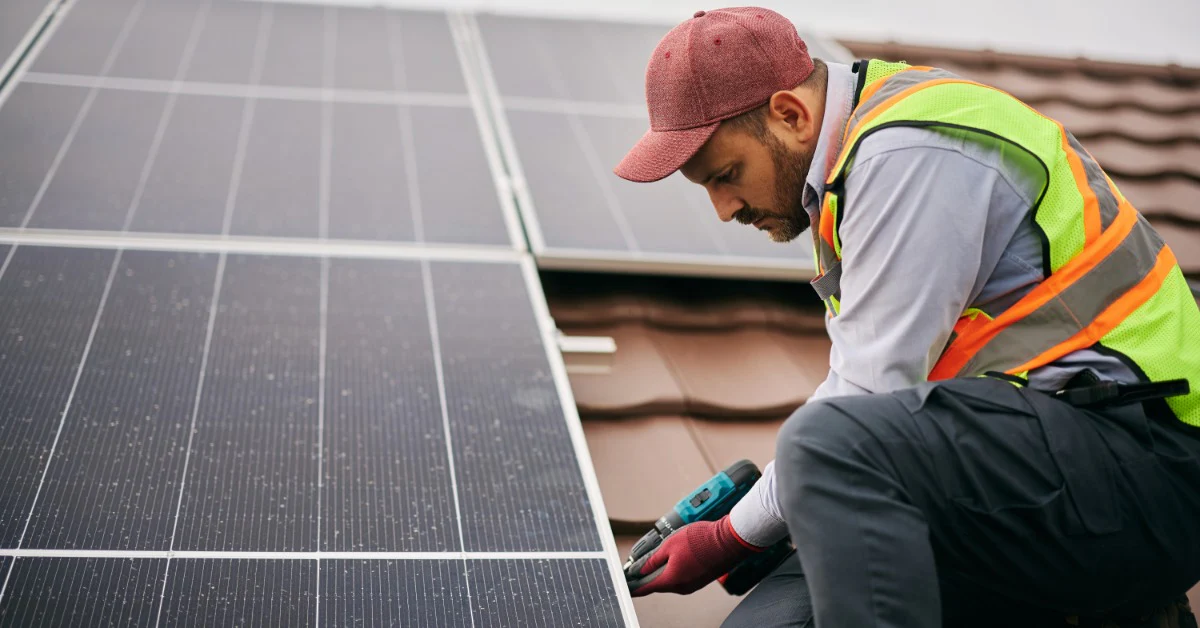
Professional installation is necessary. These panels are too heavy for DIY work. You need proper equipment and safety gear. Bad installation causes leaks and damage.
Your roof needs structural evaluation. Engineers confirm it handles the weight. Proper mounting is required. Electrical permits are mandatory. Local inspectors verify safety codes.
Warranty Information
Manufacturers warrant 700 watt panels for 25 to 30 years. Coverage includes defects and power output guarantees. Normal degradation is not covered. Weather damage from extreme events is not covered. Premium brands offer better warranty terms than budget brands.
Real World Results
Residential customers report satisfaction. Systems produce needed electricity. Cost per watt works in their favor. Installation complexity doesn’t deter them.
Commercial users achieve excellent returns. Lower costs lead to faster payback. Fewer components mean less maintenance.
Utility projects operate reliably year after year. Efficiency justifies the investment.
Making Your Decision
Calculate your yearly electricity needs. Check past utility bills. Measure available roof space. Get installer quotes for different panel sizes. Compare total costs including installation. Check structural requirements.
Talk to installers about what fits your situation. They evaluate your roof and goals. Ask about warranty and company reputation.
Get multiple quotes before deciding. Compare prices, warranties, and reviews.
Summary
Yes, 700 watt solar panels exist and major manufacturers produce them. They generate 700 watts at peak sunlight and work best for commercial buildings and homes with limited roof space. These larger panels cost less per watt than smaller options and require less roof area. They weigh more and need stronger roof support. Modern 700 watt panels achieve 20 to 23 percent efficiency and last 25 to 30 years. They produce less power on hot days and in low light, like all solar panels. Professional installation is necessary due to their weight. Most residential homes benefit from 550 to 600 watt panels instead. Businesses and utility projects benefit from 700 watt panels. Calculate your actual power needs and get professional evaluation before choosing.