Table of Contents
What Are Plastic Solar Lights and How Do They Work?
My neighbor Tom had these plastic solar lights lining his driveway and I kept asking him how much his electric bill went up. He laughed and said it didn’t go up at all. That’s when I realized these things actually work. I did some digging because I didn’t believe him at first.
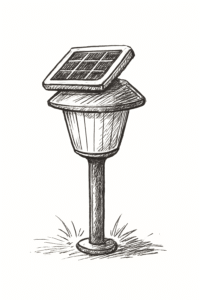
It’s stupid simple honestly. The plastic light has a little panel on top that sits in the sun all day long soaking it up. That’s it. That panel takes the sunlight and turns it into electricity. That electricity gets stored in a battery inside the light. When the sun goes down, a sensor says oh it’s dark now and turns on the LED bulb. The LED runs all night on the stored energy. When morning comes, boom, the LED shuts off and the whole cycle repeats. Your light just keeps doing this every single day.
I thought there had to be something more complicated but that’s honestly all there is. No wires. No electricity meter. No monthly bill. Just sun energy turning into light energy and then back to nothing when the sun comes back.
Why Homeowners Choose Plastic Solar Lights
I’ll be straight up with you, money is the main reason I started looking at these. My outdoor lighting was costing me about forty bucks a month. That’s almost five hundred dollars a year just to keep lights on around my house at night. I mentioned this to my wife and she looked at me like I was throwing money in the trash. She was right.
I bought my first batch of plastic solar lights for about thirty bucks total. I got seven lights and installed them myself in maybe twenty minutes. No electrician. No digging. No permits or any of that nonsense. Just opened the box and stuck them in the ground.
The freedom to move them around is actually amazing. Last spring I completely redid my patio. I picked up the lights and moved them to the new layout. Took five minutes. My old permanent lighting would have required hiring someone to come out and reroute everything. These lights just go wherever you want them.
What really gets me about these lights is the energy thing. My kids ask me why we use solar lights and I tell them because the sun is free. We’re not burning coal or oil to light our garden. The sun does it. That simple idea appeals to me way more than I expected. My son started caring about renewable energy because of these lights. That’s cool.
Safety was something I didn’t even think about until my daughter was born. These lights run on tiny batteries. There’s no electrical shock risk. She can touch them. Play around them. No danger. That peace of mind is worth something.
I do almost nothing to maintain these lights. I wipe the panels clean every couple months. That’s it. No bulb changes. No repairs. Nothing breaks. Compare that to my front porch light that needs maintenance constantly.
Understanding Quality Differences in Plastic Solar Lights
When I first started shopping, I bought the cheapest ones I could find at the discount store. Huge mistake. They barely lit up the ground. My wife said they looked like someone took the light away at night. I didn’t understand why they were so dim.
That’s when I learned about lumens. Some guy at a garden center explained it to me. Cheap lights give you ten to fifty lumens. That’s basically nothing. You can’t see anything. Better lights are one hundred to two hundred lumens. You actually notice them. The really bright ones are three hundred lumens and up. For my driveway I wanted brightness so my wife could actually see where she was going at night without a flashlight.
I bought five cheap lights and they died after like six months. The batteries wouldn’t hold a charge anymore. So dumb. I replaced them with mid-range lights that cost maybe twenty bucks each instead of five. Guess what, five years later those lights still work. Math doesn’t lie. Spending a bit more upfront saves money down the road.
The panels are different too. I learned this the hard way. I live in an area with tons of clouds. The cheap lights with tiny panels just didn’t charge well. They’d be dim at night. I upgraded to lights with bigger panels and better panel technology. Night and day difference. They charge faster and work better when it’s overcast.
LED bulbs matter. The bulbs in those cheap lights were dead in a year. The bulbs in my nicer lights have been going strong for years. Some premium lights have LEDs that last fifty thousand hours. Do the math on when a light turns on and off and that’s like fifty years of use.
The plastic housing is where quality really shows. Those cheap lights cracked when winter came. Cold weather did them in. Water got inside and killed everything. The better lights are sealed properly. They handle temperature swings. They handle rain. They don’t crack.
Types of Plastic Solar Lights Available
- My front walkway has pathway lights. They’re about two feet tall and shaped like little lanterns. They guide people from the driveway to my front door. I’ve got them spaced maybe three feet apart. At night you see where to step. That’s their job and they do it well.
- My neighbor has post cap lights on top of his fence. They look nice during the day and at night they light up the backyard area. Not super bright but good enough to see. I’ve been thinking about getting some because they look pretty cool.
- I saw hanging lights at my friend Sarah’s house. She strung them up over her patio and they’re awesome. She hosts little get togethers and the lights make the whole space feel nice. They’re not bright like security lights, they’re more about making things look good.
- My dad put spotlights on his garden. He points them at trees and a water feature he built. At night it looks completely different. It’s like he’s got his own landscape lighting for free basically.
- For security I’ve got one bright light by my garage. It’s way brighter than the other lights. When someone comes near it lights up like a stadium. Good for deterrence. Good for actually seeing what’s happening.
How to Choose the Right Plastic Solar Lights for Your Needs
Think about what you actually want to do with these lights. Do you need them so people don’t trip walking through your yard? Do you want your patio to look nice when friends come over? Do you want security lighting so you know what’s happening at night? Pick one of these because they need different types of lights.
Look at your yard and sun situation. How much sun does your yard get? If you’re in shadow most of the day that’s a problem. These lights need real sunlight. Eight hours is perfect. If you’re getting three hours of real sun you’re going to have problems.
Ask yourself how cold it gets where you live. I’m in a climate where winters are rough. Quality plastic matters. If you’re in Florida where it never gets cold you can probably get away with cheaper materials. If you’re in Minnesota you need good quality or you’re buying new lights every year.
Read what actual people say about the lights you’re thinking about buying. Not the company description, real customers. If fifty people say these lights work great for five years, believe them. If fifty people say these lights quit working in eight months, don’t buy them. People tell the truth online.
Look at them. You’re going to see these lights every single day. I made the mistake of buying lights that worked fine but looked awful. I ended up replacing them with nicer looking ones because I got tired of staring at ugly lights. Pick something you don’t mind seeing.
Installing and Positioning Your Plastic Solar Lights
Where you put these lights matters more than anything else. I learned this by putting my first lights in spots that got shade most of the day. They barely worked. I moved them and suddenly they worked great.
Your light needs direct sun. Six to eight hours minimum. That spot under the tree that gets afternoon shade is not ideal. That spot on your south-facing walkway that gets hammered with sun all day, that’s perfect.
For pathway lights I put them two to three feet apart. Any closer and it’s too much light and looks weird. Any farther and there are dark spots between lights. Two to three feet is the sweet spot. Follow where people actually walk not where you think they should walk.
Push the lights deep into the ground. I learned this when my first lights kept tipping over in wind. Push them all the way down. If the ground is hard, loosen it up first with a shovel. Make sure they’re standing straight.
Leave them for a few days and see how they actually look. Don’t just install them and walk away. Watch them at night. See if they’re bright enough. See if they’re in the right spots. Move them around until you’re happy. Takes ten minutes and saves you from regretting placement.
Maintaining Your Plastic Solar Lights Through the Years
I spend almost no time maintaining these lights. Maybe thirty minutes total per year.
Wipe the panels clean every month or two. Use a soft cloth and some water with soap. Dirt and pollen block the sun. Clean panels charge better and shine brighter. This is the one thing that matters most for maintenance.
Every two or three years swap out the batteries. They cost like five bucks. You pop them out, put new ones in, and suddenly the lights shine bright again. It’s like giving old lights new life without buying new lights.
Look at your lights once a year for cracks or damage. If the plastic cracks, water gets in and that’s game over. If you catch it early you just buy a new light before it fails completely.
In winter if you’re somewhere cold, bring the lights inside when it gets brutal. Extreme cold can damage them sitting outside. Put them in a garage or shed and bring them back out in spring. Not required but adds years to their life.
Common Issues and How to Fix Them
Light won’t turn on at night. Clean the panel. Move it to sunnier spot. If still nothing, the battery is dead. Swap out the battery. That fixes it ninety percent of the time.
Light is way dimmer than it should be. Panel is dirty or battery is dying. Clean the panel first. Usually that’s it. If not, new battery.
Light stays on during the day. The sensor is bad or covered in dirt. Wipe the sensor clean. Fixes it most of the time.
Plastic cracked. Time for a new light. These sealed units don’t really repair well.
Water inside the light. Seals failed. Replace it. Cheaper than trying to fix it.
Making Your Investment Last Longer
My lights have lasted five years. The cheap ones lasted six months. The expensive ones might last fifteen years. It depends on the light quality and your climate.
Buy from brands that warranty their stuff for two or three years. Shows they believe in it. Cheap brands don’t warranty anything.
Don’t go super cheap. Five dollar lights are junk. Don’t go crazy expensive either. Twenty to thirty dollar lights are usually perfect for most people.
Buy in late summer or fall when stores clear out outdoor stuff. That’s when I buy my replacements. Save a lot of money shopping at the right time.
Buy sets if you can. Matching lights look better and cost less per light than replacing them one at a time later.
Your Path Forward with Plastic Solar Lights
I honestly should have switched to solar lights years ago. I’m saving money every month. My yard looks better lit. Installation was easy. Moving them around is easy. Maintenance is basically nothing.
Pick lights that fit your situation. Read what people actually say about them. Spend a bit more than rock bottom. Clean your panels sometimes. Swap batteries when they die. Do that and you’ll have good lights for years.
Plastic solar lights work. I know because I’m using them right now. My bill is lower. My yard looks better. I sleep better knowing there’s no electrical hazard with my kids playing outside. That’s enough for me.
Summary
Plastic solar lights offer an affordable way to brighten your outdoor spaces without electricity bills. This guide helps homeowners understand how solar garden lights function, what features matter most, and how to pick the right ones for your needs. You’ll learn about durability, brightness levels, installation tips, and maintenance requirements. Whether you want pathway lights, decorative options, or security lighting, this article walks you through everything you need to know before buying.