Table of Contents
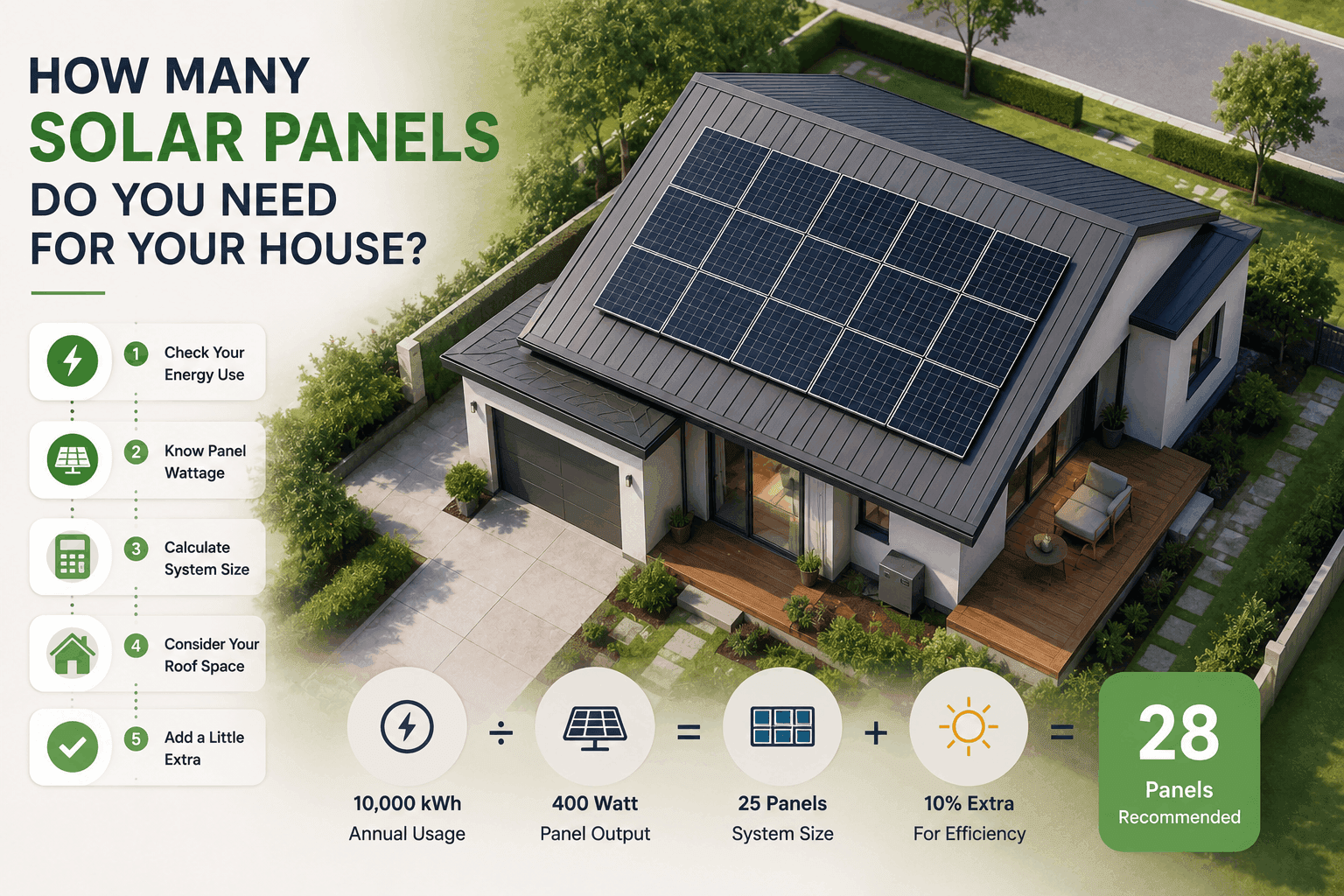
If you’ve been Googling this, you’ve probably already seen the range: somewhere between 15 and 23 panels for an average U.S. home. That number is real, but it’s also almost useless on its own, because “average” describes nobody in particular. Your electric bill isn’t average. Your roof isn’t average. So let’s get past the headline number and actually figure out yours.
It comes down to three inputs
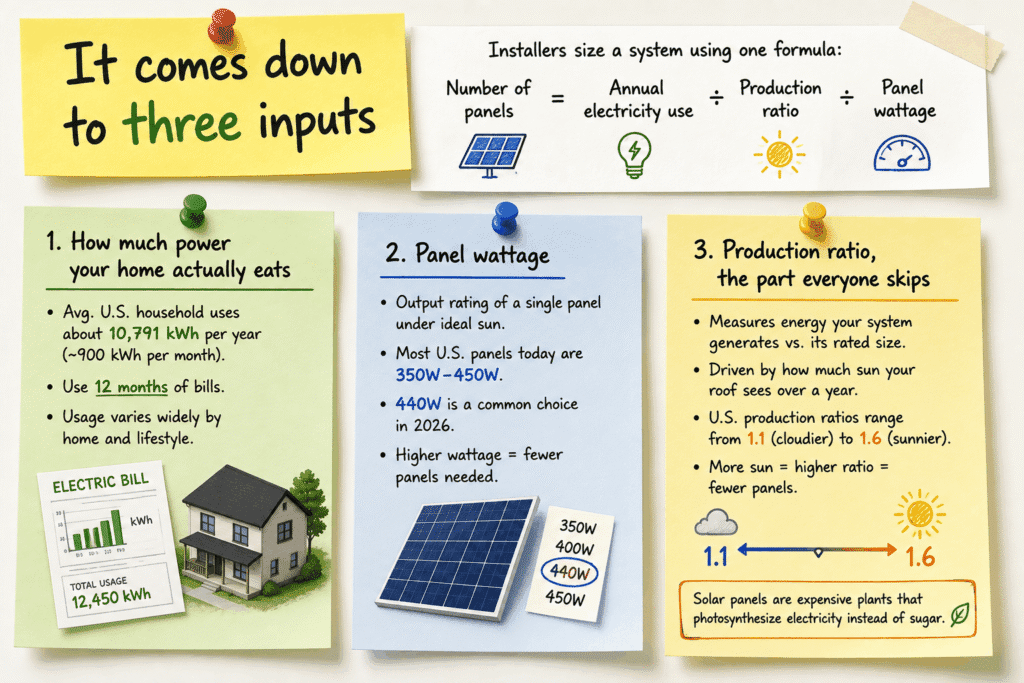
Installers size a system using one formula:
Number of panels = annual electricity use ÷ production ratio ÷ panel wattage
Nothing exotic about it. You just need three pieces of information, and two of them you can grab off your electric bill right now.
How much power your home actually eats
Per the U.S. Energy Information Administration, the average American household burns through about 10,791 kWh a year, call it 900 kWh a month. But averages hide a lot. A family running central AC through a Texas summer and charging an EV overnight will blow past that number without trying. A retired couple who’s rarely home will land well under it.
Pull twelve months of bills if you have them. One or two months won’t cut it, your July usage and your January usage are basically strangers to each other.
Panel wattage
This is just the output rating of a single panel under ideal sun. Most panels installed in the U.S. today sit somewhere between 350W and 450W, and 440W has become a pretty common choice for residential installs in 2026. Go with higher-wattage panels and you need fewer of them, handy if your roof is small or oddly shaped.
Production ratio, the part everyone skips
This is why a house in Phoenix and an identical house in Cleveland end up with completely different panel counts, even with the same electric bill. Production ratio measures how much energy your system generates relative to its rated size, and it’s driven mostly by how much sun your roof actually sees over a year. In practice, U.S. production ratios run somewhere between 1.1 in cloudier regions and 1.6 in sunnier ones.
More sun means a higher ratio, and a higher ratio means fewer panels for the same output. Solar panels are, in a very real sense, expensive plants that photosynthesize electricity instead of sugar.
Running the numbers
Plug the national averages in:
10,791 kWh ÷ (1.1 to 1.6) ÷ 440W = 16 to 23 panels
That range is where most “average” homes land. Sunny states push you toward 16. Cloudier ones push you toward 23. Your actual number moves depending on where those three inputs land for you specifically, not for the country as a whole.
If you’d rather skip the math
Fair enough. Here’s a rough estimate based on monthly usage, assuming standard 400W panels:
| Monthly usage | Panels (rough estimate) |
|---|---|
| 600 kWh | 10–12 |
| 900 kWh | 15–19 |
| 1,200 kWh | 20–24 |
| 1,500 kWh | 25–29 |
| 1,800 kWh | 30–34 |
Treat this table as a starting point for a conversation with an installer, not a final answer. Shading and roof angle can pull these numbers around more than people expect.
What about home size?
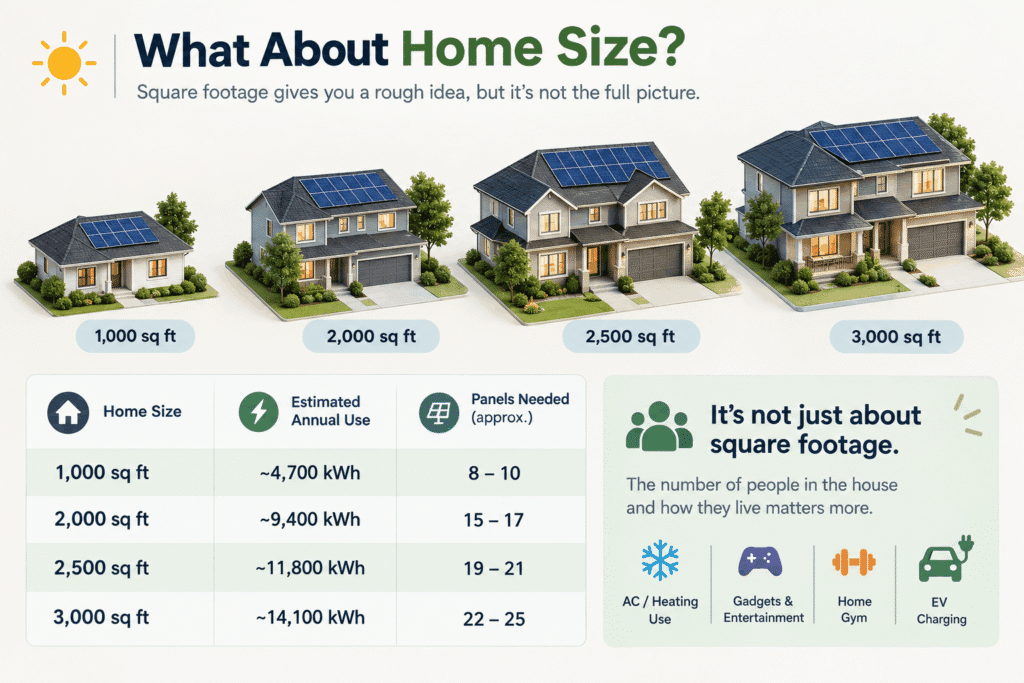
People ask about square footage constantly, and honestly, it’s not that useful. I’ve seen a 3,000 sq ft home use less power than a 1,400 sq ft home, purely because the smaller house had four teenagers, a home gym, and what I can only assume was a competitive gaming setup running 24/7.
For a very rough sense of scale anyway:
| Home size | Estimated annual use | Panels needed |
|---|---|---|
| 1,000 sq ft | ~4,700 kWh | 8–10 |
| 2,000 sq ft | ~9,400 kWh | 15–17 |
| 2,500 sq ft | ~11,800 kWh | 19–21 |
| 3,000 sq ft | ~14,100 kWh | 22–25 |
Number of people in the house and how they live matters more than square footage on paper.
Things that shift your number in the real world
Roof orientation matters more than most people think going in. A south-facing roof (Northern Hemisphere) will get you the most output. East or west-facing roofs still work fine, they just need a slightly bigger array to hit the same energy target.
Shading is the sneaky one. A single tree casting a shadow across part of your roof in the afternoon can drag down output more than the size of the shadow suggests. Installers sometimes get around this with microinverters or power optimizers on the affected panels rather than avoiding that section of roof entirely.
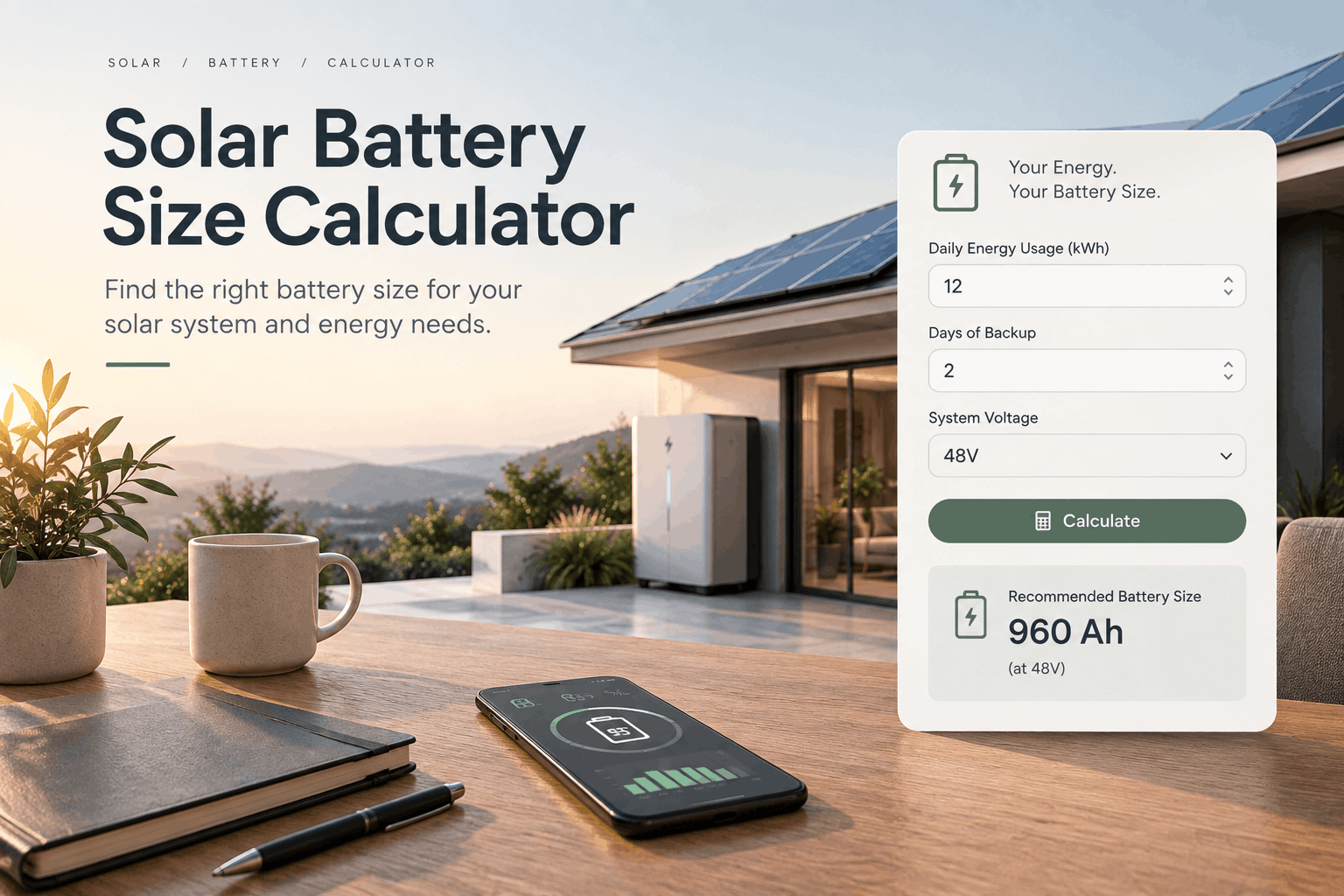
If you’re adding battery storage, or if your utility doesn’t offer great net metering, your ideal system size can shift too, some homeowners deliberately oversize a bit to keep a battery charged through a run of cloudy days.
And if you know you’re buying an EV next year, or adding a heat pump, or finally putting in that pool, size for it now. Adding panels later is possible, but you’re paying for a second round of permitting and a second installer visit, which usually makes it more expensive than getting it right the first time.
The cost side of things
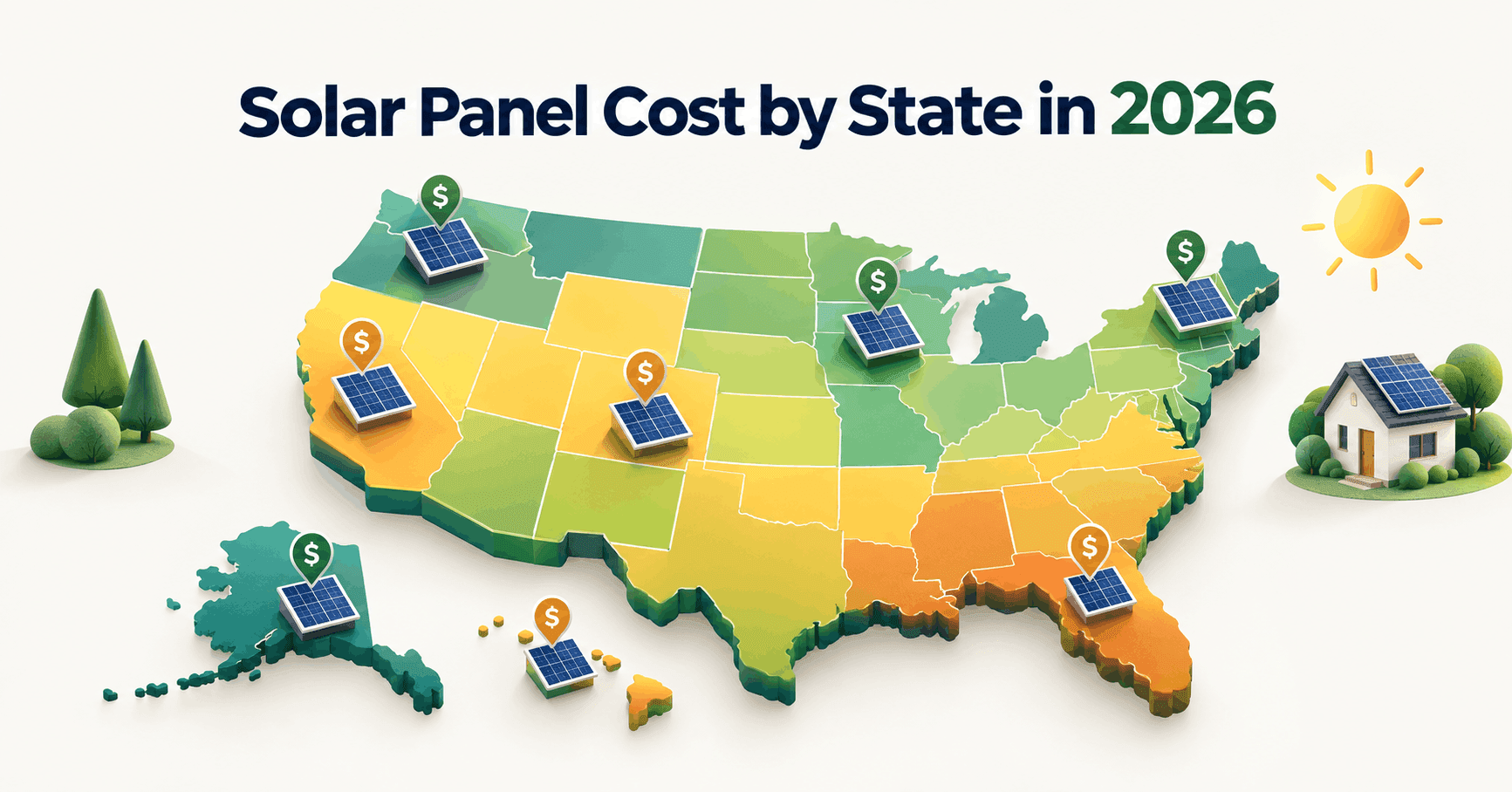
As of 2026, solar installations run roughly $2.60 per watt before any incentives, based on current residential marketplace pricing.
Here’s the part that trips up a lot of people who did their research a year or two ago: the 30% federal residential solar tax credit (Section 25D) ended on December 31, 2025, under the One Big Beautiful Bill Act. If you buy a system with cash or a loan in 2026, there’s no federal credit attached to it, full stop. That’s a genuinely large shift from how solar financing worked for over a decade, and a lot of older articles online still reference the old 30% credit like it’s active. It isn’t, at least not for homeowner-purchased systems.
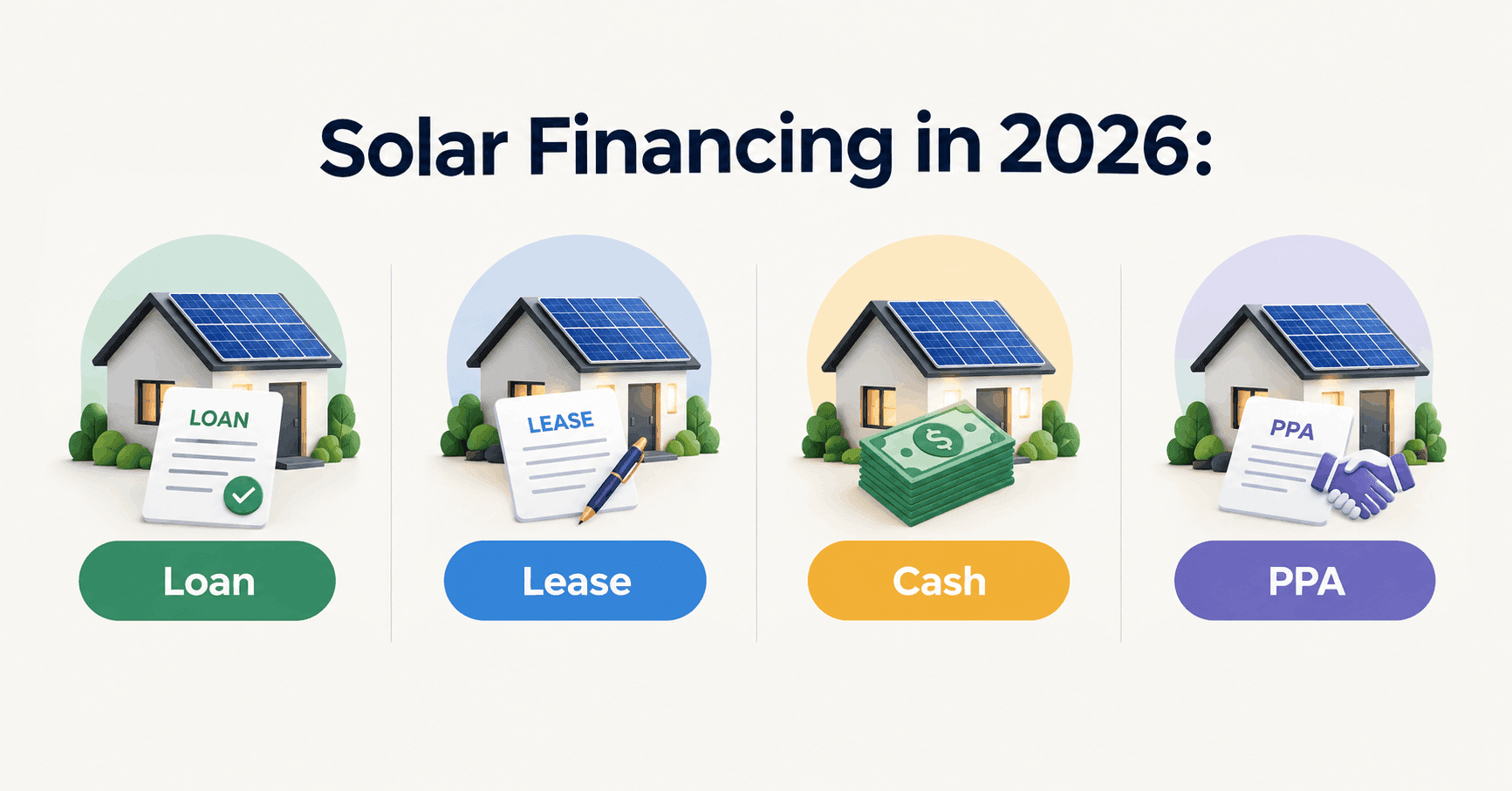
Solar still pencils out financially in most cases. State incentives, utility rebates, and net metering programs are still around and vary a lot by location. If you’re going the lease or Power Purchase Agreement route instead of buying outright, the tax situation is different again, worth a short call with a tax professional before you sign anything, because the ownership structure changes what applies.
Two houses, same bill, different roofs
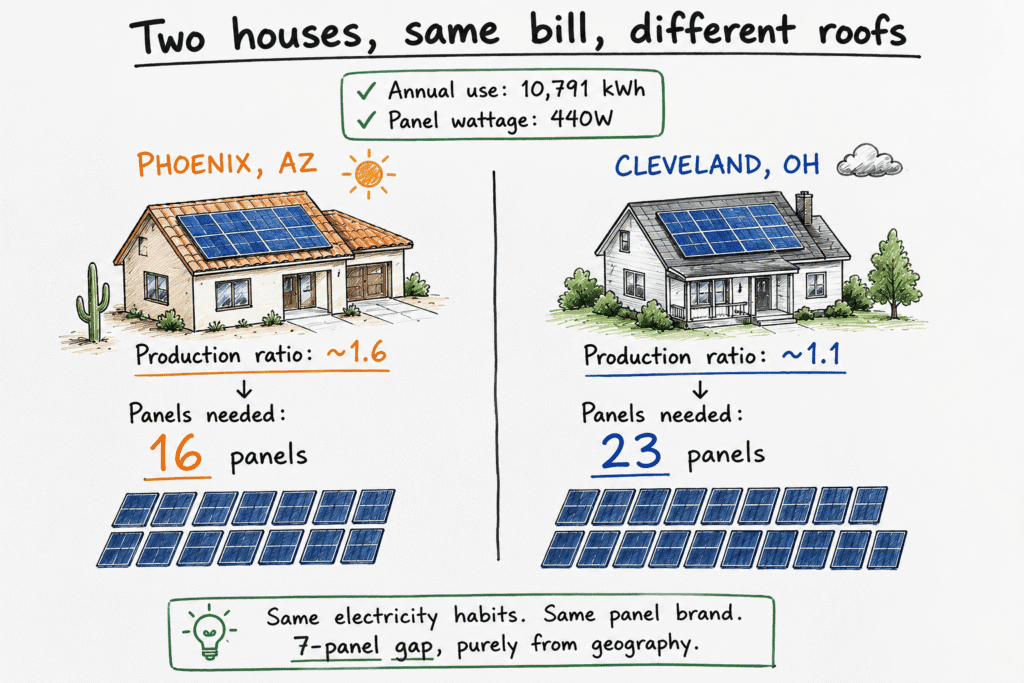
Take two households, both using the national average of 10,791 kWh a year, both installing 440W panels.
A house in Phoenix, with a production ratio around 1.6, needs about 16 panels.
A house in Cleveland, with a production ratio closer to 1.1, needs about 23 panels.
Same electricity habits, same panel brand, seven-panel gap, purely from geography. Which is exactly why counting your neighbor’s panels and assuming you need the same number is a bad idea, even if your houses look nearly identical from the street.
Where people usually get this wrong
A few patterns show up again and again when homeowners size their own systems without help:
Using a single month’s bill instead of averaging across the year, which skews everything toward whatever season that bill happened to land in.
Not accounting for known future purchases, an EV, a heat pump, and having to retrofit later at a higher cost than building it in from the start.
Going bigger “just in case,” which sounds safe but usually just means paying more upfront for capacity that sits unused.
Ignoring shading or roof angle entirely and assuming two roofs with the same square footage will perform the same.
And still budgeting around the old 30% federal tax credit, which no longer applies to homeowner-purchased systems installed in 2026.
FAQs
How many panels for a 2,000 sq ft house?
Around 15–17, based on average usage for that size home. Your actual electricity consumption matters more than the square footage itself.
Should I oversize my system just to be safe?
Not really. Undersizing means you’re still paying a utility bill every month, which defeats the point. Oversizing means paying for capacity you’re not using. Size for your real usage plus anything you know is coming, an EV, a bigger family, whatever’s realistic.
Can I add panels later if I need more?
Usually, yes. It’s just rarely cheaper than sizing correctly the first time, since you’re paying for a second permitting and installation round.
Is there still a tax credit for installing solar in 2026?
Not the federal one, Section 25D expired December 31, 2025, for homeowner-purchased systems. State and utility-level incentives still exist in many areas, but they vary a lot depending on where you live, so it’s worth checking local programs directly.
How much roof space does a typical system need?
A standard panel takes up around 17–18 square feet. A 16-to-23-panel system needs roughly 270 to 415 square feet of usable, unshaded roof.
At the end of the day, the number you actually need comes from your own electric bill, not a national average — the formula just turns your specific numbers into a specific answer. If you’d rather not do the math by hand, most installers and solar marketplaces offer calculators that pull this together from your address and utility data automatically.