Quick Answer: Solar panels aren’t a health or safety risk, the real risks are financial and installation-related, such as a bad installer, roof damage, or contract terms, not the panels themselves.
Table of Contents
Somebody in your life has probably said one of these two things: “Solar panels are basically free money,” or “Solar panels will burn your house down.” Both are wrong. And both come from the same place, nobody actually breaks down what the risk is, they just repeat what they heard at a barbecue.
So let’s actually break it down.
Are Solar Panels Actually Risky?
Key Takeaways
- Solar panels are not a health risk. Major health bodies have found no credible link between rooftop solar and illness.
- The real risks are financial and procedural, a bad installer, a bad contract, or a bad roof matter far more than the panels themselves.
- Fire and electrical risk exists, but it’s rare, and it’s almost always tied to poor installation, not the panels burning on their own.
- Your biggest actual risk is picking the wrong company, not the technology.
Here’s the short version: the panels themselves are safe. The process around them, financing, installation quality, contracts, and your roof, is where things actually go wrong.
Myth vs. Fact: Health and Safety Concerns

Myth: Solar Panels Cause Cancer
This claim usually comes from the fact that panels contain small amounts of silicon and, in some manufacturing processes, materials like cadmium. It sounds scary until you look at how those materials are actually used.
Fact: Panels are sealed units. The materials inside don’t leach out, off-gas, or expose you to radiation during normal use. No major health organization has found a credible link between living near solar panels and increased cancer risk.
Myth: Solar Panels Give Off Harmful Radiation
Solar panels convert sunlight into electricity, they don’t emit ionizing radiation like an X-ray machine. The electromagnetic fields from the wiring and inverter are comparable to what you already get from household appliances.
Myth: Broken Panels Are Toxic to Have Near Your Home
A cracked panel isn’t pleasant, but it’s not a chemical hazard sitting on your roof. The materials of concern are only a genuine issue during manufacturing or improper disposal at a recycling facility — not while the panel sits, cracked or not, above your house.
The pattern here is simple: almost every “solar panels are dangerous” claim actually describes an industrial manufacturing or disposal issue, not a homeowner issue.
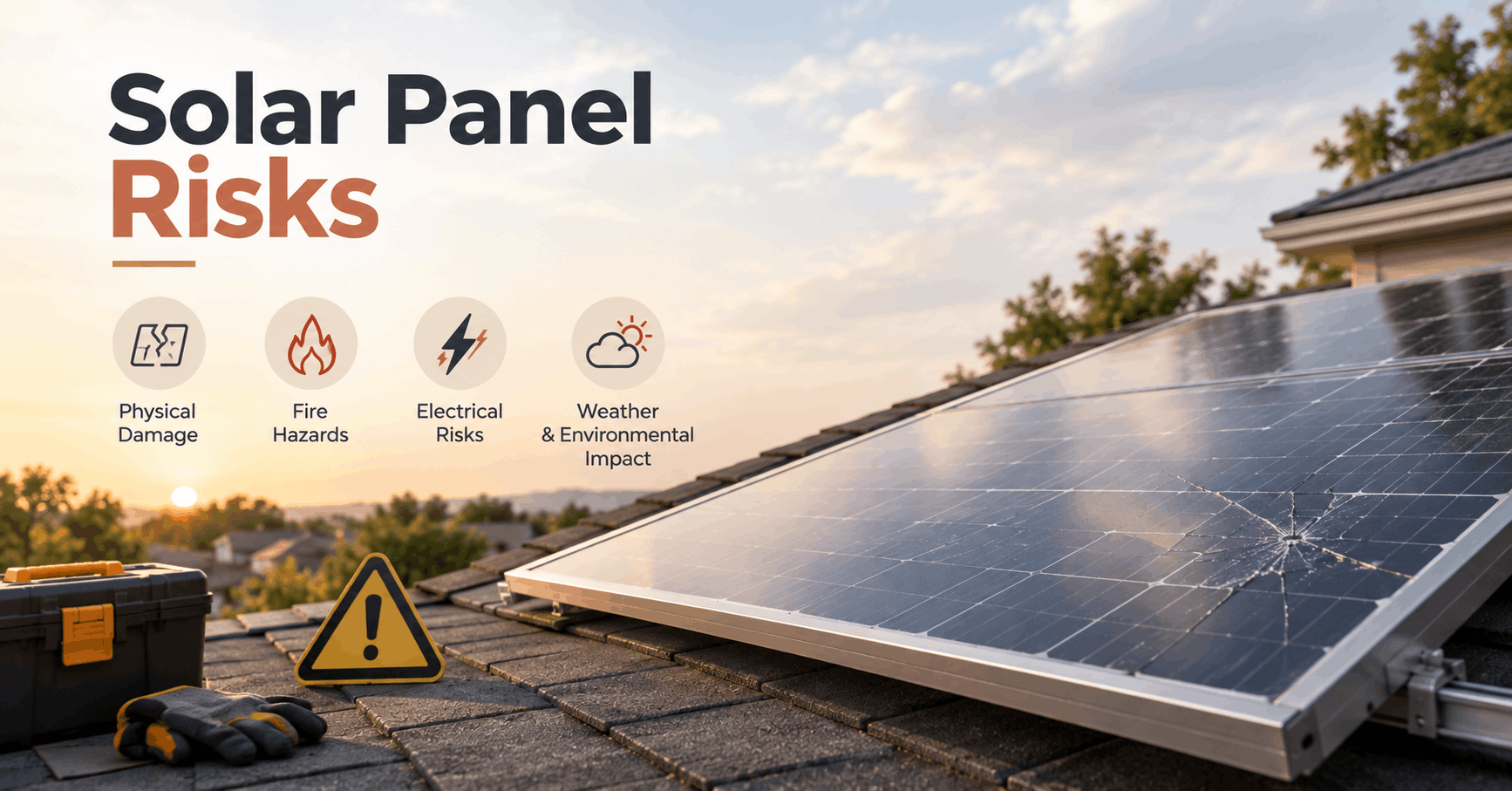
The Real Risks of Going Solar (Ranked by How Likely They Are to Actually Happen to You)

1. Financial Risk, The One That Actually Gets People
This is the risk that shows up in real complaints, not hypothetical ones.
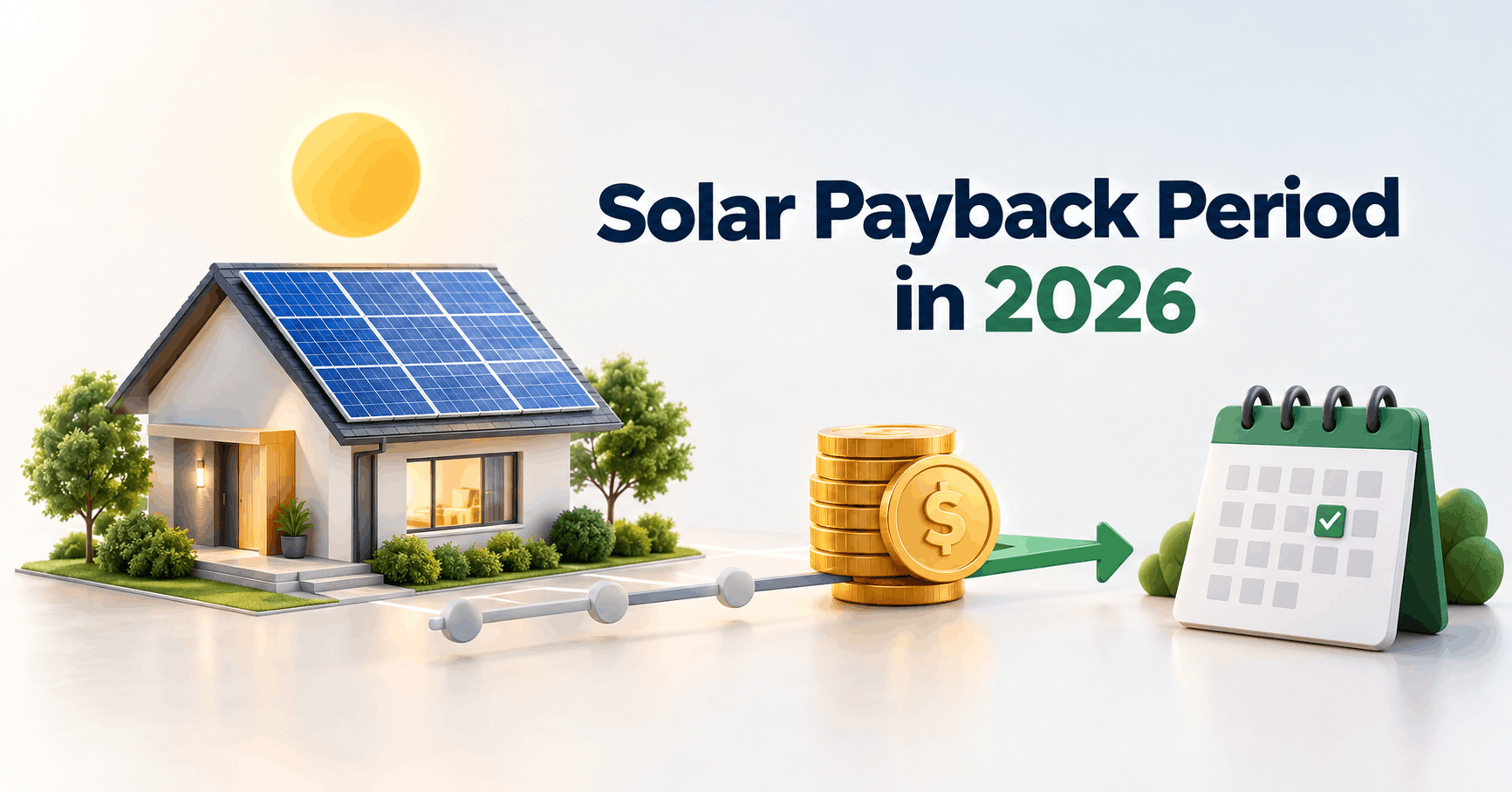
A typical home solar system costs somewhere in the range of $20,000–$25,000 before incentives, and most US homeowners see a payback period of roughly 7 to 12 years, depending heavily on local electricity rates and available state incentives. That’s a wide range, and the width is the point, your specific numbers depend entirely on your utility rate, your roof’s sun exposure, and your financing terms.
Where this goes wrong in practice:
- An installer oversizes or undersizes the system for your actual usage
- A financing agreement has terms that weren’t clearly explained upfront
- Net metering policy changes in your state, altering how much your exported power is actually worth
- The system underperforms its sales-quote projections
None of this is a reason to avoid solar. It’s a reason to read your contract twice and ask harder questions than “how much will I save.”
2. Installer Risk, The Wildcard Variable
The single biggest variable in whether solar “works out” for a homeowner isn’t the panel brand. It’s who installed it.
Common issues: warranty language that sounds comprehensive but excludes labor after year one, high-pressure sales tactics, and installers who subcontract the actual labor to whoever’s available that week. A panel rated for 25 years is only as good as the installation underneath it.
3. Roof and Structural Risk
Installing anything on a roof means putting holes in it. Done properly, those penetrations are sealed and monitored. Done poorly, they leak, sometimes not until a year or two later, when it’s harder to trace the cause.
Panels also add weight, typically an extra few pounds per square foot, which matters more on older roofs or ones not built with that load in mind. This is exactly why a roof inspection should happen before installation, not after a leak shows up.
4. Weather Risk
Hail, high wind, and heavy snow load are the most common causes of physical panel damage. Panels are rated to withstand a specific impact and wind resistance, but rating specs and your actual regional weather don’t always line up neatly, this is worth asking your installer about directly rather than assuming.
5. Electrical and Fire Risk
This is the one people fear most and understand least, so let’s be precise about it.
According to the U.S. Department of Energy, a solar system spontaneously catching fire is extremely rare. When fires do happen, they’re overwhelmingly tied to wiring faults, loose connections, or installation errors, not the solar glass itself. The National Fire Protection Research Foundation has tracked several hundred solar-related fire incidents across the US over the past decade, a small number relative to the millions of systems installed nationwide, and the pattern in that data consistently points to installation quality as the deciding factor.
The honest takeaway: this risk is real, it’s low, and it’s almost entirely controllable through hiring a properly licensed, code-compliant installer.
Does Home Insurance Cover Solar Panel Damage?
Short answer: usually, but with gaps people don’t find out about until they need coverage.
Typically covered: Storm, hail, and fire damage to panels mounted on your roof are generally treated the same as damage to the roof itself under a standard homeowner’s policy.
Typically not covered: Roof leaks caused by poor installation, and damage from normal wear and tear. If your contractor causes the damage, your homeowner’s policy often won’t pay for it, that falls back on the installer’s own insurance and workmanship warranty.
Manufacturer warranty vs. homeowner’s insurance: These are two separate things. A manufacturer’s warranty covers equipment failure, a panel underperforming or an inverter dying early. It does not cover storm damage or installation mistakes. That’s what your home insurance, or a dedicated rider, is for.
If you take one thing from this section: ask your installer directly whether their work is covered by their own liability insurance, and get it in writing.
How to Reduce Every Major Risk on This List
- Get your roof inspected first, before signing anything, not after
- Ask for the installer’s licensing and insurance documentation, not just their sales brochure
- Read the warranty’s fine print on labor, not just parts
- Ask what happens if your area’s net metering policy changes, a good installer will have a real answer
- Get a second quote, pricing and system sizing vary more than people expect
Every risk on this list has the same fix underneath it: slow down at the vetting stage. That’s genuinely more protective than any single technical spec.
If any of this still feels like too much to sort through alone, that’s a completely normal reaction, this is a five-figure decision. Talking it through with an energy advisor before signing anything tends to save people more than it costs.
Bottom Line: Is the Risk Worth It?
For most homeowners, yes, but “the risk” isn’t really about the panels. It’s about who you hire and how carefully you read what you sign. The panels themselves are boring, well-tested technology. The variable that actually determines your experience is the company standing behind the installation.
If you’re weighing a specific quote right now, it’s worth having someone outside the sales process take a look at the numbers with you before you commit.
FAQs
Do solar panels increase my home insurance premium?
Sometimes, since they add to your home’s insured value, but the increase is usually modest. It’s worth confirming with your specific insurer rather than assuming either way.
Can solar panels cause a house fire?
It’s possible but rare, and it’s almost always linked to wiring or installation faults rather than the panels themselves malfunctioning on their own.
Is DIY solar installation risky?
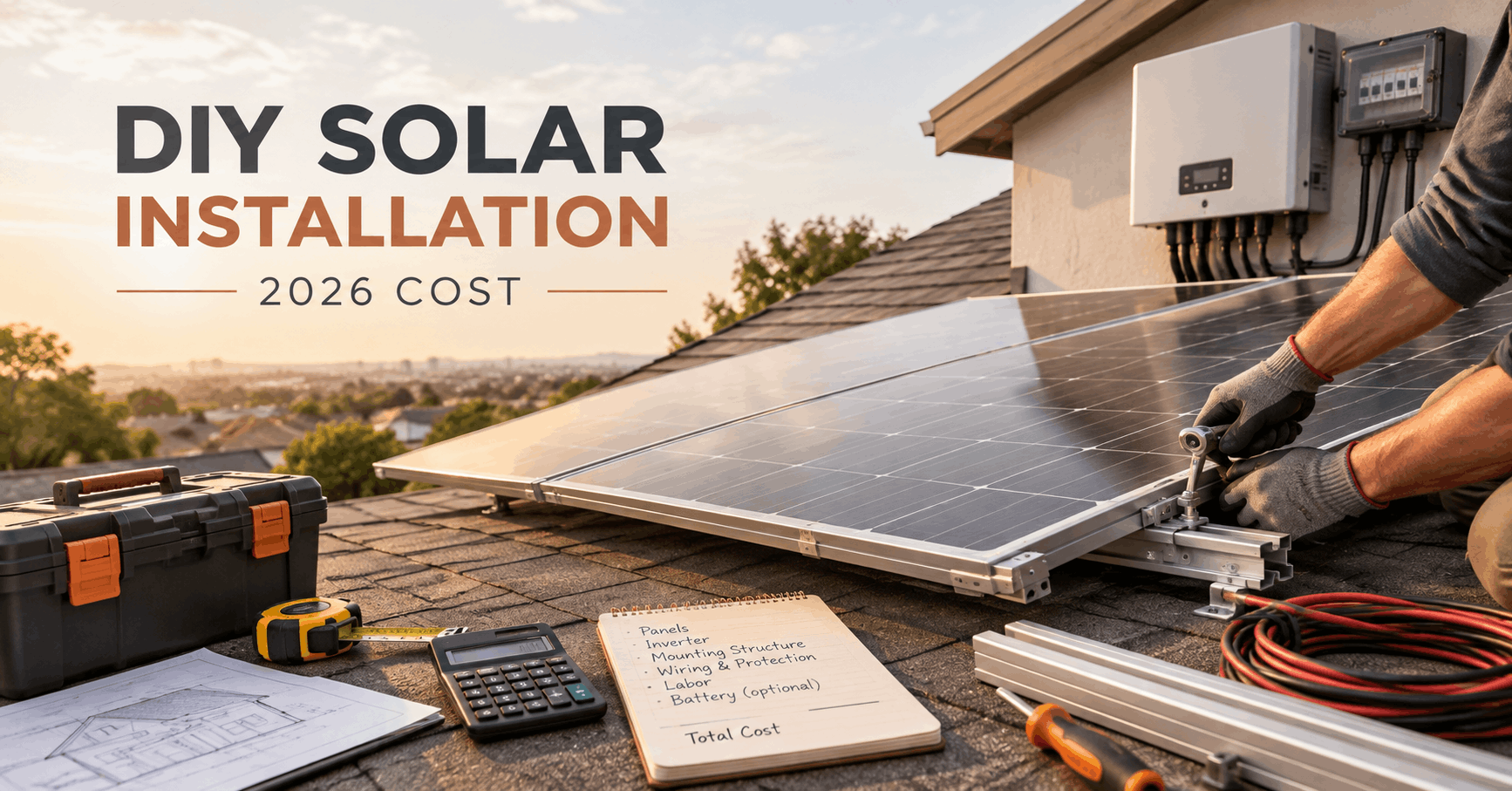
Yes, significantly more than professional installation. Rooftop electrical work carries real fall and shock risk, and improperly installed systems are far more likely to develop the wiring faults that cause the rare fires that do happen.
Do solar panels damage your roof?
They can, mainly through installation penetrations that aren’t sealed correctly. This is a workmanship issue, not an inherent flaw in solar technology.
How long do solar panels actually last?
Most panels are rated for 25 to 30 years, with performance dropping only slightly, roughly half a percent per year, over that span.
What happens if my installer goes out of business?
This is a real risk in a fast-growing industry. It’s why checking how long a company has operated, and whether their warranty is backed by a third party, matters more than people initially assume.
Glossary
Net metering, the billing arrangement that credits you for excess electricity your system sends back to the grid.
Inverter, the component that converts the DC electricity your panels produce into the AC electricity your home actually uses.
Degradation rate, how much a panel’s output declines each year as it ages, typically under 1%.
Arc fault, an unintended electrical discharge caused by a loose or damaged connection, a leading cause of solar-related electrical fires.
Rider (insurance), an add-on to a standard policy that covers something the base policy excludes, such as accidental damage to a solar array.
Sources referenced: U.S. Department of Energy, National Renewable Energy Laboratory (NREL), National Fire Protection Research Foundation, and standard homeowner’s insurance industry guidance. This article is for general information and isn’t a substitute for a property-specific inspection or a review of your own insurance policy.