Table of Contents
Why Jinko Solar Panels Stand Out in 2026
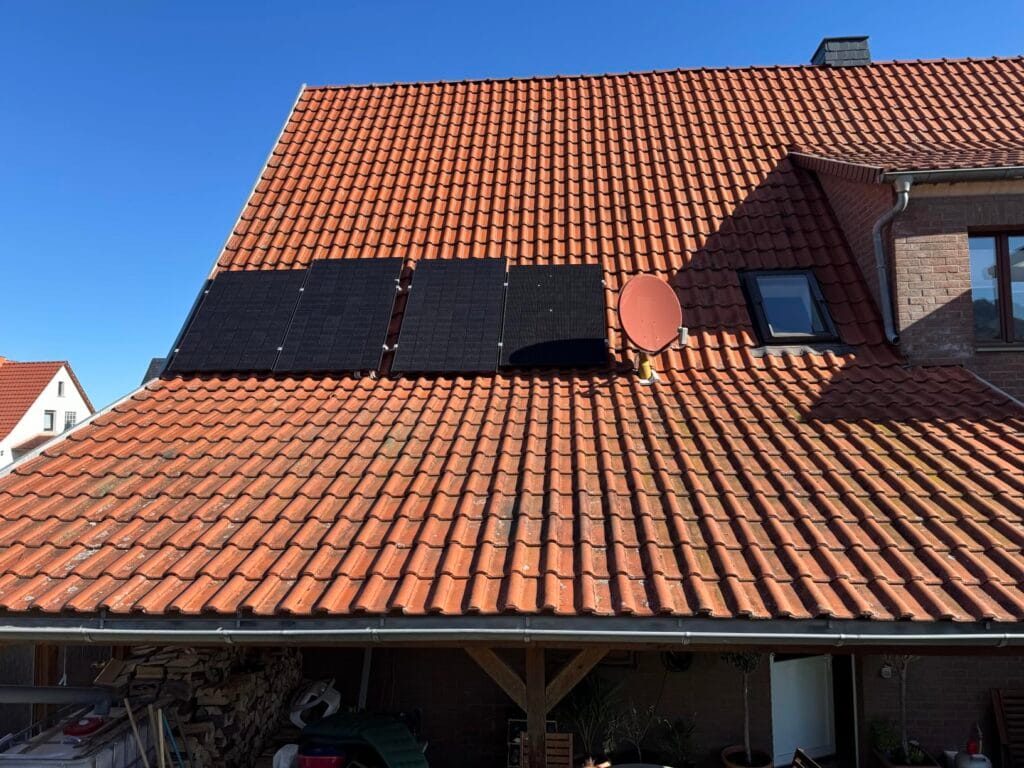
Walk onto a solar site in 2026, and the frames read the same name again and again: Jinko. By the company’s own count, one in every seven solar panels installed anywhere on the planet carries the Jinko badge.
Volume alone doesn’t explain why installers keep specifying the Tiger Neo 3.0 series, though. The real reason sits inside the cell: Jinko’s HOT technology platform, which builds on N-type TOPCon design with process upgrades that show up on a production meter, not just a lab report.
Since its November 2024 launch, Tiger Neo 3.0 has picked up roughly 20 GW in pre-orders, backed by 40 GW of dedicated annual manufacturing capacity, according to a May 2026 pv magazine report. Jinko also holds more than 5,700 patent filings worldwide, with over 3,500 already granted.
Key Features and Technology Behind the Tiger Neo 3.0
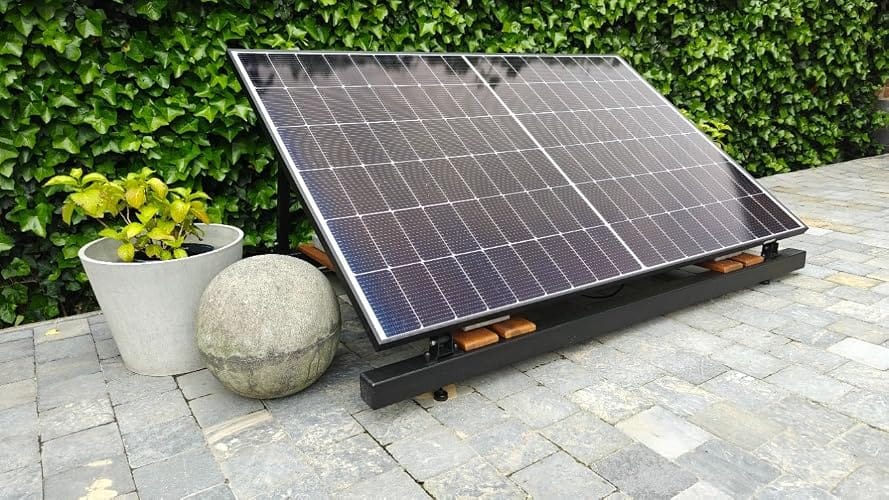
The Tiger Neo 3.0 ships in two sizes. The utility version reaches up to 670 W. The residential version tops out at 495 W, the first panel in the industry to hit that number, per Jinko’s launch announcement.
Both share the same cell recipe: multi-busbar optimization to cut current losses, edge passivation and enhanced metallization each adding roughly 0.5% cell efficiency, and pattern enhancement to trim contact resistance. Together, Jinko’s TOPCon cells have reached a record 27.79% efficiency, with finished modules landing at 24.8%.
The bifacial factor sits at 85% (±5%), above the roughly 80% typical of mainstream TOPCon and the 70-75% typical of back-contact modules. On reflective ground, that rear-side gain adds real kilowatt-hours over a year. The 66-cell, 2382 x 1134 mm format also fits most existing racking without custom engineering.
Efficiency, Performance, and Data-Driven Output Analysis
Efficiency ratings get measured in a lab at 25°C. Rooftops rarely stay that cool, which is where the temperature coefficient matters. The Tiger Neo 3.0 loses only 0.26% of output per degree Celsius above 25°C, versus 0.29-0.30%/°C for standard TOPCon panels. That gap compounds fast once cells hit 60-65°C on a summer afternoon.
Low-light performance holds up too: the panel keeps 95-98% of rated output at 200 W/m² irradiance, per IEC 61215-2:2021 testing on Jinko’s site, meaning more usable hours at dawn and dusk.
Degradation runs at 0.35% per year, down from 0.40% on the previous generation. Over 30 years, that adds roughly 1.5% more lifetime energy, per Jinko’s technical materials.
Do Jinko HOT 3.0 Panels Run Hotter or Cooler Than Older Models?
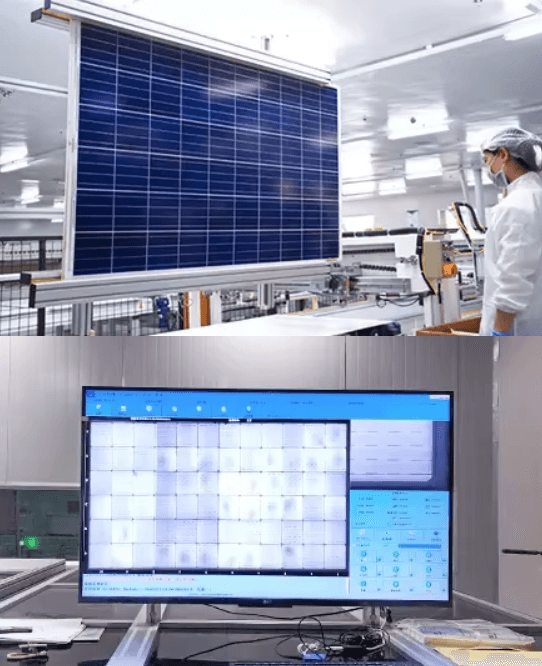
Short answer: they don’t run hotter in the sun than any other dark module. Physics doesn’t care whose logo sits on the frame. What changes is how much power the panel keeps once it heats up.
What Causes Hot Spots on Any Solar Panel
Hot spots are a general PV phenomenon, not a Jinko-specific flaw, and they show up on panels from every manufacturer:
- Shading – a chimney shadow or fallen leaf forces shaded cells into reverse bias, so they absorb power instead of producing it.
- Manufacturing defects or cell mismatch – a weak or cracked cell acts like a resistor, dumping current as heat.
- Loose wiring or failed bypass diodes – diodes route current around a struggling cell string; when one fails, that heat has nowhere to go.
None of this is brand-specific. It’s why bypass diodes exist, and why installers run thermal-camera checks at commissioning.
How HOT 3.0’s Cell Design Addresses Heat-Related Degradation
Jinko’s own technical materials describe the Tiger Neo 3.0 as having “excellent anti-shading and hot-spot prevention capabilities,” alongside its documented -0.26%/°C coefficient. The multi-busbar layout spreads current across more contact points, so one weak cell is less likely to become a bottleneck. Paired with the 0.35%/year degradation rate and 30-year power warranty, the panel is built for stable output through hot summers, though shading and installation quality still matter more than any single spec.
How Jinko Compares to Other Solar Panels in 2026
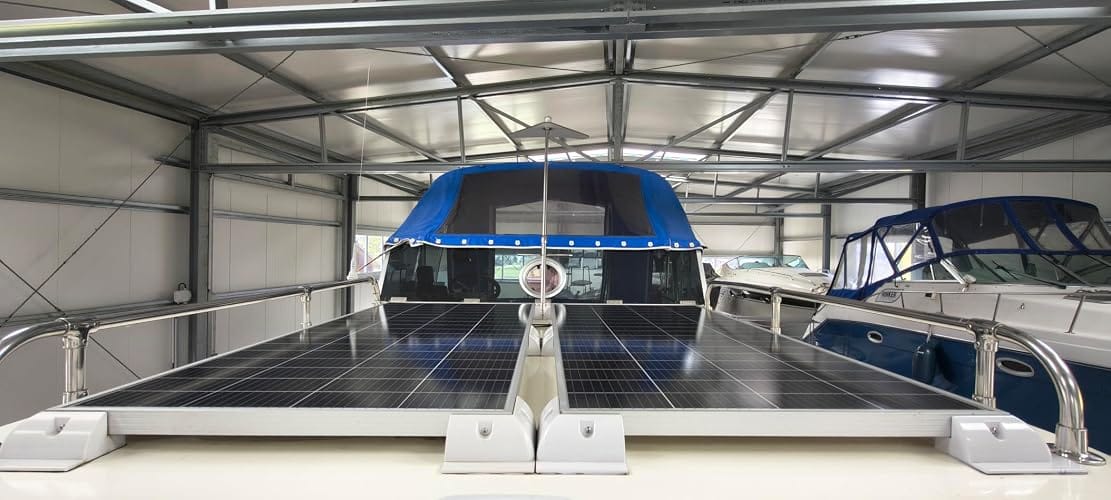
LONGi’s Hi-MO X10 reaches 24.3% efficiency. Trina’s Vertex S+ sits at 23.8%. Aiko’s back-contact Neostar tops the field near 25%. Tiger Neo 3.0 lands at 24.8%, close enough that the gap shows up only in detailed financial models, not on a power bill.
Where Jinko pulls ahead is bifaciality: 85% versus the 70-75% typical of back-contact modules, which matters on ground mounts and reflective roofing. HJT panels from REC and Canadian Solar post similar temperature coefficients but cost 10-15% more and represent a smaller slice of global supply.
Where Jinko HOT 3.0 Panels Are Actually Installed
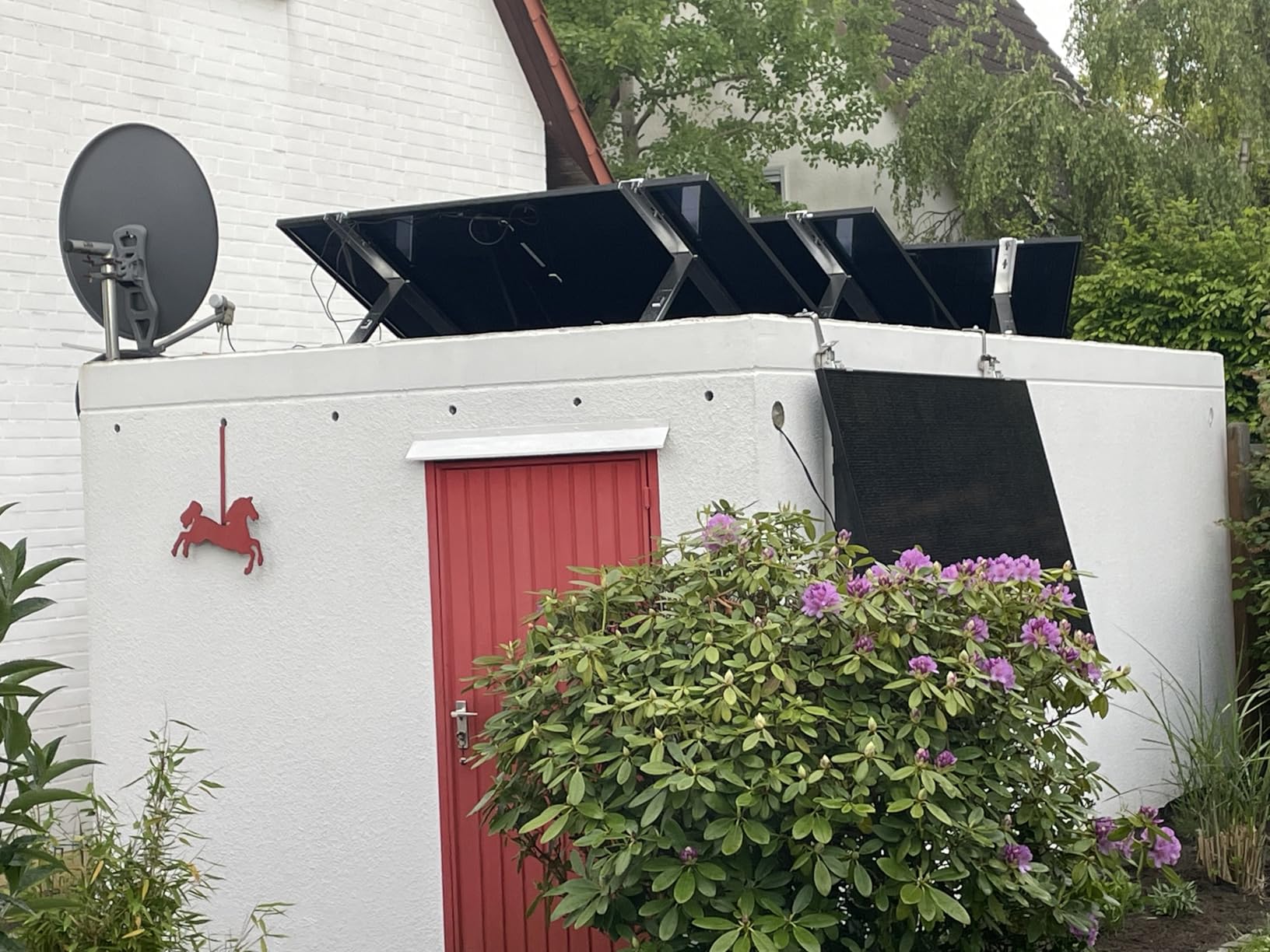
Jinko positions Tiger Neo 3.0 across three environments, and the use of Jinko solar panels looks a little different in each.
Residential rooftops benefit most from the low-light performance and higher per-panel wattage, meaning fewer roof penetrations on tight roof space.
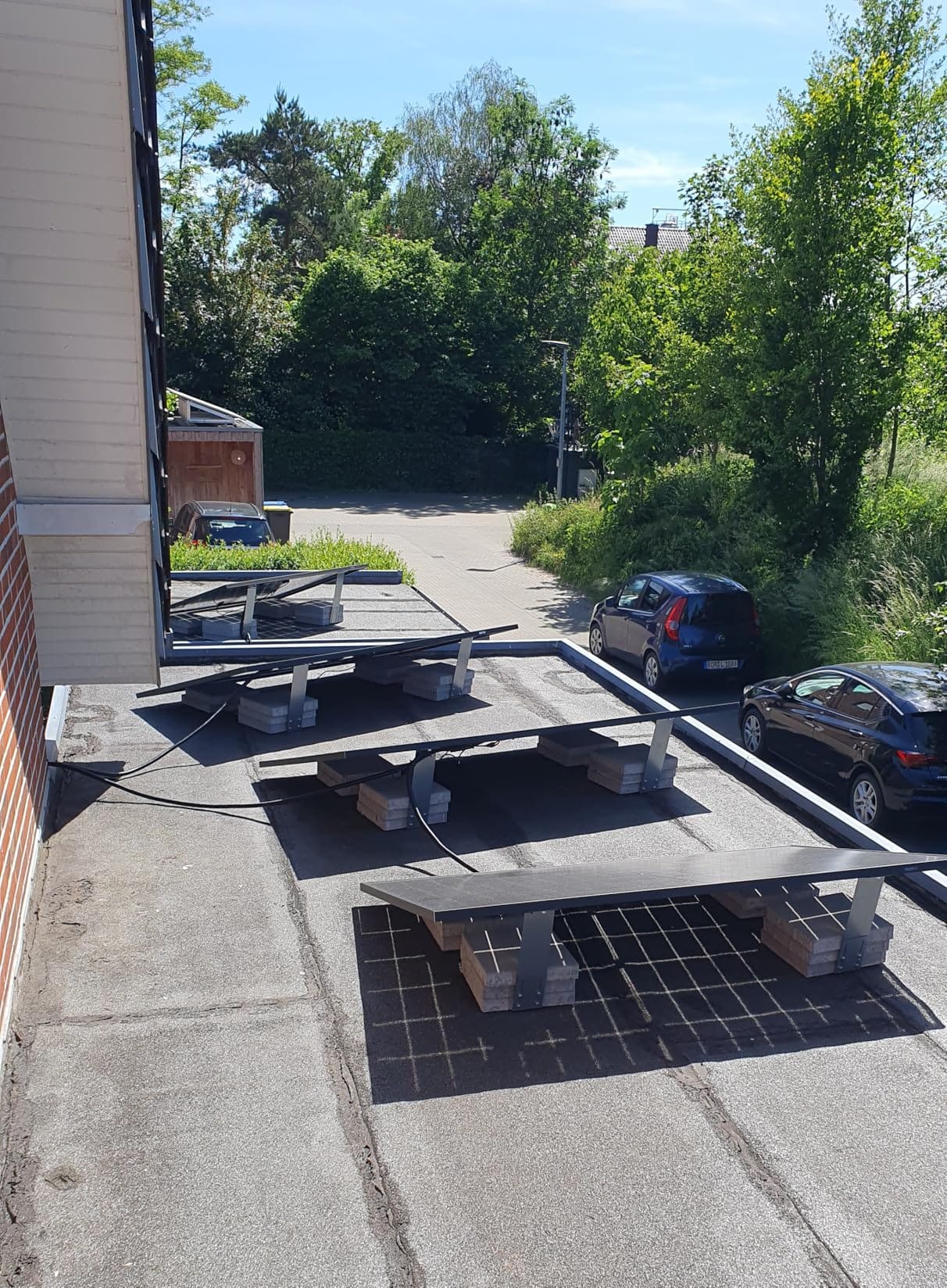
Commercial and industrial rooftops lean on that same low-light advantage, since flat roofs often deal with partial shading from HVAC units and parapets.
Utility-scale ground mounts care more about the bifacial factor, since large arrays over gravel or light soil recover meaningful extra yield from the panel’s rear side. Jinko frames it this way itself: bifacial strength for utility plants, low-light strength for C&I and residential systems. The hardware stays the same; the advantage that matters just shifts with the site.
Warranties, Reliability, and Long-Term Cost Savings
The Tiger Neo 3.0 carries a 12-year product warranty and a 30-year linear power warranty, guaranteeing more than 88% of original output after three decades, per Jinko’s published warranty schedule.
Project developers care more about levelized cost of energy than raw output. Per Jinko’s own data from a 100 MW project in Saudi Arabia, the higher bifaciality trims balance-of-system costs by roughly 2.4% and lowers LCOE by about 1.9% versus back-contact alternatives. Jinko also remains on BloombergNEF’s Tier 1 list as of 2026, a bankability marker financiers check before approving loans.
Environmental Impact and Sustainability
N-type TOPCon cells skip the light-induced degradation that hits older P-type PERC panels in their first months, so output stays closer to full capacity from day one. Higher wattage per panel also means less aluminum, glass, and silicon per watt installed, since a 670 W panel uses roughly the same frame as a much lower-wattage module. A 30-year service life instead of 25 means one fewer manufacturing cycle, and one fewer round of emissions, across a project’s life.
Is Jinko Right for Your Home?
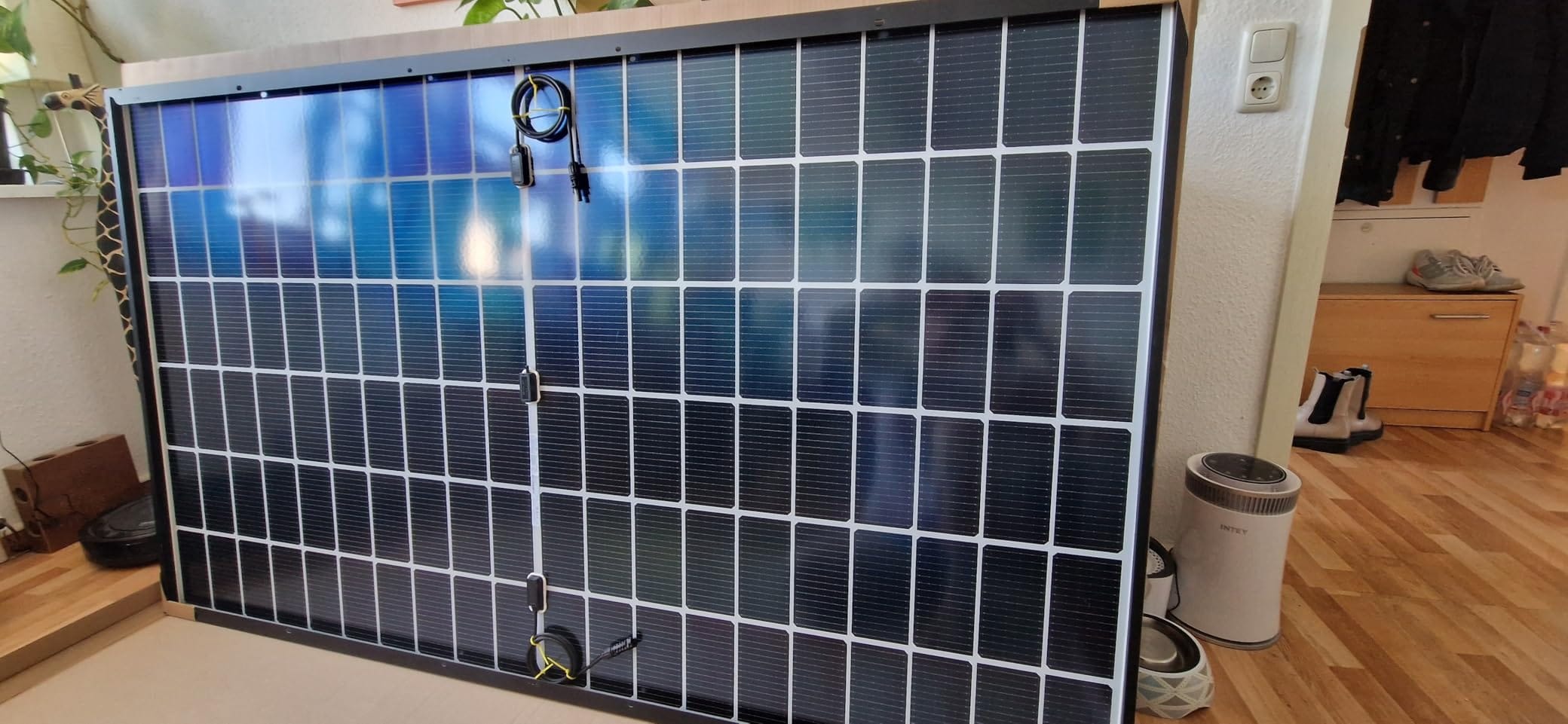
Where it wins: efficiency near the top of the 2026 field, strong bifacial gain, better-than-standard temperature performance, and a long, predictable warranty.
Where it matters less: a home with abundant roof space in a mild climate won’t see much benefit from the temperature-coefficient advantage. Back-contact panels edge it out on raw front-side efficiency, though the gap is small enough that most homeowners won’t notice it on a bill. The 66-cell format also weighs more than older 60-cell designs, so roof structure needs to account for it.
If you’re in Phoenix or Houston, the thermal performance earns its keep. In Seattle with a big roof, a lower-cost panel might do the job just as well.
FAQs
Do Jinko HOT 3.0 solar panels run hotter than older models?
No. Surface temperature is similar across dark panels. What differs is how much power Tiger Neo 3.0 keeps as it heats up, thanks to its -0.26%/°C coefficient.
What causes hot spots on solar panels?
Shading, cracked or mismatched cells, and failed bypass diodes, a general PV issue that isn’t specific to any manufacturer.
Does HOT 3.0 technology reduce hot-spot risk?
Jinko markets the module with built-in anti-shading and hot-spot prevention design, mainly through its multi-busbar layout, though shading from trees or debris can still trigger hot spots on any panel.
Can overheating permanently damage a solar panel?
Yes. Sustained hot spots can crack glass, degrade the backsheet, or create a fire risk in severe cases, which is why thermal inspections matter.
How does temperature affect a Jinko panel’s efficiency over time?
Two effects apply: short-term loss during heat, set by the temperature coefficient, and long-term degradation of 0.35% per year, both covered under the 30-year warranty.
Are Jinko HOT 3.0 panels a good fit for hot climates?
Yes. Jinko’s materials cite up to roughly 0.9% more annual energy in hot climates versus panels with a less favorable coefficient.
What’s the temperature coefficient on Jinko’s HOT 3.0 panels?
0.26%/°C of Pmax, confirmed on Jinko’s official datasheet.
Where are Jinko HOT 3.0 panels typically installed?
Residential rooftops, commercial and industrial roofs, and utility-scale ground mounts. The advantage that matters most shifts by site.
How is HOT 3.0 different from Jinko’s earlier HOT 2.0 cell technology?
Later HOT generations add metallization enhancements cutting aluminum content by around 90% and lifting cell efficiency by roughly 0.5%, alongside better bifaciality and lower degradation.
Does hot weather affect a Jinko solar panel’s warranty?
No. The 12-year product warranty and 30-year power warranty apply regardless of climate, since the panel is IEC-certified for high-heat operation as standard.
Summary
The Tiger Neo 3.0 isn’t a marginal upgrade dressed up in new marketing. It’s a real combination of cell efficiency, bifacial gain, temperature performance, and warranty backing, verified by Jinko’s published specifications and independent industry reporting. Whether it’s worth the premium comes down to your roof, your climate, and how much that last percentage point of output is worth to you.