
The Author
Table of Contents
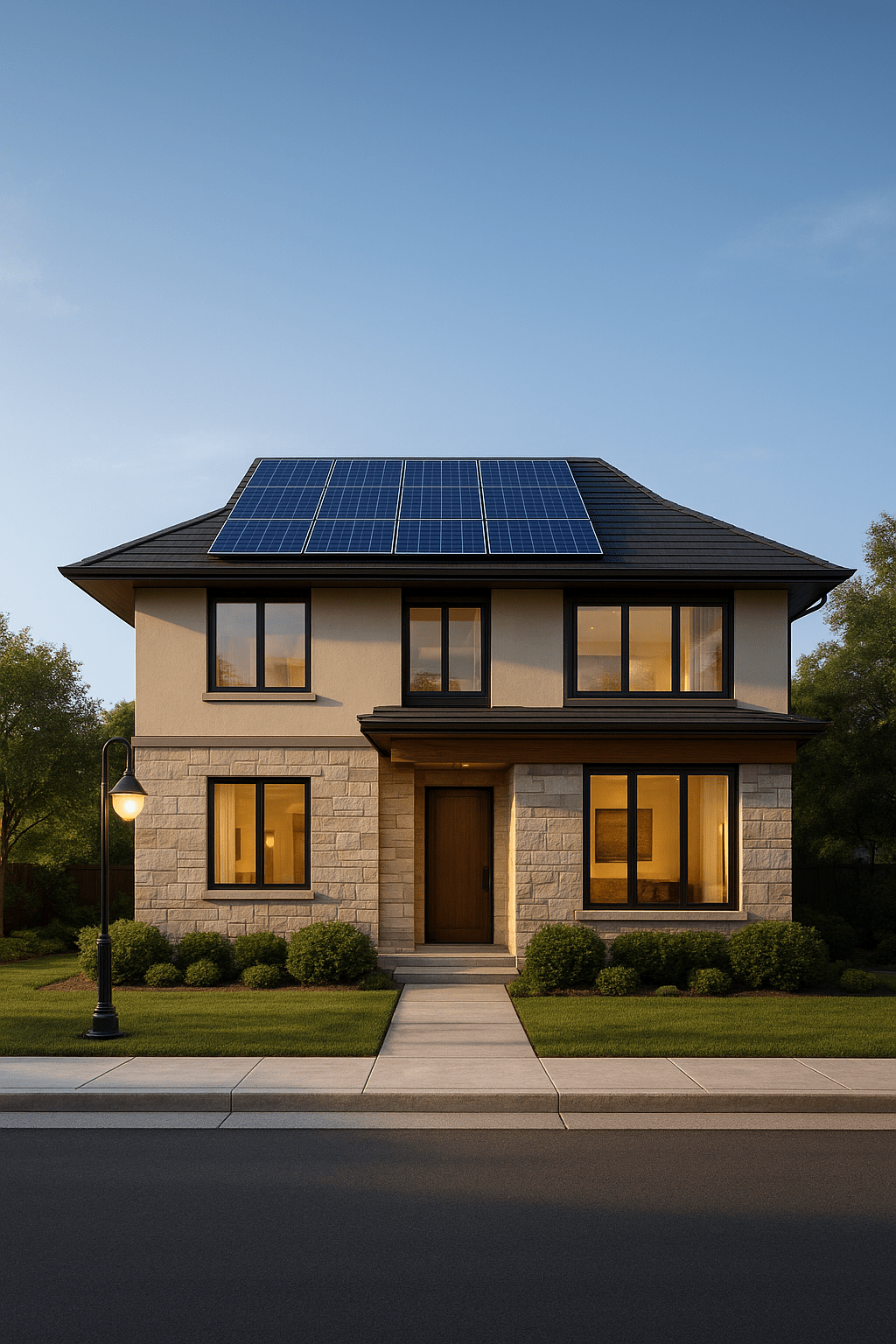
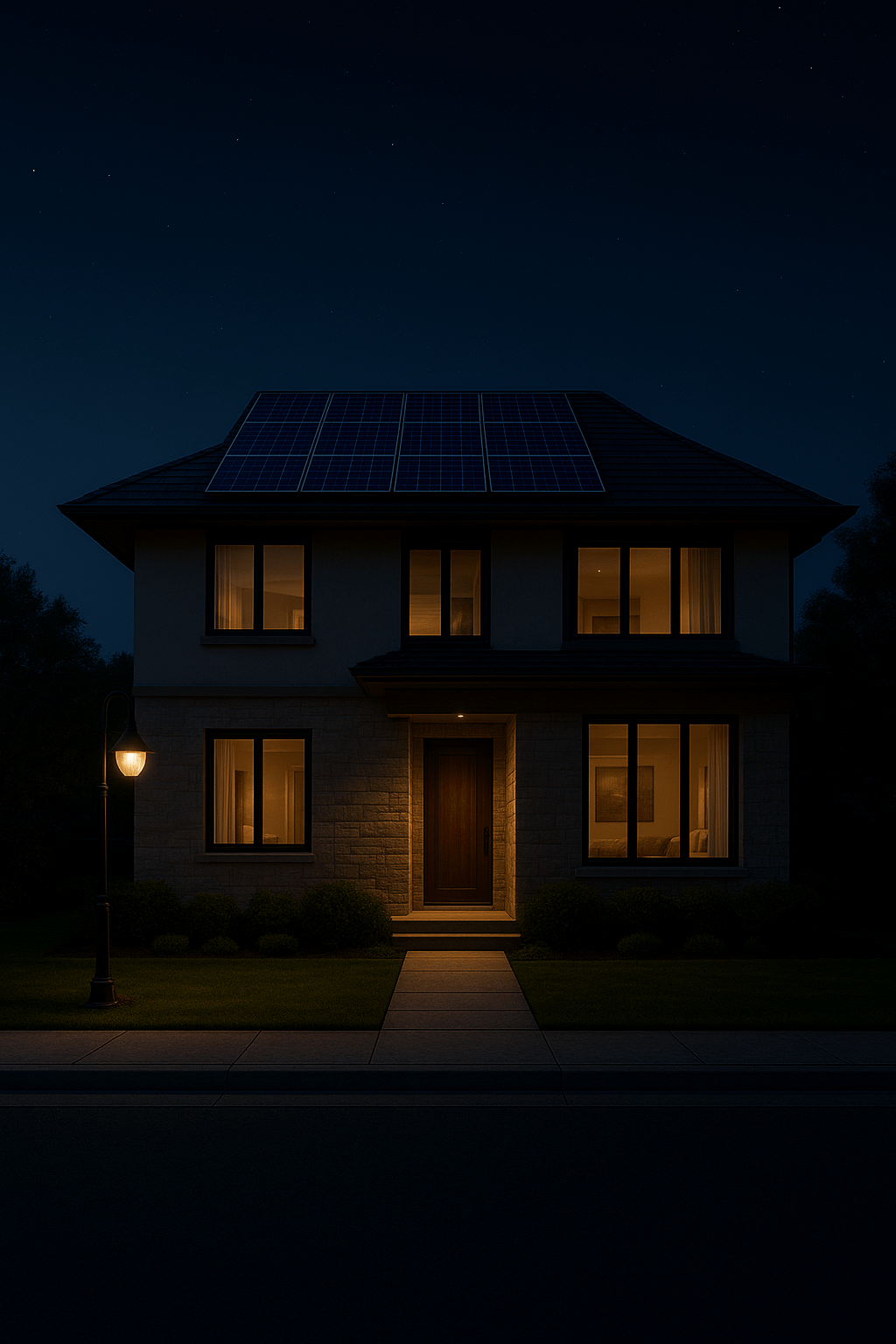
Your roof works all day, turning sunlight into power for your fridge, your lights, and your TV. At night, you sleep under that same roof. Is it safe to sleep near solar panels? Here’s a clear answer, in plain words, without scary claims.
Is It Safe to Sleep Near Solar Panels? Quick Answer
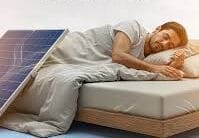
Yes. Solar panels create a weak electromagnetic field. This field drops fast as you move away from it. Your bedroom ceiling sits several feet below the panels, so almost nothing reaches your pillow.
The inverter and battery produce a stronger field than the panels. Even so, this field also drops fast with distance. A good installer keeps this equipment away from bedrooms. Your panels sit on the roof. You sleep below, undisturbed.
What EMF Means
Every device using electricity creates an electromagnetic field, or EMF, while it runs. Your fridge does this. Your TV does this. Your phone charger does this too. Solar panels work the same way. Electricity moves through the cells and cables, and this movement produces a small field.
The word “radiation” sounds alarming, but it covers many everyday things. Light from a bulb is radiation. Heat from a stove is radiation. A radio signal is radiation. None of these harm you at normal exposure levels.
Ionizing vs Non-Ionizing Radiation
Scientists split radiation into two groups. The first group carries strong energy, like X-rays and gamma rays. Doctors use these with care, because they pass through body tissue and damage cells. This is ionizing radiation.
The second group carries weak energy, like sunlight, radio waves, and Wi-Fi signals. This is non-ionizing radiation. It does not carry enough energy to harm your DNA. Solar panels fall into this second group. They produce a small, non-ionizing field.
How Solar Panels Make Power
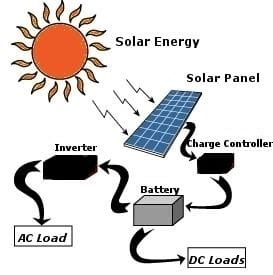
Solar cells convert sunlight into electricity without burning fuel or making smoke. Inside each cell sits a layer of silicon. Sunlight hits this layer and knocks electrons loose. These electrons move and form direct current, or DC power.
An inverter then turns DC power into AC power. Your home appliances run on AC, so this step lets your lights, fridge, and TV work as normal. Major brands like Tesla, LONGi, and JinkoSolar all follow this same basic process, though their designs differ slightly.
Solar panels have no motors and no moving parts. They don’t transmit wireless signals either. They simply turn light into power, so their field stays low. Distance adds another layer of protection, because panels sit several feet above your ceiling. By the time any field reaches your bedroom, its strength has already dropped.
The Real Source of EMF in Your Home
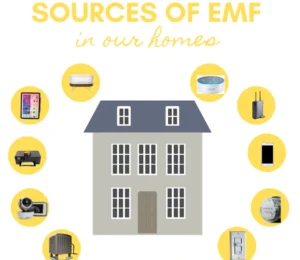
Rooftop panels aren’t the main concern. Wall-mounted equipment handles more electrical work, and this equipment produces more of the EMF in your home.
- Solar inverters. The inverter switches current thousands of times a second to convert DC into AC. This produces a stronger field than the panels, though it still drops fast with distance. Common brands include Enphase, SolarEdge, and SMA.
- Wiring. Cables connecting your panels, inverter, and breaker panel carry current, much like normal household wiring. A good installer routes this wiring through walls and conduit, away from living areas.
- Battery storage. Systems like the Tesla Powerwall charge and discharge power daily. Installers usually place these in garages or utility rooms instead of bedrooms.
Sleeping Near Panels vs Sleeping Near Inverters
Many homeowners picture the panels as the biggest source of exposure, since they cover a large part of the roof. The facts tell a different story. Wall-mounted equipment deserves more attention than rooftop panels.
A bedroom directly below solar panels sits in a very different position than a bedroom sharing a wall with an inverter. Distance still matters more than the presence of a solar system itself.
Safe Placement Tips
- Install the inverter in a garage, utility room, or outside wall.
- Keep battery storage away from bedrooms.
- Leave open space around equipment for easy service access.
- Follow your installer’s placement guidance for your specific home layout.
How Solar EMF Compares to Everyday Devices
Every device using electricity produces a field. The size of this field depends on current, distance, and how long the device runs.
Natural background radiation already surrounds you, from soil, rocks, and the sky. Solar panels don’t add ionizing radiation to this mix. They only produce the weak, non-ionizing kind.
Your home already holds devices sitting closer to your body than any rooftop panel. Your phone stays in your pocket most of the day. Your Wi-Fi router sits on a nearby shelf, running around the clock. Your solar inverter, by comparison, runs only during daylight hours and sits farther from where you sleep. Once you compare exposure time and distance side by side, your rooftop solar system stops looking like the biggest source of EMF in your house.
What Research and Safety Standards Say

Health researchers have studied EMF from electrical equipment for decades. Groups like the World Health Organization have reviewed this research and found no link between low-level EMF and health harm.
No study connects rooftop solar systems to cancer or other disease. Panels produce non-ionizing fields, a different category from the ionizing radiation used in medical scans. Safety agencies test solar equipment for electrical faults, overheating, and fire risk, not for dangerous radiation, because panels don’t produce that type in the first place.
Solar equipment goes through testing for insulation, heat resistance, and mechanical strength before it reaches your roof. Installers also follow local electrical codes before connecting a system to your home. Organizations such as the International Commission on Non-Ionizing Radiation Protection set the exposure limits used to judge whether a device sits in a safe range. Solar equipment measured against these limits sits well below the threshold, even when tested close to the unit.
Reviews from health and energy agencies treat rooftop solar as a low concern compared with other electrical sources found in a typical home.
City vs Rural Homes: Does Location Change Anything?
A solar system works the same way whether it sits on a city rooftop or a rural farmhouse. The panels, inverter, and wiring follow identical physics in both settings. What changes is the surrounding electrical environment. City homes often sit closer to power lines, transformers, and dense Wi-Fi networks from neighboring buildings. Rural homes usually have fewer nearby electrical sources. Either way, the solar system stays a small piece of the total EMF picture around your home.
How to Reduce EMF Exposure for Extra Peace of Mind
Some homeowners like extra precautions, even after learning the facts. These steps are simple and easy to plan during installation.
- Place the inverter in a garage or utility room, away from bedroom walls.
- Store batteries in a utility space with good airflow.
- Hire a licensed installer who follows electrical codes and proper wiring practices.
- Ask your installer about microinverters, since these spread the electrical load across the roof instead of one indoor unit.
Common Misunderstandings About Solar Panels and Sleep

Some people believe solar panels cause cancer. No evidence supports this. Panels don’t produce ionizing radiation, the type tied to cell damage.
Some people believe living or sleeping near panels is dangerous. Millions of homes carry rooftop solar systems worldwide. Safety data continues to support their use in bedrooms, living rooms, and homes near schools and hospitals.
Some people believe all EMF is harmful. Every electrical device produces some field. What matters is the type, the strength, and the distance from the source. Solar panels sit at the low end of this scale.
FAQs
Is it safe to sleep near solar panels?
Yes. Rooftop panels sit above your ceiling and produce a weak, non-ionizing field. By the time it reaches your bedroom, the strength has already dropped.
Is it safe to sleep near a solar inverter?
The inverter produces a stronger field than the panels. Installers usually place it in a garage or utility room, away from bedroom walls, to keep exposure low.
Do solar panels produce radiation?
Yes, though it’s the non-ionizing kind tied to normal electricity flow. This differs from the ionizing radiation used in X-rays.
Which part of a solar system produces the most EMF?
The inverter usually produces the strongest field, followed by battery storage and wiring. The panels themselves produce the least.
Does solar EMF cause cancer?
Current research shows no link between residential solar EMF and cancer risk.