Table of Contents
Our Community Center Finally Lit Up Safe When We Went Solar
When Nobody Wanted To Come At Night
Our community center had a serious problem. After sunset it was dark. People didn’t feel safe coming to evening programs. Parents picked up kids during daylight only. The evening basketball league moved to a different facility. Everything happened during the day. The whole purpose of a community center suffered because we couldn’t light the parking lot and surrounding areas properly. The wired lighting system needed new infrastructure. Thousands of dollars. Months of work. Trenching. Utilities involvement. It felt impossible.
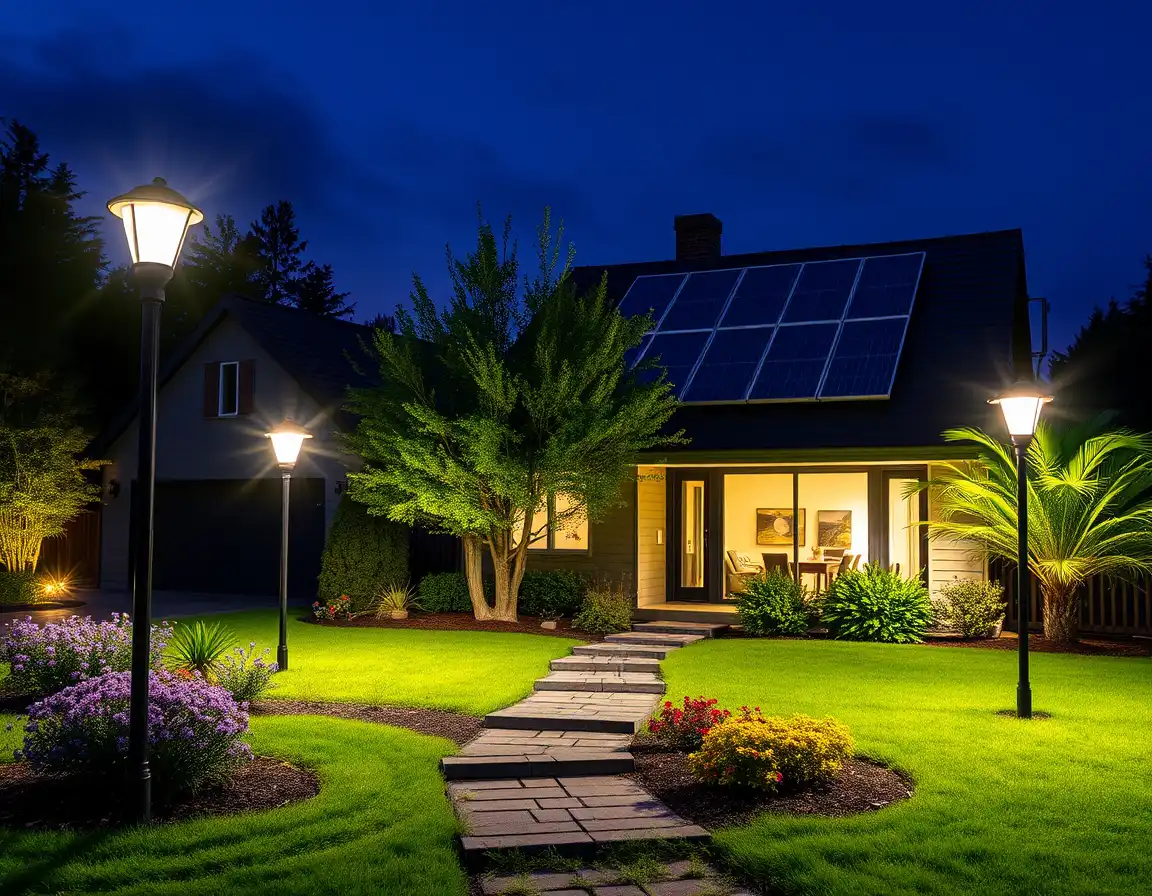
Then someone suggested solar community center lights. I thought it was a joke. Solar lights seemed too weak for a whole facility. But I researched and found out the technology changed. Modern solar systems are powerful. They work for community spaces. We installed solar throughout our center and something wonderful happened. Evening programs filled up. Parents felt safe dropping off kids. The basketball league came back. People actually used our center when the sun went down.
Why Community Centers Need Good Lighting
Community centers serve evening programs by definition. After-school activities. Adult classes. Sports. Community meetings. Everything happens in evening hours. If the space isn’t lit properly, people don’t come. That’s simple economics. Good lighting means more programs. More programs mean more community engagement.
Safety is essential. Unlit parking lots feel dangerous. Unlit pathways are hazardous. People trip. They don’t know who’s around them. Crime thrives in darkness. A well-lit community center attracts people. Feels secure. Enables participation.
The psychological impact matters. Dark public spaces feel abandoned. Neglected. Like nobody cares about the community. Well-lit spaces feel maintained. Important. Cared for. That affects whether people actually show up.
Accessibility becomes an issue. Elderly people don’t navigate dark areas easily. Parents carrying children need to see where they’re walking. Basketball players need proper brightness. Different activities require different light levels.
What Solar Community Center Lighting Actually Provides
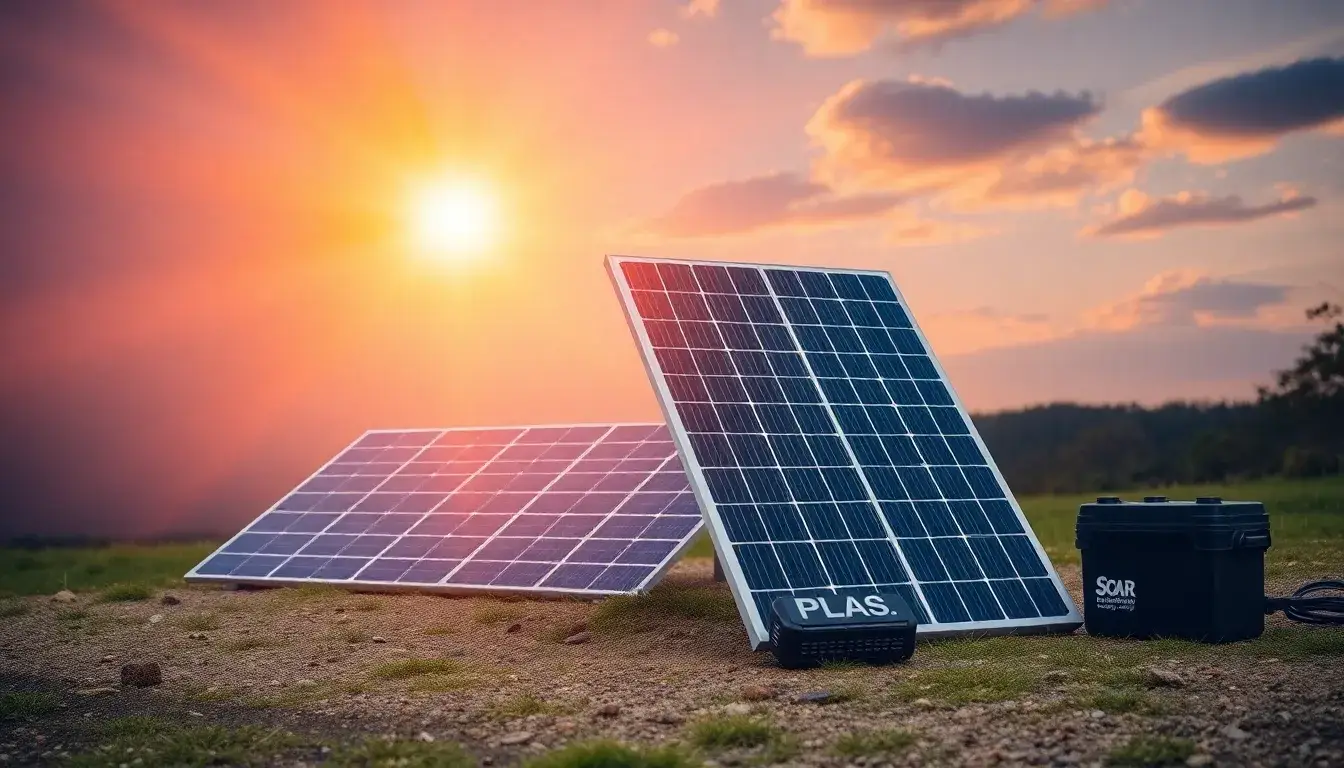
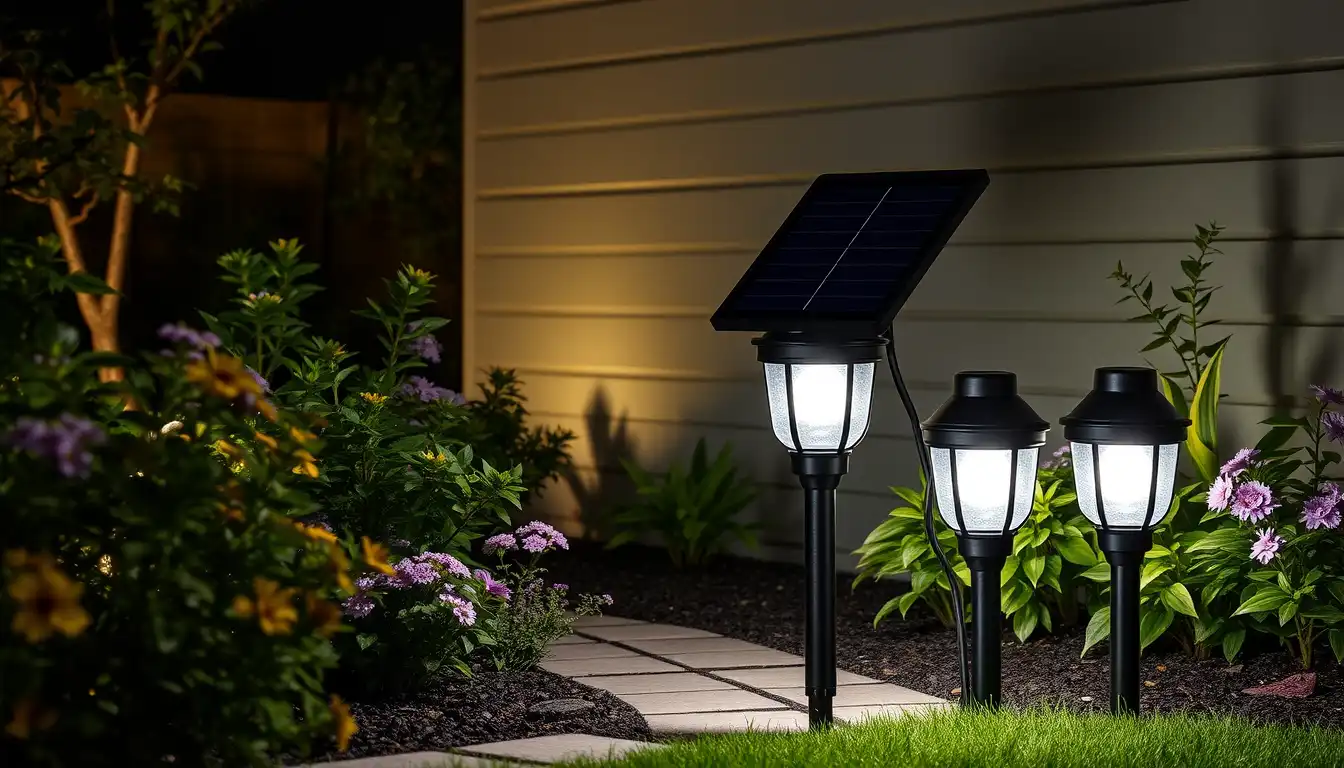
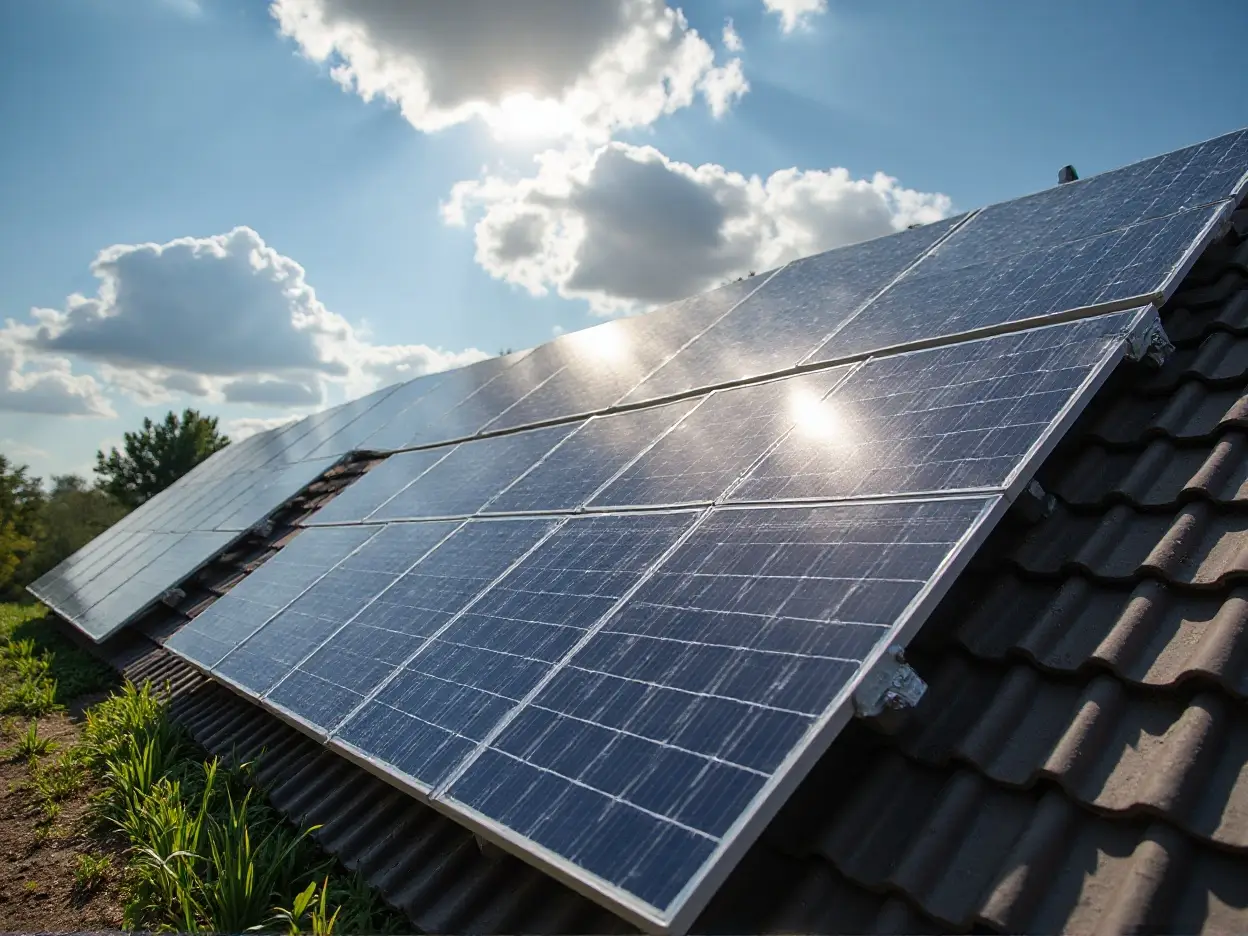
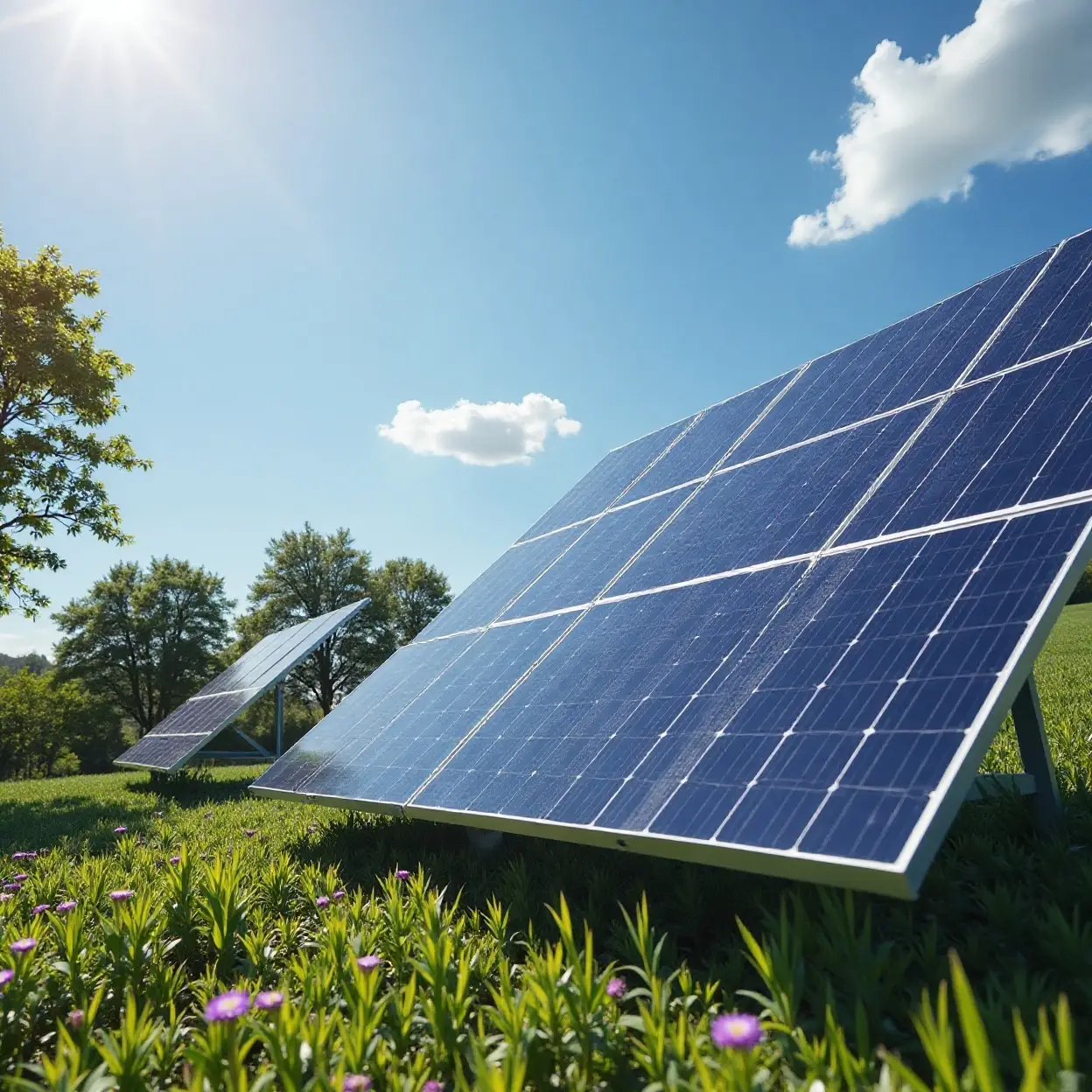
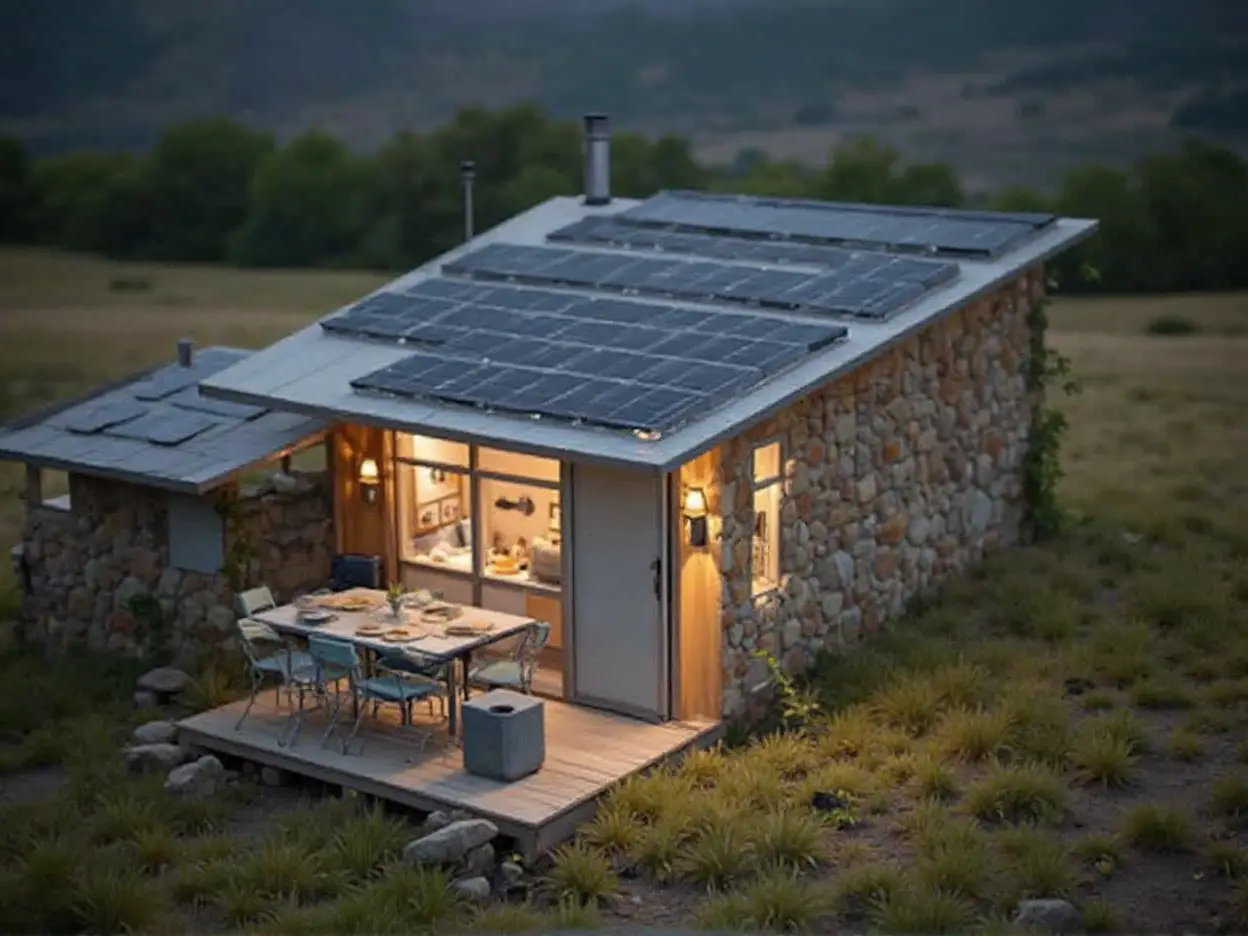
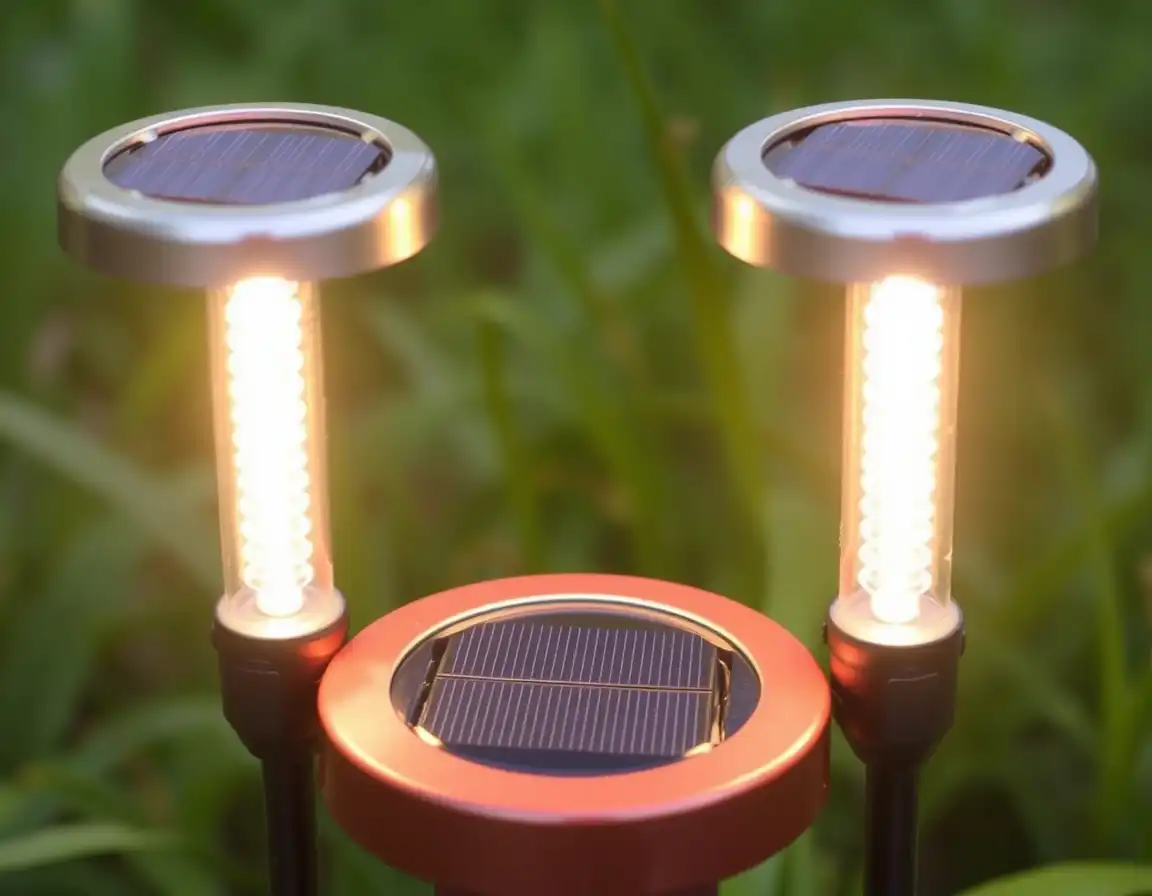
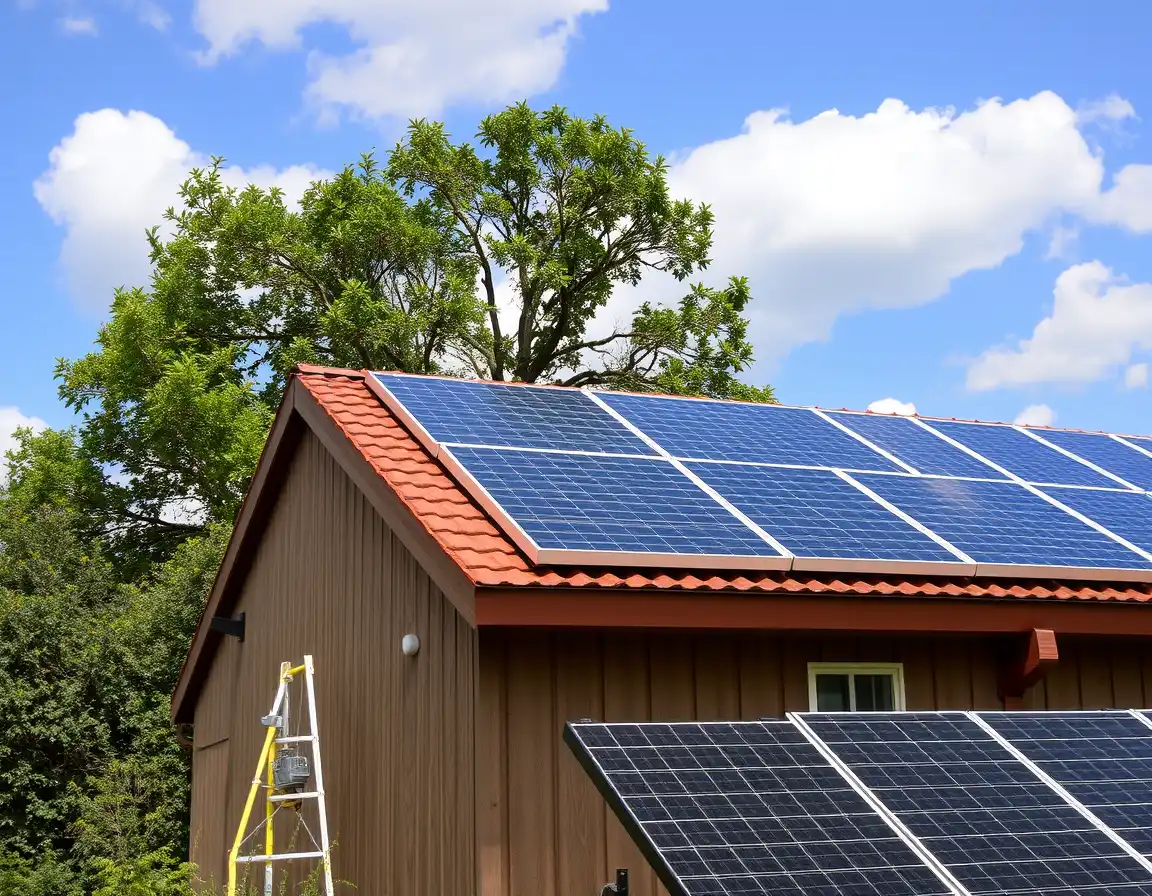
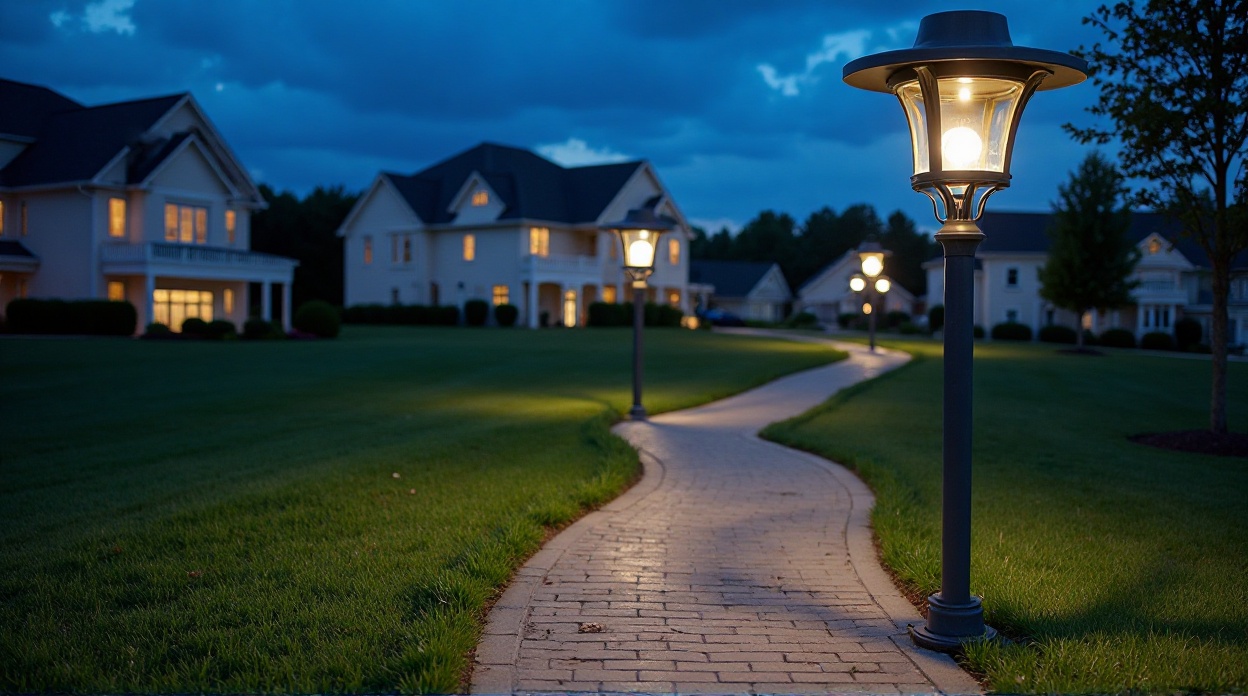
Modern solar systems for community centers include solar panels, batteries, and smart LED fixtures. The panels charge during daylight. Batteries store that power. Lights turn on automatically at dusk. They operate all evening. Zero electricity bills. Zero wired infrastructure needed.
Smart controls now standard in 2026. Motion sensors brighten lights when people are present. Dimming when activity stops. Battery conservation. Adaptive brightness based on actual need. No wasted energy. No overly bright empty parking lots.
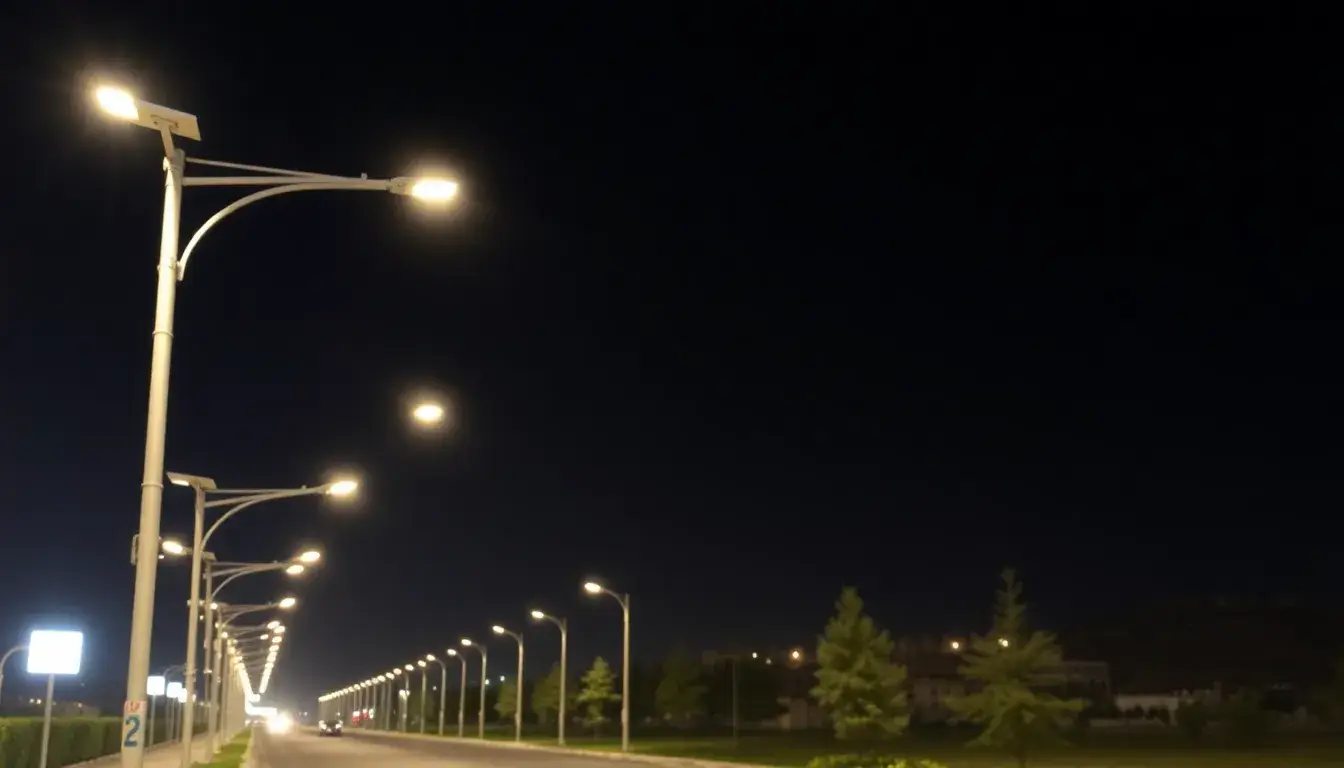
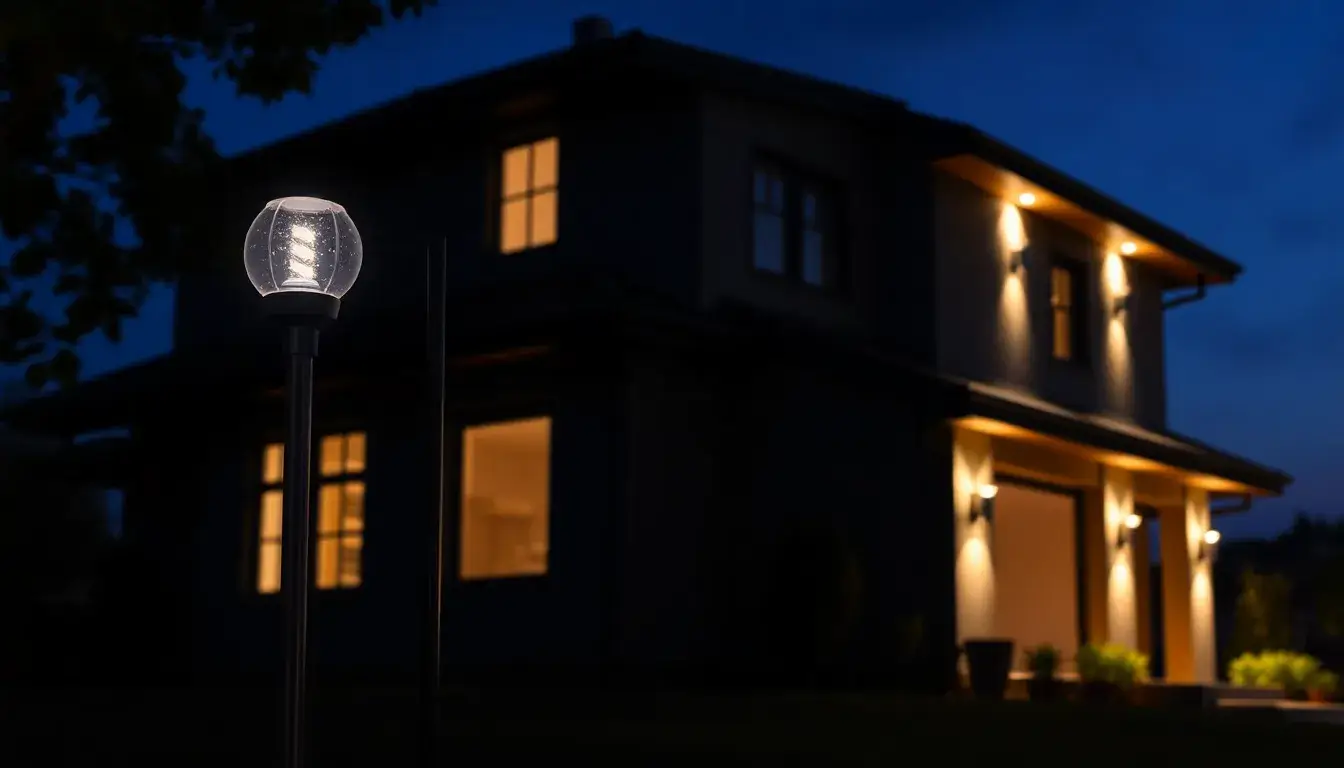
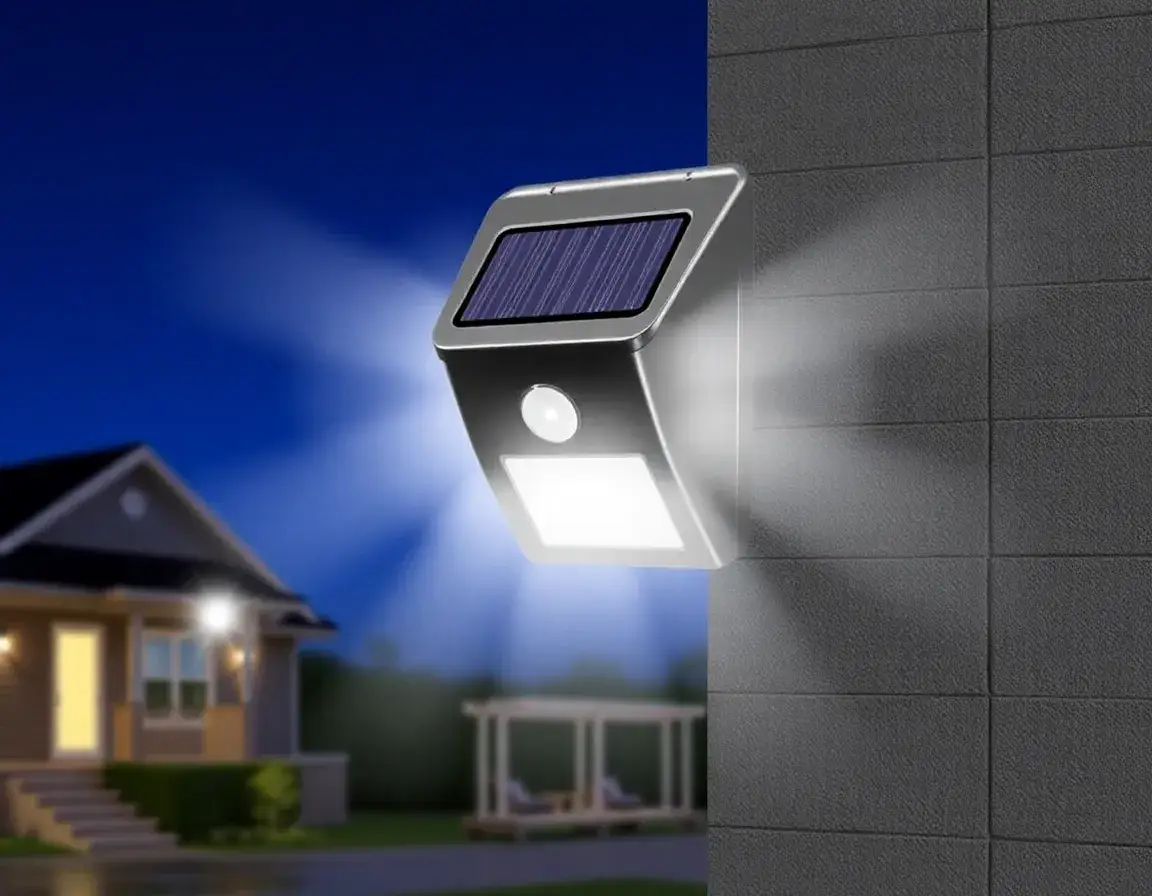
Multiple mounting options exist. Bollard lights for pathways. Area lights for parking lots. Wall-mounted fixtures on buildings. Accent lighting for landscaping. You customize exactly what your center needs.
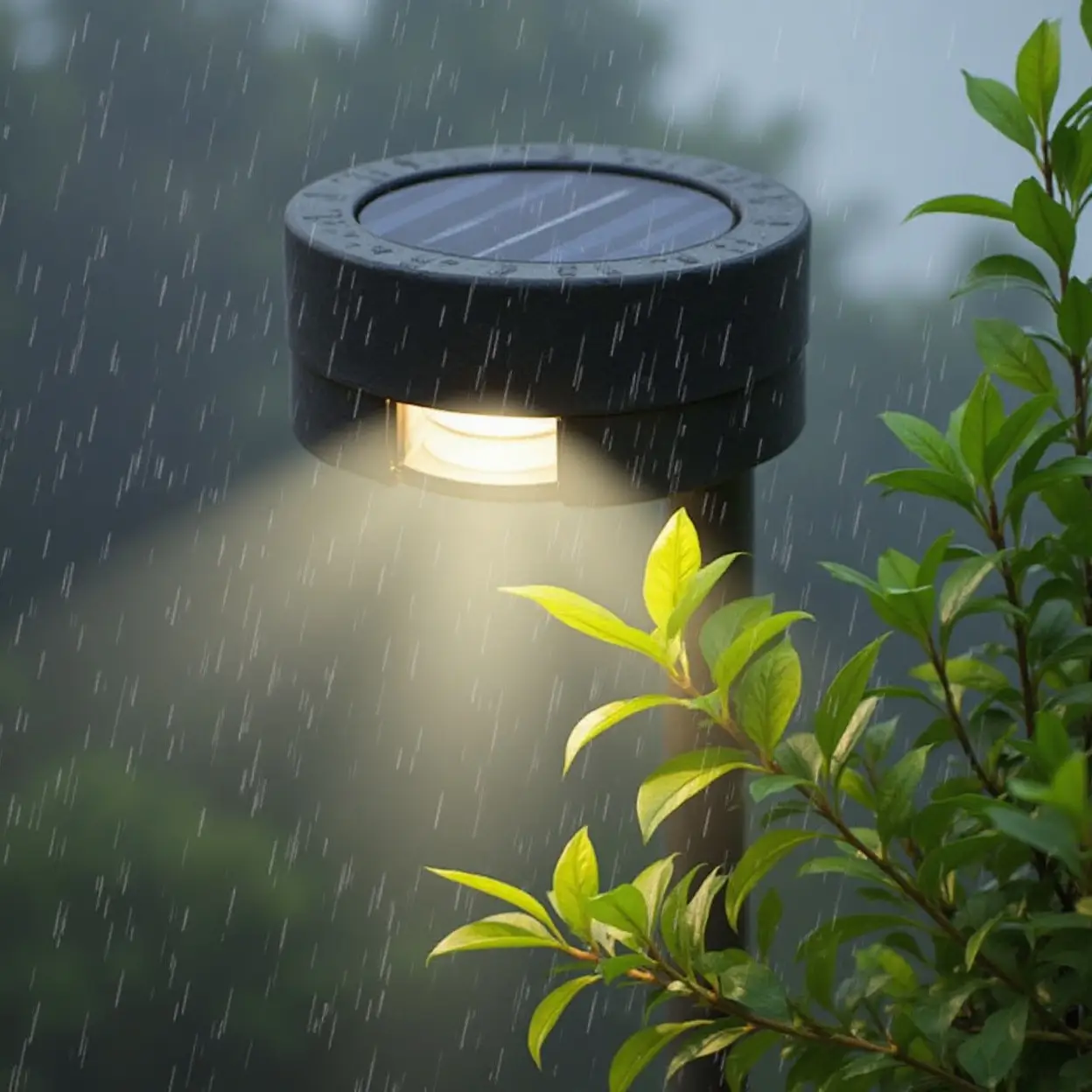
Reliability improved dramatically. LiFePO4 batteries last thousands of charge cycles. Weatherproof IP65 and IP67 ratings mean snow, rain, heat all handled. These systems work in tough conditions.
Smart monitoring from anywhere. Apps show battery status. Light performance. Issues detected before problems appear. Proactive maintenance prevents outages.
Real Community Centers Doing This Successfully
A recreation center in Ohio installed solar parking lot lights. Evening programs doubled within six months. Safety concerns disappeared. The parking lot feels welcoming now. Cost recovered in energy savings within three years.
A city park system installed solar throughout their facility. Evening events attracted larger crowds. Safety incidents dropped significantly. Maintenance costs nearly zero. The community thrives in evening hours now.
A youth center in an underserved neighborhood added solar lighting. Young people now gather safely after dark. Programs expanded. Community life transformed. The lights changed what was possible.
A municipal building campus added solar area lights around structures. Evening visitors feel safe. Parking is secure. The whole campus looks maintained and cared for now.
2026 Technology Making Community Solar Work
- Dual solar panels charge faster. Cloudy day performance improved. Reliable operation year-round.
- AI-powered dimming optimizes energy usage. Predicts weather patterns. Adjusts brightness accordingly. Maximum efficiency always.
- WiFi integration connects systems to municipal networks. Remote monitoring from offices. Real-time adjustments possible from anywhere.
- Motion detection works reliably now. Fewer false activations. Better battery life. Intelligent response to actual human presence.
- CCTV integration available. Security cameras powered by solar. Monitoring capability built in. Safety and lighting combined.
- Color temperature selection allows warm light for ambiance. Cool light for security. Communities choose what works for their space.
- Emergency features added to modern systems. Call buttons. Alarm capabilities. Light flashing to indicate emergencies. Safety infrastructure integrated.
Real Advantages For Community Centers
- Zero electricity costs. Free light from the sun forever.
- No trenching. No infrastructure work. No construction delays.
- Improved programming capability. Evening activities attract crowds.
- Enhanced safety perception. People feel secure.
- Sustainable operations. Environmental responsibility.
- Low maintenance requirements. Batteries replaced every five to ten years.
- Scalable expansion. Add lights as budget allows.
- Impressive curb appeal. Community facilities look maintained and professional.
Real Disadvantages For Communities
- Upfront cost is significant. Large systems cost thousands. Real money for municipal budgets.
- Weather dependent. Cloudy regions need larger systems. Winter reduces charging dramatically. You need backup capacity.
- Battery replacement expensive. LiFePO4 batteries cost money. Plan for replacement every five to ten years.
- Installation requires proper placement. Shading reduces efficiency. Sun exposure essential. Planning matters.
- Durability depends on quality. Cheap systems fail. Premium systems perform reliably.
- Customization limited sometimes. Pre-designed packages easier. Custom systems more expensive and time-consuming.
- Integration complexity increases. Adding cameras or WiFi demands technical knowledge.
How Communities Implement Solar Center Lighting Successfully
Start with an energy audit. Understand what lighting you actually need. Don’t oversize systems. Oversizing wastes money. Plan for five-year payback. Solar costs upfront but saves ongoing. Calculate real ROI for your community. Choose quality components. Cheap systems fail. Premium systems cost more but deliver results. Position everything correctly. South-facing placement optimizes charging. Avoid shading from trees or buildings. Proper installation prevents problems. Maintain regularly. Clean panels every six months. Check battery connections. Monitor performance data. Plan for growth. Leave capacity for additional lights. Communities expand needs over time. Get the community involved. Ask residents what improvements they want. Invest in spaces people actually use. Combine lighting types. Solar for ambiance and pathways. Regular lighting for high-use areas if needed. Hybrid approaches work best sometimes.
Summary
Solar community center lighting transforms evening programming possibilities by providing reliable, safe illumination without grid infrastructure or electricity bills. The author’s community center struggled with evening attendance due to poor lighting, but solar installation enabled after-dark activities. Modern solar systems feature dual solar panels for improved charging, LiFePO4 batteries rated for thousands of cycles, and intelligent controls that adjust brightness based on motion detection. Real communities report doubled evening program participation, enhanced safety perception, and near-zero maintenance costs. Municipal applications expand from parking lots to pathways to building perimeters. 2026 advances include AI-powered dimming that predicts weather patterns, WiFi connectivity enabling remote monitoring, and integrated CCTV systems powered by solar. Weatherproof IP65-IP67 ratings handle heavy rain, snow, and extreme temperatures. Emergency features add call buttons and alarm capabilities to light fixtures. Cost recovery typically occurs within three to five years through eliminated electricity expenses.