Table of Contents
I Almost Missed the Deadline
I procrastinated on solar for three years. My electricity bill was killing me. Every summer it hit $180 to $200. I knew solar could help but the upfront cost scared me. Then in October 2024, someone finally told me about the federal 30% tax credit ending in a couple months. That woke me up.
I called five solar companies in November 2024. Got quotes. Compared numbers. By December 15th I had panels installed. I claimed that 30% credit on my 2024 taxes. Got $7,200 back. That made the whole system cost under $17,000 after everything. My monthly bill now runs $35 to $45 instead of $160.
My neighbor called me in February 2026 asking about solar. I had to tell her the federal credit was gone. She was angry. She waited too long thinking subsidies would stick around forever. Now she has to make a different decision. The numbers work differently without that $7,000 cushion.
What Happened to the Federal Money
Congress ended residential solar tax credits on January 1, 2026. They believed solar industry grew strong enough to survive without taxpayer support. Solar costs dropped. Technology improved. Policymakers figured people would keep buying for long-term savings.
The reality is homeowners today can’t count on federal money. You have to make the decision work based on your actual electricity savings and remaining local incentives.
State Programs Are All Over the Map
Every state does something different. A friend in New York got a 25% state credit. Another in Massachusetts got 15% up to $1,000. Someone in Connecticut got a $3,000 grant. Someone in Florida got nothing from her state but her utility offered a rebate.
You have to research YOUR state specifically. I spent three hours on my state energy office website. Called my utility. Talked to the solar company. That research saved me $2,000. Most people skip this and lose money. States update programs constantly. What exists today might be gone next month.
How Your Utility Actually Pays You
Your solar panels make electricity during the day. Extra power flows back to the grid. Your utility credits your account. This is net metering.
The rate they pay you varies wildly. Some utilities pay close to retail rate. I get roughly what neighbors pay for electricity. Other utilities pay wholesale rates, maybe half of retail. That’s brutal for solar owners.
Confirm your utility’s net metering rate and ask if they’re planning changes. Some utilities have cut rates after people installed solar. A few utilities have peak hour bonuses, paying extra during expensive evening hours. Most people don’t even know this exists.
The New Financing Option Nobody Talks About
Solar companies started offering Transfer of Ownership financing. A financing company buys your system and owns it initially. They claim the 30% federal tax credit. You finance only 70% of system cost through monthly payments. After five to seven years, ownership transfers to you.
This works for homeowners who couldn’t benefit from federal credits themselves. If you earn decent money but don’t have enough tax liability, this solves that problem.
Leasing Is Still an Option If You Have No Money Down
I could have gone the leasing route. The solar company installs everything, owns it, maintains it. You pay a monthly fee. Zero upfront cost. Zero maintenance headaches.
I decided to buy instead because I wanted to own the panels and keep all the long-term benefits. But leasing works for people who can’t afford $15,000 to $25,000 upfront. You get solar and electricity savings without capital requirements.
The tradeoff is you pay more total money over the lease term compared to buying. But for people tight on cash, immediate savings without any risk might make sense.
Why Solar Works Without Subsidies Now
Here’s the reality that changed everything. Electricity prices keep rising faster than general inflation. My bill increased $30 monthly in the three years before I went solar. That trend continues. Utility companies have aging grid infrastructure. They’re upgrading lines. Power generation costs more. Those costs pass to customers.
Meanwhile solar technology got legitimately better and cheaper. Panels are more efficient. Installation is faster. Equipment lasts longer. The cost per watt dropped over 80% in fifteen years. That’s not marketing talk. That’s documented fact.
So the math works now without subsidies. My system cost roughly $24,000 before incentives. After state and utility programs, I paid $17,000 out of pocket. My electricity bill went from $160 monthly to $35 monthly. That’s $125 saved every month or $1,500 yearly.
Simple math: $17,000 divided by $1,500 yearly savings equals about eleven years to break even. After that, essentially free electricity for fifteen more years of panel life. That works without any federal credit.
Battery Backup Changed My Situation
I added a battery system for $12,000. We had a grid outage last summer that lasted eight hours. Neighbors sat in darkness. I had air conditioning and lights. My battery was worth it then.
Second reason, my utility has expensive peak pricing in summer evenings. My battery stores afternoon solar and releases it during those expensive hours. That saves hundreds monthly in summer.
Batteries aren’t cheap. But extra electricity savings and resilience justify them if you face high peak rates or frequent outages. For others, batteries might not make financial sense.
Solar Lights Don’t Get Big Subsidies
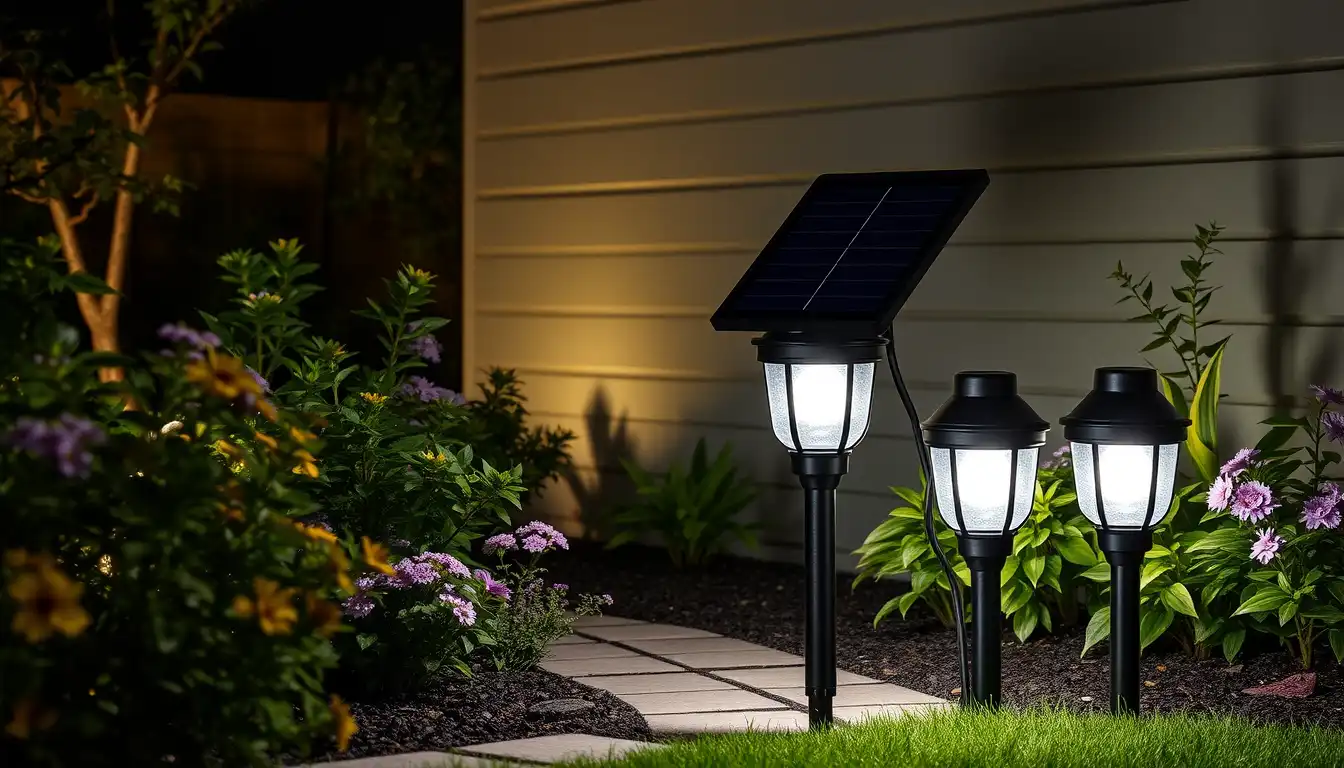
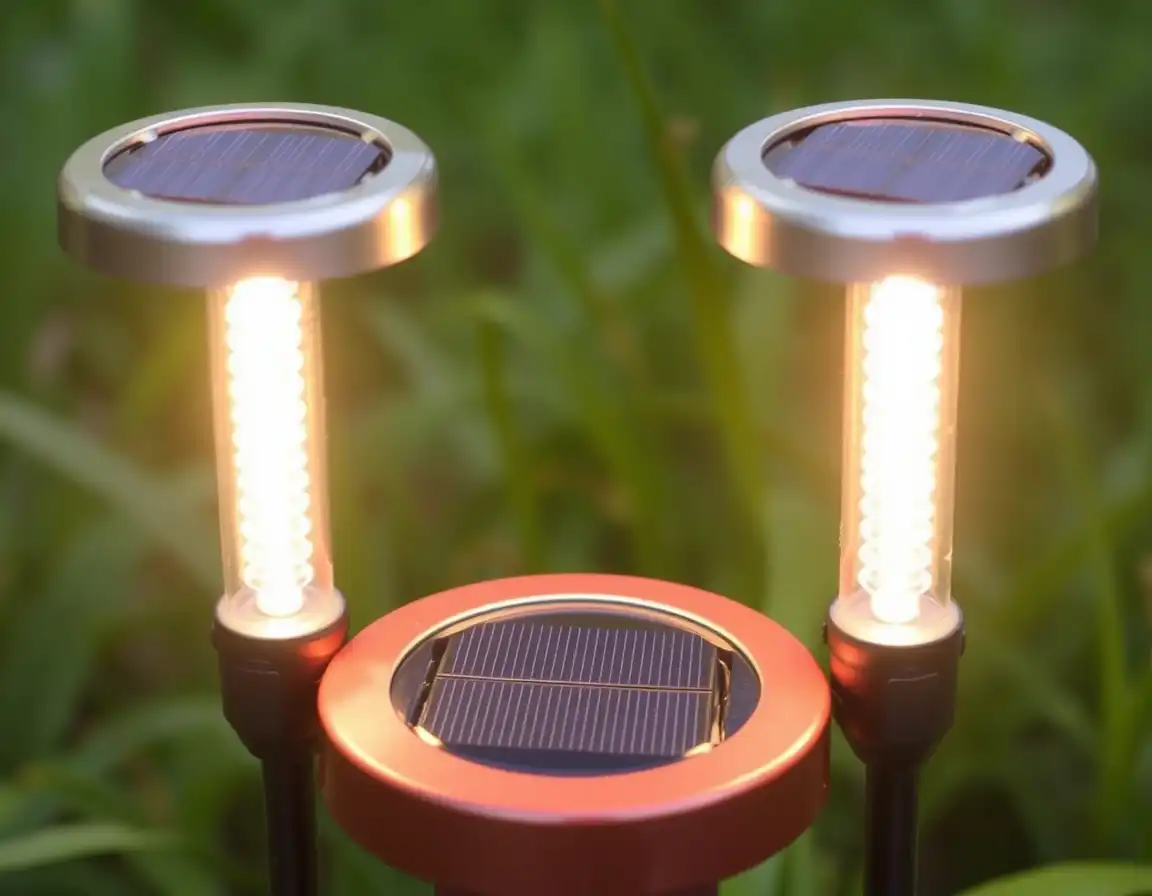
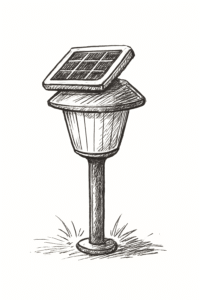
People sometimes ask me about solar lighting. Those outdoor pathway lights and landscape lights. The reality is they rarely qualified for federal tax credits. The credit applied to systems powering your whole home, not landscape lighting.
Some state programs include solar lighting in their rebate categories. A few utilities offer small incentives for solar street lighting in public areas. But don’t expect the big discounts available for rooftop panels. Lighting is a separate category with much smaller incentive opportunities.
How I Actually Evaluated Whether to Go Solar
I did this systematically because it’s a major decision.
First, I calculated my actual electricity spending. My bills averaged $160 monthly. Times twelve equals $1,920 yearly. That was my baseline.
Second, I got three quotes from different solar companies. Each one visited my house. Looked at my roof. Measured my sun exposure. Calculated what size system I needed. Gave me a price and monthly payment.
Third, I compared those quotes seriously. The prices ranged from $21,000 to $27,000 before incentives. The monthly payments ranged from $140 to $180. This was important because my electricity bill was $160 monthly. If the solar payment was more than my current bill, it didn’t help me.
Fourth, I researched state and utility incentives. Found a program I didn’t know existed. Reduced my total cost significantly.
Fifth, I honestly asked myself how long I’d stay in this house. I bought six years ago and plan to stay at least fifteen more years. That matters because solar breaks even over ten to fifteen years typically. If I moved in five years, solar wouldn’t have made sense.
I also checked my roof condition. My roof is solid for another twenty years. No point installing solar if your roof needs replacing in three years. You’d have to remove everything, replace the roof, reinstall panels. That costs thousands extra.
The Reality of Monthly Payments
My solar payment is $145 monthly. My electricity bill went from $160 to $35 monthly. Net benefit is $110 monthly going to my pocket. That $110 accumulates. Over ten years that’s $13,200 in pure savings. Over the thirty-year panel life it’s way more.
People sometimes focus only on the solar payment and forget to compare it against their electricity bill. If your electricity bill is $120 and your solar payment is $140, you’re not saving money monthly. The payment needs to be equal to or less than your current electricity cost for the numbers to work.
What I Tell People Asking About Solar in 2026
- Stop waiting for subsidies to come back. They won’t. The federal credit is dead.
- Get three quotes from different installers. Each one will calculate your system size, cost, and payments differently. Compare them carefully.
- Research your state’s current incentives. Call your utility and ask about programs. Spend a couple hours on this. It directly affects your cost.
- Make sure your monthly solar payment doesn’t exceed your current electricity bill. If it does, the system doesn’t make sense for you.
- Think honestly about how long you’ll stay in your home. Ten years minimum. Preferably longer.
- Check your roof condition. Don’t install solar if your roof needs work soon.
- If the numbers work, go ahead. Solar still makes sense in 2026. Not because of subsidies. But because your electricity bill keeps rising and solar technology got genuinely good and affordable.
- My system took eleven years to break even. After that, fifteen more years of basically free electricity. That’s worth $1,500 yearly in savings compounded. I think that’s smart money.
Summary
I installed solar panels in 2024 and got the 30% federal tax credit. My neighbor waited too long and misses it. The credit ended December 31, 2025, but that doesn’t mean solar is dead. State programs still exist. Utility companies offer deals. Leasing and new financing options work. My electricity bill dropped from $160 to $35 monthly. Here’s what actually works in 2026 based on what I’ve learned from real installers and other homeowners.