Table of Contents
Here’s The Good News About Excess Power
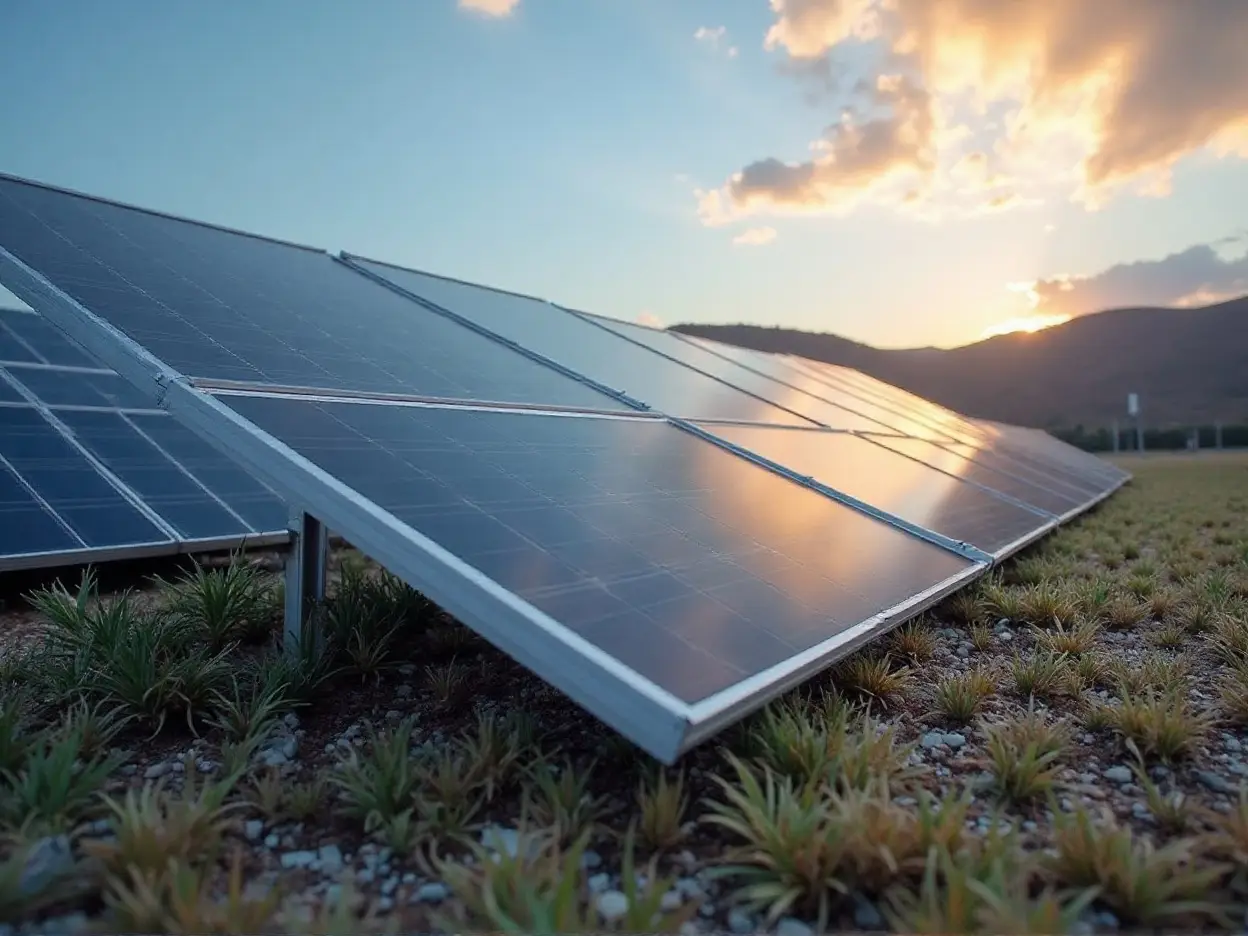
Your solar panels produce extra electricity. That’s actually the goal. Most solar homes produce more than they need on sunny days. The question is what happens to all that extra power.
The answer depends on your setup. Some systems send it back to the power company. Others store it in batteries. The best systems use all of it somehow.
Net Metering Explained Simply
Net metering is an agreement between you and your utility company. It’s like trading with a neighbor. When you produce more electricity than you need, you send the extra back to the grid. The power company credits your account for it.
Later when you need power after sunset, you draw from the grid. Your credit pays for that power. You essentially use solar production during the day to pay for nighttime usage. This works great for most homeowners.
Not all areas offer net metering. Check your local utility to see what they offer.
The Meter Spinning Backwards
When your system produces more power than you use, your electric meter spins backwards. This confirms you’re generating excess power. Some newer smart meters show digital numbers instead. Either way, your utility tracks when you produce more than you consume.
Getting Credits On Your Electric Bill
Your utility credits you for excess power. The amount depends on their rates. If you pay 12 cents per kilowatt hour, you get credited 12 cents for each kilowatt hour you send back.
Some areas offer time-of-use rates. Electricity costs more during peak hours. Your credits are higher during peak times. This encourages producing when the grid needs power most.
Look at your electric bill. You should see a line for solar credits. Most homeowners see credits ranging from 20 to 100 dollars monthly depending on system size and season.
Battery Storage Alternative
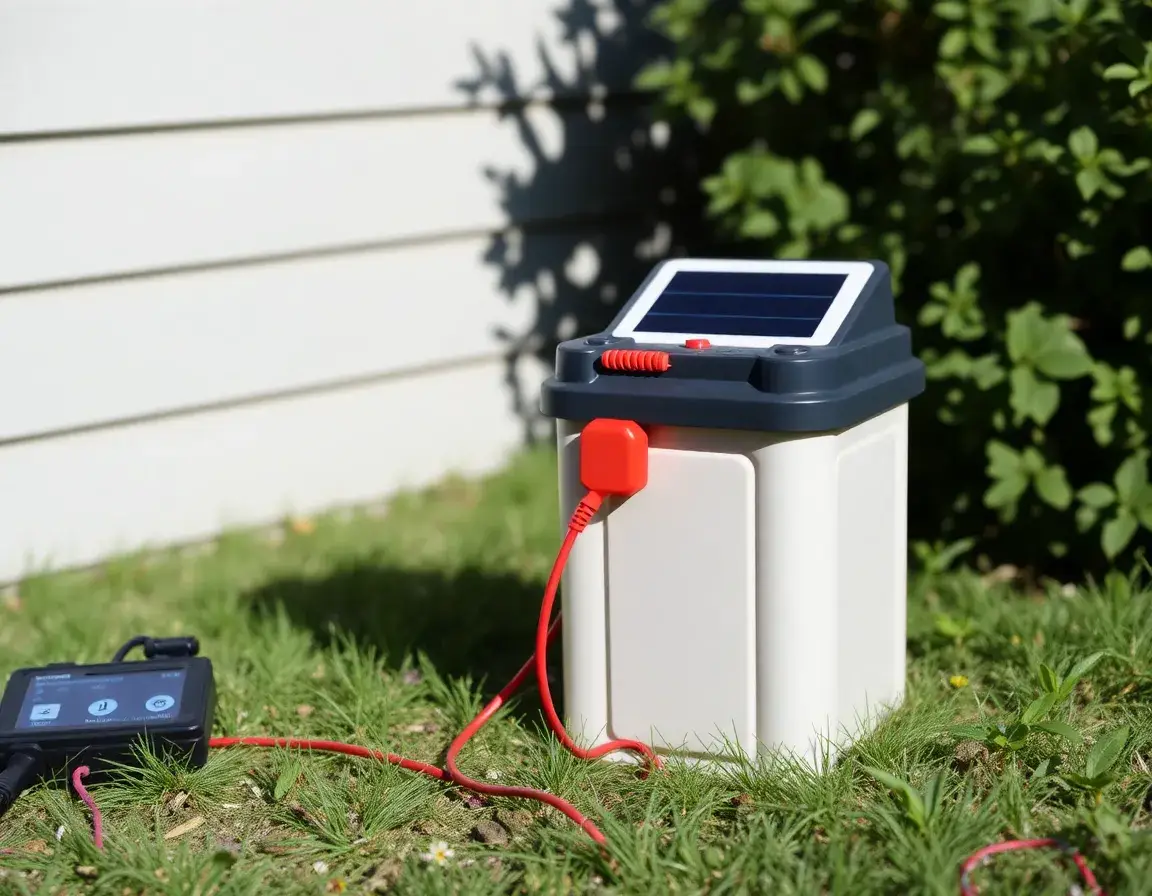
Instead of sending power back, you store it in batteries. A battery system costs 10,000 to 20,000 dollars. You keep all the electricity you produce. You never buy grid power except during emergencies.
Battery systems make sense if net metering is unavailable. They work well if you want complete energy independence. The downside is high upfront cost.
Lithium batteries store more energy and last 10 to 15 years. Lead-acid batteries last 5 to 7 years. If you go the battery route, lithium is worth the extra money.
Time Of Use And Your Credits
Your solar peaks at midday. But your home electricity use is lowest then. You’re at work. Nobody’s using power.
Evening and morning are different. Electricity usage spikes when you cook, run laundry, and use lights. Your solar production is low at these times. This is why you need the grid or batteries.
Some utilities pay higher rates for midday power because that’s when the grid needs it most. Generate during peak hours and you get better credits.
How Much Excess Is Normal
Most residential systems produce about 25 percent more than annual household needs. Summer months generate excess constantly. Winter months produce less than you need.
Over the whole year, excess balances out. You bank summer credits and use them in winter. This is why net metering works so well. It smooths out seasonal variation.
Financial Benefits Of Excess Production
- Excess electricity means lower utility bills. You get credited for power you send back. This credit reduces what you owe when you draw from the grid.
- Many homeowners see utility bills drop to nearly zero. Some months they pay only a connection fee. Other months the utility owes them money. Over a year, most homes break even or come out ahead.
- The financial benefit grows after you’ve recouped your investment. Every bit of excess power becomes pure savings.
Grid Stability Benefits
When your panels produce excess power, you’re helping the grid. You’re injecting power into the system. This helps meet demand without burning fossil fuels. Your production helps the grid stay stable.
During peak afternoon hours, air conditioning use spikes. Your solar production is also at peak. Your power directly reduces strain on the grid. The utility doesn’t need expensive backup generators.
Environmental Impact Of Your Excess
Every kilowatt hour you produce replaces grid power. If your grid uses coal or natural gas, your excess power prevents those plants from running. This means less pollution. Less carbon emissions. Less fossil fuel consumption.
Your excess production prevents someone else from burning coal. Multiply this by thousands of homes with solar. The environmental benefit becomes significant.
Pros Of Excess Solar Production
Lower electricity bills through credits. Helps grid stability. Reduces fossil fuel consumption. Environmental benefits. Builds credit for winter months. Protects against future rate increases. More valuable if you add an electric vehicle later.
Cons Of Excess Solar Production
Some utilities limit net metering. You might lose excess production value. Storage batteries add significant cost. Export limits in some areas. Some utilities phase out net metering in the future.
What To Do With Your Excess
- If you have net metering, let the excess power flow back. Get credited for it. Use the credits when you need them. This is easiest and cheapest.
- If net metering is unavailable, add batteries. Store excess for nighttime use. This increases independence from the grid.
- If you produce too much, add a heat pump water heater. Run it during peak solar hours. Use excess power for hot water.
Real Numbers From Homeowners
A typical 5 kilowatt system produces about 6,000 to 7,000 kilowatt hours yearly. Average homes use 10,000 to 12,000 kilowatt hours. The solar system covers 50 to 70 percent of needs.
In summer, the system might produce 800 kilowatt hours monthly while home uses 500. That’s 300 kilowatt hours excess. At 12 cents per kilowatt hour, that’s 36 dollars of credits earned.
In winter, the system produces 300 kilowatt hours while home uses 800. Summer credits cover most of this. The homeowner breaks even for the whole year.
Planning For Future Growth
Your system might seem oversized if you add an electric vehicle. You need more power. Your excess shrinks. Eventually you might add more panels.
Most installers plan for expansion. They leave roof space for additional panels. Your electrical infrastructure supports additional circuits. Expanding later is easier than first installation.
If you’re thinking electric vehicles, tell your installer now. They’ll design your system to handle additional load.
Summary
Solar panels produce excess electricity on sunny days. Net metering sends your excess power back to the grid and credits your account. You use these credits when you need power after sunset or on cloudy days. The credit value equals the utility rate for electricity in your area. Battery storage is an alternative if net metering is unavailable. You store excess power for nighttime use instead of sending it back. Most residential systems intentionally produce 25 percent more than annual household needs. Seasonal variation means summer months build credits for winter months. Your meter tracks excess production. Excess power helps grid stability. Some utilities limit or eliminate net metering in the future. Adding batteries costs 10,000 to 20,000 dollars but provides complete energy independence. Planning for future electric vehicles matters when sizing your system. Excess production is normal, beneficial, and valuable financially.