Table of Contents
WHAT 3 IN 1 SOLAR LIGHTS ACTUALLY ARE
Three in one solar lights sound like marketing hype. Three features in one light. Too good to be true right? I thought the same thing until I bought one.
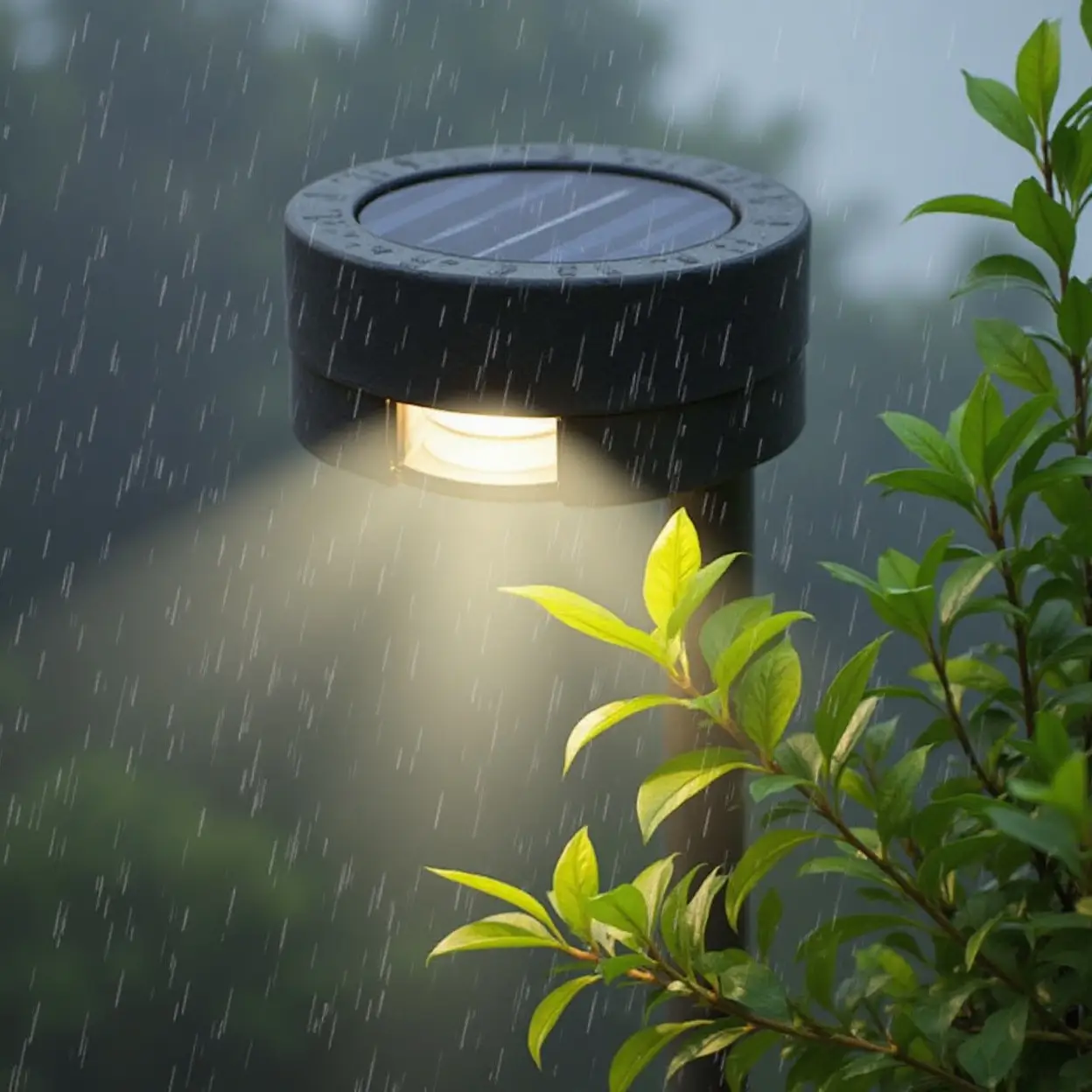
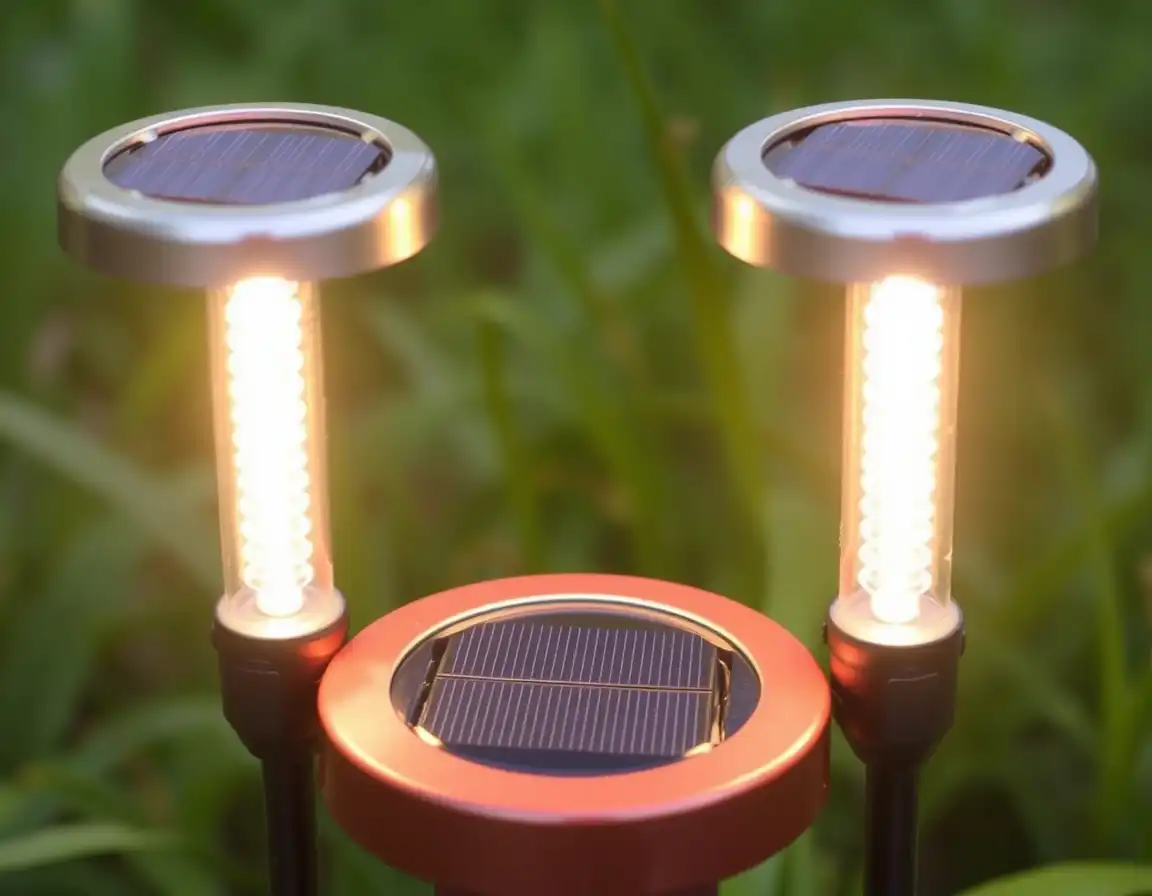
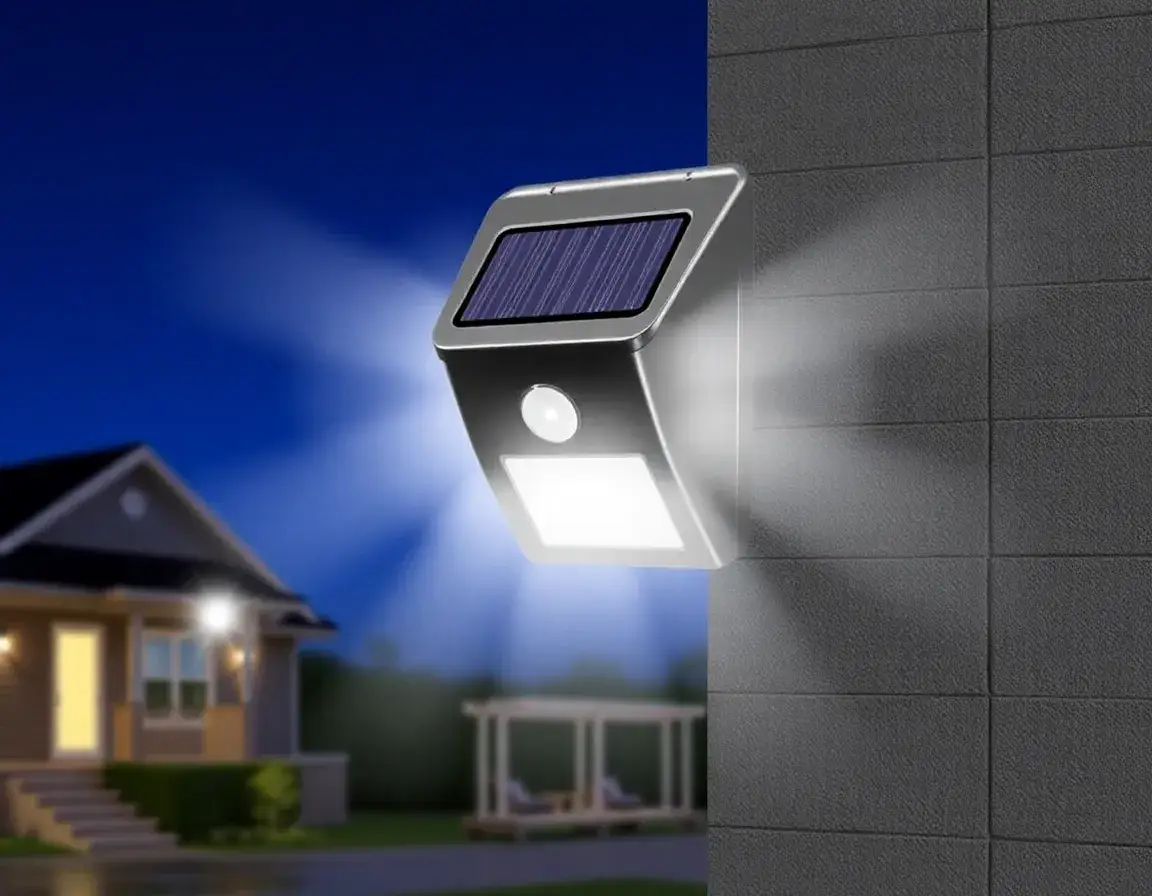
My 3 in 1 light has motion detection, adjustable brightness, and different lighting modes. When motion activates it, the light jumps to full brightness. No motion and it dims to low power mode that still charges the battery. That’s the efficiency trick. This is genuinely smart design. The light runs most of the night at minimal brightness. When you move near it, it detects motion and jumps to full brightness. Perfect illumination when needed. Conservation when not needed. The adjustable brightness part means I can dial in exactly how bright I want it. Too bright and it annoys neighbors. Too dim and it doesn’t light the area properly. I set mine to medium brightness. Works perfectly for my driveway.
Different lighting modes means the light can stay on continuously, turn on only with motion, or flash. Each mode is useful for different situations. My mode is motion plus low level background light. The combination of these three features creates something actually better than basic solar lights. It’s not just marketing. It’s functional improvement you can use. I was skeptical before buying. Now I’m sold on the concept. The three functions together solve problems that single function lights can’t solve.
MOTION DETECTION FEATURE
Motion sensors in solar lights use infrared technology. They detect body heat from movement. When something warm moves near the light, it triggers.
The detection range varies by model. Good motion sensors work twenty to thirty feet away. Cheap ones detect maybe ten feet. Quality matters here. Sensitivity adjustment is common on better models. You set it to ignore small movements like animals or leaves blowing. Only detect human sized movement. This prevents false triggers. The delay before the light turns off is adjustable on quality models. I set mine to stay bright for two minutes after motion stops. Then it dims back down.
Motion sensors work perfectly for security and convenience. Coming home at night, the light activates before you get near it. That’s much better than fumbling in darkness. Burglars prefer dark property. Motion activated lights change that equation. Intruders want to work unnoticed. Sudden bright light is unappealing to them. The motion detection uses minimal battery power. That’s the efficiency gain. Light runs dim all night costing little. Motion activates brightness only when needed. For pathways it’s perfectly calibrated. Someone walks the path, light activates. Nobody walking, light dims. This is smart automation that improves both function and battery life. False triggers happen sometimes. A deer walking past triggers the light. Wind moving a bush triggers it. But you can adjust sensitivity to minimize this I get occasional false triggers from wind. Minor annoyance compared to how useful motion detection actually is.
ADJUSTABLE BRIGHTNESS FEATURE
Most 3 in 1 lights let you set brightness from low to high. This is simple but powerful feature.
Low brightness mode is perfect for ambient lighting. Soft glow that’s pleasant without being bright. Uses minimal battery power so it lasts all night. High brightness mode for security. Full power illumination that lights the whole area. Uses more battery but still works through the night with quality solar panels. Medium brightness is my sweet spot. Bright enough to see clearly but not blinding. Not so dim that it’s useless. Perfect balance for normal use. The brightness dial is physical or electronic depending on model. Physical is usually more reliable. Electronic sometimes glitches.
Why does adjustable brightness matter? Because one brightness setting doesn’t work for everything. You want different light for security versus ambiance. Adjustable lets you get both without multiple lights. Some neighbors or nearby properties might be bothered by super bright lights. Adjustable brightness lets you dial it down to be considerate while still lighting your space. Different seasons benefit from different brightness. Winter darkness calls for brighter light. Summer ambient entertainment calls for softer light. You adjust once and it stays set.
The battery drain is dramatically affected by brightness setting. High brightness runs the battery down faster. Low brightness lets it last longer. This is significant advantage over fixed brightness lights. I use my light at medium brightness in winter and low in summer. Takes thirty seconds to adjust. Makes huge difference in how the light performs.
DIFFERENT LIGHTING MODES
Continuous mode means the light stays on all night at your chosen brightness. Battery drains consistently but predictably. This mode works for security focused use. Motion mode activates the light only when movement is detected. Light stays off most of the night. When motion triggers it, light activates to chosen brightness. Battery conservation is the benefit. Hybrid mode is my favorite. Low ambient light all night with motion triggered brightness boost. Someone approaches and it jumps brighter. Perfect balance of presence and efficiency. Some lights offer flashing mode. Light pulses or flashes. This is more for camping or decorative use. Less practical for security or general lighting. Strobe mode exists on some models. Rapid flashing for camping or emergencies. Not my preference but some people like it.
Having multiple modes means one light adapts to different situations. You can change mode based on circumstances. That flexibility is valuable. My light lives in motion hybrid mode. It provides some light all night so the area isn’t completely dark. Motion triggers it brighter when needed. Perfect solution for driveway. Mode switching is usually simple. Press a button or flip a switch. Takes seconds to change. No installation required. Different family members might prefer different modes. Instead of arguing or replacing lights, you just switch the mode.
REAL WORLD PERFORMANCE
My 3 in 1 light works exactly as advertised. No disappointment. That surprised me honestly.
The motion detection is sensitive and responsive. Movement triggers instantly. No delay. No misses. Brightness levels are genuinely adjustable and noticeably different. Not fake adjustments. Real difference between low, medium, and high.
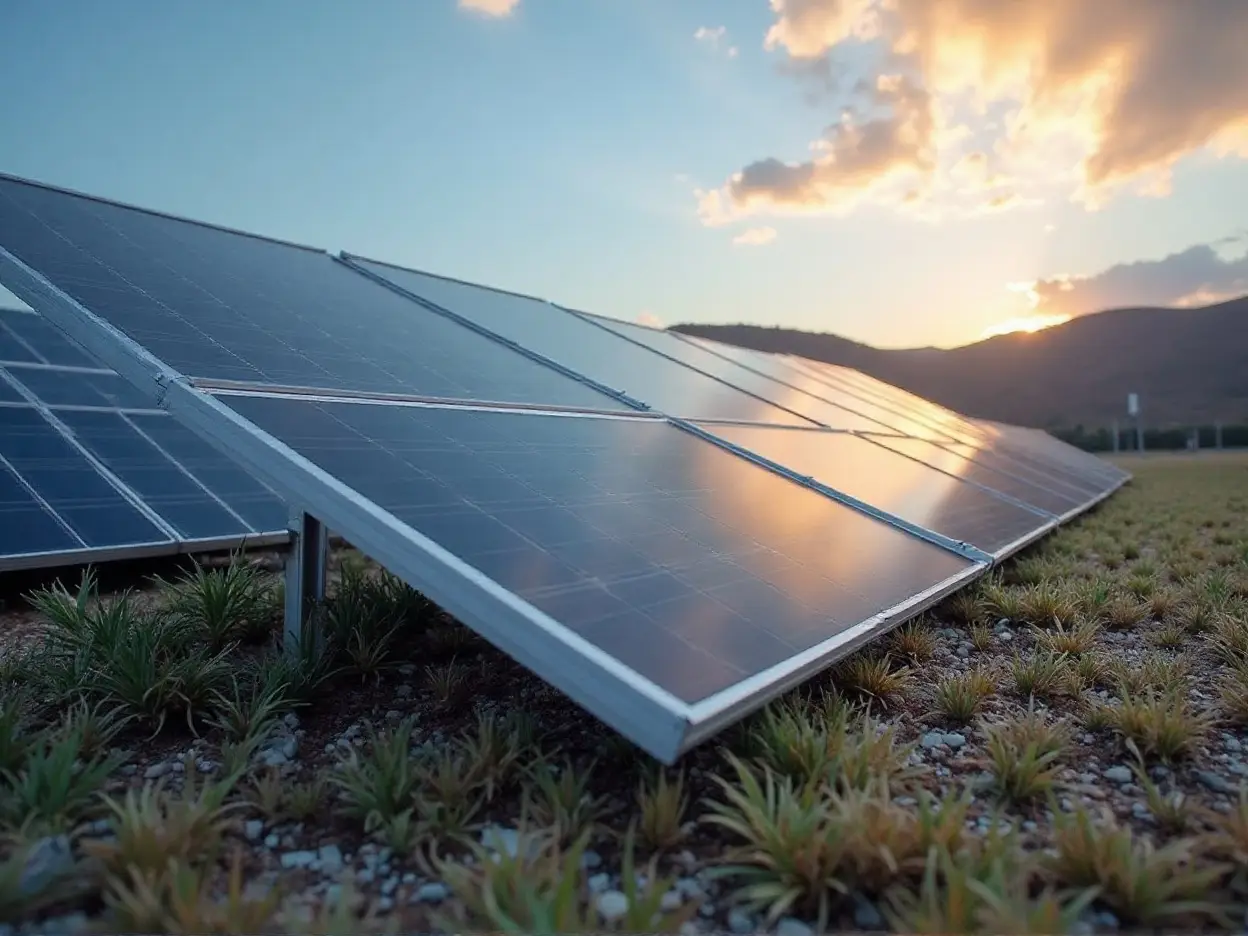
Battery life is solid. Light runs all night at low mode. Hybrid mode with occasional motion triggers runs all night easily. Solar charging works as expected. Full sun charges completely in daylight. Cloudy days charge slower but still charge.
The light is bright enough for security. Not stadium brightness but enough to see clearly. Adequate for lighting a driveway or patio area. Weather resistance is solid. Survived rain, cold, snow without problems. Construction feels durable. I’ve had mine for two years. Zero problems. Still works perfectly. No degradation.
One reality check: these lights are more expensive than basic solar lights. You’re paying for the added technology. Worth it depends on whether you use those functions. If motion detection and brightness adjustment don’t appeal to you, save your money on a basic light. But if those functions solve problems you have, the added cost is justified.
COST AND VALUE COMPARISON
Basic solar pathway light costs maybe twenty to thirty dollars. Single function. Fixed brightness. Always on or always off.
3 in 1 solar light costs fifty to eighty dollars typically. Three functions. Adjustable settings. More complex electronics. The price difference is significant. Almost triple the cost for the basic version. But consider the value. One 3 in 1 light replaces potentially three different types of lights. Motion light plus ambient light plus accent light. That consolidation has value. If you’re buying multiple lights, the math changes. Two 3 in 1 lights might cost less and work better than five basic lights covering different functions.
Battery replacement on basic lights versus 3 in 1 lights is similar cost. Maybe a few dollars either way. Not a factor. Solar panel quality determines value more than number of functions. A cheap 3 in 1 light with poor panel might disappoint. A quality basic light with good panel might serve better. I calculated my value as worth it. I replaced four different lights with one 3 in 1. Cost less overall and works better. Your calculation might be different depending on how many lights you need and what functions matter to you.
Quality brands hold value better than cheap brands. A three year old quality 3 in 1 light still works. A three year old cheap light might be degraded.
WHICH 3 IN 1 COMBINATIONS MAKE SENSE
Motion detection plus adjustable brightness is the most common combination. This makes sense. These two functions complement each other well. Motion detection plus multiple colors is another option. Light changes color with motion or modes. Mostly decorative but fun for some applications.
Adjustable brightness plus flashing modes combines ambient and special effects. Less practical. More novelty. Wall mounted 3 in 1 for entryways combines motion, brightness, and traditional lantern style. This is excellent choice for entryway lighting. Pathway stake lights with 3 in 1 functions exist but less common. The motion detection range is too limited for pathway spacing. Works but not ideal.
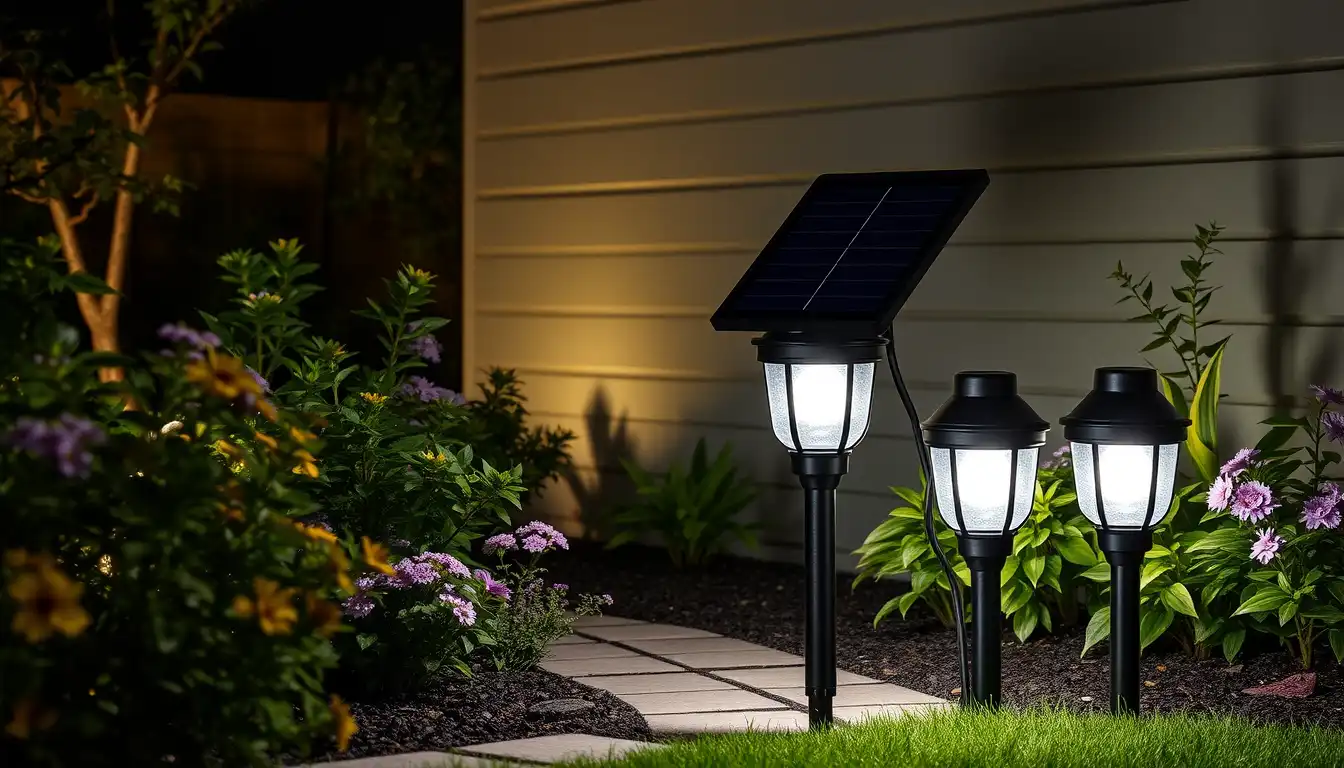
Solar lantern style 3 in 1 lights combine aesthetic and function. Looks nice while offering motion and brightness control. Spotlights with 3 in 1 function for accent lighting. Turn on with motion, adjust brightness, highlight architectural features. Smart choice for detail lighting. The motion plus brightness combination is what you should look for. The other combinations are gimmicks by comparison.
INSTALLATION AND SETUP
Installation is identical to basic solar lights. Wall mount or stake mount depending on type. Initial setup requires adjusting sensitivity, brightness, and mode. Takes maybe ten minutes once. Then it just works. Motion sensor angle matters. Point it where you expect motion. Downward angle works better than upright for detecting approaching people.
Some setup requires reading the manual. Not intuitive on all models. Quality brands have better instructions. After initial setup, minimal maintenance. Clean solar panel occasionally. That’s it. Resetting the light if something acts weird is sometimes necessary. Hold a button for ten seconds usually resets it. Problem solved. Pairing multiple lights sometimes lets them communicate. Rare feature but exists on some models. Cool when it works.
COMMON COMPLAINTS AND FIXES
- Motion sensor triggers from wind or animals. Solution is adjusting sensitivity. Most owners figure this out.
- Light doesn’t stay bright long enough. Solution is adjusting the delay timer if available. Some lights don’t have this option.
- Battery doesn’t charge well. Usually means the solar panel is dirty or in shade. Move it or clean it. Problem solved.
- Light stops working after six months. This indicates quality problem. Buy replacement from better brand.
- Motion sensor stops responding. Usually dirty or blocked. Clean the sensor window. Works again.
- Brightness levels don’t seem different. Possible defect or user error in adjusting. Check the manual.
- Most complaints are user error or normal operation being misunderstood. The lights themselves are reliable.
MY ACTUAL RECOMMENDATION
- Buy a quality 3 in 1 solar light if you want motion detection and adjustable brightness. Don’t cheap out on this. Quality makes huge difference.
- Install in a location that gets good sun. Motion sensor angled toward expected movement. Brightness set to your preference.
- Adjust motion sensitivity down if you get false triggers. Most owners need to do this once.
- Clean the solar panel monthly to maintain charging.
- Expand with additional basic lights if needed for other areas. One 3 in 1 might be enough or you might want more coverage.
- Test for a full season before buying additional lights. Make sure the features actually work for your situation.
- Most people who get 3 in 1 lights end up buying more because they actually like the functions. Start with one and see.
- The motion detection and brightness adjustment solve real problems. They’re not gimmicks. Use them and you’ll understand the value.
SUMMARY
3 in 1 solar lights combine three functions in a single fixture, typically offering motion detection, adjustable brightness, and different lighting modes. They cost more than basic solar lights but eliminate the need for multiple fixtures. Performance varies depending on which combination you get. This guide explains what 3 in 1 means, which combinations make sense, real world performance, and whether the added cost is justified.