Table of Contents
Understanding Your Solar Panel Age
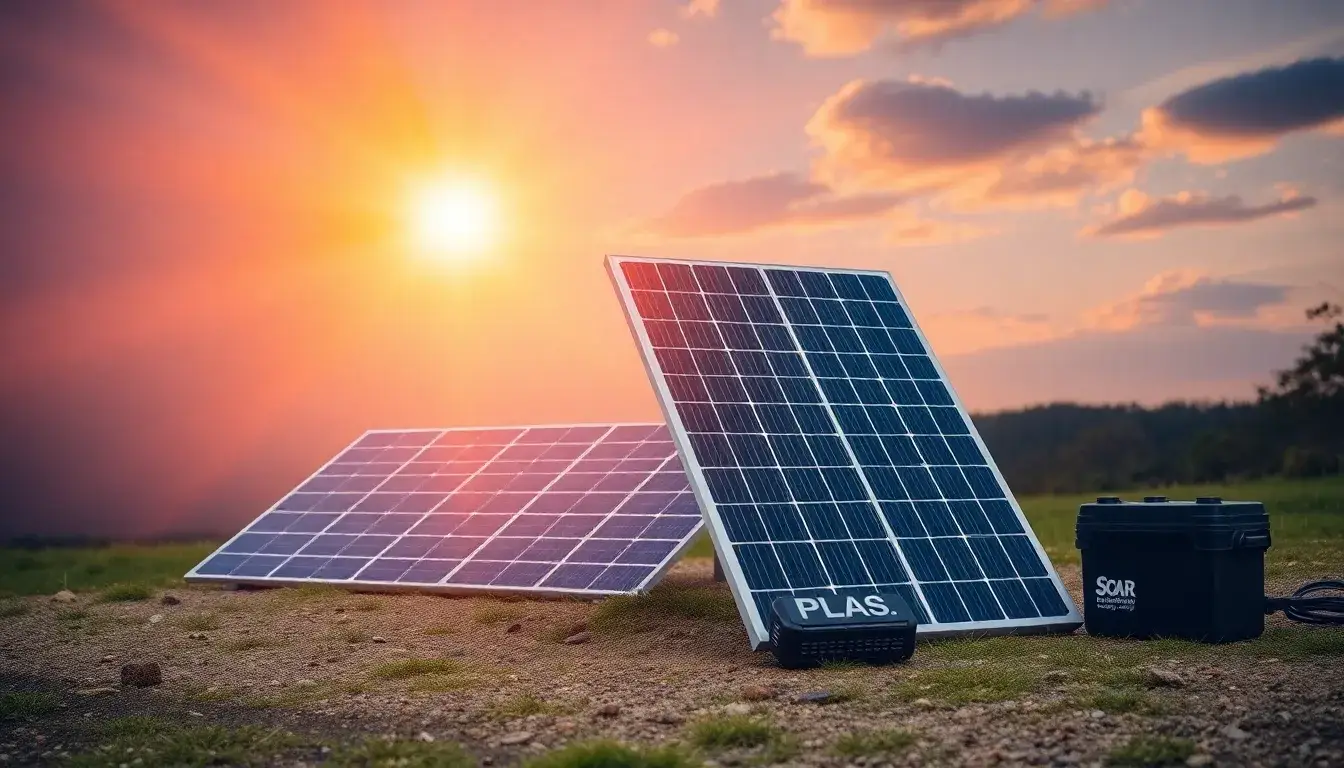
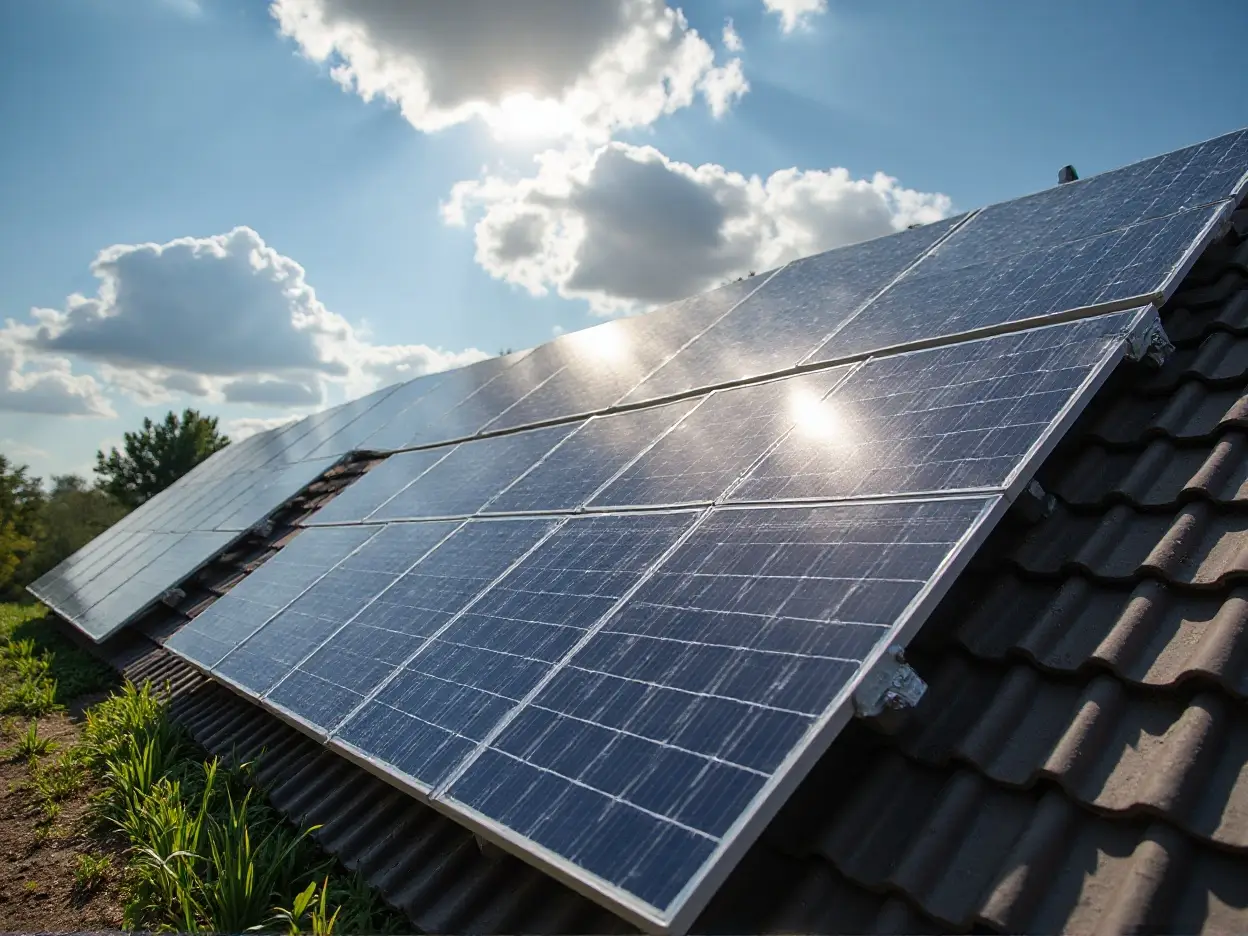
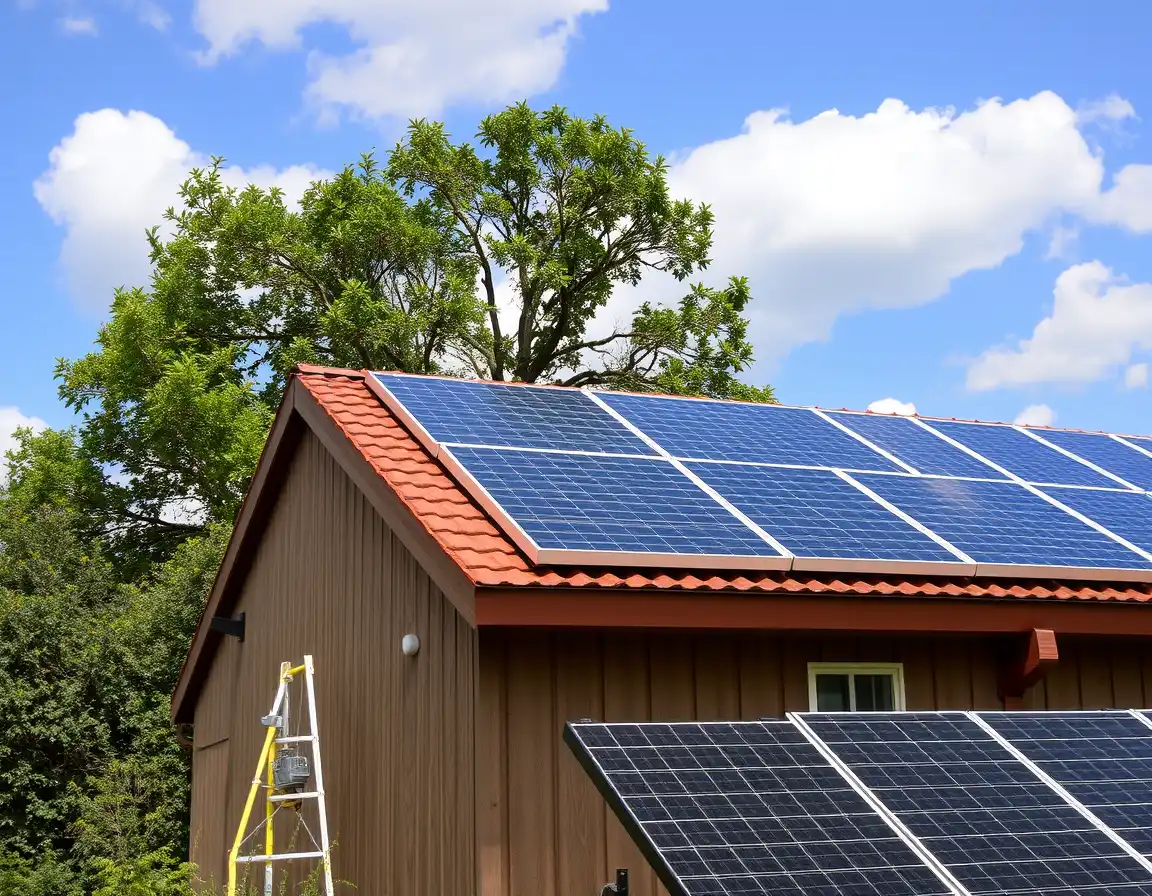
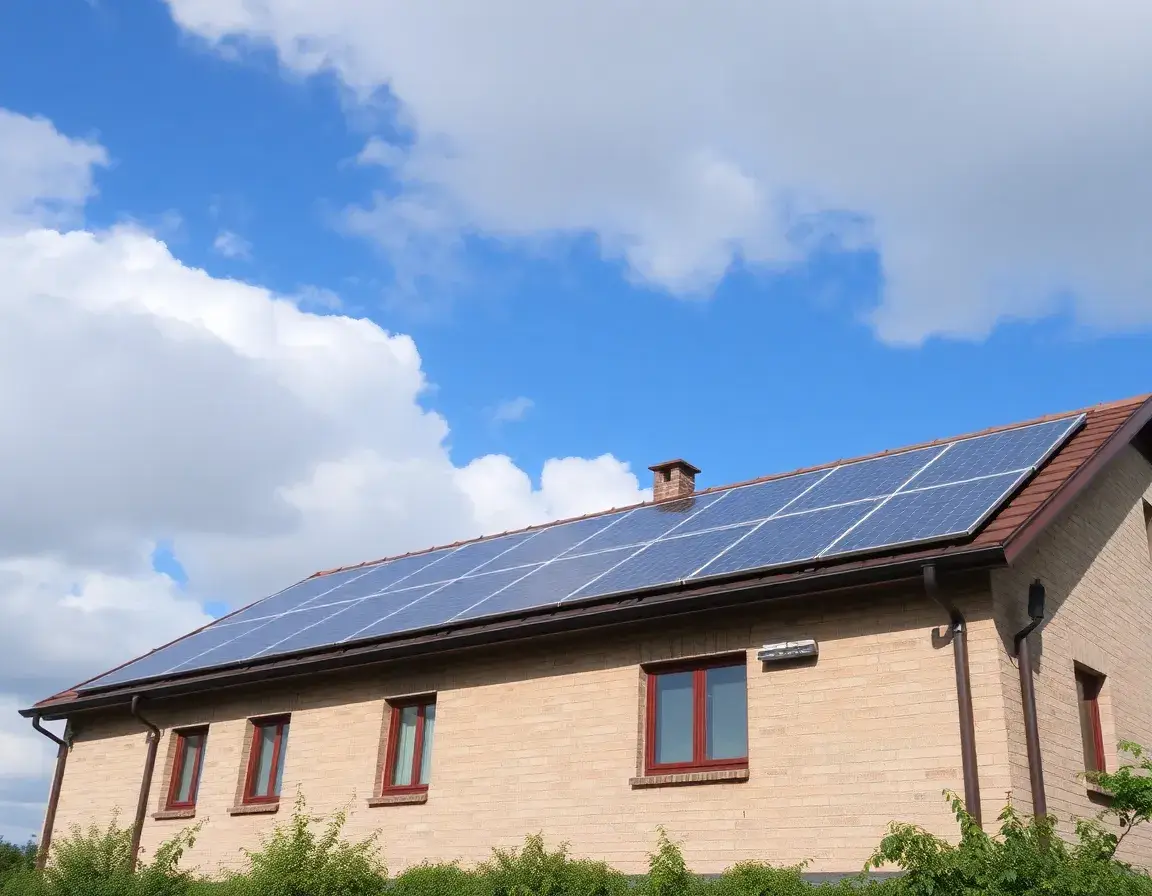
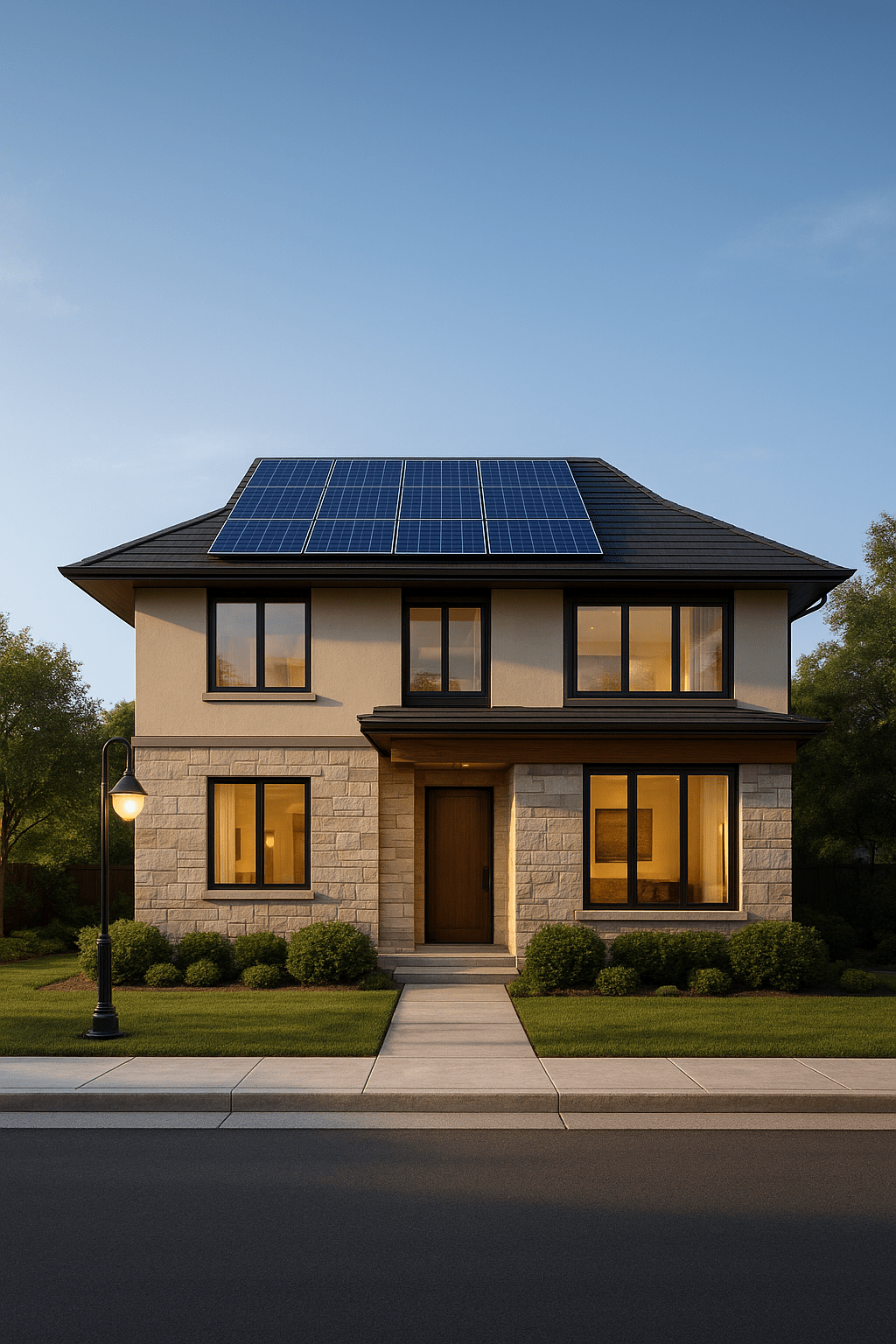
Solar panels sit on your roof and turn sunlight into electricity for your home. After 20 years, your solar panels are getting older. Think of it like your car. A car that runs for 20 years still works, but it doesn’t perform the same as a brand new one. Your solar panels work the same way.
Most solar panels come with warranties that last 25 years. This means the company promises they will work for that long. After 20 years, you’re already four-fifths of the way through that warranty. Your panels won’t stop working suddenly on day one of year 21. They just start losing power output slowly.
How Much Power Do They Lose
Solar panels lose about 0.5 to 0.8 percent of their output power every single year. This happens naturally and nobody can stop it. After 20 years, your panels produce about 80 to 85 percent of the power they made when brand new. If your panels produced 5000 watts when new, they now produce around 4000 to 4250 watts.
This decline happens so slowly you won’t notice it happening. There’s no big drop-off where suddenly everything stops working. The power gets lower and lower each year, so slowly that most people don’t see any difference month to month.
Why Do Solar Panels Get Weaker
The sun’s rays hit the panel materials and cause them to degrade over time. Think of it like how plastic toys fade in sunlight over years. The materials inside solar panels face the same thing. Moisture sneaks into the panels through tiny gaps. Temperature changes make materials expand and contract, which weakens connections inside.
The solder that connects all the tiny wires inside the panel gets tired. It’s like a rubber band that gets stretched so many times it doesn’t hold as tight anymore. The glass on top of the panel gets scratched and dirty from rain, dust, and weather. Even though rain cleans off some dirt, pollution and minerals build up over time.
Weather Damage and Your Panels
Storms, heavy rain, and wind all beat on your solar panels. Hail hits them hard. Extreme temperature swings between hot days and cold nights stress the materials. High humidity in certain areas speeds up moisture getting inside the panels. Salt air near the ocean corrodes the aluminum frames around the panels.
After 20 years of this weather beating, your panels show the strain. The frame gets rusty. The connections loosen. Tiny cracks appear in the cells even if you can’t see them from the ground. These small cracks grow over time as weather continues to stress the panels.
Do Your Panels Stop Working Completely
No, they do not stop working at year 20. This is important to understand. Your panels will keep producing electricity. The power output is just lower than before. A panel that made enough power for your whole house when new produces enough to run most of your lights and maybe your refrigerator at year 20.
You still get free electricity from the sun. You just get less of it. The panels don’t suddenly fail like a light bulb burning out. They fade gradually like a battery losing strength over many charge cycles.
Warranty Coverage After 20 Years
Your warranty probably covers 25 years. Most warranties promise that panels will produce at least 80 to 85 percent of original output at the 25 year mark. If your panels produce less than that, the manufacturer should replace them under warranty.
You need to read your warranty papers to know exactly what is covered. Some warranties cover defects in materials. Others cover performance drops. A few cover labor costs if someone has to replace your panels. Most warranties do not cover normal aging and power loss from weather and time.
Keep your warranty information in a safe place. Write down the installation date. Record your panel model and serial numbers. This information helps if you need to file a claim later.
Maintenance Matters at Year 20
Keeping your panels clean makes a difference. Dust, leaves, and bird droppings block sunlight from reaching the cells. Cleaning your panels two or three times a year helps them work better. Use a soft brush and water. Never scrub hard because you might scratch the glass.
Check that the mounting hardware stays tight. Bolts and clamps loosen over time from vibration and weather movement. Loose panels move in wind which speeds up damage. Tighten any loose bolts you find.
Make sure nothing shades your panels. Trees grow taller. Buildings go up nearby. A shadow that covers even part of your panel reduces output by more than you’d expect. Trim branches that hang over your panels. Remove bird nests from underneath them.
Replacing Versus Keeping Your Panels
At year 20, you need to decide if you want to replace your panels or keep using them. Your electricity bills help you make this choice. If your panels still cover most of your electricity needs, keeping them saves money. New panels cost several thousand dollars.
If your panels now produce only half of what you need, it might make sense to replace them. New solar panels are more efficient than the ones from 20 years ago. They produce more power in the same space. New panels also have better warranties.
The cost of removal and installation adds to the price of new panels. Your roof might need repairs before new panels go on. All of this costs money. Compare the cost of new panels to how many years of free electricity your old panels still provide.
Signs Your Panels Need Replacing
Watch for cracks on the surface of the panels. Visible damage like broken glass means water gets inside easier. Discolored spots or dark areas on the panels indicate internal moisture damage. Corners of the frame that are bent or severely corroded won’t hold the panel secure.
Your electricity meter shows lower production than before even on sunny days. The inverter that changes DC electricity to AC electricity for your home might fail. Loose connections cause the system to stop working completely.
If your roof needs replacement work, that’s a good time to replace panels too. You’re already taking them off. The labor cost is lower when you do both at the same time.
What New Solar Panels Offer
Modern solar panels produce 25 to 30 percent more electricity than panels from 20 years ago. They’re more efficient at converting sunlight. They’re also more durable. New panels have warranties of 25 to 30 years. Some companies offer warranties that replace the entire system if output drops below warranty levels.
New panels resist moisture damage better. The materials last longer. The frames don’t corrode as easily. Internal connections are stronger. Technology improvements mean new panels handle heat better too.
Battery Storage Changes Things
If you add a battery to store solar electricity, your old panels make more sense to keep. Battery systems store power for nighttime use. Even weak panels can charge a battery during the day. You use that stored power when the sun isn’t shining.
A battery system costs money upfront. It extends the time you stay off the grid. You become less dependent on electricity from power lines. This choice depends on your location and how much you rely on electricity at night.
Inverter Problems at Year 20
The inverter converts power from your solar panels into electricity your home uses. Inverters usually last 10 to 15 years. Many inverters fail between year 15 and year 20. A failed inverter means your panels produce power, but you can’t use it.
Replacing an inverter costs a few thousand dollars, but it’s cheaper than replacing all your panels. Some homeowners replace the inverter and keep the old panels. This lets them extend the life of their solar system without spending money on new panels.
Some newer homes have one inverter for the whole system. Older homes might have microinverters on each panel. Microinverters last longer than central inverters. If a microinverter fails, only one panel stops working, not the entire system.
Pros of Keeping 20-Year-Old Panels
You get free electricity for many more years. The panels produce enough power to offset a portion of your electricity bill. You save money on the initial cost of new panels. Keeping panels out of landfills helps the environment. The system you have works and needs no major investment.
Your payback period is already complete. If your panels paid for themselves in 8 or 10 years, you’ve been getting free electricity since then. Every year after that is pure savings. This makes keeping old panels very attractive financially.
Cons of Keeping 20-Year-Old Panels
Power output continues dropping each year. Your electrical bills get higher as panels produce less. The system becomes less reliable. More repairs happen as parts age. You might not be making enough power to justify the space the panels take up on your roof.
Newer panels produce more power in less space. You could fit the same output on a smaller area. This matters if you want to add more panels for additional production. Old panels take up roof space that might be useful for something else.
If the inverter fails, you need to fix it or buy a new one. The mounting hardware might corrode badly and need replacement. Wiring can fail from age and weather exposure. These repairs add up over time.
Environmental Considerations
Solar panels last a long time, but they do eventually need recycling. After 30 or 40 years, most panels reach the end of their useful life. Recycling programs take old panels and recover materials. Glass, aluminum, and silicon are recovered and used to make new products.
Keeping your panels working longer delays the need for recycling. This saves resources and energy. It’s better for the environment to keep a working panel running than to recycle it and make a new one.
If you replace your panels, look for recycling options for the old ones. Many solar companies offer recycling programs. Some offer discounts if you return old panels when buying new ones.
What About Your Roof
After 20 years, your roof might also be aging. Roofs typically last 20 to 25 years depending on materials. If your roof needs replacement soon, it makes sense to remove the panels first. This lets roofers fix any roof damage underneath.
New panels go on after the roof is finished. This prevents the need to take new panels off later for roof work. Planning roof and panel replacement together saves money on labor and makes the process simpler.
Inspect your roof where panels attach. Look for water leaks inside your attic. Check that the seals around panel mounts stay watertight. Roof damage spreads quickly once water starts getting in.
Real Performance After 20 Years
Homeowners report that 20-year-old panels still produce useful power. Systems that produced enough for half the home’s electricity at year 10 produce enough for a quarter at year 20. This is typical and expected. None of the owners report complete system failure just from age.
Most failures at year 20 come from component problems, not panel degradation. The inverter fails. A wire connection corrodes and breaks. A mounting bolt rusts through. These problems need fixing, but the panels themselves keep working.
People with good maintenance records report better performance. Clean panels, tight connections, and regular inspections all help. This shows that how you care for your system matters.
Making Your Final Decision
Calculate how much electricity your panels produce now. Check your electricity meter or ask your solar company for production data. Estimate how much your output will drop over the next five years. Figure out how much that lost power costs you in electricity bills.
Compare that cost to the price of new panels, installation, and any roof work needed. If new panels cost more than the electricity you’ll save, keep the old ones. If you’ll save money with new panels, replacing makes financial sense.
Think about your plans. Will you stay in your home for another 10 years. Will you be adding electric vehicles or heat pumps that use more electricity. These future plans affect whether replacing panels now is a good choice.
Talk to solar companies about your options. Get quotes for new panel installation. Ask about recycling programs for old panels. Compare your situation to the pros and cons listed above.
Summary
Solar panels after 20 years still work, but they produce about 15 to 20 percent less electricity than when brand new. This slow power loss happens naturally from weather, moisture, and material aging. Most 20-year-old panels still produce enough power to reduce your electricity bills significantly. Inverters often fail before panels do, which might be the first replacement you need. Keeping old panels makes sense if they still meet your power needs and new panels would cost too much. Replacing panels makes sense if your roof needs work or if you want more efficient new panels. Clean your panels regularly and check mounting hardware to extend life. Your warranty probably covers major defects until year 25, so understand what is covered. Make your replacement decision based on your specific situation, how much electricity you use, and your plans for the future.