Table of Contents
Honestly, if someone asks you which country is number 1 in solar energy and you say anything other than China, you are wrong. It is that straightforward. China does not just lead this race. It laps everyone else in it.
But let me explain this properly, because the numbers alone do not tell the whole story.
First, What Even Is Solar Energy
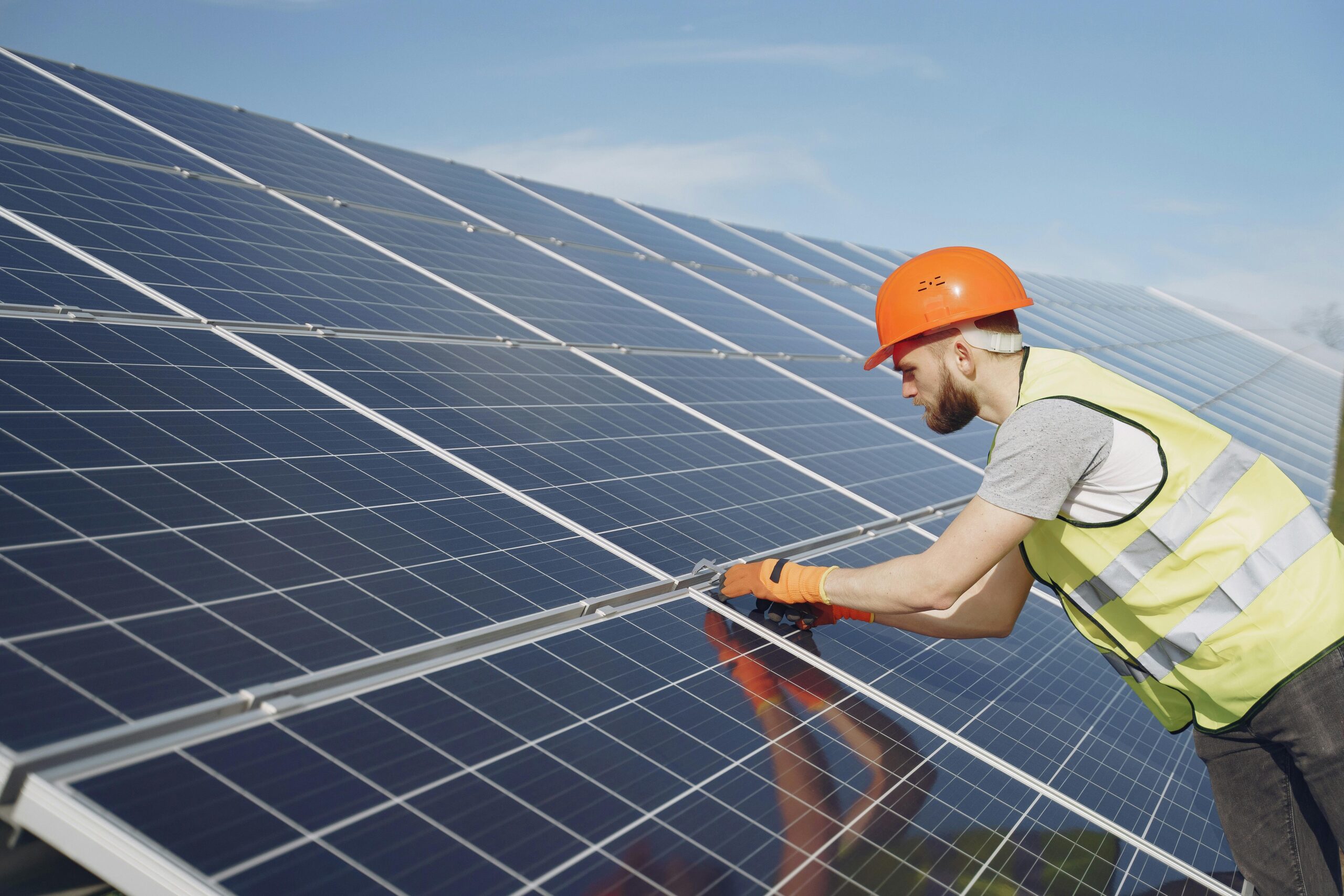
Think of it like this. You know how a plant turns sunlight into food? Solar panels do something similar. They sit out in the sun, soak up light, and turn it into electricity. That electricity runs your fan, your phone, your lights.
No burning anything. No smoke. Just sunlight doing the work.
Governments love solar right now for one very practical reason. It got cheap. Seriously cheap. The kind of cheap that makes coal and gas look expensive in comparison. So this is not just an environment thing anymore. This is a money thing. And when something saves governments money, they move fast.
Which Country Is Number 1 in Solar Energy
China. By a distance that is almost embarrassing for everyone else.
In 2025, China produced 1,175 terawatt hours of solar electricity. The entire European Union, all 27 countries of it, uses roughly that much electricity in a full year. China matched that number using nothing but sunlight.
By early 2026, China crossed 1,000 gigawatts of total installed solar capacity. One terawatt. This took the whole planet 13 years to reach 500 gigawatts. China then doubled that number on its own in three years.
In 2025 alone, China installed 315 gigawatts of new solar in 12 months. Someone actually did the math on this. That works out to a solar panel surface area the size of 20 football fields being installed every single hour, around the clock, for the whole year.
Let that sink in for a second.
How Did China Even Get Here
This did not happen by accident and it did not happen overnight.
China decided years ago that solar energy was going to be a strategic priority. Not a side project, not a feel-good policy. A national mission. The government poured money into solar research, handed subsidies to manufacturers, and set targets that actually had teeth behind them.
Companies like LONGi Green Energy, Jinko Solar, and Trina Solar grew into the biggest solar manufacturers the world has ever seen. Right now China makes around 80% of all solar panels used anywhere on earth. It also controls about 80% of the entire global manufacturing capacity for these panels.
When one country makes 80% of something, prices fall hard. Between 2015 and 2024, solar panel prices dropped by 90%. The average electricity cost from solar now sits at around 4 cents per kilowatt hour in many regions. That is historically low. That is cheaper than burning coal in most places.
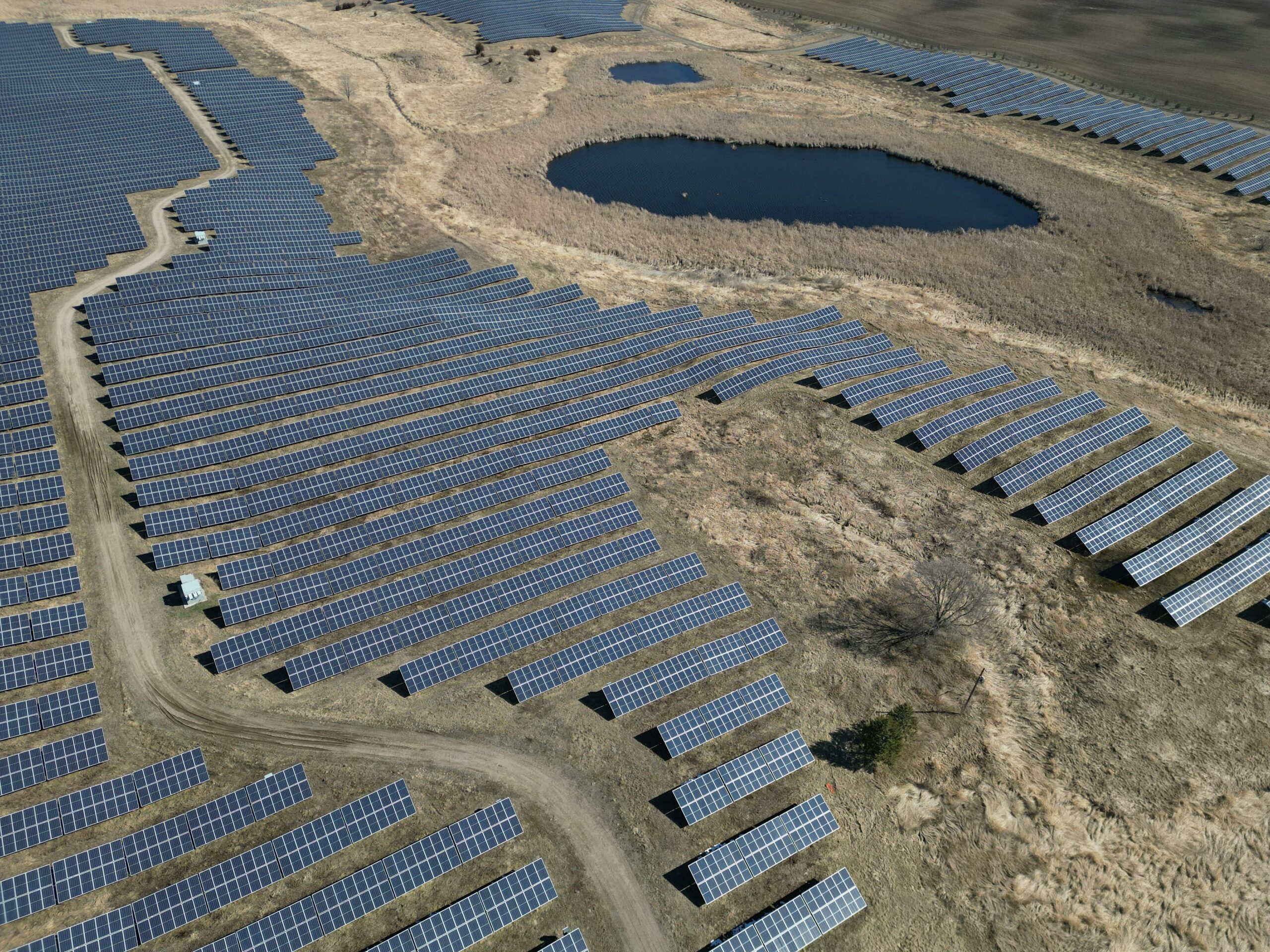
The deserts and open land in places like Xinjiang, Inner Mongolia, Qinghai, and Gansu now host some of the largest solar farms ever built. The Tengger Desert Solar Park in Ningxia produces over 1,500 megawatts of electricity. These are not small projects. They are industrial operations covering thousands of acres of land.
Where Other Countries Stand Right Now
Here is a straight look at the rankings:
- China: 1,000+ GW. Produces more than half of all new solar electricity added globally each year.
- United States: Around 210 GW. Growing through tax incentives and state-level renewable programs.
- India: Around 170 GW. Third largest solar market in the world and growing faster than almost anyone.
- Germany: Around 90 GW. Leads all of Europe despite having far less sunshine than most solar-heavy nations.
- Japan: Around 85 GW. Uses floating solar farms on reservoirs because it runs out of usable land quickly.
- Brazil: Crossed 53 GW recently with 40% growth in one year, one of the sharpest rises anywhere.
China, the United States, India, Germany, and Japan together produce about 70% of all solar electricity on earth.
India Is the One to Watch
Outside of China, India is the most interesting solar story happening right now.
The government set a 500 gigawatt renewable energy target for 2030 and it is building toward it seriously. The Bhadla Solar Park in Rajasthan sits on thousands of acres of hot flat desert. It gets strong sun almost every day of the year and pumps electricity into millions of homes.
India also runs a rooftop solar program for ordinary families. Government subsidies help households install panels and cut their monthly electricity bills. India recorded 33.7% solar capacity growth recently. That kind of pace in a country of 1.4 billion people changes things quickly.
Before 2030, India very likely passes the United States in total solar capacity. That is not speculation. It is where the numbers point.
America Is Trying but the Gap Is Huge
The United States sits in second place when you ask which country is number 1 in solar energy. But second place here means you are still miles behind first.
Federal clean energy policies pushed solar adoption meaningfully. Homeowners get tax credits for installing rooftop panels. Businesses get rebates. California now gets more than 28% of its total electricity from solar. Texas, historically an oil and gas state, now adds large solar capacity every year. That shift in Texas alone would have seemed impossible ten years ago.
Still, the United States installed around 200 gigawatts total. China crossed 1,000. The math there is sobering.
Germany Proves Sunshine Is Not the Only Factor
Germany is a cloudy country. Anyone who has spent time there knows this. Yet Germany leads Europe in solar energy, and that tells you something important.
Consistent policy over many years beats great geography every time. Germany introduced feed-in tariffs that paid homeowners for solar electricity they generated and sent back to the grid. This made rooftop solar a financially smart choice for ordinary families, not just big energy corporations.
It worked. Now Germany targets 215 gigawatts of solar by 2030. In 2024 it added 16 gigawatts of new capacity in one year. Other European countries watched Germany’s model and followed it.
Why Any of This Matters to You
Here is the part worth sitting with.
Because China produces 80% of the world’s panels at massive scale, a family in a Pakistani village can now buy solar panels and get electricity for the first time. A school in rural Nigeria runs on clean power. A farmer in Bangladesh cuts his fuel costs. None of that happens if solar panels still cost what they cost in 2010.
China making cheap panels changed who gets electricity on this planet. That is a real impact on real lives.
Solar power in 2025 overtook wind power globally for the very first time. Global solar generation hit 2,778 terawatt hours, up from just 256 terawatt hours a decade earlier. That is a tenfold jump in ten years.
Which country is number 1 in solar energy powered almost all of that growth. The answer is China. That answer is not changing anytime soon.
Summary
Which country is number 1 in solar energy? China. No debate, no competition. China generates more solar electricity than the next four countries combined. It manufactures most of the world’s panels, runs the biggest solar farms, and keeps breaking its own records every single year. This article tells you exactly how China got there, who is trying to catch up, and why any of this matters to regular people living regular lives.