Table of Contents
My pond looked like pea soup last summer.
Green water. Bad smell. My koi fish swimming at the surface with their mouths open. Gasping for air. I thought they were dying.
A friend told me the problem was oxygen. Stagnant water has low oxygen. Fish suffocate. Algae take over. The water smells like rotten eggs.
He said I needed an aerator. Something to stir up the water and add bubbles. But my pond is 200 feet from the house. No power outlet nearby. Running an extension cord across the yard was not going to happen.
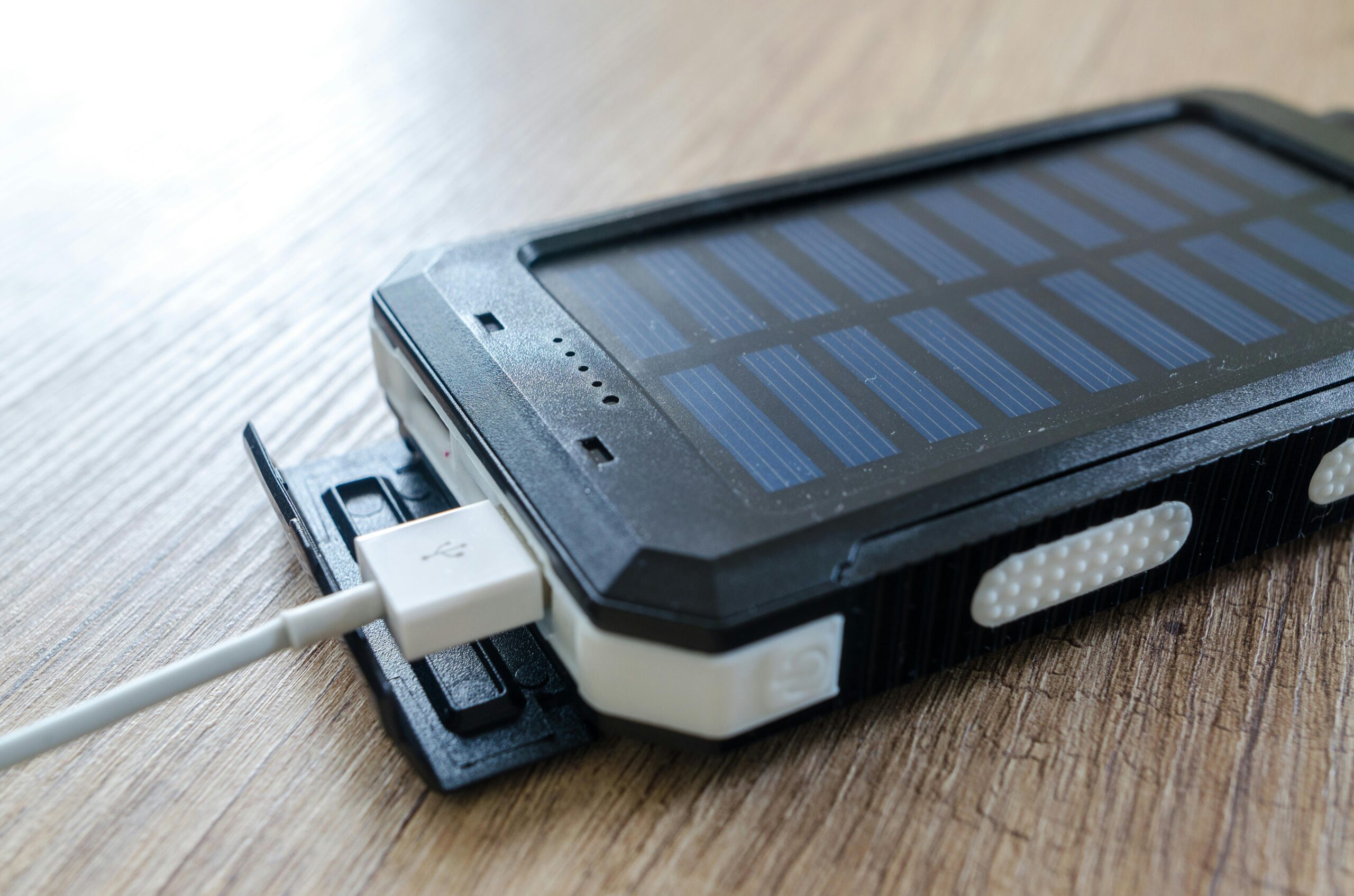
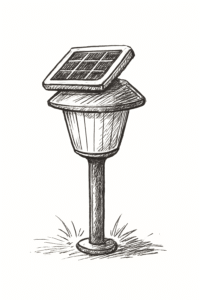
So I bought a solar powered pond aerator. A small floating fountain with a solar panel on top. No wires. No electricity. Just sun and bubbles.
It did not fix everything overnight. But after two weeks, my pond looked better. After a month, the green was gone. The fish stopped gasping.
Let me tell you what I learned.
Why a pond needs oxygen
Ponds do not breathe on their own. Still water loses oxygen over time. Fish and plants use it up. Decaying leaves at the bottom consume it too.
When oxygen gets low, bad things happen.
First, your fish struggle. They swim to the surface and gulp air. That means they are desperate. If oxygen drops too low, they die.
Second, algae takes over. Green slime loves low oxygen water. It spreads across the surface and blocks sunlight. More algae means less oxygen. A downward spiral.
Third, the water smells. Low oxygen lets bad bacteria grow. They release gases that smell like rotten eggs.
An aerator fixes all of this. It pumps air into the water. Bubbles rise to the surface. The water circulates. Oxygen levels go up.
The two types of solar pond aerators
There are two kinds. They look different and work differently.
Floating fountain aerator.
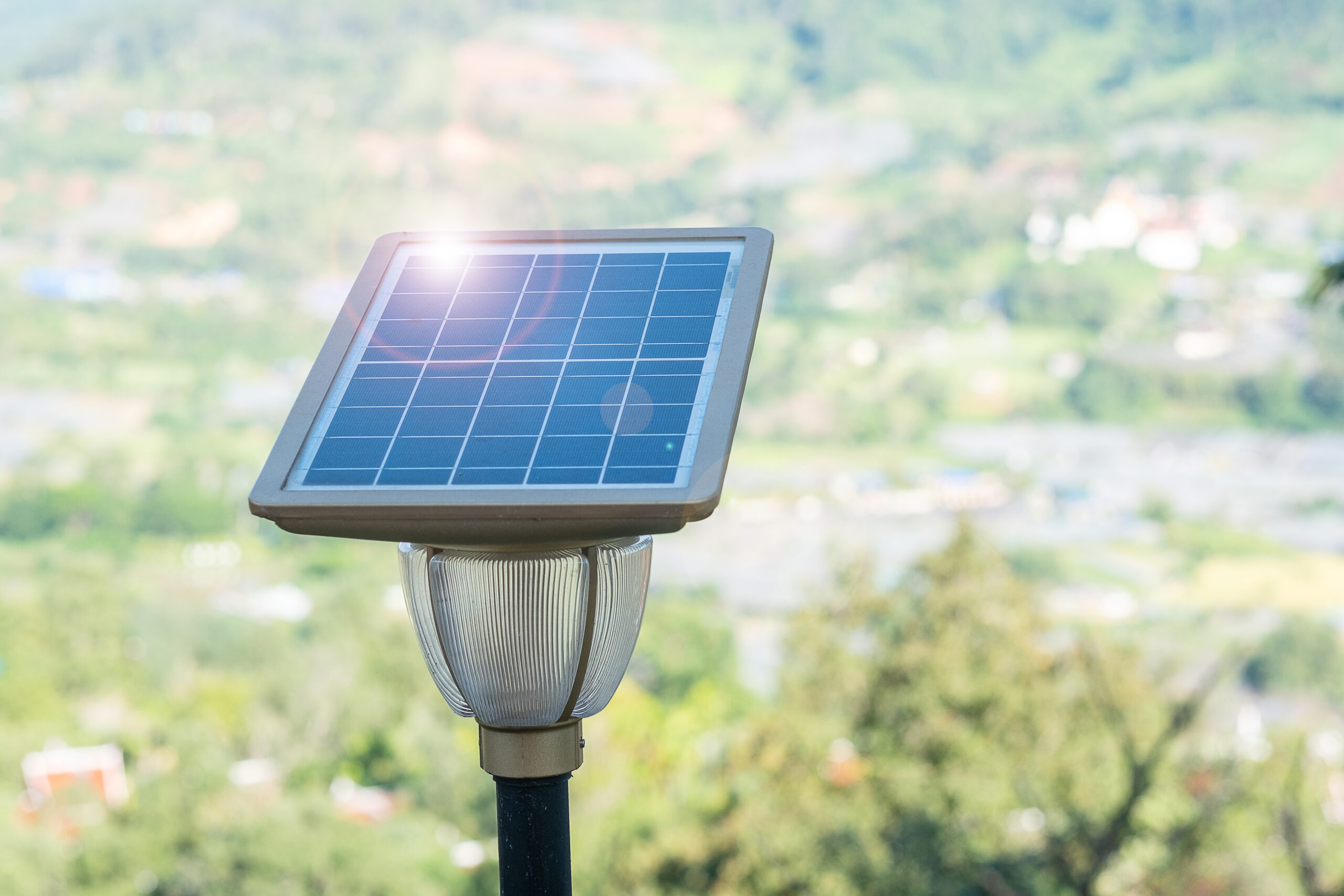
This is what I bought. A small fountain that floats on the water. A solar panel sits on top. A small pump pulls water from the pond and sprays it into the air. The spray adds oxygen. Splashing water also looks pretty.
These work best in small ponds. Under 500 gallons. My pond is about 300 gallons. The floating fountain was perfect.
Air pump aerator.
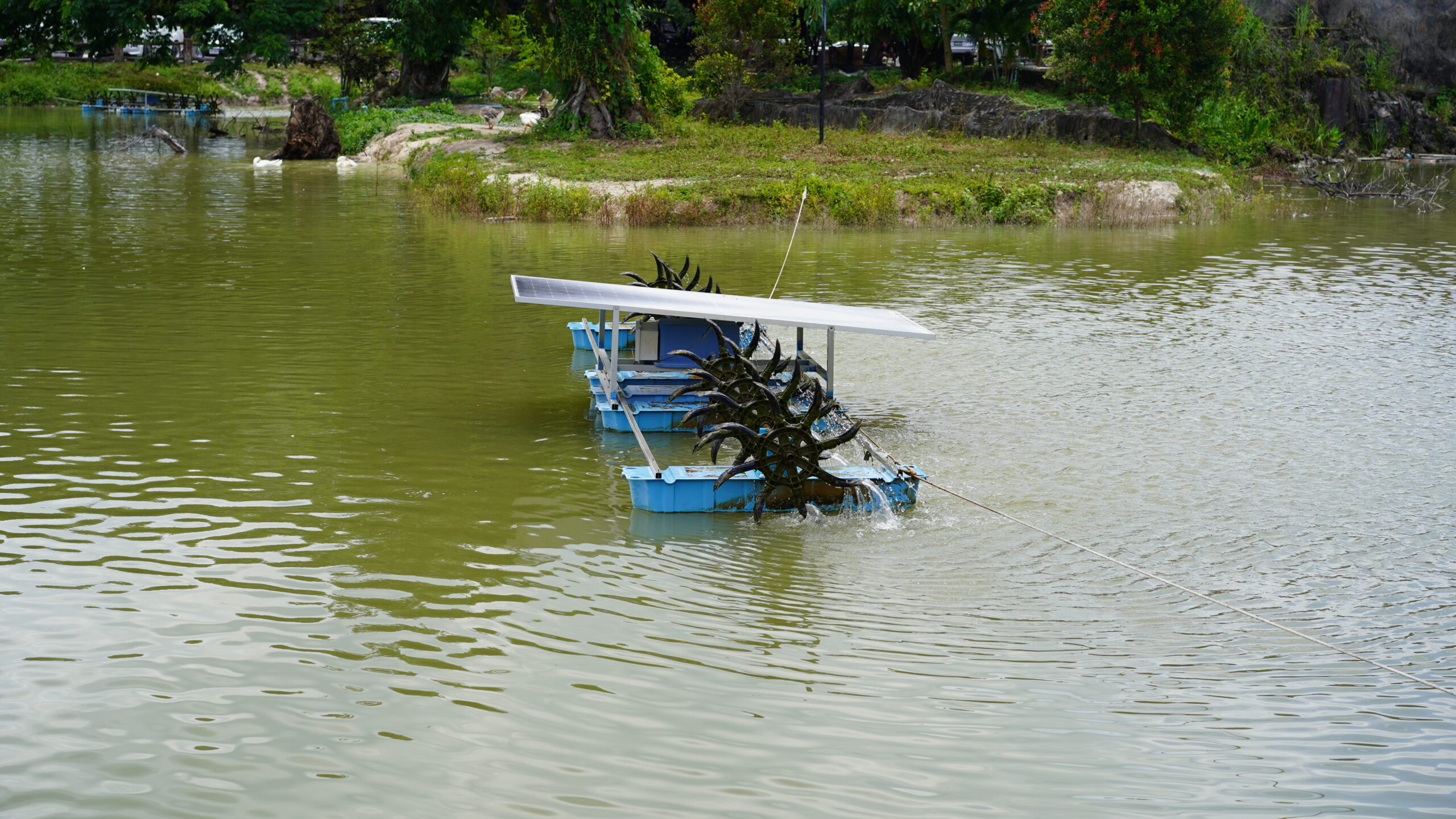
This sits on the ground next to your pond. A solar panel connects to a small air pump. The pump pushes air through a tube. The tube ends in a stone diffuser at the bottom of the pond. Tiny bubbles rise from the bottom.
These work better in deeper ponds. The bubbles mix the water from the bottom up. They are quieter than fountains. No splashing noise.
I tried both. The fountain worked fine for my shallow pond. For a deeper pond, I would use the air pump.
What I bought and what it cost
I bought a floating solar fountain on sale for 45.Regular price was 60. It came with four different spray heads. A small solar panel built into the top. A pump on the bottom.
The box said it works in water as shallow as 1 inch. My pond is about 18 inches deep. Fine.
The pump moves about 50 gallons per hour. That is not a lot. But my pond is small. It was enough.
The kit came with everything. No extra parts to buy. No tools needed. Just drop it in the water and wait for sun.
I also bought a solar air pump later for a second pond. That cost me $70. It came with a small solar panel on a stake, an air pump, 10 feet of tubing, and two diffuser stones. Worked fine out of the box.
The first week disappointment
I dropped the fountain in the pond on a Saturday morning. The sun was out. The fountain sprayed water about 8 inches high. Looked great.
Then a cloud came. The spray dropped to 4 inches. Then another cloud. The spray stopped.
The fountain only runs in direct sun. Not morning sun. Not dappled shade. Full unobstructed sun. Cloudy day? No fountain. Evening? No fountain. Morning before the sun hits the panel? No fountain.
My pond gets sun from 11am to 3pm. That is 4 hours. The fountain ran for those 4 hours and then stopped. The rest of the day, the water was still.
I was disappointed. I thought the fountain would run all day. It did not.
But here is what I learned. The fountain does not need to run all day. It just needs to run enough to keep the water mixed. Four hours of aeration was enough for my small pond. The oxygen level stayed up. The fish stopped gasping.
Do not expect a solar aerator to run nonstop. It runs when the sun is strongest. That is usually enough.
How it performed over time
The first week, I saw small changes. The surface scum broke up. The water looked less green.
After two weeks, the algae started to fade. I could see the fish again.
After a month, the water was clear. Not crystal clear. But clear enough to see the bottom. The smell was gone. The fish were active.
I cleaned the fountain every two weeks. The pump has a small filter. Bits of algae and debris get stuck. I rinse it under a tap. Takes 2 minutes.
The solar panel gets dirty. Bird poop. Dust. Pollen. I wipe it with a damp cloth every week. Dirty panel means less power. Less power means weaker spray.
After one summer, the fountain still works fine. No parts broken. No leaks. I bring it inside for winter. Freezing water would crack the pump.
Where to put a solar pond aerator
Sun is everything. More sun means more aeration.
South facing pond. Best. Gets sun all day.
East facing pond. Good for morning. Less in afternoon.
West facing pond. Good for afternoon. Less in morning.
North facing pond. Bad. Almost no direct sun. Do not buy a solar aerator for a north facing pond. It will not work.
Pond under trees. Bad. Leaves block sun. Trim the branches or move the aerator to a sunnier spot.
Shallow pond. Better than deep pond. Sun warms shallow water. Warm water holds less oxygen. You actually need more aeration in shallow ponds. Paradox.
My pond is south facing with no trees. It gets 4 to 5 hours of strong sun. That was enough.
If your pond gets less than 4 hours of direct sun, a solar aerator might not work. You need a plug in aerator.
Mistakes I made
Mistake one. I did not clean the filter.
After two weeks, the spray got weak. I thought the pump was dying. Then I read the manual. There is a small foam filter inside the pump. It was clogged with algae. I rinsed it. Spray came back strong.
Now I clean the filter every 2 weeks. Set a phone reminder.
Mistake two. I left it out in winter.
First cold snap came in November. I forgot to bring the fountain inside. The water in the pump froze. The plastic housing cracked. I had to buy a new pump. $20.
Now I bring the fountain inside in October. Store it in a box in the garage. Put it back out in April.
Mistake three. I used it in a pond with too many leaves.
My neighbor has a pond under a big oak tree. Leaves fall in constantly. The leaves clogged his fountain every day. He gave up on solar and bought a plug in aerator.
If you have a leafy pond, put a net over the water. Or use an air pump aerator. The diffuser sits at the bottom. Leaves on the surface do not clog it.
Floating fountain vs air pump
I have used both. Here is how they compare.
Floating fountain.
- Looks pretty. Spray catches the light.
- Splashing noise. Some people like it. Some hate it.
- Works in shallow water.
- Clogs easily if your pond has debris.
- Pump is in the water. Can freeze in winter.
- Better for small decorative ponds.
Air pump.
- No visible spray. Just bubbles.
- Quiet. Just a soft fizzing sound.
- Works in deep water.
- Does not clog. Diffuser sits at the bottom.
- Air pump sits on land. Bring it inside for winter.
- Better for fish ponds and deeper water.
I use the fountain in my front yard pond. It looks nice. I use the air pump in my back yard pond. It is more practical.
What the box does not tell you
The pump is not silent.
My fountain makes a buzzing sound. Not loud. But you can hear it from 10 feet away. At night, when everything is quiet, the buzzing is noticeable.
Solar panels get less efficient over time.
After two years, my panel makes less power. The spray is not as high as it used to be. The panel still works. Just not as well.
The pump will eventually fail.
These small pumps last 2 to 3 years. The seals wear out. The motor gets weak. When it dies, buy a replacement pump. Do not buy a whole new fountain.
You might need two aerators.
My friend has a 1,000 gallon pond. One floating fountain was not enough. He bought two. Put them on opposite ends. That did the trick.
The bottom line
A solar powered pond aerator saved my green smelly pond. No electricity. No extension cords. Just sun and bubbles.
It does not run all day. Only when the sun is strong. But that was enough for my small pond.
Buy a floating fountain for a small decorative pond. Buy an air pump for a deeper fish pond.
Clean the filter every 2 weeks. Wipe the solar panel every week. Bring it inside for winter.
My fish stopped gasping. The green water cleared. The smell went away.
Best $45 I spent on my pond.
FAQs
What is a solar powered pond aerator?
A device that adds oxygen to pond water using sunlight. It either sprays water into the air like a fountain or pumps air through a stone diffuser at the bottom. No electricity needed.
Do solar pond aerators really work?
Yes for small to medium ponds. My 300 gallon pond cleared up in a month. The aerator needs direct sun. At least 4 to 5 hours per day. Shady ponds will not work well.
How much does a solar pond aerator cost?
40 to 150. Floating fountains cost 40 to 80. Air pump systems cost 60to150. The cheap ones work fine for small ponds. Spend more for larger ponds.
Will a solar aerator run at night?
No. Solar aerators only run when the sun hits the panel. They stop at sunset. The water stays oxygenated through the night. In the morning, the sun comes back and the aerator starts again.
How long do solar pond aerators last?
2 to 4 years. The pump wears out first. The solar panel lasts longer. When the pump dies, buy a replacement pump for 15to30. Do not buy a whole new unit.
Can I leave a solar pond aerator out in winter?
No. Freezing water cracks the pump. Bring floating fountains inside before the first freeze. Air pumps can stay outside if you bury the hose below the frost line. But it is easier to bring the whole thing inside.
Does a solar pond aerator need direct sunlight or just daylight?
Direct sunlight. A cloudy day produces some power but not much. A shady pond will not work at all. Check your pond at different times of day. If it gets less than 4 hours of direct sun, buy a plug in aerator.
How do I clean a solar pond aerator?
Floating fountain: remove the pump. Rinse the foam filter under a tap. Wipe the solar panel with a damp cloth. Do this every 2 weeks. Air pump: wipe the solar panel. The diffuser stone may need cleaning after a year. Soak it in vinegar overnight.
Can I use a solar aerator in a fish pond?
Yes. Fish need oxygen. A solar aerator adds oxygen. My koi stopped gasping at the surface after I added the aerator. For large fish ponds, buy a bigger system or use multiple aerators.
What size solar aerator do I need?
Small ponds under 500 gallons: a floating fountain or small air pump. Medium ponds 500 to 1,500 gallons: a larger air pump or two smaller aerators. Large ponds over 1,500 gallons: solar may not be enough. Look at plug in aerators instead.
Summary
A solar powered pond aerator fixed my green smelly pond. Floating fountains cost 40to80. Air pumps cost 60to150. Both need 4 to 5 hours of direct sun per day. Clean the filter every 2 weeks. Wipe the solar panel weekly. Bring it inside for winter. My fish stopped gasping. The water cleared. Worth every dollar.