Table of Contents
The Real Problem With Lighting an Animal Shed
Anyone who has walked into a dark barn at 11pm to check on a calving cow, a sick goat, or a hen that has not gone back to roost knows exactly what this is about. You are fumbling around with a phone torch, trying not to trip over anything, trying to see whether the animal actually needs attention or whether you made the trip for nothing.
Wired lighting solves this. But wiring an animal shed costs serious money when the building sits any meaningful distance from the main supply. Trenching across a yard or field, getting an electrician in, running armored cable, fitting proper fixtures. Depending on the distance and what is in the ground between the house and the shed, you are looking at anywhere from a few hundred to several thousand pounds or dollars before a single light turns on.
Solar lights for animal sheds exist for exactly this situation. They go up in an afternoon. They need no electrician. They run off the sun and handle themselves. And unlike the cheap solar garden lights most people picture, the setups built for actual farm use are robust enough to handle dust, moisture, ammonia, cold winters, and the general brutality of a working agricultural environment.
Why Animal Sheds Are Harder Than Other Solar Lighting Jobs
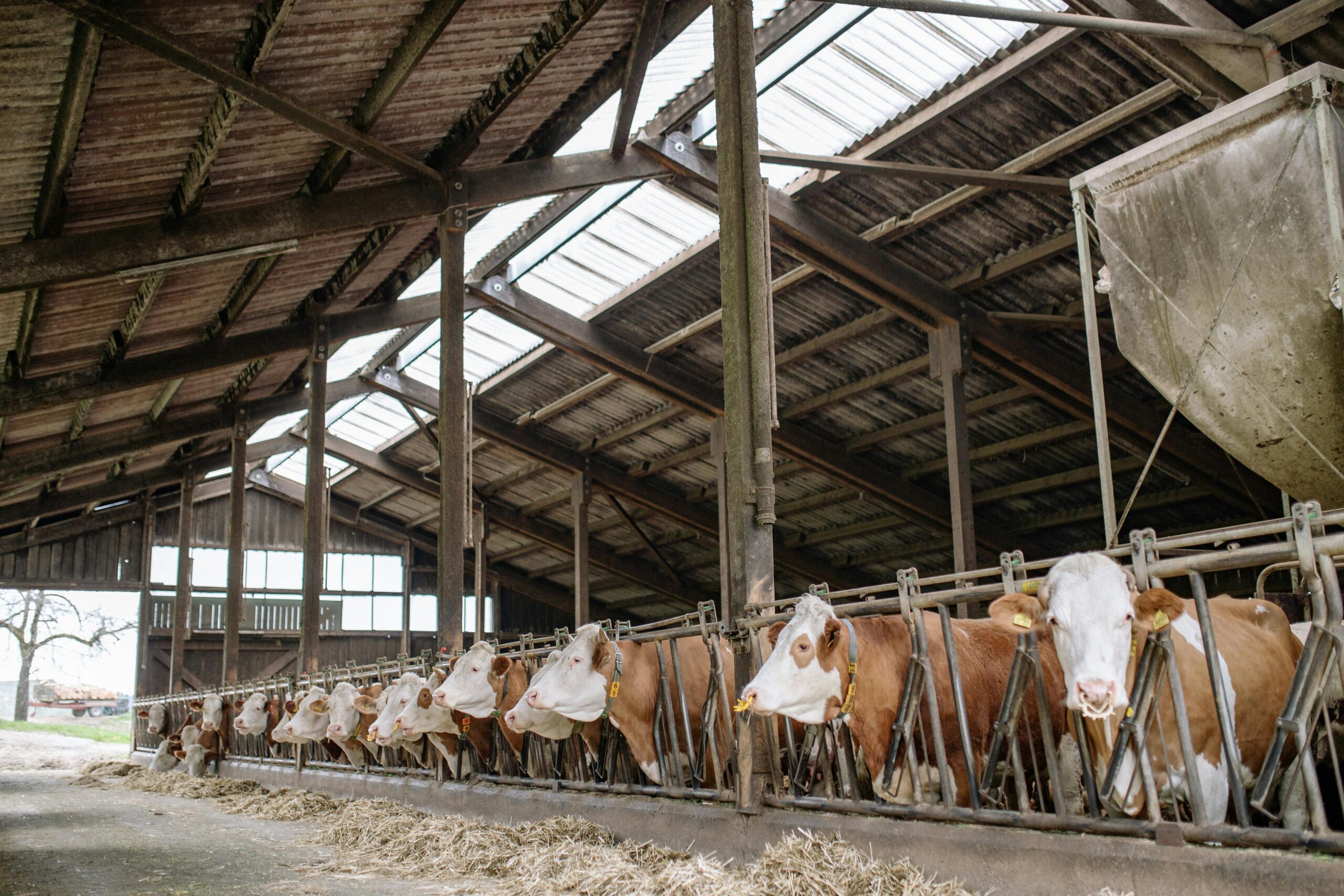
An animal shed is not a garden path or a front door. The environment inside and around a working livestock shed creates conditions that kill ordinary solar lights within weeks.
Ammonia from animal waste is corrosive. It attacks unprotected LED drivers and circuit boards over time. Dust from hay, straw, and feed coats solar panels and reduces charge efficiency noticeably. Moisture from animal breath, washing down floors, and general humidity gets into fixtures that are not properly sealed. Cold nights in winter push battery performance down significantly if the battery chemistry is not suited to low temperatures.
Then there is the inside-outside problem specific to sheds. The panel needs to be outside in direct sun. The light needs to be inside where the animals are. This means you need either a split-panel system with a cable running from an external panel to an internal fixture, or external wall lights mounted under an eave where they get enough daylight to charge while being protected from direct rain.
Getting all of this right is what separates a solar shed lighting setup that works for years from one that gets returned or thrown away after the first winter.
The Types That Actually Work for Animal Sheds
Split-Panel Indoor Solar Lights
This is the most important type for anyone lighting the inside of an animal shed. The solar panel mounts on the roof or an outside wall where it gets direct sun. A cable, usually 16 feet or more on decent models, runs through a small hole or gap into the interior where the light fixture hangs or mounts.
Inside the shed you get real working light. Not a dim glow that makes it harder to see than better. Actual usable lumens for checking animals, treating injuries, doing nighttime chores. Good models come with a remote control so you can switch the light on and off from across the shed without walking to a switch. On a cold wet night when you just want to check the animals quickly and leave, that remote is worth more than it sounds.
The split design also solves the ammonia and moisture problem for the electronics. The panel and battery sit outside or in a protected position. The light fixture inside can be a sealed unit that handles the corrosive air much better than an integrated solar light would.
External Wall Lights Under Eaves
For the outside of a shed, the entrance area, the door, and the approach path, a standard solar wall light mounted under an eave works well. The eave gives the panel enough exposure while protecting the fixture from direct rain. Look for cast aluminum construction rather than plastic. Plastic gets brittle in frost. Aluminum holds up for years in the same conditions.
These lights handle the practical nighttime tasks around the outside of a shed reliably. Finding the door in the dark. Seeing whether the gate is shut. Checking what the dog is barking at at midnight.
Solar Floodlights for Large Sheds and Yard Areas
For a larger building, a yard area between sheds, or a handling area where you need proper working light rather than ambient glow, a solar floodlight on a pole or high wall mount gives you the coverage. These push 800 to 2,000 lumens and cover a wide area. Motion activation makes practical sense for yard areas because the light stays dark when nothing is happening and fires to full brightness when you or an animal moves into range.
For anyone with predator problems, specifically foxes or other animals getting into poultry sheds and runs at night, a motion-activated solar floodlight near the coop entrance is one of the most practically useful things you can install. The sudden bright light is a strong deterrent and it alerts you when something is moving around that should not be.
Solar Pendant Lights for Chicken Coops
Chicken coops have their own specific lighting situation. Laying hens need a certain number of daylight hours to maintain egg production through winter. A simple solar pendant light inside a coop, on a timer or dusk-to-dawn sensor, extends the perceived day length for the birds and keeps production up through the shorter days of autumn and winter.
For this purpose you do not need high lumens. A dim, warm light is enough to fool the hen’s biology. What you do need is reliability. A light that works every single night without fail through a November to February stretch. That means battery capacity and panel efficiency matter more than brightness for this specific application.
Specs That Matter in a Farm Environment
These are the numbers to look at when buying solar lights for animal sheds. Several of them are different priorities compared to what you would look for in a residential garden light.
- IP Rating: IP65 minimum for external shed lights. IP66 or IP67 for anything that will face direct spray from a hose or heavy rain without protection. Washing down a yard with a hose near an IP44 light is a reliable way to destroy it.
- Lumen Output: For inside a shed where you need to actually work, 400 to 800 lumens minimum. For a coop extension light, 50 to 150 lumens is plenty. For a yard floodlight, 1,000 to 2,000 lumens.
- Battery Chemistry: Look for lithium batteries rather than NiMH or NiCd in farm environments. Lithium holds performance better in cold temperatures. NiMH batteries lose significant capacity below freezing, which is exactly when winter farm chores need reliable light most.
- Autonomy Days: For a farm building you rely on, aim for a solar system that holds at least 2 to 3 nights of charge. This means cloudy days do not leave you with a dead light on the third consecutive overcast evening.
- Cable Length on Split Systems: For most sheds, 16 feet of cable from panel to fixture covers the distance from a roof mount to an interior hanging point comfortably. If your shed is deep or the roof is complex, check whether extension cables are available for the model before buying.
- CRI: For sheds where you are checking animal health, identifying injuries, or assessing feed quality, a CRI above 80 makes a genuine practical difference. Low-CRI lighting makes everything look washed out and similar in tone. High-CRI lighting shows you colors accurately so you can spot a wound, a sick animal, or a problem with feed or bedding that you might miss under poor quality light.
The Panel Placement Problem on Farms
This catches people out more than any other single thing with solar shed lighting, and it is worth saying plainly.
Most animal sheds sit under trees, near other buildings, or have rooflines and overhangs that shade large portions of the exterior through the middle of the day. The middle of the day is when solar panels do most of their charging. A panel in partial shade between 10am and 3pm charges at a fraction of its capacity. By the second night, the light is dimming. By the third, it is off.
Before you buy anything, walk around your shed at midday on a clear day and find where unobstructed sun actually falls. That is where the panel needs to go. On a split-panel system this is straightforward because you can mount the panel on the sunniest part of the roof and run the cable to wherever the light needs to be. On an integrated all-in-one solar light, you are stuck mounting the whole unit wherever the panel gets sun, which sometimes means the light ends up in the wrong place.
For most farm sheds with any complexity, a split-panel system is the smarter choice precisely because it separates the two decisions. Panel goes where the sun is. Light goes where you need it.
A Few Things Most People Only Discover After Buying
Cheap solar shed lights almost always use sealed batteries with no replacement option. The battery degrades after a season or two of regular use. When it stops holding charge properly, the whole unit gets thrown away. This is not a problem with quality solar lighting. It is specifically a problem with low-cost units designed for short product lifespans.
Check before buying whether the battery is replaceable. A replaceable AA or 18650 cell inside the fixture means you spend a small amount every few years rather than replacing the whole product.
Keep the panel clean. Dust from a working farm settles on everything, including the solar panel sitting on the shed roof. A quick wipe once a month during summer and more frequently during harvest season when dust is heavy keeps charging performance where it should be. It takes a couple of minutes and makes a noticeable difference to how long the light runs each night.
Run the panel cable through a proper weatherproof grommet where it enters the building. A gap with the cable running through is a route for moisture, rodents, and cold air. This sounds minor until a rat chews through the cable or water gets into the fixture through the hole.
Summary
Running electricity to an animal shed sounds straightforward until you get the quote for trenching, wiring, and installation across a working farm. Solar lights for animal sheds skip all of that entirely. They charge during the day, run through the night, and ask nothing from the grid. This guide covers what types work best inside and outside sheds, what specs matter in a farm environment, and the honest mistakes that cost farmers money before they figure this out.